Home Blog Page 255

NBTE partners Teach the Child to boost rural youth skills in FCT

The National Board for Technical Education and Teach the Child Initiative have entered a new partnership aimed at improving skills development and employment opportunities for rural youths across the six area councils of the Federal Capital Territory. The agreement is seen as a strategic move to expand awareness and strengthen implementation of the Nigeria Skills Qualification Framework and Technical Vocational Education and Training in underserved areas.

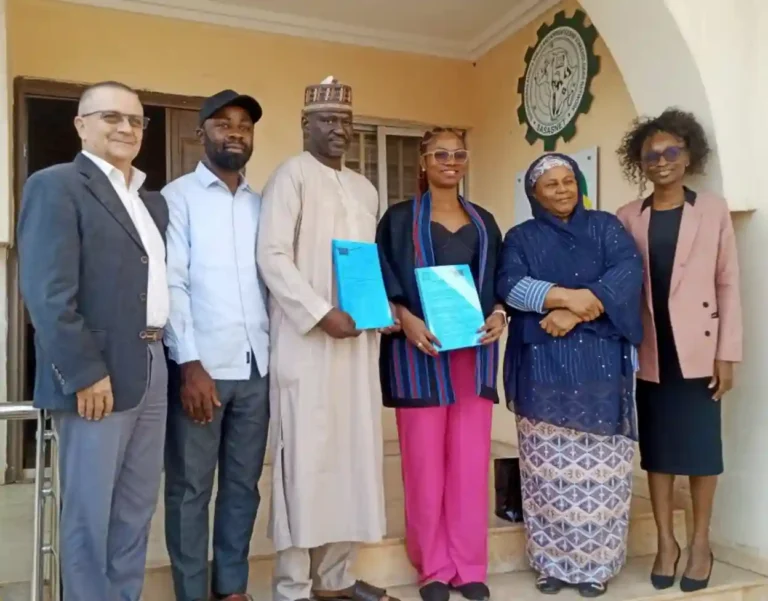
The Memorandum of Understanding was signed on behalf of the Executive Secretary of NBTE, Professor Idris M. Bugaje, by Engr. Bashir Datti, Head of Work Skills Nigeria, NBTE Kaduna. The signing marks a major milestone in efforts to promote structured skills learning, career pathways, and certification for young people who often miss out on formal development opportunities. At the ceremony was Pascal Durand, a French expatriate and career expert working with NBTE, who praised the collaboration as a forward thinking step that reflects global standards in youth capacity building.

Under the agreement, Teach the Child Initiative, a registered non governmental organization based in Gwarimpa, Abuja, will lead the Employment Advocacy for Rural Youths Project. This campaign is designed to inform young people and stakeholders about the opportunities available through the Nigeria Skills Qualification Framework. The effort will focus on communities across Abuja’s six area councils.

The MoU outlines joint work areas beginning with public awareness and sensitization. Teach the Child will organize targeted engagements including focus group discussions, stakeholder visits, and town hall meetings. These activities will help youths understand the value of the Nigeria Skills Qualification Framework, where to find skills training centres, how to obtain recognized qualifications, and why employers should adopt skills based hiring under NSQF standards. The collaboration also covers digital and social media promotion. Both organizations will create strategic content and digital tools to reach young people on platforms where they are most active, ensuring that technical and vocational education messages are accessible.

Speaking at the event, Engr. Datti restated NBTE’s commitment to expanding accessible and industry relevant skills training nationwide. He noted that the initiative is timely and essential in addressing youth unemployment. According to him, “credible skills certification remains a sustainable route to empowering rural communities and boosting national productivity.” His comments reflect the belief that practical training remains an effective pathway to stable livelihoods for young Nigerians.

In her remarks, Pearl Utuk, Chief Executive Officer of Teach the Child Initiative, described the MoU as a milestone in the organization’s mission to equip young people with tools needed to succeed in today’s economy. “This partnership with NBTE represents hope, opportunity, and a clear pathway to employment for thousands of young people across the FCT,” she said. She noted that rural youths have long been left out of conversations about skills development and the future of work. The project, she explained, will take the Nigeria Skills Qualification Framework directly into communities and help young people understand how technical and vocational skills can shape their future.

Utuk explained that the project is more than awareness, saying the Employment Advocacy for Rural Youths initiative will create real access. “We are not only informing youths about the NSQF, we are connecting them to certified centres, showing them how to enrol, and working with private sector stakeholders to embrace skills based recruitment,” she added. She commended NBTE for its openness to collaboration and said sustained engagement, community support and partnership with local institutions are key to success.

She noted that the partnership signals a long term process of change. According to her, “With the support of NBTE and our partners, we are confident that more young people will gain the skills, confidence, and certification needed to secure meaningful employment and contribute to national development.”

Advertisement

Lagos attracts $6bn tech funding as Moniepoint CEO hails SAIL

0

Lagos State Governor, Babajide Sanwo-Olu, has revealed that his administration attracted over $6 billion in tech funding between 2019 and 2024, noting that Lagos now accounts for 80 per cent of Nigeria’s 2,000 active startups in the tech ecosystem. He said this achievement shows how the state has become a major driver of innovation and growth in Nigeria’s digital economy.

The Governor made this known at the seventh edition of Art of Technology (AOT) Lagos, held in Victoria Island. He was represented at the event by the Deputy Governor, Dr. Obafemi Hamzat, who explained that the government remains committed to reforms and investments that will keep Lagos ahead as a global innovation hub. Sanwo-Olu called for deeper collaboration between the state government and private sector players in building a safer, smarter, greener megacity that promotes digital jobs and inclusive prosperity.

While emphasising the state’s confidence in innovation, the Governor highlighted the role of the Lagos State Science, Research and Innovation Council (LASRIC). He noted that “almost N2 billion has been invested in startups and research programs across sectors such as fintech, health tech, agritech, and climate technology.” According to him, the council is part of a bigger plan to strengthen talent development, research capacity, and emerging technologies.

Sanwo-Olu stressed that Lagos has earned recognition from Dealroom.Co as the fastest rising innovation city in the world. He said this success is tied to “the bold collaborative agenda between private and public stakeholders within the Lagos ecosystem.” He added that the government will continue to invest in infrastructure and enabling programs that improve technology’s contribution to Lagos’ GDP. He also pointed out that the state is “strategically investing in future technologies that will shape a more sustainable and resilient city.”

In further remarks, the Governor explained that the creation of the Lagos State Cybersecurity Council, which is Nigeria’s first sub-national cybersecurity body, is designed to protect the state’s digital systems as Lagos moves deeper into artificial intelligence, Internet of Things, e-governance, and smart city operations.

Earlier in the event, the Commissioner for Innovation, Science and Technology, Tobosun Alake, restated the government’s commitment to grow the state’s innovation ecosystem. He highlighted new progress in digital infrastructure, startup development, smart city projects, and research funding. Alake announced that “Lagos now accounts for 80 per cent of Nigeria’s 2,000 active startups, which have attracted more than $6 billion in tech funding between 2019 and 2024. The Lagos tech ecosystem, valued at $15.3 billion has continued to expand through public-private collaboration and deliberate government investment.”

Meanwhile, the Founder and Chief Executive Officer of Moniepoint, Tosin Eniolorunda, visited the SAIL Innovation Lab in Ikorodu for an interactive session where he commended the co-founder and Senator representing Lagos East, Adetokunbo Abiru. Eniolorunda described the facility as “world-class,” saying its faculty and infrastructure meet global standards. He urged young Nigerians to embrace digital skills, describing technology and innovation as the currency of today’s world.

Eniolorunda encouraged youths to remain disciplined and committed to learning, noting that the global demand for tech talent continues to grow. According to him, Senator Abiru has provided one of the best platforms in Lagos East for young people to maximise their potential and thrive globally. He stated that “leadership that invests in people, especially the youth, through technology and innovation is leadership for the future,” praising Abiru as a leader whose example should be copied.

In his response, Senator Abiru congratulated Eniolorunda for his accomplishments in the technology sector, especially for transforming Moniepoint into a globally recognised unicorn.

FG approves N166bn fund to drive data-led disaster preparedness

The federal government, through the Vice President of Nigeria, Senator Kashim Shettima, has announced that Nigeria is ready to take the lead in a new era of data-driven disaster preparedness. He made this known on Thursday, 4 December 2025, while revealing that the Federal Government has approved a N166 billion special intervention fund to support anticipatory actions before disasters happen in the coming year. According to him, this step is part of a broader national effort to improve systems, enhance early warnings, and ensure that alerts do not just get issued but are heard, understood, and acted upon in communities.

Shettima made these remarks at the National Conference on Anticipatory Action in Nigeria, themed Unlocking the Power of Data-Driven Anticipatory Action in Nigeria, organised by International Rescue Committee, Nigeria. Speaking through the Deputy Chief of Staff to the President, Senator Ibrahim Hassan Hadejia, Shettima explained that the Federal Government is investing in key areas such as national data generating agencies, climate-resilient agriculture, flood prediction models powered by machine learning systems including IGNITIA, data-driven disaster management frameworks, and community-led resilience programmes.

He stated that the goal is to build a country where no community is left behind or exposed to rising waters, failed rains, or declining livelihoods. According to him, strengthening national systems is essential so that early warnings become actionable, especially for communities at the last mile. He noted: “A special intervention of N166 billion has been committed by the National Economic Council to fund the National Anticipatory Action Framework in 2026.” He added that Nigeria’s ambition is to become a nation that anticipates rather than reacts.

Shettima emphasised: “The Nigeria we are building will not be one that waits helplessly for rescue. We will be a proactive nation, not reactive, resilient, not vulnerable. A nation where no community is abandoned to rising waters, failed rains, or eroding livelihoods. A nation where innovation meets governance, and data meets compassion.” He stressed that anticipatory action is more than a humanitarian requirement; it is a development strategy and a climate pathway. He described it as a governance strength, positioning Nigeria to respond more intelligently to environmental shocks.

He noted that timely and accurate data remain central to this new vision because it supports reliable early warning systems and proactive financing. He stated: “And it is a moral duty. If we unlock the power of data-driven anticipatory action, we will build a Nigeria that withstands shocks, protects its citizens, and stands as a global model for resilience.” The Vice President reminded participants that the conference was designed to chart a new national direction in anticipating climate-related disasters, including how to prepare and respond effectively.

He pointed out that the climate crisis is no longer distant but already affecting the country. He cited examples such as floods that sweep through over 26 states, droughts reducing agricultural yields in the Northeast and Northwest, rising cases of cholera, meningitis, and vector-borne diseases linked to changing weather conditions, and thousands of displaced individuals yearly.

In Shettima’s words, for affected families, these are not simply climate events but life-altering emergencies that determine whether children attend school, whether families can eat, and whether businesses survive.

He highlighted that the opportunity ahead lies in transforming climate predictability into protection. According to him, global evidence shows that acting before disaster strikes, guided by data, forecasting, and science, saves more lives, protects livelihoods, and reduces economic costs.

He explained that with accurate data, reliable early warning systems and proactive financing, Nigeria can move families to safety ahead of flooding, safeguard farms before drought impacts seedlings, provide cash assistance before families resort to extreme coping strategies, and reinforce local systems before they collapse. He described anticipatory action as common sense, smart economics, good governance, and humane leadership.

Shettima referenced successful collaboration with the United Nations, The International Rescue Committee, donors, and partners in Adamawa State, noting that communities recover faster, cope better, and move forward with dignity when proactive actions are taken. He urged international partners and donors to significantly increase investments in anticipatory action.

According to him, “Now is the time to scale up anticipatory action financing in Nigeria, the window to act is narrow, the need is urgent, And the returns in lives saved and communities protected are extraordinary, Every naira or dollar spent before a crisis saves multiple times that amount after a crisis, This is not charity, this is strategic investment in stability, economic growth, and resilience for Africa’s largest nation.”

The Vice President further called on stakeholders to collaborate in strengthening data collection, expanding hydro-meteorological infrastructure, improving forecasting capabilities through analytics and machine learning, building accessible and reliable early warning systems, scaling climate-resilient agriculture, improving water management, empowering communities with finance and knowledge, and cascading the National Anticipatory Action Framework into states affected by floods and other climate pressures. He warned that the country cannot continue with a response approach where communities only receive support after devastation has happened.

In his opening remarks, the Country Director of International Rescue Committee-Nigeria, Babatunde Ojei, described anticipatory action as more than an innovation but a lifeline. He said it provides the ability to act before a crisis becomes a catastrophe, to protect before families lose everything, and to prevent suffering before it begins.

He noted that the event marks a turning point for Nigeria, where scientific evidence meets leadership and decisive action. According to him, the gathering shows that the country is ready to protect its citizens ahead of emergencies rather than waiting for calamity.

He observed that Nigeria has endured harsh climate realities, including floods, droughts, displacement, crop failures, food insecurity, and loss of livelihoods. He stated that these challenges are not mere statistics but lived experiences affecting farmers, mothers, children, traders, and communities struggling with circumstances beyond their control. He added that the conference brings together intelligence, leadership, and commitment to reshape this reality.

NJFP 2.0 emails candidates to reschedule missed CBT assessment

0

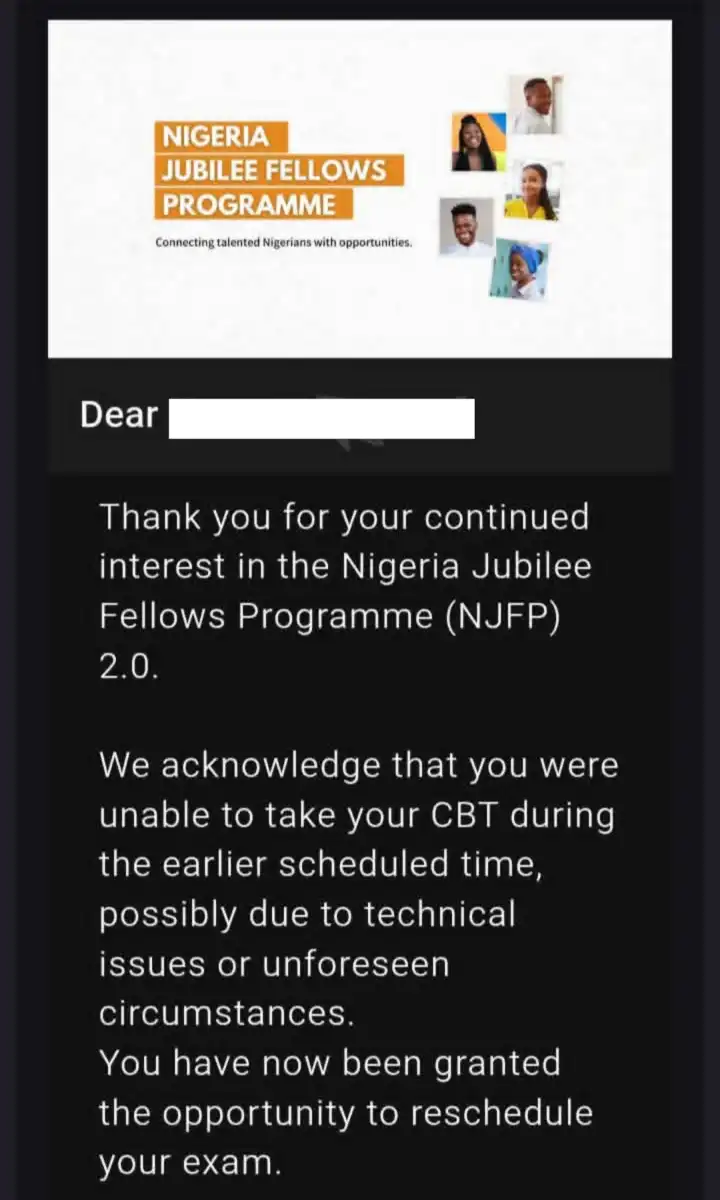
The Nigeria Jubilee Fellows Programme (NJFP) 2.0 is sending email messages to applicants who were unable to take their CBT assessment test, inviting them to reschedule. Affected applicants are required to log in to their NJFP dashboard and select a new test date.

The email reads: “Dear Candidate, Thank you for your continued interest in the Nigeria Jubilee Fellows Programme (NJFP) 2.0. We acknowledge that you were unable to take your CBT during the earlier scheduled time, possibly due to technical issues or unforeseen circumstances. You have now been granted the opportunity to reschedule your exam.”

Candidates are to log in to their portal and check their CBT date and time. Click “Schedule CBT”, select a preferred available date and time, and prepare for your assessment.

This is the final opportunity for applicants to reschedule their assessment, and they are encouraged to join the Zoom support session through the link included in the rescheduling message.

Earlier, UNDP Nigeria confirmed that applicants who missed their scheduled assessment will get another chance to take their CBT. Some candidates were unable to complete the test due to technical challenges or unexpected issues. Affected candidates are now receiving information on when they can reschedule their NJFP 2.0 CBT.

Apply for N100k to N5m Jaiz Bank Business Loan for Kogi State

0

The Kogi Enterprise Development Agency (KEDA), in partnership with Jaiz Bank in Lokoja, has opened applications for its new loan scheme to support business owners across Kogi State. The programme offers financial assistance ranging from ₦100,000 to ₦5,000,000, aimed at boosting entrepreneurship and driving economic growth by making loans accessible to both registered and unregistered enterprises.

According to KEDA, the initiative responds to the challenges faced by small and medium businesses in accessing funds needed for expansion. The scheme is designed specifically for entrepreneurs in the state and comes with an annual interest rate between 15 and 17 percent.

There are no processing fees and applicants only need to provide self guarantee.

The loan is available under two categories. Category A offers between ₦100,000 and ₦500,000 and requires only a National Identification Number and Bank Verification Number. Category B provides between ₦1,000,000 and ₦5,000,000 and requires Corporate Affairs Commission registration, National Identification Number, and Bank Verification Number.

To apply, interested business owners are required to visit KEDA’s office at No. 26, Federal University Road, Lokoja, to meet the desk officer for guidance and processing.

Apply for $20,000 UNICEF Leading Minds Fellowship on Climate Grant

0

The UNICEF Leading Minds Fellowship on Climate Education is now open for applications, offering young people a chance to drive meaningful change in global climate learning. The 18-month programme runs from February 2026 to July 2027 and aims to support youth in transforming climate education systems.

Selected initiatives may receive grant support of up to $20,000 to help scale their impact.

The climate education is a fundamental right and a tool for intergenerational justice, which supports youth-led research, foresight, and advocacy to influence education policy and climate strategies worldwide. The initiative is a chance to help reimagine climate education, so that every child, everywhere, grows up prepared, empowered, and able to shape a just and sustainable future.

As a Leading Minds Climate Education Fellow, young people will join a global cohort working to elevate youth-driven ideas. Participants will conduct research, engage in foresight-based work, contribute to policy, and take part in designing strategic discussions. UNICEF plans to select up to 12 young climate leaders between the ages of 10 and 30 who are already strengthening climate education in their schools, communities, or countries.

A youth-led climate initiative could take many forms. Examples include curriculum development, school climate clubs, partnerships with government authorities, projects linking climate education with justice or human rights, and informal or community learning efforts. Digital campaigns, online storytelling, awareness outreach, and media platforms also qualify. UNICEF says, “If you’re helping others learn, adapt, engage, or act on the climate crisis — this Fellowship is for you.”

Fellows will focus on documenting and strengthening their climate education “Bright Spot.” They will contribute to systems thinking and youth-led research, shape policies, join national and global dialogues, and create stories, tools, and evidence that improve education systems. They will also co-design and co-host strategic convenings during the programme.

Benefits include a stipend for participation, technical mentorship, collaboration opportunities with research partners, visibility and public speaking platforms, and practical experience in child rights, foresight, youth engagement, and advocacy. UNICEF also highlights leadership development and access to a global network of young advocates. Each selected fellow will be eligible for up to $20,000 in grant support.

The fellowship is open to young people aged 10 to 30 who are leading or representing a climate education initiative, passionate about climate action, able to commit four to five hours weekly from February 2026 to July 2027, and comfortable working in English.

The application deadline is December 31, 2025.

Interested candidates are directed to apply via https://forms.office.com/e/M16DEbh0gz.

Eterna Plc launches ₦21.52bn rights issue for expansion, liquidity support

0

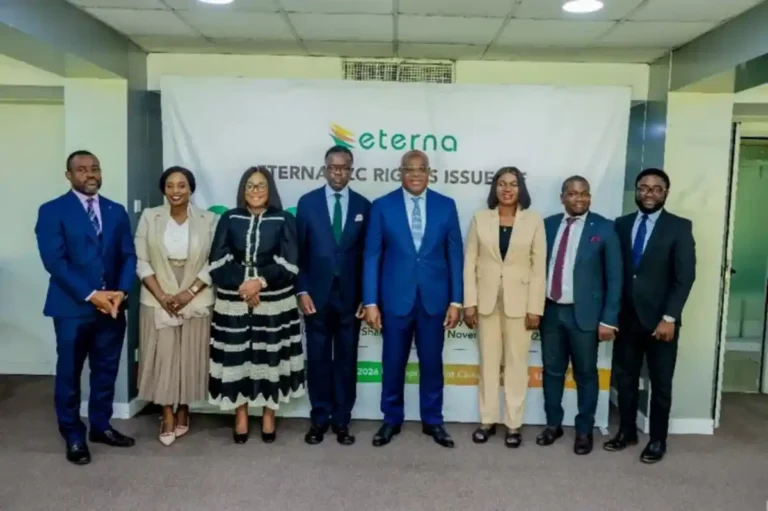
Eterna Plc, one of Nigeria’s key players in the integrated energy industry, has taken another major step toward boosting its financial strength and expanding its business operations. The company has finalized arrangements for a rights issue involving 978,108,485 ordinary shares priced at ₦22.00 per share, a move expected to raise about ₦21.52 billion. According to the company, this capital raise is aimed at reinforcing its balance sheet and supporting strategic growth across vital segments of its operations.

The formal signing ceremony for the Rights Issue took place on Tuesday, December 2, 2025. This marked a significant milestone after shareholders approved the move during the Annual General Meeting held in July 2025. Under the structure of the rights issue, existing shareholders are entitled to subscribe for three new ordinary shares of 50 kobo each for every four ordinary shares held as of the close of business on November 27, 2025.

The subscription period will run from January 12, 2026, when the Acceptance List opens, until February 18, 2026, when it closes. Eterna stated that all new shares allocated through this process will rank pari passu with current ordinary shares, ensuring equal rights for existing and incoming shares.

This fundraising effort comes on the back of a strong financial performance by the company over recent years. Eterna reported a 71 percent increase in revenue to ₦313.6 billion in 2024, up from ₦183.2 billion recorded in 2023. It also bounced back into profitability with a profit before tax of ₦4.48 billion, representing a major turnaround from the ₦11.97 billion loss posted in 2023.

Positive momentum has continued into 2025, with half-year results showing a 6.9 percent rise in consolidated revenue and a 143.9 percent increase in profit before tax to ₦1.57 billion, compared with the same period in 2024. The company explained that proceeds from the rights issue will be channeled into supporting strategic initiatives such as retail network expansion, upgrading of its lubricant blending plant, strengthening LPG retail assets, acquiring commercial delivery assets, and expanding aviation fueling operations. It will also invest in projects tied to Environmental, Social, and Governance priorities.

A portion of the funds will serve as working capital to improve day-to-day liquidity, including inventory financing and short-term trade payables. This, according to the company, will help cushion shocks arising from market volatility, foreign exchange fluctuations, and possible supply disruptions.

Nigeria’s downstream oil and gas sector continues to face reforms, regulatory shifts, and macroeconomic pressures, including fuel price deregulation and unstable global oil prices. Despite these challenges, Eterna has continued to stay resilient through its diversified operations in fuel distribution, lubricant manufacturing, LPG retailing, and aviation fueling. The Board of Directors, led by Chairman Dr. Gabriel Ogbechie, OON, believes the rights issue will further strengthen the company’s market position and support opportunities in energy transition and accelerated retail growth.

The company had previously secured shareholder approval in August 2025 for a ₦50 billion capital-raise plan through rights issue, placement, or other financing options, setting the stage for this latest development.

UK launches £12.4m economic reform programmes for Nigeria

The United Kingdom has launched two economic reform programmes worth £12.4m to support Nigeria’s macroeconomic stability, fiscal resilience, and private-sector growth. The initiatives, known as the Nigeria Economic Stability and Transformation programme and the Nigeria Public Finance Facility, were unveiled on Thursday at the British High Commissioner’s residence in Abuja.

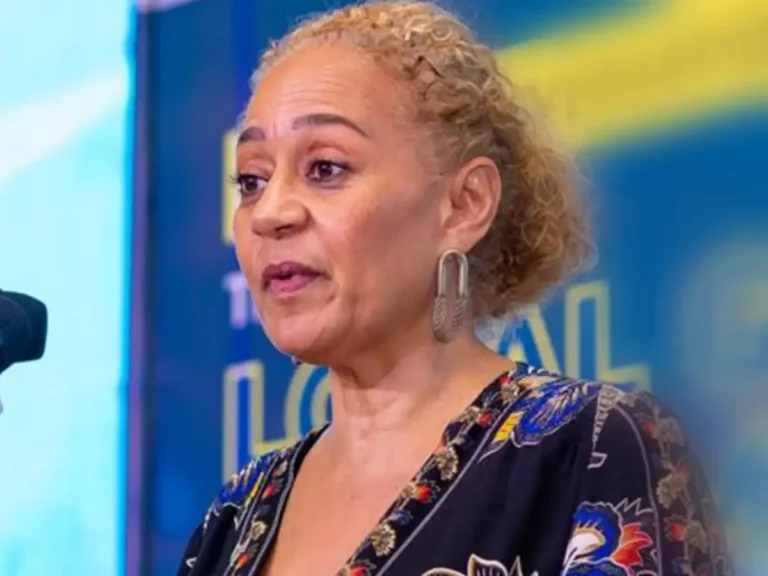
In her opening remarks, the Head of Development Cooperation at the British High Commission, Cynthia Rowe, described the launch as “an important step in the partnership between the UK and Nigeria”. She explained that the programmes, valued at £12.4m, were designed to strengthen economic reforms and were aligned with Nigeria’s economic priorities under the current administration. According to her, “Together, these programmes signal a coherent and long-term UK commitment to Nigeria’s economic trajectory, from stabilisation to reform and to growth.”

Rowe noted that the Nigeria Economic Stability and Transformation programme, worth £4.9m, would support macroeconomic stability, strengthen the quality of reforms and promote diversification. She also stated that the Nigeria Public Finance Facility, valued at £7.5m, would focus on tax policy, public expenditure management, and debt strategy. She added that both programmes would work alongside the upcoming UK-Nigeria Growth Programme to drive market reforms and make Nigerian companies “more productive, more competitive, and export-ready”.

Representing the Federal Government, Special Adviser to the President on Finance and the Economy, Sanyade Okoli, expressed appreciation for the continued support from the United Kingdom. “A huge thank you to the British government for steadfast support and enduring commitment to Nigeria’s development,” she said. She added that the programmes were aligned with the government’s economic direction, describing them as timely and strategic. “This is the kind of support that is required to enable us to achieve that (government’s growth plan),” Okoli noted, stating that the initiatives reflected “true partnership and true desire to see Nigeria move forward”.

The British Deputy High Commissioner in Lagos, Jonny Baxter, also spoke at the event, explaining that the UK viewed the engagement as a combined economic package. He said it covered development finance and commercial opportunities, pointing out that the support reflected “a modern partnership… driven by a functioning economy, a successful economy, which fundamentally depends on the private sector”. Baxter acknowledged the challenges Nigeria has faced in its economic reform journey and praised the level of progress. “We recognise how challenging they have been, but what a level of effort it has taken to maintain the progress. We want to stand alongside you with that,” he said.

Baxter stressed that stability and sound policy choices were important to attract local and international investment. “Macroeconomic stability, fiscal resilience, and decisions are what give confidence to investors… when the fundamentals are strong, then growth follows,” he said. He confirmed that the £12.4m support was a grant that would provide technical assistance to Nigeria.

The Head of Growth, Trade and Investment Group at the British High Commission, Mahesh Mishra, noted that some results were already visible. “It’s good to see Naira stabilising, becoming competitive, and Nigeria improving its rating,” he said. However, he emphasized that reforms needed to translate into practical benefits for citizens. “Reforms are not really an end by themselves. The end goal is how do we mobilise more private investment that is going to help create jobs, better jobs, to help increase the livelihood of the average Nigerian?” he asked.

The Nigeria Economic Stability and Transformation initiative and the Nigeria Public Finance Facility are funded by the UK Foreign, Commonwealth and Development Office and managed by Tetra Tech International Development Europe. Both programmes aim to strengthen macroeconomic stability, improve fiscal resilience and reduce reliance on external financing through targeted support to government institutions. According to the launch details, NEST will run from 2025 to 2028, while NPFF will operate from 2025 to 2029.

In 2022, under the former UK Department for International Development, the United Kingdom supported Nigeria by strengthening governance and public-finance systems across several states. That assistance included improvements in budgeting, expenditure controls, and public service delivery.

Earlier in 2025, the UK described its economic partnership with Nigeria as “stronger than ever,” noting record bilateral trade levels as British companies renewed investment interest in the country’s reforms and growing private-sector opportunities.

Katsina State Disburses Over ₦207m Loan to 79 MSMEs

0

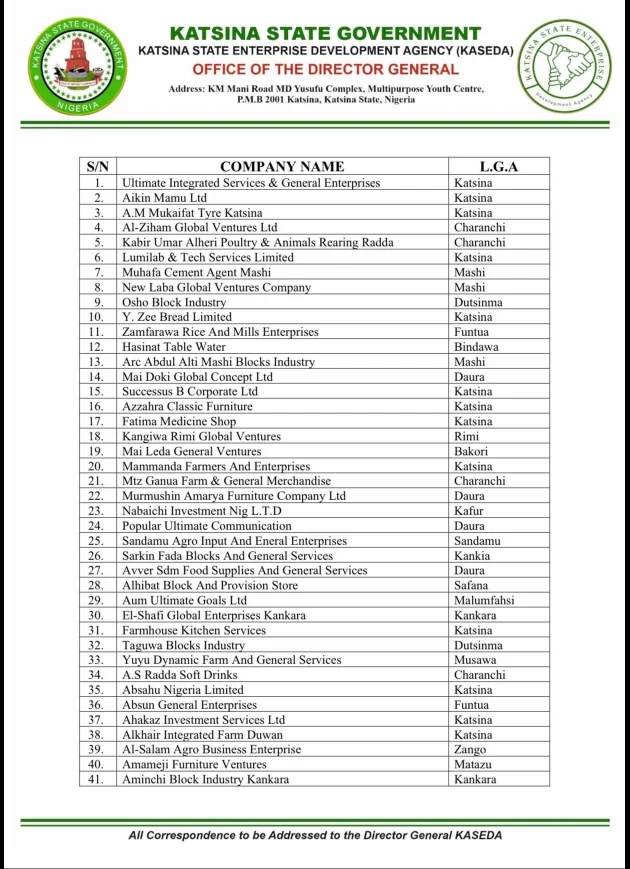
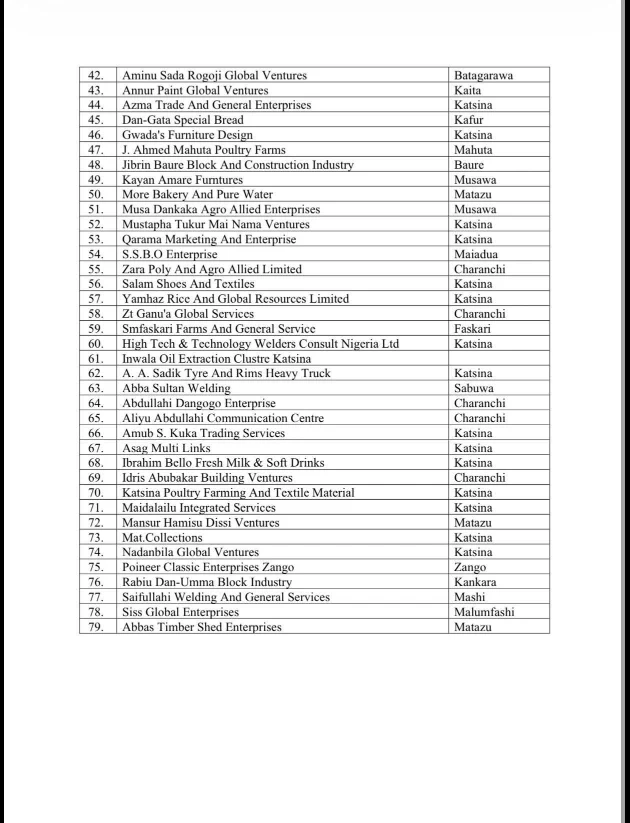
The Katsina State Government has disbursed over ₦207 million to support small businesses across the state. According to the Katsina State Enterprise Development Agency, a total of ₦207,769,675.37 was released to 79 Micro, Small, and Medium Enterprises under the KASEDA–Bank of Industry Managed Loan Initiative. The programme is aimed at improving access to finance for MSMEs and boosting economic activities.

This latest release marks the fifth tranche of funds issued through the KASEDA BOI Loan Programme. Officials noted that it reflects the ongoing commitment of the administration of His Excellency, Governor Dikko Umaru Radda, PhD, CON, to expand economic opportunities for citizens and support local businesses. The initiative is described as a significant step toward encouraging enterprise growth, creating employment, and strengthening the economy of Katsina State.

KASEDA said it remains dedicated to empowering MSME operators and driving sustainable development across the state. Speaking on behalf of Governor Radda, the Director General of KASEDA, Dr. Babangida Kabir Ruma, congratulated the beneficiaries and expressed confidence in the impact of the intervention. He stated that the funds are expected to support measurable expansion, better productivity, and meaningful contributions to the state’s economy.

The list of the 79 beneficiaries has been attached for public record.

Apply for Akwa Ibom Ministry of Health Junior Staff Recruitment

The Akwa Ibom State Ministry of Health in Uyo has announced that application is open for junior staff recruitment into the Akwa Ibom State Civil Service. The ministry invited suitably qualified candidates to apply for three positions under specified Salary Grade Levels. According to the notice, the available roles include Community Health Assistant on Salary Grade Level 04, Health Attendant on Salary Grade Level 02, and Mortuary Attendant on Salary Grade Level 02.

The ministry listed the requirements for each job, stating that candidates for Community Health Assistant must present evidence of relevant qualifications such as First School Leaving Certificate, SSCE/NECO/WASSC/NABTEB or JCHEW. For the Health Attendant position, applicants should possess a First School Leaving Certificate, while the Mortuary Attendant post also requires a First School Leaving Certificate.

All applicants must be between 18 and 50 years old.

Application closes on the 16th December, 2025.

To apply, interested applicants are expected to submit a handwritten application addressed to the Permanent Secretary, Ministry of Health, Uyo, with photocopies of their certificates. The documents are to be delivered to the Open Registry, second floor, Ministry of Health, Idongesit Nkanga Secretariat, Uyo. Applicants must also include a valid contact address, phone number and email if available.