Home Blog Page 266

VP Shettima urges stronger collaboration to boost business reforms

0

The Vice President, Senator Kashim Shettima, has urged state governments, ministries, departments and agencies (MDAs), the organised private sector, and other stakeholders to step up efforts towards advancing the business environment in Nigeria. He acknowledged successes achieved this year, describing them “as the triumph of collaboration over silos,” stressing that when the 36 states, MDAs, development partners and critical sectors work together, it becomes a major win for the country.

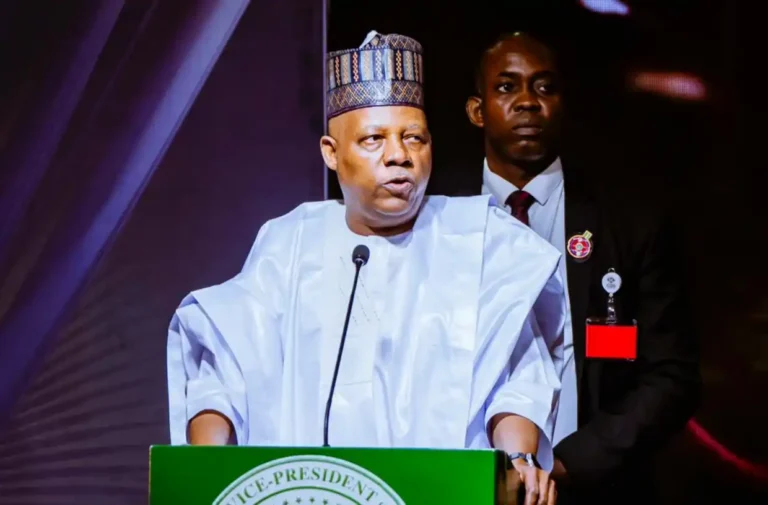
Senator Shettima made the call on Tuesday in Abuja during the PEBEC Gala and Awards Night organised by the Presidential Enabling Business Environment Council (PEBEC) to celebrate exceptional public service delivery, reform excellence, and collaborative efforts that shape the nation’s business ecosystem.

He reminded stakeholders that the drive for improvement must continue. According to him, “The end of this night does not signal the end of your pursuit of excellence because excellence is a culture, not an event. It lives only where it is nurtured. And so, in the new year, let us do even more to advance the reform agenda for Nigeria’s business environment. Let us build a nation where efficiency is normal, where transparency is routine, and where excellence is the governing creed of public service.”

The Vice President highlighted that organisations reflect the people who work within them but warned that people cannot “achieve excellence in a vacuum.” Shettima said excellence must be cultivated, noting that it is “the result of choices, of discipline, of a refusal to settle for the bare minimum,” adding that it cannot simply be inherited.

He said the Gala night was organised “to honour the belief that public service can and must be synonymous with excellence.” He also stressed that leaders and stakeholders must take responsibility. “His Excellency President Bola Ahmed Tinubu has laid the critical foundation for the reforms required to reset our economy, and the success of this depends on the awardees we celebrate tonight,” he said.

Shettima commended the award recipients, stating, “Your dedication and excellence embody the spirit of this administration’s Renewed Hope Agenda. You represent the very best of our public sector, and your work is the foundation upon which our nation’s prosperity is built.”

He described the event as “a celebration of public servants across Nigeria who have refused to accept mediocrity as our national ceiling,” noting that they continue to drive reforms of the Tinubu administration. Shettima added that “The Presidential Enabling Business Environment Council, PEBEC, has spent the last couple of years championing reforms that speak to the soul of our economic aspirations—reforms that make it easier to do business, that restore investor confidence, that ensure our institutions work at the speed of national ambition. And tonight, we salute the men and women driving this mission forward, those who have placed the national interest above their comfort zones.”

The Vice President further explained that reforms have benefited from interagency collaboration. He cited the establishment of the Ports and Customs Efficiency Committee (PCEC), which is “already bearing significant fruit through joint inspection procedures at” the ports.

Earlier, the Deputy Chief of Staff to the President (Office of the Vice President), Senator Ibrahim Hadejia, noted that under Shettima’s leadership, PEBEC has continued to deliver reforms impacting businesses across various sectors. He cautioned, however, that the mission was not over. According to him, the improvements recognised at the 2025 awards “will be the foundation upon which more lasting reform initiatives will be built.”

Also speaking, the Director-General of PEBEC, Princess Zahrah Audu, outlined achievements recorded through deliberate collaboration aimed at transforming operations across MDAs. She noted that reform remains “embedded and remains a critical component of PEBEC’s service delivery.” Audu added that the scale of results seen in recent months reflects partnership development with key stakeholders across the country.

A major highlight of the event was the unveiling of the 2025 Business Facilitation Act (BFA) Compliance Report and the Subnational Ease of Doing Business Report. Awards were presented in categories including access to justice, legislative trailblazer, leadership of action, business advocacy and partnership, among others.

Those in attendance included the Deputy Governor of Benue State, Dr Sam Ode; Deputy Governor of Enugu State, Mr Ifeanyi Ossai; Chairman of NDLEA, Brig. Gen. Mohammed Buba Marwa; Executive Secretary of the Nigerian Shippers Council, Mr Pius Akutah; Executive Vice Chairman of the Nigerian Communications Commission (NCC), Dr Aminu Maida; Managing Director of the Nigerian Ports Authority, Dr Abubakar Dantsoho; alongside heads of agencies, members of the diplomatic corps, and captains of industry.
Advertisement

Sokoto Calls Innovators to Apply for Jos 2025 National Innovation Exhibition

The Ministry of Innovation and Digital Economy in Sokoto State has issued a public call for startups, innovators, and technology solution providers to represent the state at the National Innovation Exhibition Pavilion in Jos, Plateau State. The exhibition will take place alongside the National Council on Communications, Innovations and Digital Economy Meeting from 8th to 12th December 2025.

According to the announcement, innovators with solutions in Agriculture, ICT and Digital Economy, Health, Logistics, Manufacturing, and other related sectors are urged to apply. The Ministry stated that interested applicants must provide their full name, startup or project name, sector of innovation, a brief description, phone number, and email address.

“All applications must be submitted on or before 4:00 p.m., Friday, 5th December 2025,” the notice emphasized. Submissions and enquiries are to be directed through the official email startups@sokotostate.gov.ng or via phone on +234 803 139 5800.

The Ministry explained that the initiative aims to give Sokoto innovators a platform to showcase their ideas, connect with partners, and contribute to Nigeria’s expanding innovation and digital economy ecosystem.

The notice was signed by Muhammad Abubakar, HoU, Digital Media and Communications (SICTDA), for the Honourable Commissioner.

Kaduna Projects ₦85bn IGR as KADIRS Pushes Tech-Driven Tax Reform

0

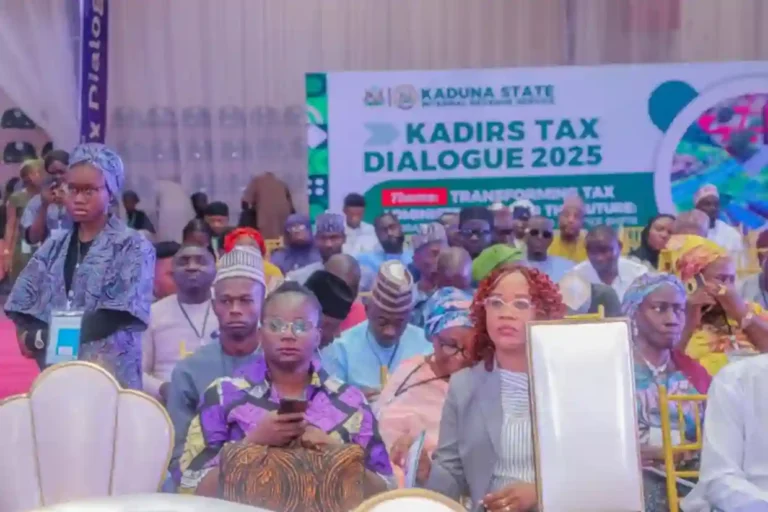
The Kaduna State Internal Revenue Service has announced that the state is projecting an Internally Generated Revenue of about ₦85 billion by the end of 2025 as the government intensifies efforts to build a fair, transparent, and technology-driven tax administration system. The Executive Chairman of KADIRS, Mr. Jerry Adams, disclosed this during his address at the 2025 KADIRS Tax Dialogue held on Monday in Kaduna. The event was themed “Transforming Tax Administration for the Future: Navigating the Procedural and Practice Shift Signaled by the Nigerian Tax Reform Act and Enhancing Compliance Into 2026 and Beyond.”

Adams said the dialogue was aimed at deepening stakeholders’ understanding of the procedural changes introduced by the Nigerian Tax Reform Act 2025 and identifying strategies for effective state-level implementation. He explained that KADIRS had continued improving revenue performance, moving from ₦58 billion before 2023 to ₦62 billion in 2023 and ₦71 billion in 2024. According to him, the state is trending around ₦85 billion, driven by an average monthly collection of ₦7 billion, reflecting steady growth influenced by reforms, improved efficiency, and strengthened collaboration with Ministries, Departments, and Agencies.

The KADIRS boss attributed the gains to the commitment of Governor Uba Sani to infrastructure development, security, and inclusive governance, saying these efforts have boosted public confidence and encouraged voluntary compliance. He noted that the Governor’s support enabled manpower expansion, better staff welfare, and innovations such as the PAYKADUNA portal, which he said has strengthened transparency and efficiency in tax administration.

Adams further revealed that the state government has approved the establishment of a committee to review and update the Kaduna State Tax Codification and Consolidation Law to align fully with the National Tax Act before January 2026.

He said insights from the dialogue, especially on legal implications, corporate communication, and planning, would guide the amendment process and improve revenue mobilisation. He commended the support of Kaduna State MDAs, technical partners like Primeguage Solutions, and national bodies such as the Joint Tax Board. Adams encouraged participants to engage openly, question assumptions, and offer practical contributions to shape the state’s evolving tax system.

Representing Governor Uba Sani, Deputy Governor Dr. Hadiza Balarabe said building a resilient revenue system requires collective responsibility and continuous collaboration. She observed that global economic shifts are reshaping tax systems to reflect digital activity, informal sector growth, and changing labour patterns, while Nigeria’s reforms align with Kaduna’s goal of simplifying processes, reducing duplication, and placing data at the centre of decision-making.

Governor Sani stressed that taxation must not punish poverty but should draw from genuine income to ensure fairness while generating revenue to support schools, healthcare, rural roads, water systems, and security infrastructure. He added that trust is central to compliance, noting that tax administration must treat citizens with respect and provide clarity rather than intimidation. The Governor reaffirmed his commitment to strengthening inter-agency collaboration, building staff capacity, and prioritizing taxpayer engagement.

He urged business leaders, financial experts, civil society, and community leaders to contribute constructively, saying the strength of the state’s tax system depends on shared conviction and fairness. Also speaking, Muhammad Dattijo, Deputy Governor of the Economic Policy Directorate at the Central Bank of Nigeria, described the Nigerian Tax Reform Act as a major step toward fiscal governance and economic resilience. He said the reforms would boost non-oil revenue, expand the formal economy, and reduce reliance on deficit financing.

Dattijo called on states to leverage technology and data-driven platforms for efficiency and transparency in revenue collection, noting that collaboration with the private sector and financial institutions would support sustainable compliance and growth. In his keynote presentation, Mr. Taiwo Oyedele, Chairman of the Presidential Committee on Fiscal Policy and Tax Reforms, stated that the reforms aim to build a fair and growth-driven tax system. He said the committee is simplifying laws, harmonizing revenue collection, and eliminating multiple taxation.

Oyedele explained that increased transparency, technology-based administration, and wider tax education would improve voluntary compliance and strengthen government revenue. Lead presenter Dr. Bagudo Mustapha warned that Nigeria’s growing reliance on borrowing is harmful and urged stricter revenue administration. He called for modern data systems and stronger collaboration across government to ensure that tax policies promote fairness and investment.

The Nigerian Tax Ombudsman, represented by Alhaji Usman Ndayako, urged taxpayers to use the Ombudsman’s Office for fair resolution of issues. Speaking virtually, the Executive Secretary of the Joint Tax Board, Mr. Olusegun Adesokan, praised Kaduna’s proactive engagement ahead of the 2026 reforms, saying such efforts strengthen understanding and compliance.

ITF, Lanre Shittu Motors to Boost Skills for Nigeria’s Auto Workforce

0

The Industrial Training Fund has renewed its pledge to equip Nigeria’s technical workforce with skills relevant to modern industry, as part of the Federal Government’s Renewed Hope Agenda. The move is expected to help address the country’s youth unemployment challenges and bridge the widening digital skills gap affecting many young people.

During a recent visit to the Lanre Shittu Motor Assembly plant in Amuwo-Odofin, Lagos, ITF Director-General Dr. Afiz Ogun restated the organisation’s mission of driving national development through skills acquisition and improved technical capacity. He revealed that the Fund is finalising a business incubation scheme designed to help trainees start their own ventures after completing their training, extending support beyond traditional job placement.

Ogun also highlighted the Skills Upgrading and Professional Advancement programme launched under President Bola Tinubu’s administration through ITF, describing it as a key mechanism for developing a more competitive workforce. According to him, “SUPA goes beyond just providing starter packs. We discovered that giving starter packs is not enough; at the end of it, it’s like going back to square one. The programme focuses on retraining, retooling, and certifying Nigerian artisans to meet international standards, enabling them to compete both locally and globally.”

To improve the quality of technical training, ITF is partnering with industry players such as Lanre Shittu Motors to procure modern equipment that meets industry standards. Ogun commended the company for its existing training efforts, noting that the collaboration reflects ITF’s broader commitment to bridging the national skills gap and driving economic growth.

The Managing Director and CEO of LSM, Mr. Taiwo Shittu, applauded President Tinubu’s initiatives aimed at energising the nation’s automotive industry. He affirmed the company’s dedication to supporting local automotive development, particularly through training technicians and supplying them with modern tools.

“We have established three training centres across three states for technicians passionate about automotive development. The centres are fully equipped, and trainees are well prepared. After training, we deploy them to service our customers nationwide, ensuring they are employed, accommodated, and paid well,” Shittu said.

He added that the collaboration with ITF represents a long-awaited milestone for the company and expressed gratitude to the Fund for supporting efforts to empower Nigeria’s automotive workforce.

Rivers State Sets Up Employment Committee for Job Creation

0

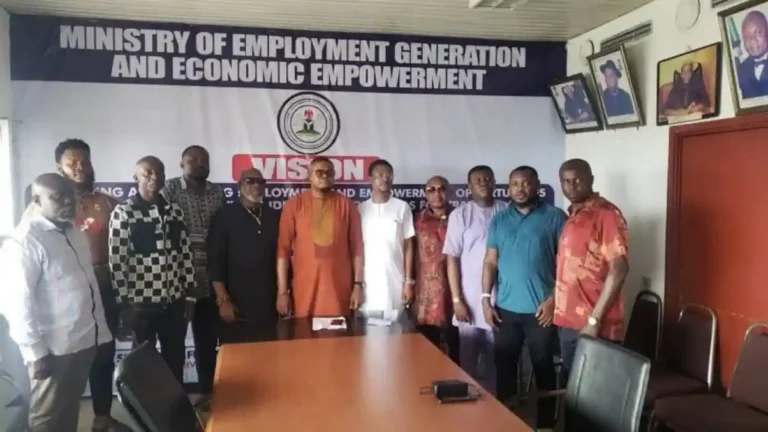
The Rivers State Ministry of Employment Generation and Economic Empowerment has inaugurated the Employment Monitoring and Compliance Committee to boost job creation and youth empowerment across the state. The event marked a renewed effort by the government to secure meaningful employment for residents, especially young people.

Speaking at the inauguration, the Commissioner for Employment Generation and Economic Empowerment, Dr. Chisom Gbali, said the 15 member committee was selected based on competence, professionalism, and their ability to deliver on the mandate given to the ministry by Governor Siminalayi Fubara. According to him, the Governor has issued clear directives for the ministry to actively pursue employment opportunities in sectors such as telecommunications, oil and gas, and other industries to benefit Rivers youths.

Dr. Gbali stressed that the assignment requires a professional and people centred approach, noting that the ministry must be able to handle complex or sensitive matters with care. He explained that the committee’s major task includes identifying companies with available job spaces and linking qualified youths to these opportunities through proper engagement.

The committee is also mandated to monitor compliance with local content employment policies among companies operating in the state. This is aimed at ensuring that Rivers residents benefit from employment opportunities provided by industries within the state.

The Chairman of the Committee, Mr. Prince John Okorosa, expressed deep appreciation to the Governor and the Commissioner for the confidence placed in them. He promised that the committee will work hard to deliver tangible results within the required timeframe while supporting the administration’s vision for youth empowerment and job creation in Rivers State.

Signed: Dr. Chisom Kenneth Gbali, Commissioner for Employment Generation and Economic Empowerment

FG Partners Japan to Develop Nigeria’s First ELV Recycling Plant

The federal government through NADDC has taken another step in strengthening Nigeria’s automotive sector through global collaboration. On 2 December 2025, the Director General of the National Automotive Design and Development Council, Otunba Oluwemimo Joseph Osanipin, led a delegation to Kaiho Industry Co. Ltd in Japan. Kaiho is recognised worldwide for its expertise in end-of-life vehicle recycling and sustainable automotive resource management.

The mission aligns with NADDC’s ongoing push to grow the local industry and follows the recent launch of ELV Regulations in Lagos, as well as awareness campaigns carried out in Abuja and Kano.

Before the trip to Japan, the NADDC team had already met Kaiho representatives in Accra, where both parties engaged on opportunities that prepared the ground for the latest discussions. Upon arrival in Japan, the delegation was welcomed by the President of Kaiho Industry, Makoto Tokuda. His technical team gave detailed presentations on Japan’s internationally certified frameworks for end-of-life vehicle recycling.

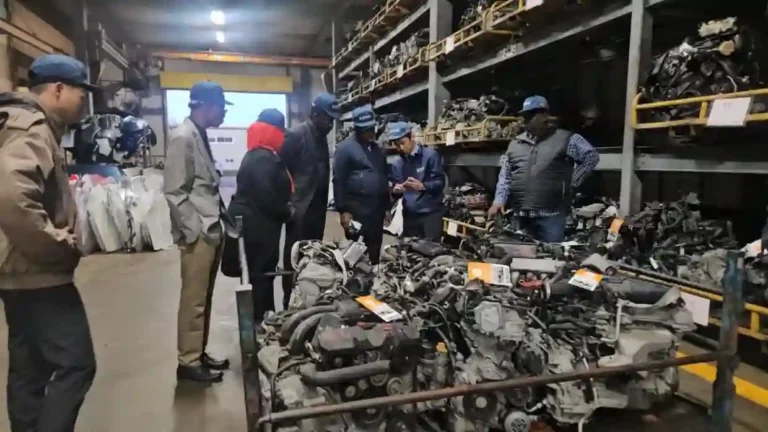
The visit also included a tour of Kaiho’s major operational facilities. These covered dismantling lines, reusable parts processing areas, advanced material recovery systems and eco-friendly waste treatment sites. NADDC expressed interest in understanding how these systems could be adapted to Nigeria.

One of the major outcomes was Kaiho’s commitment to help Nigeria build a modern and sustainable ELV recycling structure. According to Kaiho’s Executive Officer and Business Development Manager, Taishi Suzuki, the company has designed a multi-phase plan for Nigeria. He explained the stages as Phase Zero, which will begin with a pre-feasibility study scheduled for the first quarter. Phase One will involve initial factory design and equipment installation. Phase Two will cover heavy machinery installation and technical support, while Phase Three will focus on capacity building with training both in Japan and on-site in Nigeria.

Mr Suzuki noted that Kaiho’s global experience in supporting countries to create safe and efficient ELV systems makes it a strong partner for Nigeria’s shift to a circular automotive economy. He reaffirmed Kaiho’s readiness to work closely with NADDC in setting up the country’s first modern ELV recycling plant. This project is expected to support environmental protection, generate jobs and boost industry growth.

Both organisations signed an Expression of Interest to move from pre-feasibility through deployment and mobilise investors for the development of Nigeria’s ELV recycling sector.

Kano empowers 9,870 rice farmers with new technologies

0

Federal Government, through the Kano State Special Agro-Processing Zone Programme in partnership with IFAD, has supported 9,870 rice farmers in Kano with climate-resilient inputs and modern production technologies. This was contained in a statement issued by the SAPZ Knowledge Management and Communication Officer, Rabi Mustapha. The State Project Coordinator, Mr Aminu Iliyasu, announced the development during the Farmers Field Day at Chiromawa Garin Babba Cluster in Garun Malam Local Government Area.

He said the activity was organised to expose farmers to science-based, practical solutions that can improve yields, enhance food security, and boost rural livelihoods. Iliyasu described the field day as a celebration of knowledge, innovation and the resilience of smallholder farmers. He explained that the SAPZ initiative in Kano was designed to expand access to improved technologies, strengthen extension services, reduce post-harvest losses, and create market opportunities for rural farmers.

“These innovations are not theoretical. They are practical solutions that farmers can adopt immediately to raise productivity and increase income,” he said, while appreciating the support of local authorities. Mustapha said the inputs distributed to 9,870 farmers included FARO 44 improved seeds, Urea and NPK fertilisers, and insecticides. The distribution targeted beneficiaries in Garun Malam, Gezawa, Bichi and Bagwai LGAs for the 2025 wet season.

She added that experts trained farmers on soil selection, seed dressing, nursery establishment, land preparation, and timely transplanting at proper spacing. “They also covered fertiliser management, weed control, Integrated Pest Management and water regulation to boost rice yields. The training emphasised harvesting at optimal maturity, drying paddy to safe moisture levels, and fumigation using phostoxin to prevent storage losses,” she stated.

A beneficiary, Salamatu Ali, said the intervention had better positioned Kano farmers to boost yields, withstand climate pressures and increase household incomes. Another farmer, Huwaila Ibrahim, said the programme had transformed her approach to rice production. “Before, we planted without checking whether the land was suitable. Now, we first assess the soil to ensure it matches the seed variety. This season, we cultivated FARO 44,” she said. Ibrahim added that her output increased from 20 to 25 bags per acre to about 40 bags after adopting the improved technologies.

Nigeria Moves to Launch Third Phase of Fertilizer Initiative

0

Nigeria is set to launch the third phase of the Presidential Fertilizer Initiative (PFI), with private firms expected to drive implementation while the Federal Government provides the enabling environment. The Minister of Agriculture and Food Security, Abubakar Kyari, said the new phase is being designed to ensure stability, availability and affordability of farming inputs for Nigerian farmers.

According to the minister, PFI 3.0 will build on earlier gains that expanded local blending capacity and improved nationwide distribution. The programme is expected to deepen collaboration with private blenders and logistics companies so that fertiliser reaches farmers on time and at more predictable prices.

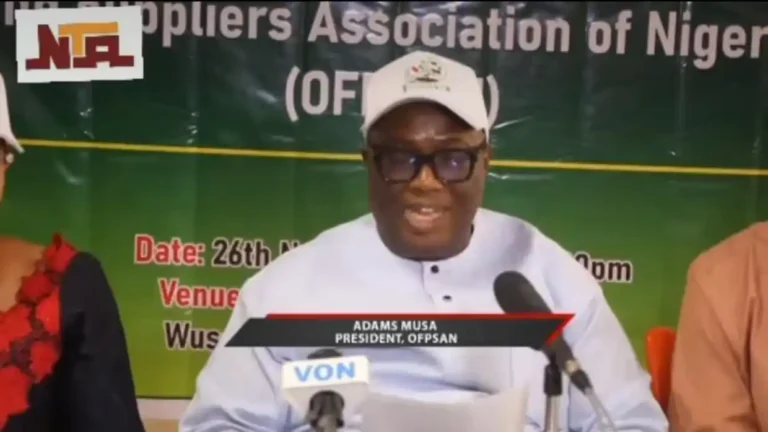
Meanwhile, the Organic Fertilizer Producers and Suppliers Association of Nigeria (OFSPAN) has called on the Federal Government to formally integrate organic fertiliser production and distribution into the initiative, describing this as essential for long term soil health, climate resilience and sustainable food security.

The National President of the association praised the PFI for reviving dormant blending plants, stabilising fertiliser prices, creating jobs and reducing Nigeria’s reliance on imported finished fertilisers. The association also stressed that wider organic use would support jobs and rural livelihoods and cut fertiliser import dependence.

OFSPAN further urged the government to sustain strict control over the importation of fertiliser raw materials. “This measure remains indispensable for preventing market abuse, curbing the influx of substandard and adulterated materials, stabilising market prices, ensuring consistent availability of inputs, and protecting local producers from unfair distortions caused by uncontrolled importation,” the association said. The group added that government should “continue engaging stakeholders, uphold policy consistency, expand access to financing, and strengthen regulatory enforcement,” arguing that these steps will significantly reinforce Nigeria’s fertiliser sector and boost national agricultural productivity.

NERC Announces 700,000 Prepaid Meters Ready for Distribution

0

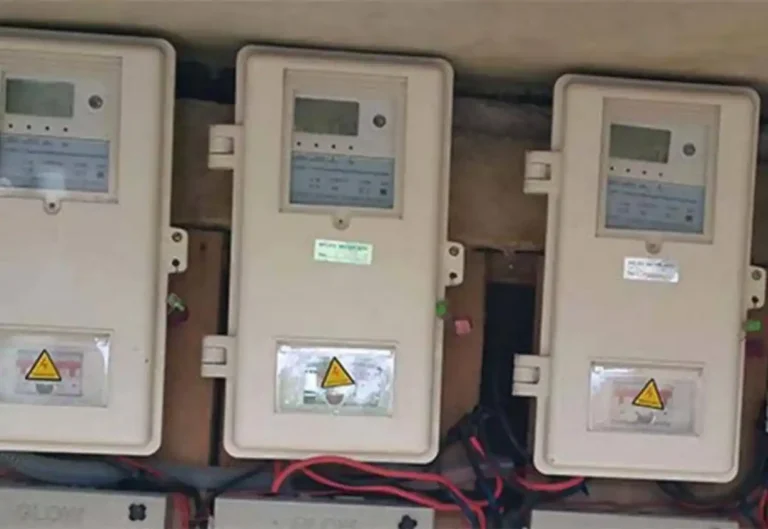
Nigerian Electricity Regulatory Commission has announced that between 600,000 and 700,000 prepaid electricity meters are currently available for distribution across the country. The Vice Chairman of NERC, Dr. Musiliu Oseni, made this known at the 4th NESI Stakeholders’ Meeting in Abuja, where he urged distribution companies to hasten the rollout process and improve communication with customers.

He explained that the government has already made the required investment, and there should be no delay in getting the meters to homes and businesses. He said, “There are currently 600,000 to 700,000 meters available in the country. Utilities must improve publicity. The government has made the investment, so the DisCos need to step up.” Oseni also called on the DisCos to take full responsibility for ensuring that the meters reach consumers without unnecessary waiting periods.

The Vice Chairman further spoke on the ongoing move to State Electricity Regulatory Commissions, calling on electricity companies to cooperate fully, adding that no operator is above regulatory oversight. Tribune Online reports that the rollout of prepaid meters is expected to reduce the long-standing issue of estimated billing affecting many Nigerian households.

The available meters are expected to help increase the metering rate, which stood at 55.01% as of August 2025, with 6.58 million metered users out of 11.96 million active electricity customers. NERC has also approved N28 billion for DisCos to procure and install meters for unmetered customers, highlighting its commitment to expanding access.

Plateau SUBEB HOPE Project: Interview Dates for Shortlisted Candidates

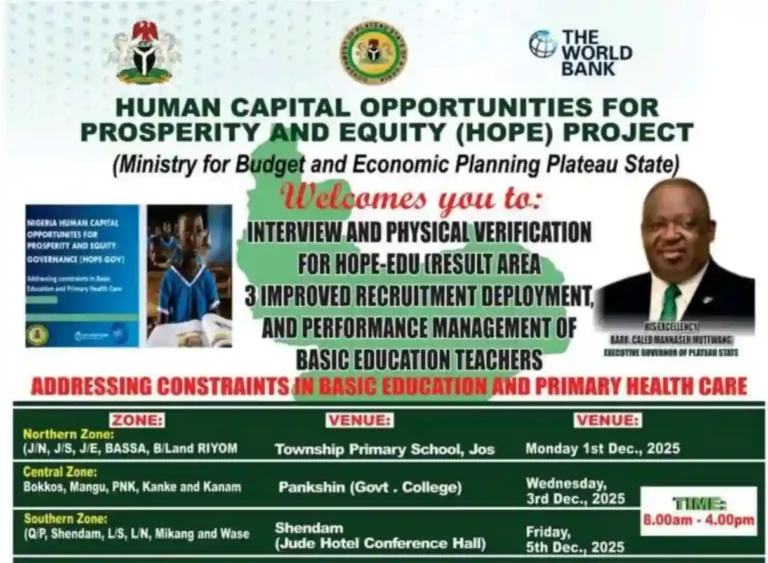
The Plateau State Government has announced the next phase of its Human Capital Opportunities for Prosperity and Equity (HOPE) Project after completing the Computer Based Test for basic education teachers recruitment.

The Ministry of Education and the State Universal Basic Education Board said all applicants are advised to check the official list of successful candidates displayed at their respective Local Government Education Authorities, SUBEB, the Office of the Head of Service and at the Ministry of Education. The statement stressed the need for applicants to view these locations so they do not miss their names or interview details.

According to the announcement, shortlisted candidates must take note of their serial numbers as these will be required during accreditation at interview venues. Applicants are also expected to come with their relevant credentials, National Identification Number and Bank Verification Number for verification.

The state released the full schedule for screening. The Northern Zone interview will take place on Wednesday, 3rd December 2025 at Township Primary School in Jos North from 8:00 a.m. to 4:00 p.m. The Central Zone will hold its session on Friday, 5th December 2025 at Government College, Pankshin within the same time frame. The Southern Zone is fixed for Monday, 8th December 2025 at Jude Hotel, Shendam, also from 8:00 a.m. to 4:00 p.m.

Applicants were urged to arrive early, follow officials’ instructions and ensure they have checked their names at the approved centres. The notice was signed by Dr. Mrs. Kachallom Gang, Honourable Commissioner for Education.