
Home Blog Page 276

FG urged to boost girls digital training to fight gender-based violence

As the world marks the 16 Days of Activism Against Gender-Based Violence, the Federal Government has been urged to focus more on digital skills training and improved technology infrastructure for girls as a way to reduce their vulnerability to gender-based violence. The call was made by a non-governmental organisation, Hercode Initiative, during its Cloud Practitioner Essentials Masterclass in Abuja, which was designed to equip young women with basic technology and cloud computing skills.

Founder of Hercode Initiative, Dr. Ada Oluchi Uformadu, said that empowering girls with digital knowledge increases their awareness, confidence and economic independence. She explained that these factors play a major role in reducing their exposure to violence. According to her, technology education is now central to the fight against gender-based violence because informed and digitally skilled girls are better positioned to protect themselves, speak out and influence positive change in their communities.

“We are gathered here today to uplift awareness and promote activism in the social space for women and girls, ensuring that they are confident, empowered and fortified,” she said. “We encourage them to take what they have learnt back to their communities, schools and sectors, so they can continue to grow and learn.”

Uformadu called for stronger government support to make technology infrastructure available, especially in underserved communities, to close the digital knowledge gap for women and girls. She explained that the organisation has already carried out several awareness programmes where technology is introduced to communities with large female populations. “We are advocating for women and girls. We have conducted various enlightenment programmes where we expose technology to communities with female populations. We are also building solar laboratories to ensure they have the infrastructure needed to fully engage in the digital space,” she said.

She said that participants in the masterclass will receive scholarships, computers and mentorship opportunities to help them make use of their new skills for community development. She added that cloud computing is an important entry point for the young women. “That begins with cloud computing, which is why it is important for them to understand its value. We are offering this free course to enable them obtain professional certification so they can improve their economic status, contribute to their communities and ultimately help develop the nation,” she explained.

Speaking on behalf of partner organisation, the Excellence Community Education Welfare Scheme, Catherine Osho said that teaching girls technology opens many opportunities, especially as cloud technology continues to shape the future of work in Nigeria.

Some of the trainees described the programme as an eye-opener, saying it introduced them to new career paths in cloud solutions architecture, artificial intelligence and data analysis.

Recent figures underline the urgency of the initiative. The Nigerian Demographic and Health Survey shows that 31 per cent of women aged 15 to 49 have experienced physical violence, while nine per cent have suffered sexual assault. UNICEF recorded 27,698 gender-based violence cases between 2020 and 2023, resulting in 1,145 deaths and only 393 convictions. In January 2025, reports showed a 240 per cent rise in femicide cases over the previous year, while the Nigeria Police Force handled at least 17,415 gender and domestic violence cases in 2024.

Advertisement

Ibom-LED Graduates 500 Trainees from Entrepreneurship Accelerator Programme

Governor Umo Eno’s plan to raise world-class entrepreneurs through the Ibom Leadership and Entrepreneurial Development Centre, Ibom-LED, reached another major point as 500 trainees completed a three-month Entrepreneurship Accelerator Programme and graduated. The certificate presentation ceremony took place on 28th November, 2025, at the Ibom-LED facility located at the former e-library on IBB Avenue in Uyo.

Speaking at the event after presenting certificates to the graduates, the Senior Special Assistant to the Governor on Entrepreneurial Development, Mr Ime Uwah, explained that the initiative, fully sponsored by Governor Umo Eno, is part of the administration’s commitment to build a strong and opportunity-rich entrepreneurial environment in the state. Mr Uwah, who also serves as the General Manager of Ibom-LED, described the ceremony as a clear sign of the Governor’s sustainable empowerment effort. He said the beneficiaries had gone through months of intensive learning, unlearning, and rebuilding, and he stressed that the training was important for long-term business growth.

According to Uwah, the newly certified entrepreneurs now have the discipline, skills, and strategic mindset needed to grow their ventures in a highly competitive economy. He said this latest batch strengthens the Governor’s vision of building a strong network of homegrown entrepreneurs who will drive innovation, job creation, and sustainable development across the state.

The event also featured cash prizes for winners of the EAP Pitch competition 2025, along with certificates presented to all trainees. Participants shared goodwill messages and thanked the Governor for his commitment to entrepreneurial development.

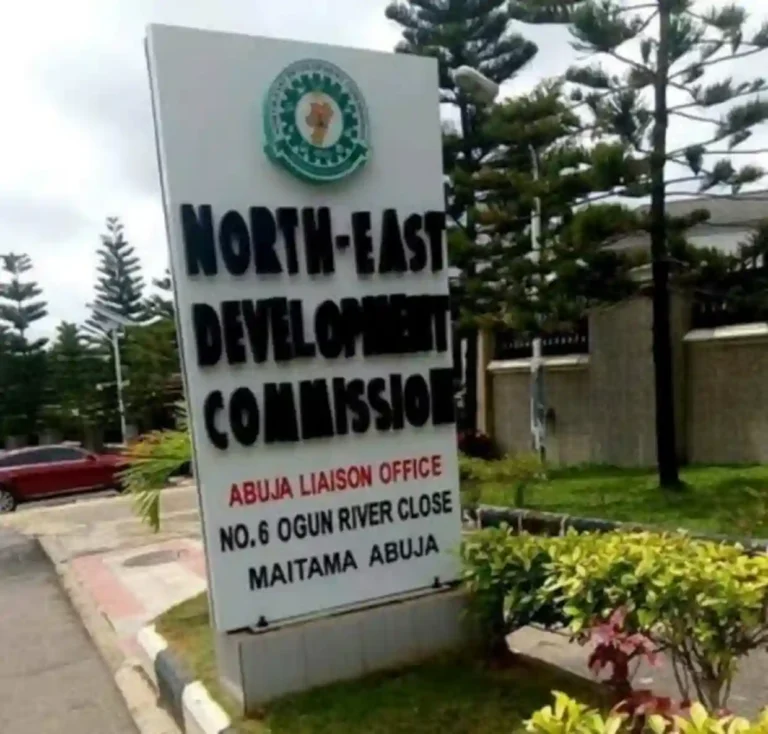
NEDC Empowers 38,000 Yobe Almajiri Children

0

The North-East Development Commission NEDC, working with the Yobe state government, on Friday distributed essential non-food items to 38,000 vulnerable children in Tsangaya and Almajiri schools as part of a wider effort to modernise Islamic education in the state. The support included blankets and nylon mats to help students cope with the harsh harmattan season.

The initiative also introduced new solar-powered boreholes in the schools to ensure steady access to clean water. At the flag-off ceremony held at Tsangayar Malam Rabiu Mai Bataliya in Gujba local government area, the NEDC Managing Director, Mohammad Goni Alkali, explained the main purpose of the programme. Alkali, who was represented by the state Coordinator, Prof. Ibrahim Ali Abbas, said the aim was “to support the existing schools in order to improve their conditions, create a conducive environment for teaching and learning.”

He added that the larger objective was to gradually modernise the Almajiri education system so it can align with national development goals. The newly commissioned solar-powered borehole at the Gujba School was presented as an important infrastructure addition for the community.

According to Alkali, five boreholes had already been completed, and more were planned to meet the needs of schools across the state. In his remarks, Malam Rabiu Mai Bataliya thanked the NEDC for the intervention and promised that the items would be used for the purposes they were given.

Anambra Distributes 220 Million Palm Seedlings To Households

0

Anambra State government has restated its commitment to boosting palm oil production, as the Commissioner for Agriculture, Professor Forster Ihejiofor, explained that the administration of Governor Chukwuma Soludo is ready to invest more in the sector for greater economic returns. Speaking at the unveiling of a new agro initiative, the commissioner said the State has already distributed 220 million palm seedlings to more than 180,000 households across Anambra in the last two years. He described this effort as part of Governor Soludo’s bold plan to revive and expand the palm economy.

Ihejiofor also announced the government’s intention to work closely with the National Palm Produce Association of Nigeria (NPPAN) and Alpha Palm City Estate Development Limited to fully implement the One Family, 20 Palms programme in the State. This disclosure was made during the launch of the project by Alpha Palm City Estate Development Limited and the formal inauguration of the Anambra State chapter of NPPAN.

Alpha Palm City Estate Development Limited is a private agro-real-estate company engaged in acquiring estates, planting, and nurturing high-yielding palm nurseries and seedlings for sale to agricultural investors. Declaring the event open, the commissioner expressed concern over Nigeria’s current dependence on palm oil importation. He said Nigeria, despite being the original source of the palm nuts taken to Malaysia decades ago, now imports palm oil worth five hundred million dollars from that same country annually. He described this situation as troubling and urged stronger efforts to rebuild the sector locally.

The commissioner also shared insights from his 2022 visit to Malaysia. He explained that palm trees in Malaysia have been classified as a national economic plant, and that anyone who tampers with them without government approval faces prosecution. According to him, Malaysia has ensured that every part of the palm tree has value, with no by-product allowed to go to waste. He noted that these policies have made palm plantations a major pillar of the Malaysian economy and suggested that similar models could help transform both the Anambra and Nigerian economies. He added that Governor Soludo has shown strong support for the sector by encouraging serious investors to organise themselves into cooperatives, acquire processing machines, and follow standard procedures that will guarantee high returns.

He further argued that more than 80 percent of products sold in a typical Nigerian supermarket contain palm oil or kernel by-products, showing how important the industry remains to national development.

In her remarks, the Vice Chairman of Alpha Palm City Estate Development Limited, Mrs Gloria Aniemeka, said the company initiated the new project and found NPPAN to be the right partner to achieve the vision, especially with the State government expected to provide a supportive environment. She explained that the goal of the initiative is to plant at least twenty million palm trees soon across Anambra. She encouraged individuals and groups to invest in the agro estate development, assuring them that land is available for palm oil ventures within the estate.

Aniemeka stated that Alpha Palm City Estate Development Limited has already planted fast-growing and high-quality nursery palm species that can be nurtured for investors before ownership is transferred. She urged both local and international investors to take advantage of the opportunity and participate in the One Family, Twenty Palms promotion. She added that payment plans are available in phases and instalments to make participation easier.

Also speaking, the National Vice President (South East) of NPPAN, Dr Lynda Onubogu, inaugurated the newly elected Anambra State executive led by Mrs Ifeyinwa Onweluzo. She said palm produce has long been the economic backbone of the Eastern region until it was neglected. She described the inauguration as a call to action to restore the lost glory of the industry, beginning with Anambra State.

Earlier, the National Secretary of NPPAN, Kayode Olatola, explained that the association has existed since 1995 and that palm trees grow in commercial quantities in 29 states across Nigeria. He noted that Anambra is well-positioned to make the most of the One Family, 20 Palms initiative because of the limited land space in the South-East, making structured palm estate development even more important.

LA-IRIS Launches Platform for Northern Out-of-School Children

A non-governmental organisation, LA-IRIS Human Development Initiatives, has launched a new platform aimed at reintegrating out-of-school children in northern Nigeria into formal education. The platform was unveiled on Saturday at the National Institute of Policy and Strategic Studies in Plateau State, with the goal of addressing the rising number of children unable to attend school due to insecurity, poverty, and cultural barriers.

According to UNICEF’s 2025 report, Nigeria accounts for 15 percent of the world’s out-of-school children. The report adds that 7.8 million people in the country require urgent humanitarian assistance, while 3.7 million are internally displaced. These challenges have continued to affect school attendance across several northern communities.

Speaking at the unveiling, the Executive Director of LA-IRIS, Darong Mancha, said the initiative is designed to support vulnerable children with quality education and empowerment opportunities. He explained that the growing number of displaced and disadvantaged children demands immediate action.

“We must acknowledge that these are not just numbers, but empirical reports that require very urgent attention. We are gathered here today for the vision casting of La-Iris Human Development Initiatives to see how we can supplement other existing human efforts… in ameliorating the plight of the vulnerable in society,” he said.

Mancha added that the platform will work closely with communities, government agencies, and other stakeholders to identify out-of-school children and provide education and vocational training. “Between now and September 2026, the organisation intends to raise scholarships and increase the profiling of 500 vulnerable and indigent out-of-school children in the north and other parts of Nigerian society,” he stated.

Delivering a keynote address, renowned cleric Professor Yusuf Turaki—represented by Dr Yakubu Samuel—called on well-meaning individuals and institutions to support education for disadvantaged children. He expressed concern over the growing belief among some young people that schooling is no longer valuable.

“It’s unfortunate that our schools are closed. Some children are out of school not because of insecurity… but because they have been told that education is a scam. We need to support every child in education… We need to establish a community-based education support system,” he said.

Chairperson of the organisation, Mrs Juliet Horace-Nwabunweng, reaffirmed LA-IRIS’ commitment to partnering with local stakeholders to strengthen access to education and vocational pathways for vulnerable children.

A former governorship aspirant in Plateau State, Chris Bature, also urged parents and community leaders to support the programme, stressing that education remains a fundamental right.

The event brought together representatives from government agencies, NGOs, traditional institutions, academia, and political groups, all pledging support for the initiative. The launch comes as Nigeria continues to struggle with widespread insecurity, including banditry, kidnapping, separatist movements, and communal clashes, which have worsened humanitarian conditions in many regions.

JPI to Empower 3,000 Youths in Abuja March 2026

Jamie Pajoel International (JPI), a global youth leadership organisation, has announced that preparations are in top gear to host about 3,000 delegates from 15 countries at the JPI Youth Leadership Convention 2026, which is scheduled to take place in Abuja from 28 to 29 March 2026. The organisation said the upcoming event will place strong focus on youth empowerment and youth development across Nigeria and Africa.

At a press briefing in Abuja, Deborah Remmy, the President of the JPI Abuja Chapter, said the convention is coming at a time when many young people are searching for direction, opportunities and credible platforms to grow. She explained that the theme for the 2026 convention, Big Vision, Bold Step, reflects JPI’s commitment to helping young people think beyond their present limitations while taking practical steps toward a better future.

Speaking at the briefing, Michael Chizota, the National President of JPI Nigeria, described JPI as a structured youth leadership organisation with a long track record of impact, not an informal motivational gathering. He noted that since 2009, JPI has reached large numbers of young people through conferences, state chapters and training programmes. He added that the organisation has sponsored several young Nigerians to international conferences and supported youth-led initiatives across the 36 states of Nigeria and the Federal Capital Territory.

Chizota stated that the 2026 convention will bring together young leaders, professionals and changemakers from Nigeria and other countries within and outside Africa. According to him, the convention will address issues such as youth unemployment and underemployment, access to opportunities, enterprise development, social innovation and practical leadership. He said the sessions will provide participants with knowledge, mentorship and networks that can help them advance in their careers, businesses and personal development.

He emphasised that the vision of the convention is to build young people who are responsible, productive and able to contribute meaningfully to national development. He added that the organisation is intentional about creating an environment where young people can learn from experienced leaders in business, public service, social impact, technology, real estate, agriculture, education, health and the creative industries.

Jamie Pajoel, the Founder and Global President of JPI, also addressed the media and guests at the briefing. He spoke on the core values guiding the organisation, highlighting character, service, accountability and long-term impact. He explained that JPI is focused on equipping the mindset of young people, not just exciting their emotions, and on building a system that raises leaders who can serve their families, communities and nation with integrity.

The briefing also featured remarks from Ambassador David-AllGreen Fiase, a youth advocate and cultural promoter, who shared his personal experience on the benefits of volunteering and consistent service. He encouraged young people to embrace volunteering as a pathway to learning, building relationships and gaining exposure, instead of waiting only for paid or high-profile opportunities.

In her remark, Sandra Njoku-Samuel, the Executive Director, Media for the JPI Youth Convention 2026 and Vice President of the JPI Abuja Chapter, thanked members of the press, guests and partners who attended the briefing. She noted that the convention is intentionally designed for young people, including students, early-career professionals, entrepreneurs, creatives and community leaders, and encouraged them to begin to register and prepare to attend. She said the event is an opportunity for young people who recognise their potential to sit under structured teaching, mentorship and networking that can help them move to the next level.

JPI used the briefing to call on government agencies, parastatals, development partners, corporate bodies and private individuals whose corporate social responsibility priorities include youth development, leadership, education, entrepreneurship or skills development to partner with the organisation. Management noted that there are various partnership and sponsorship categories available, and that such support will help expand the reach and impact of the convention, especially for young people who may not have access to such opportunities on their own.

The organisation also appealed to young people across Nigeria and other African countries to take advantage of the convention by registering early once the official registration portals are opened. According to management, detailed information on registration, speakers and programme highlights will be made available through JPI’s official communication channels in the coming weeks.

Claims Wike Orders Smartphone Ban for FCTA Staff Below GL14

0

A circular reportedly issued by the Federal Capital Territory Administration is currently circulating, though it has not been confirmed by the FCTA as it has not appeared on any official social media pages. The document, dated 28th November 2025 and marked FCT/DLA/259/III, is linked to the Department of Land Administration and the Abuja Geographic Information System. It is addressed to Heads of Division, Heads of Section, Heads of Unit and all staff of Lands and AGIS.

The circular states that the enforcement of what it calls “No-Use of Smart Phones, Smart Watches, Smart Gadgets etc, within Office premises during working hours” for staff on Grade Level 14 and below will begin on Monday, 1st December 2025. The instruction aligns with ongoing reforms reportedly championed by FCT Minister Nyesom Wike, who has repeatedly emphasized discipline, improved administration and strict work ethics within FCTA departments.

According to the document, secured cabinets have been provided for staff to drop their smart phones and other gadgets for safe keeping, with access allowed only during break periods. It also refers to a “collective resolution” from a staff general meeting held on Thursday, 18th November 2025, stating that only torch light phones without internet access will be permitted during office hours for basic communication.

The circular warns that any violation of the directive will attract disciplinary action. It further instructs management staff to inform their subordinates and ensure compliance. The document is signed by Amaka H. Ezike, Assistant Director (Admin), on behalf of the Acting Director of Administration, while public verification from the office of the FCT Minister is still being awaited.

Adashe Society Gives 100 Widows Free Homes in Kaduna

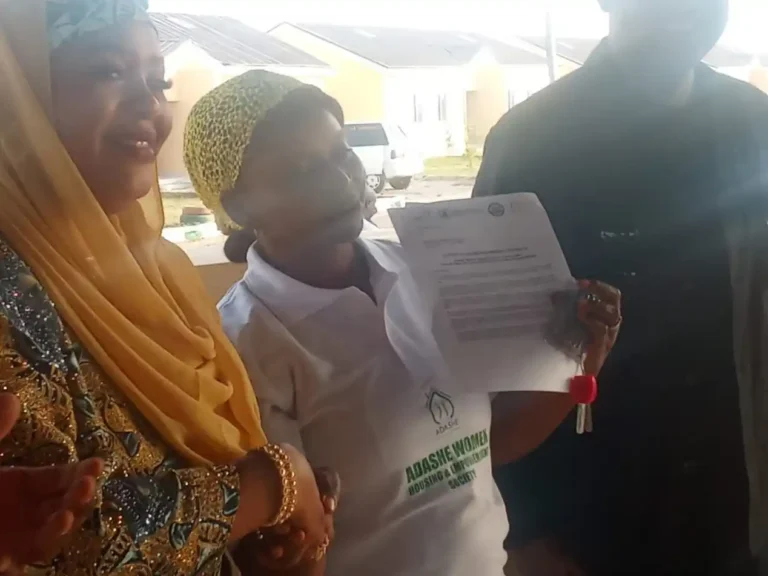
The management of Adashe Women Housing and Empowerment Society has presented keys to 100 widows for a 2-bedroom flat each, free of charge, to help reduce the socio-economic hardship many of them have faced after losing their breadwinners. The fully completed housing units come with Solar-powered energy, bore-hole water, furnished rooms, kitchen cabinets and cooking utensils, making the homes ready for immediate use.

The Founder and CEO of the Empowerment programme, Dr. Umma Sani, said her inspiration for the project came from her own childhood struggles. She explained that growing up as an orphan and repeatedly facing homelessness pushed her to support widows and orphans who go through similar pain. She said the project became possible through land she personally provided and partnerships with Family Homes Fund, the Federal Ministry of Budget and Economic Planning, the Ministry of Women Affairs, and the National Agency for Science and Engineering Infrastructure, NASENI.

The handover took place in Rigachikun, Igabi Local Government Area of Kaduna State, where 100 beneficiaries received their keys and allocation letters. Sani said the project represents more than just a shelter. According to her, it offers stability and dignity to widows raising children without financial or emotional support. She added that the initiative aligns with President Bola Tinubu’s Renewed Hope Agenda, describing it as one of the flagship social housing projects aimed at improving lives.

She explained that the partnership with Family Homes Funds and the Ministry of Budget and Economic Planning played a major role in achieving the project at its current scale. She said, “Today, 100 women have been given more than a home; they have been given shelter, peace and a serene environment where they can raise their children. We collaborated with Family Homes Funds; they are wonderful people. Adashe Women Housing and Empowerment Society is the founder of the idea, but Family Homes partnered with us. The Ministry of Budget and Planning, under the Honourable Minister, Alhaji Atiku Bagudu, also supported us, and that is how this project came to life. We give glory to God.”

Sani stressed that the housing scheme is only one part of a broader empowerment plan. She said widows also received starter packs and support materials to help them start small businesses and become self-reliant. She explained, “We empowered them with starter packs and even provided pens for them to begin their businesses. The idea is not just to give houses but to give them the tools to stand on their feet.”

She said she was pleased with the commitment displayed by the beneficiaries during their training sessions, noting that every widow successfully completed the process before receiving her key. “The widows completed their training successfully, and today they have collected their keys and allocation letters. It is a wonderful day for all of us. We are very happy and grateful,” she said.

According to Sani, the 100 housing units represent only a pilot phase of a much bigger national plan. She said the organisation is preparing to replicate similar projects in all 36 states of the federation. “This is the pilot project. We want to go around the 36 states of the Federation. Our goal is to ensure that widows and orphans across Nigeria can have a safe place to call home,” she said.

When asked what motivated her to pursue such an ambitious project, Sani became emotional as she shared personal memories from her childhood. She said she was the last of eleven children and that her family lived in constant fear of eviction because their income was unstable. She recalled how they were mocked and stigmatised over their inability to afford rent. She said, “There’s a history behind this. I was brought up as an orphan. I lost my dad when I was one year old. Growing up, the biggest challenge my family faced was housing. I am number 11 out of 11 children, the last born. I faced countless challenges. Many times, I would come back home from school and find our belongings thrown outside. The house would be locked because we couldn’t pay the monthly rent.”

A representative of the Kaduna State Government and Permanent Secretary, Ministry of Housing Development, Shehu Salisu, said the state and federal governments remain committed to helping less privileged citizens access affordable housing. He encouraged the beneficiaries to take good care of the new homes, adding that proper maintenance would motivate the government to expand similar programs. “If the facility is properly maintained, it will encourage the government to do more,” he said. “The government will be encouraged to replicate this. Let’s live peacefully.”

Also present at the event was the Managing Director of Family Homes Funds Limited, Abdul Muktar, who urged beneficiaries to adopt a strong maintenance culture. He said housing is one of the most important human needs and should be protected. “We are quite sure you will maintain the facility,” he said. “We are happy to be here, courtesy of President Bola Tinubu and the Finance Minister and his counterpart in the Budget and Planning Ministry.”

Muktar explained that Family Homes Funds Limited is already executing similar social housing projects in other parts of the country, including Ibadan and Calabar. He said the Ibadan project focuses on supporting families of Nigeria’s fallen military heroes, while the Calabar project targets vulnerable communities.

One of the beneficiaries, Mrs. Sarah Owojere, described receiving her new home as a major blessing. She said the intervention rescued her family from years of hardship and unsafe living conditions. Owojere, a widow and mother of four, said she had lived in an area prone to flooding and struggled to provide a safe environment for her children. She expressed deep appreciation, saying, “I am very happy and appreciative. God has really granted my heart desires because the house I’m living in is not really good.”

Owojere said the new home represents a new beginning for her family after many years of uncertainty. She said the intervention has given her hope and comfort, especially knowing her children now have a safe place to grow.

The event marked a significant moment for the widows and the community, showcasing a partnership model that combines government support, private collaboration and personal commitment to address the housing challenges faced by vulnerable groups.

NADF Hosts Investment Forum to Boost Agribusiness Financing

0

The National Agricultural Development Fund has taken a major step toward reshaping agricultural financing in Nigeria by hosting its first NADF Networking Session with Fund Managers. The forum was created to strengthen partnerships, deepen investment participation and unlock long-term capital for the country’s agrifood sector. Held at the Oriental Hotel in Lagos, the session focused on the theme ‘Unlocking Agribusiness Financing in Nigeria: NADF as a Catalytic Partner’ and brought together fund managers, capital market operators, investment institutions and development finance experts.

According to NADF, the initiative supports President Bola Tinubu’s Renewed Hope Agenda, which places food security, employment creation, high GDP and food sovereignty at the center of national economic stability. The Executive Secretary of NADF, Mohammed Ibrahim, said during his keynote address that transforming Nigeria’s agricultural sector requires structure, collaboration and a financing model that can convert the sector’s vast potential into sustainable value chains.

He said, “We share a common goal unlocking the full potential of Nigeria’s agriculture sector, the National Agricultural Development Fund was established to address financing constraints and enhance food security by providing structured support to farmers and agribusinesses.” He explained to investors and fund managers that the mission of NADF aligns profit with purpose, adding that partnerships with financial institutions remain essential.

Muhammed noted that agriculture, despite its strong contribution to GDP and employment, still attracts a low share of private investment. He said NADF is positioned to close this gap by reducing risks, improving value chain coordination, supporting processors through backward integration and deploying blended financing instruments designed to bring in commercial capital.

FG Launches GEF GOLD+ to Project for Mercury-Free Gold Mining

0

The Federal Government on Friday introduced the GEF GOLD+ Nigeria Project to support the formalisation of artisanal mining and promote mercury-free gold production across the country. The initiative was launched in Abuja during the project’s inception workshop, where officials said Nigeria is taking firm steps to eliminate mercury use in artisanal and small-scale gold mining.

The Minister of Environment, Balarabe Abbas Lawal, represented by the Permanent Secretary, Alhaji Mahmud Adam Kambari, said Nigeria had earlier shown its commitment by developing a National Action Plan between 2017 and 2020 to end mercury use in ASGM. He described the new project as a transformative intervention that aligns with Nigeria’s obligations under the Minamata Convention on Mercury and supports the Tinubu administration’s national development priorities. He urged strong cooperation among stakeholders to ensure effective delivery.

According to him, the project uses a holistic and multi-sectoral approach that brings together formalisation, cleaner technologies, and access to traceable value chains. He stated, “This is a sustainable pathway for the development of Nigeria’s gold mining sector.” Lawal explained that the project, funded by the Global Environment Facility and implemented by the United Nations Industrial Development Organisation, aims to reduce mercury emissions from ASGM while helping miners gain access to finance, markets, and mercury-free technologies.

He noted that mercury, commonly used in informal gold extraction, is a highly toxic neurotoxin that pollutes soil, water, and the food chain, leading to serious long-term health and environmental damage. The minister added that the current phase of the PlanetGOLD programme is being rolled out in eight countries, including Nigeria, after a previous phase in nine countries across Africa, Asia, and Latin America.

Lawal said the GEF GOLD+ Nigeria Project aligns with the government’s Eight-Point Agenda, especially poverty reduction, economic growth, job creation, and access to capital, and will also support the Sustainable Development Goals. The pilot states for the project are Niger, Kaduna, Zamfara, and Kebbi due to their high artisanal mining activity and urgent need for environmental reform.

He said he expects “robust discussions, a clear understanding of the project timelines, and the establishment of a strong collaborative framework,” stressing that support from government agencies, mining communities, civil society, the private sector, and financial institutions is crucial. He reaffirmed the ministry’s commitment to a cleaner, safer, and economically viable ASGM sector.

The Director of Pollution Control and Environmental Health at the ministry, Dr. Bahijjahtu Hadiza Abubakar, described the workshop as a major step toward a safer and more sustainable mining industry. She welcomed participants from federal ministries, UNIDO, the Project Steering Committee, pilot states, civil society organisations, ASGM communities, financial institutions, and the media. She said the GEF GOLD+ Nigeria Project provides “a beacon of hope” for addressing long-standing health and environmental risks caused by mercury use.

“For too long, mercury use in ASGM has posed significant threats to human health, ecosystems, and our national development aspirations. This project provides a tangible pathway for mitigating these impacts while unlocking economic opportunities in an environmentally responsible manner,” she said. Abubakar added that the workshop was designed as a collaborative space to build the framework needed for successful implementation and noted that progress will rely on active participation, useful contributions, and strong commitment from all stakeholders.