Home Blog Page 281

inDrive Announces ₦1bn Driver Welfare Investment in Nigeria

0

inDrive has announced an investment of over ₦1 billion in driver welfare initiatives across Nigeria for 2025, marking one of its largest commitments to improving the ride-hailing experience for drivers in the country. The global mobility and urban services platform said the investment reflects its goal of building a fairer and more supportive ecosystem for those who operate on its network.

Throughout 2025, the company introduced and expanded several programmes focused on safety, earnings, recognition, and long-term wellbeing. These initiatives, according to inDrive, were designed to give drivers more stability and better opportunities to grow within the platform.

One of the major milestones of the year was the rollout of the enhanced Platinum Tier loyalty programme. This upgraded tier offered a wider range of exclusive benefits for top-performing drivers. The programme included premium rewards, priority support, and additional earning opportunities matched to each driver’s performance level. The company said the expanded benefits were part of its effort to celebrate excellence and encourage consistent service quality.

Another key achievement was the expansion of the health insurance initiative, which extended coverage to 600 high-performing drivers across Nigeria. With this move, more drivers gained access to essential healthcare services, strengthening the company’s commitment to prioritising safety and wellbeing. inDrive noted that this step was necessary to support the health needs of those who keep the platform running daily.

To wrap up a highly active year, inDrive launched a large-scale driver rewards contest in Lagos and Abuja. The contest featured bi-weekly prizes, live announcements of winners, and interactive engagement activities aimed at motivating drivers and building a stronger sense of community.

Across all programmes, the company’s investment of more than ₦1 billion highlighted its ongoing focus on financial empowerment, safety, and fair earnings. “As we wrap up 2025, we’re proud of the real, measurable impact these programmes have made for thousands of drivers nationwide. We remain committed to building a ride-hailing ecosystem that uplifts drivers and creates opportunities for sustainable growth,” said Timothy Oladimeji, inDrive’s Country Representative.

Advertisement

Nasarawa Governor Presents N517.5bn 2026 Budget to Assembly

0

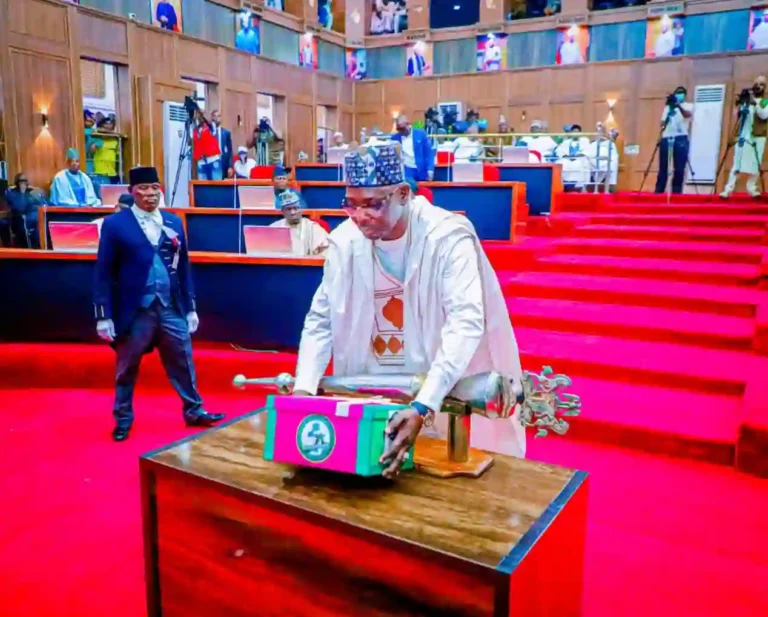
Nasarawa State Governor Abdullahi A. Sule on Wednesday presented a N517.5 billion Appropriation Bill for the 2026 fiscal year to the Nasarawa State House of Assembly, describing it as the Budget of Strategic Consolidation. The infrastructure sector received the highest allocation of N157.8 billion. Presenting the proposal during plenary in Lafia, the governor said the budget is designed to consolidate ongoing reforms, expand job creation, strengthen infrastructure, deepen social protection and enhance fiscal sustainability across the state. According to him, the document serves as a roadmap for advancing the socio-economic wellbeing of the people.

“It is with a deep sense of responsibility that I present the 2026 budget in compliance with Section 121(1) of the Constitution,” Sule said. “This is our seventh budget presentation since 2019 and it reinforces our commitment to transparency, accountability and inclusive development.”

The governor explained that the proposed revenue stands at N517,539,050,910.77. This is made up of recurrent revenue from FAAC and internally generated revenue as well as capital receipts. He said total expenditure is also pegged at N517.5 billion, covering recurrent spending and capital outlay. Sule noted that the structure of the budget again shows his administration’s commitment to prioritising capital projects that can stimulate economic growth and improve the quality of life for citizens.

Speaking on the performance of the 2025 budget, Sule said the state generated N235.04 billion by October 2025, representing 61.16 percent of expected annual revenue. He added that capital expenditure reached N120.25 billion, the highest ever recorded in the state. According to him, the performance was achieved despite economic pressures, insecurity and nationwide fiscal constraints.

The governor outlined achievements in road construction, agriculture, civil service welfare, healthcare expansion, education reforms and youth empowerment. He said the administration has constructed about 639 kilometres of roads, upgraded hospitals, expanded the health insurance scheme, recruited teachers, upgraded schools and sustained social protection efforts, including the N10,000 monthly cash transfer for vulnerable households.

He stated that the administration’s reforms also include the establishment of new agencies such as the Nasarawa State Fire and Rescue Service Agency, Nasarawa State Education Trust Fund, Institute of Leather Science and Technology in Doma, Nasarawa State Multi-Door Courthouse, Nasarawa State Electricity Regulatory Commission and the Made-in-Nigeria Project Office. Sule said these institutions are essential for strengthening governance and diversifying the economy.

Appealing to lawmakers for quick passage, the governor said the executive will remain committed to prudent implementation. “I present this budget as a consolidation of our collective efforts,” he said. “Together, we can build a resilient and prosperous Nasarawa State.”

Following the presentation, Speaker of the House Rt Hon. Danladi Jatau, PhD, commended the governor for what he called a forward-looking financial plan that captures the state’s developmental goals. “We commend His Excellency for presenting a budget that reflects continuity, consolidation, and genuine commitment to the progress of Nasarawa State,” he said. “The House will give the proposal the thorough and accelerated consideration it deserves in the interest of our people.”

Jatau added that lawmakers would review the estimates ministry by ministry to ensure transparency, efficiency and value for public resources. The budget has been referred to the House Committee on Finance and Appropriation for further legislative action.

FG Reminds of National Health Fellows Programme Application

0

The Federal Government has called on applicants interested in the second cohort of the National Health Fellows Programme to complete their registrations before the November 30, 2025 deadline. The NHF Programme is a government initiative created to strengthen primary healthcare delivery and expand the national health workforce.

According to information available on the programme’s website, the initiative is domiciled in the Sector Wide Approach Coordination Office under the Office of the Coordinating Minister of Health and Social Welfare. Fellows recruited under the scheme will be trained, equipped, and supported with the necessary tools to drive improvements in the health sector.

The programme was established to address gaps in community-level healthcare by recruiting, training, and deploying young professionals to serve across all 774 local government areas in the country. A statement made available to Nigeria Startup News on Thursday explained that the first cohort, admitted in January 2025, completed its training and has been deployed nationwide. They are currently supporting community health interventions, surveillance activities, and primary healthcare strengthening at the grassroots.

The statement also noted that applications for the second cohort are open to Nigerians between ages 25 and 35 with degrees in health sciences, information technology, social sciences, or related fields. It added, “Candidates must demonstrate the capacity and willingness to serve in community environments and contribute to public health improvement.”

It further explained that the selection process is merit-based and transparent, involving application screening, competency reviews, and interview assessments. “Only candidates who meet the required standards are admitted into the fellowship,” it said. Fellows admitted into the programme undergo structured training in public health principles, community engagement, disease prevention, leadership, and data reporting.

This training is followed by a supervised field placement designed to give fellows practical experience in primary healthcare settings. The model aims to build young professionals with the knowledge and skills needed to address Nigeria’s long-standing health challenges.

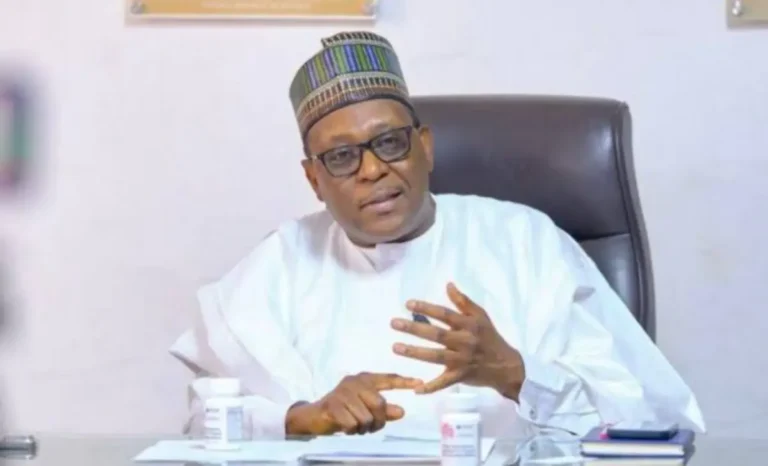
According to the Coordinating Minister of Health and Social Welfare, Prof. Muhammad Pate, the fellowship “is designed to develop a new generation of healthcare leaders through capacity building, practical field engagement, and sustained professional development.” He said the success of the first cohort shows the potential of young Nigerians to contribute meaningfully to national development when given structured opportunities.

The government stressed that the programme will remain strictly merit-based. “Interested candidates are encouraged to complete their applications ahead of the deadline of November 30, 2025,” the statement added. It also advised applicants to visit official channels for further details.

Apply for AOA Constituency Livelihood Support and Empowerment Program

0

The AOA Constituency Office has announced the opening of applications for its latest livelihood support and empowerment programme aimed at improving economic stability for residents of Ikole/Oye Federal Constituency. The office said the initiative is designed to help small businesses, artisans, youth and women by providing items that can boost productivity and strengthen financial independence.

According to the public notice, the programme aligns with the leadership principles of Rep. Akin Rotimi, Jr., who emphasises equity and inclusiveness. The notice stated that the process will be guided by fairness, adding that it will focus on “ensuring equal access for all interested constituents.” It also noted that special consideration will be given to “people with disabilities, women, and youth, especially those in genuine need.”

Application process is open to everyone and does not require any personal connection. It added that there will be “no favouritism, gatekeeping, or discrimination of any kind,” further encouraging applicants to submit requests that match their verifiable line of work to increase their chances of selection.

The constituency office encouraged all interested residents to take advantage of the opportunity, noting that the aim is to expand social impact and support enterprising individuals across the constituency.

The application window runs from Friday, November 21, 2025, to Friday, December 5, 2025.

Interested constituents can apply through multiple channels, including an online form accessible via https://forms.gle/rzqAvF83btCixeB37. Applications may also be submitted through Ward Councillors or through traditional institutions.

Submissions can also be made in the palaces across all 40 communities within the constituency, with particular attention to the Offices of the Baba Egbe Omo Ilu.

FG, NASRDA Sign MoU on National Agricultural Traceability Framework

0

The Federal Government has signed a Memorandum of Understanding with the National Space Research and Development Agency to create a national framework for Agricultural Produce Traceability. The MoU also covers a framework for farmland monitoring and verification of deforestation free-supply chains, which officials say is becoming increasingly important for global trade.

At the event in Abuja, the government also unveiled the White Paper on Strategy for European Union Deforestation Regulation Compliance in Nigeria. Speaking at the signing, Sen. Abubakar Kyari, the Minister of Agriculture and Food Security, said the development was both strategic and symbolic. He explained that it was strategic because it gives Nigeria the systems needed to remain competitive in global markets, and symbolic because it shows a clear commitment to protect farmers and modernise agricultural value chains. According to him, “It equips Nigeria with the systems required to remain competitive in global markets. It is symbolic because it represents our collective resolve to protect our farmers, modernise our value chains and build an agricultural sector that stands strong on the global stage.”

Kyari said President Bola Tinubu had made agriculture a central part of the national strategy for economic renewal, stability and inclusive growth. He stated that the MoU between the ministry and NASRDA sets up the architecture for a national traceability and environmental monitoring system. He added that NASRDA will provide satellite imagery, real time monitoring and technical leadership, while the ministry will coordinate farmer engagement, policy integration and national implementation.

The minister said the EUDR had introduced a new standard for agricultural exports, noting that Nigeria’s commodities must now be traceable to the exact farm boundary, legally produced and verified as deforestation free. He warned that Nigeria risks losing over one billion dollars in direct export earnings and more than three billion dollars in total economic value each year if it fails to meet the new requirements. He said that with the right systems, the country could turn compliance into an advantage by opening access to premium markets and improving farmer incomes.

In his words, “We can build a transparent, efficient and globally trusted agricultural economy. We can open new premium markets, attract stronger investment and deliver better incomes for our farmers. We will not build a system that leaves any farmer behind.”

In a goodwill message, the Director-General of NASRDA, Dr Mathew Adepoju, said the agency is using space technology and agricultural satellites to trace produce. He added, “We will like to strengthen our working relationship with the Ministry of Agriculture and Food Security. We will continuously support your programmes and initiatives.” He said NASRDA would ensure full implementation of the MoU.

Dr Marcus Ogunbiyi, the Permanent Secretary of the ministry, described the event as a major step to strengthen Nigeria’s agricultural system, noting that traceability and deforestation are now central issues globally. Dr Tolulope Pius-Fadipe, Head of Research and Development at the Nigeria Data Protection Commission, expressed the commission’s commitment to data security and protecting citizens’ information.

Katsina Approves ₦500m Scheme to Empower 10,000 Small Businesses

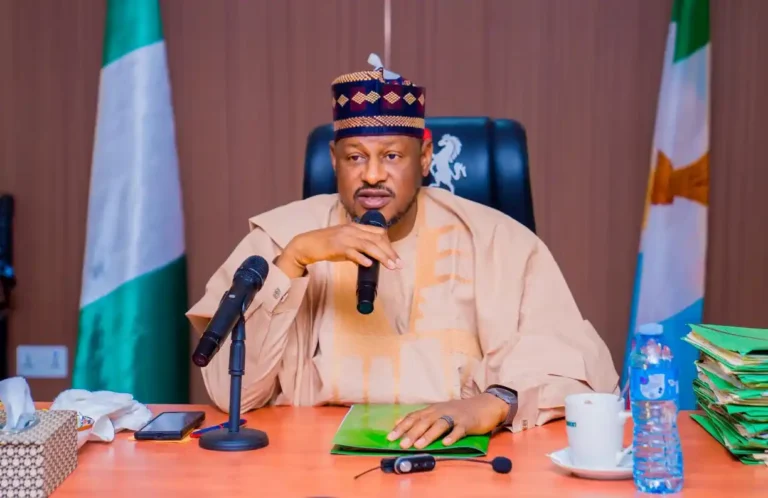
The Katsina State Executive Council has approved the release of ₦500 million to KASEDA for an empowerment programme under the Cooperative Entrepreneurship Development scheme, marking a major step toward supporting rural communities and strengthening small businesses across the State. The announcement was made after the 17th Regular Council Meeting held at the Upper Chamber of the General Muhammadu Buhari House, Katsina, and chaired by Governor Malam Dikko Umaru Radda.

Briefing journalists, the Commissioner for Information and Culture, Dr. Bala Salisu Zango, said the approvals reflect the administration’s commitment to people-centered development. He was joined by senior officials, including the Commissioner for Religious Affairs, Hon. Shehu Dabai; the Commissioner for Local Government and Chieftaincy Affairs, Hon. Bashir Tanimu; the Director-General of KASEDA, Dr. Babangida Ruma; the Commissioner for Agriculture, Hon. Aliyu Lawal Shargalle; the Commissioner for Basic and Secondary Education, Hon. Adnan Nahabu; the Special Adviser on Local Government Inspectorate Department, Mal. Lawal Rufai Safana; and the Permanent Secretary, Ministry of Health, Dr. Lawal Aliyu Rabe.

According to the briefing, the empowerment scheme is designed to help nano and small businesses in rural communities, especially in the southern parts of the State. Dr. Ruma said the programme targets people whose businesses depend on very small capital amounts such as ₦30,000, ₦50,000, ₦100,000, or ₦200,000 and who often cannot complete normal CAC registration. He explained that the cooperative arrangement will allow such businesses to become formally recognized. “Each cooperative will draw members from all 361 wards, and beneficiaries will receive funds based on the specific needs of their businesses,” he said. He added that the initiative is expected to empower more than 10,000 people.

The Council also approved the immediate rollout of the Community-Based Seed Production Programme to empower 700 youths as certified seed producers. Officials said the initiative will increase the availability of high-quality, climate-resilient seeds for food and cash crops. “The programme aims to strengthen food security, boost agricultural productivity, and support sustainable rural livelihoods,” the Commissioner for Agriculture stated.

To support families facing economic difficulties, the Council approved the purchase of 120,000 bags of assorted grains, including rice, maize, sorghum, and millet. The grains will be distributed to vulnerable households in all 361 wards. “This measure aims to improve food accessibility and support families facing economic challenges,” officials said. Officials noted that all approved programmes align with the Building Your Future agenda, which focuses on inclusive growth and long-term stability for residents.

Nigeria, Qatar Hold Talks on Almajiri and Out-of-School Education

0

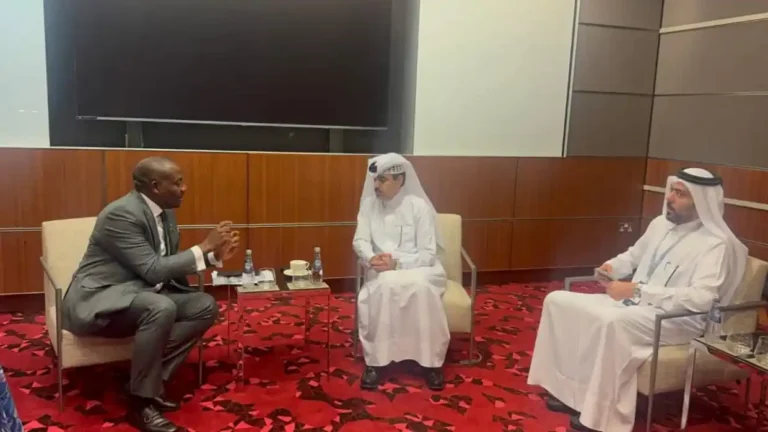
Education Minister Dr. Maruf Tunji Alausa (FAMedS), CON, held a high-level bilateral meeting in Doha with the Minister of Education and Higher Education of the State of Qatar, Lolwah bint Rashid bin Mohammed Al Khater, to deepen cooperation on transforming Almajiri and out-of-school education in Nigeria. The meeting focused on strengthening inclusive learning systems and tackling the challenge of children who remain outside formal schooling.

Both ministers reviewed Nigeria’s national plan aimed at improving Almajiri and out-of-school education across the country. The discussions highlighted large-scale Mallam training, the upgrading of Tsangaya school infrastructure, and continued support for the 33 bilingual schools built by the Islamic Development Bank in 11 states. Dr. Alausa said Nigeria is committed to “reintegrating marginalized learners into quality education through better literacy, numeracy, vocational skills, and safer learning environments.”

During his visit, Dr. Alausa also met with Fahad Hamad Al-Sulaiti, Director-General of the Qatar Fund for Development, and Mohammed Saad Al-Kubaisi, CEO of Education Above All. The talks focused on building strategic partnerships to reduce educational exclusion, promote child protection, and expand access to modern and inclusive learning for vulnerable children. Officials expressed readiness to work with Nigeria on Mallam training, improving Tsangaya infrastructure, and strengthening the operations of bilingual schools to ensure long-term impact.

The Federal Ministry of Education will finalize and sign a Memorandum of Understanding with key Qatari institutions early next year to activate the partnership. Dr. Alausa reaffirmed Nigeria’s determination to collaborate closely with Qatar’s Ministry of Education, Education Above All, and the Qatar Fund for Development to deliver scalable solutions that support Almajiri and out-of-school children while contributing to national stability and future human capital development.

PSC, Nigeria Police to Begin Recruitment of 30,000 Officers

Presidential directives on police recruitment moved a step forward today as the Police Service Commission and the Nigeria Police Force announced the formation of a joint Ad-hoc Committee to begin the recruitment of 30,000 new police officers. The initiative is aimed at boosting the manpower of the NPF and improving national security across the country.

The announcement was made on 26th November 2025 at the Police Service Commission Corporate Headquarters in Jabi, Abuja. The committee was inaugurated by the Chairman of the Police Service Commission, DIG Hashimu Salihu Argungu (rtd), in line with the Federal Government’s plan to strengthen the police-to-citizen ratio. According to the PSC, the focus is to ensure that the recruitment process is transparent, seamless, and anchored on integrity.

Representing the PSC Chairman, DIG (Bar) Taiwo Lakanu (rtd), fdc, who also chairs the Nigeria Police Force Matters Committee of the PSC, stressed that the collaboration between both institutions is central to achieving a credible exercise. He said the PSC remains committed to a process guided by fairness, established rules, and clear standards. He noted that “the collaboration is crucial for a successful exercise” and emphasized that every phase of the recruitment must reflect merit.

The Inspector-General of Police was represented by CP Edwin Eloho from the Department of Training and Development at Force Headquarters. CP Eloho highlighted the importance of the recruitment drive in strengthening the operational capacity of the NPF. He stated that the police force is fully aligned with the PSC on delivering a timely and effective recruitment program that will improve its ability to protect Nigerians. He reaffirmed the NPF’s readiness, saying the cooperation between the institutions will support the achievement of the national objective.

Officials noted that the inauguration of the committee signals a major move by the Federal Government to address ongoing security concerns and improve policing nationwide.

The Police Service Commission is a Federal Executive Body responsible for appointing, promoting, dismissing, and exercising disciplinary control over officers in the Nigeria Police Force, except the Inspector-General of Police. The Nigeria Police Force serves as the country’s primary law enforcement agency with mandates that include preventing crime, protecting citizens, and maintaining public order.

Torty Njoku Kalu
for: Chairman, Nigeria Police Force Matters Committee, PSC

EEP Phase II Trains 100 Students in Solar-PV Across Universities

0

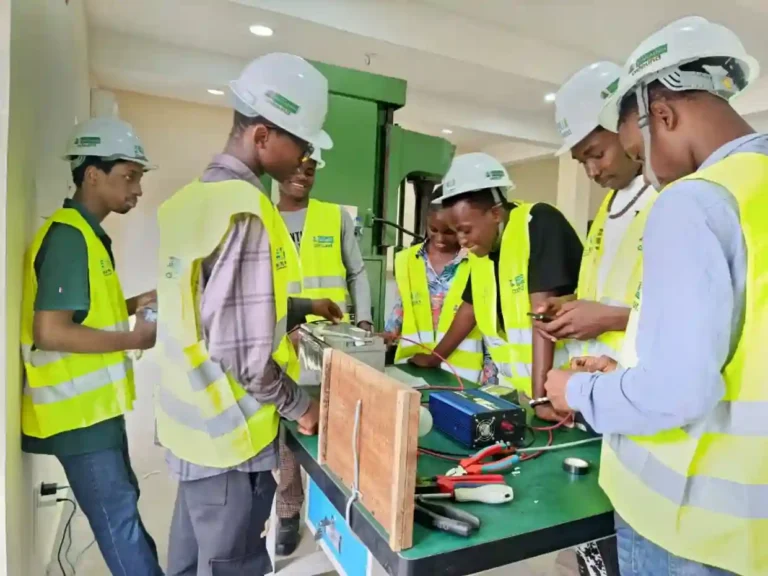
Energizing Education Programme Phase II has recorded another milestone as about 100 students across participating universities completed hands-on technical training in solar-PV systems. The update was shared as part of the programme’s wider plan to deepen sustainability and human capital development.

According to the statement, the trainings covered solar-PV design, installation, operations, safety and maintenance. Institutions where the exercises have been completed include University of Gashua with a 1.5 MW system, University of Calabar and its Teaching Hospital with 7 MW, Michael Okpara University of Agriculture Umudike with 3 MW, University of Maiduguri with 12 MW, and Federal University of Agriculture Abeokuta with 3 MW. At the Nigerian Defence Academy, the 2.5 MW training is still ongoing.

The trainings were delivered by ASTOUND, an energy training and consulting company. The programme noted that working with one facilitator ensured that students across all the universities received the same depth of practical exposure and technical competence.

The update explained that the EEP is investing in both infrastructure and people to strengthen institutional capacity and support knowledge transfer. It stated that these efforts aim to build the workforce needed for Nigeria’s transition to reliable and sustainable energy. It added that universities under the programme are not only gaining reliable solar-hybrid power systems but are also becoming hubs for developing clean energy talent.

“My appreciation goes to all the students, our technical teams, EPC partners, ASTOUND facilitators and everyone who continues to drive this important work,” the statement said. It also added, “Congratulations to all the students, our project teams, partners, and training facilitators who made this milestone possible.”

IFAD Says SAPZ Programme Reaches Over 41,000 Farmers in Nigeria

The International Fund for Agricultural Development says the Federal Government and IFAD Special Agro-Industrial Processing Zone has expanded its outreach and strengthened engagement with local communities across the country. Speaking at the joint FG/IFAD second SAPZ Programme Supervision Mission on Wednesday in Abuja, the IFAD Country Director, Dede Ekoue, said a total of 41,204 smallholder farmers and value chain actors had been profiled under the programme.

Ekoue explained that 7,398 farmers were captured in Kano State during the 2024 pilot scheme, while 33,806 farmers and actors were profiled in the 2025 exercise covering Ogun and Kano States. She said the profiling exercise formed the backbone of implementation by ensuring accurate targeting, evidence-based planning and transparency in beneficiary support.

According to her, women make up 50 per cent of the profiled actors in Ogun State, while youths account for almost a quarter of participants in Kano State, which she described as an encouraging sign of the programme’s growing relevance to young agripreneurs. She added that 14,655 of the 33,806 actors profiled in 2025 had already benefited from input support, training and digital tools such as climate information services.

Ekoue said 15,664 individuals had been reached with training, nutrition packages and input packages since the programme began. This figure includes 9,353 men, 6,311 women and 3,955 youth. While this represents 15.8 per cent of the Life-of-Project target of 100,000 beneficiaries, she said implementation is accelerating. She described the meeting as a strategic moment for reflection, recalibration and renewed commitment to advancing Nigeria’s agricultural transformation agenda.

She emphasised that the SAPZ programme is a major collaboration between the Government of Nigeria, IFAD and participating states. According to her, the programme is supporting farmers while also building rural economies, creating agribusiness opportunities for youth, strengthening food security and boosting Nigeria’s resilience to global challenges. She said SAPZ is designed to transform Nigeria’s food systems by promoting enterprise development, agro-industrialisation, youth employment and inclusive rural prosperity.

Ekoue reiterated IFAD’s alignment with the Renewed Hope Agenda and national goals to build efficient, resilient and inclusive agricultural value chains. She added that support from the African Development Bank and the Islamic Development Bank has helped drive the programme’s progress.

She highlighted the Public–Private–Producer Partnerships anchored through IFAD’s 4P Model as a major pillar of SAPZ implementation. She said the programme has established the Multistakeholder Agribusiness Forum and facilitated the signing of 25 Memoranda of Understanding linking cassava, rice, tomato and groundnut producers to guaranteed offtakers and agro-processors. According to her, these partnerships bring together private sector players, financial institutions, government agencies and implementing partners to strengthen market access, reduce commercialisation risks and safeguard farmers’ income.

Ekoue noted that SAPZ is reinforcing its commitment to inclusion, gender equity and nutrition-sensitive agriculture. She said households, mostly women, have benefited from nutrition interventions including sensitisation sessions, hygiene training and food demonstrations, which help improve dietary diversity and family nutrition.

According to her, the supervision mission aims to validate progress, address emerging challenges, align state and federal priorities and finalise the operational steps needed to meet the 2025 performance targets.

The Director of the Department of Development Partners Project at the Federal Ministry of Agriculture and Food Security, Mrs Iluromi Adebola, described the mission as a platform for an honest review of progress. Represented by Dr Ahmed Abubakar, she said the supervision meeting also focuses on resolving implementation bottlenecks and defining a coordinated plan to accelerate results across all SAPZ states.

Adebola identified SAPZ as a flagship government intervention that represents a collective ambition to move Nigeria from basic commodity production to competitive processing for both domestic and export markets. She said Nigeria’s agricultural sector had struggled for decades with limited processing capacity and weak market linkages.

According to her, the SAPZ model addresses these gaps by connecting producers to processors, logistics, storage and market systems, making it a central part of the Federal Government’s agricultural industrialisation agenda.