
Home Blog Page 285

Kaduna to Begin 2026 Public School Examination Registration

0

Kaduna State Schools Quality Assurance Authority has announced that the registration of public school candidates for the 2026 examinations will run from 1 December 2025 to 13 February 2026. The notice, dated 21 November 2025, was addressed to all public school principals, parents, and stakeholders. According to the authority, the registration covers the Basic Education Certificate Examination, the Basic Arabic and Islamic Certificate Examination, the Qualifying Examination, and the Senior Arabic and Islamic Qualifying Examination.

The notice explained that all public schools must complete registration by following the approved online steps. Officials advised schools to begin by visiting the KSSQAA website at https://kssqaa.org and navigating to the Examinations section. Principals are required to select the relevant exam category and choose Public from the menu. Schools are expected to log in with their username and password from the previous year. The authority stated that principals should request examination PINs through the Request button, adding that “by default, 50 PINs are allocated to your school and become active once you log in and complete required updates.”

Schools are to register students for their preferred examinations and move to the Continuous Assessment Scores section to enter or view C.A. scores. The platform also allows principals to update student details and review subject analyses before the deadline.

For offline registration, the authority confirmed that schools may use the Offline Version of the application. They can access the Guidelines section on the website for instructions on downloading and installing the offline tool. The notice stressed that the number of online PINs must match the number of students registered offline. It also warned that “principals of public schools found registering candidates from private schools will be sanctioned.” If additional candidates are included offline, schools must request extra PINs before synchronizing data online.

After registration closes, principals will be able to download student photo albums and examination cards through the Calendar section of the platform. The authority also encouraged schools to use the Gazette Request option once results are released. The notice was signed by Mrs. Christiana Nuhu Buzun, Deputy Director of the Education Resource Department, on behalf of the Director-General. Another note added that private school registration will begin in January 2026, with a fee of ₦5,000 per candidate.
Advertisement

Ebonyi Governor Presents N884.87bn 2026 Budget to Assembly

0

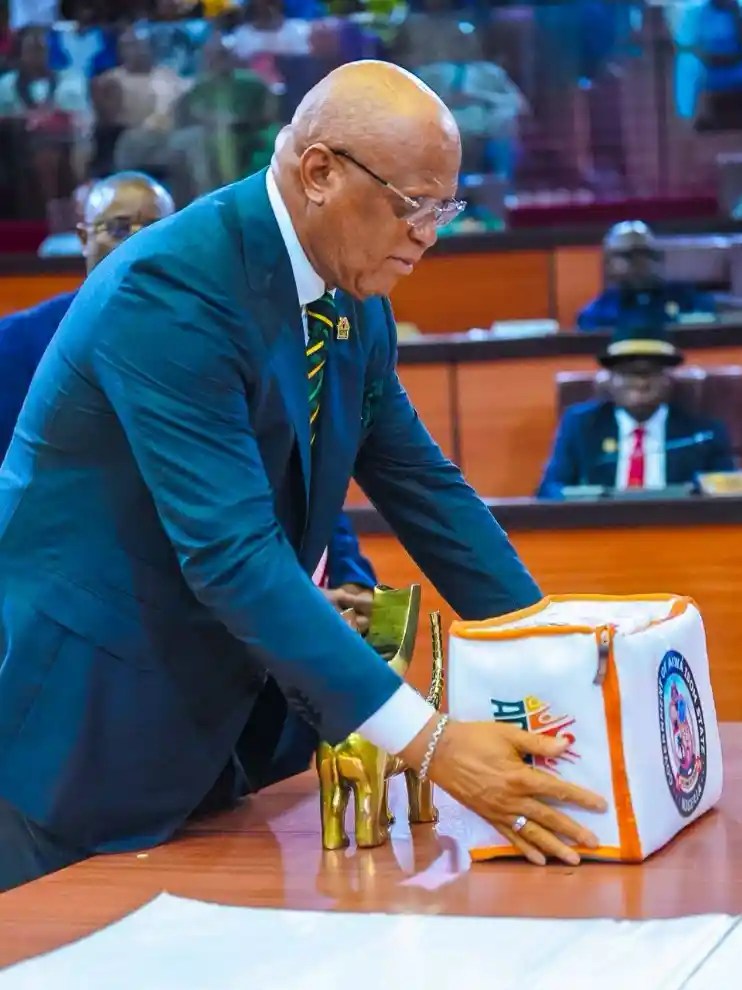
Governor Francis Nwifuru of Ebonyi State on Tuesday presented an N884.87 billion appropriation bill for the 2026 fiscal year to the State House of Assembly in Abakaliki. The budget, described as the “Budget of Actualisation and Hope,” is anchored on the government’s People’s Charter of Needs philosophy and is designed to sustain fiscal consolidation, accelerate economic growth, and promote human capital development across the state.

Presenting the proposal, the governor announced that the capital expenditure stands at N749.49 billion, representing 84.7 per cent of the budget, while recurrent expenditure is pegged at N135.38 billion, or 15.3 per cent. He said the structure shows the administration’s commitment to driving development through major capital investments.

A detailed breakdown showed that the economic sector was allocated N492.9 billion, accounting for 55.7 per cent of the budget. The social sector received N247.97 billion, or 28.02 per cent, the administrative sector got N137.37 billion, representing 15.52 per cent, while the law and justice sector was assigned N5.03 billion. The regional sector received N1.56 billion.

Mr Nwifuru projected that statutory allocations from the Federal Allocation Accounts Committee would fund 53.1 per cent of the budget. Independent revenue is expected to contribute 5.5 per cent, while capital development funds, including grants and donor-assisted receipts, would provide 37.5 per cent. He stressed that the borrowing plan was focused on long-term value, saying, “We are borrowing not to pay salaries, not to fund consumption, but to create a strategic industrial legacy that will serve Ebonyi for generations.”

The governor explained that the budget was shaped by citizen input through participatory budgeting, adding that it prioritised quality education, improved healthcare, agricultural growth, youth empowerment, and the development of micro, small, and medium enterprises. He reflected on achievements under the 2025 budget, highlighting timely salary payments, the settlement of inherited pension arrears, and an empowerment programme that supported more than 5,000 beneficiaries across the 13 local government areas.

On education, Mr Nwifuru said the government had made major investments, including the establishment of the University of Information, Communication, and Technology at Oferekpe Agbaja and the University of Aeronautic Engineering at Ezza. He noted that 43 model secondary schools were under construction and more than 1,000 students had received local and international postgraduate scholarships.

In the health sector, he stated that free maternal healthcare for pregnant women remained active, and new healthcare workers had been recruited to strengthen services. He also listed progress in agriculture, such as mechanisation support, fertiliser distribution, the revival of the Nkaliki Hatchery, and the construction of a major feed mill.

Commenting on infrastructure, the governor expressed satisfaction with the progress of the VANCO flyover and tunnel projects, township road rehabilitation, and rural road construction. He added that peace-building efforts had stabilised several communities and noted that plans were advancing to establish an industrial city and a cement factory in the state.

Mr Nwifuru urged lawmakers to give the bill accelerated passage and assured them that his administration would continue to manage resources responsibly. He described the appropriation bill as the largest in the state’s history and a clear sign of his government’s commitment to meaningful and long-term development. He said, “This budget is crafted to ensure that the efforts we have started translate into tangible realities for our people; it is a budget of hope, but more importantly, one of actualisation.”

WISE Summit: Oluremi Tinubu Says Humanity Must Lead Digital Innovation

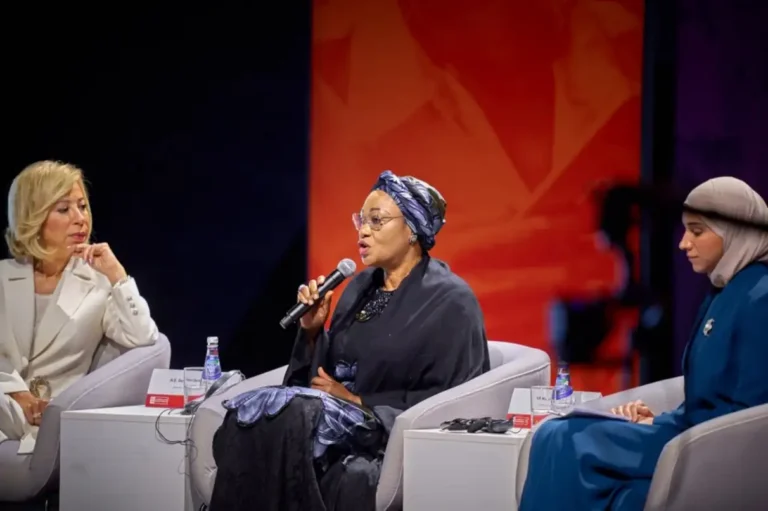
Nigeria’s First Lady, Senator Oluremi Tinubu, says the world is moving deeper into the digital era, but there is a strong need to keep humanity at the centre of every innovation. She made this known while speaking at the ‘Education Above All’ plenary session during the 12th World Innovation Summit for Education, WISE, in Doha, Qatar.

While praising Qatar’s achievements in education, Senator Tinubu shared the stage with the First Ladies of Lebanon and Syria. She stressed that no religion forbids girls from receiving education and explained that the federal government is committed to giving every Nigerian child access to the opportunities that learning provides. She said, “Everything begins with education. We are doing all we can as a government to advance the education sector. We must collectively look at the bigger picture, knowing that Nigeria has a huge human capital resource and that is what we thrive on.”

She highlighted the global impact of Nigerian youth, noting their success in arts, education, fashion, the movie industry and agriculture. According to her, “Our youth are doing tremendously, and not only that, President Bola Ahmed Tinubu is treating innovation and technology as the bedrock of human capital development.”

The First Lady also spoke on the rise of digital literacy in Nigeria, describing it as a major tool for growth. However, she mentioned that technology comes with challenges. She said, “Nigeria, being an emerging economy, digital literacy has helped us a lot because it is faster, it reaches a lot more people. It also comes with its downside. Our young people are either using it for good or negatively. We believe we would keep empowering the young ones in this area and they would do better.”

The chairperson of Qatar Foundation and host of the summit, Sheikha Moza Bint Nasser, called for education to play a bigger role in transforming lives by linking young people with new job opportunities. Other speakers, drawn from over 150,000 participants worldwide, stressed that humans must remain at the core of global changes. They noted that human values and ethics should guide how artificial intelligence is used, asking whether progress makes sense without human values.

The 12th World Innovation Summit for Education, WISE, carried the theme Humanity.IO, focusing on human values at the heart of education.

NIDCOM Summit Names Adaora Akojume Top Pitcher with N250m Offer

0

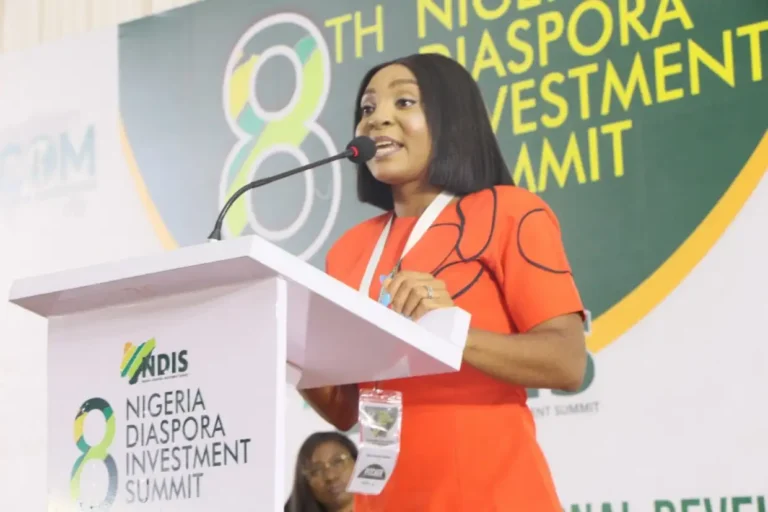
Hon Abike Dabiri-Erewa, Chairman and CEO of the Nigerians in Diaspora Commission, has praised Adaora Akojume of Beta Agric Ventures after she emerged as the number one Pitcher at the 8th Nigeria Diaspora Investment Summit. The summit, organised by NIDCOM in collaboration with the Nigeria Diaspora Summit Initiative, took place from 11th to 13th November 2025 at the State House Conference Centre in Abuja. Akojume secured a N250 million investment offer, making her the standout participant of the event.

Dabiri-Erewa described the summit as a strong example of how Nigerians in the Diaspora contribute to the country’s economic development. She said the Nigeria Diaspora Investment Summit has shown that Nigerians abroad and at home can work together to create jobs, develop investable ideas, encourage innovation and build trust. According to her, the summit continues to demonstrate the value of Diaspora engagement in national growth.

One of the major highlights of the three-day summit was the Pitching Sessions focused on agribusiness, especially innovative agri-value chains, food security and export models. The agribusiness session, moderated by Dr Moji Davids of Xtralarge Farms and Luxury Resorts, gained momentum when Adaora Akojume took the stage. Her structured and innovative presentation impressed investors, leading to a N250 million investment offer from Mr Christopher Obode of New Jersey, USA. Dr Moji described agripreneurs as the lifeline of the economy and emphasised that food security must remain a priority.

Akojume, visibly excited by the response, showcased her tomato paste model product, which attracted additional interest from investors. Several of them pledged to adopt her product as a test product at both local and international summits.

The summit has built a reputation for driving practical investment outcomes, forming business partnerships and creating match-making opportunities rather than hosting mere talk sessions. Participants, investors and sponsors have consistently shown evidence-based results that support economic growth and shared prosperity.

The 2025 edition of the Nigeria Diaspora Investment Summit recorded over 50 Pitchers, more than 15 Sponsors and Exhibitors, over 900 physical attendees and over 2000 virtual participants from around the world.

FG clarifies it has not banned open grazing

0

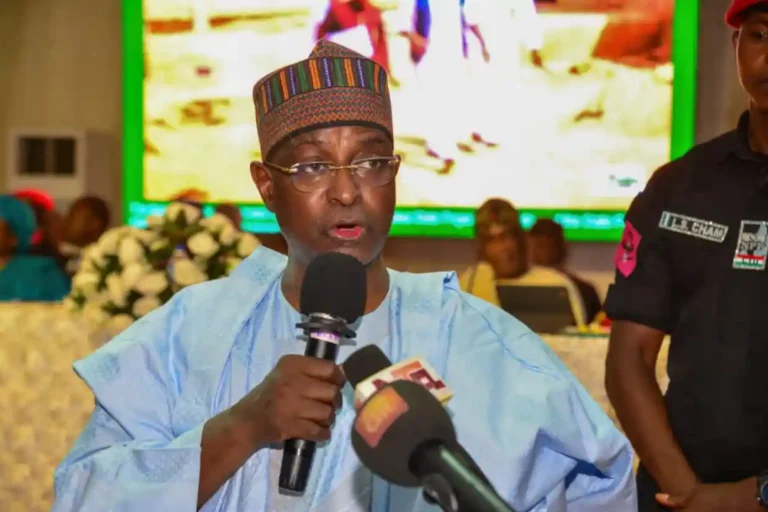
The Federal Government has dismissed reports suggesting that open grazing has been banned across the country. The Minister of Livestock Development, Idi Mukhtar Maiha, made the clarification on Tuesday, 25th November 2025, stating that no nationwide ban has been announced. He explained that the government is instead focusing on a gradual and carefully planned shift from open grazing to modern ranching systems.

Mukhtar said the move is part of a long-term strategy to strengthen the livestock sector. He noted that Nigeria currently has 273 gazetted grazing reserves covering more than 4.5 million hectares. According to him, the Federal Government is working with state governments to revitalise and equip these reserves so they can serve pastoralists and other livestock operators more effectively.

He stressed that the transition plan is not an immediate abolition of open grazing but a process designed to provide better alternatives. He said the goal is to support productivity, minimise conflicts, and build a more sustainable livestock ecosystem. In his words, “Pastoralists, like every other economic group, require a structured business environment. The grazing reserves provided by law are meant to serve as business premises for all livestock activities. Our responsibility is to upgrade these reserves and facilitate their proper utilisation.”

The Ministry urged the public to ignore misleading reports and depend on official government channels for accurate updates.

Tinubu Launches Global Flood Disaster Management Project

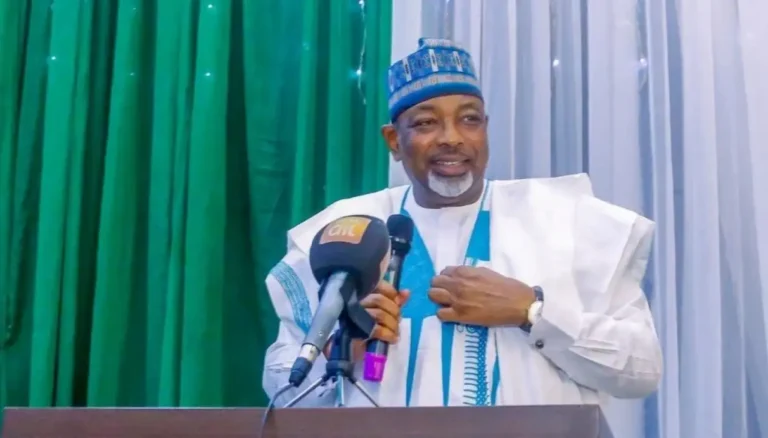
President Bola Ahmed Tinubu has launched the Global Flood Disaster Management Project to reduce the impact of climate change and improve long-term flood resilience across Nigeria. The announcement was made in Abuja on Tuesday, 25th November 2025, where the President was represented by the Minister of Agriculture and Food Security, Sen. Abubakar Kyari.

Mr. President explained that the Global Flood Disaster Management Project is a multi-year programme designed to shift Nigeria from reacting to floods to preventing and preparing ahead of them. He noted that the effects of climate change are ongoing, and solutions must therefore be strategic, coordinated, and sustainable.

Tinubu stated that resilience is not achieved instantly but through steady investment, planning, monitoring, and innovation. He added that the federal government sees the project as a major step toward tackling climate-related disasters that destroy farmlands, displace families, and damage infrastructure across the country.

He outlined four core pillars of the project, which include Advanced Early Warning Systems, Flood Resilient Infrastructure, Capacity Building and Knowledge Transfer, and Community Engagement and Local Participation. According to him, the project will improve forecasting capacity, introduce real-time monitoring, and deploy digital alert systems to give citizens and government more time to respond effectively.

President Tinubu noted that Nigeria is proud to be part of a global movement focused on addressing flood challenges. He said the government has already prioritized early warning systems, modern hydrological infrastructure, better disaster-response coordination, and environmental protection. He added that the Global Flood Disaster Management Project would strengthen and speed up these priorities by providing global expertise and technological support.

The President pledged full cooperation, active participation, and strong commitment to ensuring the multiyear programme reaches all communities that need support. He said, let today mark the beginning of a new era, one where nations no longer face floods with fear but with preparation, resilience, and partnership. He stressed that the project gives Nigeria a roadmap, and what is needed now is collective will, consistent investment, and shared resolve.

Tinubu reminded the public that flood resilience is not a luxury but a necessity and a responsibility owed to citizens today and future generations. He praised every organization and individual who contributed to the programme, expressing hope for a world where no community lives in fear of the next flood.

In his welcome address, the Director General of the Nigeria Hydrological Services Agency, Mr. Umar Mohammed, said recent flood risk figures reflect real families whose lives have been disrupted. He stressed that proactive preparedness is far cheaper than emergency response.

Katsina Governor Launches Sirajo Cares Aid for 2000 Faskari Residents

0

Governor Gwamna Radda has said that communities can only recover from the injuries caused by insecurity through collective action. He made this statement on Tuesday during the launch of the distribution of supplies and the free health program called Sirajo Cares, which aims to support 2,000 people in Faskari town. He said, “It is only by the works of the community that people will recover from the injuries caused by insecurity.”

The governor explained that in areas affected by insecurity, the government must build trust through visible actions that citizens can feel. He noted that healthcare and support programs address deep issues linked to poverty and unemployment, which often contribute to security challenges. He added that offering free aid or medication shows people that the government stands with them, and this helps strengthen peace.

Radda said these projects are possible because his administration has given local governments the freedom to drive development from the grassroots. He praised the Chairman of Faskari local government, Hon Surajo Aliyu Daudawa, for supporting state policies and assured that his government will continue improving security in communities that support peace and economic growth.

He also received praise from local leaders for giving local governments more room to focus on community development, especially in areas that have suffered from insecurity. Representatives from Kankara local government assured the governor and the people that similar programs will continue to support community rebuilding.

Those present at the event included the representative for Kankara, Faskari and Sabawa, Rt. Hon Shehu Dalhatu Tafoki, the Commissioner of Environment, Hamza Sule Faskari, the Commissioner for Defence, Hon Nasiru Danmusa, the APC Chairman JB Daura, and other officials from Faskari local government.

Apply for FSDH 2026 Graduate Analyst Programme

0

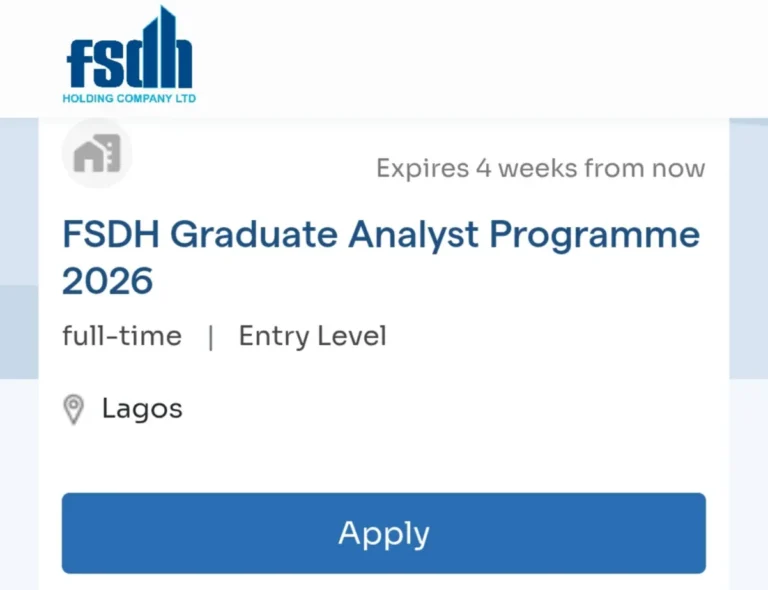
The FSDH Graduate Analyst Programme 2026 has officially opened its application portal, offering young graduates the chance to begin a structured one-year training journey with FSDH Group in Lagos. The company described the programme as “a one-year career development initiative for young and ambitious graduates,” aimed at preparing fresh talent for opportunities in Nigeria’s financial services sector.

According to the organisation, the Graduate Analyst Programme is designed to equip participants with the core skills and industry knowledge needed to start a successful career. The job details highlight that the initiative focuses on providing essential competencies relevant to today’s financial landscape.

FSDH listed the key requirements for applicants, including the availability of all relevant educational certificates and strong analytical skills. Candidates are expected to have an academic background in Economics, Accounting, Sciences or Information Technology. The company noted that an interest in the financial services sector is also important for anyone applying. A minimum of a 2:1 degree from any accredited university and completion of the NYSC programme are mandatory. The organisation added that creativity, drive, and a track record of achievement remain important qualities for selection.

The application link has been shared as https://fsdhgroup.seamlesshiring.com/job/view/7594#, and the company encouraged qualified candidates to apply promptly.

FSDH Holding Company is a non-operating holding firm committed to providing progressive financial services in Nigeria through subsidiaries such as FSDH Asset Management, FSDH Capital, FSDH Merchant Bank and Pensions Alliance Limited. The organisation stated that “maintaining our reputation as providers of dependable and innovative financial services in the region is important to us,” adding that it continues to expand and deepen its business lines to meet evolving market needs.

A’Ibom Palm Tree Crop Revolution to Launch Soon, Create Generational Wealth

0

Akwa Ibom State Governor, Pastor Umo Eno, has announced a major plan aimed at transforming rural economies through what he called a palm tree crop revolution. This initiative, revealed during the presentation of the 2026 Appropriation Bill to the State House of Assembly, was highlighted as one of the most significant agricultural programmes the government intends to drive in the coming year. The Governor said the new focus on palm production would restore an industry that once shaped the financial strength of communities across the state.

Speaking while presenting the budget, Governor Eno described the initiative as a return to a resource that previously empowered generations. He explained that before the discovery of crude oil and gas, palm oil played a central role in supporting families, funding education, and building local wealth. According to him, the revival of this sector is designed to reconnect the state with its early economic roots while creating new opportunities for younger people and farmers. He emphasized that the government’s direct involvement in planting and supporting farmers would help build strong value chains.

In his words, “The palm tree crop revolution, which we plan to launch soon, will create a generational wealth for our people, especially those in the rural areas. Palm oil was our black gold – the commodity that had empowered our people, helped send some of our best and brightest sons and daughters to study abroad long before crude oil and gas were discovered. Through this revolution, government will actively get involved in palm tree planting and will eventually off-take from our farmers.”

The Governor stated that the programme aligns with his administration’s broader development plan and is part of the continued support already extended to thousands of farmers. He noted that the initiative would boost local production, reduce dependency on imported palm products, and strengthen the state’s economic base.

He added that with steady government off-take, smallholder farmers would have guaranteed markets for their produce, making the venture both sustainable and profitable.

Governor Eno linked the upcoming programme to wider gains recorded in the agricultural sector. He stated that the government’s interventions have already reached thousands of farmers across the state, saying, “As we speak, 69,107 (sixty-nine thousand one hundred and seven) farmers have benefited from our agricultural revolution; 13,060 registered farmers have benefited from Agric processing machines and equipment we have purchased for our farmers.” He noted that these achievements show the capacity of agriculture to expand rapidly when supported and added that the palm crop revolution will build directly on these successes to strengthen rural prosperity.

The Governor reaffirmed that this agricultural renewal remains a priority in the state’s long-term development agenda.

Akwa Ibom Announces Recruitment of 2,000 Health Workers

Akwa Ibom State has placed fresh attention on rebuilding its healthcare workforce as Governor Umo Eno announced the recruitment of 2,000 new healthcare professionals to strengthen medical services across the state. The Governor said this step became necessary to improve staffing levels in hospitals and primary health centres and to respond to increasing demand for care.

Speaking during the presentation of the 2026 Appropriation Bill to the State House of Assembly, he explained that the state was taking urgent actions to address long-standing gaps in manpower. He said the recruitment drive was part of a broader emergency intervention aimed at restoring efficiency in the sector. “We recently declared an emergency in the healthcare sector, and have directed that 1,300 retired healthcare professionals who are still strong to be re-engaged. I have also directed the employment of additional 2,000 healthcare professionals, to help beef our workforce in this critical sector,” he stated.

The Governor noted that re-engaging the retired workers alongside the newly hired ones will help provide more experienced hands, especially in rural communities where access to medical personnel has remained a challenge. He said the state was committed to ensuring that no community is left behind as the healthcare system expands.

He also highlighted ongoing facility upgrades across the state. According to him, the government has begun equipping selected hospitals and primary health centres to match the expected increase in staff strength. “We are upgrading and equipping 8 General Hospitals and 29 existing Primary Healthcare Centres,” he said. The upgrades are expected to improve medical equipment, building standards and service delivery.

The Governor further announced a major milestone for residents of Ukanafun Local Government Area. He said the administration had finally delivered a long-awaited health project for the community. “Last week, we commissioned the General Hospital in Ukanafun – a long desired medical facility for the people of that Local Government Area,” he stated.

Overall, the Governor emphasised that the state’s healthcare reforms are designed to make services more accessible and efficient for residents.