Home Blog Page 300

Malala Fund Gives $1.7m Grants to Nigerian Organisations for Girls Education

The Malala Fund has unveiled a new $4.8 million grant package to support organisations advancing girl education in five countries, with nine Nigerian non-profits included among the beneficiaries. The funding is part of the fund’s 2025 to 2030 strategy and will support 21 organisations working in Nigeria, Pakistan, Brazil, Ethiopia, and Tanzania. According to the fund, 66 per cent of the total grant amount will go to groups led by young women, a move that it says more than triples its original target for youth-led funding. This focus is linked to the fund’s long-term plan to empower community-based organisations and boost global advocacy for girls education.

In Nigeria, the nine selected non-profits will receive a combined $1.7 million to expand programmes across Oyo, Kaduna, Kano, Adamawa, and Bauchi states. Their work centres on gender-responsive budgeting, school re-entry pathways for married girls and young mothers, and the use of digital tools to track education spending and identify infrastructure gaps. The Malala Fund explained that both Nigeria and Pakistan account for 15 per cent of all out-of-school girls worldwide, making them a priority in this funding round.

“Our partners are leading the fight for girls to learn,” said Malala Yousafzai, executive chair of the Malala Fund. The nine Nigerian beneficiaries include Aid for Rural Education Access Initiative working on gender-responsive budgeting and transparent spending in Oyo state, and the Anti Sexual Violence Lead Support Initiative providing mentors and trauma-informed support for pregnant and married girls returning to school in Kaduna state.

Black Girl’s Dream Initiative will launch EduTracka, an AI platform designed to track education spending across all 33 local governments in Oyo state. BudgIT Foundation will advocate for gender-responsive budgets and support communities across six states to re-enrol out-of-school girls. The Centre for Advocacy, Transparency and Accountability Initiative will strengthen its budget monitoring group in Adamawa state to influence the 2026 budget.

Isa Wali Empowerment Initiative will help girls affected by early marriage and pregnancy return to school through transitional safe space hubs in Kano state. Participatory Communication for Gender Development Initiative will push for school re-entry pathways in Kano, Borno, and Kaduna through mobile cinema and filmmaking. Teenage Education and Empowerment Network will advocate re-entry guidelines for married girls and young mothers in Kaduna state, while Women, Children, Youth Health and Education Initiative will enforce child marriage protections and promote school re-entry for young mothers in Bauchi state.

The Malala Fund stated that this new cohort of its Education Champion Network partners will also address global challenges such as conflict, shrinking public budgets, gender inequality, and racial discrimination. The organisation noted that it has awarded more than $73 million through over 560 grants across 27 countries since its creation.

Lena Alfi, CEO of the Malala Fund, said flexible and long-term funding remains crucial. “Our partners are closest to the challenges holding girls back and are delivering bold, practical, systemic solutions so girls can get the education they deserve,” she said.
Advertisement

CDCFIB Candidates Await Result as Exam Closes After Portal Glitches

1

The CDCFIB CBT examination is now officially closed, and all candidates are now waiting for the result to be released. However, during this period, there are already many speculations and fake, misleading information scattered across social media.

As a candidate, you have a responsibility to ignore them and await official information only. This is important because false updates can create unnecessary panic and confusion for candidates who are already stressed about the next stage of the recruitment process.

The CDCFIB examination started on Wednesday 12th November 2025 and ended on Wednesday 19th November 2025. Unfortunately, it was not a successful CBT exam for many candidates. The problem of portal glitches frustrated candidates, especially issues of the portal showing Exam Completed even when a candidate did not answer any question.

Some candidates also faced the issue of only being given 14 to 20 questions out of 40, and this affected many people who took the test with their mobile phones. Those on PC also had issues, which shows the challenges were not limited to one device.

There was also the problem of some candidates not having examination numbers at all or not knowing their scheduled dates due to the earlier shortlist portal glitch that prevented many applicants from scheduling their exam dates and printing their Exam Slip.

Once the CDCFIB confirmed the end of the CBT via their X and Facebook posts, there were mixed reactions.

As would be expected, most of the comments were complaints from candidates who were frustrated out of the CBT. But there are also thousands of candidates with successful CBT, whose hope now is to have high scores and be eligible for the screening/interview, which is the next stage of the recruitment.

Unfortunately, CDCFIB has not made any statement yet concerning candidates who experienced glitches on the exam portal. Meanwhile, back on June 23, 2025, a circular reported that the President approved the recruitment of 30,150 personnel across the four paramilitary services and 209 staff for the CDCFIB Secretariat. The breakdown includes 5,150 for NCoS, 10,000 for NIS, 5,000 for FFS, and 10,000 for NSCDC, making a total of 30,359 candidates. If the circular is accurate, that is an equivalent of 821 candidates to be employed per 36 states and the FCT.

For now, keep following Nigeria Startup News for updates and announcements on the next stage soon, and the public is advised to disregard any information not from official channels.

Federal Government Begins CNG Training for Youths

0

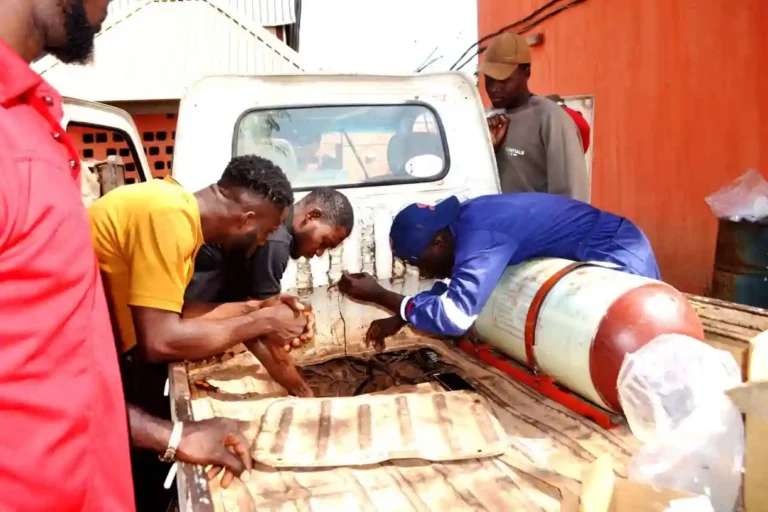
The Federal Government has introduced a new initiative designed to empower young Nigerians with technical skills that support the country’s shift to cleaner and more affordable energy. As part of this plan, the Office of the Special Assistant to the President on Youth Initiatives has commenced an intensive training program on Compressed Natural Gas conversion technology in Ibadan, Oyo State, focusing on youth empowerment, clean energy jobs, and automotive innovation.

The training, held at Thames Hotel in Jericho, brought together senior government officials, industry leaders across the automotive and energy sectors, and motivated young participants eager to explore opportunities in the growing clean energy economy. The program highlights the government’s increasing investment in skills development and the clean mobility sector.

During the opening session, Dr. Titilope Gbadamosi, the Special Assistant to the President on Youth Initiatives, explained that the initiative aligns with President Bola Ahmed Tinubu’s commitment to promoting youth productivity, innovation, and national development. She stressed that the global transition to cleaner energy demands skilled young Nigerians who can compete in modern automotive technologies and support the country’s transport transformation.

“This training is more than a workshop. It is the transfer of knowledge that will create jobs, expand technical enterprises, and position you as major players in Nigeria’s new energy economy,” she said. Her remarks underscored the importance of equipping young people with future-ready skills that match global energy trends and national economic goals.

The program was organised in partnership with the National Automotive Design and Development Council and attracted dignitaries who praised the initiative while encouraging participants to make the most of the opportunity. Former House of Representatives member, Hon. Saheed Fijabi, described the CNG sector as a “golden pathway to relevance in the new economy.” He reminded trainees that global economies are now embracing cheaper and environmentally friendly energy alternatives. “What you are learning today can become the skill that feeds you, builds your business, and shapes your future,” he told the participants.

The Director General of NADDC, Otunba Joseph Osanipin, represented by Mrs. Onireti Joke, reaffirmed the council’s support for youth empowerment through automotive innovation. She said Nigeria’s transport transformation depends on young technicians who can carry out CNG conversion, noting, “Nigeria needs young technicians who can drive this shift. You are the ones who will make this transition possible.”

Mr. Daro Imuokhadere, Head of Team at Portland Gas Limited, encouraged the trainees by highlighting the rising global demand for gas-powered mobility. “The world is moving toward gas-powered mobility, and those who gain these skills early will lead the market,” he said.

Dr. Gbadamosi added that including Ibadan in the national CNG training rollout demonstrates the administration’s commitment to equitable access to opportunities across Nigeria.

Renewed Hope Initiative Supports 600 Vulnerable People in Imo State

More than 600 vulnerable persons in Imo State, especially those who are physically challenged, received major support yesterday through the Renewed Hope Initiatives, the programme created by Senator Oluremi Tinubu, wife of President Bola Ahmed Tinubu. The event held at the Government House Owerri focused on inclusion, targeting people who have been stuck in poverty and need direct assistance to rebuild their lives.

Senator Tinubu was represented by the wife of the Vice President, Hajia Nana Shettima, who presented food items and cash to the beneficiaries in the presence of national and state officials. Addressing the gathering, Mrs Tinubu highlighted the importance of empowering women, explaining that women play vital roles in shaping the country’s future. She urged them to take leadership positions, use their strengths and look for opportunities to contribute meaningfully to their families and communities.

She revealed that the Renewed Hope Initiatives plans to roll out more economic empowerment efforts, including grants aimed at supporting persons living with disabilities. According to her, these future programmes are designed to promote inclusive growth and increase social protection for Nigerians who need help the most. She also called for collaboration from organisations and individuals, thanking those who donate food items every month to sustain the initiative.

Mrs Tinubu announced upcoming activities under the initiative, such as the closing ceremony of its women’s ICT training programme and the launch of environment clubs in schools to encourage cleanliness and tree planting among young people.

During the event, the wife of the Governor of Imo State and Secretary of the Renewed Hope Initiatives, Mrs Chioma Uzodimma, described the food outreach as an effort driven by genuine concern for Nigerians facing hardship. She said the programme was created to restore hope, strengthen communities and promote shared humanity across the country. She expressed gratitude to partners and donors, stating that real development is possible only through collective action.

This programme is not just charity, but a gesture to remind beneficiaries that they are not alone, she said, stressing that their struggles and resilience are recognised by the initiative and by the government.

The distribution exercise formed part of a broader national plan to reduce hardship as rising living costs continue to affect households. Officials at the event explained that the Renewed Hope Initiatives is expanding its support network across states to reach more people who depend on small-scale assistance to survive.

They added that similar interventions will continue in coming months to ensure that vulnerable communities in rural and urban areas can benefit from steady relief. Many beneficiaries expressed appreciation, noting that the food items and cash came at a critical time when families are struggling with basic needs.

PINL Begins Empowerment for 2000 Women in TNP Communities

Pipeline Infrastructure Nigeria Limited has begun a new empowerment initiative targeting 2000 women across the Eastern Corridor of the Trans Niger Pipeline. The programme is part of the company’s corporate social responsibility efforts to support its host communities through business support, financial inclusion and local development.

The beneficiaries were selected from 215 communities in Rivers, Bayelsa, Abia and Imo States, with the aim of strengthening small scale businesses and improving livelihood opportunities for women living around pipeline routes.

The initiative, which falls under the PINL Women Employment and Empowerment Scheme, is being implemented in partnership with Premium Trust Bank to ensure smooth financial processes for the grants. During the data capturing exercise for beneficiaries from Rivers, Abia and Imo States held in Port Harcourt, the General Manager of Community Relations and Stakeholders Engagement at PINL, Dr. Akpos Mezeh, explained that the company designed the programme to appreciate the women for their crucial role in helping to reduce pipeline vandalism.

According to him, “Today is a day set aside by the company to say thank you to the women. The women play a critical role in the fight against pipeline vandalism because our operations are intelligence driven. The women have supported us in different ways by providing viable information with which we use to wage this war against crude theft.” He noted that four women from each of the 215 communities will receive business support grants alongside mentorship to help them sustain their businesses.

Mezeh added that the empowerment scheme will run alongside the ongoing skills training programme and scholarship initiative for youths in the host communities. He said, “The women are from the host communities where we have our operations. From every community we are giving business support grants to four women totaling 215 communities. This is to complement the scholarship program and the skill acquisition program that is going on simultaneously.”

He further noted that the grants will be paid directly into the bank accounts of beneficiaries, and professionals have been engaged to monitor their progress through financial literacy training and regular evaluations. The annual CSR effort aims to create long-term impact for women entrepreneurs in the region.

At the verification and screening exercise, some of the beneficiaries expressed optimism about the initiative and thanked PINL for prioritising community development. Francisca Nkechi Okanma from Okohia in Abia State said the business support would help them grow their ventures and support their families. She said, “We have submitted our BVN, account number. Last month we were here for NIN. We came back for verification to be sure that the details we submitted are ours. So we have submitted everything and we’re waiting for them to empower us so that we can make use of the money and help our husbands to train our children.”

Another beneficiary, Bridget Nnadiwe from Mmabele Autonomous Community Ahead East in Rivers State, said she plans to expand her business if she receives the funds. “If they give me the money, I’ll leave my kiosk and rent a shop and buy more goods,” she said.

Federal Government Urges Firms to Leverage Nigeria First Policy

0

The Federal Government has urged indigenous companies in every sector to take full advantage of the Nigeria First Policy, which is aimed at boosting local content, driving economic growth and supporting Nigerian industries. This call was made by the Secretary to the Government of the Federation, Sen. George Akume, during a courtesy visit by the Managing Director and Founder of Solewant Group, Solomon Ewanehi, in Abuja.

Sen. Akume said the Tinubu-led administration remains committed to creating a friendly environment for local businesses through the Nigeria First Policy, which he noted is already producing positive signs. He encouraged Nigerian companies to align with the policy to help reduce the country’s heavy reliance on imported products and services.

He praised the Solewant Group founder for what he described as bold steps in tapping into the opportunities created by the divestment of International Oil Companies. According to him, Solewant’s investments in steel pipes, metal fabrication and specialised coating solutions show strong support for the government’s drive to strengthen the oil and gas sector.

Speaking earlier, Solomon Ewanehi explained that his company is expanding across the production of steel pipe, coating materials, coating products and the supply of coated pipes to the oil and gas industry in Nigeria and other African countries. He said, “We are spreading our tentacles across the production of steel pipe, coating materials and coating products as well as supply of coated pipe to the oil and gas industry in Nigeria and across Africa.”

Ewanehi also noted that Solewant Group is working in line with the Federal Government’s directive to the Petroleum Technology Association of Nigeria and other sector players to support efforts geared towards significantly boosting the nation’s crude oil output.

He informed the SGF about the company’s plan to host the 9th Africa Energy Summit scheduled for November 27–28, 2025, in Port Harcourt, where industry professionals will gather to discuss strategies to increase crude oil productivity and strengthen Nigeria’s position in the global energy space.

Nigerian Army to Begin Recruitment, Training of 24,000 Soldiers

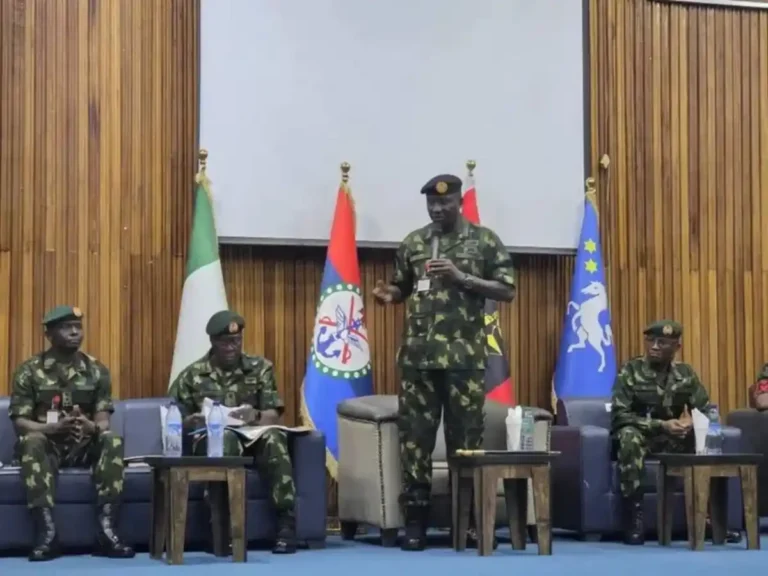
The Chief of Army Staff Lieutenant General Waidi Shaibu has unveiled a major recruitment and training plan aimed at expanding the strength and operational readiness of the Nigerian Army as the country continues to face rising security challenges. The announcement was made on Wednesday during his operational visit to the 1 Division Nigerian Army in Kaduna, where he met with officers from the ranks of second lieutenant to brigadier general.

Nigeria Startup News gathered that the new recruitment drive forms part of a wider strategy to reinforce manpower and improve troop deployment across different theatres of operation. Speaking during the engagement, the Army Chief said the current security situation demands a stronger and more agile force capable of responding quickly to threats nationwide.

According to him, the Army plans to train 12,000 soldiers within six months from three new training facilities and may increase the output to 24,000 personnel if two training streams are operated. He stated, “The area of responsibility is vast, and security challenges are dynamic. To meet these threats effectively, we need boots on the ground. In six months, we aim to train 12,000 soldiers from three new training facilities. If we operate two streams, we can produce up to 24,000 soldiers ready for deployment.”

Gen. Shaibu explained that the facilities approved by President Bola Ahmed Tinubu are being set up to develop personnel skilled in modern warfare, tactical operations, and advanced weapon handling. He said the intention is to ensure that every recruit graduates with the ability to join active operations immediately.

He noted that the initiative focuses on both quality and numbers, adding that new personnel will undergo intensive training in combat skills, leadership, and basic tactics to meet the Army’s professional standards. He stressed, “This is a desperate time for our nation. The soldiers we train must be ready to tackle the multifaceted security challenges we face. We are committed to ensuring they are properly equipped, trained, and led.”

During the visit, the Army Chief held talks with officers on welfare, logistics, and ongoing efforts to strengthen the force across the North West and other key zones. He urged senior officers to mentor incoming recruits to maintain discipline, uphold values, and support operational excellence.

The recruitment programme is expected to increase manpower, improve response time to emerging threats, and enhance protection of communities and national infrastructure across the country.

NCDC Unveils New Empowerment Plan for North Central Region

0

The Chairman of the Governing Board of the North Central Development Commission, Mr. Cosmas Akighir, has announced plans to introduce strong empowerment programmes designed to reduce poverty across the North Central region. He made this commitment during a dinner held in his honour by the Jemgbagh Active and Retired Directors Association in Abuja after his recent appointment. Akighir said the commission would focus on youth empowerment, women empowerment, poverty reduction, economic growth and community development to deliver long-term impact.

He explained that tackling poverty remained a major priority for the commission, noting that strategic support for young people and women would help create real opportunities. According to him, “We want to set an empowerment plan for the youth. The state of poverty in North Central is quite overwhelming, so we want to address that through youth and women employment.” He added that the commission aims to operate differently from other regional bodies, saying, “The commission is going to be different from other commissions. We want to leave a legacy in such a manner that when other commissions are sitting, the NCDC will be standing.”

Akighir stated that the commission had already prepared a roadmap to improve public infrastructure, including healthcare, roads, education and food production. He noted that the NCDC would work closely with state governments to raise the overall development level of the region. He also shared plans to utilise the region’s mineral resources and agricultural capacity to boost the economy, while improving security through partnerships with vigilante groups, community networks and other stakeholders.

The Secretary to the Government of the Federation, Senator George Akume, praised President Bola Tinubu for establishing the commission. Akume, represented by the Minister of Water Resources and Sanitation, Prof. Joseph Ustev, assured that the Federal Government would continue to provide guidance and support to help the NCDC achieve its goals.

Prof. Sebastian Hon, represented by Prof. Peter Akper, encouraged residents of the region to remain united despite ethnic, cultural and religious differences, noting that unity was important for sustainable development. The NCDC was established in February after President Tinubu signed the bill creating it, covering Benue, Kogi, Kwara, Nasarawa, Niger, Plateau and the Federal Capital Territory.

Delimi PROSPER Project Begins Youth Peacebuilding Training in Kaduna

0

The Delimi PROSPER project has officially begun in Kaduna, marking the start of a six-month initiative focused on youth-led peacebuilding and community development. The project was created by Engaging Borders SRD to empower young people in Kaduna and Plateau states to promote positive change, climate resilience, and digital advocacy. A total of 60 cohorts, with 30 participants from each state, have been selected to take part in the program. The initiative aims to tackle issues like hate speech, disinformation, and negative campaigns by promoting peace, understanding, and responsible digital engagement.

Richard Ali, Director of Engaging Borders SRD and creator of the Delimi project, explained that the approach is centered on non-kinetic strategies aimed at preventing and countering violent extremism. “Young people are the principal victims and perpetrators of conflict in the Sahel,” Ali said. “We aim to engage borders, de-escalate conflict, and reduce tension.” The project plans to achieve this through research, storytelling, community engagement, and digital learning, with a strong focus on narrative change.

Participants will receive capacity support to develop creative micro-projects that encourage environmental stewardship and socio-environmental peacebuilding. The youth-focused structure of the initiative supports skills development, civic responsibility, and community impact, which are key keywords for promoting peace and reducing conflict across the region.

The Delimi PROSPER project aligns with broader efforts to build a peaceful, clean, safe, and vibrant society. By equipping young people with relevant skills and promoting collaboration, the initiative aims to strengthen peacebuilding efforts in Kaduna and Plateau states.

AGILE reaches 4 million girls in Nigeria, targets 15 million by 2028

Nigeria’s efforts to improve human capital development for women and girls continue to record major progress as the International Development Association drives nationwide impact through projects such as AGILE, NFWP, IMPACT, ANRiN, NASSP-SU, and NG-CARES. These initiatives are helping adolescent girls, women, and vulnerable families gain better access to education, healthcare, financial services, nutrition support, and economic opportunities. A key highlight is that over 4 million girls have already benefited from AGILE, with a projected target of reaching 15 million girls by 2028.

AGILE, launched in 2021, is transforming secondary education for girls in 18 states by providing safe schools, improved learning environments, life skills, digital literacy, and scholarships. The programme reports that more than 4 million girls have benefited so far, with Nigeria aiming to reach 15 million by 2028. Between 2022 and 2025, AGILE supported 2.1 million adolescent girls through upgraded infrastructure such as 13,000 classrooms and 8,900 WASH facilities, while 466,876 vulnerable girls received scholarships. The project also delivered digital literacy training to 225,000 students and created safe spaces where 200,000 girls learned about reproductive health, menstrual hygiene, and building confidence.

According to project officials, AGILE is helping Nigeria “create a generation of confident, informed, and empowered young women who can overcome barriers and shape their futures.”

The Nigeria for Women Program (NFWP), active since 2019, continues empowering women aged 18 and above across six states through Women Affinity Groups, savings, lending, and livelihood support. Over 1 million women have benefited, forming over 22,000 WAGs and saving more than 5 billion naira. From 2022 onward, 19,200 of these groups supported 400,000 women, with savings reaching an estimated US$6 million. Many women are now able to access markets, credit, and decision-making opportunities.

In the health sector, IMPACT and ANRiN are reducing child and maternal mortality by expanding immunization, malaria prevention, and nutrition services. Since 2021, IMPACT has strengthened health worker training, vaccine delivery, and facility upgrades across 28 states. Combined with ANRiN, which focuses on affordable nutrition interventions in 11 states, the programmes have reached more than 13.5 million beneficiaries. From 2021 to 2025, 3.56 million women accessed malaria prevention services, while 919,000 pregnant and lactating mothers received essential nutrition support. ANRiN alone reached 9 million children and 4.3 million women with nutrition services.

Nigeria’s social protection reforms are also advancing through NASSP-SU, launched in 2023 to expand shock-responsive cash transfers nationwide. The initiative targets 56 million poor and vulnerable people and has already supported over 42 million beneficiaries with digital cash payments. Women remain central to the support system, making up 94 percent of recipients of regular transfers. The project continues to strengthen digital payments, social registries, and community resilience.

NG-CARES, introduced in 2021 to cushion the impact of COVID-19, has supported more than 17 million poor households and small businesses. Over 12 million people accessed basic services, while 3.5 million farmers received agricultural support. The programme provides cash transfers, livelihood grants, food security support, and public works interventions to boost recovery.

Officials note that these outcomes help Nigeria tackle long-standing challenges facing women and girls. Many girls still face early marriage, teenage pregnancy, and barriers to completing school. Gender-based violence remains a concern, and women often have limited access to financial services, productive jobs, and profitable farming opportunities. These gaps reduce national productivity, making investment in education, health, skills, and economic inclusion essential for growth.

The World Bank Group says its multi-pronged strategy in Nigeria is strengthening girls’ education, adolescent health, economic opportunities, and protection systems. By linking interventions across sectors, progress in one area reinforces gains in another. The Bank reports that its approach integrates innovations such as Women Affinity Groups, digital financial inclusion, and strengthened social protection systems. Partnerships with the Gates Foundation, FCDO, UN agencies, IFC, and MIGA have helped expand private sector engagement, women’s employment, and access to essential services. According to the institution, these efforts have “driven substantial progress in closing gender gaps and building human capital for Nigeria’s future.”

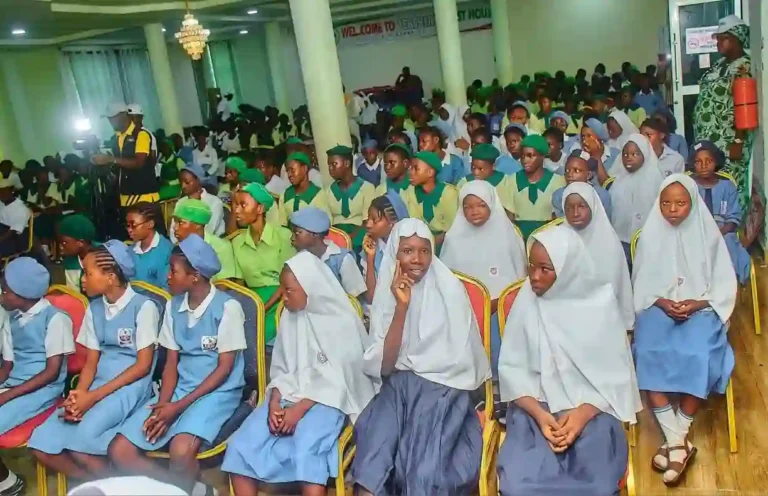
Across project sites, testimonies highlight real-world change. At Hassu Iro Inko Girls College in Katsina State, students now learn in renovated classrooms that support a safe and productive environment. At Government Girls College, Katsina, adolescent girls gather in newly created safe spaces where they receive mentorship and life-skills training. One message echoed across communities is that empowering girls today strengthens Nigeria’s next generation.

Key lessons from the projects show that flexible, community-managed grants and stronger school committees are crucial for AGILE’s success. For NFWP, the experience of Women Affinity Groups demonstrates the importance of collective action, regular meetings, and internal lending in building confidence, financial capital, and long-term empowerment. Both programmes emphasize engaging communities and addressing social norms to ensure that interventions remain sustainable.

Looking ahead, the World Bank says its 2024–2030 Gender Strategy will guide future support by accelerating gender equality as a foundation for inclusive growth. In Nigeria, this includes expanding gender analysis, strengthening collaboration with the private sector, and supporting government-led reforms through financing, monitoring, capacity building, and policy improvements.