Home Blog Page 314

Bauchi Launches Climate Resilience Project for 14,000 Farmers

0

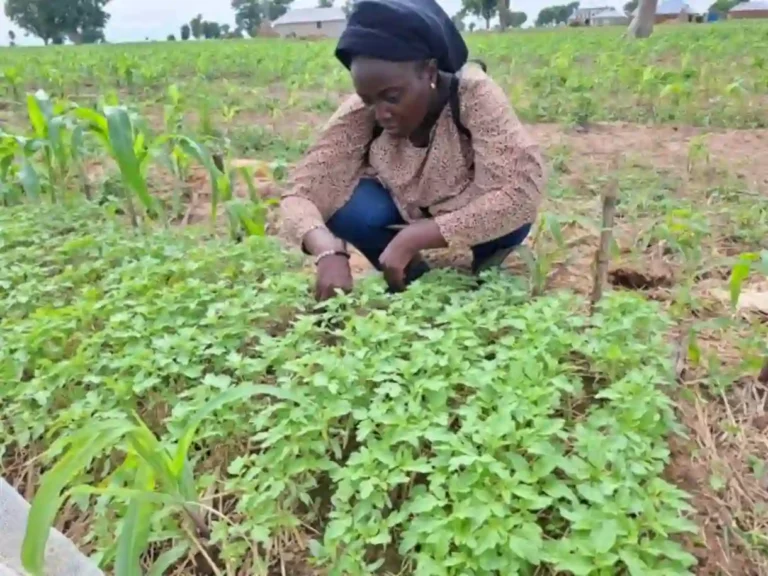
Over 14,000 farmers in Bauchi State are set to benefit from a three-year climate resilience initiative designed to tackle the growing challenges of climate change affecting agriculture in Nigeria. The Executive Director of the Foundation for Sustainable Smallholder Solutions, Mr. Isaiah Gabriel, announced the programme on Wednesday in Bauchi, explaining that the project will support farmers through regenerative agriculture and long-term sustainability practices. He said the intervention marks a significant step in empowering smallholder farmers to adapt to rising climate risks while improving food security across the region.

According to Gabriel, the programme, implemented in partnership with the Heineken Africa Foundation and titled Empowerment of Smallholders to Thrive and Build Climate Resilience through Regenerative Agriculture, will directly support 14,000 smallholder farmers across seven Local Government Areas. These areas include Katagum, Giade, Shira, Gamawa, Itas-Gadau, Jama’are, and Zaki. He stated that the initiative places a strong focus on inclusion, targeting 60 per cent women and 30 per cent youth, with more than 70,000 indirect beneficiaries projected to benefit from community-driven interventions. This approach is expected to strengthen climate-smart agriculture, expand rural development, and improve long-term environmental stability.

Gabriel noted that through the ESTRRA project, over 20,000 hectares of degraded land will be reclaimed from advancing desertification using sustainable restoration methods such as half-moons and reforestation with fruit-bearing crops. He explained that the programme will also encourage mixed farming systems to boost household nutrition, enhance farmers’ income through off-season opportunities, and expand market access for those adopting regenerative and climate-friendly agricultural practices. He said, “ESTRRA provides an opportunity to equip smallholder farmers with the knowledge and resources they need to adapt to a changing climate. Through capacity building, the Farmers’ Hub Model, and stronger market linkages, we aim to build resilient farming communities that enhance food security and sustainable livelihoods across Northern Bauchi.”

He added that the initiative demonstrates what can be achieved when organisations collaborate to promote sustainable rural development, saying it moves the state closer to the vision of a Nigeria where smallholder farming drives inclusive economic growth.

Speaking on the partnership, the General Manager of the Heineken Africa Foundation, Mr. Edwin Moerkerk, reaffirmed HAF’s commitment to supporting African farming communities facing climate pressures. He said, “We look forward to working with FSSS to strengthen the resilience of Nigeria’s smallholder farming communities. Our goal is to connect farmers with the right resources and networks, enabling them to grow sustainably. Our vision is that African smallholder farmers can prosper, securing a sustainable food system for all.”

Moerkerk explained that the project will be delivered through the Farmers’ Hub Model, which improves access to quality inputs, farmer training, and market opportunities while promoting inclusive and environmentally responsible practices. He said the project will feature training on regenerative agriculture, soil restoration demonstrations, group strengthening for women and youth, and value chain development to increase income opportunities for farmers adopting climate-resilient methods.
Advertisement

Lagos Launches Phase II of Ounje Eko Farmers Subsidy Programme

0

The Lagos State Government has announced plans to launch the second phase of the Ounje Eko Farmers Subsidy Programme before the end of November to support local farmers and improve access to quality feed. The Lagos State Commissioner for Agriculture and Food Systems, Abisola Olusanya, revealed this during a press conference at Alausa, Ikeja, noting that the intervention remains a key part of the Babajide Sanwo-Olu administration’s effort to strengthen food production, stabilise food prices, and boost agricultural output during the yuletide season.

Olusanya said the first phase of the initiative recorded major impact, explaining that more than 5,000 farmers benefited directly from the agricultural support programme. She stated that the government supplied over 993.3 metric tons of poultry feed and 265.65 metric tons of fish feed to support livestock and fish production across the state. According to her, the subsidy sustained the production of 258,000 layer birds, which resulted in the generation of over seven million eggs, along with 177,100 catfish. She added that the programme also contributed to the drop in egg prices from ₦6,000 per crate to between ₦5,000 and ₦5,400, helping to ease the pressure on consumers and stabilise the food market.

Building on these results, Olusanya explained that Governor Sanwo-Olu had approved the rollout of Ounje Eko Phase II, expanding its reach to deliver broader agricultural support across different value chains. She said the second phase would feature a 25 per cent subsidy on poultry feed layer mash, broiler starter and finisher, and a 25 per cent subsidy on fish feed. The intervention will also include free distribution of grains to pig farmers to improve livestock nutrition and strengthen sustainability efforts. Additionally, the government will distribute agricultural equipment and inputs to crop farming clusters to enhance mechanisation, reduce manual labour, and improve productivity.

The programme will run across 10 locations, including the Farm Service Centre in Agege, Agricultural Training Institute in Araga, Epe Coconut House in Mowo, Badagry Fish Farm Estate, Odongunyan in Ikorodu, Erikorodo Poultry Estate in Ikorodu, Aiyedoto Poultry Estate in Ojo, the Ministry of Agriculture Cooperative Office in Ajah, and the Armed Forces Resettlement Centre.

Olusanya stressed that, as with the first phase, participation will be limited to recognised and registered farmer associations such as PAN-LAG, LASCAFAN, and Farm Estate and Settlement Associations to promote transparency and accountability. The state government encouraged farmers to register with the relevant associations to access the subsidy programme.

CDCFIB tells candidates to check device time settings before CBT login

2

The CDCFIB has issued an update on X and Facebook reminding shortlisted candidates to check their device settings before accessing the online CBT portal. According to the agency, “Please ensure your device displays the accurate date and time before accessing the online CBT portal to login. Remember to follow all the instructions carefully to avoid disqualification.”

The notice comes as candidates share concerns about online recruitment tests, auto submission issues, and missed exams. One user wrote, “What can I do about it,” while another said, “We that have issue on Auto submission we need to be given second chance please.. its reall hurtful.”

Others appealed for a reschedule, stressing challenges with digital verification and government jobs testing. Some users criticised the process, saying it affects candidates unfairly at this time.

Plan International launches Girls’ Tick directory for girl-focused services

0

Plan International Nigeria has announced a new call for organisations to join Girls’ Tick, a girl-verified digital directory designed to connect adolescent girls and young women to safe and trusted services across Nigeria. The initiative aims to improve access to health, education, legal aid, protection, and skills development, using a system where girls themselves decide which organisations are safe and reliable.

According to the organisation, many girls still struggle to find dependable support in their communities. Plan International Nigeria stated that Girls’ Tick is meant to change this by building a network of verified services that girls can access with confidence. The group explained that organisations can either register directly or be referred by someone who knows their work, helping to expand a national map of safe and girl-friendly services.

In a message to stakeholders, Plan International Nigeria said, “Girls deserve access to safe, trusted, and girl-friendly spaces. Plan International Nigeria is building Girls’ Tick, a girl verified digital directory that connects adolescent girls and young women to organisations they can trust.” The organisation also encouraged groups working in key sectors to participate, noting, “If your organisation supports girls in areas such as health, education, skills development, legal aid, or protection, we want you on board.”

Girls’ Tick promises visibility, credibility, and inclusion in a girl-led verification system. Registered groups will also be able to connect with wider networks focused on girls’ rights and community safety. Plan International Nigeria highlighted that eligible groups include girl-led initiatives, NGOs, CSOs, youth networks, and safe-space providers offering health, SRHR, education, and protection services.

The registration process includes scanning the provided QR code, submitting organisational details, and completing verification by the Girl Verification Committees. Approved organisations will receive a Girls’ Tick badge and a spot in the national directory.

Registration is available via this Link.

NDE partners SSDC on skills and regional development

0

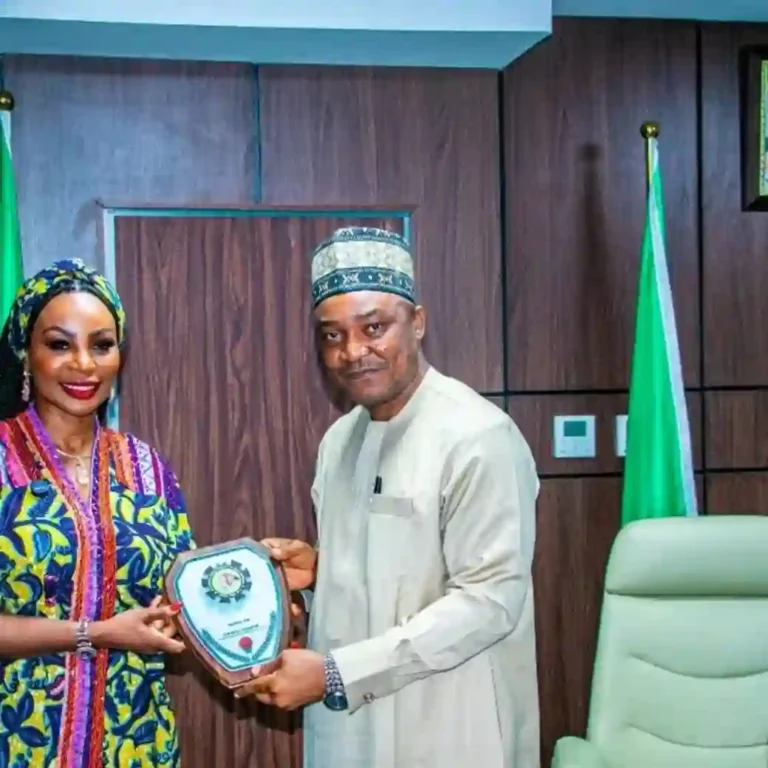
The Director-General of the National Directorate of Employment, H.E. Silas Ali Agara, has received a delegation from the South South Development Commission led by the MD and CEO, Mrs. Usoro Akpabio, who stated that their mission is to empower the South South region through economic development, women employability, poverty reduction, and sustainability. She explained that the visit was to seek a partnership with NDE to strengthen skill acquisition, rural employment and regional development, while improving access to sustainable livelihoods across the region.

Responding, the DG welcomed the delegation and noted that NDE’s online registration and tracking system makes monitoring programmes easier and more transparent. He said the system uses Bank Verification Number and National Identification Management for authentication, which helps prevent duplicate training and enables proper tracking of beneficiaries. He added that aligning with the South South Development Commission’s goals would support wider economic growth and proposed a needs assessment to identify priority areas for collaboration.

A board member of the South South Development Commission, Rt. Hon. Larry Odey, commended the DG for what he described as innovative leadership. He encouraged stronger advocacy in the South South region to boost participation in NDE programmes and expand employment opportunities.

Delivering the vote of thanks, the Director of Planning Research and Statistics, Mr. Edmund Onwuliri, noted NDE’s commitment to work closely with the Commission to address gaps in the region’s application process. He appreciated the DG and the SSDC delegation for what he called an insightful engagement and wished them a safe journey back home.

Imu Oru Upskilling Project Launches to Train 120 Youths in Abia State

0

The MAI Foundation for Women Empowerment and Advocacy, in partnership with the Mastercard Foundation, has launched the Imu Oru Upskilling Project to empower 120 youths in Abia State with market-ready skills. The one-year initiative focuses on carpentry, tailoring, and shoemaking, aiming to boost employment opportunities and support economic development through vocational training and financial literacy.

The project integrates the Igba Boi system, a traditional apprenticeship model where a master mentors an apprentice over a set period. Founder of MAI Foundation, Chika Ezinma Obidike, said the system provides an immersive on-the-job learning experience that builds entrepreneurial confidence. She explained that “the Imu Oru Upskilling Project goes beyond vocational training; it is designed to strengthen local economies, build resilient communities, and promote gender equality and socio-economic empowerment.”

Obidike noted that research shows beneficiaries of vocational programmes in Nigeria earn up to 30 per cent more than unskilled peers. She added that over 60 per cent later train others, helping to expand opportunities within their communities. According to her, each participant will receive starter kits and business resources after completing the programme, a move expected to support small business growth and encourage innovation across Abia communities.

Project Manager Amanda Obidike said the initiative aligns with the shared vision of MAI Foundation and Mastercard Foundation to bridge skills gaps and promote inclusive socio-economic development. She stated that “beyond technical expertise, participants will also undergo intensive training in soft skills, business development, and financial literacy, ensuring they are well-equipped to launch, manage, and sustain their enterprises.”

NIOB launches new Capacity Development Programme for young builders

0

The Nigerian Institute of Building has unveiled a new intensive programme aimed at boosting capacity development and mentorship for students, probationers, and early-career professionals in the building sector. The initiative was announced during the investiture ceremony of the newly sworn-in NIOB President, Bldr Daniel Kolade, held in Abuja on Wednesday. He said the programme is driven by the understanding that the future of the construction industry depends largely on younger professionals who are entering the field.

Kolade explained that his administration will prioritise innovation and research to support growth in the building profession, while also strengthening entrepreneurial development and updating professional regulations and ethics. He noted that the institute will continue to push advocacy and influence policy within the sector to improve industry standards and enhance professional development. According to him, “The future of our profession lies in the hands of our young builders. This administration will intensify capacity development and mentorship programmes, targeted at students, probationers, and early-career professionals.”

He added that collaboration with training institutions will be expanded to support Recognition of Prior Learning, skills acquisition, and competency certification to ensure wider access to relevant opportunities. Kolade emphasised that young Nigerians already play an active role in construction and said, “The youth are not the leaders of tomorrow; they are the builders of today as ‘tomorrow starts NOW’.”

The NIOB President also highlighted plans to broaden partnerships with agencies to strengthen national development efforts. He stated that “Our ongoing partnership with agencies such as the Nigerian Correctional Service on skills development will also be expanded, creating real pathways for empowerment and national reintegration,” adding that such collaborations will support job creation and skills advancement in the building industry.

Chairman of the occasion and former Secretary to the Government of the Federation, Boss Gida Mustapha, called for policies that recognise, regulate, and reward competence and ethical standards in the construction sector. He stressed the need for stronger collaboration among builders, architects, and engineers to prevent professional overlap. “The problem in the building industry is that one person wants to do everything. An architect wants to be an engineer, a civil engineer wants to be an architect, and a surveyor wants to do it all. That is not right,” Mustapha said.

Nigeria’s building and construction industry continues to play a key role in employment creation, housing delivery, and infrastructure development. However, persistent issues such as building collapses, inadequate supervision, and poor workmanship underline the importance of improved standards, research, ethical compliance, and capacity building for professionals across the sector.

Ogun Sets ₦500 Billion IGR Target for 2026 Budget

0

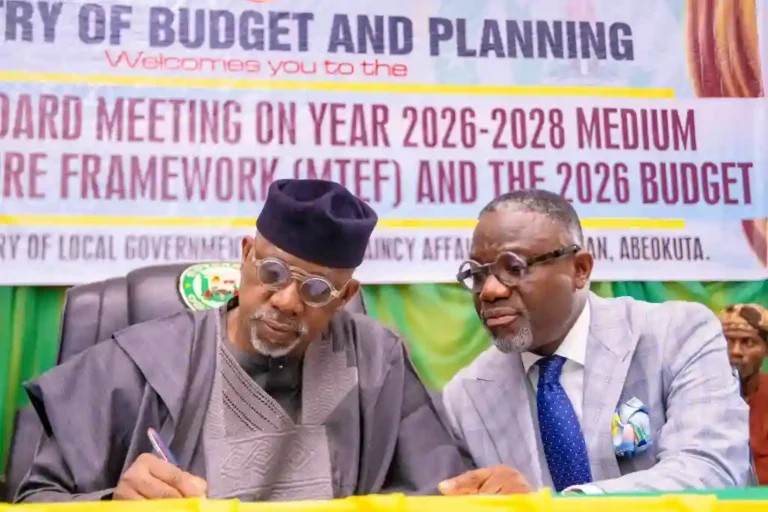
Ogun State Governor Dapo Abiodun has set a bold target of generating ₦500 billion in Internally Generated Revenue (IGR) to fund the 2026 fiscal year. The governor made this announcement on Tuesday during the Treasury Board meeting on the 2026–2028 Medium-Term Expenditure Framework (MTEF) and the 2026 Budget session held at the Obas Complex, Oke-Mosan, Abeokuta.

Abiodun said Ogun State, known as Nigeria’s industrial hub, would take advantage of its closeness to Lagos State, the nation’s largest economy, as well as its expansive landmass of over 16,000 square kilometres to reach the revenue target. He stated, “This State has no business generating less than ₦500 billion a year, and that has to be our target.”

The governor added that by the end of his administration in 2027, Ogun State’s revenue should reach about ₦750 billion. “By the time we are leaving in 2027, Ogun State’s revenue should rise to about ₦750 billion. That is what ambition looks and feels like,” he said.

He directed the Ogun State Internal Revenue Service (OGIRS) to generate ₦250 billion of the total ₦500 billion target, while other key agencies such as the Ogun State Property and Investment Corporation (OPIC), the Bureau of Lands, the Ministry of Education, Science and Technology, and the Ministry of Housing were also tasked to intensify their revenue efforts.

Abiodun described every Ministry, Department, and Agency (MDA) as “pieces of a jigsaw that must fit together to complete the bigger picture.” He stressed that the goal could only be achieved if all agencies contributed meaningfully and worked with a shared vision.

The governor said, “Our comparative advantage was not fully harnessed by previous administrations. Our strength lies in providing what Lagos cannot offer. I expect every MDA to prepare an ambitious budget—aim for the stars, and if we miss, we’ll at least land on the moon.”

He also encouraged government agencies to embrace innovation and creativity in revenue generation, commending those that had already achieved impressive results.

Addressing the condition of Kara near Isheri, Abiodun restated his government’s commitment to urban renewal, saying the area would soon be cleared and redeveloped. “The new Ogun State cannot allow that place to continue to wear that look. You cannot be entering the new Ogun State and what you see first is an eyesore. There is no better time to act than now—we can’t leave it as an albatross for the next administration,” he stated.

An inter-ministerial team has been established, including officials from the Ministries of Environment, Physical Planning and Urban Development, the Bureau of Lands, and other relevant agencies, to oversee enumeration, compensation, and relocation processes for the planned redevelopment of the area.

FG cancels National Language Policy, makes English only teaching language

0

The Minister of Education, Dr. Tunji Alausa, has announced that the Federal Government has abolished the National Language Policy, citing concerns that it failed to promote literacy and numeracy in several parts of the country.

Dr. Alausa made this known in Abuja during the opening of the International Conference on Language in Education. He explained that the decision to cancel the policy was reached at the last National Council on Education meeting after reviewing data that highlighted its negative effects in certain regions where it was over-implemented.

According to him, “The use of the mother tongue had done more harm than good as students from some zones of the country could hardly read or write in English.” He added that due to the critical role of language in comprehension, the National Language Policy was cancelled to allow for a unified language of instruction in schools across Nigeria.

“We have seen a mass failure rate in WAEC, NECO, and JAMB in certain geo-political zones of the country, and those are the ones that adopted this mother tongue in an over-subscribed manner. This is about evidence-based governance. English now stands as the medium of instruction from pre-primary, primary, junior secondary, senior secondary, and up to the tertiary education level,” Dr. Alausa stated.

The Minister commended the British Council for its continuous dialogue and partnership with Nigeria to improve education quality and support teacher training.

The Minister of State for Education, Professor Suwaiba Ahmed, also spoke on the government’s focus on improving foundational learning. She said, “Now we are designing a training package for teachers that focuses on the learning of literacy and numeracy. This is specifically for teachers who handle pre-primary to primary one to three. We are training them on how best to teach literacy, how best to teach numeracy, and of course, the approach.”

The Country Director of the British Council in Nigeria, Donna McGowan, reaffirmed the organization’s support for Nigeria’s educational reforms. “We’re committed to working hand-in-hand with the ministry. We work across all areas of education in terms of supporting teacher professional development, school leadership, and language proficiency,” she said.

The International Conference on Language in Education, organized by the British Council in collaboration with other partners, gathered education stakeholders from across Africa to share experiences and assess progress in language use in education.

Plateau Govt signs MoU with World Vegetable Center to boost agriculture

0

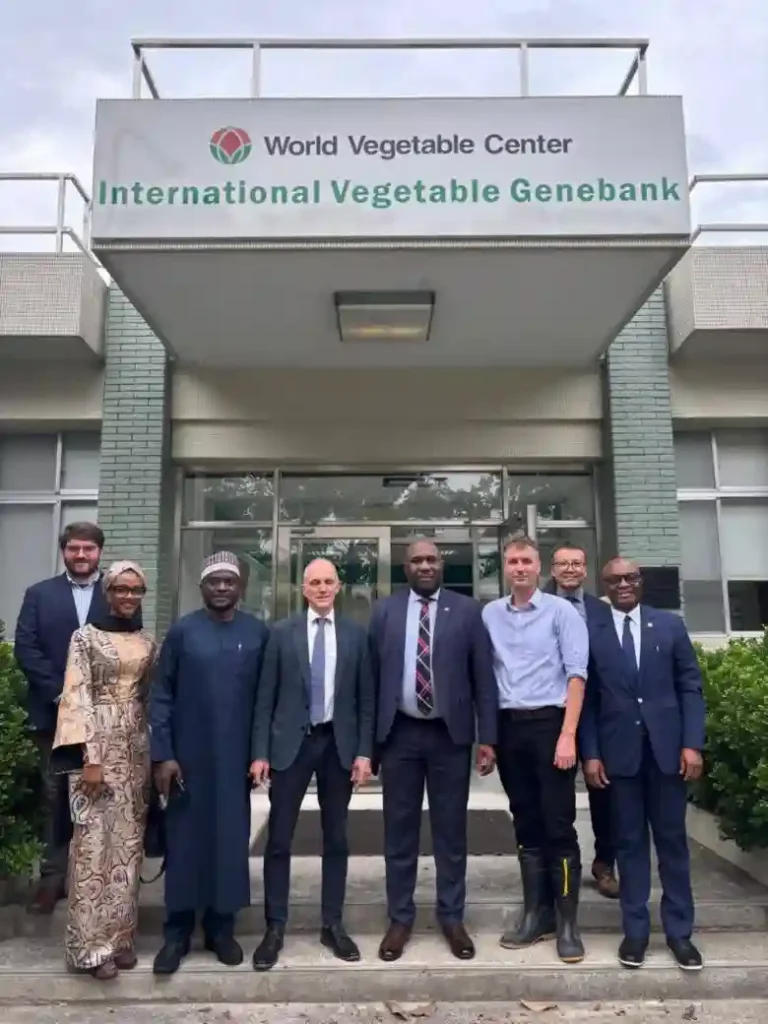
Plateau State government has signed a Memorandum of Understanding with the World Vegetable Center in Taipei, Taiwan, marking a major move to transform agriculture in the state. The agreement aims to boost agricultural productivity, improve food security, and promote better nutrition across Plateau and Nigeria as a whole.

The partnership will establish a Breeding Center and Regional Office in Jos, Plateau State, which will serve as a hub for agricultural research and development. The center is expected to provide farmers with access to high-yield and climate-resilient vegetable varieties, as well as training and capacity-building programs.

Speaking on behalf of the Executive Governor, His Excellency Barr. Caleb Manasseh Mutfwang, the Commissioner for Agriculture and Rural Development, Samson Ishaku Bugama, said the collaboration aligns with the governor’s vision to make Plateau State the vegetable hub of Nigeria. Bugama noted that the initiative would create an enabling environment for farmers to thrive while enhancing the state’s economy and improving the well-being of its people.

“The partnership between the Plateau State Government and the World Vegetable Center is a significant milestone that will redefine the state’s agricultural potential,” Bugama said. “This move reflects the commitment of Governor Mutfwang’s administration to ensure food security, support agribusiness, and promote sustainable development.”

The World Vegetable Center, based in Taipei, is an international agricultural research institute known for fighting malnutrition and poverty in developing countries by improving vegetable production and consumption. The organization operates globally, with active partnerships across Africa, Asia, and Latin America, focusing on sustainable agriculture and food system innovation.

Bugama commended the leadership of Governor Mutfwang for championing initiatives that promote agricultural growth. He also congratulated the people of Plateau State and partners at the World Vegetable Center, expressing optimism that the collaboration would yield lasting benefits.

The signing of the MoU represents a major milestone for Plateau State, opening new opportunities for farmers, agribusiness investors, and local communities to benefit from modern agricultural technologies and international cooperation.