
Home Blog Page 340

FG launches GPS dialogue series to boost SME growth, finance

0

The Federal Government has launched the Government–Private Sector (GPS) Dialogue Series: Finance and SME Growth Roundtable in Lagos, marking a major move to strengthen collaboration between public and private sector leaders. The event, which held on Saturday at the Radisson Blu, Ikeja, Lagos, is part of President Bola Ahmed Tinubu’s Renewed Hope Agenda, designed to tackle economic challenges and unlock opportunities for growth across key sectors.

The roundtable brought together government officials, industry stakeholders, and business leaders to discuss priority issues, address financial bottlenecks, and develop actionable strategies to improve access to finance and promote enterprise growth.

Speaking at the event, the Honourable Minister of Finance and Coordinating Minister of the Economy, Mr. Wale Edun, reaffirmed the Federal Government’s dedication to creating an enabling environment where all Nigerians can thrive. “The administration of President Bola Ahmed Tinubu remains fully committed to building an inclusive economy that supports innovation, encourages entrepreneurship, and creates jobs,” Edun said.

He noted that the government is implementing several reforms aimed at improving economic stability, investor confidence, and sustainable development. “Our focus is on strengthening the financial system, supporting small businesses, and ensuring that policies are practical, transparent, and growth-driven,” the minister added.

In her welcome address, the Minister of State for Finance, Dr. Doris Uzoka-Anite, emphasized the importance of the GPS Dialogue Series in driving collaboration and economic inclusiveness. “The purpose of this series is simple but profound: to bring together Federal and Lagos State officials, private sector leaders, and community representatives to surface priority issues, identify bottlenecks, and agree on practical next steps that will improve access to finance and drive enterprise growth,” she stated.

Dr. Uzoka-Anite praised the leadership of President Bola Ahmed Tinubu, highlighting his efforts under the Renewed Hope Agenda to reposition the Nigerian economy. “Under the leadership of President Bola Ahmed Tinubu, we are committed to creating an economy where enterprise thrives, and entrepreneurs can build and grow their businesses with ease,” she said.

The minister also commended the Honourable Minister of Finance and Coordinating Minister of the Economy, Mr. Wale Edun, for his leadership in implementing the administration’s economic vision. “I want to sincerely commend the Honourable Minister of Finance and Coordinating Minister of the Economy Mr. Wale Edun, OFR, and the agencies under his leadership for their unwavering commitment to the Renewed Hope Agenda and for working tirelessly to ensure the realization of President Tinubu’s economic vision,” she said.

Dr. Uzoka-Anite further extended appreciation to the Executive Governor of Lagos State, His Excellency Babajide Sanwo-Olu, for his collaboration and support. “We are grateful for the Governor’s commitment to fostering a conducive business environment in Lagos State and for his unwavering support for initiatives that promote economic growth and development,” she added.

The GPS Dialogue Series aims to foster inclusive growth, entrepreneurship, and economic progress, particularly focusing on Small and Medium-sized Enterprises (SMEs). The event also featured the introduction of the Lagos-Igbo Consultative Council, which will serve as a platform for consultation, collaboration, and coordination on matters of shared interest between the Lagos State Government and the Igbo business community.

Dr. Uzoka-Anite also reflected on the administration’s economic milestones, stating, “The unification of the foreign exchange market, the removal of fuel subsidies, and decisive steps to enhance fiscal discipline have sent a clear message to investors at home and abroad: Nigeria is open for serious business once again.”

Advertisement

NDPA urges Niger Deltans to access Tinubu’s federal programs

0

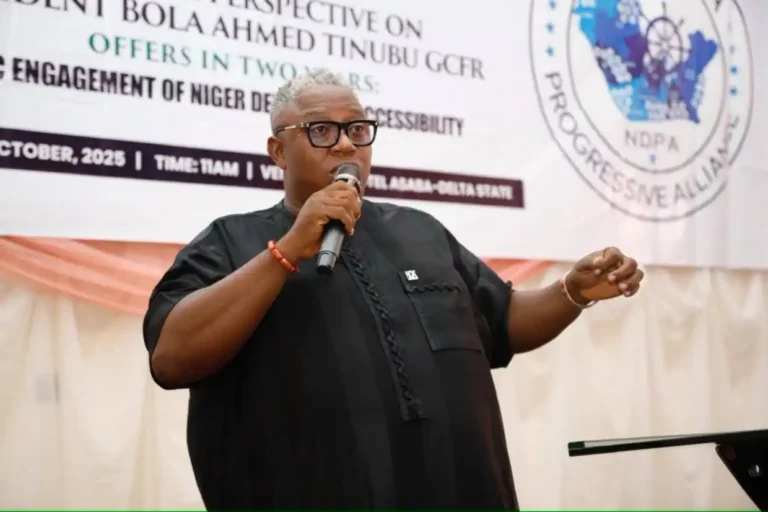
The Niger Delta Progressive Alliance (NDPA) on October 31, 2025, held a high-profile press conference in Asaba, Delta State, with the theme “Empirical Perspectives on President Bola Ahmed Tinubu GCFR Offers in Two Years: A Strategic Engagement of Niger Deltans on Accessibility.” The event aimed to enlighten residents of the Niger Delta on how to access federal government programs and public amenities introduced under President Bola Ahmed Tinubu’s administration.

In his opening remarks, NDPA Convener Ambassador Nse Victor Udoh commended President Tinubu for implementing transformative programs designed to promote youth empowerment and economic growth. He mentioned key initiatives such as the Nigerian Education Loan Fund (NELFUND) and the Compressed Natural Gas (CNG) program, emphasizing their impact on job creation and sustainable development. “We are here to ensure Niger Deltans know how to access these federal opportunities,” Udoh stated.

The Delta State Commissioner for Youth Development, Barrister ThankGod Trakririowei, praised the federal government’s commitment to youth advancement, urging young people to engage actively in programs like NELFUND to improve their education and living standards. He encouraged participants to make use of available resources for skill acquisition and business development to reduce unemployment and strengthen the region’s economy.

Also present was His Royal Majesty Bayagbon Usimo JP, the King of Ukodo Kingdom in northern Delta State, who called for stronger youth participation in government-led development projects. “Our youths must take the front seat in national growth by utilizing every available opportunity,” the monarch said.

High Chief Thomson Foye highlighted the summit’s core objective of awareness creation, charging attendees to act as ambassadors of information in their various communities. He acknowledged the efforts of Pipeline Infrastructure Nigeria Limited (PINL) in supporting pipeline security, noting that the company’s work had boosted Nigeria’s oil output from 1.16 million to 1.71 million barrels per day in two years. “This improvement strengthens national stability and supports community development,” Foye remarked.

Engr. Jator Abido, National Coordinator of the Niger Delta Youth Council Worldwide, expressed gratitude to the Tinubu administration for prioritizing regional inclusion and applauded PINL’s contribution to infrastructure and security. He said the company’s monthly stakeholders’ meetings serve as platforms for transparency and dialogue among communities and security agencies.

Chief Agbatutu Nelson, the Osuemo of Urhobo, spoke on the importance of entrepreneurship, urging coordinators to guide citizens on how and where to access federal loans and business support schemes. “Entrepreneurship is the route to financial freedom, and our people must be informed about funding access points,” he stated.

Ambassador Udoh later detailed accessible federal initiatives such as the National Directorate of Employment (NDE), Bank of Industry (BOI), Development Bank of Nigeria (DBN) MSME interventions, the Presidential CNG Initiative (Pi-CNG), Federal Government Loan Program, and the National Youth Investment Fund. Participants were divided into specialized groups, each led by experts who guided them on eligibility requirements and application steps.

In closing, Ambassador Udoh declared, “We don’t want anything from you; we want our region to be empowered.” The event ended with a unified call for greater participation in federal programs to drive sustainable development across the Niger Delta.

NDDC to support skills training in Custodial Centres

0

The Managing Director of the Niger Delta Development Commission, NDDC, Dr Samuel Ogbuku, has announced that the Commission will support the Nigerian Correctional Service in providing training and skills acquisition for inmates in custodial centres across the Niger Delta region.

Dr Ogbuku made this commitment during a courtesy visit by the Comptroller-General of the Nigerian Correctional Service, Mr Sylvester Nwakuche, to the NDDC headquarters in Port Harcourt. He emphasized the need to empower inmates through practical training that can help them reintegrate into society and reduce crime rates in the region.

According to him, “We have had a partnership with the Correctional Service over the years in some of our interventionist programmes. We have involved the Nigerian Correctional Service in the operation Light Up the Niger Delta to ensure the area is well illuminated, as darkness promotes criminality.”

He explained that the Commission will explore ways to include prison inmates in its youth empowerment and skills development initiatives.

The Comptroller-General, Mr Sylvester Nwakuche, commended the NDDC for its commitment and praised the management team for their achievements in improving development across the Niger Delta.

Nigeria, IMF partner to stabilize fuel prices and energy sector

The Federal Government has reaffirmed its commitment to strengthening Nigeria’s fiscal and energy frameworks through continuous collaboration with international development partners.

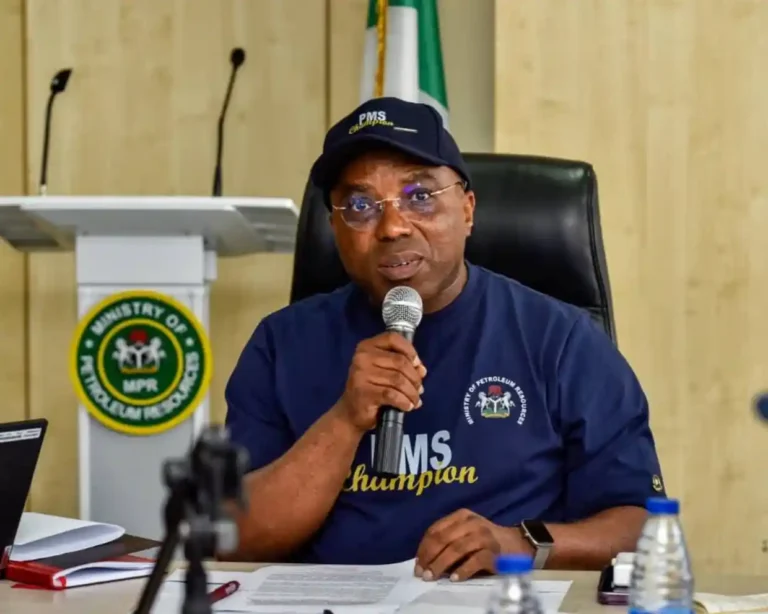
The Permanent Secretary, Ministry of Petroleum Resources (MPR), Dr. Emeka Vitalis Obi, mni, stated this in Abuja during a joint engagement involving the Ministry, its regulatory agencies—the Nigerian Upstream Petroleum Regulatory Commission (NUPRC) and the Nigerian Midstream and Downstream Petroleum Regulatory Authority (NMDPRA)—and the International Monetary Fund (IMF) Fiscal Affairs Department (FAD) Technical Assistance Mission on Climate Policy.

Dr. Obi explained that the Federal Government is seeking the continued technical support of the IMF’s Fiscal Affairs Department to design a transparent and resilient price modulation mechanism. He said such a mechanism would help cushion domestic price shocks, insulate markets from extreme global volatility, and preserve fiscal discipline.

In his welcome address, the Permanent Secretary described the IMF mission as both timely and strategic. He noted that it aligns with the government’s ongoing efforts to strengthen Nigeria’s fiscal framework amid global energy market uncertainties, post-pandemic recovery, and growing climate-related fiscal pressures.

Dr. Obi emphasized that the removal of the general fuel subsidy was a bold and necessary decision aimed at restoring fiscal stability and redirecting public expenditure toward critical infrastructure and social welfare. He said this move also supports the long-term sustainability of the nation’s energy sector.

He further noted that Nigeria remains committed to reducing methane emissions and ending routine gas flaring. According to him, initiatives such as the Nigeria Gas Flare Commercialisation Programme (NGFCP) and emerging carbon-credit frameworks are helping to promote gas utilization across power generation, fertilizer production, and Compressed Natural Gas (CNG) markets.

“These measures directly support Nigeria’s Nationally Determined Contributions (NDCs) under the Paris Agreement and align the petroleum sector with global environmental, social, and governance best practices,” he stated.

Dr. Obi called for continued IMF partnership, both technical and financial, to enhance Nigeria’s fiscal analytics, climate policy modelling, and carbon pricing readiness.

Responding, the Leader of the IMF Technical Team, Mr. Diego Mesa, commended the Permanent Secretary for providing an insightful overview of Nigeria’s current energy and fiscal landscape. He explained that the mission’s presence in Nigeria, at the invitation of the Federal Ministry of Finance, is part of ongoing engagements on fiscal reforms, sustainable development, and climate policy.

Mr. Mesa said the IMF team’s focus within the Ministry of Petroleum Resources includes fossil fuel and carbon taxation frameworks. He expressed optimism that the collaboration would help Nigeria strengthen its fiscal resilience while promoting environmentally sustainable policies.

During the technical session, the Director of Planning, NUPRC, Mr. Abdul-Afeez Balogun, stated that the Commission, established under the Petroleum Industry Act (PIA) 2021, is mandated to provide technical and commercial regulatory oversight of the upstream petroleum sector. He said the Commission is giving priority to eliminating gas flaring, curbing venting, and reducing fugitive methane emissions as part of its sustainable regulatory objectives.

Also speaking, the Director of Planning, NMDPRA, Mr. Ayodeji O. O., explained that the Authority regulates pipelines, gas processing, distribution, pricing, and consumer protection. He added that the Authority is currently refining tariff methodologies for pipeline storage and gas processing facilities to ensure fair returns on investment while protecting consumer interests.

The engagement, attended by Directors of Technical Departments in the Ministry of Petroleum Resources and senior officials of the NUPRC and NMDPRA, ended with a shared commitment to deepen collaboration aimed at advancing Nigeria’s climate and fiscal resilience agenda.

FG approves recruitment of 15000 health workers

0

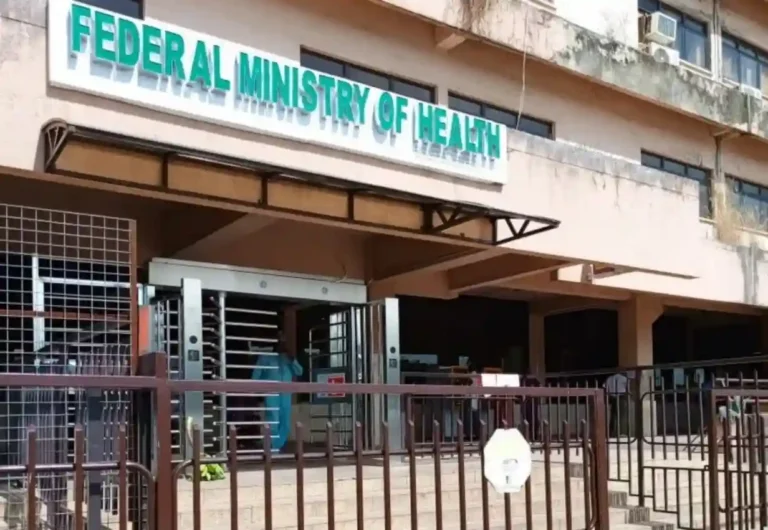
The Federal Government has reaffirmed its unwavering commitment to ensuring industrial peace, harmony, and sustained reform in Nigeria’s health sector, stressing that the welfare, motivation, and stability of the nation’s health workforce remain the foundation upon which all health policies, strategies, and actions are built. The recruitment for 2025 is currently ongoing with over 15,000 health workers already approved to be employed.

This assurance was reiterated during a high-level meeting led by the Minister of State for Health and Social Welfare, Dr. Iziaq Adekunle Salako, between the top management of the Federal Ministry of Health and Social Welfare and the leadership of the Nigerian Association of Resident Doctors (NARD), following the association’s recent agitations over welfare and professional concerns.

In a move to address welfare issues, the Ministry, in collaboration with the Federal Ministry of Finance, began the payment of seven months’ arrears of the 25% and 35% upward review of CONMESS and CONHESS to all categories of health workers, with 10 billion naira paid in August 2025. Following the approval of President Bola Ahmed Tinubu for these arrears owed to health workers, including members of NARD, to be paid expeditiously, another 21.3 billion naira was moved to the IPPIS account and payment has commenced. In addition, 11.995 billion naira is being processed for release within 72 hours to pay other arrears, including accoutrement allowance. According to the Ministry, “All these payments are being enjoyed by members of NARD in accordance with the salary structure in the health sector.”

To further tackle the strain caused by brain drain and prolonged working hours, the Federal Government has granted special waivers to enable massive recruitment of healthcare professionals across Federal Tertiary Institutions. Under the Renewed Hope Health Agenda, over 20,000 health workers, including doctors, nurses, and allied professionals, were employed across 58 Federal Health Institutions in 2024. The recruitment for 2025 is ongoing, with more than 15,000 new health workers already approved to be employed to strengthen human resources for health.

Additionally, the Federal Government has released 10.6 billion naira as full payment for the 2025 Medical Residency Training Fund (MRTF), paid exclusively to resident doctors nationwide. The Ministry explained that the recruitment drive and financial interventions are part of a larger strategy to ensure that Nigeria’s health facilities are adequately staffed, safe, and equipped to deliver quality care to citizens.

The Ministry confirmed that collective bargaining discussions are ongoing with the Nigerian Medical Association (NMA), of which NARD is an affiliate, the Joint Health Sector Unions (JOHESU), and the National Association of Nigerian Nurses and Midwives (NANM). To deepen dialogue and resolve controversial issues that have emerged during the collective bargaining process, the Ministry engaged a professional negotiator, Professor Dafe Otobo, a Professor of Industrial Relations. He is facilitating constructive engagements between government representatives and union leaders, with the active involvement of the Federal Ministry of Labour and Employment.

According to the Ministry, “The negotiator has since met with all the unions individually, and a joint meeting of the unions with the Federal Ministry of Health and Social Welfare has also taken place as of Thursday, 24th October 2025. All these efforts are being made to facilitate decisions at the CBA and ensure comprehensive, universally discussed, and agreed solutions to the agitations of health workers which have been missing in recent past negotiations.”

The Ministry further noted that discussions are progressing on all the points raised by the health unions, including NARD. “Such issues include specialist and other allowances, salary relativity, appointment of consultant cadre in hospitals, and other welfare-related issues. The Ministry of Labour and Productivity has expressed its readiness to conclude the collective bargaining process once consensus is reached,” the statement added.

On the dismissal of five doctors from the Federal Teaching Hospital, Lokoja, the Ministry stated that three of the affected staff, who had not faced a properly constituted disciplinary committee, have been offered the opportunity to be reabsorbed into Federal Government employment if they wish. For the two others who faced a disciplinary panel constituted in line with the public service rule, their cases have been referred to Professor Dafe Otobo to review the circumstances surrounding their dismissal and submit a report within four weeks for necessary administrative action.

Addressing concerns about certificate categorization, the Ministry clarified that the Medical and Dental Council of Nigeria (MDCN) did not downgrade certificates issued by the West African Postgraduate Medical College but merely reclassified them from Category B to C, describing the move as a routine regulatory adjustment. Consultations are ongoing with the National Postgraduate Medical College of Nigeria (NPMCN) to resolve any concerns arising from the reclassification.

Regarding payment delays and promotions, the Ministry attributed the issues to processes within the Integrated Personnel and Payroll Information System (IPPIS) but assured that engagements are ongoing with relevant agencies to fast-track solutions. On the matter of special pension benefits, it clarified that the issue falls under the purview of the Office of the Head of Civil Service of the Federation (OHCSF). A joint committee has already been set up to address the matter in collaboration with stakeholders.

The Ministry emphasized that sustaining industrial peace is central to ensuring effective healthcare delivery in Nigeria. It explained that all actions taken so far, including financial settlements, negotiations, and recruitment efforts, reflect the Federal Government’s strong determination to safeguard the rights and welfare of health workers while maintaining harmony in the sector.

“The Federal Ministry of Health and Social Welfare reiterates that these interventions reflect the Federal Government’s unalloyed resolve to safeguard the rights and welfare of health workers, ensure industrial harmony, and uphold uninterrupted delivery of quality healthcare services to Nigerians,” the statement said.

Dr. Salako reaffirmed that the government’s approach to healthcare reform under the Nigeria Health Sector Renewal Investment Initiative (NHSRII) is centered on the people who deliver care. “Our health workforce is the bedrock of Nigeria’s healthcare reform. Every policy, investment, and strategy we implement under the Nigeria Health Sector Renewal Investment Initiative, NHSRII, is anchored on their well-being, motivation, and professional fulfillment,” he stated.

TETFAIR 2026 application open for researchers

0

The application for TETFAIR 2026 is now open. TETFAIR is a collaborative initiative between the Tertiary Education Trust Fund (TETFund) and Innov8 Hub, created to connect academic research with practical solutions that can impact society. The year-long program is designed to support Nigerian researchers in turning their innovative ideas into marketable products and services.

According to Innov8 Hub, which implements the program, “TETFAIR provides researchers with the tools, resources, and mentorship they need to develop impactful innovations that address Nigeria’s most pressing challenges.” The organization confirmed that there is no application fee for interested participants.

Through a combination of technical and business development bootcamps, mentorship, and hands-on sessions, participants will gain the knowledge required to succeed in innovation and entrepreneurship. The program covers essential costs such as training, travel, accommodation, and prototype development. Exceptional teams may also receive seed or venture funding support.

Eligibility for the 2026 cohort requires all team members to be Lecturers, Researchers, or Technologists from TETFund beneficiary institutions such as universities, colleges of education, or polytechnics. Applications must come from a team of three members, including a team leader, and at least one of them must be female. Every participant must demonstrate commitment throughout the program’s duration.

The deadline for applications is December 1, 2025. Interested researchers can apply through the official Google Form link.

CDCFIB shortlists more candidates as portal faces glitches

0

Civil Defence, Correctional, Fire, and Immigration Services Board (CDCFIB) is shortlisting more candidates today.

Many applicants have been advised to check again for their names on the CDCFIB portal. One applicant shared, “I wasn’t shortlisted on the first day the portal opened, only to check again and boom! I was shortlisted for the exam.”

A message on the portal reads, “Congratulations. You have been shortlisted for the next phase of the recruitment exercise. Click Proceed to continue.”

It appears that the number of uploads is high, so the process is gradual. Some users have also reported that they can’t submit after filling the form.

A notification on the site shows, “internal server error.” Applicants are encouraged to keep trying as the CDCFIB portal seems congested with thousands of candidates attempting to check their updated status. It seems the CDCFIB portal is currently experiencing technical glitches.

Some users are reportedly stuck at the “Submitting” stage, especially where they are required to fill in details such as NYSC Status and Discharge Year. The portal also includes an option for selecting Online Exam Schedule, Exam Date, and Time Slot for the Computer-Based Test.

There are also circulating reports that some candidates who were shortlisted this morning checked again later and received a message saying, “We regret to inform you that, after careful review and evaluation, your application was not shortlisted to proceed to the next stage of the recruitment process.”

Also, initially, the exam was supposed to be physical, but it now appears to have been changed to an online CBT for some or possibly all candidates.

Dangote Refinery guarantees steady petrol and diesel supply

0

Dangote Petroleum Refinery has reaffirmed its commitment to maintaining a steady and uninterrupted supply of Premium Motor Spirit (PMS) and Automotive Gas Oil (diesel) across Nigeria, with a daily production capacity that exceeds domestic demand.

Speaking on the development, Group Chief Branding and Communications Officer, Dangote Industries Limited, Anthony Chiejina, said the refinery’s operations are guided by the company’s dedication to national energy stability and consumer confidence.

“Our refinery is currently loading over 45 million litres of PMS and 25 million litres of diesel daily which exceeds Nigeria’s demand,” Mr Chiejina said. “We are working collaboratively with regulatory agencies and distribution partners to guarantee efficient nationwide delivery. Dangote remains steadfast in its commitment to meeting the energy needs of Nigerians. This significant production capacity not only guarantees local supply but also enhances energy security and reduces dependence on imports.”

He explained that improved local production of petroleum products has contributed to stabilising the exchange rate and strengthening the naira. “We have reduced foreign exchange outflows and increased inflows, which in turn supports the naira and strengthens the economy,” he added.

Chiejina noted that it would be unpatriotic for anyone to criticise the recently announced tariff, which he described as a positive step designed to protect domestic industries from unfair competition and safeguard local production. “Dumping engenders poverty, discourages industrialisation, creates unemployment and leads to revenue loss for the government. Across the world, nations protect their local manufacturers and industries from the threat of dumping. Dumping destroyed our textile industry, which was once a major employer of labour and creator of wealth,” he said.

He urged the government to strengthen monitoring and enforcement mechanisms to prevent the dumping of substandard and toxic petroleum products by unscrupulous individuals who prioritise profiteering over public interest. He stated that such activities often undermine well-intentioned government policies and hinder the growth of domestic industries.

Chiejina added that the prevalence of dumping in the past discouraged investors from establishing industries in Nigeria, as imported products flooded the market at unsustainable prices. The new tariff policy, he said, would benefit local refiners, encourage new investments in the downstream oil sector, and strengthen Nigeria’s industrial base while creating jobs.

He praised the foresight of President Bola Ahmed Tinubu for approving the tariff policy aimed at transforming and stabilising the downstream oil and gas industry. According to him, “President Bola Ahmed Tinubu continues to embody courageous and visionary leadership, renewing the hope of Nigerians and restoring investor confidence in the nation’s economy. His administration’s bold and business-friendly reforms are reshaping the downstream oil and gas sector, unlocking new opportunities for industrial growth and national prosperity. The latest policy initiative stands as a testament to his foresight—one of the most transformative steps yet toward securing Nigeria’s energy future and empowering local industries to thrive.”

Chiejina warned that failure to protect local industries could expose the country to large-scale dumping from nations in Asia and Europe with excess production capacity. He stated that such practices would cripple domestic refineries, harm allied industries, and undermine President Tinubu’s policies aimed at promoting industrial growth and economic stability.

He called on rent-seekers to align with the Federal Government’s vision for a self-sustaining energy sector instead of promoting the dumping of petroleum products in Nigeria. He emphasised the importance of collective patriotism among industry stakeholders, noting that national progress depends on shared responsibility and adherence to policies that strengthen local production and protect the economy.

Equipped with advanced technology and vast infrastructure, the Dangote Refinery is positioned to reduce dependence on fuel imports, improve supply chain stability, and ease pressure on foreign exchange reserves.

President of Dangote Industries Limited, Aliko Dangote, recently assured Nigerians that petrol prices would not increase during the ember months, despite global market fluctuations. “I want to assure Nigerians that the Dangote Refinery is fully committed to maintaining an uninterrupted supply of petrol throughout the festive period. Nigerians can look forward to a Christmas and New Year free of fuel anxiety,” he said.

Since beginning petrol production in September 2024, the Dangote Refinery has played a major role in ensuring price stability and reducing the cost of fuel in Nigeria. The refinery’s operation has helped eliminate the recurring fuel scarcity and long queues at filling stations that were common in previous years, particularly during festive periods.

According to market data, the average price of Premium Motor Spirit (PMS) in September 2024 was about N1,030 per litre, compared to an average of N841 to N851 per litre in September 2025, following the implementation of the Dangote Refinery’s Direct Delivery Scheme. Similarly, the pump price of Automotive Gas Oil (AGO) ranged between N1,400 and N1,700 per litre in September 2024, depending on the state, with prices reaching up to N1,700 in most northern regions. By September 2025, however, the average price dropped significantly to around N1,020 per litre, reflecting the refinery’s positive impact on market stability and logistics efficiency.

In comparison, petrol prices in neighbouring West African countries range between $1.20 and $2.00 per litre, while the average price in Nigeria remains around $0.60 per litre. This, according to industry observers, highlights the refinery’s major contribution to fuel affordability, price regulation, and energy security.

National health fellows programme 2025 application open

0

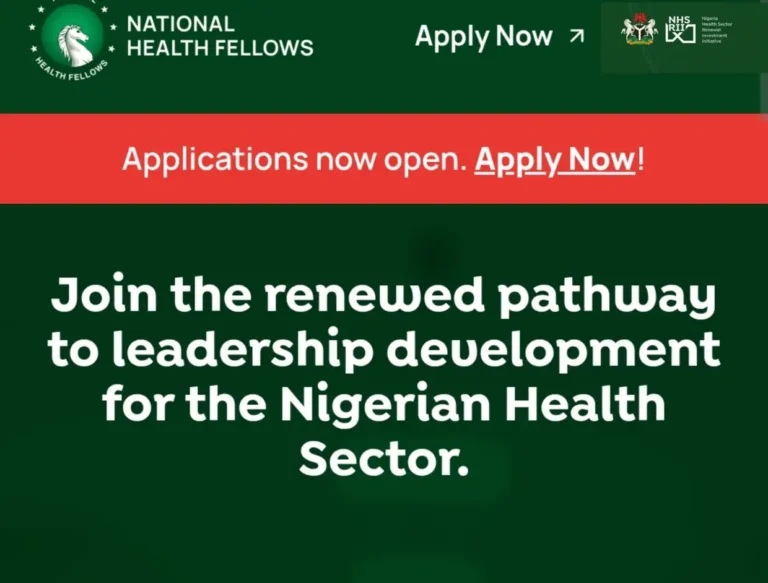
Applications are now open for the second cohort of the National Health Fellows Programme (NHFP), a government initiative under the Nigeria Health Sector Renewal Investment Initiative Sector Wide Approach (SWAp) Coordination Office, supervised by the Federal Ministry of Health and Social Welfare.

The National Health Fellows Programme was approved by President Bola Ahmed Tinubu to comprehensively upgrade existing primary healthcare centres and construct over 8,800 new ones across all local government areas in the country. The programme aims to improve accessible and quality healthcare delivery while introducing new social accountability mechanisms.

Young Nigerians between the ages of 25 and 35 will be engaged as fellows across the 774 local government areas. The FG stated that fellows will be recruited, remunerated, and equipped with appropriate tools to drive positive change in the health sector.

The one-year fellowship offers training, fieldwork, and mentorship, with fellows receiving a stipend to support living expenses. Eligible applicants must hold a bachelor’s degree in health-related fields, IT, or social sciences. They must also show demonstrable interest or experience in public health, community projects, or work with health-related NGOs.

Other requirements include being an indigene of the state applied for, owning a smartphone with data capability, and providing a recommendation from a university dean, NYSC supervisor, or a recognized organisation. Applicants must also present their Government Area Certificate, Degree Certificate, NYSC Certificate or Exemption Letter, and résumé.

Applications opened on November 1, 2025. Interested and qualified candidates are encouraged to apply via https://healthfellows.ng/apply.

CDCFIB exam slip confirms some candidates to take CBT in cyber cafes

0

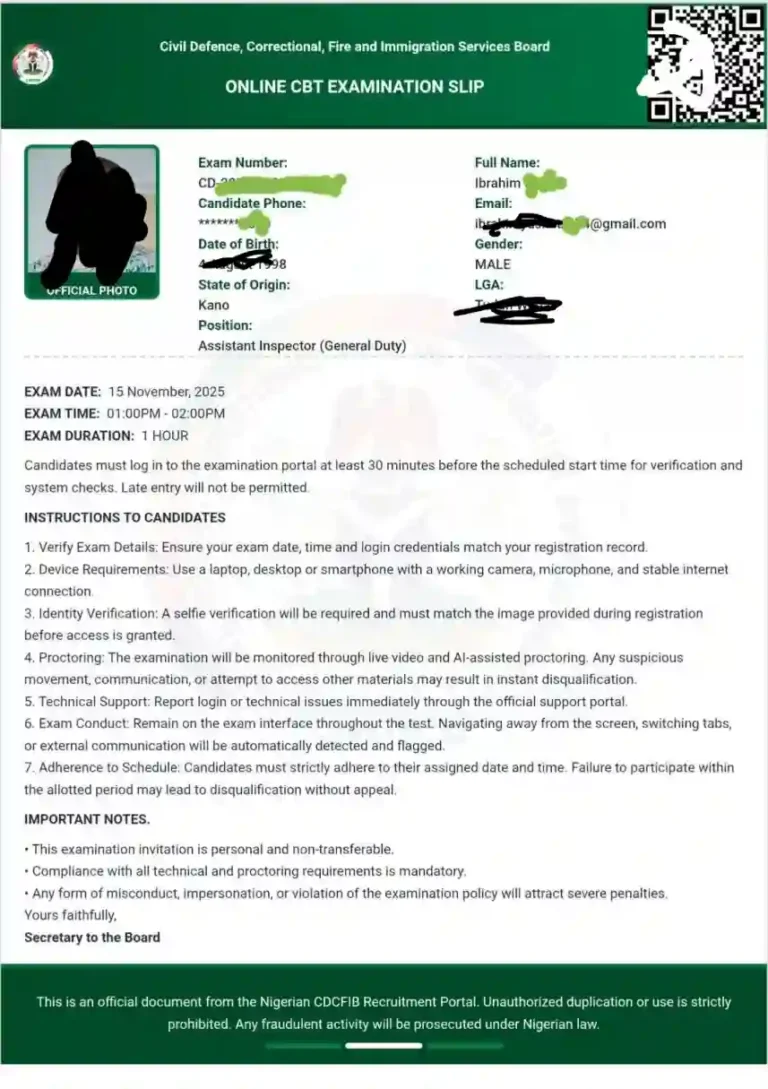
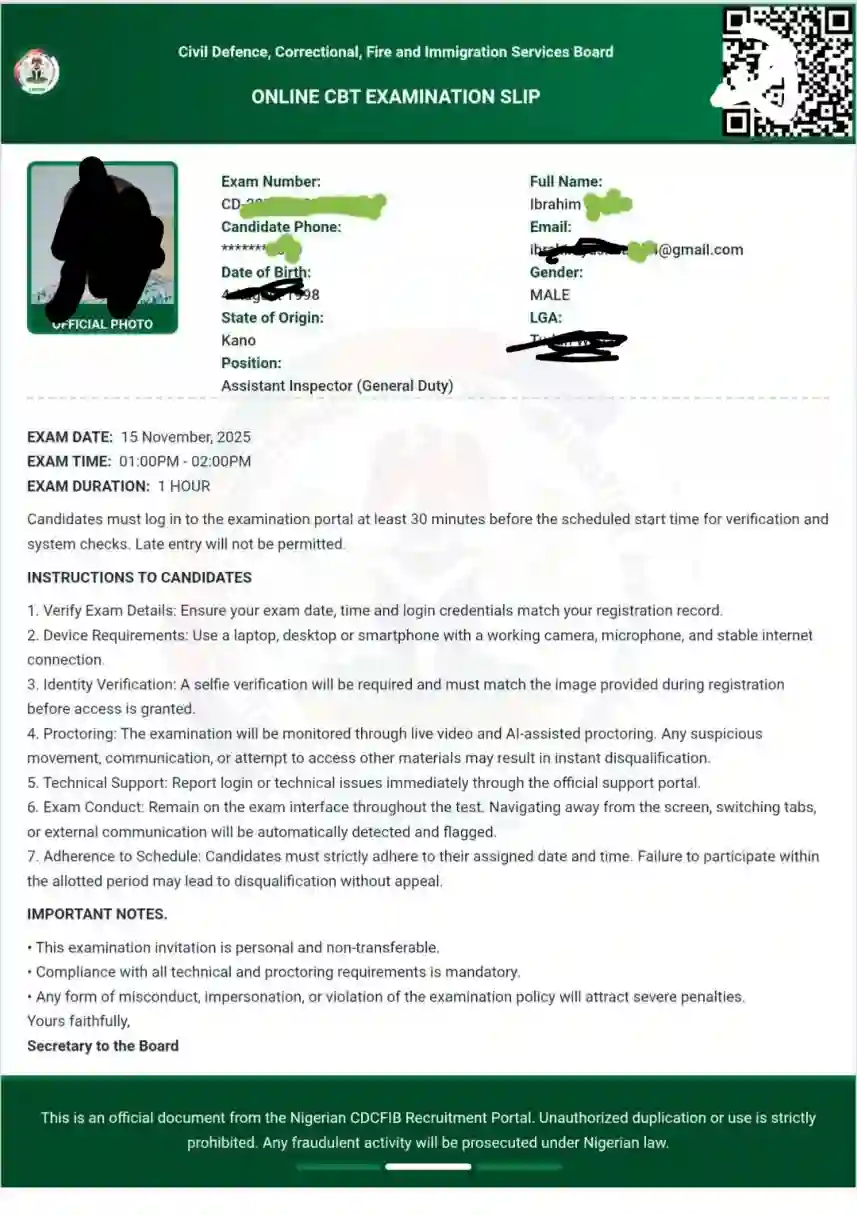
From the latest Civil Defence, Correctional, Fire and Immigration Services Board (CDCFIB) examination slip, some candidates will be taking their CBT exams in cyber cafes.

The online CBT examination slip displays the candidate’s passport photograph, name, exam number, phone number, date of birth, state, job position, email, gender, and local government area. For the exam details, it only shows the exam date, exam time, and duration, which is one hour.

Unlike some other exam slips, these do not have physical examination centres indicated. This means that such candidates will take their exams in cyber cafes. Candidates are required to log in to the examination portal at least 30 minutes before the scheduled start time for verification and system checks. Late entry will not be permitted.

The CDCFIB stated, “Candidates must ensure all exam details match their registration records to avoid disqualification.”

Under the official instructions to candidates, the board noted that devices used must have a working camera, microphone, and a stable internet connection. “A selfie verification will be required and must match the image provided during registration before access is granted,” the board added.

It also confirmed that the online exam will be monitored through live video and AI-assisted proctoring. Any suspicious movement, communication, or attempt to access other materials may result in instant disqualification.

Candidates were also advised to report login or technical issues immediately through the official support portal. The CDCFIB further warned, “Navigating away from the screen, switching tabs, or external communication will be automatically detected and flagged.”

All candidates are reminded to strictly adhere to their assigned date and time. Failure to participate within the allotted period may lead to disqualification without appeal.

Attached below is a copy of the slip.