
Home Blog Page 342

Lagos pushes sustainable megacity plan through cash for waste

The Lagos State Government has restated its commitment to building a sustainable megacity through proper waste management as part of efforts to shape the future of the state. The Commissioner for the Environment and Water Resources, Mr. Tokunbo Wahab, made this known on Thursday while speaking during an X Space programme, explaining that refuse management has become a global conversation and Lagos State is determined to lead by example.

Wahab recalled that about two decades ago, the state government introduced a Public Private Partnership model to improve waste disposal across the 377 wards in the state. Under the structure, the Lagos State Waste Management Authority (LAWMA) was made the regulatory body overseeing the Private Sector Participation (PSP) operators responsible for waste collection and management. He noted that Lagos has experienced massive population growth since then, giving it the status of a megacity.

According to him, the state currently generates between 13,000 and 14,000 tons of waste daily, operating what he described as a linear waste management system, which means “pick and dump.” He added that the present administration is changing this system by encouraging residents to see waste as a source of income. “We want people to understand that they can exchange cash for their waste. Waste can be converted to energy, and by doing this, the state is moving toward a more sustainable, environmentally friendly waste management system,” Wahab said.

He pointed out that while the transition process is ongoing, PSP operators still face challenges. “Some of the challenges are not just economic but global, as many operators are struggling to meet their obligations in ensuring proper waste disposal across the state,” he said. Wahab also expressed concern about some residents who refuse to pay for waste disposal services and instead dispose of refuse indiscriminately. “We have residents who want to free-ride the system. They do not patronise PSP operators but dump their waste anywhere,” he said.

To address these issues, Wahab said the state government had held several meetings with the 57 newly elected local government chairmen to strengthen collaboration on environmental sustainability at the grassroots level. He said, “Some of the chairmen are already hitting the ground running since their swearing-in. The goal is to ensure a cleaner and healthier Lagos.”

He disclosed that the government had deployed 100 trucks to support areas where PSP operators face difficulties and would also attach one Environmental Health Officer to each PSP waste manager to improve monitoring and accountability. Wahab added that a major breakthrough had been achieved through a concession agreement with Zoom Lion, a company that will convert 4,000 tons of daily waste into useful products. “Zoom Lion will convert 55 per cent of the waste to compost fertiliser and recyclables, leaving less than five per cent to end up in landfills,” he said.

He further stated that the state government had also signed new partnerships with international companies to boost waste-to-energy projects. “We have an agreement with Harvest Waste, a Dutch company, for waste conversion to energy, and another with Closing the Loop, also from the Netherlands, for electronic waste management,” Wahab said.

He mentioned that companies like LAFARGE are already going green by using some of the state’s waste to power their factories. According to him, these initiatives will significantly reduce the quantity of waste that ends up in landfills across the state. Wahab revealed that the government plans to decommission two major landfills—Olososun in Ikeja and Soluos 3 in Igando—within the next 18 months, adding that two new sites would be opened in Ikorodu and Epe.

He also noted that Lagos, being a coastal state, faces natural challenges such as flash floods. “Flash floods cannot be completely avoided because Lagos is surrounded by 187 kilometres of the Atlantic Ocean to the south, rivers, creeks, and lagoons in between. Nature will always be nature,” Wahab explained.

Speaking on climate change, he said it remains a major issue the government continues to tackle. “Climate change is something we must keep mitigating. Everyone should support the government and avoid activities that worsen the situation,” he said. He pointed out that years ago, some areas never experienced flooding because the natural flow of water was intact. However, illegal sand mining disrupted the balance. “Sand miners started excavating sand without considering its environmental impact,” Wahab said.

He assured that the state would continue investing in resilient infrastructure to address flooding. “We are committed to providing durable drainage systems, roads, and security infrastructure that can withstand environmental challenges,” he said.

Wahab stressed that continuous improvement remains the government’s focus. “The biggest struggle in life is room for improvement. We will keep training and retraining our enforcement team to follow global best practices,” he said.

The commissioner also reiterated that street trading remains banned in Lagos. He urged traders to comply with the law by operating only in designated markets. “Traders should stop hawking on roads, road medians, setbacks, and open spaces. We have provided markets where they can sell legally,” he said.

He emphasised the importance of strict enforcement to maintain order in the state. “To fix a state like Lagos, you’ve got to be firm and very decisive. I must let you know that enforcement, amongst other things, needs to be carried out always to save this place for our future generation,” Wahab stated.
Advertisement

Jigawa releases N150m to support modern farming program

0

Jigawa State Government has released over N150 million as counterpart funding to the Sasakawa Africa Association (SAA) to promote modern farming practices and strengthen agricultural extension services across the state.

This was disclosed by Dr. Abdulhamid Gambo, Deputy Country Director of SAA, during a two-day media field visit to farming communities in Taura, Dutse, and Birnin Kudu Local Government Areas.

Dr. Gambo explained that the initiative follows a Memorandum of Understanding signed between the state government and SAA to scale up agricultural innovations and improve farmers’ productivity.

“Recently, the state paid $100,000 as counterpart funding to expand our programmes. This year alone, Sasakawa is targeting 9,000 direct beneficiaries across 34 communities in Jigawa,” he stated.

According to him, the association’s mission is to work closely with farmers to strengthen the agricultural value chain, from production and nutrition to processing, value addition, and marketing. He commended Governor Umar Namadi for his consistent investment in agriculture and unwavering support for smallholder farmers, describing Jigawa as a model for agricultural transformation in Nigeria.

“We are proud to partner with Jigawa and its hardworking farmers. Many have diversified their income through agribusiness ventures, thanks to improved yields and training support,” Dr. Gambo said.

He added that the interventions have enhanced farmers’ livelihoods through access to improved seeds, fertilisers, and capacity-building programmes aimed at boosting productivity and household income.

During the field visit, some beneficiaries shared testimonies about how the programme transformed their farming experiences.

Buhari Rabiu, a rice farmer from Chadan community in Birnin Kudu, said, “Sasakawa taught us modern rice planting techniques that are more productive and less labor-intensive. Before, I harvested six bags of rice, but now I get eleven. I’ll never go back to the old method.”

Similarly, Safiyanu Ahmadu from Baranda, Dutse Local Government, said the programme has encouraged group savings and cooperative farming, which has strengthened community resilience. He appealed for additional support in providing rice and groundnut processing machines to further ease production and add value to farm produce.

Claims only 90,000 shortlisted for CDCFIB cbt exam out of 1.9m applicants

0

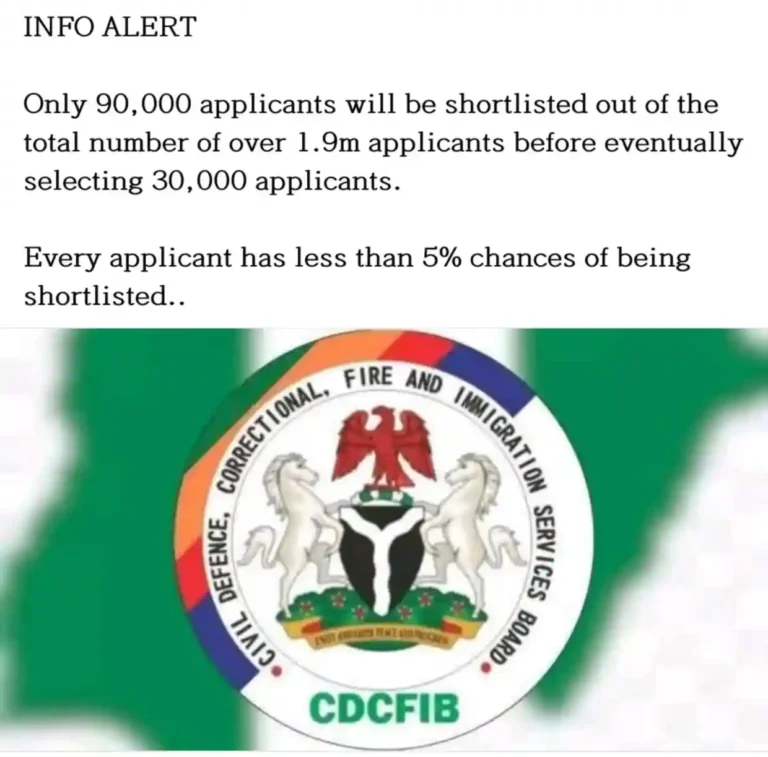
There is a growing trend on social media claiming that only 90,000 applicants have been shortlisted for the Civil Defence, Correctional, Fire and Immigration Services Board (CDCFIB) CBT exam out of 1.9 million applications submitted.

The exact trend reads, “Only 90,000 applicants will be shortlisted out of the total number of over 1.9m applicants before eventually selecting 30,000 applicants. Every applicant has less than 5% chances of being shortlisted.”

To be specific, the unverified claim suggests that 90,000 have been shortlisted for the CDCFIB CBT exams out of 1,914,349 applications, and only 30,150 candidates will be recruited.

By correct percentage, if the 90,000 shortlist claim is true, only one in three shortlisted candidates for the CDCFIB aptitude test will be employed. However, for the 1.9 million applicants, only about 1.6% will be recruited. The CDCFIB recruitment team has not yet confirmed the exact number of shortlisted candidates.

NDCCITMA, Hair Dynasty train 100 youths in vocational skills

0

The Niger Delta Chamber of Commerce, Industry, Trade, Mines and Agriculture (NDCCITMA), in partnership with Hair Dynasty, has successfully trained and empowered 100 youths through the Skill Sphere Youth Empowerment Programme. The participants received training in different vocational fields including hairdressing, braiding, barbing, pedicure and manicure, makeup artistry, spa and wellness, lash extension, microblading, and entrepreneurship.

Speaking during the graduation ceremony, the Chairman of NDCCITMA, Amb. Idaere Gogo-Ogan, said the programme was designed to transform lives and equip young people with practical skills that will prepare them for a productive future. He said, “Our goal is to empower youths across the Niger Delta with the right skills and confidence to build sustainable businesses.”

Amb. Gogo-Ogan appreciated the Chief Executive Officer of Hair Dynasty, Lady Victoria Peterside, for her commitment and effort in ensuring the success of the training. He added that NDCCITMA will continue to support each beneficiary through its scheme to help them establish their businesses. He also encouraged the graduates to be innovative and serve as ambassadors of NDCCITMA by promoting growth and development in the Niger Delta region and beyond.

Lady Victoria Peterside expressed gratitude to NDCCITMA for their partnership, noting that the impact of the empowerment initiative will remain unforgettable in the lives of the beneficiaries.

FG empowers retired agriculture officers on agribusiness

0

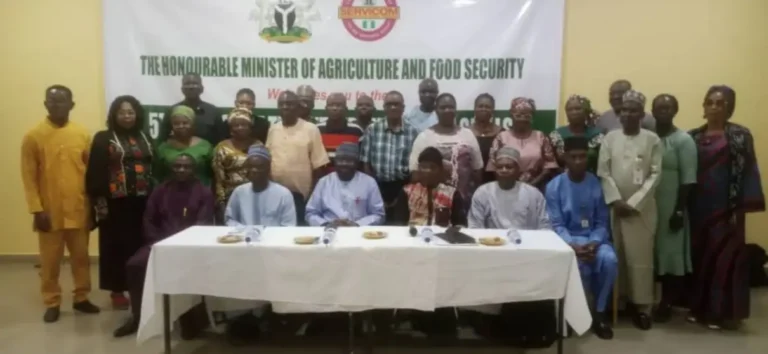
The Federal Government has trained and empowered its retired officers in the Ministry of Agriculture and Food Security on entrepreneurship skills development and agro-allied enterprises to promote agribusiness and sustainable livelihoods.

Dr Marcus Ogunbiyi, the Permanent Secretary, Federal Ministry of Agriculture and Food Security, announced this at the 5th Edition of the Entrepreneurship Skills Development on Agro-Allied Enterprises held in Abuja.

The training and empowerment programme was designed for officers who retired from the ministry in 2024. Ogunbiyi congratulated the retirees on the successful completion of their years of dedicated service to the ministry and the nation.

“The training programme is both a recognition and celebration of your service and investment in your continued productivity and relevance beyond public service,” he said.

He explained that the event aligns with the Federal Civil Service Strategy and Implementation Plan (FCSSIP) 2021–2025, which provides a clear policy direction on enhancing staff welfare, capacity development, and post-service support.

“One of its key pillars emphasises improving the value proposition of civil servants by ensuring that officers are adequately prepared for retirement and equipped with sustainable livelihood skills,” he added.

Ogunbiyi noted that agriculture offers boundless opportunities with the growing demand for food and agricultural products, encouraging retirees to take advantage of the agricultural value chain.

“These enterprises are not only profitable but also capable of creating jobs and supporting livelihood within our communities,” he stated.

He urged the retirees to view agribusiness as a path to financial independence and a way to continue contributing to national development.

“By engaging in agribusiness, our retirees can continue to contribute meaningfully to national development, while securing sustainable income and financial independence,” he said.

Ogunbiyi added that through the initiative, the ministry aims to demonstrate its commitment to the welfare and empowerment of its workforce both during and after active service.

“We want our staff to see agriculture as not only a responsibility of government but also a viable business opportunity that aligns with the Federal Government’s agenda for food security, economic diversification and poverty reduction,” he said.

He noted that the 5th edition of the programme focused on viable enterprises in key areas such as poultry, fishery, vegetable, and potato farming and processing, describing it as strategic and relevant.

Earlier, Mr Udo Effik, Director of Reform Coordination, Service Improvement and Innovation, described the initiative as timely and impactful.

He said the programme aligns with President Bola Tinubu’s Renewed Hope Initiative, aimed at ensuring food sovereignty, employment generation, wealth creation, and inclusivity.

Starter kits in poultry, fishery, vegetable, and potato farming were presented to the retirees at the event.

Tinubu approves national carbon market framework, climate fund

0

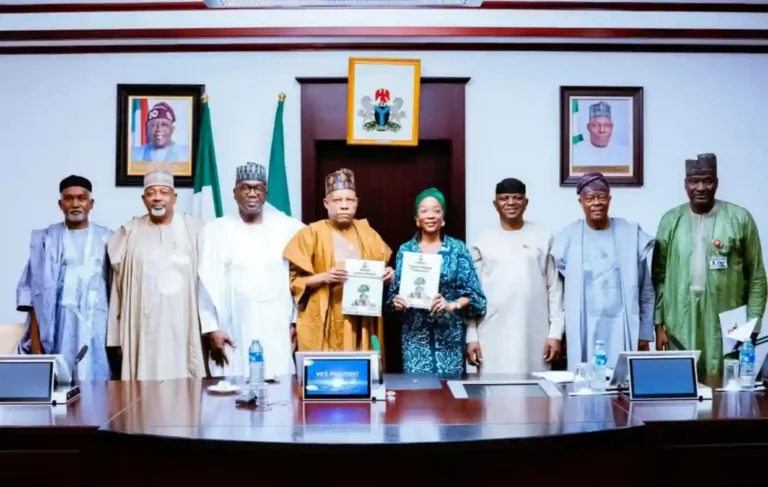
President Bola Ahmed Tinubu has approved the adoption of a National Carbon Market Framework and the operationalization of the Climate Change Fund ahead of the 30th session of the United Nations Climate Change Conference (COP 30) in Brazil.

The aim of the framework is to establish and manage Nigeria’s participation in global carbon markets, a move projected to unlock between $2.5 billion and $3 billion annually in carbon finance over the next decade to support the country’s climate goals.

The approvals followed a presentation by the Director-General of the National Council on Climate Change (NCCC), Mrs. Omotenioye Majekodunmi, during the second meeting of the Council held on Thursday evening at the Presidential Villa, Abuja.

President Tinubu, represented by Vice President Kashim Shettima, said the approvals form part of his administration’s strategy to position Nigeria to benefit from the growing global carbon market while strengthening its role in the climate change ecosystem.

According to him, the upcoming United Nations Climate Change Conference in Belem, Brazil, presents an opportunity for Nigeria to harness funding for climate-resilient projects and interventions. “Our focus is to harness all opportunities for financing climate-resilient projects and related interventions, particularly from the global carbon market,” he said.

The President noted that addressing climate change is not only an environmental necessity but also an avenue to unlock new investments, jobs, and innovations across key sectors such as energy, agriculture, and industry. “Nigeria stands ready to take its rightful place as a global leader in climate action, ensuring that our voice and our reality are heard and respected in international negotiations,” Tinubu stated.

He added that the country’s participation in the United Nations Framework Convention on Climate Change (UNFCCC) process, progress in implementing its nationally determined contributions, and efforts to mobilize climate finance across all levels of government demonstrate its commitment to environmental sustainability.

“As chairman of the Council, climate action will continue to be prioritized in our development agenda. We will continue to champion policies that protect our people, strengthen our economy, and position Nigeria as a destination for green investment and innovation,” the President assured.

Earlier, the Director-General of the National Council on Climate Change, Mrs. Omotenioye Majekodunmi, who also serves as the Secretary to the Council, told members that the meeting was timely ahead of COP 30 in Brazil. She explained that the Council’s deliberations and decisions would influence how Nigeria is perceived globally and determine how effectively the country can mobilize international support for its climate objectives.

Majekodunmi reaffirmed the Secretariat’s commitment to providing technical leadership and coordination to translate Nigeria’s climate ambitions into measurable outcomes. Presenting the Council’s progress report, she disclosed that Nigeria is now eligible to access new rounds of climate finance from multilateral funds.

Highlighting the Secretariat’s recommendations, she said the adoption of the National Carbon Market Framework would allow Nigeria to unlock up to $3 billion annually in carbon finance over the next decade. She also emphasized the need to operationalize the Climate Change Fund to ensure the country’s readiness for fund mobilization and utilization.

The Minister of Finance and Coordinating Minister of the Economy, Wale Edun, endorsed the Council’s recommendations, stressing the importance of securing Nigeria’s position within the global carbon framework. “Nigeria must secure a strong position within the carbon framework,” he said, assuring that the Finance Ministry would fully support the Council’s initiatives.

Edun further noted that his ministry would collaborate with the economic department to host a quarterly Climate Finance Tracking Dashboard to monitor progress and promote accountability in climate finance management.

FG opens 3MTT NJFP host organization application form

0

The Federal Government has announced that the Nigeria Jubilee Fellows Programme (NJFP), delivered through the 3 Million Tech Talent (3MTT) initiative, has opened the Host Organization Expression of Interest Form for the placement of skilled digital fellows. The programme, supported by the European Union and UNDP Nigeria, aims to connect talented young Nigerians with organisations driving innovation and economic growth across the country.

According to the organisers, the 3MTT and NJFP collaboration seeks to promote Nigeria’s digital transformation by turning fresh graduates into industry-ready professionals. “Through this flagship initiative, thousands of fellows have been placed with a diverse range of host organizations—from innovative tech companies to leading public and private institutions—driving Nigeria’s digital transformation,” the statement said.

The NJFP is a fully funded initiative, meaning participating organisations will not bear any direct costs for the monthly stipends during the 12-month placement period. The organisers added that the programme provides host organisations with access to “a pool of pre-screened, highly motivated graduates eager to contribute to their growth.”

They further stated that organisations that participate in the Placement Initiative will help “drive Nigeria’s digital transformation by directly contributing to the development of the next generation of tech talent.” Interested organisations are required to complete the form via https://forms.gle/LpKELw9BFUty7Z6NA before proceeding to the next phase of the application.

Minister of Interior orders immediate upload of paramilitary recruitment list

0

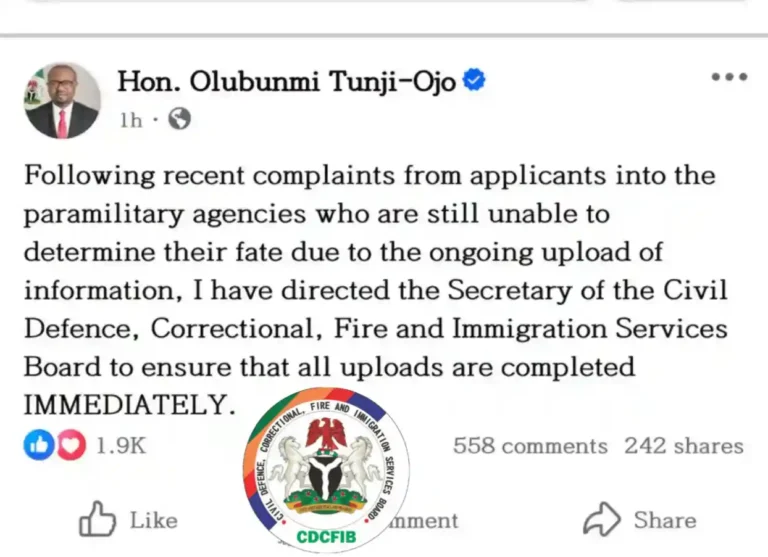
The Minister of Interior, Hon. Olubunmi Tunji-Ojo, has directed the Secretary of the Civil Defence, Correctional, Fire and Immigration Services Board to ensure the immediate completion of all ongoing uploads for applicants into the paramilitary agencies.

This directive follows complaints from candidates who are still unable to confirm their application status. “I have directed the Secretary of the Board to ensure that all uploads are completed immediately,” Tunji-Ojo stated, emphasizing the government’s commitment to transparency and efficiency in recruitment processes.

100 graduates begin NCDMB, PETAN, Renaissance internship programme

0

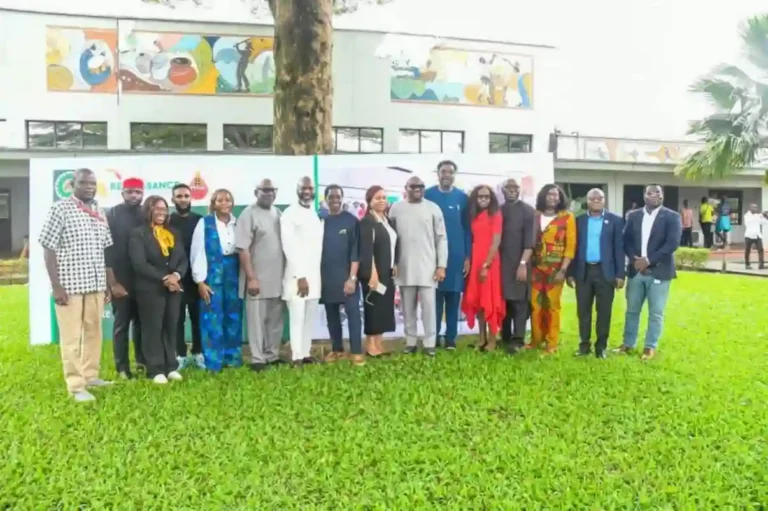
One hundred young Nigerian graduates from various academic fields have begun the 2025/2027 NCDMB/PETAN/Renaissance Graduate Internship Programme, a collaborative initiative between the Nigerian Content Development and Monitoring Board (NCDMB), Renaissance Africa Energy Company Limited (RAEC), and the Petroleum Technology Association of Nigeria (PETAN). The programme is designed to equip youths with critical skills, exposure, and practical knowledge needed in the oil and gas industry.

The graduates, drawn from disciplines such as engineering, geology, information and communication technology (ICT), and natural sciences, will be deployed to PETAN member companies for structured, targeted, and industry-relevant training. The initiative aims to strengthen local content participation and enhance employment opportunities within the energy sector.

Speaking at the programme’s kick-off ceremony held at the Renaissance Residential Area Club Hall in Port Harcourt, the Executive Secretary of the NCDMB, Engr. Felix Omatsola Ogbe, described the initiative as “a strategic contribution to the national effort toward deepening human capacity development and promoting sustainable local participation within Nigeria’s energy value chain.”

Ogbe, who was represented by the General Manager, Human Capacity Development (HCD), Mr. Esueme Dan Kikile, emphasised that while infrastructure and asset ownership are crucial, human capacity development remains the cornerstone of the NCDMB’s mandate. He explained that the Board would continue to support initiatives that promote knowledge transfer, skill enhancement, and capacity retention within the country.

According to him, “The Board remains resolute in its vision of a globally competitive and technologically advanced Nigerian energy industry anchored on robust local participation.” He commended Renaissance Africa Energy, formerly Shell Petroleum Development Company (SPDC), and PETAN for sustaining the internship programme, which began under SPDC and has now reached its second edition.

Engr. Ogbe also praised the leadership and commitment of the partners for aligning with the national content development agenda. He encouraged the interns to make the most of the opportunity, stating that they “represent the next generation of professionals who will sustain Nigeria’s energy future.” He added that the skills and values they would gain from the programme would form part of the country’s strategic human capital asset.

In a joint presentation on the programme’s objectives and expected outcomes, two PETAN representatives, Dr. Okey Ukaegbu and Mr. Chinedu Maduaku, said the interns would be engaged in activities designed to foster innovation and operational excellence across the oil and gas sector.

In his closing remarks, the General Manager, Nigerian Content Development of Renaissance Africa Energy, Mr. Kene Akubue, highlighted that the partnership between the organisations reflects positive progress in the oil and gas industry. He said the company would remain committed to initiatives that promote human capacity development and strengthen indigenous participation, noting that such programmes play a vital role in building a sustainable and competitive energy workforce for Nigeria.

FG, WFP launch national cash and voucher assistance policy 2025–2030

The Federal Ministry of Humanitarian Affairs and Poverty Reduction, in collaboration with the World Food Programme (WFP), has launched the National Policy for Cash and Voucher Assistance in Humanitarian Context and its Implementation Plan 2025–2030.

The official launch took place in Abuja and was led by the Honourable Minister of State for Humanitarian Affairs and Poverty Reduction, Dr. Yusuf Tanko Sununu. Speaking through the Permanent Secretary, Dr. Yakubu Adam Kofarmata, PhD., the Minister described the policy as a major milestone in Nigeria’s humanitarian framework.

Dr. Sununu explained that the policy provides a strategic and operational guide to ensure that cash-based interventions are coherent, accountable, and harmonized across all actors, including government institutions, UN agencies, NGOs, and development partners.

“As we unveil the 2025–2030 policy and its Implementation Plan today, I wish to emphasise that its impact will not only be realized through collective action but by our shared commitment to operationalize and institutionalize it at the sub-national level, where the realities of humanitarian response are most acute,” he said.

The Minister called on all State Governments, Local Government Authorities, and partners across the humanitarian and development sectors to embrace and integrate the new policy into their operational frameworks.

“Let us strengthen coordination, promote accountability, and ensure that the benefits of Cash and Voucher Assistance reach every deserving household across Nigeria,” Dr. Sununu urged.

He expressed gratitude to the World Food Programme for its invaluable contribution, noting that the organization provided the consultant who developed the policy. According to him, WFP’s technical expertise and continuous partnership were instrumental in shaping the national framework.

Dr. Sununu also appreciated the European Civil Protection and Humanitarian Aid Operations (ECHO) for supporting the needs assessment that enriched the content of the policy and its Implementation Plan.

He further commended the Governors of Kano and Edo States for their proactive efforts and sub-national implementation of cash and voucher assistance programmes. He praised the National Humanitarian Coordination Technical Working Group for its commitment throughout the policy formulation, review, and validation stages, which eventually led to the Federal Executive Council’s approval.

Dr. Sununu also acknowledged the contributions of the National Assembly, the Office of the Secretary to the Government of the Federation (OSGF), the Federal Ministry of Justice, donor agencies, and private sector actors for their valuable input in shaping the policy document.

Reaffirming the Ministry’s commitment, the Minister said the Federal Government remains determined to lead and coordinate actions that will ensure the effective rollout and monitoring of the policy across all levels.

Earlier in her remarks, the Director of the Humanitarian Affairs Department, Mrs. Jummai Katagum, highlighted the importance of the policy in improving coordination and accountability within humanitarian interventions.

“In a context where humanitarian needs increase due to recurrent shocks from floods and conflicts to economic vulnerabilities, the Cash and Vouchers Assistance Policy and its Implementation Plan will help to streamline coordination, enhance accountability mechanisms, strengthen data-driven targeting, and ensure that assistance truly reaches those who need it most,” Mrs. Katagum said.

She emphasized that the new policy will provide clarity, reduce bureaucratic barriers, and support national priorities in food security and social inclusion.

The launch event also featured goodwill messages from key partners, including representatives of the Ministers of Agriculture and Food Security, Women Affairs and Social Development, and the Honourable Federal Commissioner for Refugees, Migrants, and Internally Displaced Persons. Other speakers included officials from the National Emergency Management Agency (NEMA), various UN agencies, and the Commissioners of Humanitarian Affairs from Edo and Kano States.

The Deputy Country Director of the World Food Programme, Mr. Edward Thiam, who represented the WFP Country Director, reaffirmed the UN’s commitment to supporting Nigeria’s humanitarian agenda. He described the policy as “a decisive step toward restoring dignity and empowering vulnerable populations.”

The Federal Ministry of Women Affairs also reiterated its ongoing efforts to promote gender equity and women empowerment through financial literacy and digital inclusion initiatives.

In his closing remarks, the Deputy Director of the Humanitarian Affairs Department expressed appreciation to all stakeholders for their contributions to the project. He noted that their support was crucial to achieving the Ministry’s broader goal of poverty reduction and establishing a strong humanitarian policy framework in Nigeria.

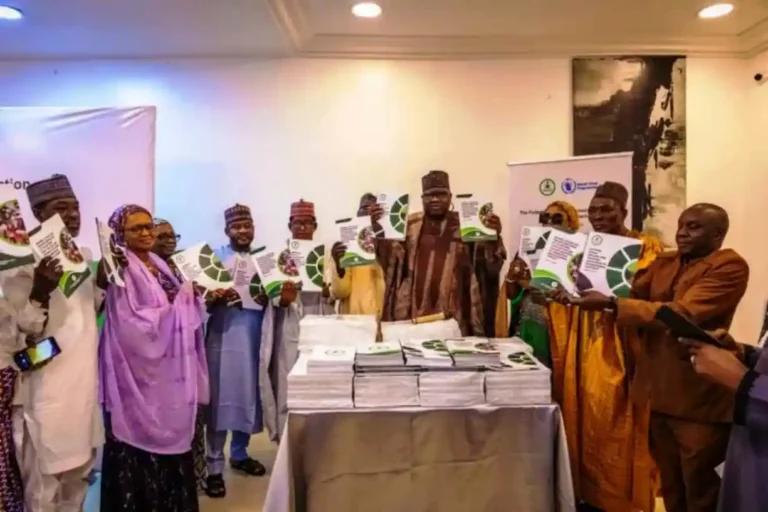
The high point of the event was the unveiling of the policy document by the Permanent Secretary, followed by a collective call for continued collaboration among stakeholders to strengthen coordination, promote transparency, and uphold humanitarian principles in all interventions.

Those present at the event included directors from the Ministry, representatives from the UN Office for the Coordination of Humanitarian Affairs (UNOCHA), civil society organizations, the media, and other stakeholders committed to advancing humanitarian and poverty reduction initiatives across Nigeria.