Home Blog Page 382

FUNAAB VC urges youth to drive agricultural innovation

0

The Vice-Chancellor of the Federal University of Agriculture, Abeokuta (FUNAAB), Prof. Babatunde Kehinde, has called on Nigerian youths to take the lead in driving agricultural innovation as a pathway to achieving sustainable food security. Speaking today, October 16, 2025, during the University’s commemoration of the 2025 World Food Day, themed “Hand in Hand for Better Foods and a Better Future,” Prof. Kehinde emphasised that the future of global food systems depends on the creativity, resilience, and technological ingenuity of young people.

He reaffirmed FUNAAB’s commitment to equipping the next generation with the skills and knowledge required to transform agriculture into a modern, technology-driven enterprise capable of ensuring a food-secure Nigeria and supporting agricultural exports. He explained that the University, through the Institute of Food Security, Environmental Resources and Agricultural Research (IFSERAR) and other specialised centres, has continued to develop technologies and sustainable practices that enhance productivity, improve livelihoods, and protect natural resources.

Prof. Kehinde, a Plant Breeder and Geneticist, charged the youths to embrace agriculture with renewed passion and creativity, describing them as “the next generation of innovators who will define the future of food.” He also urged all stakeholders to align their efforts with the United Nations Sustainable Development Goals, especially those on Zero Hunger, No Poverty, Climate Action, and Responsible Consumption and Production.

Representing the Director of IFSERAR, Prof. Olusegun Idowu, the Director of the Directorate of Technologists and Technical Staff, Dr. Abimbola ’Wunmi Okunneye, highlighted the importance of collaboration among researchers, farmers, and policymakers in achieving food security. She commended the Vice-Chancellor, partners, and the organising committee for their commitment to making the 2025 celebration impactful. She reiterated that IFSERAR remains a hub for agricultural innovation.

In his Goodwill Message, Mr. Olugbenga Alayode, Chairman of the Senior Staff Association of Nigerian Universities, SSANU-FUNAAB Branch, and Chief Agricultural Officer, COBFAS, representing the Director of the Centre, emphasised that food is the foundation of life and well-being. “We are what we eat,” he said, commending IFSERAR for promoting dialogue and collaboration across agricultural value chains to strengthen food production and support economic development.

Delivering the keynote speech, Mr. Sarafa Banire stressed that global food security depends on adopting sustainable innovations and inclusive policies. He called for greater investments in agricultural research, technology, and rural infrastructure to boost productivity and resilience in the face of climate change and rising population challenges.

Other discussants examined food insecurity challenges in Nigeria, pointing to gender inequality, poor governance, and population growth as major obstacles. They advocated stronger policy support for smallholder farmers, transparent governance, and the integration of technologies such as Artificial Intelligence to modernise agriculture and improve food systems.

The 2025 World Food Day celebration at FUNAAB ended with a call to action, urging governments, institutions, and private stakeholders to work together to build a sustainable, inclusive, and hunger-free future. Principal Officers in attendance included the Deputy Vice-Chancellor (Academic), Prof. Olukayode Akinyemi; Registrar, Dr. Titus Adeniyi; and Bursar, Mr. Olukayode Osinuga. They were joined by several FUNAAB students and participants from selected secondary schools, including the Federal University of Agriculture, Abeokuta International School.

Advertisement

World food day: Niger State Gov wants national plan for food control

0

Niger State Governor and farmer, Mohammed Umaru Bago, has called for a national agenda that will guarantee food sovereignty in Nigeria. He made this call while delivering a keynote address at the 2025 World Food Day celebration organised by the Nigerian Institute of International Affairs in Lagos. The theme of the event was “Food Security to Food Sovereignty: How far has Nigeria gone?”

Bago outlined five key priorities that he believes should guide the country’s national food agenda. These include embracing modern and climate-smart farming, reducing post-harvest losses through improved storage and processing, making credit and inputs work for real farmers, protecting farms and rural communities from insecurity, and anchoring agricultural policy on long-term national plans rather than political cycles.

According to him, “These steps are not impossible. We have done some of them before. When the government restricted poultry imports years ago, local production grew dramatically. With political will and a clear strategy, we can do even more.”

He explained that the theme for this year’s World Food Day is a call to action, urging Nigerians to move from just food availability to full control over how food is produced, distributed, and consumed. Bago pointed out that despite agriculture’s importance to the economy, hunger and malnutrition remain serious challenges. He blamed this on the nation’s overreliance on food imports and neglect of the livestock sector. He stressed that with better investment in cattle, pastures, value chains, and reduced post-harvest losses, Nigeria can achieve genuine food security and self-sufficiency.

The governor highlighted several major investments by his administration aimed at boosting food production and agricultural development in Niger State. These investments include mechanisation, irrigation systems, value chain development, and strong partnerships. He mentioned the Livestock Modernisation Project with Brazil, which is designed to improve animal breeds, enhance veterinary services, and create opportunities for women, youth, and herders.

He also spoke about efforts to boost crop production, including the acquisition of thousands of tractors, a ₦1.8 trillion rice deal with Dangote Rice Limited, and collaborations with AfricaRice to develop climate-resilient seeds and promote modern farming technologies. He mentioned a cotton partnership with the Republic of Benin, aimed at promoting local value addition, job creation, and regional trade.

Bago expressed concern over the damage caused by flooding to farms in Niger State and other parts of the country. He revealed that the state is working with the World Bank through the ACReSAL Project to build stronger climate defences, develop irrigation systems, and improve early warning systems. He said these steps are meant to safeguard current gains while ensuring future sustainability in agriculture.

He emphasised the importance of joint efforts between government, research institutions, the private sector, communities, and development partners to make Nigeria a food-secure nation. He reaffirmed Niger State’s commitment to leading the agricultural transformation and invited stakeholders to collaborate with his administration to turn good ideas into lasting impact.

Bago thanked the management of the Nigerian Institute of International Affairs for the opportunity to deliver the keynote address. He also praised the Director General of the institute, Professor Eghosa Osaghae, describing him as a respected scholar whose leadership has inspired many.

ITF screens 450000 artisans for SUPA programme

0

The Industrial Training Fund has screened over 450,000 intending artisans across Nigeria for its flagship Skill-Up Artisans programme, aimed at boosting skills development and job creation. The exercise marks a major step in the government’s plan to empower Nigerians with practical and entrepreneurial skills.

According to the Director-General of the Industrial Training Fund, Dr. Afiz Oluwatoyin Ogun, the programme will prepare participants for training in 24 skill areas. These include ICT, fashion design, plumbing, electrical installation, masonry, and hospitality services. He explained that the initiative is designed to reduce unemployment, curb social vices, and promote financial independence among young Nigerians.

Dr. Ogun urged individuals and organizations to partner with the Industrial Training Fund to establish and equip vocational training centres nationwide, saying this support is crucial to achieving the programme’s goals. Participants expressed optimism that the Skill-Up Artisans initiative will create new opportunities for employment, innovation, and wealth creation across different sectors of the economy.

Addressing the challenges, Nigeriastartupact.ng previously quoted Dr. Ogun saying, “One of our biggest challenges is the inadequate number of centres. We are not going to onboard trainees to shops in markets or makeshift spaces. They will be trained in state-of-the-art facilities equipped with the right tools because they will be sitting for internationally recognised certification exams.”

He spoke to journalists during the screening exercise at the Industrial Training Fund Vocational Training Centre in Jos, which attracted thousands of applicants eager to participate in the nationwide empowerment programme.

Gombe ACReSAL, NAIC partner to protect farmers

0

In a significant step towards strengthening agricultural collaboration, Dr. Sani Adamu Jauro, Project Coordinator of the Gombe State ACReSAL, hosted a delegation from the Nigerian Agricultural Insurance Corporation for a courtesy visit. During the meeting, Dr. Jauro expressed strong support for potential collaboration with NAIC, highlighting the importance of the Community Revolving Fund in protecting farmers. He said the partnership would help “mitigate potential losses faced by farmers participating in the scheme.”

The delegation was led by Executive Director Operations, Abubakar Umar Jarengol, who reiterated NAIC’s commitment to supporting the ACReSAL project across all agricultural sectors. Jarengol noted that the corporation has “a solid track record of successful partnerships with various organizations throughout Nigeria.” Both parties emphasized their shared goal of enhancing agricultural resilience, promoting sustainable farming practices, and boosting insurance coverage for farmers in Gombe State through strategic partnership and financial protection initiatives.

Seyi Tinubu launches digital upskilling program for 10000 youths

Application is now open for the Seyi Tinubu @ 40 (ST@40) Digital Upskilling Program, a major initiative to train 10,000 young Nigerians in digital innovation and future-ready skills. Announced in celebration of his 40th birthday, Seyi Tinubu said the program is designed to give young people access to critical digital skills needed for the future of work.

The ST@40 Digital Upskilling Program focuses on practical knowledge in areas like cloud engineering, data analysis, and product management. According to the organizers, “This program aims to empower young Nigerians with the tools they need to thrive in the digital economy.”

Interested applicants are expected to complete their application online through the official portals, schulltech.com or schull.io. To apply, candidates should visit the website, go to the ST@40 Digital Upskilling Program section, click on Apply Now, fill out the registration form, select their preferred course track, and submit their application. Applicants will receive an email confirmation with further instructions once their application is successful.

The deadline for application is Friday, October 31st, 2025. Successful applicants will be notified via email with training schedules and onboarding details. The program is powered by SchullTech, a leading digital education platform, and is organized in partnership with industry mentors to promote youth empowerment, digital inclusion, and innovation across Nigeria.

100 Kebbi youths graduate from automobile air-conditioning training programme

0

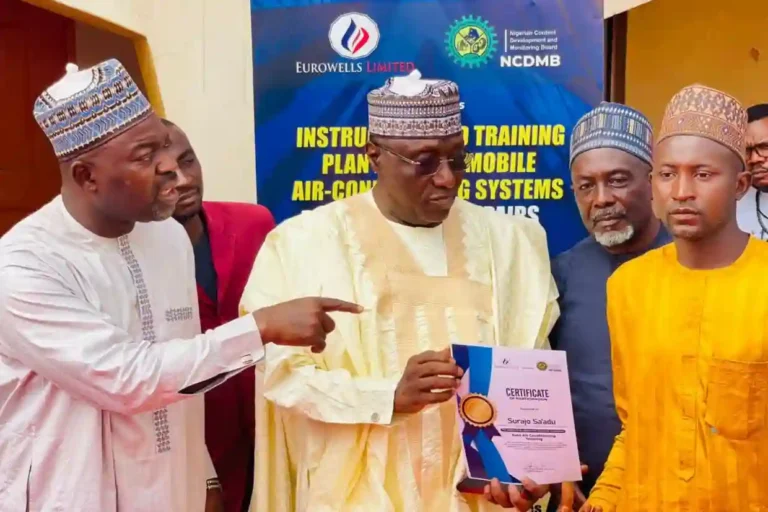
In a modest ceremony at the Modiyawa Hotel in Birnin Kebbi, one hundred young men and women graduated from a training programme on automobile air-conditioning repair, marking another step in the Kebbi State Government’s effort to tackle youth unemployment. The initiative, which involved a partnership between the Kebbi State Government and the National Content Development and Monitoring Agency, is part of Governor Nasir Idris’s broader plan to equip young people with practical skills that support job creation and self-reliance.

Governor Idris, represented by the Secretary to the State Government, Alhaji Yakubu Bala Tafida, emphasized that youth empowerment is a core focus of his administration. He explained that since assuming office, the government has introduced several vocational and entrepreneurial programmes designed to convert job seekers into job creators. Across Nigeria, many states have spoken about similar plans, but in Kebbi, these initiatives are taking shape through real training opportunities and hands-on experience.

The partnership with the NCDMA, implemented through Eurowells Limited, combines technical expertise at the federal level with the state government’s political support. Mr. Ovie Bettie, the chief facilitator from Eurowells, commended the trainees for their commitment during the 12-day intensive training. He explained that the programme blended theoretical learning with practical application to ensure the participants are ready for work. He also announced that each graduate would receive a starter kit, providing the essential tools needed to begin their own automobile air-conditioning repair businesses.

Hon. Faruku Maisudan, a member of the State Assembly, praised the governor’s efforts and pledged continued legislative support for youth development programmes. Senior government aides, including Ibrahim A. Jombali, Adviser Public Enlightenment, Yahaya Sarki, Adviser on Media, and Ahmad Idris, Chief Press Secretary, described the programme as a clear example of collaboration between state and federal agencies to reduce Nigeria’s unemployment rate through skills acquisition and technical education.

Speaking on behalf of the beneficiaries, Ahmad Isah thanked the government and its partners for the training, accommodation, and stipends. He said the support gave the participants confidence to pursue self-employment. In a state known for subsistence agriculture and limited industries, the focus on air-conditioning repair training offers a practical path to income generation for young people seeking new opportunities.

FG opens LEEP remote work application in all states

The Federal Government has opened applications for the Labour Employment and Empowerment Programme (LEEP) across all 36 states, under the Renewed Hope Initiative of President Bola Ahmed Tinubu. Led by the Minister of State for Labour and Employment, Hon. Nkeiruka Onyejeocha, the programme aims to create 2.5 million jobs, empower citizens with practical skills, and promote entrepreneurship through innovative strategies and key partnerships.

According to the organisers, “LEEP is transforming how Nigerians find work, grow professionally, and contribute to the economy.” The initiative is powered by the Federal Ministry of Labour and Employment in collaboration with Sapphital.

Available categories include Security and Intelligence Services, Consulting and Strategy, Architects and Urban Planning, Artificial Intelligence, NGOs and Non-Profit Development, Hospitality, Travel and Tourism, and Energy, Oil and Gas. Interested applicants are advised to visit the portal at jobs.leep.gov.ng to fill the form, search, and apply for suitable remote work opportunities.

Nasarawa TSC opens online recruitment portal for 719 teachers

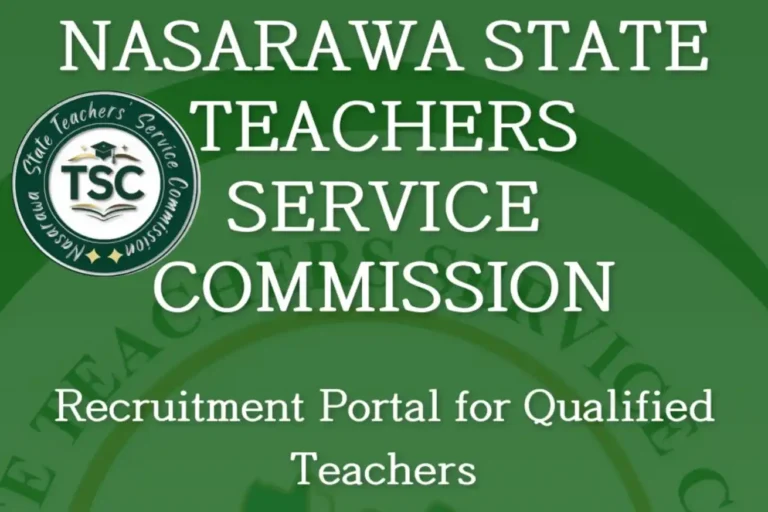
The Nasarawa State Teachers Service Commission (TSC) has officially opened its online recruitment portal for the employment of 719 qualified teachers into public secondary schools across the state. The recruitment exercise is aimed at addressing manpower gaps in critical subject areas to improve the quality of education in Nasarawa State.

According to the Commission, the recruitment will focus on four main subject categories. Category A covers core priority subjects such as Mathematics, English Language, Physics, Chemistry, Biology, and History. Category B includes essential support subjects like Geography, Economics, Entrepreneurship, Political Science and International Relations, Civic Education, Literature-in-English, Psychology, Computer Studies and ICT, Business Administration, and Accounting or Financial Accounting.

Category C focuses on technical and vocational subjects such as Agricultural Science, Basic Science or Integrated Science, Basic Technology, Technical Drawing, Home Economics, Business Studies or Commerce, Fine Arts or Creative Arts, and Physical and Health Education. Category D is for religious, moral, and personal development subjects including Christian Religious Studies, Islamic Religious Studies, Social Studies, Guidance and Counselling, and Cultural and Creative Arts.

Applicants must have at least a National Certificate in Education. Those with higher qualifications such as B.Ed, B.A, B.A (Ed), B.Sc, B.Sc (Ed), HND, or PGDE can also apply. Registration with the Teachers Registration Council of Nigeria is considered an added advantage.

Required documents include a Birth Certificate or Declaration of Age, academic certificates or statements of result, Certificate of Origin, NYSC discharge or exemption certificate for degree holders, and National Identification Number.

“All applications must be submitted online through the Commission’s official recruitment portal at tsc.na.gov.ng/recruitment,” the Commission stated. The portal is open from October 16 to 31. Submission of false information or multiple applications will lead to automatic disqualification. The Commission emphasized that the application process is free and strictly online.

FG denies claims on scrapping JAMB for admissions

0

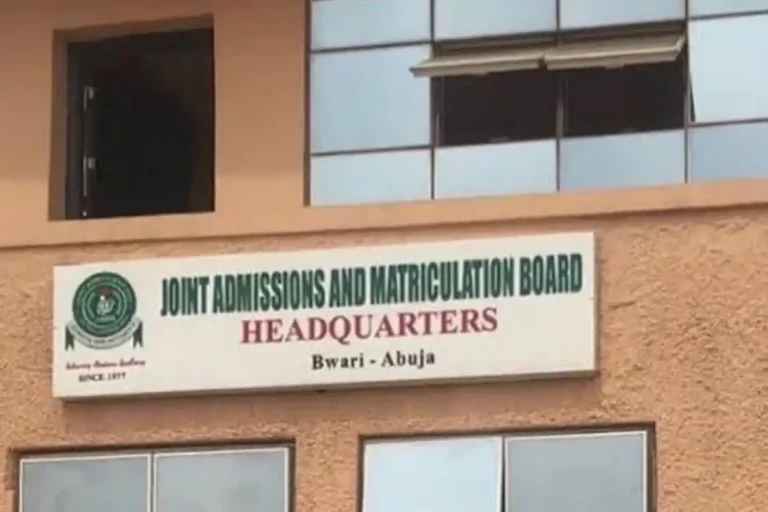
The Federal Ministry of Education has denied claims circulating in some newspapers and online platforms that the Joint Admissions and Matriculation Board is no longer required for admission into tertiary institutions in Nigeria. The Ministry described the report as misleading and urged the public to disregard it.

In a statement, the Honourable Minister of Education, Dr. Maruf Tunji Alausa CON, clarified that the publication did not originate from the Ministry. He said, “This report is false, baseless, and did not originate from the Federal Ministry of Education. At no point did the Ministry issue or authorize any statement suggesting that JAMB is no longer mandatory for admission into tertiary institutions.”

The Ministry stressed that JAMB remains the statutory and legally empowered body responsible for conducting entrance examinations and coordinating admissions into all tertiary institutions in Nigeria. It explained that the established admission processes through JAMB remain fully operational and any contrary information should be disregarded in its entirety.

According to the statement, “The Federal Ministry of Education completely dissociates itself from the false publication and urges the general public, particularly prospective students, parents, and tertiary institutions, to rely solely on official communication channels of the Ministry and JAMB for accurate and verified information regarding admission policies and education-related matters.”

Dr. Alausa reaffirmed the Ministry’s collaboration with JAMB and other relevant agencies to maintain transparency, fairness, and credibility in the tertiary education admission system. He stated that the Ministry is committed to protecting the integrity of the admission process and ensuring that merit and due process guide all admissions into higher institutions.

The Ministry also cautioned media houses, bloggers, and online platforms to verify information from official sources before publication. It said this will help avoid misleading the public and prevent the spread of misinformation that could cause confusion within the education sector.

It reiterated that there has been no change in the existing role of JAMB, which remains central and indispensable in Nigeria’s tertiary education framework. Any publication or online post claiming otherwise is entirely false and should be treated as such.

Rivers State to integrate 800 beneficiaries into agricultural support programmes

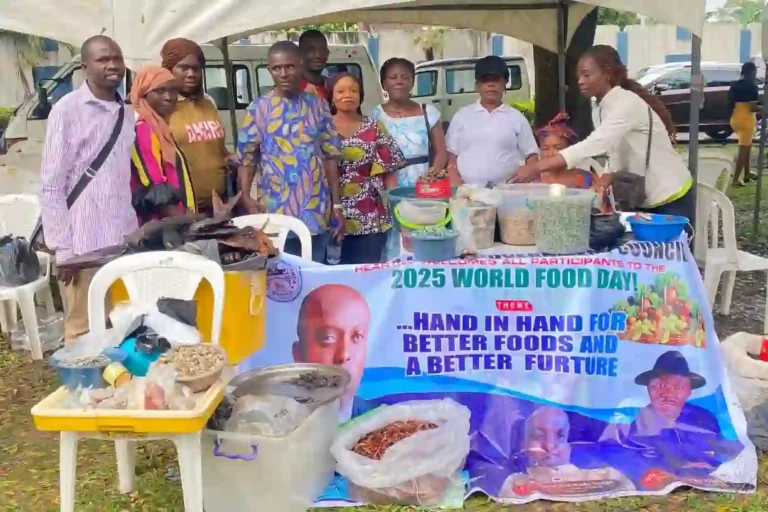
Rivers State today joined the global community to mark the 2025 edition of World Food Day under the theme “Hand in Hand for Better Foods and a Better Future.” The theme emphasizes cooperation, solidarity, and shared purpose in redesigning food systems, ensuring access to healthy diets, and building a sustainable and food-secure world.

The Rivers State Government said the theme aligns strongly with its vision to increase food availability, improve nutrition, and promote resilient agriculture that benefits all residents. “Food is more than sustenance — it is the foundation of health, dignity, economic growth, and social stability,” the government stated.

Officials noted that this year’s World Food Day serves as a reminder that food is not only a basic necessity but also a fundamental human right and a cornerstone of peace, stability, and development. The state reaffirmed its commitment to ensuring food security, promoting sustainable agriculture, and contributing to the global efforts to end hunger in all its forms.

Under the leadership of His Excellency, Sir Siminalayi Fubara, GSSRS, Governor of Rivers State, the Ministry of Agriculture has continued to implement policies and programs designed to boost food production, support farmers, and build a strong agricultural sector capable of meeting the needs of the population.

The Ministry highlighted several strategic initiatives aimed at repositioning agriculture as a driver of economic growth, food security, and job creation. Among these are the School-to-Land Agricultural Training Programme, which will be revitalized to train young people in modern farming techniques and agribusiness. The initiative aims to build a new generation of farmers who can compete globally.

The state also announced the revitalization of the Songhai Integrated Farm, a model agricultural and research center. This facility will serve as a hub for innovation, training, and agro-industrial production, supporting local farmers and strengthening agricultural value chains.

Other key initiatives include the Farm Cluster Development and Input Support Schemes, which will give farmers across the 23 local government areas better access to quality seedlings, fertilizers, and modern equipment. Additionally, the Community-based Livestock and Fisheries Programs are being expanded to diversify agricultural production and ensure food availability throughout the year.

The Ministry noted the successful implementation of the Renewed Hope Initiative Agricultural Empowerment Support Programme, coordinated by the Wife of the President of Nigeria, Senator Oluremi Tinubu, CON. In Rivers State, the program was implemented by Lady Valerie Fubara, the First Lady of the state, and supported 800 beneficiaries. The Ministry will integrate these beneficiaries into its supervisory and extension programs to monitor their progress and ensure that the distributed inputs and equipment are used effectively to increase productivity and strengthen the food supply chain.

“This collaboration represents a significant step toward achieving the broader objectives of the Renewed Hope Agenda,” the Ministry stated. “It aligns with our state’s vision to build an agriculturally sustainable economy that can feed our people, create employment, and generate wealth.”

Governor Fubara has provided strong support and approvals for all agricultural interventions, demonstrating leadership in developing the sector. The Ministry described these programs as practical measures to empower farmers, support agripreneurs, and ensure that agriculture remains a key contributor to the state’s economy.

As the state commemorates World Food Day, the Ministry of Agriculture reaffirmed its commitment to advancing sustainable agricultural practices, strengthening food systems, and supporting local farmers with training and resources. Officials said the state will continue to work closely with development partners and stakeholders to promote the objectives of the World Food Programme and contribute to global efforts to end hunger and poverty.

“In Rivers State, we believe that the future of food security lies in the hands of our farmers, our youths, and our collective determination to sustain the land that sustains us,” the Ministry said. “Together, with the continued support of our Governor, development partners, and all stakeholders, we will build a future where no citizen goes hungry and where agriculture remains a source of pride and prosperity.”