Home Blog Page 387

Applications open for North-East regional youth climate summit 2025

0

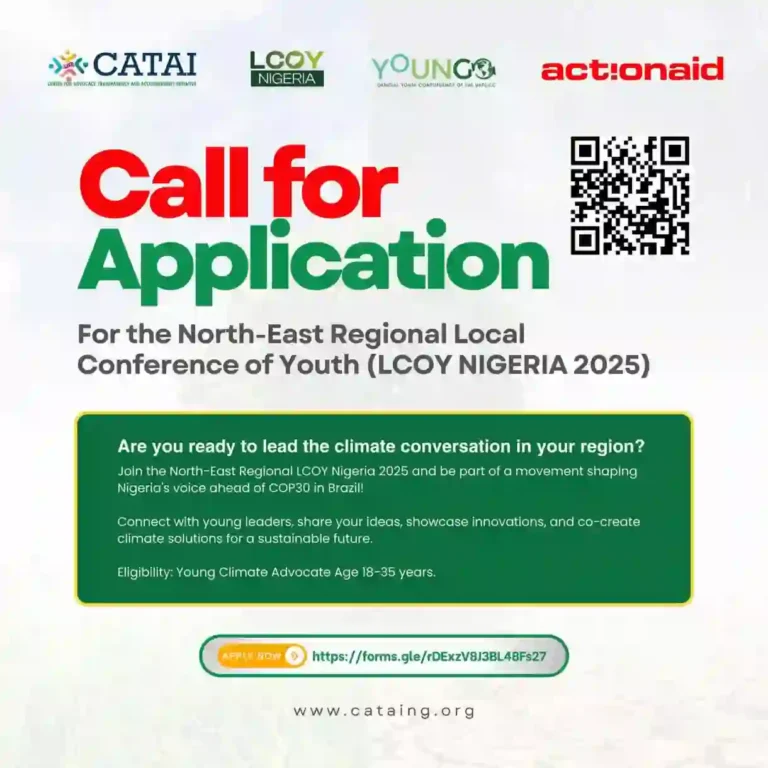
The Center for Advocacy Transparency and Accountability Initiative (CATAI) in collaboration with the Center for Community Awareness and Youth Empowerment Initiative (CAYEI), with support from ActionAid Nigeria, has announced the call for applications for the North-East Regional Local Conference of Youth (LCOY Nigeria 2025).

The organizers said the event will serve as a platform to strengthen youth voices on climate action and policy engagement. “Are you ready to lead the climate conversation in your region?” the announcement stated, calling on young climate advocates between 18 and 35 years old to apply.

The conference aims to connect young leaders, share innovative ideas, and co-create climate solutions for a sustainable future as Nigeria prepares for COP30 in Brazil. Interested applicants can apply via forms.gle/rDExzV8J3BL48Fs27.

Advertisement

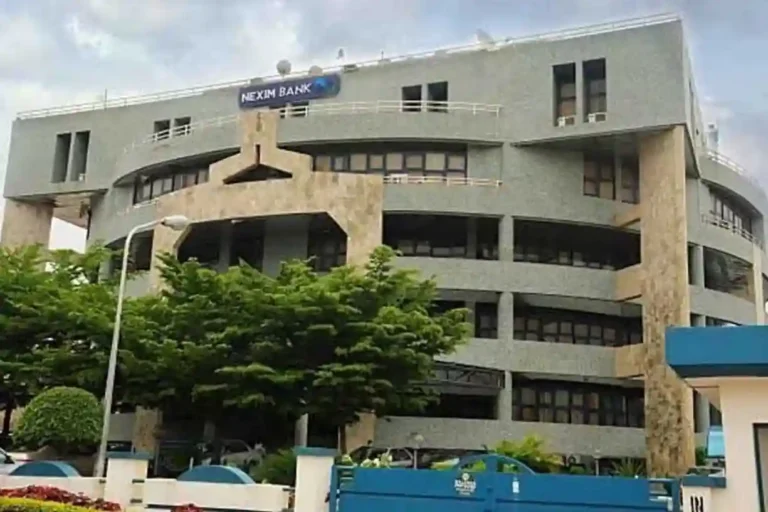
NEXIM, GIZ launch programme to boost MSME access to export financing

0

The Nigerian Export-Import Bank (NEXIM) in partnership with Deutsche Gesellschaft Fur Internationale Zusammenarbeit (GIZ) has launched a new programme to improve access to trade and export financing for Micro, Small, and Medium Enterprises (MSMEs) in Nigeria. The initiative, themed ‘Enhancing Access to Trade and Export Financing for MSME Export,’ took place at Valada Hotels in Jos, Plateau State.

According to the organizers, the programme is a strategic response to the challenges faced by MSMEs in accessing finance and technical support. They explained that the initiative aims to strengthen MSME export clusters and enhance their competitiveness in the global market. The partnership focuses on supporting MSMEs in critical sectors such as manufacturing, agro-processing, solid minerals, and services to boost Nigeria’s export performance.

Speaking during the event, the Trade and Sector Adviser of GIZ, Raymond Dangana, emphasized the importance of export financing for small businesses. He said, “The SME Export Finance Sensitization Forum is a key component of this initiative. We believe that by improving access to finance, we can increase the competitiveness of Nigerian MSMEs in the global market.”

Dangana added that GIZ’s goal is to promote sustainable economic development by empowering local businesses with the tools and financial backing needed to access international trade opportunities. He noted that many MSMEs face difficulties in meeting export standards due to limited funding and lack of technical know-how, challenges the new programme seeks to address.

Also speaking, the Head of Specialized Business at NEXIM, Mr. Awami Mohammed, explained that the bank remains committed to bridging the financial gap faced by MSMEs. He said, “NEXIM is committed to supporting SMEs in Nigeria by providing them with the necessary finance to grow their businesses. We recognize the importance of SMEs in stimulating the Nigerian economy, and we’re committed to helping them overcome the challenges they face, such as lack of finance, inadequate infrastructure, and market access.”

Mohammed further outlined NEXIM’s priority areas, saying, “We believe that by supporting sectors like manufacturing, agro-processing, solid minerals, and services, we can increase the country’s export earnings and stimulate economic growth.” He reiterated that the bank’s ongoing efforts aim to empower local businesses to scale up production and participate more actively in global markets.

The Acting Head of NEXIM’s Makurdi Regional Office, Mr. Simeon John, also shared insights on the bank’s work at the regional level. “NEXIM is committed to providing finance to SMEs in Nigeria, and we’re working hard to ensure that our products are accessible to them,” he said, adding that the bank continues to expand its outreach to different parts of the country to reach more entrepreneurs.

In her remarks, the Deputy Director of Export Development and Incentives at the Nigerian Export Promotion Council (NEPC), Ella Onoja, stressed the importance of enhancing export readiness and improving market access for small businesses. “SMEs are the backbone of the Nigerian economy, and it’s essential that we support them in accessing international markets. The NEPC is committed to working with NEXIM and other stakeholders to increase the country’s export earnings and stimulate economic growth,” she said.

Onoja added that the initiative would significantly impact the Nigerian economy by increasing export capacity, driving productivity, and improving access to finance. “By providing MSMEs with access to finance and technical support, NEXIM and GIZ hope to improve the competitiveness of Nigerian businesses in the global market. As the Nigerian economy continues to face challenges, initiatives such as this are crucial in supporting SMEs and promoting economic growth. With the right support, Nigerian SMEs can thrive and contribute significantly to the country’s economic development,” she added.

AUDA-NEPAD, Nasarawa begin training 200 youth, widows in skill acquisition

0

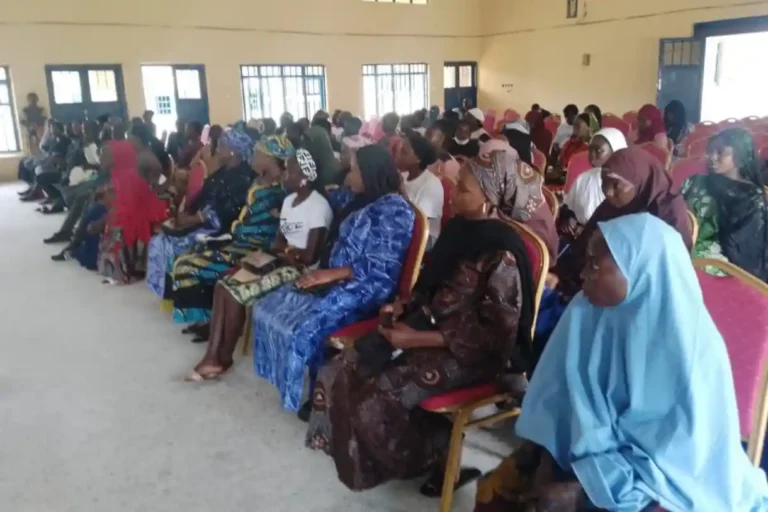
The African Union Development Agency–New Partnership for Africa’s Development (AUDA-NEPAD), in partnership with the Nasarawa State Government, has commenced the training of 200 youth, widows, and vulnerable people across the state in various skill acquisition programmes.

The six-week training, which began on Wednesday, aims to equip participants with practical knowledge in Information and Communication Technology (ICT), baking and pastries, tailoring, aluminium fabrication, arc welding, domestic electrical installation, barbing, and hairdressing, among others.

Speaking at the opening ceremony in Lafia, the Nasarawa State Coordinator of AUDA-NEPAD, Mohammed Sameel, explained that the 200 beneficiaries were carefully selected from the 13 Local Government Areas of the state to ensure inclusiveness and equal opportunity.

He said, “The idea behind establishing AUDA-NEPAD is to make sure that Africa as a continent can stand boldly and compare itself with any other continent in the world. The aim is to continue to empower Africans with relevant skills and other forms of support to improve their livelihoods.”

Sameel noted that the beneficiaries would be trained in two batches of 100 participants each to allow trainers to properly impact knowledge. He described the initiative as part of AUDA-NEPAD’s framework for the development of Africa.

“It is a framework for the development of Africa, and this was conceived by a few African countries and then later on adopted by the African Union. AUDA-NEPAD talks about development, poverty eradication, women empowerment, youth and skill acquisition, and other related issues,” he said.

He added that the six-week training would hold four days a week and encouraged beneficiaries to take the programme seriously, as it would provide them with the opportunity to start their own businesses and become employers of labour in Nigeria.

“The reason for the training is that we want the beneficiaries to be able to have their own businesses and be employers of labour in Nigeria. That way, we will be removing so many people from the streets who are roaming around because they do not have skills or jobs. So, I will plead that the beneficiaries take this course seriously,” Sameel said.

He also warned that trainees who fail to maintain punctuality and commitment during the programme would not be allowed to graduate. According to him, a monitoring and evaluation team had been set up to track the beneficiaries’ progress throughout the six-week period.

The State Coordinator commended the Governor of Nasarawa State, Abdullahi Sule, and the Executive Director of the Wing Commander Abdullahi Ibrahim Vocational and Technology Institute, Lafia, Daniel Asele, for their continuous support in empowering the youth, widows, and vulnerable individuals with useful skills to make them relevant in society.

In his address, the Executive Director of the Wing Commander Abdullahi Ibrahim Vocational and Technology Institute, Lafia, Daniel Asele, said the training is designed to engage young people and vulnerable groups in productive ventures that would help reduce crime and unemployment in the country.

Asele said, “I was made to understand that this programme is meant to train 200 youth, women and the vulnerable. It is segmented in two ways. You are the first set, this one involves 100 of you, immediately you finish, another 100 will come in and this thing will span from now to January next year.”

He explained that the beneficiaries would receive starter packs and seed money at the end of their training to enable them to purchase necessary equipment and establish their own businesses.

“When you are trained here and at the end, I was made to understand that you will be given a starter pack, I mean you will be given seed money to go and buy your equipment to start with. So when you establish your business, put into practice the skills you are going to acquire here, it is expected that you will also employ some other persons to work with you, and to learn the skills with you. It has a very high multiplier effect,” he said.

Earlier, the Head of Department, Project Development and Implementation of AUDA-NEPAD in the state, Adi Hamza, thanked the Nasarawa State Government for its people-oriented policies that have continued to support empowerment and poverty reduction initiatives.

Hamza urged the beneficiaries to show seriousness and commitment throughout the six-week training period. He emphasized that the goal of the programme was to make participants employers of labour and contributors to the socio-economic growth and development of Nasarawa State and Nigeria as a whole.

FG to establish National Job Centres across Nigeria

0

The federal government has announced plans to establish National Job Centres across the country to expand access to decent employment and strengthen Nigeria’s labour market systems.

Minister of State for Labour and Employment, Rt Hon. Nkeiruka Onyejeocha, revealed this on Wednesday at the Mastercard Foundation Annual Nigeria Partner Convening held in Lagos.

According to a statement by her spokesperson, Tósìn Olúwalọ́wọ̀, Onyejeocha said the initiative aligns with President Bola Tinubu’s Renewed Hope Agenda and aims to promote “dignified, inclusive, and transformative work” for Nigerians.

She explained that the National Job Centres will serve as employability hubs that integrate digital job matching, data tracking, and career advisory services to connect trained Nigerians with real job opportunities.

“The National Job Centres will create a harmonised and inclusive system that empowers youth to contribute meaningfully to local industries and compete confidently on the global stage,” the minister stated.

Onyejeocha also unveiled the Labour Employment and Empowerment Programme (LEEP), a flagship initiative designed to enhance the employability of young Nigerians and ease the transition between training and job placement.

“Through LEEP, we are not just creating jobs but building systems that protect workers’ rights, ensure fair wages, and strengthen labour market governance,” she said.

The minister praised the Mastercard Foundation for its consistent support for youth development in Nigeria through the Young Africa Works strategy, which has provided skills, job opportunities, and entrepreneurial support to thousands of young people.

“The Federal Ministry of Labour and Employment stands ready to continue working with the Mastercard Foundation and all stakeholders to build a future where work is dignified, inclusive, and transformative,” Onyejeocha concluded.

FG, EU launch €40m empowerment programme in Northwest Nigeria

0

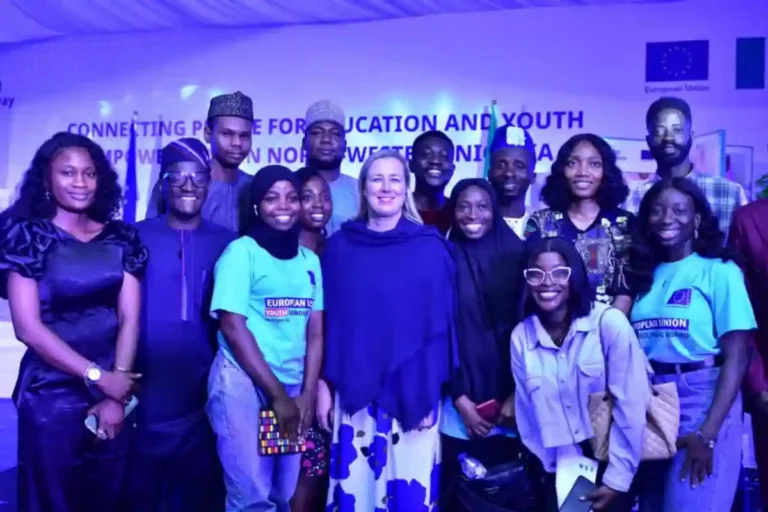
The federal government, in partnership with the European Union, has launched the Education and Empowering Youth in Northwest Nigeria Programme to drive inclusive and sustainable education reform across the region.

The initiative, known as the Education and Youth Empowerment Initiative (IPINC), brings together key stakeholders to design new strategies aimed at improving education and youth development. The event took place in Abuja with education experts, government representatives, and development partners in attendance.

Speaking at the event, the Permanent Secretary of the Ministry of Education, Mr. Abel Enitan, said the programme seeks to transform Nigeria’s education sector and empower young people for sustainable development. He noted that education reform was essential for national progress. “The programme will enhance inclusive education in the North West. A safe learning environment is crucial to building a prosperous nation,” he said.

Represented by the Director of Polytechnics Education and Allied Institutions, Usman Ejeh, Mr. Enitan called on stakeholders to adopt resolutions that will guarantee the success of the initiative.

The Programme Manager for the European Union Education, Ms. Kate Kanebi, revealed that the EU will invest €40 million in the programme to strengthen teacher training and promote digital literacy among students.

The Director of Basic Education, Dr. Folake Olatunji, thanked the European Union for its continued support of Nigeria’s education system.

FG gold purchase programme to boost reserves, strengthen naira

0

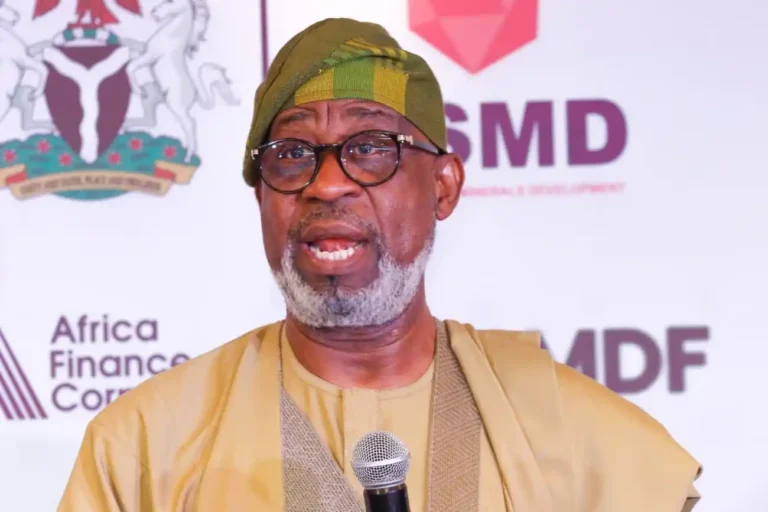
The Minister of Solid Minerals Development, Dele Alake, has said that the National Gold Purchase Programme (NGPP) will help increase Nigeria’s foreign reserves and improve the value of the naira.

Alake made this known at the Nigeria Gold Day Celebration held on the sidelines of the 10th edition of Nigeria’s Mining Week in Abuja. The event, themed “Nigeria Mining: From Progress to Global Relevance,” brought together stakeholders to discuss how the country can use its gold resources to achieve economic stability.

The minister described gold as an international currency accepted worldwide for trade and investment. According to him, the NGPP gives Nigeria a chance to use gold as a tool to strengthen the country’s foreign reserves.

“The philosophy of that programme, how salutary it is, is that we use our local naira, not foreign exchange, to mop up gold, then sell it to the CBN,” Alake said. “The CBN, in turn, makes part of the payment in naira but the gold kept in its vault becomes a foreign currency asset. The process thereby increases the value of our foreign reserves and reduces the pressure on the local currency.”

The National Gold Purchase Programme is part of the Presidential Artisanal Gold Mining Initiative (PAGMI). It creates structured markets for gold produced by artisanal miners through licensed buying centres and aggregators. Under this scheme, the refined gold is supplied to the Central Bank of Nigeria (CBN) to be added to the nation’s external reserves.

Alake explained that the programme is also helping to reduce gold smuggling and reposition the solid minerals sector for better transparency and productivity. He noted that the initiative will allow Nigeria to reduce its dependence on foreign exchange for economic growth.

“This year, we are allocating more money into that programme so that as we use naira to mop up gold locally, since this gold is found and mined locally, then we don’t need to go outside to look for dollars,” he said. “We use our naira and get naira back from CBN, for the gold itself becomes foreign reserves for the bank. This is to say that there is no amount of economic calculation you can do that will be faster in terms of shoring up our foreign reserves than this particular gold programme.”

The minister said the Solid Minerals Development Fund (SMDF) is driving the implementation of the NGPP, with increased funding expected in 2025. He emphasized that the initiative would have a direct impact on the country’s economy by improving liquidity and reducing pressure on the naira.

In her remarks, the Executive Director of SMDF, Fatima Shinkafi, highlighted that gold exploration funding in Nigeria is increasing, unlike global trends where investment in the sector is slowing.

“In the broader macro-economic context, gold is a safe haven,” Shinkafi said. “We implore everyone here to examine Nigeria’s gold resources and support the minister’s efforts to make Nigeria a premier destination for junior miners. In another year or so, let’s look at this Nigeria’s Gold Day 2025 as a pivotal turning point.”

The Nigeria Mining Week, held from October 13 to 15, is organized by the Miners Association of Nigeria in partnership with PricewaterhouseCoopers (PwC) and the VUKA Group. The event focuses on opportunities in the mining sector and strategies to enhance Nigeria’s global mining relevance.

Edo Gov Okpebholo employs 5000 contract teachers permanently

Edo State Governor, Senator Monday Okpebholo, has officially absorbed more than 5,000 contract teachers into the state’s Ministry of Education as permanent staff members.

According to a statement released by the Chief Press Secretary to the Governor, Fred Itua, the teachers had been on contract during the administration of former Governor Godwin Obaseki and were receiving a monthly stipend of ₦65,000.

During a ceremony held on Wednesday at the Government House in Benin City, Governor Okpebholo personally distributed the appointment letters to the teachers. He emphasized his administration’s dedication to improving the welfare of educators and recognizing their importance in building a better educational system in Edo State.

“Teachers, I am happy to see you. I wanted it this way because I had asked several times if you had received your letters. The answer was no. So, I decided to supervise the process myself. As you collect your appointment letters today, you will also receive transport fare because I know many of you have travelled long distances,” the governor was quoted as saying.

Governor Okpebholo further highlighted the government’s commitment to teachers, describing them as vital contributors to the state’s progress. “You are very important to us. Your reward is no longer in heaven; it is here, under our watch,” he said, reinforcing his pledge to ensure better working conditions for educators across the state.

Addressing the teachers earlier, the Commissioner for Education, Paddy Iyamu, praised their resilience and dedication despite the difficulties of working as contract staff for over three years. “You have been suffering for years, yet you have stayed committed to educating our children, waking up at night to prepare lesson notes. Beautiful schools without teachers are useless. Today, an angel has come, a leader who thinks about your welfare day and night,” Iyamu stated.

Iyamu also spoke on the achievements of Governor Okpebholo’s administration in the education sector, noting that over 68 schools have been constructed within one year to serve children across different communities. “He met Ambrose Alli University with a ₦41 million subvention and increased it to ₦500 million. Right now, a 1,500-capacity lecture theatre and a 600-capacity hostel are under construction,” he added.

The commissioner further announced the launch of the EDU-Rescue Programme, designed to provide children from low-income families with access to quality education.

“This historic regularisation marks a new chapter for Edo State’s education workforce, reflecting Governor Okpebholo’s pledge to prioritise education and the welfare of teachers who remain the backbone of the state’s development,” the statement concluded.

AZAWON, Malaysian firm partner to strengthen Islamic social finance

0

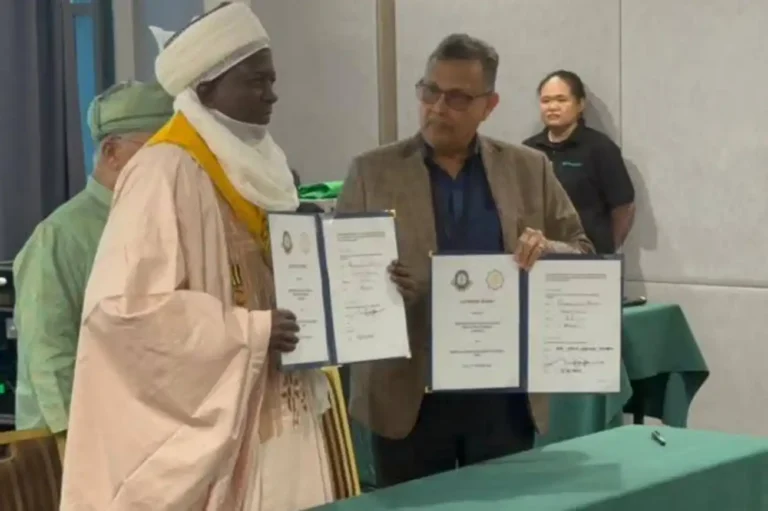
The Association of Zakat and Waqf Operators in Nigeria (AZAWON) led by Malam Muhammad Lawal Maidoki (Sadaukin Sakkwato), and Messrs Tawfeek Badjenid & Partners (TBP) of Malaysia under the headship of Prof. ADJ. Dato Sheikh Mohammed Tawfeek Sheikh Hassan Badjenid DSPN, DJN, PJK, have signed a strategic Letter of Intent (LOI) during the World Zakat and Waqf Forum 2025 held in Kuching, Sarawak.

The agreement marks a new phase of collaboration between the two organizations to promote Sharia-compliant management, transparency, and sustainability in administering Zakat and Waqf resources. It also aims to enhance socio-economic development in Muslim communities through effective legal structuring, institutional capacity building, and impactful project implementation.

Under the LOI, TBP, a leading Malaysian legal firm with over three decades of experience in Islamic finance, Waqf structuring, and trust law, will provide legal and technical expertise to develop standardized frameworks and governance instruments for Nigerian Zakat and Waqf institutions. AZAWON, on its part, will leverage its grassroots network and institutional reach to implement projects across Nigeria and other West African countries.

Speaking during the signing, Malam Muhammad Lawal Maidoki emphasized the importance of the partnership, stating that “this collaboration represents a significant step toward globalizing the management of Zakat and Waqf for the benefit of the Ummah.” Prof. Dato Sheikh Mohammed Tawfeek Sheikh Hassan Badjenid described the agreement as “a bridge between nations that share a vision for transparent, accountable, and impactful Islamic social finance systems.”

Both parties agreed to focus on legal and regulatory structuring of Waqf and Zakat systems, capacity building through workshops and training, strategic advisory for Cash, Corporate, and Institutional Waqf projects, and the joint development of community-based initiatives in education, healthcare, and economic empowerment.

The LOI, which will remain valid for six months, may later be formalized through a Memorandum of Understanding (MoU). This milestone highlights AZAWON’s continued commitment to building international partnerships for the sustainable advancement of Islamic social finance and the development of the global Ummah.

NITDA reaffirms commitment to responsible AI adoption in Nigeria

0

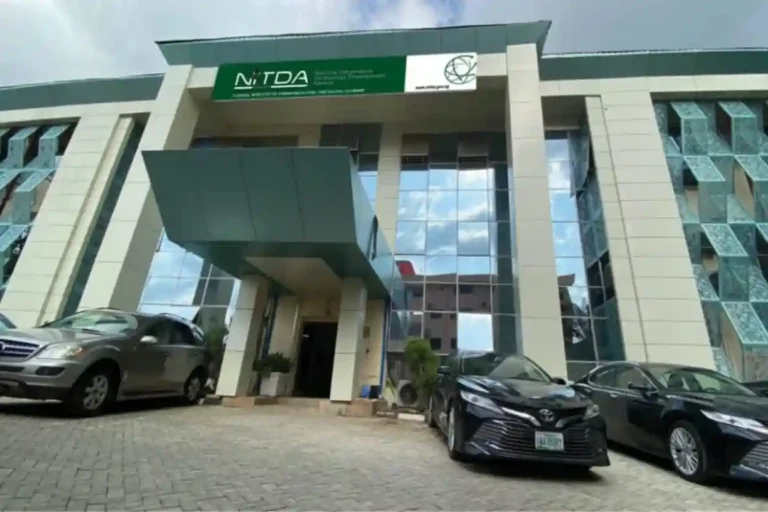
The Director General of the National Information Technology Development Agency (NITDA), Kashifu Inuwa Abdullahi, has reaffirmed the agency’s commitment to adopting Artificial Intelligence (AI) to boost Nigeria’s productivity, enhance public services, and create new economic opportunities. He emphasized that the country’s AI journey is built on three main pillars: strategy, inclusivity, and responsibility.

This was disclosed in a statement shared on the agency’s official X handle on Wednesday. According to the statement, Abdullahi spoke during the GITEX Global 2025 event, where he explained that Nigeria’s approach to Artificial Intelligence is guided by a clear national vision.

The statement reads, “With the National Artificial Intelligence Strategy (NAIS) as its blueprint, Nigeria is deploying AI to boost productivity, improve public services, and create economic opportunities, all while ensuring that no citizen is left behind.”

He noted that the agency’s focus includes expanding local data centres, building national compute infrastructure, and developing AI governance frameworks and ethics guidelines. “Innovation must be balanced with trust, transparency, and accountability,” he added.

Abdullahi further stated that Nigeria is investing in its youthful population through initiatives such as the National Centre for Artificial Intelligence and Robotics (NCAIR), the Digital Literacy for All Initiative, and the 3 Million Technical Talent (3MTT) programme. These programs are designed to equip youth, researchers, and startups to become creators of AI solutions rather than mere consumers.

“In Nigeria, AI is already transforming sectors like finance, agriculture, and healthcare, improving efficiency, transparency, and citizen experience. Looking into the future, Nigeria is open to global partnerships and collaborations, aiming to co-create solutions that are responsible, inclusive, and impactful to our citizens,” the statement concluded.

Akwa Ibom sends cbt portal link to civil service applicants’ emails

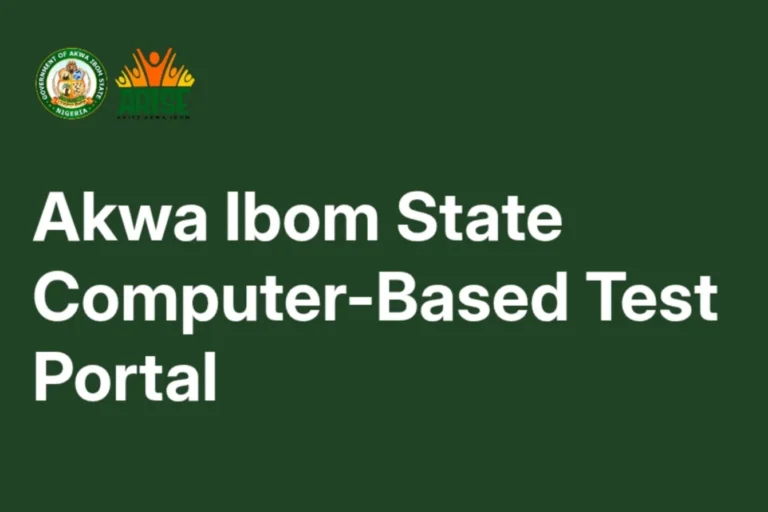
The Akwa Ibom State Government has announced that candidates who applied for the ongoing civil service recruitment can now access the Arise CBT portal to prepare for their upcoming examination. The portal is designed to help applicants get familiar with the Computer-Based Test (CBT) interface and understand how the system works before the main exam.

According to the notice, the Arise CBT portal will enable candidates to accept their examination invitations, practice with the CBT system, and receive schedules and notifications related to the exam. The government emphasized that this move is part of its effort to ensure transparency and smooth coordination in the recruitment process.

Earlier, Nigeriastartupact.ng reported that Governor Umo Eno had on Friday, October 10, unveiled a 2,000-seater CBT centre at the Idongesit Nkanga Secretariat. The new facility will be used for the upcoming civil service examination.

Applicants can access the Arise CBT portal by visiting cbt.akwaibomstate.gov.ng or checking the email address used during their job application. The official email from the Arise CBT portal contains the login details and a direct portal link.

The email sent to applicants reads: “Your profile has been enrolled on the Akwa Ibom State CBT Portal. This portal works alongside the Employment Portal to help you manage all examination-related activities with ease.”

The email contains each candidate’s username and password, which must be used to log in and accept the examination invitation. Under the Examination Invitation section, candidates will find a table showing their examination number and status labeled as “Pending Acceptance.” They are required to click on the status and either accept or reject the invitation.

Candidates must also complete a liveness verification check by allowing the system to capture their face before proceeding to the practice test. This step ensures identity verification and helps prevent impersonation.

The government advised all candidates to avoid refreshing or closing the exam window during the test and to maintain a stable internet connection. A live camera will monitor each candidate to confirm authenticity.

After the examination, CBT results will appear instantly on the dashboard of the employment portal and also be sent to the candidate’s email. Applicants who score 40 percent or above will be shortlisted for the next stage, which is the interview phase.