Home Blog Page 42

NADF Assesses Financing Models to Support Young Agripreneurs

0

The National Agricultural Development Fund (NADF) has commenced the assessments of practical financing models that can lower entry barriers for young agripreneurs.

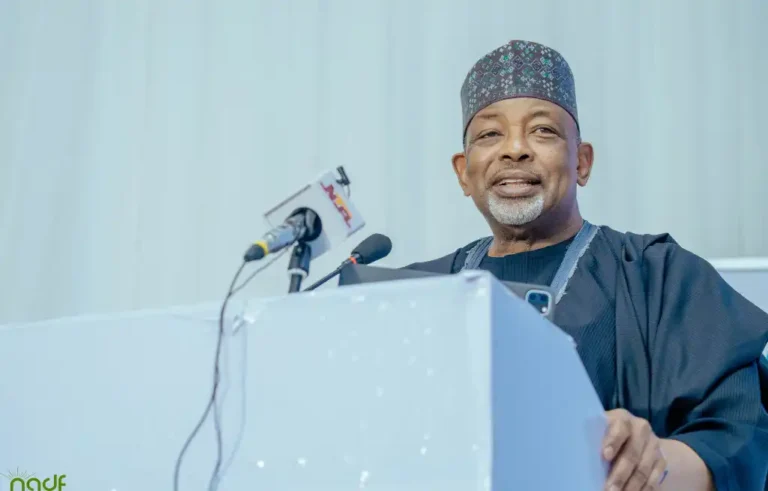
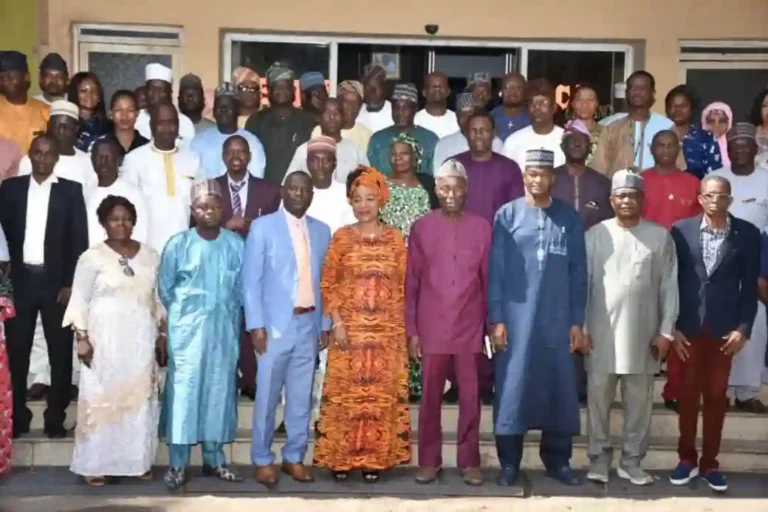
This move was highlighted as NADF featured at the National Youth Agribusiness Strategy Domestication Dialogue held in Abuja and organised by the Federal Ministry of Agriculture and Food Security in collaboration with the Alliance for a Green Revolution in Africa (AGRA).

Discussions at the forum focused on finance, climate resilience, and the role of young people and women in Nigeria’s agrifood economy. Delivering the keynote address, the Minister of Agriculture and Food, Senator Abba Kyari, described young Nigerians as active drivers of change. He said agriculture’s future depends on their access to finance, skills and technology. According to him, there is ongoing collaboration with NADF and other financial institutions to expand credit, manage risk and support youth-led enterprises.

The Executive Secretary of NADF, Mohammed Ibrahim, attended the dialogue, while the Fund was represented on a panel discussion on blended finance by Mr Ernest Ihedigbo, General Manager, Technical Services. The panel examined practical financing models that can lower entry barriers for young agripreneurs, especially those without traditional collateral.

Speakers at the event agreed that agriculture remains central to achieving sustainable prosperity, noting that structured finance is a key link between policy goals and viable agribusiness opportunities.

Advertisement

NASENI Sets 2026 as Result-Based Year, Prioritises Quality Projects

0

The Executive Vice Chairman/Chief Executive of the National Agency for Science and Engineering Infrastructure (NASENI), Mr. Khalil Suleiman Halilu, has declared that 2026 will be a result-based year for the Agency, with a strong focus on executing compact, clear and deliverable quality projects that will transform the lives of Nigerians and improve economic growth.

Halilu made the statement at the maiden edition of the NASENI Performance Management System (PMS) retreat held on Monday, February 16, 2026, in Abuja. The retreat, themed “Institutionalizing Performance Excellence: Driving Accountability, Results, and National Impact,” brought together principal officers, Research Directors, Heads of Departments and Units at the Headquarters, Managing Directors of NASENI Development Institutes, Overseeing Officers and Project Managers.

The retreat is aimed at designing how officers plan, measure, review and deliver results on their specific assigned roles.

Speaking at the event, Halilu said the Agency would operate on the principle of “WHO, NOT HOW.” He explained that staff should not overburden themselves with challenges while performing a task, but instead identify those who have the expertise to execute the job effectively.

“This kind of principle is what we are going to apply giving the opportunity to the people who knows how to do the work and do it well. In 2025, there were accelerated results, especially around our projects, we were able to unveil over 40 projects which are ongoing. This shows that we are continuously improving in our performance, but we have to expand our strategic performance in order to keep engaging our partners on our performance,” Halilu said.

He added that the Agency would prioritize quality over quantity in the coming year. “In 2026, we are going to do fewer things, but more quality and better delivery, but this is an election year and things will move very fast. I want to see people develop beyond their capacity, show collective responsibility, perfect organizational reputations and transparent communication,” he stated.

Halilu also urged participants to be grateful for one another, embrace teamwork, deliver on promises, maintain staff morale and strengthen team spirit.

In her welcome remarks, the Secretary to the Agency, Dr. Mrs. Komolafe Olayinka Adunni, described the retreat as a strategic working session designed to strengthen accountability, clarify expectations and deepen collective ownership of results.

She said that as an agency entrusted with a critical national responsibility, “our outputs must not only be visible-they must be measurable, coordinated, and sustainable.”

“Over the next three days, we will critically examine our performance structures, review targets and reporting frameworks, assess institutional linkages, and address gaps that may be constraining efficiency in our organization,” she added.

How to Submit for The Nigeria Prize for Creative Arts 2026

The Nigeria Prize for Creative Arts has released clear guidelines on how to submit entries for the 2026 cycle through the official FilmFreeway platform. The announcement confirms that all submissions must be completed online and strictly through the verified process.

Applicants are required to visit www.filmfreeway.com to begin. New users must click on “Sign Up” and register using Google or an email address, after agreeing to the terms and privacy policy. Once registration is complete, entrants should log into their dashboard, go to “My Projects,” and select “Add a Project.”

The submission process is structured in four key steps. Step one requires Project Information, including the project type such as short film or music video, title, brief synopsis, and optional website or social media links. Step two covers Submitter Information, where applicants must provide their name, email, address, city, postal code, and country. Step three focuses on Credits, including directors, writers, producers, and other key contributors. Step four requires Specifications such as runtime, completion date, production budget, country of origin, language, and genre.

After completing these sections, entrants must click “Save Project.” To locate the prize, applicants should browse festivals and search for “The Nigeria Prize for Creative Arts.” Access is also available through the official URL shared on www.thenigeriaprizes.org and verified social media pages.

On the official FilmFreeway page, entrants are required to upload their video file or paste an active link from Vimeo, YouTube, or another hosting platform. The link must be accessible to judges, with a password provided if necessary. Additional documents including NIN, passport data page, and a signed consent form must also be uploaded. Applicants are advised to include details of screenings, awards, or distribution where applicable.

Submissions are only accepted through the official FilmFreeway platform. Participants are warned to avoid third-party or unofficial links, and the Nigeria Prize for Creative Arts will not require any money to send in your entry.

Further details are available on www.thenigeriaprizes.org under The Nigeria Prizes.

Invictus Africa closes data enumerator portal as 39,104 apply

0

Invictus Africa has announced that applications for the position of data enumerators are officially closed.

In an update to applicants, the organisation asked, “Did you apply for our call for data enumerators? Kindly read this update.” It thanked everyone who submitted applications and shared details of the response received nationwide.

According to Invictus Africa, “We received 39,104 applications from across the 36 states and the FCT for 111 data enumerator positions.” The organisation described the large turnout as strong evidence that many Nigerians are interested in contributing to data, accountability, and gender justice work.

While noting the limited number of available roles, the group stated, “While we are unable to engage everyone who applied, we are grateful for the interest, trust, and commitment shown.” It added that shortlisted candidates will be contacted soon.

Invictus Africa also assured applicants that “More data opportunities will open up this year,” encouraging the public to keep an eye on its social media pages for updates.

NUC, COL launch National Micro-Credential Framework Development Workshop

0

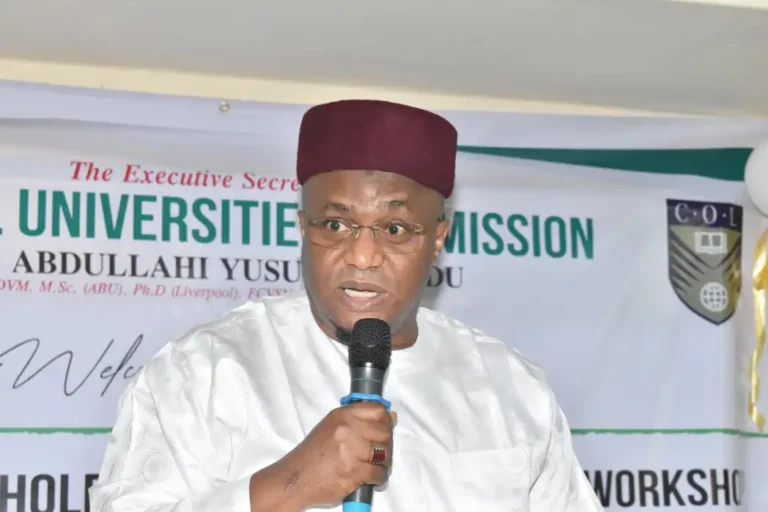
The National Universities Commission (NUC), in collaboration with the Commonwealth of Learning (COL), has convened key stakeholders to begin the development of a National Micro-Credential Framework aimed at strengthening skills development and lifelong learning in Nigeria.

The initiative was launched during a 2-Day Stakeholders’ Capacity Building Workshop held from 16 to 17 February 2026 at the NUC Secretariat. The framework is designed to prepare Nigerians for the demands of a rapidly changing job market by introducing flexible and skills-focused learning options.

Speaking at the event, the Executive Secretary of NUC, Prof. Abdullahi Ribadu, FCVSN, said conventional degree programmes alone are no longer enough to ensure continuous learning and workforce readiness. He explained that micro-credentials and targeted learning programmes will complement existing degrees by offering flexible pathways that maintain quality standards and align with labour market needs.

In a recorded address, COL President and CEO, Prof. Peter Scott, affirmed the organisation’s support for Nigeria in building a trusted national framework for micro-credentials. According to him, the goal is to help the country respond effectively to emerging skills gaps.

The workshop is expected to produce a practical guide for programme design, assessment, certification, and credit transfer. Key local stakeholders, including government agencies, universities, industry representatives, and quality assurance bodies, participated in the discussions.

NDDC Flags Off CNG Autogas Conversion Training 2026

0

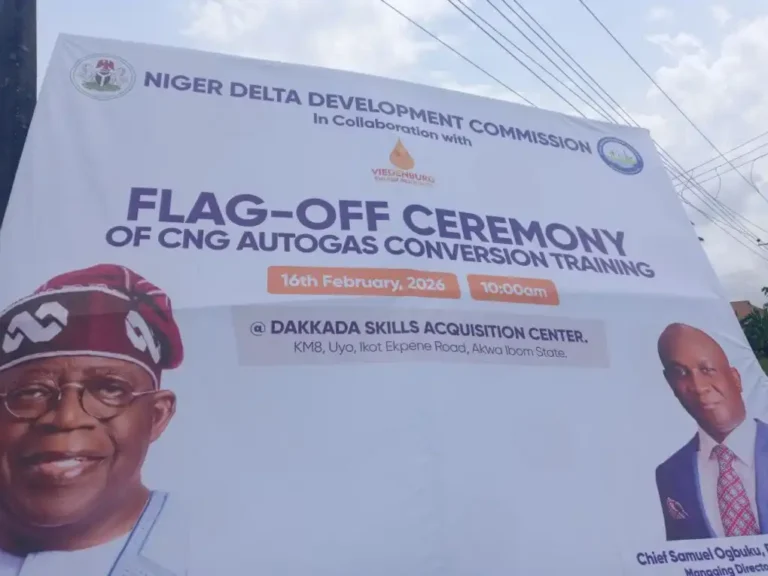
The Niger Delta Development Commission (NDDC), in collaboration with Viedenburg Energy Resources, has flagged off the CNG Autogas Conversion Training 2026 as part of efforts to promote clean energy adoption and build human capacity across the Niger Delta region.

The ceremony took place at the Dakkada Skills Acquisition Centre in Uyo, Akwa Ibom State, Nigeria, drawing participants from different states within the region. The initiative focuses on equipping young people with the technical skills required to convert petrol and diesel vehicles to Compressed Natural Gas (CNG), maintain conversion systems, and adapt to emerging energy technologies.

Speaking at the event, Nigeria Startup News reports the Deputy Speaker of the Akwa Ibom State House of Assembly and Chairman, House Committee on NDDC, Rt. Hon. KufreAbasi Edidem, commended the Commission’s commitment to clean energy and youth development. He conveyed the commendation of the Akwa Ibom State House of Assembly to the current NDDC Board led by Chief Samuel Ogbuku for what he described as holistic and forward-thinking development across the Niger Delta region.

“A few months ago, it was the tree-planting campaign for a safer environment; today, it is a bold step towards reducing carbon emissions through the transition from fossil fuel to cleaner CNG energy,” Edidem observed.

He advised the trainees to make the most of the opportunity, stressing that their future relevance in the labour market would depend on the knowledge and practical skills they acquire during and after the programme.

In his remarks, NDDC Executive Director, Projects, Sir Victor Antai, described the training as more than a conventional exercise. According to him, the programme serves as a catalyst for empowerment and transformation across the Niger Delta, which he referred to as Nigeria’s energy backbone.

Antai highlighted the growing demand for skilled professionals who can handle CNG vehicle conversion and system maintenance. He explained that the training is critical to preparing citizens for the ongoing technological shift in the energy sector.

Earlier, the Head of Training for Viedenburg Energy Resources, Alhaji Saidu, described the participants as fortunate pioneer beneficiaries of what he called a life-changing initiative by the NDDC. He noted that CNG represents an emerging technology currently powering machines across multiple sectors of the Nigerian economy.

Also speaking, Apst. Abasiandikan Nkono, Akwa Ibom State Representative on the NDDC Board, said the programme aligns with the state government’s broader vision for youth empowerment and sustainable development.

“NDDC is unlocking doors for our youth! The CNG training aligns seamlessly with the state government’s vision. The opportunity is endless, and we’re grateful to NDDC for empowering our youth to replicate and share their skills,” Nkono stated.

Barrister Ismaeel Ahmed, Executive Chairman of PICNG, who was represented by Olayinka Rufai, described the transition to CNG as necessary for the country’s future.

“The transition to CNG is a national imperative for energy security, economic resilience, and sustainability.

This training program addresses key challenges, building conversion capacity, ensuring safety standards, creating jobs, and boosting CNG adoption.

Trainees are pioneers of Nigeria’s energy transformation, competence and integrity will drive success in the Niger Delta Region,” he said.

The NDDC reaffirmed its commitment to youth development, urging participants to remain dedicated to the training, which it described as a source of hope and opportunity.

Other dignitaries present at the ceremony included Apst. Abasiandikan Nkono, Akwa Ibom State Representative in the NDDC; Apst. Samuel Ekah, Senior Special Assistant to the Governor on NDDC Matters; Lyna Okara, Director, Commercial and Industrial Development, NDDC; Mr. Olayinka, representative of the Presidential Initiative on Compressed Natural Gas; and Prof. Enoidem Usoro, Rector of the Dakkada Skills Acquisition Centre, among others.

NYSC DG Opens 2026 Farm and Ventures Managers Workshop

0

The Director-General (DG) of the National Youth Service Corps (NYSC), Brigadier General Olakunle Nafiu, has opened the 2026 Farm/Ventures Managers’ Workshop and urged managers of the Scheme’s ventures to embrace new ideas that will align their operations with global best practices.

He made the call while declaring open the 2026 Farm/Ventures Managers’ Workshop, themed “Promoting Viable Partnerships For Profitable NYSC Ventures,” in Abuja.

Nafiu, who was represented by the Director, Corps Mobilisation, Mrs. Rachel Idaewor, said the NYSC ventures were established as initiatives to empower Corps Members, staff and host communities. He charged the managers to chart new paths that would make the ventures more profitable and sustainable.

“The NYSC is building businesses that will drive economic growth and empowerment of our Corps Members.

“Therefore, the importance of commitment by all members of staff in charge of the Scheme’s ventures cannot be over-emphasized,” he said.

The DG stressed the need for managers to continue to shun acts of sabotage and mismanagement. He explained that the workshop was designed to enhance their capacity and promote viable partnerships that would increase the profit margin of the ventures.

He also commended farm and ventures managers who performed creditably and encouraged them to sustain their efforts in order to achieve greater success.

In his welcome address, the Acting Director, Ventures Management Department, Mr. Abe Dankaro, said the department had recorded significant milestones through increased productivity, expanded market reach and impactful partnerships.

He listed some of the achievements to include the installation of a solar borehole, the establishment of a modern fish farm at the NYSC Farm in Kwali, FCT, and the commencement of beef fattening at the premises of the NYSC Nasarawa State Orientation Camp in Keffi.

Dankaro added that the Management of Ventures Department was partnering with reputable organisations to enhance Corps Members’ training and boost both farm and factory operations.

World Bank Commends Nigeria’s IDEAS TVET Project

0

The World Bank has commended Nigeria’s transformative skills development efforts in Technical and Vocational Education and Training (TVET), as The Honourable Minister of Education, Dr. Maruf Tunji Alausa, CON, reaffirmed the Federal Government’s commitment to tackling youth unemployment through strategic investment.

The commendation followed a high-level inspection visit by the World Bank Education Practice Manager for West and Central Africa, Scherezad Latif, to Wavecrest College of Hospitality, an accredited institution under the Innovation Development and Effectiveness in the Acquisition of Skills (IDEAS) Project.

Dr. Alausa stated that the IDEAS Project aligns with the Renewed Hope Agenda of Bola Ahmed Tinubu, with a focus on human capital development, youth empowerment, and inclusive growth. He noted that over 3,000 IDEAS TVET centres are now operational across the country, offering competency-based training designed to meet labour market demands.

According to him, beneficiaries are selected through transparent processes, undergo six-month industry-focused training, and receive starter packs to support their transition into work. He added that collaboration with the Bank of Industry is ongoing to provide graduates access to soft loans.

The Federal Ministry of Education reaffirmed its resolve to sustain investments in skills development to drive employment, entrepreneurship, and long-term national prosperity.

Enugu TechFest launches #YourETF2025Story video challenge (N500k prize)

0

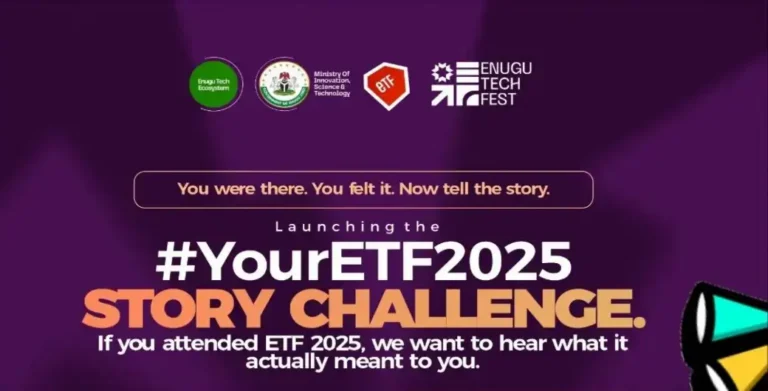
Enugu TechFest has announced that the #YourETF2025Story Video Challenge is officially live. The initiative invites participants of ETF 2025 to share their experiences and highlight the impact the event had on them. If ETF 2025 meant something special to you, this is an opportunity to tell your story and inspire others to be part of it.

To participate, create a 60 to 90 second video introducing yourself and explaining why you attended ETF 2025, what you gained from the experience, and why others should not miss the event this year. After recording your video, post it on Instagram or X using the hashtag #YourETF2025Story and tag the official Enugu TechFest account so your entry can be seen.

There is a total of N500,000 in cash prizes available for winners. Participants are encouraged to submit their entries before the deadline on 22nd February 2026. Winners will be announced on the festival’s social media platforms on 23rd February 2026. Interested participants should ensure their videos follow the guidelines and are posted before the closing date.

FG begins distribution of 2,000 tractors under Renewed Hope programme

0

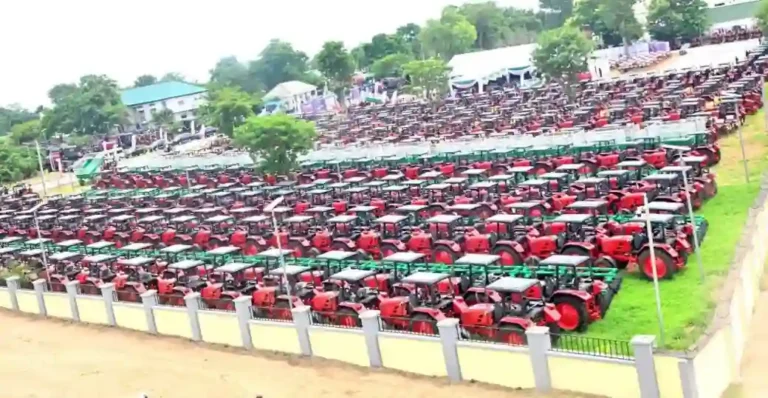
The Federal Government on Monday flagged-off the distribution of 2,000 tractors to beneficiaries in the first phase of the Nigeria Agriculture Mechanisation Programme, marking a major step in its push to improve food production and modernise farming across the country.

The Minister of Agriculture and Food Security, Senator Abubakar Kyari, performed the flag-off in Sheda, Abuja. He described the event as “the largest single agriculture mechanisation programme ever undertaken on the African continent.”

The rollout follows the launch in July 2025 when President Bola Tinubu introduced 2,000 units of high-quality tractors fully equipped with trailers, plows, harrows, sprayers, and planters. The President also launched 10 state-of-the-art combined harvesters, 12 fully equipped mobile workshops, and 50 bulldozers for agricultural land development.

Other equipment commissioned under the Renewed Hope Mechanisation programme included over 9,000 complimentary implements and sets of spare parts.

At the launch in Abuja, Tinubu said the programme was designed to cultivate over 550,000 hectares of farmland, generate more than two million metric tons of staple food, create over 16,000 jobs, and directly benefit more than 550,000 farming households across all six geo-political zones in Nigeria.

He reiterated his administration’s commitment to achieving food security through the deployment of agricultural mechanisation nationwide.

Seven months after the initial launch, the government began distributing the tractors to beneficiaries drawn from the six geo-political zones.

Kyari said the tractor rollout marked the ignition of the National Agricultural Productivity Revolution and signaled the end of the long era of low tractor density in Nigeria.

According to him, “Through the Renewed Hope National Agricultural Mechanisation Programme, we are deploying 2,000 heavy capacity tractors and over 9,000 precision implements under engineered national framework.

“This first tranche of 600 tractors marked the beginning of a phased acceleration.

“This will be followed by 750 tractors and 650 tractors, culminating in the nationwide force of 2,000 mechanisation assets.”

The Minister revealed that over 100,000 applications were received for the first phase alone, showing what he described as confidence in the leadership of the Tinubu administration.

On the distribution model, Kyari explained that the tractors were not given for private ownership but to service providers to ensure proper use.

He said, “In line with Mr. President’s vision that scale must drive impact, these tractors are not distributed for private ownership.

“They are entrusted to mechanisation service providers where each tractor with the capacity to service approximately 600 hectares per year, becomes not just a machine but a multiplier of productivity.

“Many of these MMSPs are used on women-led enterprises, operating under a lease-owned model. This is not just about 2,000 beneficiaries.

“It is about 1.2 million farmers across over 1.5 million hectares annually. It is about national food sovereignty. Beyond procurement and sustainability lies the structure.”

Speaking on management and financing, Kyari said the Bank of Agriculture in collaboration of Hiefer International would oversee structured financing models.

He explained that the arrangement would include leasing higher approaches, service aggregation, and performance-based access systems designed to guarantee equitable access, financial discipline, asset sustainability, and measurable development impact.

He assured that the tractors would not sit idle but would work actively to increase productivity nationwide.

On maintenance, the Minister stated, “Let me also inform you that each tractor deployed today comes with two years of free service support.

“We are institutionalising maintenance culture, generating fast replacement, asset longevity, and discipline performance management, because mechanisation without maintenance is expenditure. Mechanisation with maintenance is investment.

“Furthermore, we are deploying 36 mobile service shops for rapid first-line technical response.

“We are constructing seven mega mechanisation service centres strategically across the nation, and we are catalysing the establishment of one mega tractor assembly plant capable of producing between 2,000 and 4,000 tractors annually. We are not import dependent.”

In his remarks, the Minister of State for Agriculture and Food Security, Senator Sabi Aliyu Abdullahi, assured that all eligible beneficiaries would receive tractors and that no one would be marginalised.

Abdullahi also noted that measures had been put in place to ensure sustainability of the agriculture mechanisation programme, particularly in the area of maintenance and long-term use of the tractors across the country.