Home Blog Page 442

Jigawa approves ₦835m consultancy for TVET programme

0

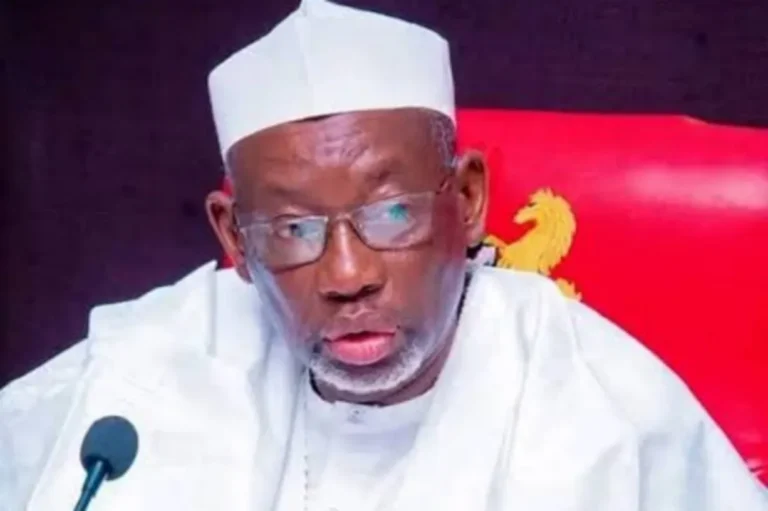
Jigawa State Executive Council has approved the engagement of consultancy and management services for the implementation of the Technical and Vocational Education and Training (TVET) programme across selected institutions in the state. The decision was reached during the council meeting held on Monday, September 22, 2025, and chaired by His Excellency, the Executive Governor of Jigawa State, Malam Umar A. Namadi FCA.

According to the resolution, the programme is expected to be implemented at a total cost of ₦835,008,875.00. The coverage includes the Centers of Excellence such as Dutse Model, Santami, SSS Kafin Hausa, and Bamaina Academy. It also extends to Government Science and Technical Colleges and various Skills Acquisition Centres located in Hadejia, Kazaure, Ringim, Gumel, Babura, Birnin Kudu, and Dutse.

Furthermore, the initiative will cover tertiary institutions including Bilyaminu Usman Polytechnic Hadejia, Polytechnic for Information and Communication Technology Kazaure, State Polytechnic Dutse, and JICORAs Babura.

Governor Namadi emphasized that this step is part of a broader strategic drive to reposition education in the state and equip young people with relevant 21st-century skills. “This initiative reflects our administration’s commitment to revitalizing the education sector through practical, skill-based learning that meets both local industry needs and global standards,” he said.

Jigawa State is the first in Northern Nigeria to establish such a large-scale Centre of Excellence at Santami Special Secondary School in Garki, and is also working to establish a major centre at JICORAS in Babura, alongside other higher institutions of science and technology. In the current year’s budget, the Jigawa State Government has allocated significant resources for this TVET programme.

The consultancy and management services are expected to provide quality assurance, efficient project delivery, and alignment with international best practices in technical and vocational education, strengthening opportunities for youth empowerment and sustainable economic growth in Jigawa State.
Advertisement

Jigawa approves ₦396m for FG fertiliser allocation to farmers

0

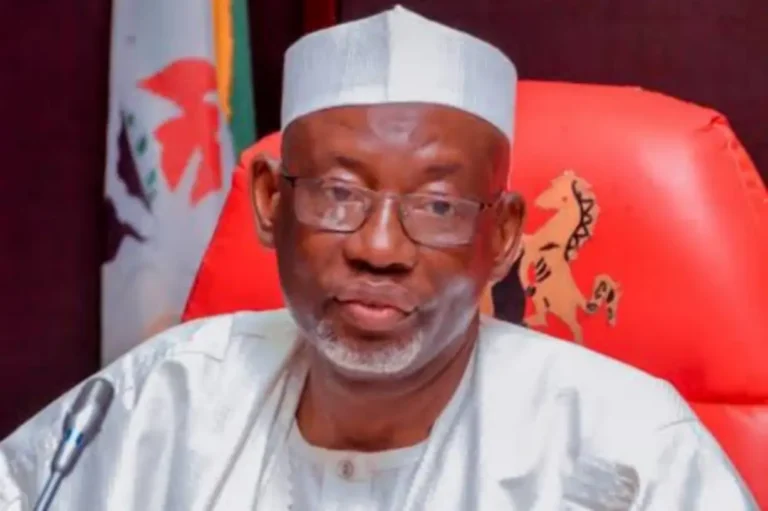
Jigawa State Executive Council has approved the release of three hundred and ninety six million naira for the payment of fertiliser allocated by the Federal Government to support small holder farmers. The approval was granted during the State Executive Council meeting held on Monday, 22nd September 2025, chaired by the Executive Governor of Jigawa State, Malam Umar A. Namadi FCA.

According to the resolution, the Federal Government allocated 20 trucks of NPK fertiliser, amounting to 12,000 bags, to Jigawa State at a subsidised rate of thirty-three thousand naira per bag. The intervention is aimed at cushioning the impact of the rising cost of fertiliser and strengthening food production nationwide.

The council explained that this intervention is designed to complement the ongoing 2025/2026 Dry Season Agricultural Programme of the Jigawa State Government. The programme focuses on expanding agricultural productivity, improving access to fertiliser, and supporting farmers with the right farm inputs.

Governor Umar Namadi reaffirmed his administration’s priority on agriculture, saying, “Our government remains fully committed to agricultural transformation. This decision shows our resolve to support small holder farmers, ensure fertiliser accessibility, and boost food security across Jigawa State.”

The approval is expected to provide immediate relief to farmers in the state and encourage higher yields, particularly as the farming season approaches. The initiative aligns with both state and federal policies aimed at reducing food inflation and encouraging sustainable agriculture.

Jigawa State approves ₦1.54bn bursary for 22,388 students

0

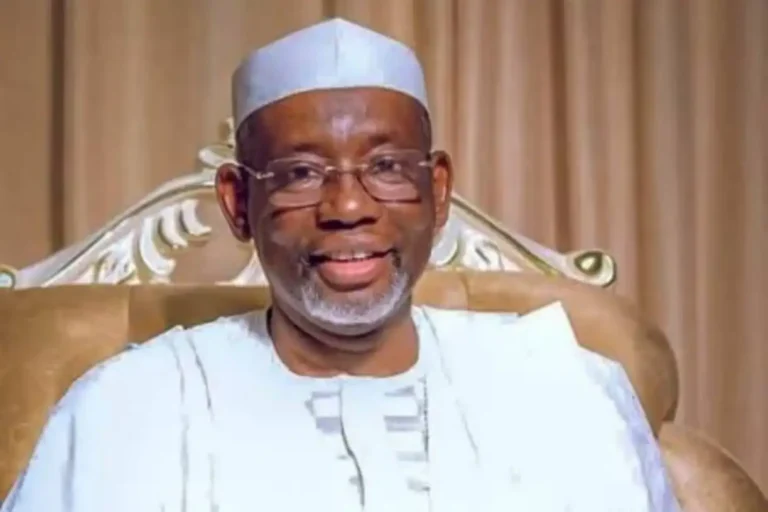
Jigawa State Executive Council, under the leadership of His Excellency, the Executive Governor Malam Umar A. Namadi FCA, met on Monday, 22nd September 2025, and approved major resolutions aimed at strengthening education and human capital development in the state.

In a statement after the meeting, the Council confirmed the approval of bursary allowances totaling ₦1,547,614,974.00 for eligible Jigawa State indigenes studying in different tertiary institutions. According to the resolution, a total of 22,388 students across 83 tertiary institutions within and outside Jigawa State will benefit from the bursary scheme for the 2024/2025 academic session.

“This initiative is part of His Excellency’s agenda to promote access to quality education, reduce financial stress on parents, and empower Jigawa youth for academic and professional excellence,” the Council noted. Out of the approved beneficiaries, 13,622 are male students while 8,766 are female, reflecting the inclusive policy of the present administration.

In addition, the Council approved ₦869,638,271.18 for renovation works in 7 Model Tsangaya Schools. The fund will also cover the construction of 30 Recitation Halls and 30 Reading Shades across traditional Tsangaya schools in the state.

“This effort will ensure one project per constituency, supporting both modern and traditional learning systems,” the Council emphasized. The resolutions highlight the government’s priority in fostering education as a key driver of growth and opportunity in Jigawa State.

LSETF opens application for employability bootcamp and Internship

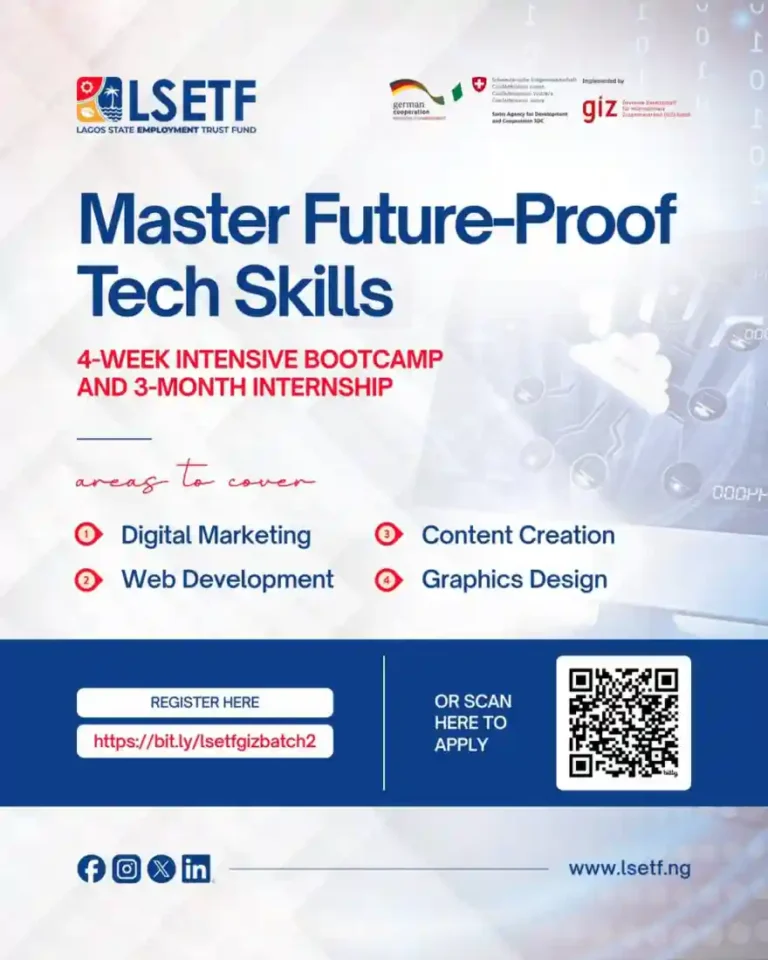
Lagos State Employment Trust Fund (LSETF) has announced the opening of applications for its Employability Support Training, a program designed to help young people master future-proof tech skills. The initiative offers a 4-week intensive bootcamp followed by a 3-month internship to equip participants with practical knowledge.

According to LSETF, “This free training gives participants the opportunity to gain hands-on experience and a pathway to opportunities in sectors like ICT, Trade, and Recycling.” The program, supported by GIZ, is focused on building a sustainable future through skill development.

Areas covered in the training include digital marketing, web development, content creation, graphics design, telemarketing, customer relations, sales and marketing, as well as inventory management and spreadsheet skills.

Applicants can select a sector of interest and begin a journey that combines classroom learning with real work exposure. Interested candidates are encouraged to apply through bit.ly/lsetfgizbatch2.

Sokoto AGILE flags off conditional cash transfer for 41,825 beneficiaries

0

Sokoto Adolescent Girls Initiative for Learning and Empowerment (AGILE) has announced the official Flag-Off Ceremony of the Conditional Cash Transfer (CCT) Programme. The event is scheduled to hold on Thursday, 25th September 2025, at the Government House, Sokoto, by 10:00 AM. Guests are expected to be seated by 9:30 AM.

According to the announcement, the ceremony will be presided over by Her Excellency, the Wife of the Executive Governor of Sokoto State. The programme marks the formal commencement of direct cash transfers to 41,825 beneficiaries across all 23 Local Government Areas of the state.

Speaking on the significance of the programme, the AGILE Team noted that “the Conditional Cash Transfer is a key component of the initiative, designed to support vulnerable households and promote girls’ education through targeted financial assistance aimed at reducing barriers to school attendance and completion.”

The ceremony is expected to draw wide participation from government officials and stakeholders in the education sector. Specially invited guests include all Honourable Commissioners, Permanent Secretaries, Director-Generals, as well as Principals of the 448 public secondary schools across Sokoto State. Parents, guardians, and members of the general public are also invited.

The organisers emphasized that “your presence will reflect our shared commitment to inclusive development and the empowerment of girls through education.”

Edo State, NDE partner to create jobs, empower women with ₦1m

0

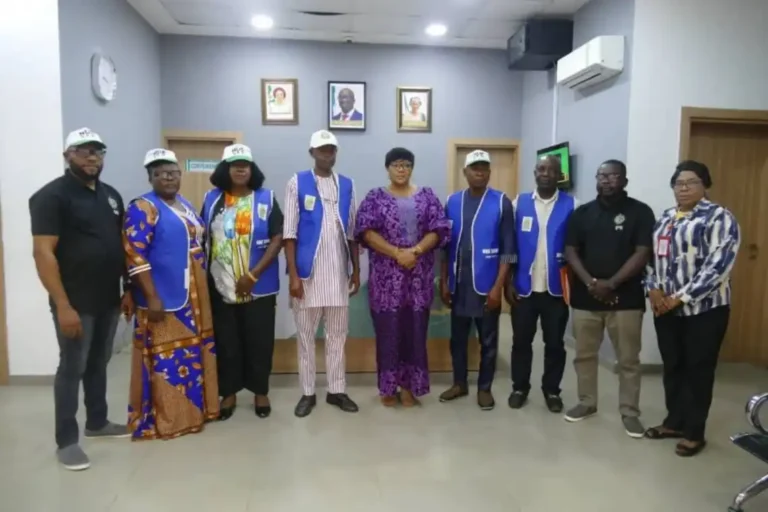
Edo State Government, through the Office of the First Lady, has opened talks with the National Directorate of Employment (NDE) to strengthen job creation and promote skill acquisition as part of the administration of Senator Monday Okpebholo’s plans to produce more entrepreneurs in the state.

The move was initiated by the Coordinator of the Office of the First Lady, Mrs. Edesili Okpebholo Anani, during a meeting with NDE delegates at the Government House in Benin City.

Mrs. Anani emphasized the importance of small businesses as the backbone of the economy, noting their role in innovation, growth, and sustainable development. She said, “Entrepreneurship is the foundation of every society. The truth is that no society can be successful without entrepreneurs. Small-scale businesses drive the economy because they start from the bottom, the grassroots level, where money circulates more freely. With more local residents involved in these businesses, we’ll have a robust Internally Generated Revenue (IGR) contributing to Federal and State revenues.”

She commended NDE for its initiatives aimed at engaging young people in productive ventures and steering them away from harmful practices. She highlighted the Development Graduate Attachment Programme as a valuable tool in bridging the gap between formal education and employment, giving graduates opportunities for practical job experience.

The Coordinator urged the Directorate to step up its publicity efforts, particularly through radio, to ensure more residents are aware of available opportunities. She also underscored the importance of women empowerment, stressing their influence on families and the wider economy. According to her, empowering women has a multiplier effect, benefiting men, children, and society at large.

Citing the “From Farm to Table” agricultural empowerment programme as an example, she explained that it was designed to encourage women to embrace small-scale farming, even in their backyards, to boost food security and healthy eating. She added that the programme has been equipping women with farming tools and seeds while organizing competitions that reward innovation in home farming. She reminded participants that the woman with the best home farm will win a prize of ₦1 million.

On his part, the State Coordinator of NDE, Mr. James Ikanoba, shared the achievements of the Directorate in tackling unemployment through skills acquisition and training programmes that cater to different groups. He said, “We’ve tackled various areas, catering for diverse groups, including those with or without formal education, students in primary, secondary, and higher institutions, and retirees. We’ve designed numerous programmes to meet the Council’s needs. We’ve conducted extensive trainings over the years.”

Mr. Ikanoba listed several initiatives targeted at boosting capacity in agriculture, vocational skills, small-scale industries, and infrastructure development. According to him, these programmes are tailored to meet the needs of women, youth, and retirees, with an emphasis on practical training, entrepreneurship, and business support.

Also speaking, the Senior Information Officer of the NDE, Mr. Oluchi Okuone, said that job creation must be seen beyond white-collar employment. He explained that artisans, small-scale industries, and informal sector workers play a critical role in economic growth. He stated that the government is drawing inspiration from countries like Singapore and China, which have invested heavily in vocational and enterprise development.

According to Mr. Okuone, the Directorate is committed to expanding initiatives such as Vocational Skills Development and Small-Scale Enterprise programmes, which are designed to strengthen entrepreneurship and provide opportunities for sustainable livelihoods.

NACETEM trains Bayelsa students on technology and innovation

0

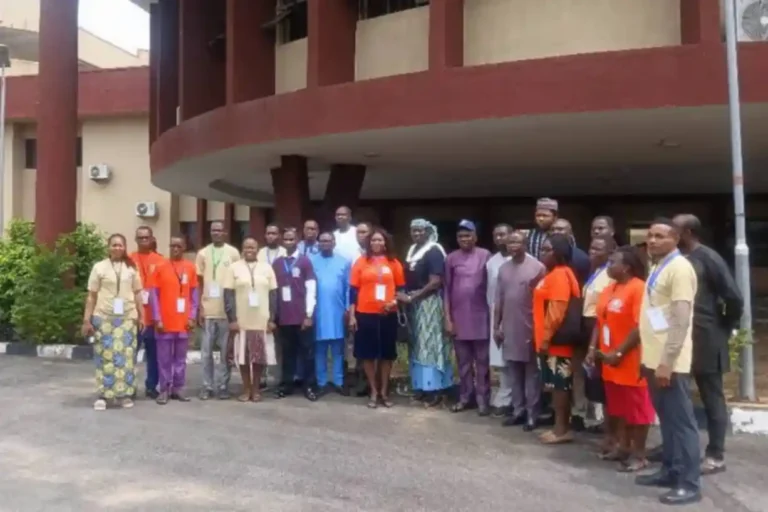
The National Centre for Technology Management (NACETEM) has organized a statewide sensitization training for secondary schools in Bayelsa State with the theme “Shaping Tomorrow’s Innovators: NACETEM’s Educational Outreach Programme for Secondary Schools.”

The event, which took place on Friday at the Ambassador Godknows Boladei Igali Conference Hall, Federal Secretariat, Oxbow Lake, Yenagoa, brought together students, educators, and stakeholders to engage with new ideas on technology, innovation, and digital skills development.

Delivering the keynote lecture, Dr. Abdulmalik Usman Bello urged students to embrace innovation with curiosity and critical thinking. He explained that asking relevant questions and seeking practical solutions to challenges are the first steps to creating impactful ideas. “Innovation begins with a problem properly understood and a willingness to provide practical answers,” he stated.

In a complementary session, Dr. Abdulhakeem Bello gave a detailed lecture on the intersections of technology and engineering. He equipped participants with insights into real-world applications of emerging tools and guided students through interactive demonstrations. The practical exercises, including the use of technological tools such as the picker, helped deepen the students’ understanding of innovation and problem-solving.

The Bayelsa State Commissioner for Education, Dr. Gentle E. Emelah, was represented by Dr. Alatimiboere Alem Enaregha, Director of Science, Technology, Higher Education, and E-Learning at the Ministry of Education. In her remarks, she commended NACETEM for organizing what she described as a forward-looking initiative.

According to her, the training is in line with the Ministry’s vision to reposition education through science, technology, and innovation. She noted, “The future belongs to those who can apply knowledge creatively. Initiatives like this could ignite the spark of innovation in young people.”

A panel discussion featuring Mr. Stephen Osho, South-South Zonal Coordinator of NACETEM, and Dr. Enaregha explored the latest technological trends and how students can use them for academic and entrepreneurial growth. The panelists encouraged participants to take ownership of their learning and to see technology as a vital tool for problem-solving and societal advancement.

Other notable attendees at the event included Hon. Marshal Abraham Esq., Chairman of the National Association of Proprietors of Private Schools in Bayelsa, Mr. Collins Kanu, Director of HRM, NACETEM, Engr. Godgift Ebe, Director of Planning, NACETEM, Engr. Seigha Guinus, HOD Training, NACETEM, and Mr. Sam Opeyemi of Next Level Modern Engineering Innovation.

Secondary schools that participated included Baptist Comprehensive School, BDGS, AKIA Agbara Kenny Anointed International, Spring International, Saith Ajayi International, St. Judas Girls Secondary School, AMIST Ayama, Motosori International Tombia, Ayakpo School, GSS Toru-Ebeni, and CCSS Biogbolo.

At the close of the programme, several students expressed excitement about the hands-on learning, noting that the training expanded their vision of technology’s role in education, entrepreneurship, and nation-building. NACETEM reaffirmed its commitment to fostering a culture of innovation and technological literacy among young people in Bayelsa State, preparing them to thrive in a fast-evolving digital economy.

FG trains 1,500 youth on renewable energy under REA programme

0

Federal government has launched a nationwide training programme for 1,500 young Nigerians on renewable energy technologies to prepare the country for a cleaner and more sustainable future. The initiative, implemented by the Rural Electrification Agency (REA) under its Energising Education Programme, commenced in Maiduguri with 100 students of the University of Maiduguri forming the first batch of beneficiaries.

The programme is tied to President Bola Tinubu’s Renewed Hope Agenda, which prioritises the electrification of unserved and underserved communities to stimulate economic growth and improve living standards.

Speaking at the opening ceremony, the managing director of REA, Abba Abubakar Aliyu, said the training was conceived to build a pool of skilled manpower capable of driving Nigeria’s ambition to become Africa’s renewable energy hub.

“This requires more than infrastructure deployment. It demands a new generation of young people who are technically trained in the operation, maintenance and financing of renewable energy projects,” he said.

Aliyu disclosed that the training was being conducted using renewable energy facilities already deployed by the agency across the country, giving participants practical, hands-on exposure. He also announced that the maiden National Renewable Energy Forum will be held in Abuja in September, and all states are invited to attend.

According to him, Borno State was deliberately chosen as a launch point because of earlier investments in solar panel assembly plants, which align with the government’s plan to promote local manufacturing of renewable energy components.

“For Nigeria to truly become the renewable hub of Africa, we must encourage local manufacturing of renewable energy components. This is a key priority of Mr President, and one of the areas we are working closely with is the private sector to deliver,” he added.

Also speaking, the Head of the Nigeria Electrification Programme (NEP), Oluyemi Akinyulere, said the initiative builds on earlier efforts during the construction of the Maiduguri solar power plant, where 20 STEM students were engaged in the process from soil testing to plant commissioning.

He explained that the training would not be limited to Maiduguri, as similar programmes were planned across other campuses covered by the Energising Education Programme. He noted that each participating university will train about 100 students at world-class centres equipped as part of the projects.

Akinyulere added that 15 universities are expected to benefit from the current phase, while more institutions would be brought on board in subsequent phases.

FG empowers Edo maize farmers with inputs, training

0

The Federal Government has empowered no fewer than 25 maize farmers in Edo State with farming inputs, herbicides, and sprayers as part of efforts to strengthen food security across Nigeria. The initiative, carried out by the Federal Ministry of Agriculture and Food Security, also included training sessions to build the farmers’ capacity in modern agricultural technologies.

The beneficiaries, drawn from the 18 local government areas of Edo State, were trained on modern methodologies of maize cultivation, improved maize varieties, herbicide application, storage, and marketing strategies. According to officials, the training is designed to enhance food production and ensure that Nigerian farmers embrace agriculture as a sustainable business.

Speaking at the ceremony, Mrs. Imade Patricia, the Edo State Coordinator of the Federal Ministry of Agriculture and Food Security, explained that the empowerment aligns with the President Bola Ahmed Tinubu-led government’s commitment to boost food production, particularly maize farming.

She said, “Today we have trained and empowered 25 maize farmers across Edo State. They are to help us train others, too. It is a train-the-trainers programme. We have trained them, and so they should go back and train other farmers so that we can have the multiplier effects.”

Patricia further explained that the inputs distributed were hybrid, certified, and fortified maize seeds that would significantly improve yields per hectare compared to previous farming seasons. She added that the government’s target was to ensure hundreds of thousands of farmers across the state benefit from similar training programmes.

The state coordinator also highlighted the importance of applying modern farming technologies correctly. “We have discovered that some of our farmers are not too good at applying these technologies even though they know. So we have come here to enlighten them on the use of these farming inputs and how to apply them, like chemicals, for example. The chemicals they need to apply, how to apply them, and how to dispose of these empty containers, among others. So, today, we have been able to put them through on how to apply all these to be able to protect themselves, the crops, and the end beneficiaries or users of the products,” she said.

She encouraged the farmers to see agriculture as a profitable business venture rather than limiting it to family subsistence. Patricia assured that all federal government agricultural programmes and empowerment opportunities would continue to be made available to farmers across the state.

In his remarks, the State Chairman of the All Farmers Association of Nigeria (AFAN), Alhaji Bako Dogwo, praised the federal government and the ministry’s state coordinator for prioritizing the interests of farmers. Dogwo, however, appealed to both the federal and Edo State governments to work directly with the association, which he noted has accurate data of genuine farmers, instead of “political and portfolio farmers.”

Earlier during the programme, Mr. Charles Ezendu, Principal Agric Officer of the Federal Ministry of Agriculture and Food Security, Abuja, delivered a session on the technical aspects of maize farming. He spoke on maize varieties and their characteristics, site selection, environmental requirements, and modern spraying methods. He also educated participants on processing, marketing, and the multiple uses of maize.

The training, themed “Maize: The Golden Grain,” focused on best practices that could help farmers achieve higher yields while safeguarding consumer safety. Ezendu stressed the need for farmers to adopt improved practices to remain competitive in the agricultural market and contribute to Nigeria’s food security goals.

The event was organized in collaboration with Messrs Unis Multi Link Services Limited under the theme “Training and Empowerment on Maize Farming and Value Addition Best Practices in Edo State.” The programme combined practical demonstrations and expert lectures to ensure that participants could replicate the training in their communities.

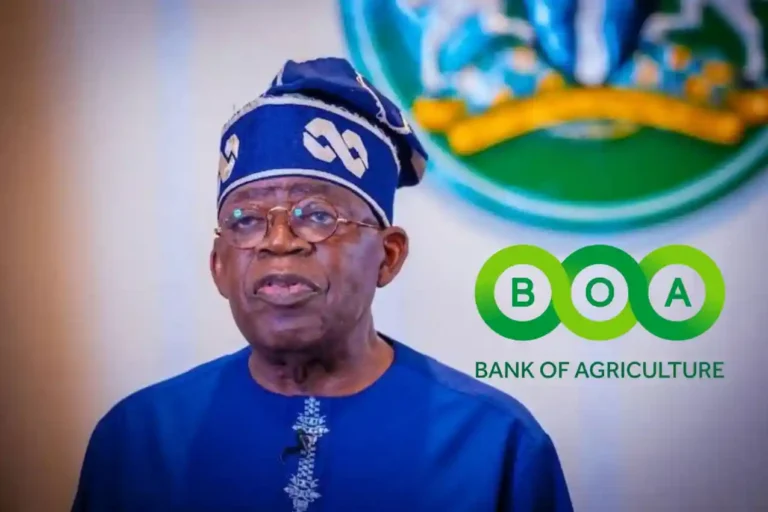
NAGS-AP: Tinubu orders BOA to pay agro-dealers N30bn AfDB funds

0

President Bola Tinubu has directed the Bank of Agriculture (BOA) to settle all outstanding arrears owed to agro-dealers and input suppliers under the National Agricultural Growth Scheme and Agro-Pocket (NAGS-AP), following the release of N30 billion from the African Development Bank (AfDB). The directive is expected to strengthen support for farmers and stabilize Nigeria’s food supply chain, while also positioning BOA as custodian of all agricultural financing programme funds.

According to a statement issued by the external media relations lead for BOA, Judith Ekwebelem, the move will serve as a turning point for the sector. She explained that BOA has been tasked with ensuring smooth and timely disbursement of funds to critical stakeholders in food production.

The bank pledged to execute the approved payment schedule with urgency, using its electronic wallet system to achieve payment to all complying agro-dealers within 24 hours. It also committed to providing weekly progress updates until the exercise is completed. BOA confirmed that the N30 billion represents the second tranche released by AfDB for the implementation of NAGS-AP and that the funds are specifically targeted at settling outstanding obligations from the 2024 dry and wet season programmes.

Ekwebelem added that the Minister of Finance and Coordinating Minister of the Economy, Wale Edun, directed that the process should be treated with the “highest priority,” highlighting the federal government’s determination to fast-track agricultural development and improve food security in Nigeria.

The Managing Director and Chief Executive of BOA, Mr Ayo Sotinrin, disclosed that the NAGS-AP Secretariat and BOA formally commenced the payment exercise on September 18, 2025, with the handover of beneficiary data. He described the development as a landmark step for Nigeria’s agriculture.

“This is a truly defining moment for our agricultural sector. This is more than just a fund; it is a bold commitment to ensuring our nation’s food security. By working hand-in-hand with the NAGS-AP team, we are cutting through bureaucratic delays to get payments directly to agro-dealers and suppliers. We are unlocking opportunities for farmers to move beyond subsistence farming into sustainable and profitable agribusiness,” he stated.

Sotinrin further outlined the conditions for pre-qualified and registered agro-dealers and suppliers eligible for payment. These include opening a BOA account as a mandatory step for claim processing, with registration free and available online. Beneficiaries must also have been selected under the NAGS-AP scheme prior to 2025, as no new applications are currently being accepted. In addition, they must have received at least one payment under the scheme and completed account activation to enable rapid processing, with verified claims to be settled within one business day.

He urged all beneficiaries to comply without delay, warning that failure to meet these requirements could lead to setbacks in processing.