Home Blog Page 456

FG introduces single-window platforms for land registration, agricultural credit

0

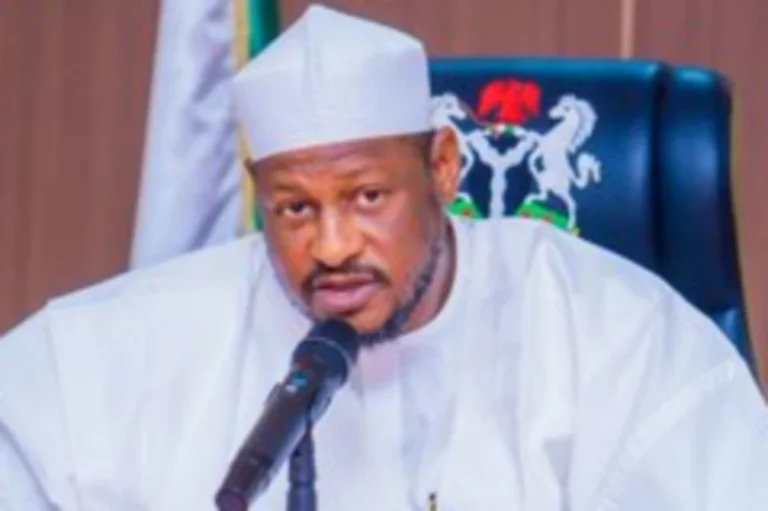
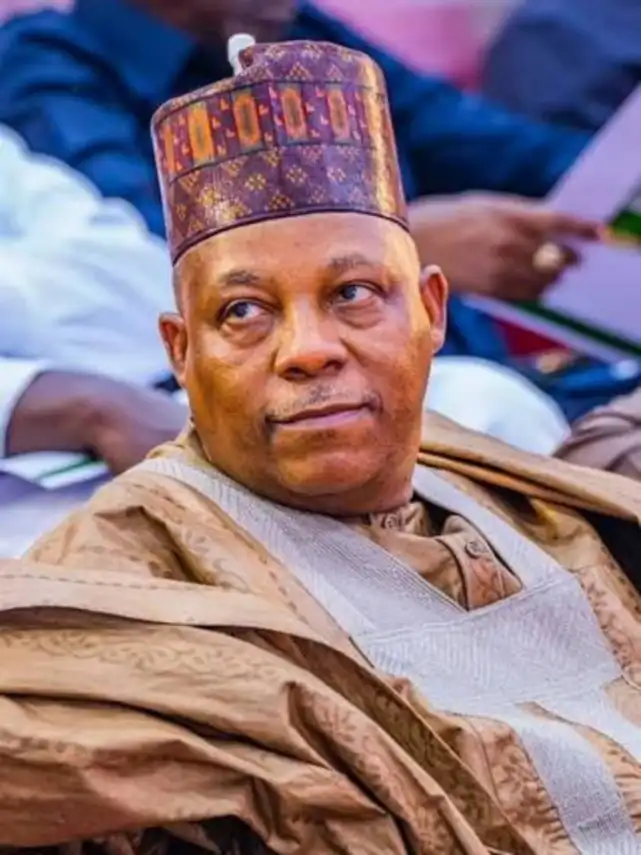
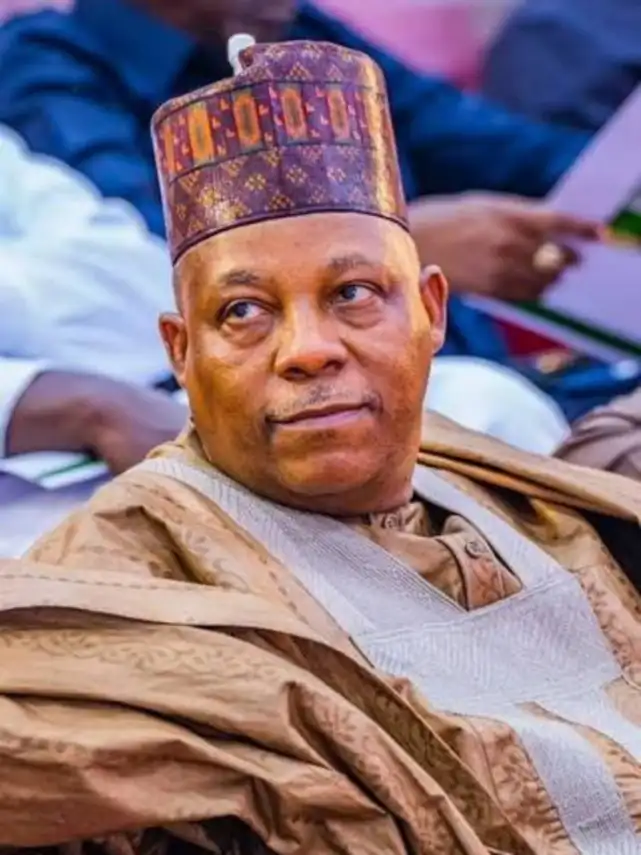
Vice-President Kashim Shettima has announced that the Federal Government is introducing single-window platforms for land registration, strengthening agricultural credit systems, expanding irrigation infrastructure, and scaling up mechanisation as part of reforms to boost Nigeria’s food production potential.

Shettima disclosed this in Abuja on Tuesday during the Food and Agriculture Organisation of the United Nations (FAO) National and Subregional Hand-in-Hand Investment Forum. He explained that the new policies are designed to unlock investment opportunities and reposition agriculture under President Bola Tinubu’s Renewed Hope Agenda.

He noted that the government is providing fresh incentives to encourage agricultural investment, describing the measures as a game-changer for food and infrastructure development.

“Nothing unifies humanity as much as hunger. It is the great equaliser that reveals our vulnerabilities and the shared fragility of our existence. Food is not merely a matter of survival; it is a matter of global security.

“We must facilitate access to land and resources for serious investors. We must drive mechanisation to reduce drudgery and enhance productivity. We must strengthen the agricultural credit system to ensure capital flows to where it is needed most,” Shettima said.

According to him, hunger represents a global security challenge, and Nigeria must take strategic steps to secure a future of abundance. He identified irrigation as a priority, pointing out that the country has river basins and aquifers capable of irrigating over three million hectares of land but is currently using less than ten percent.

“Strategic investment in irrigation alone could triple yields, free us from seasonal dependency, and fortify our resilience against climate shocks,” he stated.

Shettima assured investors that Nigeria is ready for business with policies being re-engineered to attract capital through regulatory reforms, public-private partnerships, and agricultural technology innovation.

“Nigeria is open for business, and we are ready to partner with you. Let us work hand-in-hand to build a Nigeria and a subregion where no one goes to bed hungry, where rural communities are hubs of wealth creation, and where agriculture is the true foundation of our prosperity,” he said.

The Vice-President explained that the country’s agricultural blueprint is anchored on the National Development Plan (2021–2025) which targets the creation of 21 million full-time jobs in rural and agrarian communities while lifting 35 million Nigerians out of poverty.

“While securing national food and nutrition sufficiency, the vehicle to this future is the quality of policies we have chosen to prioritise. At the top of these interventions stands our National Development Plan (2021–2025), which has set forth ambitious but achievable targets.

“This blueprint seeks to lift 35 million Nigerians out of poverty, create 21 million full-time jobs in rural and agrarian communities, and secure national food and nutrition sufficiency through deliberate and strategic investments in agriculture,” he added.

Earlier, the Minister of Agriculture and Food Security, Senator Abubakar Kyari, said Nigeria’s domestic market, vast arable land, favourable climate, and rapidly growing digital economy present unique opportunities for investment across the agribusiness ecosystem.

He outlined challenges but emphasised that the government is committed to supporting the agricultural value chain to attract sustainable investments.

The Minister of Budget and Economic Planning, Senator Atiku Bagudu, also addressed the forum, noting that much of Nigeria’s economic potential remains untapped, especially in agriculture and irrigation. He stressed that irrigation offers significant promise for economic diversification and transformation, adding that agribusiness remains central to Nigeria’s medium- and long-term development plans under the Renewed Hope Agenda.

Dr Demba Sabally, Minister of Agriculture, Livestock and Food Security of The Gambia, commended the FAO for hosting the forum and praised Nigeria’s leadership in agriculture. He pointed to the country’s progress in rice and cassava value chains as examples other West African nations could emulate.

He further called for peer review among countries in the sub-region, stressing that shared challenges and opportunities can drive regional transformation.

Also speaking, the FAO Representative in Nigeria and ECOWAS, Dr Hussein Gadain, said the Hand-in-Hand Initiative is an “evidence-based, country-led, and country-owned flagship programme” aimed at accelerating agricultural transformation and sustainable rural development.

“The programme is designed to accelerate agricultural transformation and sustainable rural development. It is squarely aimed at eradicating poverty, ending hunger and all forms of malnutrition, and reducing inequalities,” he explained.

He commended Nigeria for setting clear agricultural development priorities, describing them as catalysts for transformative and sustainable growth within Africa’s agricultural and food systems. Gadain also praised Shettima’s commitment, saying the Vice-President has demonstrated genuine leadership in transforming Nigeria’s agri-food systems.

Advertisement

58,820 apply for FG YDPAT data protection training programme

0

The Federal Government has announced that a total of 58,820 young Nigerians from all six geopolitical zones of the country registered for the Youth Data Protection Awareness and Training (YDPAT) Programme.

The initiative is being facilitated by the Federal Ministry of Youth Development in partnership with the Nigeria Data Protection Commission (NDPC) and the Globe Takers Foundation.

In a statement released on Tuesday in Abuja, the Director of Information and Public Relations, Omolara Esan, confirmed the official closure of registration for the programme. “In just 53 days, a total of 58,820 young Nigerians signed up from all six geopolitical zones, a strong signal of how eager Nigerian youth are to learn about data protection, digital awareness, and personal growth,” the statement read.

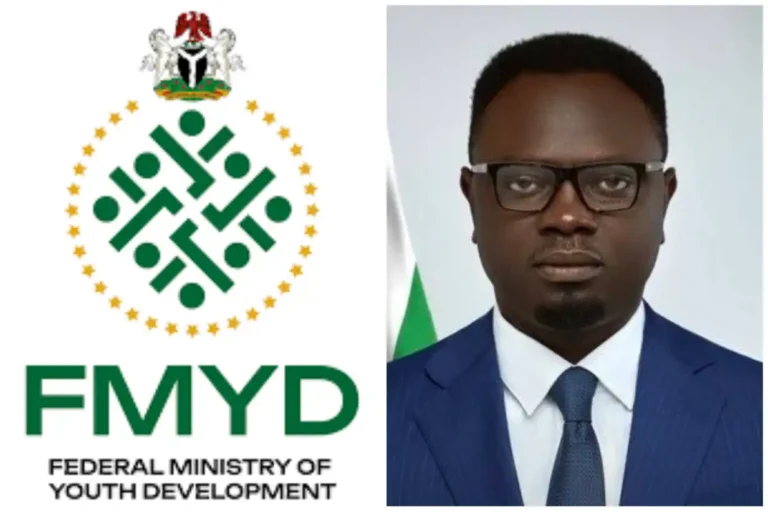
The Minister of Youth Development, Comrade Ayodele Olawande, described the response as remarkable and proof of young people’s commitment to nation-building. He assured Nigerians that every registrant would be reached through the Ministry’s broader youth development initiatives.

According to him, “While the training will begin with an initial cohort of 5,000 participants carefully selected to ensure fair representation across the country, the remaining registrants will still be engaged through other relevant programs of the Ministry so that no youth is left out.”

The YDPAT programme will run in a hybrid model that combines both online and physical sessions, designed to ensure accessibility regardless of location. Registration closed in the first week of September 2025, and the selection of participants is now ongoing.

The process is expected to continue throughout September, with accreditation and the announcement of selected candidates scheduled for October.

The Ministry disclosed that virtual training is planned to begin in November, followed by physical sessions in December 2025. As the programme advances into this phase, the Federal Ministry of Youth Development called on development partners, private sector stakeholders, and state governments to collaborate and support the YDPAT initiative.

The Minister emphasized that with greater collective effort, the impact of the training could be expanded to benefit more young Nigerians and strengthen digital inclusion across the country. He said the government is focused on preparing a generation that is both digitally aware and capable of protecting its rights online.

“The Federal Ministry of Youth Development remains committed to raising a digitally aware and empowered generation, one capable of protecting its rights in the digital age while contributing meaningfully to the growth and security of Nigeria’s data-driven economy,” the statement added.

FG clarifies delay in N250bn farmer loan, funds to reach beneficiaries

0

Honourable Minister of State for Agriculture and Food Security, Senator Dr. Aliyu Sabi Abdullahi, has given more insight into the Federal Government’s plan to disburse ₦250 billion in loans to smallholder farmers across Nigeria. The Minister spoke during the FCT Brief on TVC News where he explained that the intervention is aimed at tackling food inflation, improving local food production, and reducing dependence on food imports.

According to the Minister, the new loan support is part of a broader strategy under President Bola Ahmed Tinubu’s food security agenda. He said, “We want what I would call food sovereignty where we are able to produce what we eat and eat what we produce. Nigeria is a blessed country, we have arable land, hardworking farmers and indeed hardworking Nigerians. But Nigerians will not eat potential, so we need to bring out programs and policies that will ensure that food is provided and available all year round.”

The loan facility will be spread across different farmer groups in the six geopolitical zones and is expected to support the production of staple crops such as rice, maize, and cassava. Abdullahi stressed that the government is working hard to make sure genuine smallholder farmers are the beneficiaries. He said, “Our intention is very clear. We want to get down to the root of making sure that if we are dealing with one million farmers, we know these are farmers that we know their farm locations and we have the figure and the number.”

Concerns were raised by the All Farmers Association of Nigeria that loans of this nature may end up in the hands of portfolio farmers rather than the real farmers. Responding to that, the Minister noted, “His fears are justified. They are the operators on the ground and of course, we are two years in government. Since President Bola Ahmed Tinubu took over, he has not shown doubt about what he wants to do in terms of food security. Because he may not be aware of what is being planned that is why he is saying what he is saying. But let me make it abundantly clear that our mission is to transform the agricultural sector and we have always carried the farmer organizations along.”

Abdullahi explained that the government is working with different farmer associations and cooperative societies, while also using technology to properly identify genuine farmers. He pointed out that past challenges with programmes like the Anchor Borrowers Scheme provided lessons on what should not be repeated. “When the Anchor Borrowers was planned, the Federal Ministry of Agriculture was not carried along. That is why it was anchored by the CBN itself. At the end of the day, all kinds of things came on board. The lesson to be drawn is that we should not take that path again,” he said.

He added that agriculture is time-bound and requires proper planning. For this reason, the Federal Ministry of Agriculture and Food Security has now established the Federal Department of Agricultural Data and Analytics to strengthen data collection and analysis in the sector. This is expected to improve monitoring and ensure transparency in disbursement.

The Minister also highlighted the importance of logistics in food distribution, which is a major driver of food prices. He said, “If food is taken from Kano and transported to Lagos, Ibadan or Port Harcourt, the cost of transporting this food beyond the original price is passed to the consumer. The government is now fully aware. Studies have been conducted and joint actions are being taken to address this challenge.”

On the role of states and local governments in the scheme, Abdullahi confirmed that a whole-of-government approach has been adopted. He explained that President Tinubu has approved the Presidential Food Systems Coordinating Unit under the Office of the Vice President to bring together state governments, farmer groups, and private sector players. “This ₦250 billion is going to be supported by this particular platform in terms of who should benefit and what are the key methodologies and approaches that should be taken,” he said.

Vice President Kashim Shettima has also directed that the ₦250 billion facility be disbursed at a single-digit interest rate and tasked the Presidential Food Systems Coordinating Unit to produce an implementation roadmap to ensure that genuine farmers benefit without delay.

The Minister stressed that achieving food security in Nigeria is not a one-off project but a sustained process. He said, “You don’t say because you have bumper harvest this year you go to sleep. No, you must sustain it. That is why we are promoting an all-year-round farming policy regime which means for all of the 12 months we must have activities in the agricultural sector whether producing maize, rice, cassava, tomato, onions and the like.”

He added that special attention is being given to commodities such as tomato, onions, and pepper which are known to trigger inflation when their prices rise. By boosting production of these commodities and strengthening supply chains, the government hopes to stabilize food prices and improve affordability for citizens.

Abdullahi assured Nigerians that the disbursement process will be closely monitored to ensure transparency, accountability, and direct impact on smallholder farmers who form the backbone of Nigeria’s agricultural workforce.

Katsina State Gov approves N372m bursary for 24,452 students

0

September 16, 2025 – The Katsina State Scholarship Board has announced the approval of ₦372,051,176.00 as bursary allowances for 24,452 continuing students across Katsina State. The development was confirmed under the leadership of His Excellency, Malam Dikko Umaru Radda, PhD, CON, marking another major step in the government’s commitment to education.

Speaking on the development, the Board described the intervention as “a noble gesture that represents not only the Governor’s unwavering passion for human capital development but also his steadfast belief that education remains the bedrock of peace, prosperity, and sustainable development.”

Since the inception of Governor Radda’s administration, the state government has consistently provided bursary disbursements to support student welfare. Records show that ₦637,924,516.00 was released to 47,935 students in 2020/2021 fresh and 2021/2022 continuing categories.

In the following year, ₦544,207,748.00 was disbursed to 37,802 students covering 2021/2022 fresh and 2022/2023 continuing beneficiaries. Most recently, ₦744,102,352.00 was allocated to 50,438 students for the 2022/2023 fresh and 2023/2024 continuing groups.

The Board also disclosed that approvals will soon be granted for the 2024/2025 local scholarships for 12,609 fresh students. In addition, the Katsina State Government Award of Academic Excellence and the Special Scholarship for Students with Special Needs will be unveiled at an upcoming flag-off ceremony, where His Excellency will formally bless the initiative.

With the latest approval, the total number of beneficiaries has reached 174,461 students, which the Board described as “a phenomenal achievement that cements Katsina State’s status as a trailblazer in educational empowerment across Nigeria.” It further assured that necessary arrangements are being made to ensure the smooth and timely disbursement of the bursary funds.

Governor Radda has also extended opportunities beyond Nigeria by sponsoring students from all 34 Local Government Areas to study abroad in specialized fields. These include Artificial Intelligence at Xi’an Shiyou University, China; Bioengineering at Xuzhou University of Technology, China; and MBBS (Medicine and Surgery) at Nahda University, Beni Suef, Egypt.

The Board emphasized that these interventions highlight the government’s efforts to create a knowledge-driven future. It concluded by offering prayers for the continued success of His Excellency, Malam Dikko Umaru Radda, PhD, CON, stating that “his giant strides in transforming the educational landscape of Katsina State will forever be remembered as a golden legacy.”

FG ready to partner CARD on noosting rice value chain

0

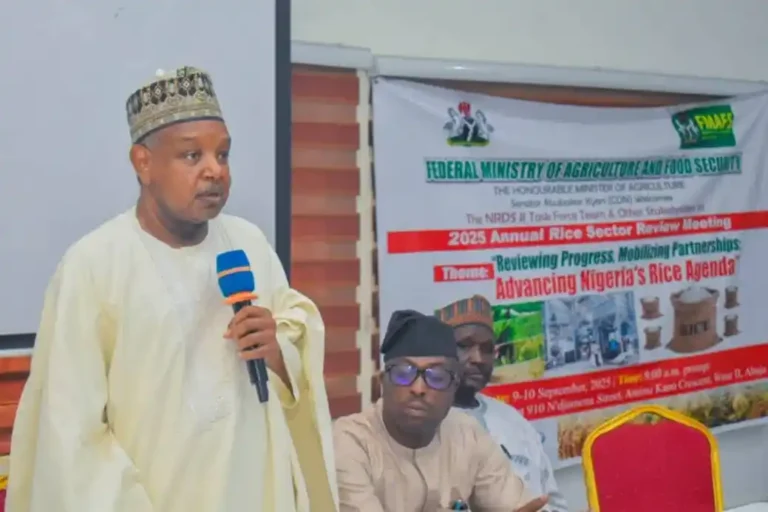
The Federal Ministry of Agriculture and Food Security has declared its readiness to partner with the Coalition for African Rice Development (CARD) to boost Nigeria’s rice value chain, making it more competitive, resilient, and sustainable.

Speaking at a review meeting themed “Reviewing Progress Mobilizing Partnership,” the Ministry’s Permanent Secretary, Dr. Marcus Ogunbiyi, represented by the Director of Agricultural Land and Climate Change Management Services Department, Mr. Oshadiya Olanipekun, said Nigeria has made “significant progress in rice production, with improved yields and processing capacity, as well as increased participation of youth and women in the sector.”

The meeting focused on assessing the implementation of the National Rice Development Strategy II and building stronger partnerships to transform Nigeria’s rice industry into a globally competitive sector.

Dr. Ogunbiyi identified critical areas that require investment, such as mechanization, adoption of climate-smart technologies, and establishment of modern processing facilities. He stressed that strengthening these aspects would not only enhance food security but also position Nigeria as a key player in Africa’s agricultural market.

The Minister of Budget and Economic Planning, Sen. Abubakar Bagudu, also addressed the gathering, highlighting the importance of supporting local production and promoting competitiveness in the rice sector. He noted that investment in agriculture remains central to Nigeria’s economic growth.

The Regional Adviser of CARD added that building a resilient rice value chain will contribute significantly to Africa’s agricultural transformation agenda, ensuring sustainability and long-term development.

Katsina Gov Dikko Radda Declares Open NG-CARES National Retreat

0

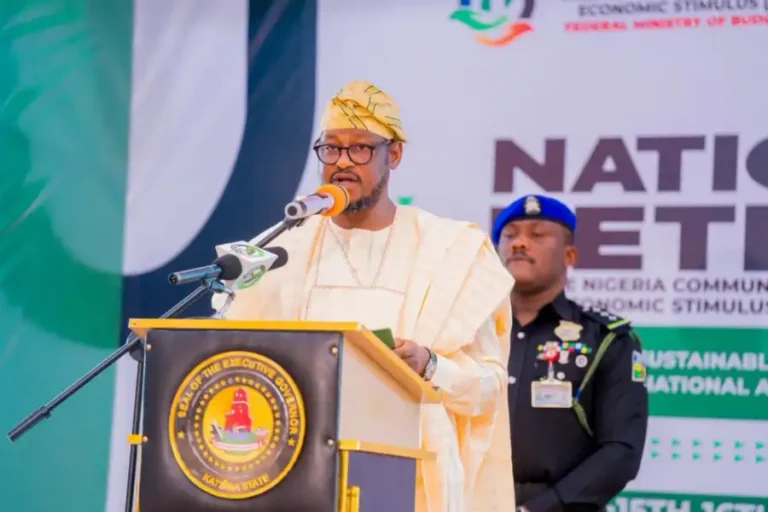
Katsina State Governor, Dikko Umar Radda, yesterday declared open the National Retreat of the Nigeria Community Action for Resilience and Economic Stimulus (NG-CARES) program, hosted in Katsina. The event brought together lawmakers, program managers, and stakeholders from across Nigeria and beyond to discuss strategies for strengthening social protection systems and promoting sustainable development.

Speaking at the opening, Governor Radda said, “We are proud to host this important national event, which brings together lawmakers, program managers, and critical stakeholders from across Nigeria and beyond. The retreat reflects our shared commitment to strengthening the country’s social protection systems and advancing inclusive, sustainable development.”

The two-day retreat, themed “Building a Sustainable NG-CARES Program: The Role of the National Assembly,” highlighted the central role of the legislature in ensuring the long-term success of the initiative. The governor explained that Katsina State has made deliberate and strategic efforts to improve the welfare of vulnerable citizens through the KT-CARES program.

“In my address, I highlighted the deliberate and strategic efforts we have undertaken in Katsina to improve the welfare of our people, especially the most vulnerable. Through the KT-CARES program, we have recorded significant progress in enhancing livelihoods, empowering communities, and building resilience,” Radda stated.

Governor Radda revealed that more than N100 billion has been invested in social protection programs in the state. He said these funds have supported interventions across three core result areas, including the Community and Social Development Agency (CSDA), FADAMA, and the Katsina State Enterprise Development Agency (KASEDA).

He emphasized that the NG-CARES initiative has transformed lives and revitalized rural economies. “From Dankama to Damari, NG-CARES has transformed lives, revitalized rural economies, and reinforced our state’s commitment to inclusive growth and social protection. Katsina is now recognized as a leading example in the implementation of NG-CARES program nationwide,” he said.

The governor encouraged participants to take advantage of the retreat by exchanging ideas and offering practical solutions for better implementation. He also called on the National Assembly to go beyond oversight roles and focus on shaping policies, mobilizing resources, and ensuring the sustainability of NG-CARES.

FG to create 21 million jobs in rural and agrarian communities

0

The Federal Government on Tuesday announced new incentives to boost agricultural investment under President Bola Tinubu’s Renewed Hope Agenda. The initiative, according to the government, is part of ongoing reforms aimed at unlocking Nigeria’s vast food production potential through policies that will serve as a game-changer for agriculture and infrastructure investment.

Vice President Kashim Shettima disclosed this in Abuja during the Food and Agriculture Organisation of the United Nations (FAO) National and Subregional Hand-in-Hand Investment Forum. He noted that hunger poses a global security issue and urged Nigeria to mobilise its strengths to secure a future of food sufficiency and economic stability.

“Nothing unifies humanity as much as hunger. It is the great equaliser that reveals our vulnerabilities and the shared fragility of our existence. Food is not merely a matter of survival, it is a matter of global security,” Shettima said.

He explained that the administration is introducing single-window platforms for land registration, strengthening agricultural credit systems, expanding irrigation infrastructure, and scaling mechanisation to drive productivity.

“We must facilitate access to land and resources for serious investors. We must drive mechanisation to reduce drudgery and enhance productivity. We must strengthen the agricultural credit system to ensure capital flows to where it is needed most,” he added.

The Vice President observed that irrigation is a major game-changer, pointing out that Nigeria’s river basins and aquifers can irrigate more than three million hectares of farmland, but currently less than 10 percent is being utilised. “Strategic investment in irrigation alone could triple yields, free us from seasonal dependency, and fortify our resilience against climate shocks,” he said.

Shettima assured investors that Nigeria’s agricultural policies are being re-engineered to attract capital through regulatory reforms, public-private partnerships, and agri-tech innovation.

“Nigeria is open for business, and we are ready to partner with you. Let us work hand-in-hand to build a Nigeria and a subregion where no one goes to bed hungry, where rural communities are hubs of wealth creation, and where agriculture is the true foundation of our prosperity,” he stated.

The Vice President further stressed that the government’s national blueprint is targeted at creating 21 million full-time jobs in rural and agrarian communities, while lifting 35 million Nigerians out of poverty and securing food sufficiency.

“The vehicle to this future is the quality of policies we have chosen to prioritise. At the top of these interventions stands our National Development Plan (2021–2025), which has set forth ambitious but achievable targets,” he explained.

Minister of Agriculture and Food Security, Senator Abubakar Kyari, made a presentation on Nigeria’s investment atmosphere and country profile, highlighting opportunities across the agribusiness value chain. He said Nigeria’s large domestic market, extensive arable land, favorable weather, and rapidly growing digital economy offer unique investment opportunities.

Minister of Budget and Economic Planning, Senator Atiku Bagudu, also stated that Nigeria’s economic potential remains largely untapped, particularly in agriculture and irrigation. He stressed that agriculture and agribusiness are central to Nigeria’s medium and long-term development plans and the Renewed Hope Agenda.

On his part, Minister of Agriculture, Livestock and Food Security of The Gambia, Dr Demba Sabally, commended Nigeria’s leadership in agriculture. He highlighted Nigeria’s achievements in rice and cassava production as examples for other West African countries to emulate. Sabally called for stronger peer review mechanisms across the region to tackle common agricultural challenges and maximise shared opportunities.

Representative of the Food and Agricultural Organisation (FAO) in Nigeria and ECOWAS, Dr Hussein Gadain, described the Hand-in-Hand Initiative as FAO’s evidence-based, country-led programme designed to accelerate agricultural transformation and sustainable rural development.

“The programme is squarely aimed at eradicating poverty, ending hunger and all forms of malnutrition, and reducing inequalities. It is our vehicle for achieving the SDGs,” he said.

Gadain commended Nigeria’s agricultural priorities, describing them as catalysts for transformative growth in Africa’s agri-food systems.

According to him, the Vice President’s passion for agriculture, food security, and nutrition is unmatched. “He has been a driving force in attracting crucial investments and fostering innovation, and his continued engagement deserves our highest commendation,” he added.

Head of the EU Delegation in Nigeria, Mr Gautier Mignot, said the Hand-in-Hand Initiative reflects Nigeria’s strong commitment to strengthening food security and deepening agribusiness investment. He announced that the European Union had recently committed over 80 million euros to value chain development in seven Nigerian states.

Mignot declared that the EU remains Nigeria’s long-term partner and is ready to expand its collaboration in irrigation and agricultural transformation. “We stand ready to deepen collaboration with Nigeria as a partner to ensure irrigation becomes a pathway for economic growth and agricultural transformation,” he said.

The government maintains that these reforms and investments will transform rural communities into centers of wealth creation, enhance food and nutrition sufficiency, and deliver millions of full-time jobs across the country.

Circulating claims DSS sending SMS to successful candidates for next phase

0

September 16, 2025 – There are circulating claims on social media that the Department of State Services (DSS) is now sending SMS to applicants for the next phase of its recruitment exercise after the recent screening that took place.

The unverified reports allege that DSS offices in Akwa Ibom, Ekiti, and Borno States have started sending out messages to successful applicants for the next step. It further advises candidates who have not received SMS messages from their state offices yet to remain expectant.

According to the claims, receiving the DSS recruitment SMS confirms that a candidate has successfully passed the recent DSS recruitment exam. Two of the collected SMS read:

“You are hereby requested to forward your full name, height & sen district on or before 18/09/2025 to appentryxxv@zohomail.com kindly ensure timely compliance.”

“You are by this message to send the following: name, gender, DOB, marital status, NIN, NYSC call up no, O’LEVEL incl ENG (WAEC/NECO), Qualification/grade immediately.”

Applicants are to note that these messages are only sent to successful candidates who passed the exam. The circulating reports also caution that those who will proceed to the screening stage must ensure their Date of Birth corresponds with all submitted credentials. Candidates with Date of Birth issues on their NYSC certificate are advised to secure an affidavit to address it.

The reports further emphasize the need for original academic documents, including Degree or HND certificates (if available from the institution), and the original WAEC or NECO certificate.

The claims warn that mistakes during this process can lead to disqualification.

At the time of this report, the DSS has not released any official statement confirming or denying the authenticity of the SMS screenshots or this new phase of the recruitment exercise.

Attached below is an obtained SMS screenshot:

Chinese language added to Nigerian senior secondary school curriculum

0

September 16, 2025 – The Chinese language, Mandarin, has officially been included as one of the foreign languages to be taught in senior secondary schools across Nigeria, following a recent review of the national curriculum.

This announcement was made on Tuesday by the Secretary of Education for the Federal Capital Territory, Dr. Danlami Hayyo, during the inauguration of the 14th Chinese Corner at Government Secondary School, Tudun Wada, Abuja.

The Chinese Corner is an educational and cultural centre sponsored by China Civil Engineering Construction Corporation as part of its corporate social responsibility.

“May I inform you that in the recent review of our curriculum, the Chinese language has been selected as one of the international languages to offer in senior secondary schools. That is to say that the FCT has been very visionary in introducing the subject in our schools through the Chinese Corners early enough.

“Chinese Mandarin has the largest number of speakers in the world, and today it has become the language of commerce, education, and tourism. Our decision to delve into Chinese education and culture is a wise move,” Hayyo stated.

Hayyo highlighted that the newly inaugurated Chinese Corner is the 14th of its kind in the FCT, with centres now established in various secondary schools across the territory.

“The bilateral relations have led to the establishment of 13 Chinese Corners, and the commissioning of the 14th Corner at GSS Tudun Wada today.

“These centres have greatly enhanced education and cultural exchange between Nigeria and China. It has opened a window for better understanding and appreciation of our various cultures and given our students the opportunity to pursue further education in China,” he noted.

He also noted that teachers and staff in the FCT have benefited through capacity-building programs in China, adding, “Today we are proud to say that it is only the FCT that has Chinese Corners in its schools in the whole federation.”

Speaking on behalf of the Minister of the FCT, Nyesom Wike, Hayyo extended appreciation to the Chinese government and its embassy in Nigeria for their continued support and investment in education and cultural ties. He concluded with a Chinese proverb: “Hai nei cun zhiji, tianya ruo bi lin,” meaning, “A bosom friend brings distant lands near.”

In his remarks, the Counsellor at the Chinese Embassy in Nigeria, Yang Jianxing, said the establishment of Chinese Corners stems from China’s recognition of the mutual friendship between the two countries.

“Twelve years ago, out of the cherishment for China-Nigeria friendly relations and the expectation for cultural exchanges between the two countries, the Chinese Embassy in Nigeria and the FCT Secondary Education Board joined hands to establish the Chinese Corner as a unique platform for cultural and educational exchanges,” he said.

According to him, the initiative has grown over the past decade to become “a link connecting Chinese and Nigerian cultures, a bridge narrowing the hearts of young people from the two countries, and one of the most popular cultural check-in spots among teachers and students in Abuja.”

Yang reiterated that the Chinese diplomatic missions in Nigeria will continue to support cooperation in various sectors, particularly culture and education, to further the vision of a shared future between China and Africa.

“Today, the inauguration of the Chinese Corner is not an end, but a new starting point for cultural exchanges between China and Nigeria,” he added.

Also speaking at the event, Director/Secretary of the FCT Secondary Education Board, Dr. Muhammed Ladan, described the initiative as a testament to the strong bilateral ties between Nigeria and China.

“The Chinese Corners aim not just to foster people-to-people exchanges, but also to provide resources for learning Mandarin and opportunities for scholarships in China. It is also a means of strengthening diplomatic relations through artistic collaboration,” he said.

Ladan recalled that the first Chinese Corner was established in 2013 at GSS Garki, with additional centres added in subsequent years, including one at GSS Wuse Zone 3 in 2024. He noted that two more centres are in the pipeline, supported by prominent Chinese companies operating in Nigeria.

The inclusion of Mandarin came on the heels of the Federal Government’s announcement earlier this month that it had completed a comprehensive revision of the Basic and Senior Secondary Education Curriculum.

The Nigerian Educational Research and Development Council, in a circular dated September 8, 2025, confirmed that implementation of the new curriculum would begin with the 2025/2026 academic session. In the curriculum for senior secondary schools, international languages such as French and Arabic were listed as optional subjects.

Meanwhile, just last week, the Chinese Embassy in Nigeria donated 15 sets of Chinese language teaching materials and cultural books to Nigerian secondary schools to further support the rollout of Chinese language education.

Oji River Council announces scholarship for College of Health Technology

0

September 16, 2025 – Oji River Local Government Council in Enugu State has announced the launch of a scholarship scheme to assist indigenes of the area seeking admission into Enugu State College of Health Technology, Oji River.

According to the official notice, the scholarship will cover admission form fees, school registration payments, and ND 1 school fees. The council stated, “We are excited to announce the commencement of a scholarship scheme, designed to support prospective students of Enugu State College of Health Technology, Oji River, who are indigenes of Oji River Local Government Area.”

To qualify, applicants must have at least five O’Level pass credits, including English Language, Mathematics, and three other relevant subjects related to their chosen program.

The council added, “Limited time offer: Apply for this scholarship within the next 72 hours.”

Interested applicants are advised to direct all correspondences to the Office of the Chairman, Oji River Local Government Council.

For inquiries, contact Mr. Ogochukwu Princewill on 0907 678 4268 or Mr. Fabian Ugochukwu Kenechukwu on 0806 367 3871.