Home Blog Page 48

Lagos Ranked World’s Fastest Growing Tech Ecosystem in 2025 Index

0

Lagos has emerged as the world’s fastest growing tech ecosystem, according to the 2025 Dealroom Global Tech Ecosystem Index, which benchmarks 288 tech hubs across 69 countries.

The prestigious ranking, released by Global Statistics and supported by data from Dealroom.co, places Lagos ahead of major international hubs including Istanbul, Pune, and Mumbai.

Global Stats11, described as a world renowned organisation that specializes in creating, sharing, and ranking data, statistics and infographics in sports, economics, and job growth, backed the release.

Lagos State is Africa’s leading tech hub, having attracted over ₦9.3 trillion, equivalent to $6 billion, in startup funding between 2019 and 2024. The state hosts 65 percent of Nigeria’s startups and nurtures 70 percent of Africa’s unicorns. Key sectors driving this growth include fintech, logistics, and AI, supported by Lagos Innovates under the Lagos State Employment Trust Fund (LSETF).

The ecosystem is currently valued at over $15 billion for 2025-2026, reflecting rapid expansion and positioning Lagos as a critical hub for African digital transformation.

The state government described the achievement as “a testament to the strategic vision of the Babajide Sanwo-Olu administration under the T.H.E.M.E.S.+ Agenda,” noting that the agenda prioritises digital transformation, innovation, and an enabling environment for tech industry growth.

Lagos Innovates under LSETF supports startups through infrastructure, workspace vouchers, and talent development programmes. Lagos features a dense ecosystem of hubs in Yaba, Ikeja, and Victoria Island and Lekki, where many startups focus on digital identity, cryptocurrency, and SME growth.

Advertisement

FG warns foreign military recruiters against recruitment of Nigerians

0

The Federal Government has warned foreign military services and recruitment agents to immediately stop recruiting Nigerians with false promises of employment and job opportunities abroad.

The Ministry of Foreign Affairs of the Federal Republic of Nigeria expressed grave concern over what it described as rising and alarming cases of Nigerian citizens being illegally recruited to participate in foreign armed conflicts. According to the ministry, recent media investigations and security reports indicate that some Nigerian nationals were allegedly recruited under false pretences.

The reports revealed that the victims were lured with promises of lucrative employment, security jobs, educational opportunities, or migration incentives. However, several Nigerians who fell victim to the scheme were later deployed to combat zones after being misled and coerced into signing military service contracts.

Authorities disclosed that recruitment tactics allegedly involve deceptive offers such as high monthly salaries, signing bonuses, and fast-tracked citizenship. In several instances, victims were reportedly compelled to sign contracts written in foreign languages without proper legal guidance. Their travel documents were also allegedly confiscated upon arrival in the destination countries.

Further reports indicated the involvement of intermediaries or agents who arranged travel under tourist or other non-military visa categories to facilitate the process.

The Federal Government unequivocally warned citizens against engaging in or accepting any offer that involves participation in foreign armed conflicts. The Ministry stated, “Such actions not only endanger lives but may also violate Nigerian and international laws governing mercenary activities and foreign enlistment.” It further emphasized that Nigerians who choose to participate in foreign conflicts outside approved governmental frameworks do so at their own risk.

To address the situation, the Government said it is engaging relevant domestic and international partners to investigate the developments and strengthen public awareness about the dangers of illegal recruitment. Nigerian Missions abroad have also been directed to enhance consular vigilance and provide timely advisory services to citizens.

NEPC trains exporters in Port Harcourt to boost non-oil export compliance

0

The Nigerian Export Promotion Council (NEPC) has trained newly registered exporters with practical skills and regulatory knowledge required to compete in international markets.

This was the focus of a one-day mentorship training and export clinic organised by the NEPC South-South Regional Office in Port Harcourt, Rivers State, during the week.

Speaking at the programme, Ngozi Ibe, Regional Coordinator of the NEPC South-South Regional Office, said the initiative was designed to address a recurring gap within the export ecosystem, where many registered exporters remain inactive due to limited understanding of export processes, compliance requirements, and market dynamics.

According to her, exporting is a structured and regulated business that goes beyond simply shipping goods across borders. She explained that it requires compliance with quality standards, proper documentation, market intelligence, financial discipline, and effective risk management.

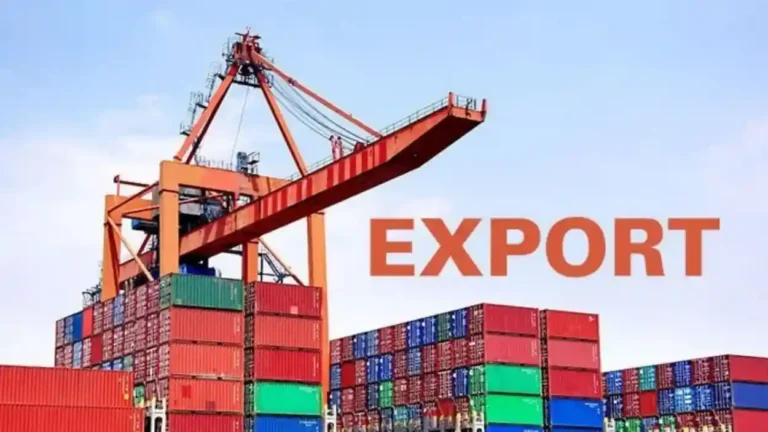
Nigeria’s non-oil export sector has recorded steady growth in recent years. Export earnings rose from $2.2 billion in 2020 to $6.1 billion in 2025, while export volumes increased from 4.8 million metric tonnes in 2020 to 7.2 million metric tonnes in 2024. Agricultural commodities accounted for more than 51 percent of total non-oil exports in 2024, followed by semi-manufactured goods.

Ibe noted that sustaining and scaling these gains depends largely on exporters who understand international trade rules, meet global standards, and operate export-ready enterprises. She added that the Federal Government has prioritised non-oil exports as a key driver of economic diversification, foreign exchange earnings, job creation, and inclusive growth.

She said the export clinic was structured as a practical intervention to bridge knowledge gaps, reduce early-stage export failures, and ensure that newly registered exporters transition from registration to active and compliant export operations.

The programme brought together key institutions across Nigeria’s export ecosystem.

Kpaama Raphael, Zonal Manager of the Bank of Agriculture (BoA), outlined financing opportunities available to export-oriented agricultural enterprises. He noted that the bank supports equipment acquisition and value-chain development to strengthen production and processing capacity.

Representing the National Agency for Food and Drug Administration and Control (NAFDAC), Rita Chukwuma emphasised the importance of product safety, registration, and regulatory compliance. She highlighted incentives and subsidised certification processes available to small businesses seeking to access export markets.

From the Standards Organisation of Nigeria (SON), Ezechukwu Nkechinyere stressed that compliance with national and international standards remains critical to sustaining Nigeria’s credibility in global markets.

The Head of the South-South Office of the Nigerian Stored Products Research Institute (NSPRI), Mandu Inana, addressed issues of post-harvest handling, storage, and preservation. She noted that poor storage practices contribute significantly to export losses, especially in agricultural commodities.

Private-sector participation was represented by the Port Harcourt Chamber of Commerce, Industry, Mines and Agriculture (PHACCIMA), which encouraged exporters to leverage business associations for advocacy, networking, and access to market opportunities.

Technical sessions at the clinic covered export procedures and documentation, business structuring, compliance requirements, logistics planning, and risk management, delivered by Ibe.

A separate presentation by Ofon Udofia, Executive Secretary of the Institute of Export Operations and Management, focused on export pricing strategies, cost analysis, and maintaining competitiveness while ensuring profitability.

An interactive question-and-answer session allowed participants to seek clarification on regulatory, financing, certification, logistics, and pricing issues.

NEPC said it will continue to support exporters through capacity-building programmes, advisory services, and strategic partnerships aimed at strengthening Nigeria’s non-oil export sector and enhancing the country’s competitiveness in global trade.

Lagos State to Begin Circular Economy Initiative

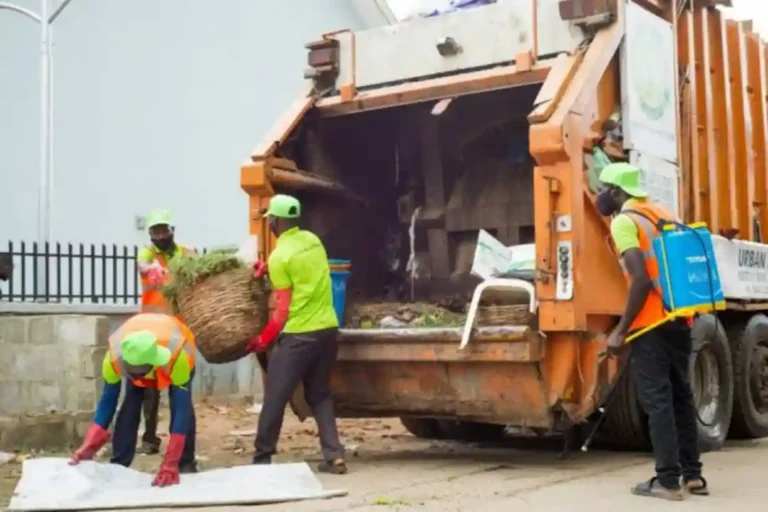
Lagos State is set to commence the Eco-Circulate project, a circular economy initiative aimed at building climate education, promoting waste valorisation, and encouraging responsible consumption across the state.

The project, which will take place in Ojokoro Local Council Development Area (LCDA), is designed to strengthen climate literacy and support inclusive economic participation across the megacity. It forms part of the Lagos State Government’s broader Circular Economy agenda focused on creating a more sustainable and innovative Lagos.

Titilayo Oshodi, special adviser to the Lagos State Government on Climate Change and Circular Economy, said the project reflects the state’s commitment to long-term environmental and economic resilience.

“We must move beyond linear models of growth and strengthen systems that keep resources in productive use. Through this initiative, we are positioning Lagos for long-term economic and environmental resilience,” she said.

The initiative leverages education, community engagement, and incentives to reward climate-friendly choices. It positions circular practices as a socially impactful subsidy model that delivers both environmental and economic benefits.

Beyond the exchange of recyclable materials for incentives, Oshodi noted that the programme aims to drive long-term behavioural change by increasing awareness and adoption of circular economy principles at the community level.

“We must begin to reflect on this intervention within our broader economic trajectory. Its value will not be measured by financial returns to communities alone, but by the quality of data, the strength of enterprise growth, and the extent to which it addresses environmental pressures and strengthens governance in Lagos,” she added.

Eco-Circulate is part of efforts to transition Lagos from a linear “collect and dump” model to a sustainable system that creates economic value, protects the environment, and improves residents’ quality of life.

Since its inception, the initiative has been activated in several communities, including Ayobo, Badagry, Ajah, Surulere, Onigbongbo, and Maryland.

According to the organisers, the programme has delivered measurable environmental outcomes, diverting significant volumes of recyclable materials away from landfills, drainage systems, and waterways. Over 40,000 tons of recyclable waste have been collected and valorised across multiple communities, contributing to an estimated 33 million tons of CO2e emissions avoided.

Oshodi said this edition will also incorporate climate literacy for children aged 8–10, designed to inspire practical, climate-smart actions and foster environmental responsibility from an early age.

“Residents of Ojokoro and surrounding communities are encouraged to come with their sorted recyclable materials, including plastics, PET bottles, metals, cans, cartons, textiles, and paper waste, which can be exchanged for cash, data, airtime, food items, clean cooking gas, and other rewards,” she noted.

The one-day community outreach programme will be held on Sunday, February 28, to inform, engage, and activate residents to participate actively in the circular economy.

Cross River Launches Traceability System for Cocoa, Coffee and Oil Palm

0

The Cross River State government has launched a traceability programme for cocoa, coffee and oil palm as part of efforts to strengthen agricultural exports and meet global standards.

The Traceability System is a structured digital framework designed to ensure end-to-end visibility of agricultural commodities from farm to market. It involves farm mapping, geolocation of production areas, registration of farmers and value chain actors, and secure data management.

Launching the system, the State Commissioner for Agriculture and Irrigation Development, Hon. Johnson Ebokpo, said the government had commenced full implementation of the scheme and engaged PULA Advisors as Lead Consultant for the European Union Deforestation Regulation (EUDR) Compliance and Traceability Programme.

“This initiative aligns with national agricultural policies, international market requirements, sustainability standards, and the European Union Deforestation Regulation.

“It positions Cross River State as a credible source of deforestation-free and sustainably produced commodities.

“The global market landscape is evolving rapidly. Major importing regions now require verifiable proof that agricultural commodities are not linked to deforestation or illegal production.

“Without traceability and geolocation compliance, our farmers risk losing access to premium international markets. This programme is therefore strategic and necessary to protect livelihoods, sustain export opportunities, and secure the future of our agricultural economy,” he said.

He thanked the State governor, Senator Bassey Otu, for his leadership, noting that his vision continues to reposition agriculture as a key driver of economic transformation in the state.

Danmodi Initiative Empowers 2,500 Almajiri in Jigawa

0

The Danmodi Students Care Initiative has trained 2,500 Almajiri in different vocational skills and provided them with startup packages to support the Jigawa State Government’s efforts to tackle street begging, promote job creation, and reduce poverty across the state.

Speaking during the distribution of the empowerment packages, the Senior Special Adviser to the Jigawa State Governor on Students Affairs, Comrade Muhammad Salisu Sika, said the programme was created to promote social and economic inclusion.

He explained that the 2,500 Almajiri were selected from various Tsangaya schools across Jigawa State. According to him, they received training in shoe shining and barbing and were given complete sets of tools to help them become self-reliant during and after their Quranic studies.

“The beneficiaries were trained in shoe shining and barbing, and each received a full set of tools needed to start the trade. More so, 287 Alarammas (Quranic tutors) were given a cash grant of N50,000 each,” he said.

He added that the initiative also distributed 300 bicycles and wheelchairs to less privileged and physically challenged pupils to encourage regular classroom attendance.

“We are also flagging off the distribution of 25,000 school uniforms to Basic Education pupils from rural areas and 100 laptops to Jigawa State students studying at the Nigerian Police Academy, Wudil, and the Nigerian Defence Academy, Kaduna,” Comrade Salisu stated.

He noted that over the last three years, more than 250,000 students have directly benefited from various programmes and interventions carried out by the Danmodi Students Care Initiative, aimed at complementing the Jigawa State Government’s investment in education and human capital development.

Governor Umar Namadi expressed appreciation for the initiative, describing its impact on the state’s economic and human capital development as encouraging and commendable.

Anambra State Govt to create 5,000 creative industry jobs

0

The Anambra State government has announced a new partnership expected to create 5,000 direct and indirect jobs through collaboration with Chukwuemeka Odumegwu Ojukwu University (COOU), Igbariam and ANAWOOD Film Village.

The initiative is designed to build a vibrant, organic creative industry that will promote educational, cultural, and entertainment tourism in the state. The announcement was made during the Memorandum of Understanding signing ceremony held at the COOU campus in Igbariam over the weekend.

Speaking at the event, the Commissioner for Culture, Entertainment and Tourism, Don Onyenji, highlighted the importance of linking academic learning with real industry experience. He said, “We are glad with this partnership and collaboration. This is an initiative that seeks to develop a vibrant, organic creative industry that will promote educational, cultural, and entertainment tourism within the state.”

Onyenji added, “This initiative aims to create no fewer than 5,000 jobs, both directly and indirectly. The partnership will not only offer students practical experience but also provide them with knowledge of how the industry functions.”

He further explained that while the university trains students theoretically, they often have limited hands-on exposure. “Partnering with ANAWOOD will provide professional and technical impact to students and aspiring talents, enabling the growth of various sectors, performances, and talents,” he said.

The Commissioner also commended Governor Chukwuma Soludo for creating an environment that supports the growth of the creative industry, noting that it would boost tourism in Anambra State.

The Vice Chancellor of COOU, Prof. Kate Omenugha, also spoke at the ceremony. She said the partnership would give students mentorship opportunities and access to real-world experience. “Students can learn mentorship and how to navigate the real world, which can be challenging to access directly. This partnership offers a valuable testing ground for real-world application,” Omenugha stated.

Heads of departments including Dr Anthony Nnalue of Theatre Arts, Rev. Fr. Dr Jude Orakwe of Music, and Dr Ikechukwu Asika of English, expressed appreciation for the collaboration, saying it would combine theoretical knowledge with practical realities for students.

FashionEVO and 360 Creative Innovation Hub train designers

0

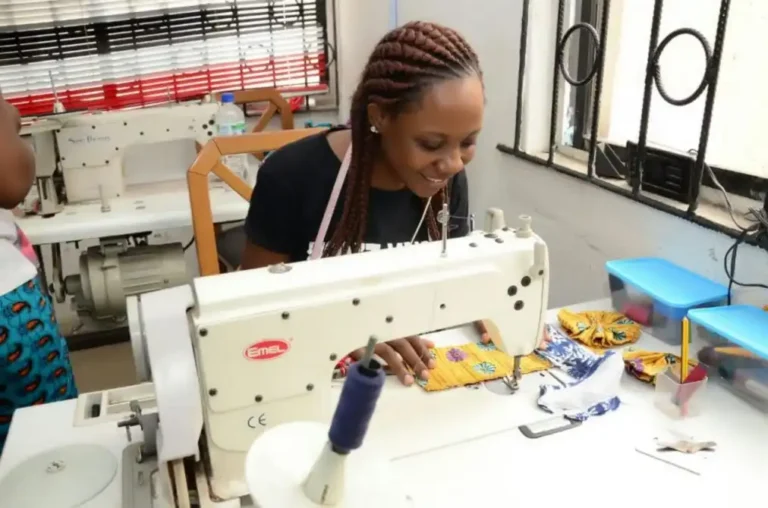
FashionEVO and 360 Creative Innovation Hub have trained beneficiaries under the Fashion Advancement & Startup Training (F.A.S.T) initiative, a six-week accelerator programme aimed at strengthening the business capacity of emerging and early-stage African fashion entrepreneurs.

The initiative was designed to address structural and operational gaps within the continent’s fashion industry. It focused on improving business foundations, pricing models, production systems and market readiness among designers seeking to scale their operations.

According to the organisers, the programme ran in a hybrid format. It began with two weeks of virtual learning, followed by four weeks of in-person training in Lagos. The curriculum covered brand positioning, operational structure, growth strategy and sustainable business practices.

Founder of FashionEVO, Dr Yetty Ogunnubi, said the initiative was developed in response to gaps observed in the sector.

“F.A.S.T was born out of a clear gap we continue to see in the African fashion ecosystem, incredible creative talent without the business structure needed to scale sustainably. At FashionEVO, we believe creativity must be matched with strategy, access, and opportunity. This accelerator is our commitment to equipping emerging designers with the tools, mentorship, and clarity required to build brands that can compete globally while remaining rooted in African identity,” she said.

Ogunnubi added that the curriculum was driven by a needs assessment process to ensure the training aligned with the practical challenges faced by participants. Selected entrepreneurs also received mentorship from industry professionals and gained exposure to buyers, production partners and other stakeholders within the fashion value chain.

Founder of 360 Creative Innovation Hub, Blessing Ebere, said the programme integrated business training with technology and infrastructure support.

“At 360 Creative Innovation Hub, our work has always centered on removing barriers for emerging fashion entrepreneurs. As a Hub, we believe in embedding a technology-first ethos to scale creativity. This belief inspired our Fashion Acceleration Program, and it still fuels the F.A.S.T Acceleration Program today. We have combined practical business training, access to infrastructure, and hands-on mentorship into a support system that meets designers where they are,” she said.

According to Ebere, the initiative went beyond theory. “It is about building viable fashion businesses, strengthening operational systems, and preparing designers for long-term growth and global relevance,” she added.

NBC Launches 2026 #YouthEmpowered Programme at University of Lagos

0

Nigerian Bottling Company Ltd, a consumer goods company and a member of the Coca-Cola HBC Group, has commenced the 2026 edition of its flagship #YouthEmpowered programme, with the first training session held at the University of Lagos on February 2, 2026.

Targeted at young people between the ages of 16 and 35, the #YouthEmpowered initiative reinforces NBC’s commitment to human capital development in Nigeria, according to a statement from the firm.

Since its launch in 2017, the programme has impacted more than 70,000 young Nigerians, equipping participants with practical skills, confidence, and exposure needed to succeed in today’s dynamic workplace and entrepreneurial landscape.

The 2026 edition is being delivered in collaboration with Fate Foundation as the implementing partner, with funding support from The Coca-Cola HBC Foundation. NBC expressed deep appreciation to both partners for their continued collaboration, noting that the programme’s growing reach and impact are made possible through shared expertise, resources, and a collective commitment to empowering the next generation of Nigerian leaders.

Speaking about her experience at the University of Lagos training, Waliat Adedogun, a participant who received a cash grant through the Director’s Grant Pitch Competition to support her small business, said: “#YouthEmpowered gave me more than training; it gave me clarity and confidence. Winning the grant means I can finally take my business idea from a dream into something real. I now feel prepared to build, grow, and create opportunities not just for myself, but for others too.”

NBC reaffirmed that empowering young people remains critical to Nigeria’s social and economic progress. The #YouthEmpowered programme was designed to bridge the gap between education and employability by providing hands-on learning, real-world insights, and access to career-shaping opportunities.

In 2025, the initiative recorded some of its most tangible outcomes yet. Ten beneficiaries were selected for six-month paid internships across NBC locations in Lagos, Ibadan, Asejire, and Challawa, gaining direct industry exposure. Additionally, three outstanding participants received sponsorship for an all-expenses-paid intensive culinary training programme and were awarded ₦1m each to support the launch of their businesses.

Building on this strong foundation, the 2026 rollout will expand to more tertiary institutions, including the Federal University of Technology, Akure. This follows a successful 2025 tour that reached seven cities across the country, including Makurdi, Jos, Benin, Kaduna, Asaba, Akure, and Port Harcourt.

Participants in the 2026 programme will receive training across key modules designed to support personal, professional, and business growth, including Business Life Skills, Adaptability and Resilience, Financial Literacy, Customer Service and Communication, Sales and Negotiation Skills, and Workplace Ethics.

The sessions will also feature breakout workshops on Business Planning, Project Management, and Time Management, alongside the Director’s Grant Pitch Competition, where participants can pitch their ideas for a chance to win business funding.

In addition to skills development, NBC’s People and Culture team will be present throughout the programme to identify outstanding talent for future opportunities within the organisation, further strengthening the connection between learning, employment, and long-term career growth.

LEEP Lists Nationwide Vocational Training Hub Locations Across States

The Labour Employment and Empowerment Programme (LEEP) has expanded its training hubs across Nigeria as part of efforts to strengthen vocational education and job creation nationwide.

Under its Center for Learning Spaces pillar, LEEP is providing immersive and hands-on learning experiences designed to bridge the gap between theory and practical application. According to programme details, Apprenticeship Programs within the centres allow participants to gain valuable skills through direct mentorship from industry experts. The initiative states that the centres offer “a supportive learning environment where individuals can build confidence, enhance their abilities, and prepare for successful careers in their chosen fields.” By learning directly from professionals, participants are equipped with tools to excel in the workforce and contribute meaningfully to their industries.

Beyond skill acquisition, the Center for Learning Spaces also supports Business Incubation Hubs aimed at nurturing startups and small businesses. These hubs are equipped with modern tools and technology to help entrepreneurs scale operations. LEEP explains that the resources provided support product development and business growth strategies, offering essential infrastructure for early-stage enterprises. Through guidance and access to technology, the programme says it is fostering “an entrepreneurial ecosystem that promotes innovation and sustainable business practices.”

LEEP also promotes Collaborative Environments that bring together entrepreneurs, artisans and vocational trainees in shared workspaces. These spaces are designed to encourage creativity, networking and problem-solving. The programme notes that the shared work model strengthens knowledge exchange and broadens impact. With Nationwide Access, the modernised centres are being established in multiple states to ensure inclusive and equitable access to world-class training facilities.

Training hubs are located across several states. In Anambra, centres are in Alor, Idemili North; Ifitedunu, Dunukofia; Akwaeze, Anaocha; and Enugu Adazi, Anaocha. Ebonyi hosts centres in Okpokuegbe Ekwetekwe and Opeffia. Lagos has a centre at 2 Lancaster Street, Yaba. Ogun centres are in Mamu, Ijebu Ode and Ikene, Ikene. Oyo operates from Onike Road Dugbe, Ibadan. Ondo centres are in Akure Town and Ijagba Ose. Adamawa hosts Garkida, Gombi, while Bauchi has Tafewa Balewa Road, Bauchi and Gamawa. Kogi operates in Uwowo, Igalamela. Nassarawa has Km 1 Doma Road, Lafia. Kwara lists Ijara, Isin twice. Plateau is in Ryom. Enugu includes Emene, Abakiliki Road Enugu. Imo centres are All Saints Church Owerri, Onuimo and Ugurike Ikeduru. Cross River operates from 27 Barracks Road Calabar. Delta includes 3 Okere Road Warri and Effurun, Ovie. Kaduna centres are 22 Ibadan Street Kaduna and Dambo Zaria. Katsina is in Jibia, Jibia. Kano operates in Khumbosto, Kano. Taraba includes Ibi, Ibi and Donga. Borno is in Konduga, Konduga. Niger operates in Bosso.

The Labour Employment and Empowerment Programme (LEEP) is a Renewed Hope Initiative by President Bola Ahmed Tinubu, led by Hon. Nkeiruka Onyejeocha. LEEP is designed to create 2.5 million jobs, empower Nigerians with skills and foster entrepreneurship through innovative programmes and strategic partnerships.