Home Blog Page 482

Apply: 19th Abuja International Trade Fair AITF Free Fashion Runway

0

Abuja International Trade Fair have announced a call for entries into the 19th AITF Free Fashion Runway. Registration is now open, don’t miss out on this opportunity to make your mark on the runway.

In a statement, they asked, “Are you ready to showcase your creativity on one of Africa’s largest platforms? The 20th Abuja International Trade Fair is bringing back its iconic Fashion Runway, and we’re inviting innovative designers to step into the spotlight.”

The main event will take place on October 4, 2025, at Km 8 Abuja Trade and Convention Centre, beside ShopRite Lugbe, Abuja.

Registration is ongoing, and the application deadline is September 25, 2025.

How to apply:

Application forms are available at https://rebrand.ly/fashion_designers.

Advertisement

Over 80 Nigerians graduate from YSEC 2025 youth entrepreneurship programme

0

More than 80 young Nigerians have graduated from the latest cohort of the Youth Sustainable Enterprise Challenge (YSEC) 2025, a programme funded by the British Council in collaboration with King’s Trust International, an organisation established by King Charles III.

The graduation event held in Abuja brought together government officials, representatives of the British Council in Nigeria, King’s Trust International, and the coordinators of the initiative, Octoville Development Company.

YSEC is designed to strengthen youth entrepreneurship across Nigeria, giving young people between the ages of 18 and 35 the opportunity to develop their business ideas through training, mentorship, and grant support.

The 2025 edition also featured a pitch competition where participants showcased their ventures before a panel of judges. At the end of the competition, eight winners each received N300,000 seed funding to grow or scale their businesses.

Speaking at the event, Director of Programmes at the British Council, Chikodi Onyemerela, explained that the initiative began in Nigeria three years ago to support the aspirations of young people and provide opportunities for alternative but sustainable livelihoods.

According to him, “the initiative helps provide skills for young people across five states in Nigeria, including Abuja, Lagos, Rivers, Kano State as well as Enugu, with the intention of enabling them to start their own businesses and acquire sustainable entrepreneurial skills.”

Onyemerela added that the programme also impacts those who may not be entrepreneurship-minded by equipping them with employability skills. He stressed that this contributes to the Gross Domestic Product of the country.

For participants who choose the entrepreneurial path, Onyemerela said they are trained to improve existing products and services, create new ones, and build innovative solutions that are unique to Nigeria.

Chief Executive of Octoville Development Company, Nelson Okwonna, also highlighted the uniqueness of the programme. He noted that YSEC focuses on young Nigerians who are already committed to national development and have taken steps to start their own businesses.

“We are looking for people who are already willing, interested and capable. And we are now working with them to make that happen,” Okwonna said.

He explained that in addition to training, selected beneficiaries also receive grants to start their ventures.

The Special Assistant to the Minister of Youth Development on Gender Matters, Kehinde Awujoola, commended the programme and emphasized the government’s commitment to youth empowerment. She said the Bola Tinubu administration is focused on working with the private sector to create employment opportunities for Nigerians.

According to her, “the minister has been operating an open-door policy system, to bring in organisations like Octoville, bring them to the table, and see how they can collaborate, co-create, and see how we can help the Nigerian youth.”

In her remarks, Country Director of King’s Trust International, Damilola Sotiminu, urged the graduates to remain resilient despite challenges.

She encouraged them to maximize the knowledge, mentorship, and resources they had received through the programme.

Check: 2025/2026 Ogun screening test results and cut off marks

0

5th September 2025 – Ogun State Ministry of Education, Science and Technology has announced that the 2025/2026 Screening Test Results are now available. In a statement addressed to parents and guardians, the ministry confirmed the release of the results and the cut off marks for admission.

According to the announcement, a total of 19,479 candidates applied for the screening test. The ministry stated, “Please be informed that the Result of 2025 Screening Test Examination/School Cut Off Marks is released.” The general cutoff mark is 30, although it differs depending on the school.

Parents and candidates can check the performance and admission status of learners on the official result portal via https://ogsera.ogunstate.gov.ng/admission-cutt-off-info/38.

To access the result and print the admission letter, parents are advised to log in using the Learner Identification Number (LIN) and default password of 12345678 or a parent account.

Ogun TESCOM sets screening date for OgunTEACh candidates

0

Ogun State Teaching Service Commission (TESCOM) has announced that candidates who scored 40 and above in the 2025 OgunTEACh test and received official notification as well as a short message from the Commission will undergo screening on Monday, September 8, 2025.

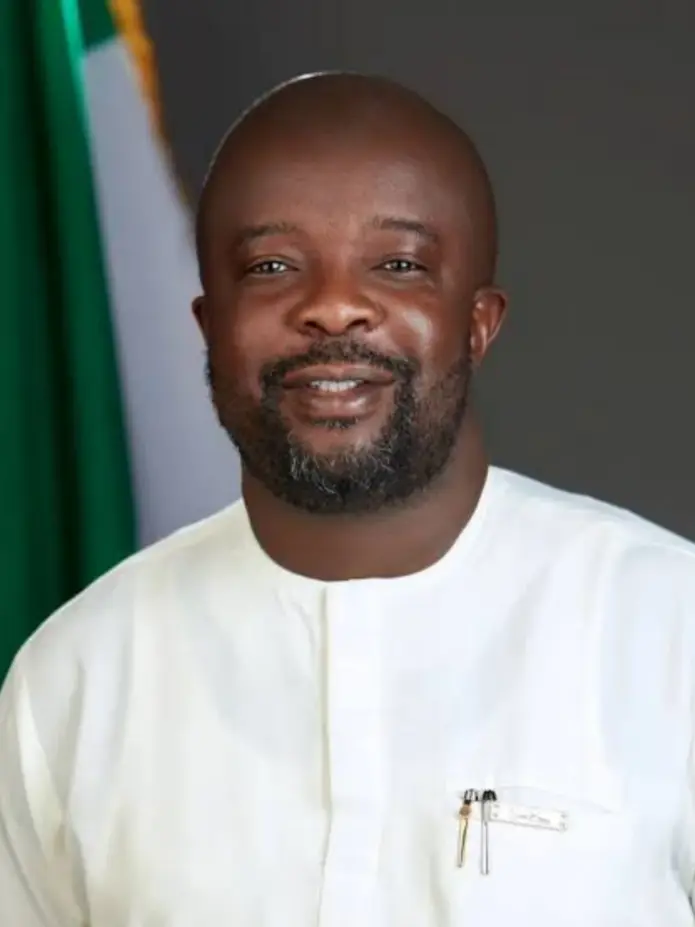
This was disclosed in a release signed by the Chairman of TESCOM, Apostle Abiodun Sanyaolu. According to him, “the screening would take place at the Commission’s Conference room, Block A, Oke-Mosan, Abeokuta.”

The statement explained that only applicants whose subjects of specialisation have been prescribed on the OGSERA Portal will be considered for the process. It further directed all invited candidates to come with their original credentials, including the National Youth Service Corps (NYSC) certificate where applicable, and a valid means of identification such as the National Identity Number (NIN).

The release emphasized that strict compliance would be followed during the exercise. It also urged members of the public to rely only on official information from the Commission to avoid misinformation.

Apostle Sanyaolu noted that the process is designed to ensure transparency and fairness in Ogun State’s teacher recruitment exercise.

NGO warns 80m Nigerian youths unemployed, 1,500 schools shut

0

Plan International Nigeria has raised alarm over the growing crisis facing young people in the country, warning that nearly 80 million Nigerian youths remain unemployed while insecurity has forced the closure of more than 1,500 schools in the past two years.

The organisation disclosed this in a new document titled “State of the Nigerian Youth Report 2025,” presented in Abuja by its Advocacy and Youth Programme Officer, Jonathan Abakpa. The report, produced in partnership with ActionAid Nigeria and with input from policy and advocacy experts, was unveiled during the Nigerian youth dialogue held in commemoration of International Youth Day and organised by the House of Representatives Committee on Youth in Parliament.

According to Abakpa, the findings reveal that about one million children are currently out of school due to insecurity. He described the situation as troubling in a country where more than 60 per cent of the population is below the age of 30. “With more than 200 million people and one of the largest youth populations in the world, Nigeria should be a powerhouse of innovation and growth,” he said.

He warned that unemployment, poverty, insecurity, and poor infrastructure have left many young Nigerians without opportunities. “Unless urgent action is taken, the country risks losing its greatest asset,” Abakpa added.

The report further disclosed that each year about 1.7 million graduates leave Nigerian universities and other tertiary institutions, but jobs remain difficult to find. It also highlighted how rising violence has disrupted rural communities, leading to the loss of more than 77,000 lives in tribal conflicts over the past five years and displacing around 2.6 million people, mostly from farming areas.

Meanwhile, the Special Adviser to the President on Media and Public Communications, Sunday Dare, has urged youths to embrace available government initiatives designed to support them. Speaking to over 24,000 young Nigerians at the Arise Congress 2.0, themed “The Emergence of Champions,” and held at the Baptist International Convention Centre along the Lagos-Ibadan Expressway, Dare described youths as the “champions of Tinubu’s administration.”

He pointed to several government-backed programmes aimed at youth empowerment, including the NELFUND tuition loans and stipends, the renewed hope conditional cash transfer scheme, and ongoing food security and poverty alleviation interventions. “My message is not political but an appeal for youths to embrace available opportunities and transform their communities positively,” he said.

Dare, who also chairs the Youth and Student Ministries Advisory Board of the Nigerian Baptist Convention, stressed the importance of character, discipline, determination, and self-motivation for personal and national growth.

The four-day congress, which runs from September 3 to 6, 2025, also had in attendance the President of the Nigerian Baptist Convention, Rev. Israel Adelani Akanji, among other leaders.

FG to train 2,000 Nigerian youths in electric vehicle skills

0

The Director General of the Youth in Parliament Forum, Tony Nwulu, has announced that 2,000 Nigerian youths will benefit from free training in electric vehicle maintenance and manufacturing under a new partnership programme with CAWIN Mobility Limited.

The initiative, which was unveiled in Abuja, is part of a wider project focused on empowering young people with technical skills that will prepare Nigeria for the growing adoption of renewable energy and green transportation.

Nwulu described the project as a historic milestone that would position Nigerian youths at the forefront of the global transition to sustainable mobility.

“One of the biggest challenges in the coming years will be who services electric vehicles when they develop faults. Through this partnership, we are equipping 2,000 Nigerian youths with the skills to fill that critical gap,” he said at the signing of a Memorandum of Understanding between YIPF and CAWIN Mobility.

He explained that as electric vehicles gradually make their way into the Nigerian automobile market, it was important to ensure the country was not left behind in terms of technical expertise and manpower.

According to him, the training programme, which commences on the 20th of this month, is designed to prepare young Nigerians to take advantage of fast-emerging opportunities in renewable energy and the green transportation sector.

“This project is open to all Nigerian youths across the country. If you are interested in electric vehicle repairs, simply visit our website, fill out the form, and you will be contacted. The programme is completely free. You are not paying one kobo to be trained,” he explained.

He added that the training would target 1,000 engineering students and another 1,000 mechanics from different parts of the country.

Nwulu said the rise of electric vehicles in Nigeria made it urgent to build local technical capacity for repairs and maintenance.

“Today, if you drive past 20 vehicles, you are likely to see at least one electric vehicle. Like every other car, it will require servicing at some point, and the critical question is: who will fix it when it develops faults?” he asked.

He stressed that the partnership with CAWIN Mobility was not just about selling electric cars but also about ensuring there is manpower to support their use.

“After-sales support and servicing are very important to everyone who buys these vehicles. This programme ensures that the technical skills are available locally so that EVs do not end up abandoned after a few years. With this training, we are preparing Nigerian youths to lead Africa in this innovation,” Nwulu said.

The partnership also introduced the Lawmakers Car Acquisition Scheme, which will give federal lawmakers access to both electric and conventional vehicles at affordable prices, with flexible payment plans and after-sales services included.

Nwulu explained that the scheme was designed to ease the challenges lawmakers face in carrying out their duties while also promoting cleaner and more sustainable transportation options.

“This collaboration reflects our shared commitment to youth empowerment, sustainable mobility, and national development. It is a testament to what is possible when innovation meets purpose,” he said.

The YIPF Director General commended CAWIN Mobility for supporting an initiative that combines youth development with green energy advocacy. He also expressed appreciation to stakeholders and members of the media who witnessed the launch.

“With this partnership, we are driving a future where our youths are empowered, our lawmakers are equipped, and our nation is positioned as a leader in the green revolution,” he said.

Chairman of the House of Representatives Committee on Youth in Parliament, Hon. Olamijuwonlo Alao Akala, said the training would equip young Nigerians with the technical skills needed to prepare for the global shift towards sustainable mobility.

“The world is moving into the electric era, and Nigeria cannot afford to be left behind. Through this programme, we are ensuring that when electric vehicles arrive in the Nigerian market, we will already have a prepared workforce and infrastructure to maintain and service them,” he explained.

He pointed out that the collaboration with CAWIN Mobility was not only about introducing electric cars into Nigeria but also about creating a sustainable support system for their use.

“The future is electric, and we must train the next generation to understand and lead in this transition. This training programme specifically targets the EV market, ensuring our youths are not caught unprepared but are ready to drive innovation,” Akala said.

The lawmaker emphasized that the training, which commences this month, would be free for all participants.

“Two thousand youths will benefit from this programme without paying a kobo, and that is a historic opportunity for empowerment,” he noted.

He praised CAWIN Mobility for bringing its expertise to Nigeria and for agreeing to train Nigerian youths. He also commended his colleagues in the National Assembly for showing commitment by attending the event despite being on recess.

“This partnership is meaningful, purposeful, and designed for the future of our country. We are committed to ensuring Nigerian youths get it right,” Akala added.

Managing Director of CAWIN Mobility, Wayne Ji, said the initiative would prepare young Nigerians to play a central role in the country’s transition to green mobility.

“This ceremony is not just symbolic, it is a promise to our youth, our environment, and Nigeria’s economic growth,” he said.

He explained that in China, electric vehicles drove a new wave of industrial revolution and expressed confidence that Nigeria could achieve the same transformation.

Under the partnership, Ji said 1,000 technicians would be trained to immediately serve in garages and service centers, while another 1,000 engineers would undergo advanced training in partnership with Nigerian universities, focusing on EV research, design, and manufacturing.

He emphasized that Nigeria’s youthful population is its greatest resource.

“At CAWIN, we believe investing in young people is investing in the nation’s future. These 2,000 youths will be the backbone of Nigeria’s EV workforce, from the garage to the research lab,” Ji said.

He also highlighted the Lawmakers Car Acquisition Scheme under which Nigerian lawmakers would have access to sustainable vehicles. He said the move would “set an example for citizens and create a ripple effect that boosts confidence in electric mobility.”

Beyond training, Ji explained that CAWIN Mobility would provide a complete EV ecosystem, including charging infrastructure, local assembly, supply chains, and after-sales support.

The programme, he said, is part of a broader vision to create jobs, diversify the economy, and make Nigeria a leader in West Africa’s electric vehicle revolution.

“We are laying the foundation for cleaner cities, safer transportation, and a diversified economy with new industries and jobs,” Ji said.

He urged young Nigerians to seize the opportunity. “To Nigerian youths: seize this opportunity. You are not just beneficiaries, you are the future owners of this industry,” he said.


Katsina NDE flags off second phase of Renewed Hope Initiative

0

Katsina, 4th September 2025 – The National Directorate of Employment (NDE), Katsina State Office, has officially flagged off the second phase of the Renewed Hope Employment Initiative (RHEI) at the Education Resources Centre, Katsina.

The ceremony, which began at 11:00 a.m. and ended at 1:00 p.m., was declared open by the State Coordinator, Hajiya Halima Isa Ingawa, who represented the Director-General, His Excellency Silas Ali Agara.

The event recorded the presence of key dignitaries, including Pharm. Yusuf Nasir, Permanent Secretary, Government House Katsina State; Hon. Alhaji Yau Nowa, Special Adviser, Employment Promotion Department; Dr. Midassir Nasir, Managing Director, KASIPA; Alhaji Nasir Manzo, General Manager, Technology Incubation Centre Katsina; Special Adviser on People with Special Needs; Chairman of the National Union of Road Transport Workers (NURTW), Katsina State Chapter; and the leadership of Kankiya Old Girls Association.

In her welcome address, Hajiya Halima Isa Ingawa read the keynote message of the Director-General, applauding the beneficiaries for being selected and urging them to take advantage of the opportunity. She emphasized the importance of skills acquisition in addressing unemployment and economic development.

Speaking at the event, Pharm. Yusuf Nasir advised the beneficiaries to embrace vocational training and entrepreneurship, stating that “white-collar jobs are increasingly scarce.” He commended the NDE for driving an impactful programme that empowers people with practical skills for self-reliance.

Hon. Alhaji Yau Nowa described unemployment as a root cause of poverty, insecurity, and social unrest. He said, “Unemployment remains a major challenge, but with initiatives like RHEI, young people can access opportunities for financial independence.” He encouraged the beneficiaries to remain disciplined and determined throughout the program.

Dr. Midassir Nasir reaffirmed KASIPA’s commitment to partner with the NDE, pledging sustained collaboration to reduce unemployment in the state. He noted that this aligns with the vision of the state governor, His Excellency Malam Dikko Umar Radda, PhD, who continues to prioritize youth empowerment.

Beneficiaries were reminded that thousands of applicants showed interest, but only a few were selected, making it a rare and valuable opportunity. The ceremony closed with a prayer by a representative of the Education Resources Centre and a group photograph session. Security officials and media representatives ensured a smooth and well-documented event.

Lagos backs skills training and poverty alleviation – Sanwo-Olu

0

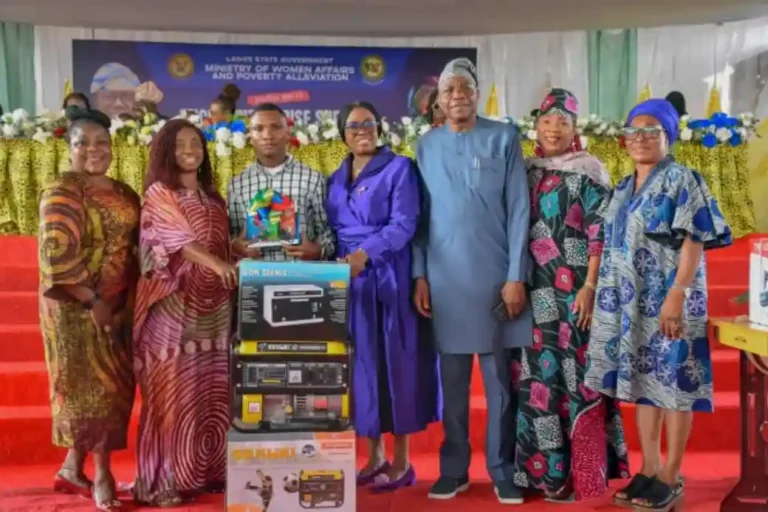
Lagos State Governor, Mr. Babajide Sanwo-Olu, has reaffirmed his administration’s commitment to economic empowerment for women, men, and young adults. He made this known at the Micro Enterprise Support Initiative (MESI) programme held at De Blue Roof, LTV Complex, Agidingbi, Ikeja.

The Governor, who was represented by the First Lady, Dr. Claudiana Ibijoke Sanwo-Olu, said the initiative aligns with the state’s vision of building an inclusive economy where residents can achieve self-reliance and financial independence.

According to him, “This initiative is a demonstration of our government’s commitment to poverty alleviation through skills acquisition. By empowering our women and young people, we are creating sustainable livelihoods and laying the foundation for a more prosperous Lagos.”

Mr. Sanwo-Olu commended the Ministry of Women Affairs and Poverty Alleviation (WAPA) for leading the programme. He described it as a strategic intervention that equips participants with entrepreneurial skills, start-up kits, and mentorship, giving them the ability to thrive in today’s competitive economy.

Speaking at the event, the Commissioner for Women Affairs and Poverty Alleviation, Hon. Bolaji Cecilia Dada, explained that the programme was designed to reduce unemployment, uplift families, and strengthen community resilience. She said, “What we are witnessing today is the practical outcome of a vision that empowers citizens to take charge of their future. The government remains committed to expanding this programme so that more Lagosians can benefit.”

In her remarks, the Permanent Secretary, Mrs. Rianat Ajibike Onigbanjo, who gave the vote of thanks, appreciated Governor Sanwo-Olu for his consistent support towards the Ministry’s empowerment programmes. She also commended facilitators, beneficiaries, and partners for their contributions, urging participants to put their skills into productive use and become ambassadors of self-reliance.

Over the years, the Micro Enterprise Support Initiative has benefited thousands of students who graduated from WAPA skills acquisition centres. Records show that 70 per cent of the beneficiaries are trained in trades such as fashion design, catering, carpentry, ICT, and household essentials production. These programmes provide participants not only with technical know-how but also with start-up resources to establish small businesses.

With the Micro Enterprise Support Initiative, the Lagos State Government has once again emphasized its determination to fight poverty through empowerment, innovation, and creation of opportunities for residents across all 57 local government areas and local council development areas.

UBEC flags off Southern out-of-school enrollment

0

The Executive Secretary of the Universal Basic Education Commission, Aisha Garba, has flagged off a regional enrollment drive for the Southern region to address the issue of millions of out-of-school children across Nigeria.

The campaign was launched at Christ the King Primary School in Uyo, Akwa Ibom State, with the aim of boosting enrollment and reducing the number of children without access to education through targeted, region-specific solutions.

Speaking at the event, Aisha Garba said the initiative reflects UBEC’s dedication to ensuring no child is left behind in the country’s educational system. “This effort is part of our commitment to achieve Sustainable Development Goal 4 on quality education,” she stated.

The campaign is being carried out in partnership with UNICEF Nigeria and the Akwa Ibom State Universal Basic Education Board, demonstrating a strong collaboration to improve access to basic education.

Ogun to produce 700,000 broilers yearly under World Bank programme

0

Ogun State Government has reaffirmed its commitment to bridging the gap in poultry production through the ongoing World Bank-assisted project at Eweje Farm Settlement in Odeda.

The project involves the construction of a 100,000-capacity broiler facility under the Ogun State Economic Transformation Project (OGSTEP), with support from the World Bank. It also includes five residential apartments with four bedrooms each and three industrial boreholes.

The State Commissioner for Agriculture and Food Security, Hon. Bolu Owotomo, gave the assurance while leading a World Bank delegation to inspect the site.

He expressed satisfaction with the quality and pace of work, describing it as a significant step towards achieving food security. According to him, the administration of Governor Dapo Abiodun is focused on repositioning the poultry sub-sector for greater productivity.

“In Nigeria, we are only able to meet about 30 per cent of our demand for chicken consumption. But if this facility produces five times a year, we will have about 700,000 birds annually, which is in line with the aspirations of our governor to increase food security in Ogun State and by extension, the entire country,” Owotomo explained.

The commissioner added that the project would not only enhance poultry production but also create jobs and drive development in Odeda and neighbouring areas. He further revealed that similar poultry facilities are underway across the state to complement the Eweje project. A 20,000-capacity poultry pen is currently being constructed in Ijebu Igbo, while 10,000-capacity pens are ongoing in Ilaro and Ajegunle Farm Settlements.

Owotomo noted that the Ajegunle site will feature a processing plant with the capacity to handle at least 5,000 birds per day, a move that could increase the state’s overall capacity to manage an additional 140,000 poultry birds.

Dr. Oluseyi Olugbire, Project Manager of the Agriculture Sector OGSTEP, stated that the programme is already recording positive results. She commended the collaboration between the World Bank and the state government, assuring that the project will transform agriculture, generate employment, and strengthen food security in Ogun State.