Home Blog Page 483

Ogun to produce 700,000 broilers yearly under World Bank programme

0

Ogun State Government has reaffirmed its commitment to bridging the gap in poultry production through the ongoing World Bank-assisted project at Eweje Farm Settlement in Odeda.

The project involves the construction of a 100,000-capacity broiler facility under the Ogun State Economic Transformation Project (OGSTEP), with support from the World Bank. It also includes five residential apartments with four bedrooms each and three industrial boreholes.

The State Commissioner for Agriculture and Food Security, Hon. Bolu Owotomo, gave the assurance while leading a World Bank delegation to inspect the site.

He expressed satisfaction with the quality and pace of work, describing it as a significant step towards achieving food security. According to him, the administration of Governor Dapo Abiodun is focused on repositioning the poultry sub-sector for greater productivity.

“In Nigeria, we are only able to meet about 30 per cent of our demand for chicken consumption. But if this facility produces five times a year, we will have about 700,000 birds annually, which is in line with the aspirations of our governor to increase food security in Ogun State and by extension, the entire country,” Owotomo explained.

The commissioner added that the project would not only enhance poultry production but also create jobs and drive development in Odeda and neighbouring areas. He further revealed that similar poultry facilities are underway across the state to complement the Eweje project. A 20,000-capacity poultry pen is currently being constructed in Ijebu Igbo, while 10,000-capacity pens are ongoing in Ilaro and Ajegunle Farm Settlements.

Owotomo noted that the Ajegunle site will feature a processing plant with the capacity to handle at least 5,000 birds per day, a move that could increase the state’s overall capacity to manage an additional 140,000 poultry birds.

Dr. Oluseyi Olugbire, Project Manager of the Agriculture Sector OGSTEP, stated that the programme is already recording positive results. She commended the collaboration between the World Bank and the state government, assuring that the project will transform agriculture, generate employment, and strengthen food security in Ogun State.

Advertisement

FG allocates N1.85bn for Chibok Girls until 2027

0

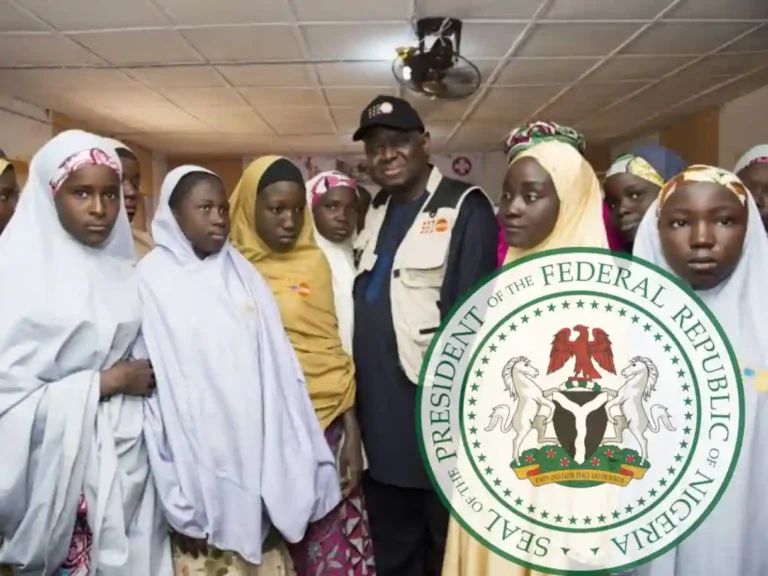
The Federal Government has reaffirmed its commitment to the education and rehabilitation of the rescued Chibok girls through a major financial intervention aimed at supporting their academic and personal development.

The Honourable Minister of Education, Dr. Tunji Alausa, CON, stated that President Bola Ahmed Tinubu, GCFR, remains dedicated to the future of Nigerian children and does not play politics with their education.

Speaking to Nigerians and the international community, Dr. Alausa said, “President Bola Ahmed Tinubu, GCFR, does not play politics with the education and future of Nigerian children.” He emphasized that the administration under the Renewed Hope Agenda is focused on providing comprehensive rehabilitation and academic support for the rescued girls.

It has been over a decade since the tragic abduction of the Chibok schoolgirls in 2014, an event that shocked the world. Many of the girls, now young women, have continued to be a moral responsibility of the Nigerian State. Under President Tinubu’s leadership, the Federal Government has ensured that the rescued 108 girls, who are under the care of the Federal Ministry of Women Affairs, continue to receive necessary support.

Currently, sixty-eight of the girls are enrolled at the American University of Nigeria (AUN), Yola. The institution is owned by opposition politician and former Vice President, Alhaji Atiku Abubakar. Despite political differences and criticism, President Tinubu has approved the continued payment of tuition, accommodation, and other related fees to the university to ensure these girls are not deprived of quality education.

To sustain this effort, the Federal Government has allocated a total sum of ₦1,854,277,768 for the Chibok Girls Intervention Programme, which will run until 2027. This program covers tuition fees, vocational training, psychosocial care, accommodation, and other essential support.

A breakdown of the funding shows that ₦389,666,928 will be spent on outstanding tuition fees for 68 girls for the 2024/2025 academic year. Another ₦515,735,640 is set aside for tuition fees for 30 girls over the next three years. Vocational skills and starter packs for 30 AUN students will cost ₦150,000,000, while another ₦195,000,000 is budgeted for 39 girls, including one graduate.

Accommodation and feeding for vocational training will take ₦117,000,000, while rent allowance for nine girls in Adamawa is budgeted at ₦16,200,000. Other allocations include child support of ₦22,680,000, parental support of ₦165,600,000, surgical and medical support of ₦3,680,000, and travel and logistics for surgery support at ₦900,000. There is also ₦5,000,000 for pre and post-surgery travel and ₦2,815,200 for NHIS enrollment.

Additionally, ₦120,000,000 has been allocated for monitoring and evaluation of academic progress, while provisions such as food, toiletries, and sanitary wares will cost ₦150,000,000.

Dr. Alausa noted that this commitment is not only financial but also a moral pledge to turn a dark chapter in Nigeria’s history into a story of resilience, dignity, and hope.

“While opposition politicians like the former Vice President and others have chosen to exploit national challenges for political gain, President Tinubu has demonstrated true statesmanship by ensuring that Nigerian children, even those studying in institutions owned by his fiercest critics, are not deprived of their education and rehabilitation,” he said.

FG, China Partner to Fight Poverty

0

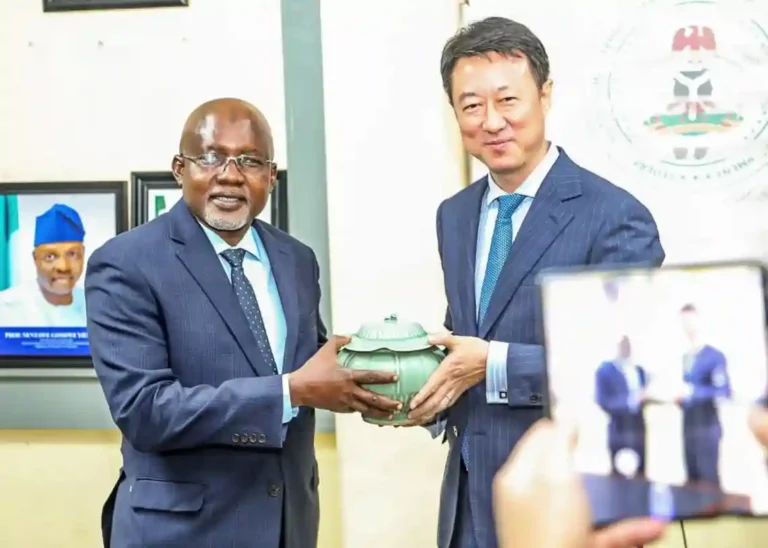
Nigeria and China have expressed interest in working together to tackle poverty and improve humanitarian services. This was discussed when the Chinese Ambassador to Nigeria, Yu Dunhai, paid a courtesy visit to the Minister of State for Humanitarian Affairs and Poverty Reduction, Dr Yusuf Tanko Sununu, on Thursday, September 4, 2025, in Abuja.

During the meeting, Dr Sununu welcomed China’s willingness to collaborate with Nigeria. He noted that Nigeria is eager to learn from China’s successful strategies in fighting poverty. The Minister outlined several pressing humanitarian challenges in the country, including acute malnutrition in children, internally displaced persons, refugees, and the effects of climate change.

Dr Sununu explained that potential areas of partnership include providing durable solutions for displaced persons, skill-to-wealth training programs, and capacity building for ministry staff, especially frontline workers. He emphasized the importance of prompt response to humanitarian needs to support vulnerable groups across the nation.

“We appreciate the good intentions of the Chinese government in partnering with us,” Dr Sununu said. “Nigeria is ready to benefit from China’s experiences in poverty reduction and humanitarian services.”

Ambassador Yu Dunhai highlighted the similarities between both countries, especially in population size, noting that China has about 1.4 billion people as of last year. He explained that China had faced hunger and poverty in the past but had made remarkable progress in overcoming those challenges.

He said, “China has successfully lifted millions of people out of poverty in the last decade. We believe Nigeria can also achieve similar success with the right strategies and partnerships.”

The Ambassador pointed out that tackling poverty requires strong investment in food security, agriculture, industrialization, education, security, and development stability. He assured that the Chinese Embassy is ready to support the Ministry’s efforts in these areas.

The Permanent Secretary of the Ministry, Dr Yakubu Adam Kofarmata, thanked the Ambassador for his visit and his commitment to building a strong partnership. He expressed optimism that the collaboration will bring practical solutions to humanitarian challenges and improve capacity development for staff working in poverty reduction programs.

Renewed Hope Agenda attracts investors, strengthens Economy – Obasa

0

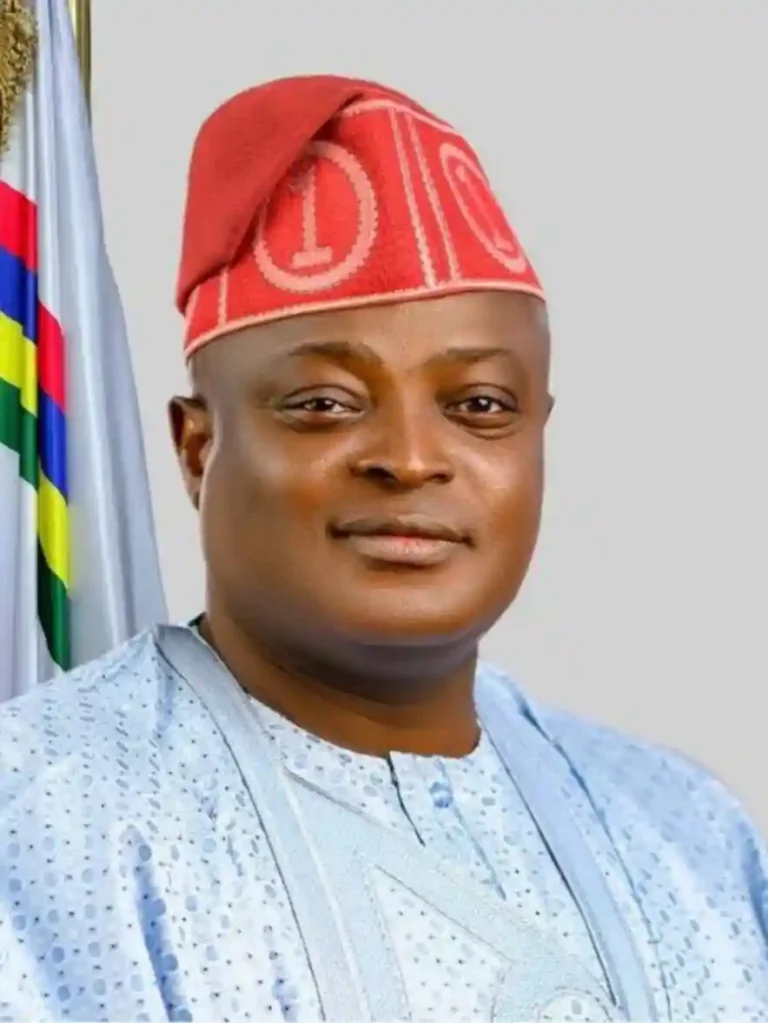
The Speaker of the Lagos State House of Assembly, Mudashiru Obasa, has said that the Renewed Hope Agenda of President Bola Tinubu is not just a slogan but a clear call to action.

He spoke on Thursday during the 10th Constituency Stakeholders Engagement at the Agege Local Government Area secretariat hall.

Obasa explained that this year’s theme, ‘Governance in Action: The Gains of the Renewed Hope Agenda,’ was carefully chosen to highlight the real benefits of governance and show how it aligns with President Tinubu’s vision.

“This unique programme, which is holding across all the 40 constituencies in the state, gives us a viable opportunity to render an account of our stewardship as well as engage, interact, and strengthen our mutual relationship and solidarity, and to collectively address pressing matters affecting the growth, progress and development of our great community,” Obasa said.

The Speaker highlighted some of the achievements of the Tinubu administration, saying that steps have been taken to fight economic stagnation and instability.

According to him, the government has introduced strategic economic reforms. These include restructuring fiscal policies and creating new revenue-generating systems.

“Under the Renewed Hope agenda, the administration has aggressively tackled the challenges of economic stagnation and instability. Strategic economic reforms, including a re-engineering of fiscal policies and revenue-generating mechanisms, have boosted investor confidence and diversified our economy,” he said.

He noted that these reforms have improved Nigeria’s credit rating and created a strong foundation for sustainable growth and development.

Obasa said infrastructure development is a major part of national progress. He explained that new road networks, upgraded ports, and modern public facilities are being built across the country.

According to him, these projects are improving the quality of life and positioning Nigeria as a hub for commerce and innovation.

Speaking on agriculture, the Speaker said food security remains a key priority for the Renewed Hope Agenda.

He stated that the administration has invested in mechanized farming and modern agricultural practices.

Improved access to financing and wider markets, he added, have empowered farmers and boosted production, placing Nigeria on track to becoming an agricultural powerhouse.

Obasa also praised the government’s focus on human capital development.

He described the Nigerian Education Loan Fund (NELFUND) as a landmark policy that has brought hope to many young people.

“Campuses are now more peaceful, infrastructure is improving, and there’s a measure of stability in the academic environment across the federation. Education is once again becoming the tool for empowerment and national development,” he said.

The Speaker explained that the Renewed Hope Agenda is designed to lift millions of Nigerians out of poverty.

He said it aims to create economic opportunities for people in both urban and rural areas.

Obasa also praised Lagos State Governor Babajide Sanwo-Olu for supporting the vision of the Renewed Hope Agenda.

“In consonance with the national drive for progress, Governor Babajide Olusola Sanwo-Olu has been a pivotal partner in the realisation of this shared vision,” he said.

Obasa added that Sanwo-Olu’s administration is marked by innovative urban renewal projects, efficient public services, and legislative collaboration for sustainable growth.

He noted that Lagos has experienced major infrastructural changes, including modern transport systems, housing projects, and advanced urban planning.

According to him, these developments are turning Lagos into a modern city with more opportunities for residents and investors.

The Speaker also said that strong cooperation between the Executive arm and the Lagos Assembly has led to the passage of progressive laws.

These laws, he explained, support social welfare, environmental sustainability, and infrastructural growth.

He said this has helped create an environment that attracts private investments and encourages public-private partnerships.

As Obasa listed achievements by the federal and state governments, as well as his own constituency projects, the hall was filled with cheers.

Constituents sang popular political songs, showing their appreciation for his 24 years of service as a legislator.

In his welcome address, Hon. Abdul Ganiyu Vinod Obasa, acting executive chairman of Agege LGA, praised President Tinubu for his commitment to restoring Nigeria’s economy.

He promised to ensure that the dividends of democracy reach everyone in the community.

The event was attended by constituents, party leaders, traditional rulers, religious leaders, and members of various trade associations.


WAEC urges schools to upgrade ICT centres ahead of 2026 CBE

0

The West African Examinations Council (WAEC), Port Harcourt Zone, has called on schools to upgrade their Internet Computer Technology (ICT) centres to meet the required standards ahead of the full transition to computer-based examinations.

The Zonal Coordinator, Mr. Adeniran-Amusan Akim, gave this advice on Thursday during a sensitisation programme held in Port Harcourt. The event was organised by Teadro Systems Ltd in partnership with the National Association of Proprietors of Private Schools (NAPPS), the Bank of Industry (BOI), Hewlett-Packard, Lenovo, and Canon.

Akim announced that the Computer-Based West African Senior School Certificate Examination (CB-WASSCE) would fully begin with the 2026 examination diet. He stressed that schools must start preparing now to meet the new examination requirements.

“The computer-based exam system is here to stay, and schools must adapt to the new format by complying with WAEC’s requirements,” Akim said.

He explained that while WAEC has already provided designated centres for schools that are unable to meet the set standards, institutions wishing to host the exams on their premises must provide the necessary facilities and infrastructure.

WAEC’s Head of Examination, Mr. Lucky Njoagwuani, highlighted that the council had successfully conducted computer-based tests for private candidates for the past two years.

He outlined the essential requirements schools must meet, which include at least 250 functional laptops with an additional 10 percent backup, a strong server capable of supporting 250 systems simultaneously, LAN connectivity, CCTV cameras, proper lighting and air conditioning, uninterrupted power supply with UPS, and a backup generator of at least 40kVA.

Njoagwuani added that the new system would improve accessibility, reduce paper usage, and cut down on logistics costs, making the examination process more efficient.

The Chairman of NAPPS in Rivers State, Mr. Sunday Jaja, encouraged school owners to take advantage of funding opportunities from the Bank of Industry and the Federal Government’s MSME intervention fund to meet these requirements.

“Technology is playing a vital role in modern education. This initiative will help schools stay updated with current trends and prepare students for the digital age,” Jaja said.

The event also featured a raffle draw where winners went home with various technological gadgets, including an HP computer set, Canon printer, Lenovo tablet, keyboard, and mouse.

Yobe State launches Guna Farming Initiative to link farmers with FAO and WFP

0

The cultivation of Bitter Melon, locally known as Guna, is becoming a source of hope and prosperity for farmers in Yobe State. What was once a little-known plant is now changing lives in rural communities.

In Nangere Local Government Area and other catchments under the Tikau Emirate, farmers are seeing great results. A single bag of Guna seeds sells for as much as ₦50,000.00. The oil from the seeds is cholesterol-free and highly demanded by top companies.

Guna grows after staple food crops are harvested. This means there is no competition for farmland while giving farmers extra income.

On September 3, 2025, Yobe State Emergency Management Agency (SEMA) and the Yobe State Guna Association (YOSGATA) launched a new initiative. The program was held with the Emir of Tikau present.

At the event, free Guna seeds, fertilizers, and knapsack sprayers were distributed to community leaders.

His Royal Highness spoke about the devastating floods of 2024. “When the floods swept through our communities last year, I encouraged our farmers to embrace Guna cultivation. Today, we are seeing that decision bring hope, income, and stability,” he said.

The Executive Secretary of Yobe SEMA promised to do more for Guna farmers. “We are not only giving inputs. We are working to connect farmers with the Food and Agriculture Organization (FAO) and the World Food Programme (WFP).

“We are also pushing for a processing factory to turn seeds into oil. This will create jobs for our youth and increase revenue for our state,” he stated.

The initiative will also open doors to international markets. It aims to improve food security and boost the state’s economy.

Bitter Melon is now seen as a valuable resource that can rebuild livelihoods and empower communities.

“Bitter Melon is no longer a hidden treasure. It is Yobe’s new green gold. May Allah bless Yobe State and the resilience of its people,” the SEMA Executive Secretary added.

FG to train 100 FCT students in vocational skills

0

The Executive Secretary of the National Senior Secondary Education Commission (NSSEC), Dr. Iyela Ajayi, has called for young Nigerians to be exposed to entrepreneurship-oriented training.

He said this will prepare them to contribute meaningfully to national development and compete globally.

Dr. Ajayi spoke in Abuja at the closing ceremony of the 2025 long vacation skills acquisition programme for 100 senior secondary school students from the Federal Capital Territory (FCT).

The two-week programme was organised by NSSEC in collaboration with the Industrial Training Fund (ITF).

Students received hands-on training in Plaster of Paris (POP) design, tiling, plumbing, painting and decoration, solar panel installation, CCTV installation, catering, culinary skills, and robotics.

Represented by the Head of Teacher Development and International Partnerships at NSSEC, Mohammed Salihu, Dr. Ajayi described the initiative as a milestone.

He said it aligns with President Bola Ahmed Tinubu’s Renewed Hope Agenda, which focuses on education, youth empowerment, skills development, and job creation.

Dr. Ajayi urged the students to apply their new skills in building a future of creativity and self-reliance.

“You are leaving this programme not just with skills, but with a new mindset. Use these skills to build a brighter future for yourselves, your families, and our nation,” he said.

He commended ITF for its partnership, the FCT Education Secretariat for providing accommodation, and the Ministry of Education for its continuous support.

According to him, the programme shows what can be achieved when government, institutions, and stakeholders work together to transform education.

The Director General of ITF, Dr. Afiz Ogun, was represented by Ojo Akindele.

He praised the students for their discipline during the training and said the skills acquired would boost their career prospects.

“These skills will position you to become employers of labour in the future,” he said.

The Mandate Secretary of the FCT Education Secretariat, Dr. Danlami Hayyo, said the secretariat’s support was to create a safe and enabling environment for students.

He added that the FCT Administration will keep partnering with relevant agencies to promote skills-based education.

Some students described the training as life-transforming and promised to put their knowledge into practice.

1,146 Kaduna youths selected for NDE RHEI second phase

0

About 1,146 youths, including women, have been selected for the second phase of the Renewed Hope Employment Initiative (RHEI2) in Kaduna State. The announcement was made by the State Coordinator of the National Directorate of Employment (NDE), Francis Ambianto, during the official inauguration of the programme on Thursday in Kaduna.

Mr Ambianto, who represented the Director-General of NDE, Silas Agara, explained that the initiative was being carried out simultaneously across the 36 states of the country and the Federal Capital Territory. He said the programme aims to provide young people with the skills and opportunities needed to become self-reliant and contribute to economic development.

“The central message of the director-general is that the youth who are successful in undergoing this programme should take it as a great opportunity because chances are limited. With the new direction of the NDE, if you participate in a programme, you cannot come back again, because the registration is tied to the National Identification Number. Once you have benefitted, you are expected to excel and not reapply,” he said.

Mr Ambianto emphasized that if the participants remain focused and committed, they would not only become self-employed but also create job opportunities for others.

He also advised the trainers to provide quality instruction while urging the trainees to respect their trainers, remain disciplined, and take the training seriously to achieve the desired results.

Speaking at the event, the Counsellor to the Kaduna State Governor on Political Matters, Ado Dogo, praised the programme, describing it as a vital step toward reducing youth unemployment in the state.

“This is a welcome initiative that will reduce idleness among youths and help them become self-independent,” he said.

Mr Dogo assured that the Kaduna State Government would continue to partner with the NDE to improve and expand youth empowerment programmes. He added that engaging young people meaningfully would improve their livelihoods and help reduce insecurity in the state.

Some beneficiaries expressed their gratitude for being selected to participate in the programme. Aisha Sambo, who applied for the Special Public Work scheme, said she felt honoured and happy to be among the selected participants. She stated that the training would support her financial growth and personal development.

Another beneficiary, Samson Elisha, an unemployed youth who applied for fish farming and feed production, also expressed appreciation. He promised to remain focused during the training to acquire skills that would help him build a sustainable livelihood.

The Renewed Hope Employment Initiative is part of the federal government’s wider plan to tackle unemployment by equipping young Nigerians with relevant skills for job creation.

Sanwo-Olu to deploy 1,000 Graduate Interns to over 200 companies in Lagos

0

Governor Babajide Olusola Sanwo-Olu has reaffirmed his administration’s commitment to creating jobs and wealth for young people in Lagos, describing them as the backbone of the state’s prosperity.

Speaking at the 2025 Stakeholders’ Forum of the Ministry of Wealth Creation and Employment, held recently at the Marriott Hotel, Ikeja, the Governor, who was represented by the Secretary to the State Government, Barr. Bimbola Salu-Hundeyin, announced that 1,000 interns trained under the Graduate Internship Placement Programme will be deployed to various organisations starting in September. He revealed that over 200 companies have already partnered with the state to support the initiative aimed at reducing youth unemployment.

In his welcome address, the Honourable Commissioner for Wealth Creation and Employment, Hon. Akinyemi Bankole Ajigbotafe, highlighted several programmes introduced to empower residents. He noted the ongoing ICT empowerment schemes, the Lagos Leather Hub located at Matori, and the disbursement of over ₦30 billion through the Lagos State Employment Trust Fund to support small and medium-sized enterprises.

Permanent Secretary, Esv. Wasiu Adebayo Olayinka, assured participants that contributions made during the forum would be implemented to turn youth aspirations into practical and measurable results.

The forum brought together policymakers, private sector leaders, and young entrepreneurs to develop strategies for tackling unemployment and driving inclusive economic growth in Lagos.

NELFUND urges schools to speed up loan verification

0

The Nigerian Education Loan Fund (NELFUND) has called on tertiary institutions to speed up the verification and approval process for students’ loan applications to avoid unnecessary delays in disbursing funds.

In a statement, the Director of Strategic Communications, Oseyemi Oluwatuyi, emphasized that verification is a key step in the loan application process. He explained that delays at this stage could affect students receiving their institutional fees and upkeep allowance.

“Timely verification and approval are essential to ensure that loan beneficiaries can access their fees and allowances without disruption,” Oluwatuyi stated.

NELFUND’s appeal comes after several complaints from prospective beneficiaries who expressed concerns over delays caused by slow verification processes in some institutions. The Fund urged schools to prioritize the process to support students who rely on the education loan for tuition and living expenses.