Home Blog Page 486

Check: PTDF shortlisted candidates 2025/2026 overseas scholarship

0

The Petroleum Technology Development Fund (PTDF) has released the list of successful candidates for the 2025/2026 Overseas Scholarship Scheme for MSc and PhD programmes. The announcement was made in a public notice issued from PTDF House, Plot 1058 Memorial Drive, Central Area, Cadastral Zone A00, Abuja.

According to the notice, all applicants who took part in the interview exercise held between July 14 and 25, 2025, are expected to confirm their status by visiting the PTDF official website at www.ptdf.gov.ng.

The Fund also disclosed that a virtual induction ceremony for the awardees has been scheduled for Wednesday, September 10, 2025. The statement added, “Invitations containing detailed information and access links would be sent to the registered email addresses of all successful candidates.”

PTDF noted that the scholarships form part of its efforts to strengthen research, capacity building, and manpower development in the oil and gas sector, which remains central to Nigeria’s energy and economic growth.

“The PTDF extends its congratulations to all successful awardees and anticipates their full participation in the forthcoming induction programme,” the notice read.

Advertisement

GITEX 2025: Sanwo-Olu unveils Lagos plan for Nigeria $1tr economy

0

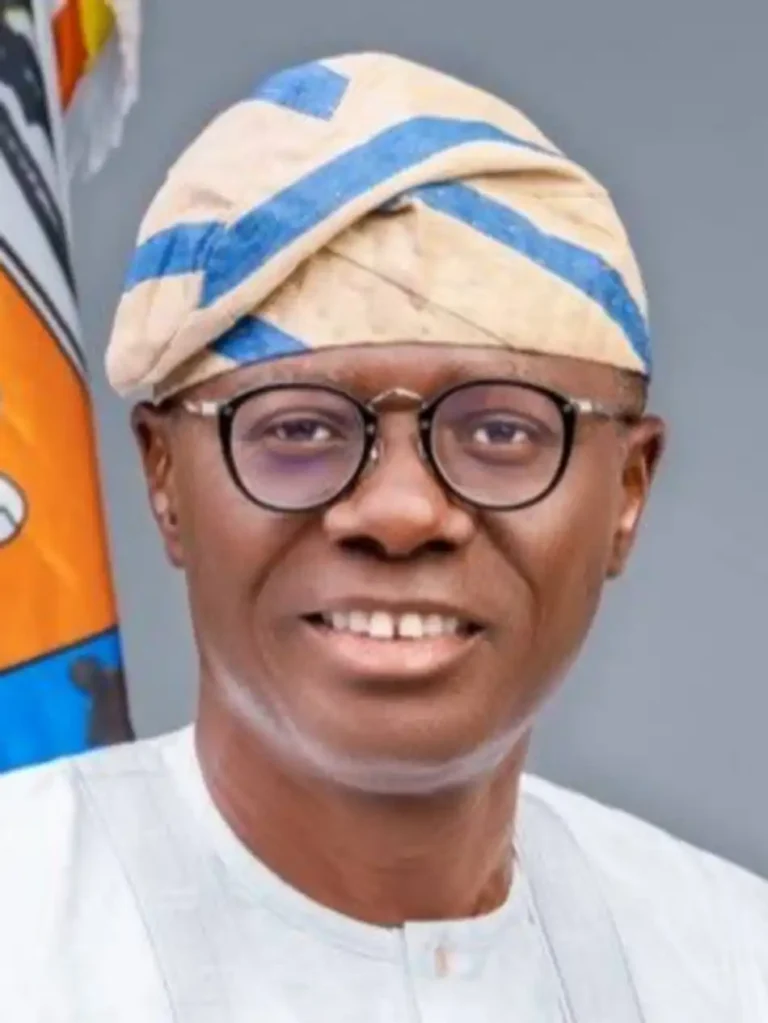
Lagos State Governor, Babajide Sanwo-Olu, has restated his commitment to positioning the state as a leader in Nigeria’s drive to achieve a one trillion dollar economy by 2030. He said the government would rely on innovation, technology, and strategic collaborations to achieve this vision.

Speaking at the opening of the GITEX Nigeria Tech Expo and Future Economy Conference 2025, Sanwo-Olu described Lagos as a cornerstone of Africa’s digital transformation and a hub of opportunities for investors.

The governor explained that Lagos is already home to 23 of Nigeria’s fastest-growing companies, as identified by the Financial Times. According to him, this achievement is driven by a dynamic innovation ecosystem supported by progressive government policies, strong private sector investment, and an energetic startup culture.

“We’re not just showcasing technology today; we’re forging partnerships and igniting innovation to propel Nigeria toward its one trillion dollar economic target,” Sanwo-Olu said.

His remarks come as President Bola Tinubu continues to push the ambition of transforming Nigeria into a trillion-dollar economy within the decade.

Sanwo-Olu emphasised that Lagos is more than just a city, describing it as a movement. He urged innovators and stakeholders at the expo to seize opportunities, connect with global players, and help shape a future that would place Nigeria and Africa as leaders in the digital economy.

The GITEX Expo is organised by the Lagos State Government in collaboration with KAOUN International, the Federal Ministry of Communications, Innovation and Digital Economy, and the National Information Technology Development Agency. The event is regarded as one of the largest gatherings of global and local technology leaders. Participants at this year’s edition include IBM, Meta, MTN, AWS, Cisco, and a wide range of Nigerian startups.

Sanwo-Olu also commended the Minister of Communications, Innovation, and Digital Economy, Dr. Bosun Tijani, for advancing artificial intelligence infrastructure and driving inclusive digital solutions that continue to improve Nigeria’s global technology reputation.

In his remarks, Dr. Tijani said the rapid growth of Lagos, which attracts about 2,000 new residents every day, has made it urgent to expand digital infrastructure. He announced that a new government-backed programme will launch on October 1, funding 75 additional digital research projects. The minister explained that this initiative is aimed at strengthening collaboration between Nigerian researchers, entrepreneurs, and the diaspora community.

He further stressed the importance of partnerships between startups, corporates, and government to scale innovation and build resilience across Nigeria’s digital ecosystem.

NYSC resumes N44,000 arrears payment after two-month break

0

September 3, 2025 – The National Youth Service Corps on Wednesday resumed the payment of arrears, marking the first disbursement since June 3 after a two-month break.

This N44,000 arrears payment is connected to the new N77,000 monthly allowance recently approved by the Federal Government.

On April 5, the Director-General of NYSC, Brigadier General Olakunle Nafiu, assured corps members that those who recently completed their service year would also receive the new allowance.

Speaking at the Batch A 2025 Pre-Mobilisation Workshop in Abuja, Nafiu explained, “Once funds are released to us to offset the arrears, we will pay them. Even our corps members who passed out recently will benefit. We have their bank details.”

He also emphasised the Federal Government’s commitment, saying, “Nigerians should not fret about that because the government is both responsible and responsive to their needs.”

The latest disbursement covers arrears from July 2024 to March 2025. This development follows months of frustration from corps members over delays in the implementation of the new allowance.

The N77,000 monthly allowance had earlier been approved by the Federal Government as part of efforts to reduce economic hardship faced by Nigerian youth.

A previously serving corps member confirmed the development, saying, “After waiting for two months, I didn’t expect to see another payment alert. But honestly, it’s not just about the money; it’s about feeling like our efforts actually count.”

Others have taken to social media platforms, including Facebook, to confirm they have received alerts. Some banks, including Access Bank, have already started disbursing the arrears.

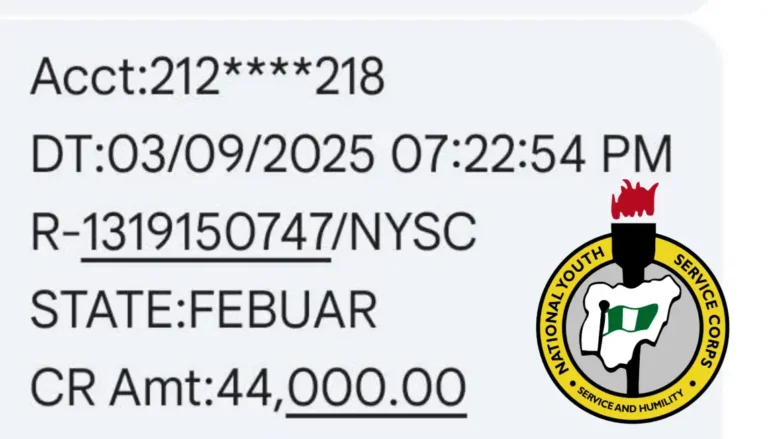
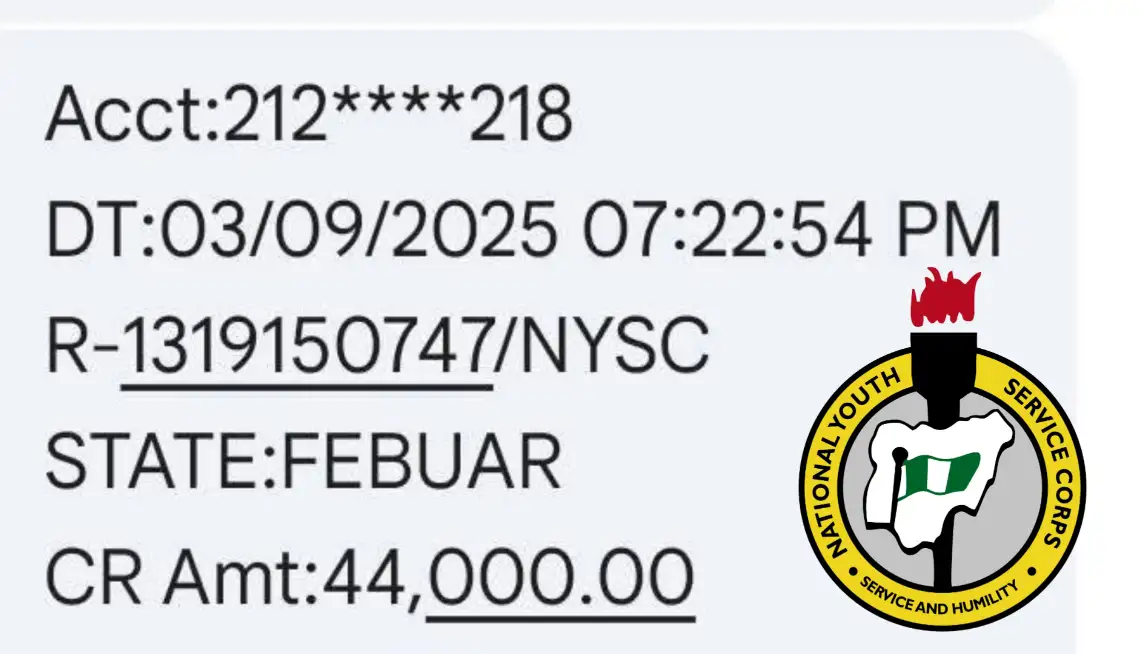
The arrears SMS carry ‘Feb 2025’, which indicates February payments.

Attached below is screenshot proof:

ITFA trains 500 NGOs, MSMEs on sustainable trade

0

The International Trade Facilitators Association (ITFA) has trained more than 500 non-governmental organisations and Micro, Small and Medium Enterprises (MSMEs) on sustainable trade transformation in Nigeria.

The training was carried out under ITFA’s flagship initiative, “Support to Potential and Established Nature-Positive Micro, Small and Medium Enterprises in Nigeria (SPENM).”

The programme was funded by the United Nations Development Programme (UNDP) with support from the Global Environment Facility’s Small Grants Programme (GEF-SGP).

Mr Collins Ezeiruaku, Trade Ambassador at ITFA, described the initiative as a strategic intersection of commerce and conservation.

“We are empowering organisations to operate ethically, source responsibly and build resilience beyond catalytic funding,” he said.

He explained that more than 470 institutions including civil society groups and community-based organisations were targeted, with many now commercialising nature-positive projects.

“The SPENM project is more than a capacity-building exercise, it is a blueprint for post-grant sustainability, ethical sourcing and environmental stewardship. By equipping grassroots organisations with tools for traceability, financial management and market access, ITFA is positioning local enterprises to thrive beyond donor dependency and compete in global value-chains,” he added.

Ezeiruaku stressed that the resources provided through GEF-SGP are not just instructional, but transformational.

According to him, they are blueprints for sustainable impact in Nigeria’s evolving trade landscape and for building capacity in global competitiveness.

Mrs Okiemute Olori, a coach and consultant on the SPENM project, emphasised the importance of future-proofing local enterprises.

“We are helping MSMEs think globally to get certified, build credibility and compete effectively in international markets,” she said.

Dr Abel Owotemu, Technical Adviser to ITFA, led a session on integrating sustainability into business strategy using the Business/Mission Model Canvas.

He explained that the approach focused on the triple bottom line of “People, Planet and Profits.”

Owotemu said the aim was to guide MSMEs away from profit-only or NGO-only models, towards impact-driven strategies that make a real difference in society.

Mrs Ibironke Olubamise, National Coordinator of the UNDP GEF-SGP, described SPENM as a catalyst for long-term transformation.

She said GEF is more than a funding mechanism, but an investment in local capacity, institutional integration and revenue-generating models.

“We are laying the groundwork for environmental and economic resilience that endures beyond the life of any single project. This initiative signals a new era for Nigeria’s MSME ecosystem, one where sustainability is not a side note, but a strategic imperative,” she explained.

“For global agencies seeking scalable models of inclusive green growth, SPENM offers a compelling case study on how trade, training and transformation can converge to build a better future,” she said.

Plateau Govt partners Agency on poultry program to empower youths

0

Christian Aid Nigeria has partnered with the Plateau State Government to launch a sustainable poultry-led program focused on empowering young people and boosting economic growth. The initiative will create job opportunities for youth aged 18 to 35, improve nutrition, and promote climate-smart agriculture.

At a meeting in the JD Gomwalk Secretariat, Jos, the Commissioner of Budget and Economic Planning, Adams Bulus Lekshak, welcomed the delegation from Christian Aid. He said, “This project aligns with the government’s priorities for improving youth livelihoods and enhancing dietary nutrition in the state.” He also appointed the Director of International Cooperation and the Director of Planning as liaison officers to support smooth collaboration.

The Christian Aid delegation was led by Nathaniel Joseph, Senior Specialist in Livestock Development. He explained that the initiative followed a request by the Plateau State Governor to Christian Aid’s country director. Joseph also noted that the program is part of a broader national plan covering seven states, including Plateau, Adamawa, Kano, FCT Abuja, Ogun, Enugu, and Delta.

The program is built on six components, including training in feed production, poultry management, and climate-smart farming. A unique “Climate and Smart Sandbox” will test innovative methods to reduce the environmental impact of agriculture.

Christian Aid confirmed that a consortium of partners, including international research institutes, will deliver specialized training to strengthen the program.

The Commissioner requested a detailed work plan from Christian Aid to integrate into the ministry’s annual calendar. A stakeholder meeting is also planned to provide a full project breakdown and select participants.

NDE phase 2 successful applicants receive SMS for training/flag-off

0

September 3, 2025 – National Directorate of Employment (NDE) phase 2 of the Renewed Hope Employment Initiative (RHEI) has moved to a new stage as successful applicants who earlier received email notifications are now getting SMS invitations for commencement of training.

The National Directorate of Employment confirmed that beneficiaries must report at designated venues as directed by their state offices through the SMS.

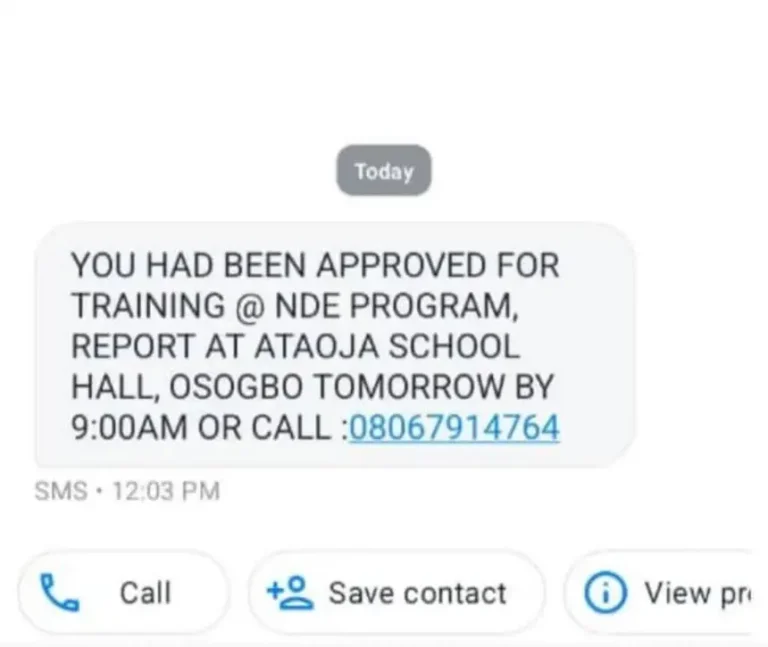
One of the SMS messages sent to selected candidates reads, “You had been approved for training @ NDE program, report at Ataoja School Hall, Osogbo tomorrow by 9:00am or call :0806**14764.” This instruction applies to Osogbo applicants and emphasizes punctual attendance for the programme.

In some other states, the approach is slightly different as candidates are being directed to attend the official flag off ceremony before training begins.

A sample SMS sent to a beneficiary reads, “You are invited to d flag off ceremony of the 2nd phase renewed hope employment initiative at d office premises of NDE, No 2 Nathaniel Ajigi rd Gadumo, tomorrow 4/9/2025. by 9am NDE Mgt.”

As an example, NDE Katsina already issued a public invitation mandating beneficiaries who received emails to attend the flag off of the Second Phase Renewed Hope Employment Initiative. Candidates are reminded that each state branch has different venues.

FG, AGRA launch program to cut N3.5trn post-harvest losses

0

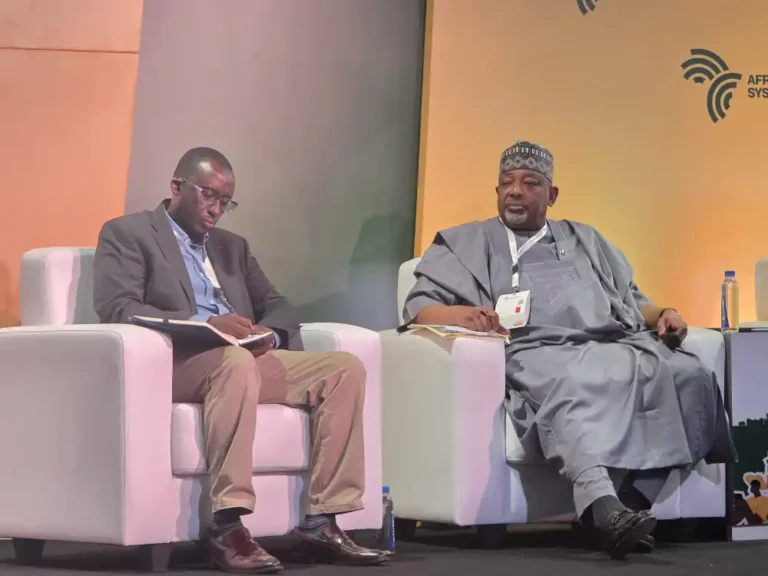
September 3, 2025 – Earlier today, the Minister of Agriculture and Food Security, Sen. Abubakar Kyari, Governor of Jigawa State, Umar Namadi, Executive Secretary of the National Agricultural Development Fund (NADF), Mohammed Ibrahim, and other stakeholders participated in the Nigeria Deal Room, one of the key programmes at the ongoing Africa Food Systems Forum in Senegal.

The discussions centred on the Nigeria Postharvest Systems Transformation Program (NiPHaST), a flagship initiative under Nigeria’s Legacy Programme. NiPHaST is designed to tackle the serious issue of post-harvest losses, which are estimated to cost the nation about N3.5 trillion annually.

Speaking at the session, Sen. Abubakar Kyari stressed the importance of the initiative. “We cannot continue to allow such massive losses in our agricultural value chain. This programme will ensure more resilient systems that benefit our farmers and the economy,” he said.

NiPHaST is built on the framework of Nigeria’s National Agricultural Technology and Innovation Policy (NATIP). It takes a multi-stakeholder approach, aiming to create a more efficient and sustainable food system.

The programme is a partnership between the Government of Nigeria and AGRA. Its focus areas include improving storage infrastructure, adopting advanced agricultural technologies, and enhancing transport services to reduce waste and strengthen food security.

Nigeria Customs generates N3.7trn in H1 2025

0

The Honourable Minister of Finance and Coordinating Minister of the Economy, Mr. Wale Edun, has reaffirmed the government’s commitment to modernising trade systems and boosting revenue as the Nigeria Customs Service (NCS) continues to exceed expectations.

At the 62nd meeting of the NCS Board in Abuja, the Minister disclosed that Customs generated ₦3.7 trillion in the first half of 2025, a figure that is 12.5 percent above budget and 25 percent higher than the same period last year. He described the achievement as commendable but added that more reforms are required to meet the administration’s ambitious revenue targets.

According to him, “The performance is commendable, but it is important to deepen reforms so that we can achieve the ambitious revenue goals of the administration.”

A major part of the reform agenda is the National Single Window Initiative, a digital trade platform expected to be fully rolled out in 2026. The platform is designed to simplify import and export processes, reduce costs, cut delays, and increase competitiveness, providing a stronger business environment for the private sector.

“The National Single Window will give Customs the speed and capacity to process trade more effectively, boosting revenue and positioning Nigeria as a more attractive hub for investment,” the Minister said.

The NCS Board also confirmed governance improvements within the Service, including senior appointments and promotions, aimed at upholding professional standards and strengthening institutional capacity.

Mr. Edun stated that these steps reflect President Bola Tinubu’s broader economic strategy, which is focused on stabilising inflation and exchange rates while building a transparent, technology-driven trade ecosystem that encourages private investment and drives long-term economic growth.

Tinubu hails N20.59trn non-oil revenue, FAAC hits N2trn

0

The Presidency has welcomed Nigeria’s latest revenue figures for January to August 2025, describing them as proof of unprecedented growth in non-oil collections. Officials said the results were driven by reforms aimed at strengthening fiscal performance, improving compliance, and digitising tax administration.

President Bola Tinubu, while addressing a delegation of the Buhari Organisation led by Senator Tanko Al-Makura, pointed to the positive trajectory in non-oil revenue mobilisation. Some sections of the media had earlier reported his remarks out of context.

From January to August 2025, total collections rose to N20.59 trillion, a 40.5 percent increase from N14.6 trillion in 2024. The President said this performance keeps the government on course to meet its annual non-oil revenue target. He also noted that the federal government has not borrowed from local banks this year, a sign of stronger fiscal stability.

Tinubu explained that while oil-related revenues remain under pressure due to falling crude prices, non-oil sources have grown strongly. He stressed that under his inclusive growth agenda, resources are being channelled closer to the people.

The President highlighted record Federation Accounts Allocation Committee disbursements. For the first time in Nigeria’s history, monthly allocations to states and local governments surpassed N2 trillion in July 2025. He said this gives subnational governments more space to fund food security, infrastructure, and social services.

Despite the progress, Tinubu admitted the revenue figures still fall short of his administration’s ambitions for education, healthcare, and infrastructure spending. He said reforms would continue to address these gaps.

Bayo Onanuga, spokesperson to the President, described the development as historic. “Nigeria’s fiscal foundations are being reshaped. For the first time in decades, oil is no longer the dominant driver of government revenue. The combination of reforms, compliance, and digitisation powers a more resilient economy. The task ahead is to ensure that these gains are felt in the lives of our citizens and in better schools, hospitals, roads, and jobs,” he said.

Data shows non-oil revenue is now the main engine of fiscal growth. Of the N20.59 trillion collected, N15.69 trillion came from non-oil sources, accounting for three out of every four naira. Officials said the uplift is largely reform-driven, supported by digitised tax filings, Customs automation, stronger enforcement, and expanded compliance.

Customs also exceeded expectations. In the first half of 2025, it generated N3.68 trillion, N390 billion above target, already reaching 56 percent of the full-year goal. Authorities said this reflects systemic changes rather than one-off windfalls.

The Presidency added that revenues are ahead of pro-rata expectations and final validation will come from the Budget Office at year-end. It stressed that the priority now is ensuring revenue growth brings real relief to citizens, with more food security, jobs for young people, and investments in schools, hospitals, and roads.

EFCC arrests Gavice Logistics CEO over N2bn investment fraud

0

Operatives of the Economic and Financial Crimes Commission, EFCC, have arrested Ahamba Tochukwu, Chief Executive Officer of Gavice Logistics Limited, over an alleged fraud running into N2,000,000,000. The anti-graft agency disclosed that Tochukwu lured unsuspecting Nigerians into bogus logistics investment schemes.

According to investigators, the suspect rolled out investment plans covering haulage, courier, and e-commerce services, while promising investors a mouthwatering fifty percent Return on Investment, ROI. “Tochukwu, through Gavice Logistics Limited, raked in more than N2 billion from over 400 investors who can no longer access their capital and ROI since November 2024,” EFCC sources said.

The agency explained that the suspect suddenly disappeared after collecting the funds, leaving hundreds of victims stranded. The EFCC confirmed that its operatives, acting on intelligence, eventually tracked down and arrested Tochukwu, who is currently being grilled over what has been described as another Ponzi scheme disguised as a logistics investment.

“With his arrest, members of the public are enjoined to desist from patronising unverified pyramid schemes and fraudulent investment promoters to avoid being defrauded,” the EFCC stated, warning that quick money offers in the name of investment often end in massive losses for investors.