
Home Blog Page 52

SUSTAIN to select Nigerians in STEM for Jobs in Germany and Ireland

0

SUSTAIN has launched a new skilled labour mobility programme aimed at connecting young Nigerian professionals in Science, Technology, Engineering, and Mathematics (STEM) with career opportunities in Europe.

The initiative is implemented by Seefar and co-funded by the European Union through ICMPD’s Migration Partnership Facility (MPF). It is designed to strengthen talent and knowledge exchange between Nigeria, Germany, and Ireland.

Under the framework of the project, up to 240 participants will be selected and matched with STEM jobs in Germany and Ireland. Selected participants will receive comprehensive preparatory training to ensure a smooth transition and proper integration into their new work environments. The training package includes soft skills development, cultural orientation, and career guidance to help them perform effectively in their roles.

Registrations are now open, and eligible applicants can apply directly through the SUSTAIN website at www.sustaineu.org.

Emeka Anene, SUSTAIN Manager in Abuja, said the programme is structured to create lasting impact in Nigeria.

“SUSTAIN gives talented Nigerian STEM professionals a unique opportunity to gain valuable international experience in Europe, while ensuring their skills ultimately benefit Nigeria. Through this initiative, we are not only opening doors for young Nigerian STEM professionals but also driving long-term knowledge transfer and economic growth back home,” he said.

Mr. Oleg Chirita, Head of Global Initiatives and Deputy Head of ICMPD Brussels Mission, explained that the programme also addresses labour market needs in Europe.

“ICMPD is committed to building partnerships that create opportunities for young professionals while addressing real labour market needs in Europe. Programmes like SUSTAIN show how global talent mobility can deliver mutual benefits for all – empowering individuals, strengthening economies, and deepening cooperation between regions,” he said.

Peter Iroagbalachi, a Nigerian STEM candidate shortlisted for SUSTAIN, described the opportunity as a major career milestone.

“Being shortlisted for SUSTAIN is an exciting opportunity to deepen my expertise in science, technology, and innovation. If selected, I will use the experience in Europe to promote technology-driven solutions for inclusive growth in Nigeria and Africa, and inspire other young professionals to pursue global opportunities,” he said.

The programme responds to Europe’s growing demand for STEM expertise, where nearly half of businesses face difficulties recruiting people with the STEM skills they need. The European Commission estimates that the EU requires an additional two million science and engineering professionals.

By linking Nigerian talent with European employers, SUSTAIN aims to create a triple-win partnership. Europe gains skilled professionals who can support innovation and growth, Nigeria benefits from knowledge transfer, remittances, and stronger trade connections, while participants gain global exposure and experience.

SUSTAIN is implemented by Seefar, a social enterprise that has worked on migration and reintegration in Nigeria for over 10 years for the European Union, United Kingdom, Netherlands, and Germany. Co-funded by the European Union through the Migration Partnership Facility (MPF), the programme promotes sustainable economic growth and mutually beneficial talent partnerships between the EU and Nigeria.

To apply, interested candidates can fill in the registration form at https://docs.google.com/forms/d/e/1FAIpQLSerBteyYhRhxZ_tGUuIM06SI5b7FINwjs3cjuqbTrZwsx1wdg/viewform to confirm eligibility. Applicants must be residents of Nigeria, aged 18-34, and have at least two years of relevant work experience in STEM fields.
Advertisement

FG Distributes Free Farm Inputs to Farmers in Six States

0

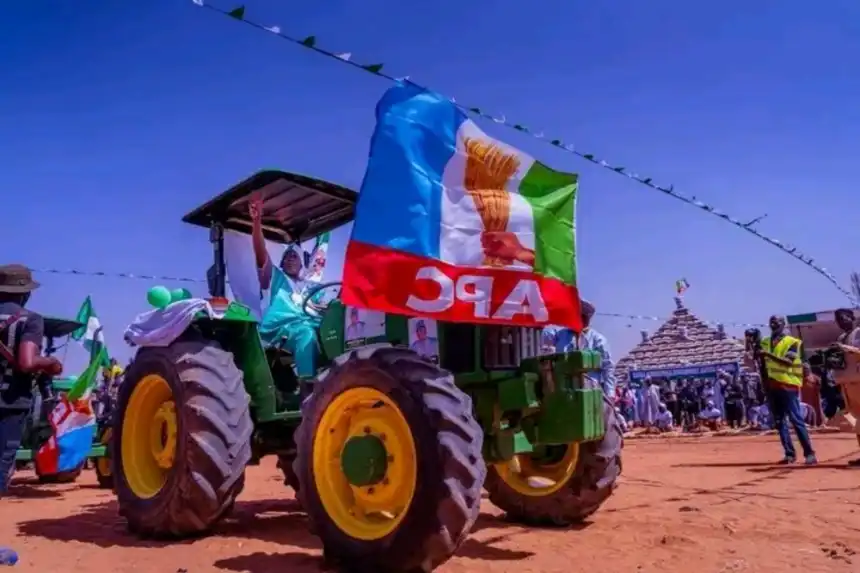
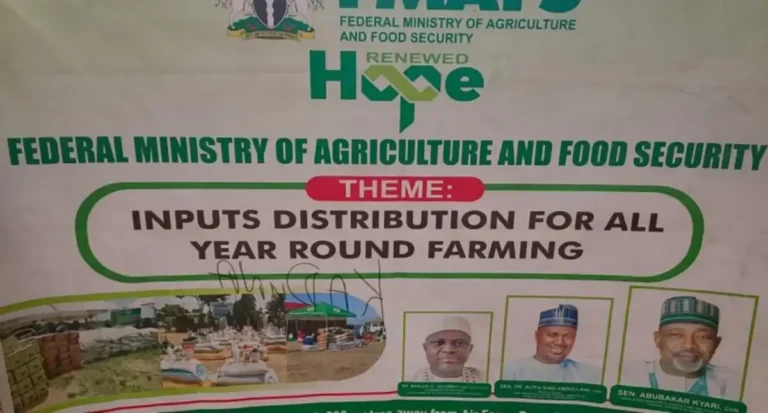
The Federal Government has commenced the distribution of agricultural inputs to farmers across Katsina, Kano, Kaduna, Jigawa, Kebbi and Ogun states in a move aimed at boosting food production and strengthening national food security.

Speaking at the flag-off in Kaduna State, the Minister of Agriculture and Food Security, Abubakar Kyari, said the initiative aligns with the Renewed Hope Agenda of President Bola Ahmed Tinubu. He noted that the programme underscores the Federal Government’s commitment to achieving sustainable food security and easing the cost-of-living pressures on Nigerians.

The Minister, who was represented by a Director in the Ministry, Mr. Gukas Kizito Dankat, described food security as a critical national and global priority, as reflected in the United Nations 2030 Agenda for Sustainable Development.

He said the current administration has introduced wide-ranging economic reforms, emergency responses and targeted interventions to address challenges affecting food production and availability.

Recalling the declaration of a state of emergency on food security in July 2023, the Minister said the administration has demonstrated strong political will to transform the agricultural sector by placing food security at the top of its agenda.

He added that since assuming office in August 2023, the Ministry has realigned existing programmes and rolled out new initiatives to address farmers’ challenges and ensure that food remains available, accessible and affordable.

According to him, the Ministry is working closely with state governments, non-governmental organisations and the private sector to foster synergy in tackling issues related to food security, economic growth, job creation and poverty reduction.

“As part of short-term support measures, the Ministry is distributing essential farm inputs and equipment at no cost to farmers through a transparent and accountable process,” he said, adding that the initiative is designed to enhance productivity and support the attainment of the Sustainable Development Goal of Zero Hunger.

Earlier, the Kaduna State Coordinator of the Federal Ministry of Agriculture and Food Security, Anto Ambi Ogah, said the programme is part of the Federal Government’s policy to support smallholder farmers, cooperative societies and small and medium enterprises.

He urged farmers’ groups and stakeholders to work collectively towards achieving food security, especially in the face of climate change challenges affecting global food systems.

Also speaking, the Chairman of the All Farmers Association of Nigeria (AFAN), Kaduna State Chapter, Alhaji Nuhu Aminu Numbu, alongside the Chairman of Farmers with Special Needs, Alhaji Abdullahi Jugnu, commended the Ministry for the intervention and assured that the inputs would be equitably distributed to members and effectively utilised.

Items distributed include power tillers, herbicides, liquid fertilisers, knapsack sprayers and water pumps to cooperative groups, commodity associations, farmers with special needs and internally displaced persons.

NBC launches 2026 Youth Empowered programme at UNILAG

0

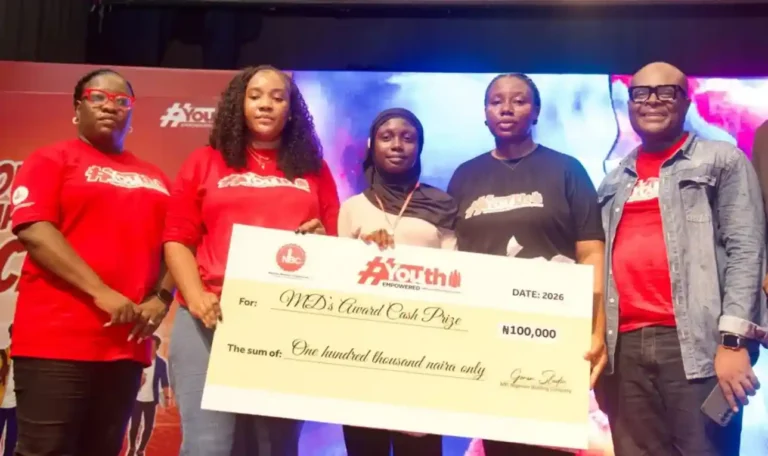
Nigerian Bottling Company (NBC) Ltd., a leading consumer packaged goods company and a member of the Coca-Cola HBC Group, has announced the commencement of the 2026 edition of its flagship Youth Empowered (YE) programme. The first training session for the year was held at the University of Lagos (UNILAG) on February 2, 2026.

Targeted at young people between the ages of 16 and 35, the Youth Empowered initiative reinforces NBC’s long-term commitment to human capital development in Nigeria. Since its launch in 2017, the programme has impacted more than 70,000 young Nigerians, equipping participants with practical skills, confidence, and exposure needed to succeed in today’s dynamic workplace and entrepreneurial environment.

The 2026 edition is being delivered in collaboration with Fate Foundation as the implementing partner, with funding support from The Coca-Cola HBC Foundation. NBC expressed appreciation to both partners for their continued collaboration, noting that the programme’s growing reach and impact are made possible through shared expertise, resources, and a collective commitment to empowering the next generation of Nigerian leaders.

Speaking about her experience at the University of Lagos training, Waliat Adedogun, a participant who received a cash grant through the Director’s Grant Pitch Competition to support her small business, said: “Youth Empowered gave me more than training, it gave me clarity and confidence. Winning the grant means I can finally take my business idea from a dream into something real. I now feel prepared to build, grow, and create opportunities not just for myself, but for others too.”

NBC reaffirmed that empowering young people remains critical to Nigeria’s social and economic progress. The Youth Empowered programme was designed to bridge the gap between education and employability by providing hands-on learning, real-world insights, and access to career-shaping opportunities.

In 2025, the initiative recorded some of its most tangible outcomes. Ten beneficiaries were selected for six-month paid internships across NBC locations in Lagos, Ibadan, Asejire, and Challawa, where they gained direct industry exposure. Additionally, three outstanding participants received sponsorship for an all-expenses-paid intensive culinary training programme and were awarded ₦1 million each to support the launch of their businesses.

Building on this foundation, the 2026 rollout will expand to more tertiary institutions, including the Federal University of Technology, Akure (FUTA). This follows a successful 2025 tour that reached seven cities across the country, including Makurdi, Jos, Benin, Kaduna, Asaba, Akure, and Port Harcourt.

Participants in the 2026 programme will receive training across key modules designed to support personal, professional, and business growth. These modules include Business Life Skills, Adaptability and Resilience, Financial Literacy, Customer Service and Communication, Sales and Negotiation Skills, and Workplace Ethics. The sessions will also feature breakout workshops on Business Planning, Project Management, and Time Management.

A key highlight of the programme is the Director’s Grant Pitch Competition, where participants can present their business ideas for a chance to win funding support. In addition to skills development, NBC’s People and Culture team will be present throughout the programme to identify outstanding talent for future opportunities within the organisation, strengthening the connection between learning, employment, and long-term career growth.

About #YouthEmpowered

#YouthEmpowered is a youth development initiative by the Coca-Cola HBC Group, the parent company of Nigerian Bottling Company. The programme is committed to equipping young individuals with the skills and knowledge needed to address one of the most pressing challenges, employability. Through workshops, training sessions, and mentorship programmes, #YouthEmpowered empowers young people to unlock their potential and build sustainable careers with confidence and strong professional networks.

Since 2017, the programme has trained over one million young people across 15 markets, surpassing its original goal.

About the Nigerian Bottling Company

Nigerian Bottling Company (NBC) Ltd is part of Coca-Cola HBC, a strategic bottling partner of The Coca-Cola Company. Coca-Cola HBC operates across 29 countries, working with customers to serve about 750 million consumers. Its portfolio spans sparkling, adult sparkling, juice, water, sport, energy, ready-to-drink tea, coffee, and premium spirits categories.

NBC manufactures, markets, and distributes brands including Carbonated Soft Drinks such as Coca-Cola, Coke Zero, Fanta, Sprite, Schweppes and Limca; Still Drinks such as the Five Alive range and Eva water; and partners with other beverage businesses to sell Monster and Predator energy drinks as well as premium spirit brands. More information can be found at https://ng.coca-colahellenic.com/.

Nigeria Secures Permanent Seat on African Central Bank Board

0

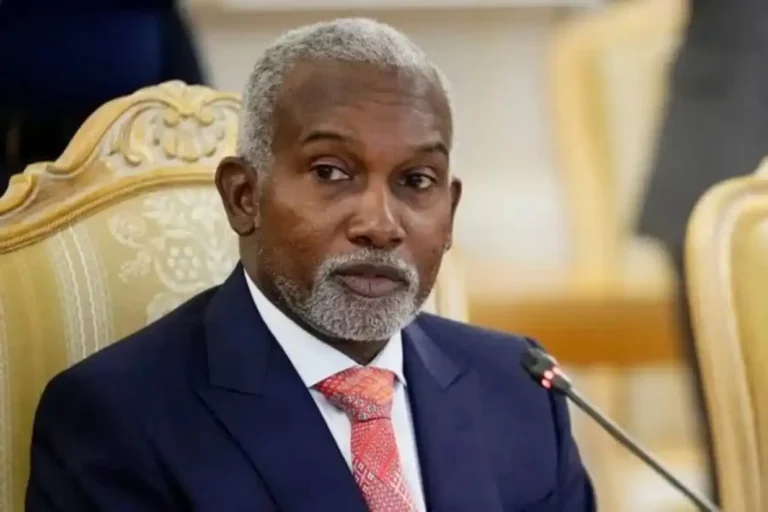
During the just-concluded 39th Session of the Executive Council of the African Union, Nigeria recorded major diplomatic and institutional gains, strengthening its leadership role in advancing Africa’s economic integration, peace, security, and democratic governance.

A key highlight of the session was the Council’s agreement to grant Nigeria a permanent seat on the Board of the African Central Bank. The development is seen as a landmark step that underscores Nigeria’s strategic position in shaping Africa’s financial architecture. The decision also extends Nigeria’s representation to the Board of the Technical Convergence Committee of the African Monetary Institute, which serves as the precursor to the establishment of the African Central Bank.

These developments affirm Nigeria’s technical capacity, economic importance, and commitment to advancing Africa’s monetary integration agenda.

In the area of peace and security, the session witnessed the successful election of candidates collectively agreed upon by the Economic Community of West African States to the Peace and Security Council. The outcome reflects strong cohesion, cooperation, and unity among ECOWAS Member States, as well as the region’s shared commitment to promoting stability and collective security across the continent.

Furthermore, Nigeria demonstrated leadership in strengthening democratic governance across Africa by organising a Ministerial High-Level Panel Discussion on Regional Partnerships for Democracy. The event attracted ministers, senior government officials, and delegates from the West African region, across the continent, and from the international community. The panel facilitated constructive dialogue on strengthening democratic institutions, fostering inclusive governance, and enhancing collaborative regional approaches to sustaining democratic values.

Nigeria’s engagements and outcomes at the 39th Executive Session of the Executive Council reaffirm the country’s commitment to the ideals and objectives of the African Union, particularly in promoting economic integration, institutional development, peace, security, and democratic governance across the continent.

The Federal Government of Nigeria remains committed to working with Member States and regional bodies to advance Africa’s shared prosperity and sustainable development.

FG launches Nigeria Beyond Oil and Gas Alliance (BOGA) fund programme

0

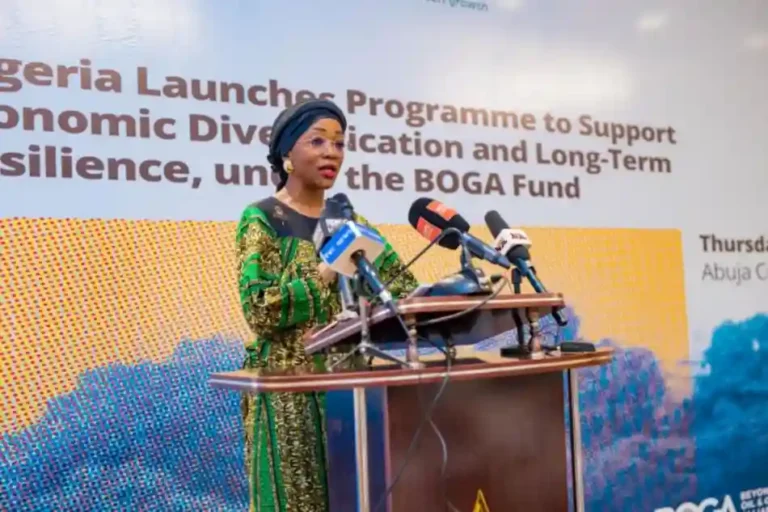
The Federal Republic of Nigeria has officially launched the Nigeria Beyond Oil and Gas Alliance (BOGA) Fund Programme, a two-year initiative aimed at assessing the economic risks and opportunities linked to the country’s evolving energy landscape and developing policy options that support economic diversification and long-term structural transformation beyond oil and gas.

The national launch event took place at the Abuja Continental Hotel and brought together senior government officials, development partners, private sector representatives, and civil society organisations. The gathering highlighted a coordinated effort to prepare Nigeria for a future shaped by global energy transition trends.

According to organisers, the programme is designed to strengthen the analytical foundations for policymaking, encourage coordinated policy dialogue, and translate evidence into actionable recommendations. These recommendations will align with Nigeria’s climate and development priorities, including the delivery of the country’s Nationally Determined Contribution (NDC).

Delivering the keynote address, Mrs. Omotenioye Majekodunmi, Director-General of the National Council on Climate Change (NCCC), described the initiative as a strategic shift rather than a withdrawal from the energy sector.

“Nigeria’s journey beyond oil is not a retreat from our status as an energy powerhouse, but an evolution into a green energy giant. Our collaboration with BOGA reinforces our commitment to the 1.5°C pathway while prioritizing a development trajectory that is fair, funded, and focused on the prosperity of our people,” she said.

The event also featured a goodwill message from Sian Bradley, Head of the Beyond Oil and Gas Alliance (BOGA) Secretariat. She reaffirmed BOGA’s commitment to supporting countries at an early stage of planning for a just, orderly, and equitable transition away from oil and gas.

Bradley commended Nigeria’s recognition of economic challenges and the need for bold diversification pathways as outlined in its third NDC. She noted that the programme would support Nigeria’s first steps toward implementation, alongside broader efforts to advance decarbonisation, methane reduction, and upstream emissions cuts.

Through scenario analysis, transition risk assessments, evaluation of green development pathways, and structured stakeholder engagement, the programme will examine the potential impacts of global energy shifts across Nigeria’s oil and gas value chain. It will also identify viable economic alternatives and develop targeted policy recommendations to support workers and communities that may be affected by structural changes.

Speaking on behalf of APRI, Africa Policy Research Institute, the programme’s lead implementing partner, Dr Olumide Abimbola, Executive Director of APRI, explained the expected outcomes.

“This initiative will help Nigeria develop a clearer, shared understanding of what a changing global energy landscape could mean for Nigeria – our revenues, our jobs, our industries, and our communities – and what practical options are available to strengthen resilience. It will also help us identify credible pathways for economic diversification beyond oil and gas, and the kinds of policies and enabling conditions needed to unlock new opportunities and drive competitiveness,” he said.

On behalf of the Society for Planet and Prosperity (SPP), Prof. Chukwumerije Okereke, Director General of SPP, said Nigeria must approach the transition strategically.

“Nigeria’s challenge is not simply to transition away from fossil fuels, but to strategically manage the risks and opportunities of a changing global energy system. The BOGA Fund Programme is important because it anchors this transition in rigorous evidence, economic realism, and justice for workers and communities. SPP is honoured to contribute to this important endeavour alongside APRI, NCCC, BOGA, and our wider community of partners, and it is our prayer that this work will help shape Nigeria’s low-carbon sustainable development and the prosperity of our country,” he stated.

The programme is implemented by APRI in collaboration with SPP. Its development in Nigeria was led by the National Council on Climate Change (NCCC), which set up a cross-government working group. The group includes representatives from the Ministry of Petroleum, National Upstream Petroleum Regulatory Commission, National Midstream and Downstream Petroleum Regulatory Authority, Ministry of Environment, and Nigerian National Petroleum Company.

The Nigeria BOGA Fund Programme is expected to complement existing national and international efforts on climate action and emissions reduction by providing an integrated platform to support evidence-based policymaking, institutional coordination, and long-term economic resilience.

Lagos State to Expand Funding and Financial Literacy for Women

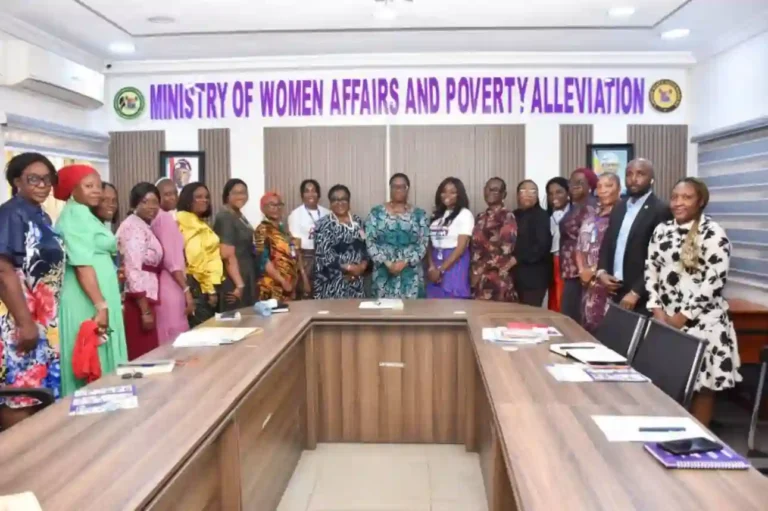
The Lagos State Ministry of Women Affairs and Poverty Alleviation (WAPA) has reaffirmed its commitment to strengthening collaboration with the Lagos State Employment Trust Fund (LSETF) to improve access to funding, financial literacy, and enterprise support for women across Lagos State.

This assurance was given by the Honourable Commissioner for Women Affairs and Poverty Alleviation, Hon. Bolaji Cecilia Dada, during a courtesy visit by the Executive Secretary of LSETF, Mrs. Feyisayo Alayande, and her team to the Ministry on Tuesday, 10th February 2026.

Welcoming the LSETF delegation, Hon. Dada appreciated the Executive Secretary for sustaining empowerment efforts through programmes that support entrepreneurs, artisans, and small business owners across the State. She described the renewed collaboration as strategic and long overdue, especially in advancing the economic growth of women.

The Commissioner disclosed that WAPA currently operates 19 Skills Acquisition Centres (SACs) across Lagos State, alongside the Women Development Centre. She explained that the centres run structured curricula developed by the Lagos State Technical and Vocational Education Board (LASTVEB), ensuring that trainees receive standardised and practical training.

She urged LSETF to align some of its capacity-building initiatives with the Ministry’s training framework so that students would better understand funding requirements before completing their programmes.

“We want our students to understand the requirements for accessing support before graduation. While the Ministry strives to provide start-up equipment to our graduates, it is not always possible to meet every need. LSETF can complement our efforts by engaging and supporting some of our graduates through structured funding and business support initiatives,” she stated.

Hon. Dada also highlighted WAPA’s life skills and empowerment platforms designed for vulnerable groups. These include programmes for faith-based organisations, parents of out-of-school children, wives of military personnel, retiring civil servants, among others. She encouraged LSETF to explore collaboration within these platforms to expand impact and reach more beneficiaries.

Speaking earlier, the Executive Secretary of LSETF, Mrs. Feyisayo Alayande, commended WAPA for its transparency, openness, and consistent dedication to women’s empowerment. She stressed the importance of creating greater visibility for LSETF programmes, particularly among women trained at WAPA centres.

Mrs. Alayande disclosed that the LSETF application portal has recently been reopened. She encouraged intending applicants to register and ensure they have the required documentation, including LASRRA ID, LIRS Tax Identification Number (TIN), National Identification Number (NIN), and Bank Verification Number (BVN).

She further proposed the introduction of structured financial literacy and bookkeeping sessions for beneficiaries and intending applicants as part of broader business development and company-building support.

According to her, improving financial literacy will strengthen loan performance, business sustainability, and market access for women entrepreneurs. She explained that when business owners understand record-keeping and financial management, they are better positioned to grow and repay loans responsibly.

The Executive Secretary also noted that LSETF has previously supported women in non-traditional trades, including female tilers. She expressed readiness to collaborate with WAPA in identifying and recommending qualified trainees for future opportunities. She referenced past “on-the-spot” loan interventions and reiterated LSETF’s commitment to ensuring that its programmes effectively benefit WAPA graduates.

Both agencies agreed to work together in organising sensitisation and financial education sessions across WAPA’s Skills Acquisition Centres. These sessions will guide potential applicants on eligibility criteria, documentation requirements, bookkeeping practices, and strategies for accessing markets.

The meeting also explored areas of partnership ahead of the forthcoming International Women’s Day celebration. Both parties committed to leveraging the platform to expand economic empowerment opportunities for women in Lagos State.

The strengthened collaboration between WAPA and LSETF reflects the Lagos State Government’s commitment under the leadership of Governor Babajide Olusola Sanwo-Olu to promote inclusive economic growth, enhance financial independence, and reduce poverty among women and vulnerable groups.

Present at the meeting were the Permanent Secretary of WAPA, Mrs. Rianat Ajibike Onigbanjo, Directors of the Ministry, and the Director of Programme and Coordination, Lagos State Employment Trust Fund, Ms. Oyindamola Egbeyemi.

Kebbi Showcases KADAGE Gains at 61st Argungu Festival Agricultural Show

0

Kebbi State once again showcased its vast agricultural potential at the 61st Argungu International Fishing and Cultural Festival (AIFF) during the Agricultural Show held in Argungu on Thursday.

The Commissioner for Agriculture and Food Security, Alhaji Shehu Muazu, addressed guests at the show and said the festival provides a strong platform to highlight the state’s rich agricultural endowment and achievements. He noted that the event goes beyond culture and entertainment, serving as a space to present real progress in farming and food production.

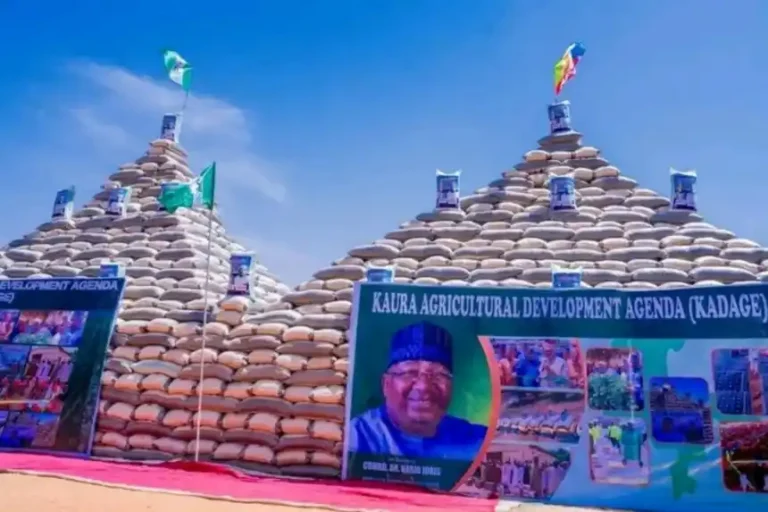
Governor Nasir Idris toured the exhibition stands and expressed delight at the impressive display of agricultural produce, including giant rice pyramids that drew attention from visitors. Also present at the event were the Emir of Argungu, Alhaji Samaila Muhammad Mera, other traditional rulers, government officials, and participants from different parts of the country.

Speaking at the event, the Commissioner described the Argungu Festival as a celebration of Kebbi’s cultural heritage, agricultural strength, and commitment to sustainable development. He stressed that agriculture remains central to the state’s economic growth and long-term prosperity.

He highlighted Kebbi State’s position as Nigeria’s largest rice producer, the second-largest producer of onions, and a major hub for cattle and fish production. According to him, these achievements are linked to the enabling environment created by Governor Nasir Idris’s administration.

Alhaji Muazu further stated that Kebbi hosts major agro-industrial players such as WACOT Rice Mill, producers of Big Bull Rice, GB Foods, described as Nigeria’s largest tomato paste producer, as well as Labana Rice, Lolo Rice, Gano Rice, and other nationally recognised mills operating within the state.

According to him, the Kaura Agricultural Development Agenda (KADAGE), launched by Governor Idris, was designed to harness the state’s resources, attract investment, boost productivity, and improve farmers’ livelihoods. He recalled that since the launch of KADAGE two years ago, the state has recorded remarkable achievements, particularly in reducing the cost of farming through the free distribution of agricultural equipment and inputs.

“These include 10,000 solar-powered pumps, 10,000 CNG pumps, 5,000 power tillers, and over 500 trucks of fertilizer, all distributed free of charge to farmers across the state,” he explained.

The Commissioner said the towering rice pyramid at the exhibition ground symbolised the success of KADAGE and commended Governor Idris for his commitment to agricultural transformation and food security.

Delivering a goodwill message on behalf of the Minister of Agriculture and Food Security, the Minister of Humanitarian Affairs and Poverty Reduction, Dr. Tanko Sununu, described the festival as “a powerful economic, cultural, and social platform that promotes peace, unity, and prosperity through agriculture.”

He praised the collaboration between the Federal Government and Kebbi State Government in fighting poverty, boosting agricultural productivity, and attracting investors. He added that the peaceful atmosphere of the festival enhances investor confidence.

Other highlights of the event included goodwill messages from traditional rulers across the country, the flag-off of the National Bicycle Race, finals of international boxing and wrestling competitions, farm produce exhibitions, farmers’ processions, and awards. At the event, Alhaji Shehu Muazu was turbanned as Sarkin Noma, while Hajiya Zuwaira Argungu emerged as Gimbiyar Noma of the 2026 AIFF.

NELFUND Denies Diversion of Student Loan Funds at University of Abuja

0

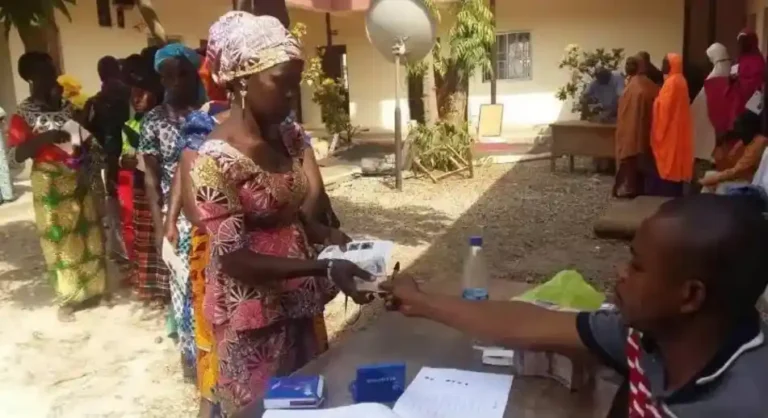
The Nigerian Education Loan Fund (NELFUND) has denied reports alleging that student loan funds were diverted at the University of Abuja, stating that there is currently no verified evidence to support the claims.

The Fund disclosed this on Friday while reacting to recent media reports alleging the diversion of student loan funds at the University of Abuja.

NELFUND stated clearly that, “as of this moment, there is no verified evidence before the Fund establishing that the University of Abuja has diverted, misappropriated, or unlawfully withheld NELFUND disbursements.”

The agency explained that it operates a structured disbursement and reconciliation framework in line with its statutory mandate. According to the statement, funds are released through established institutional channels, while compliance mechanisms are in place to ensure accountability and transparency.

It added that where concerns arise regarding timelines of crediting student accounts or institutional reconciliation processes, NELFUND engages directly with the relevant institution to clarify and resolve such matters administratively and in accordance with due process.

“It is important to emphasize that allegations reported in the media do not constitute established findings,” the Fund said, noting that it relies strictly on verified documentation, formal reconciliation procedures, and audit mechanisms in addressing any issues relating to its disbursement processes.

NELFUND reiterated its commitment to protecting the interests of eligible Nigerian students and ensuring that all disbursements are applied in accordance with the law. The Fund also said it will continue working with partner institutions to uphold transparency, accountability, and the integrity of the student loan programme.

Women trained in Green Skills and Upcycling by Trash2cook Initiative

The Green Skills and Upcycling Training is equipping women with practical skills to transform waste materials into sources of income and improved livelihoods in Chika, a suburb of Abuja in the Federal Capital Territory.

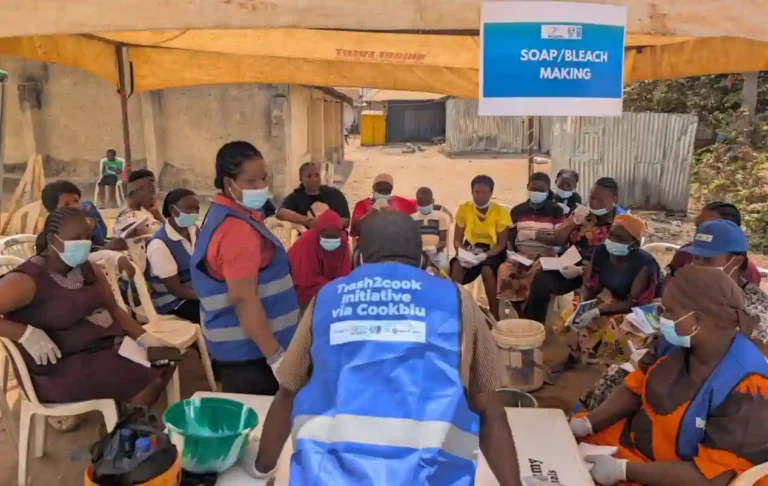
The community-driven environmental initiative was organised by Trash2cook Initiative through Cookblu in partnership with the GEF Small Grant Programme. It drew women and youths from across the community for hands-on sessions in urban gardening, textile upcycling, shoe making and the production of household cleaning products.

Project Coordinator of Community Excellence and Development Initiative (CEDI), Princess Odiaka, said the programme was born out of concern over mounting waste and its impact on public health in Chika.

“We saw drains clogged with waste and rising cases of illness linked to the environment,” she said. “So we decided to turn the challenge into an opportunity by empowering women with green and upcycling skills.”

As part of the training, participants planted 15 oil palm seedlings in recycled tyres. The seedlings are expected to be transplanted to permanent locations as they grow.

Odiaka explained that subsequent sessions would focus on teaching women how to grow vegetables such as peppers and tomatoes in used tyres. According to her, this approach is designed to support household food supply and promote healthier diets within the community.

The initiative builds on an earlier “Waste to Wealth” campaign launched in 2023, which has registered more than 100 women. Odiaka said the new phase aims to move beyond waste collection into active participation in the circular economy.

She noted that participants are now being trained to convert old textiles into tote bags, purses and footwear, creating practical products that can be sold for income.

Odiaka also emphasised the role of traditional leadership in the success of the project. “The chief and council members were involved from the beginning. Some facilitators are from within the community because we want Chika to build its own capacity,” she said.

Facilitator Abdul Abdul Abubakar led sessions on producing liquid soap, disinfectant, bleach and air freshener. He said earlier editions of the training had already produced small-scale entrepreneurs within the area.

“Some participants from the last training have started businesses. You can begin with small quantities at home and expand gradually,” he said. He called for greater government and NGO support to scale up similar initiatives and engage idle youths productively.

Participants also expressed interest in seeing the programme expanded to reach more women.

Gladys Musa, who took part in the shoe-making class, said she had learnt how to measure, cut patterns and assemble shoes manually. She expressed hope that beneficiaries would receive tools to help them transition from training to full-scale production.

“If we get the equipment, we can make shoes locally and even train other young girls,” she said.

Rosemary Akinyemi, a participant in the soap-making session, said the knowledge gained would help her reduce household expenses and potentially generate income.

“Now I know what to mix to get a good result. I can use it at home or start a business,” she said.

Village Head of Chika Airport, Chief Istifanus Shekwoza, appealed to the organisers to extend similar trainings to other communities. He said skill acquisition was essential to community development and restoring hope to households.

“Without skills, you cannot go anywhere,” he said. “This programme will help people avoid idleness, earn income and make Chika a model for other communities.”

Organisers expressed optimism that the initiative would not only clean up the environment but also create a ripple effect of enterprise and self-reliance across neighbouring communities in the FCT.