Home Blog Page 522

Police Service Commission Asks FG for Funding for Recruitment

0

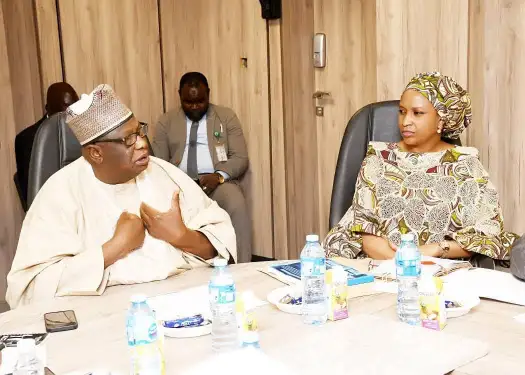
August 25, 2025 – The Police Service Commission (PSC) on Monday, 25th August 2025, received a Presidential delegation led by Hadiza Bala Usman, Special Adviser to the President on Policy and Coordination and Head of the Central Results Delivery Coordination Unit.

The delegation visited the PSC headquarters for an engagement meeting with the leadership of the Commission to identify areas of support required for effective service delivery.

The meeting was part of ongoing government efforts to strengthen institutions and improve accountability in security administration.

Chairman of the Commission, DIG Hashimu Argungu (rtd) mni, who led the PSC team, highlighted the challenges facing the Commission. He noted that the PSC is presently confronted with inadequate funding as well as attempts by various interests to hijack its constitutional mandate.

According to him, the Commission is grossly underfunded and incapable of efficiently carrying out its responsibilities of police recruitment, promotion, and discipline. He explained that the situation is worsened by the struggle of different actors attempting to dilute the efficiency and effectiveness of the body.

Argungu stressed that the Commission remains committed to accountability and transparency, which he described as essential for building a Police Force that is ready for 21st-century policing.

He identified key areas where the PSC needs urgent support, including inadequate staff returns from the Nigeria Police Force, institutional conflicts, limited nationwide presence, funding shortfalls, and a deficit in public trust.

“One of the key problems the Police Service Commission is facing is unnecessary interference into its constitutional and statutory mandate,” he said.

He appealed to the Central Results Delivery Coordination Unit to help the Commission resist these interferences and ensure it is able to carry out its duties independently.

The PSC Chairman also raised concerns over the envelope budgetary system, which he said restricts the Commission’s access to funds. He argued that the system creates a ceiling in the budgeting process, limiting resources for the Commission’s core functions.

He recommended an independent budgeting process for the PSC that would allow it to submit its budget directly to the Presidency.

Quoting the PSC Act of 2001, Section 15(1), he said, “The Act mandates the Commission to submit its estimate of expenditure and income during the next succeeding year, not later than 30th September in each year to the President.” He insisted that this provision should be respected to give the Commission the autonomy required to deliver on its constitutional mandate.

Responding, Ms. Hadiza Bala Usman assured the Commission of the delegation’s support. She pledged to work towards ensuring that the PSC is allowed to function without interference.

“We will look at your mandate and will ensure you are allowed to do your work. We will de-bottleneck the problems and we will have a PSC that stands alone and not an attachment of any Ministry,” she stated.

She further explained that the purpose of the visit was to strengthen collaboration between the Police Service Commission and the Ministry of Police Affairs, while clarifying the role of the PSC in advancing the President’s priority of strengthening national security for peace and prosperity.

The PSC team present at the meeting included Justice Paul Adamu Galumje (JSC rtd), Honourable Commissioner representing the Judiciary, DIG Taiwo Lakanu (rtd) fdc, Honourable Commissioner representing the Police, and Chief Onyemuchi Nnamani, Secretary to the Commission.

Advertisement

FG Unveils TRCN Portal for Teachers Registration, Licensing

0

August 25, 2025 – The Federal Government has launched a new digital platform aimed at improving the Nigerian teaching workforce.

The portal was unveiled on Monday in Abuja by the Teachers Registration Council of Nigeria (TRCN) in partnership with the United Kingdom-funded Partnership for Learning for All in Nigeria (PLANE).

Speaking at the event, the Minister of State for Education, Prof. Suwaiba Ahmad, described the initiative as a major step forward for the education sector. She said the launch would not only lead to the digitisation of records but also provide a credible and transparent database of Nigerian teachers.

She said, “Today, we are not merely unveiling a portal; we are opening a new chapter. A chapter where technology, innovation, and efficiency become the heartbeat of teacher professionalism in our country. In a world that is increasingly digital, where knowledge travels at the speed of light and where nations are competing through ideas, skills, and creativity, Nigeria cannot afford to remain behind.”

The Minister explained that the portal will make teacher registration and licensing easier nationwide while ensuring accountability and restoring dignity to the teaching profession.

“Through the creation of this portal, TRCN is not merely digitising records; it is redefining the narrative of the Nigerian teaching profession. With this innovation, we will now: ensure seamless registration and licensing of teachers nationwide; provide a transparent and credible database of qualified professionals; enable real-time access to professional development opportunities and strengthen accountability and restore dignity in the teaching profession,” she added.

Also speaking, Senior Education Advisor at the British High Commission, Ian Attfield, said the UK government is committed to supporting Nigeria in building a stronger education system. He noted the importance of adequately training and motivating teachers.

He said, “The UK government, through the FCDO PLANE programme, has been delighted to work with TRCN on the development of the portal, but also, I think more broadly, looking at their strategic vision and plan over the next few years. There are lots of different types of teachers, Suban teachers, teachers, communities, volunteering in faith-based education, lots of teachers who are under- or unqualified at teaching in various forms of low-cost private schools. So, the diversity means that these systems need to be integrated, they need to be smart, but they also need to be motivated.”

Attfield further assured that the UK government will continue to support Nigeria’s education sector through technical and strategic partnerships.

Niger Govt Disburses N250m to 2,500 Women, 100,000 Each

August 25, 2025 – The Niger State government on Monday empowered 2,500 women in Kontagora Local Government Area with N250 million under Governor Umaru Bago’s women empowerment grant to boost businesses across the community.

The Special Adviser to the Governor on Social Investment Programme and Focal Person, National Social Investment Programmes, Hauwa Bako, disbursed the funds on behalf of the governor.

She explained that each of the beneficiaries received N100,000 to support their businesses and improve their livelihoods.

According to her, the initiative was designed to support nano-businesses owned by women and to promote community-driven development and inclusivity.

“The initiative prioritised women from diverse backgrounds, including Fulani women, women with disabilities, widows, and low-income households. The approach ensures that the initiative reached a wide cross-section of women in Kontagora and environs,” Ms Bako said.

She further disclosed that the process of selecting the beneficiaries was community-based, with inputs from traditional leaders, women leaders, and religious leaders, to make sure only deserving women were included in the programme.

Two beneficiaries, Hadiza Bala and Larak Isah, both from Kawo Village, expressed appreciation to the Niger government for the grant. They said the empowerment would enable them to expand their businesses, improve income, and provide better support for their families.

The women empowerment grant, which is part of Governor Bago’s economic development agenda, is expected to strengthen small-scale businesses, encourage financial inclusion, and reduce poverty among women in the state.

FRSC Denies Recruitment Portal Opening Claims on Social Media

0

Abuja – 25 August, 2025 – There is ongoing spread of misinformation on social media, including Facebook, claiming that the Federal Road Safety Corps (FRSC) recruitment portal is open. Some have even mislead the public with claims that insider sources say the FRSC will be recruiting soon, and that interested applicants should prepare their CVs.

The FRSC has come out to issue a strong warning to Nigerians over the circulation of false recruitment information on social media platforms.

The statement was signed by Olusegun Ogungbemide mni FISPON anipr, Assistant Corps Marshal and Corps Public Education Officer.

The Corps released a disclaimer addressing these misleading claims. According to the statement, “The Federal Road Safety Corps (FRSC) has observed with grave concern the increasing activities of fraudulent individuals, including some posing as staff of the Corps, who extort unsuspecting members of the public with false promises of securing them employment in the Corps. These scammers go as far as issuing fake call-up letters to training schools and the FRSC Academy in a desperate attempt to deceive innocent job seekers and defraud them of their hard earned money.”

The Corps emphasized that its recruitment process is transparent and strictly follows due process.

The statement further noted, “Consequent upon the foregoing, the Corps wishes to categorically state that FRSC recruitment processes are transparent, merit based, and strictly communicated through national newspapers, television stations, and our official channels. At no time did the Corps mandate its Personnel, or representatives to demand money or any form of gratification from applicants in exchange for employment.”

Nigerians have been advised to disregard such fake offers and immediately report suspected fraudsters to the nearest FRSC Command, law enforcement agencies, or through the Corps’ official communication platforms.

The Corps also reiterated its position on fairness and accountability, stating, “To this end, the Corps wishes to reiterate its resolve to upholding integrity, fairness, and transparency in all recruitment exercises.”

Interested applicants are hereby urged to remain vigilant, verify all information from official FRSC sources, as well as frsc.gov.ng and resist the temptation of patronising fraudsters whose sole intent is to exploit their desperation.

Attached below is the agency’s featured disclaimer image:

Yabatech Gets €117,000 EU Grant for Solar-Powered Aquaponics

0

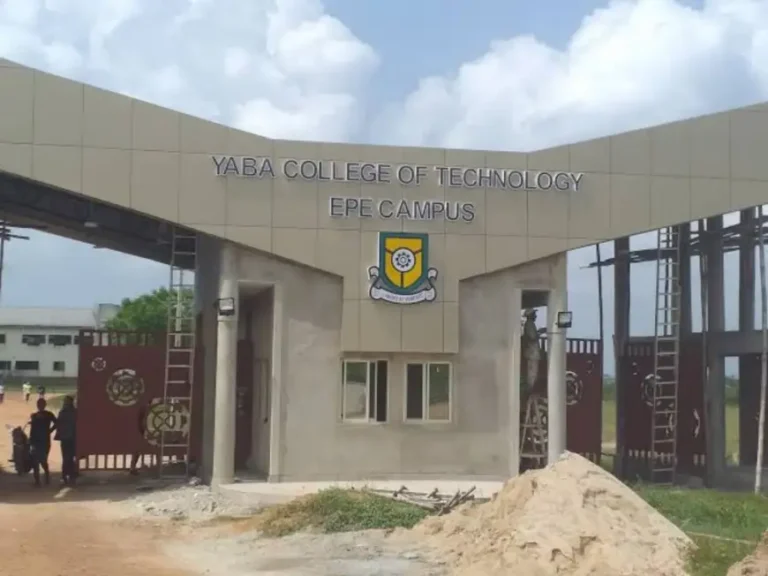
Yaba College of Technology has secured a €117,000 grant, estimated at N200 million, from the European Union to develop a solar-powered integrated aquaponics system. The project will focus on catfish production alongside vegetable and maize farming.

In a statement released on Monday, Adekunle Adams, spokesman for Yabatech, confirmed that the grant was obtained under a project titled ‘Integrated Aquaponics System for Sustainable Catfish Production and Dual-Crop Cultivation of Leafy Vegetables and Corn’.

The initiative, known as AQUACLEC, is being coordinated by Funmilayo Doherty, who also serves as the director of the Centre for Research Support and Grants Management at Yaba College of Technology.

The project will benefit from technical support provided by the University of Lagos, the University of Turku, and the University of Lapland.

Mr Adams explained that the aim of the project is to advance food security in Nigeria through the introduction of a solar-powered aquaponics system that integrates catfish production with maize and vegetable farming.

“Yabatech has recorded another major breakthrough in research and innovation after securing a grant of €117,000, equivalent to over N200,000,000, from the European Union’s Horizon Europe programme,” he said.

The spokesman added that the grant will support the creation of a local innovation hub in Lagos, testing and replication of the system, and the promotion of sustainable agriculture and community-based food resilience.

He further noted that Ms Doherty attributed the achievement to Yabatech’s commitment to aligning its research agenda with both national and international challenges under the leadership of Ibraheem Abdul.

According to her, the college has made deliberate efforts to bridge the gap between technical education and real-world applications, ensuring that Nigerian youths are prepared to compete in local and global markets.

“The present administration of the college has consistently supported research proposals and international collaborations that extend beyond the classroom, reinforcing Yabatech’s image as a hub of innovation and social impact,” Ms Doherty stated.

She emphasized that the aquaponics project is designed to be replicable and scalable across Nigeria and West Africa. It will leverage Yabatech’s pool of over 200 PhD-qualified lecturers for research, training, and policy engagement.

Mr Adams highlighted that this development follows another achievement by the institution under the National Youth Employment Skills Acquisition Framework (NYESAF), where 200 young Nigerians were trained in digital and creative media skills.

He added, “The EU grant and NYESAF programme highlight Yabatech’s dual role as a centre of academic excellence and driver of national development, meeting technical education and real-world needs.”

Apply: D4D Hub $30,000 Creative Economy Challenge and Award

0

August 25, 2025 – Application for D4D Hub Creative Economy Challenge and Award has officially open to spotlight startups and organisations across West Africa that are innovating at the intersection of creativity, technology, and entrepreneurship.

The initiative, announced as part of Moonshot by TechCabal 2025, is designed to give visibility and opportunities to bold innovators with creative digital solutions.

The competition will provide a chance for participants to pitch live on stage at Moonshot, compete for prize money, and connect with global investors, policymakers, and tech leaders.

“This challenge is about showcasing the potential of Africa’s creative economy and giving startups the platform to scale their ideas,” D4D Hub stated.

What’s in it for startups?
i. Invitation by D4D Hub to travel and stay in Lagos to attend Moonshot and pitch your project on 15th October
ii. Access to win from a $30,000 prize money pool for the 3 finalists (15,000 / 10,000 / 5,000)
iii. Investor exposure facilitated by D4D Hub and TechCabal
iv. Visibility at Moonshot 2025 among tech leaders, donors, and policymakers shaping Africa’s creative digital future

Eligibility requirements:
a. West-African startup or organisation already developing a project or initiative
b. We are especially looking for tech-enabled and digitally developed project/product offerings with demonstrable traction, team capacity, and long-term creative and economic impact.

The deadline for applications is set for 3rd September 2025.

How to apply:

Applications can be submitted by filling out the form Here.

FG Needs N1tr Yearly for School Feeding Programme – VP

0

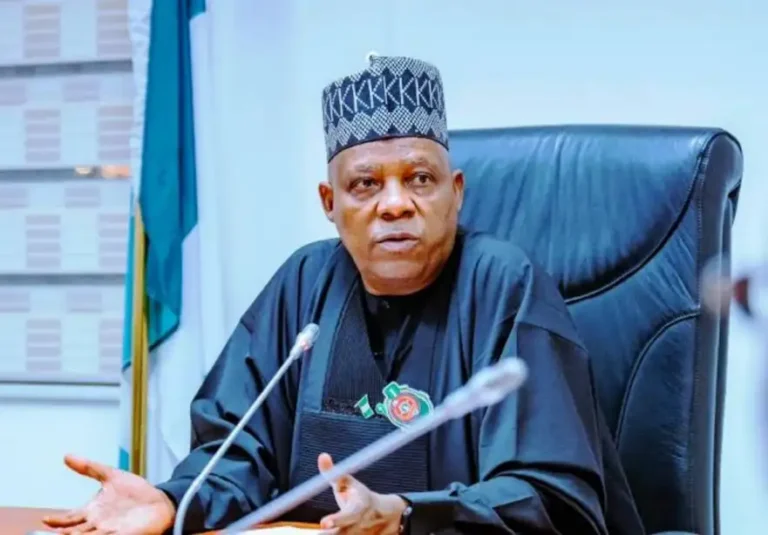
Vice President Kashim Shettima has said Nigeria may need a yearly budget of N1 trillion to sustain nationwide coverage of the home-grown school feeding programme.

He made this known in Abuja at the weekend during the National Policy Forum on the Institutionalisation and Implementation of the Renewed Hope National Home Grown School Feeding Programme, organised by ActionAid Nigeria.

Shettima explained that the financial requirement should not be seen as a cost to the Federal Government but as an investment in nation-building with economic and security benefits.

Represented by the Special Adviser to the President on Economic Affairs, Dr. Tope Fasua, the Vice President said, “The government is making a promise that no Nigerian child should learn on an empty stomach, and no local farmer should be excluded from the nation’s prosperity.”

He recalled the recent launch of the Alternative Education and Renewed Hope School Feeding Project, designed to reach out-of-school and highly vulnerable children, with the target of impacting up to 20 million beneficiaries by 2026.

According to him, the project is part of broader measures aimed at reducing poverty and hunger while also boosting food security and agricultural productivity through direct involvement of local farmers.

Shettima further stated that the school feeding programme must be recognised as more than a social intervention, adding, “It is a national security investment, because poverty, hunger, and lack of opportunity are the breeding grounds for extremism and conflict in the country’s most fragile regions.”

The forum in Abuja brought together stakeholders to review strategies for scaling up implementation of the programme across the federation.

Rivers Sole Administrator to End Dependence on FG Allocations

0

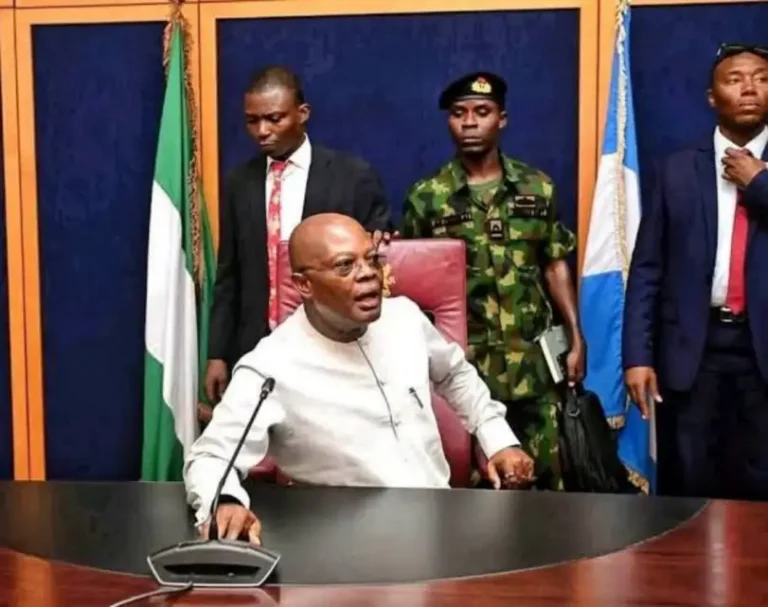
Rivers State Sole Administrator, Ibok Ete Ibas, has stated that the state should no longer rely heavily on federal allocations to run its affairs.

He gave the charge at the weekend in Port Harcourt, where he urged the Rivers State Internal Revenue Service Board (RIRSB) to accelerate efforts on internally generated revenue (IGR) in order to reduce the state’s dependence on federal funds.

According to him, the state must embrace financial sustainability through improved tax collection, transparency, and accountability.

“The work you are about to embark on is not just about collecting taxes. It is about financial sustainability, trust, and accountability,” Ibas said.

He stressed that building public trust in the tax system remains key to boosting IGR and strengthening state development.

The Sole Administrator also directed the Rivers Microfinance Agency (RIMA), now headed by technocrat Onene Osila Oshoko, to prioritize the growth of small and medium enterprises (SMEs) in the state.

He said the agency must ensure better funding opportunities for small businesses to create wealth, generate employment, and stimulate grassroots entrepreneurship.

“The Microfinance Agency has a responsibility to stimulate the local economy by improving access to credit for micro and small businesses. This will empower entrepreneurs and foster sustainable economic growth,” he said.

During the inauguration of the Boards of several state agencies, Ibas charged members to serve with integrity, urgency, and professionalism.

He emphasized that they must demonstrate public accountability while executing their duties.

The newly inaugurated Boards include the Rivers State Universal Basic Education Board (RSUBEB), Rivers State Senior Secondary Schools Board, Rivers State Internal Revenue Service Board, Rivers State Microfinance Agency, Rivers State Contributory Health Protection Programme Board, Rivers State University Teaching Hospital Board, and the Rivers State Waste Management Agency (RIWAMA).

On education, Ibas highlighted the challenges facing public schools in the state, such as overcrowded classrooms, poor infrastructure, and declining performance levels.

He called for robust data systems to track enrollment, teacher deployment, infrastructure needs, and student results.

“We must enforce discipline in our schools and address the issues of poor performance indices. A strong data system will help us achieve accurate planning and monitoring,” he said.

In the healthcare sector, the administrator described access to medical care as both a moral duty and a strategic priority.

He tasked the Contributory Health Protection Programme Board and the Rivers State University Teaching Hospital Board to deliver affordable and free healthcare, especially for vulnerable populations such as pregnant women, children, the elderly, and individuals with chronic conditions.

On the issue of waste management, Ibas charged RIWAMA to focus on sanitation as a matter of public safety rather than mere aesthetics.

He said the poor state of waste disposal in Port Harcourt has generated public complaints and must be addressed urgently.

“The task before this Board is urgent and enormous. You must lead the charge to rid our cities and communities of filth. This is not just about clearing waste, it is about instituting a system of efficiency, sustainability, and discipline,” he declared.

The administrator revealed that the government had already procured modern equipment for waste collection and landfill management, in addition to constructing access roads to dump sites for better operations.

He urged the Board to explore innovative waste-to-energy solutions.

“Around the world, waste is being transformed into power and products. Our state cannot be left behind,” he added.

Ibas further encouraged all newly appointed Board members to show commitment in delivering their mandates to the people of Rivers State.

He reminded them that their work must be guided by integrity, innovation, and the need to restore public confidence in governance.

FG to Train 30,000 Youths in Second Phase of IDEAS-TVET Initiative

The federal government has announced plans to train more than 30,000 youths under the second cohort of the Innovation Development and Effectiveness in the Acquisition of Skills (IDEAS) and the Technical and Vocational Education and Training (TVET) initiative.

Speaking during a workshop on the Nigerian Youth Employment through Skills Acquisition Funds TVET initiative, the National Project Coordinator of the IDEAS Project, Blessing Ogwu, said the training is aimed at equipping participants with high-quality, industry-aligned skills that meet labour market demands.

She explained that the second phase of the project, which is set to begin on August 25, will cover 36 skill areas.

The programme is being implemented by the Federal Ministry of Education with funding support from the World Bank-backed IDEAS project, which was designed to strengthen Nigeria’s TVET system.

According to her, the initiative is structured to leverage private sector involvement to improve training quality and ensure better alignment with the job market. Ogwu revealed that $130 million out of the $200 million World Bank loan secured for the project has already been made available to fund its activities.

The IDEAS project, which was first launched in 2022, seeks to address critical areas in the skills development system and improve technical education across the country.

Ogwu said, “The TVET initiative is a strategic intervention of the present government aimed at addressing the skills gap and promoting employability among Nigerian youth. By partnering with reputable Training Service Providers (TSPs), we aim to deliver high-quality Technical and Vocational Education and Training (TVET) that aligns with industry needs and labour market demands.”

“Over the course of this training, we will work together to equip our youth with the skills and competencies required to succeed in the workforce. I am confident that this initiative will contribute significantly to our nation’s economic growth and development.”

IDEAS Project Technical Assistant, Prof Ndem Ndiyo, noted that the programme will play a major role in developing the skills of Nigerian youths. He explained that Training Service Providers will each train between 100 and 300 youths, depending on their capacity.

According to him, 97 TSPs have been engaged in the second cohort to deliver the training across different states. He stressed that the present administration is deeply concerned about youth unemployment and is committed to implementing measures that can reduce the problem.

The World Bank Co-Task Team Leader of the IDEAS Project, Dr Mistura Rufai, also highlighted the scope of the training and the importance of certification. She said that youths across the country would be trained for six months in different skill acquisition programs under the second phase beginning August 25.

Rufai explained that the IDEAS project was conceived to bridge the gap in skills acquisition and ensure that young people not only undergo training but also receive certification under the National Skills Certification Framework.

She said, “We saw a large gap in the skills ecosystem. We have a lot of teeming youths who are graduating from school, and a gap in employment. The goal is not just to train them but to see them get certification under the national skills qualification framework and also to get funding.”

FG Begins Siemens Power Project Phase 2, Targets 12,000MW

0

The Federal Government has commenced Phase Two of the Siemens power project, a flagship initiative under the Presidential Power Initiative, designed to overhaul Nigeria’s electricity transmission system and inject 12,000 megawatts of power into the national grid.

The project followed an agreement signed on December 1, 2023, between the Governments of Nigeria and Germany. The deal laid the foundation for a partnership targeted at ending chronic instability in the country’s power sector.

Confirming the development, the Media Adviser to the Minister of Power, Bolaji Tunji, told PUNCH that work under the second phase had officially started after financing arrangements with Siemens Energy were concluded.

“Phase 2 of the Siemens projects is now underway, following the successful finalisation of financing,” Tunji said. “This phase will deliver seven upgraded existing power lines and ten new ones, covering 544 kilometres and capable of carrying 7,140 megawatts of power.”

He explained that the upgrades are part of the PPI, which aims to raise transmission capacity in stages to meet the long-term target of 12,000 megawatts under the bilateral pact. He noted that groundwork had been done through the delivery of key equipment during the pilot stage.

Earlier this year, the Minister of Power, Adebayo Adelabu, told the National Assembly that the project would begin within the first quarter of 2025. Tunji also highlighted progress from the pilot phase, pointing out achievements that showed the project’s potential for long-term sustainability.

He said, “FGN Power Company, the special purpose vehicle for the PPI, successfully received 10 power transformers and 10 mobile substations from Siemens Energy under the pilot stage. This is to significantly improve the nation’s transmission capacity by over 1,300MW.”

He added that installation work was already more than 80 per cent completed, which paved the way for the start of Phase 2.

According to him, the equipment was deployed to strengthen weak points in the grid and reduce the frequency of system collapses.

“These critical assets have been strategically deployed at key sites nationwide, such as Okene, Amukpe, Potiskum, Apo, Ihovbor, Birnin Kebbi, Ajah, Nike Lake, Kwanar Dangora, Maryland, Omouaran, Ojo, Saapade, University of Ibadan, Federal University of Technology Owerri, and Eleyele in Ibadan.”

On financing, he confirmed that Nigeria would contribute domestic funds in addition to the international facility secured with Siemens. “There would be counterpart funding from Nigeria,” he stated. “I do not have that figure immediately.”

He stressed that the new phase was not just about building new power lines but about solving problems that had affected citizens for decades. “These Phase 2 projects will significantly increase electricity reliability and accessibility for millions of Nigerians. The Federal Government is upgrading the transmission network through this project,” Tunji said.

On December 1, 2023, Nigeria and Germany signed the Presidential Power Initiative agreement to add 12,000 megawatts of electricity to the grid. The signing was presided over by President Bola Tinubu and German Chancellor Olaf Scholz during the United Nations Climate Change Summit, COP28, in Dubai, United Arab Emirates.

Managing Director of FGN Power Company, Kenny Anuwe, and Siemens Africa’s Managing Director, Nadja Haakansson, signed the deal. However, the contracts were first initiated under former President Muhammadu Buhari in 2018.

The Director-General of the Bureau of Public Procurement, Adebowale Adedokun, also disclosed that the bureau had saved about $115,000 for the government during the negotiation of the Siemens project. He explained that due diligence was applied to safeguard Nigeria’s interest.

He said, “One of the things that we have done is to look at the Siemens project. We went through negotiation. We scrutinised the request and learned that the government has saved about $115,000 through a negotiation. So that is a plus already; in just two weeks, we went into deep review and negotiation, and they saw the benefit.

“That money would naturally have gone into that contract without anybody doing anything about it. But we have been able to say, ‘No, we are working for the interest of Nigeria. You must come down from your initial price based on our price intelligence. BPP is that fulcrum that can defend the government regarding how much a contract should be when we do our proper due diligence.”

The Federal Executive Council had earlier approved N262.75bn (€161.33m) for the first Phase of the Siemens Project. This includes engineering, procurement, construction, and financing for 330/132 KV and 132/33 KV substations in Onitsha, Offa, Abeokuta, Ayede, and Sokoto.

Following the FEC approval, Adelabu explained that Phase I of the Siemens project covered transmission upgrades and expansion. It included 14 brownfield substations for upgrades and 21 Greenfield substations, which are new builds across the country.

“The first batch of this Phase I project includes Onitsha, 330/133 KV substation under the Enugu electricity distribution company; two, Offa 132/33 KV substation under the Ibadan electricity company.

“There is the new Abeokuta 330/132 KV substation. We have the Ayede 330/132 KV substation. And lastly, the Sokoto 132/33 KV substation. Those are the five substations to be worked upon under the first batch of Phase I of the Siemens project. And we expect that this will further improve and stabilise the transmission segment of the power sector value chain in the not-too-distant future on completion,” the Minister of Power explained.