Home Blog Page 531

Only 36% Households Benefited from FG Cash Transfer Since 2023 – PwC, Punch

0

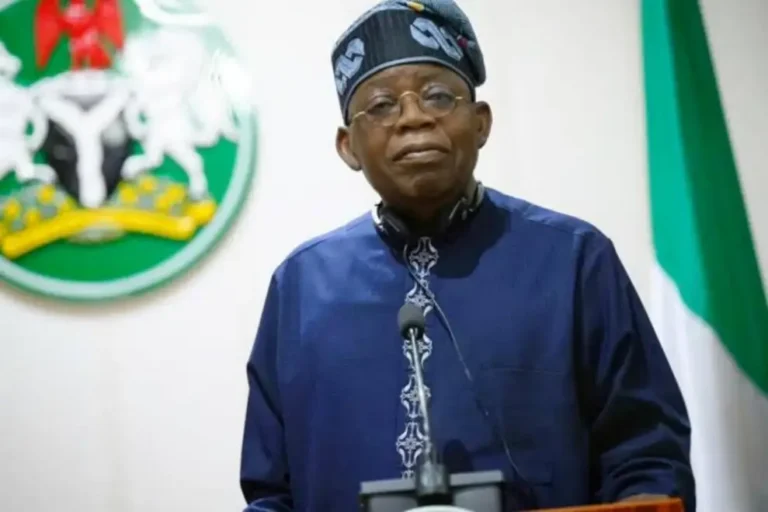
Only 36 per cent of households targeted by the Federal Government’s conditional cash transfer programme since October 2023 have benefited, according to a mid-year economic report released by PwC and earlier reported by Punch.

The initiative was relaunched in 2023 to ease the burden on vulnerable Nigerians following the removal of petrol subsidy and the unification of the foreign exchange market under the Bola Tinubu administration.

PwC noted that while millions of households were included, the pace of payment has been slow. “Official figures showed that while 5.6 million households benefited from at least one transfer, just 2.4 million received a second and fewer than 1.3 million progressed to a third payment after biometric verification, raising questions about the pace and reach of the initiative,” the firm said.

The conditional cash transfer is designed to provide direct financial support to households in the lowest poverty bracket. However, the PwC report suggests that delays in verification and other administrative bottlenecks have limited its reach.

In April, the Federal Government launched a National Identity Number enrolment campaign as part of efforts to improve transparency and strengthen the Social Register used for the programme. Under this policy, at least one adult in each eligible household is required to be verified with a NIN or Bank Verification Number before accessing support. PwC explained that this process, though challenging in rural areas, may improve the accuracy of targeting and ensure that support reaches the most vulnerable Nigerians.

By May, the government confirmed that 2.3 million households had been cleared for payment under the renewed scheme. The World Bank is providing major backing for the project. Out of an $800 million loan approved for the initiative, $530 million had been disbursed as of April 30, 2025.

In its Nigeria Development Update titled ‘Building Momentum for Inclusive Growth,’ the World Bank observed that “Only 5.6 million households, around 37 per cent, have received at least one tranche of direct transfers,” while urging the government to expand coverage.

The Bank added that “the programme remains dependent on biometrically verifying at least one adult member of the household with a foundational digital identity. Also, efforts to urgently provide support to the poorest and most economically at-risk households should be redoubled and expanded.”

PwC also provided an update on oil price trends and their implications for Nigeria’s economy. According to the report, global geopolitical risks in the first half of 2025, including U.S.–China tensions, the Middle East conflict, and cyber threats, had a limited effect on oil markets. “Oil prices fell from $79.21 per barrel to $71.21 per barrel between January and June 2025. The decline was driven by the increase in output of nearly one million barrels per day in April and June by OPEC+, which reinforced downward pressure amid uncertain demand,” PwC stated.

The report added that sustained escalation of geopolitical tensions, particularly in the Middle East, could still impact oil markets in the medium term. “Such an outcome may prove favourable to Nigeria, given its reliance on crude oil exports (the benchmark oil price for 2025 was set at US$75 per barrel) as a major source of foreign exchange revenue,” PwC said.

Looking ahead, PwC projected that Nigeria’s gross domestic product will expand “modestly by 3.4 per cent in 2025, supported by higher crude oil production and stronger performance in the finance and insurance, construction, ICT and real estate sectors.” This projection comes as investors and policymakers closely monitor the nation’s energy sector and fiscal reforms.

On inflation, PwC estimated that headline inflation will moderate to 21.46 per cent in 2025 due to hawkish monetary policy and greater stability in the foreign exchange market. The report noted that with the recent decline in inflation, the Central Bank of Nigeria may begin to gradually ease its tight monetary stance in the second half of 2025.

Analysts say these projections, combined with government reforms and international financing support, highlight both opportunities and challenges for Nigeria’s economy.

The success of the conditional cash transfer programme, backed by the World Bank’s $800 million loan, remains central to the government’s strategy to cushion the effects of subsidy removal and protect the most vulnerable households.

Advertisement

Ogun State Trains 30,000 Women and Youths in Vocational Skills

The empowerment of women and youths in Ogun State has taken a new turn as more than 30,000 people have already benefited from a large-scale vocational training programme.

The initiative is being facilitated by the Alliance for Kamosky, a coalition of friends and supporters of Alhaji Kamardeen Yusuf, who serves as the Personal Assistant to the President on Special Duties.

A statement released on Thursday explained that the project is focused on improving the lives of underprivileged communities by providing practical skills that can lead to self-reliance and income generation.

The training covers soap making, tie-and-dye, hairdressing, and shoemaking, with the aim of creating opportunities for small businesses and reducing unemployment.

Beneficiary communities include:
1. Ado-Odo
2. Agbara
3. Igbesa
4. Lusada
5. Ketu
6. Ayetoro
7. Idiroko
8. Odogbolu
9. Odeda
10. Ilaro
11. Obafemi Owode
12. Ikene
13. Imasayi
14. Owode Yewa

Others are Ijebu-Ode, Ijebu East, Ijebu North, Ogun Waterside, Remo North, Sagamu, Abeokuta North and South, Ota, Imeko, Oja Odan, Ipokia, Ewekoro, and Ifo.

Speaking on the programme, Abimbola Odunlami, who represented the group, praised Yusuf and Dr. Abdul-Lateef Sulaiman, describing them as champions of grassroots empowerment and economic growth.

“Alhaji Kamardeen has performed excellently well in securing jobs for youths and providing soft loans to traders, thereby endearing himself to the people,” Odunlami said.

She explained further, “On our own part, as beneficiaries of Alhaji Kamardeen’s efforts, we thought about what we could do to complement his work. That is why we initiated this programme to enable our people to acquire vocational skills such as soap making, tie-and-dye, hairdressing, shoemaking and others. When women are empowered, it goes a long way toward creating a positive impact in our society.”

Organisers emphasized that this scheme is part of a larger plan to address unemployment, encourage entrepreneurship, and promote economic inclusion across Ogun State.

Akwa Ibom Gov Eno Disburses N239m to 476 Beneficiaries in Ikono/Ini

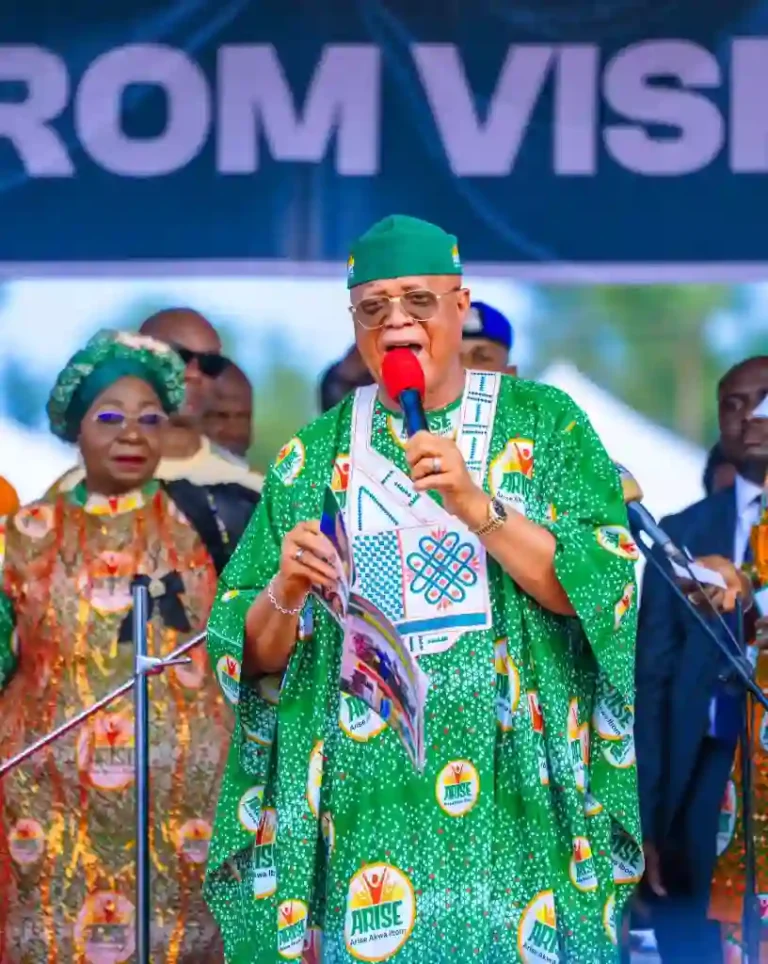
Governor of Akwa Ibom State, Pastor Umo Eno, has announced a fresh round of empowerment and development initiatives in the Ikono/Ini Federal Constituency.

Speaking during the ARISE Town Square Meeting and Empowerment Series, he revealed the disbursement of ₦239 million in cash and equipment to 476 beneficiaries.

“Our goal is to ensure inclusive growth, and today we have empowered hundreds of people to create more opportunities,” Governor Eno stated. The event also saw the presentation of the constituency’s NEEDS document, which the governor confirmed would be factored into the 2026 People’s Budget.

In a show of support, Rt. Hon. Emmanuel Ukpong Udo pledged a ₦200 million solar-powered street lighting project. The governor described the initiative as “a significant boost for grassroots development that will improve security and extend economic activities into the night.”

Pastor Eno also announced the promotion of his aide, Mr. Essien Lawrence, as Special Assistant on Public Works. “This elevation is in recognition of his dedicated service,” he added.

The gathering was further highlighted by the traditional rulers of Ikono and Ini conferring on Governor Eno the title of Obong Iberedem Ikono ndo Ini. He assured the people of continuous development under the ARISE Agenda.

FG RRR CCT N25,000 Payment Begins for 2.1M Households

August 22, 2025 – Nigeria’s Rapid Response Register (RRR) program, under the Conditional Cash Transfer (CCT) initiatives of the National Social Safety Nets Project (NASSCO), has officially started disbursing payments to beneficiaries. The direct transfer is part of the federal government’s effort to support vulnerable citizens.

On Channels Television’s Sunrise Daily, the Minister of State for Humanitarian Affairs and Poverty Reduction, Tanko Sununu, said, “President Bola Ahmed Tinubu’s administration is determined to strengthen social safety nets and reduce poverty across Nigeria.”

Reports confirm that the RRR CCT payments have commenced, and beneficiaries are now receiving direct alerts on their phones.

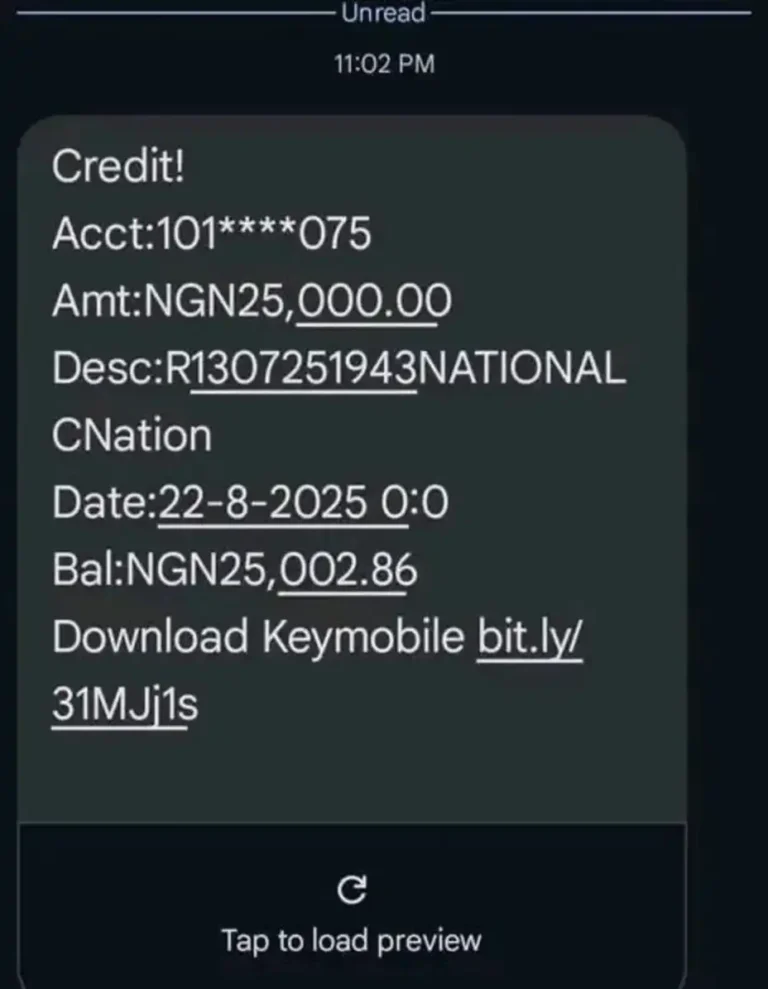
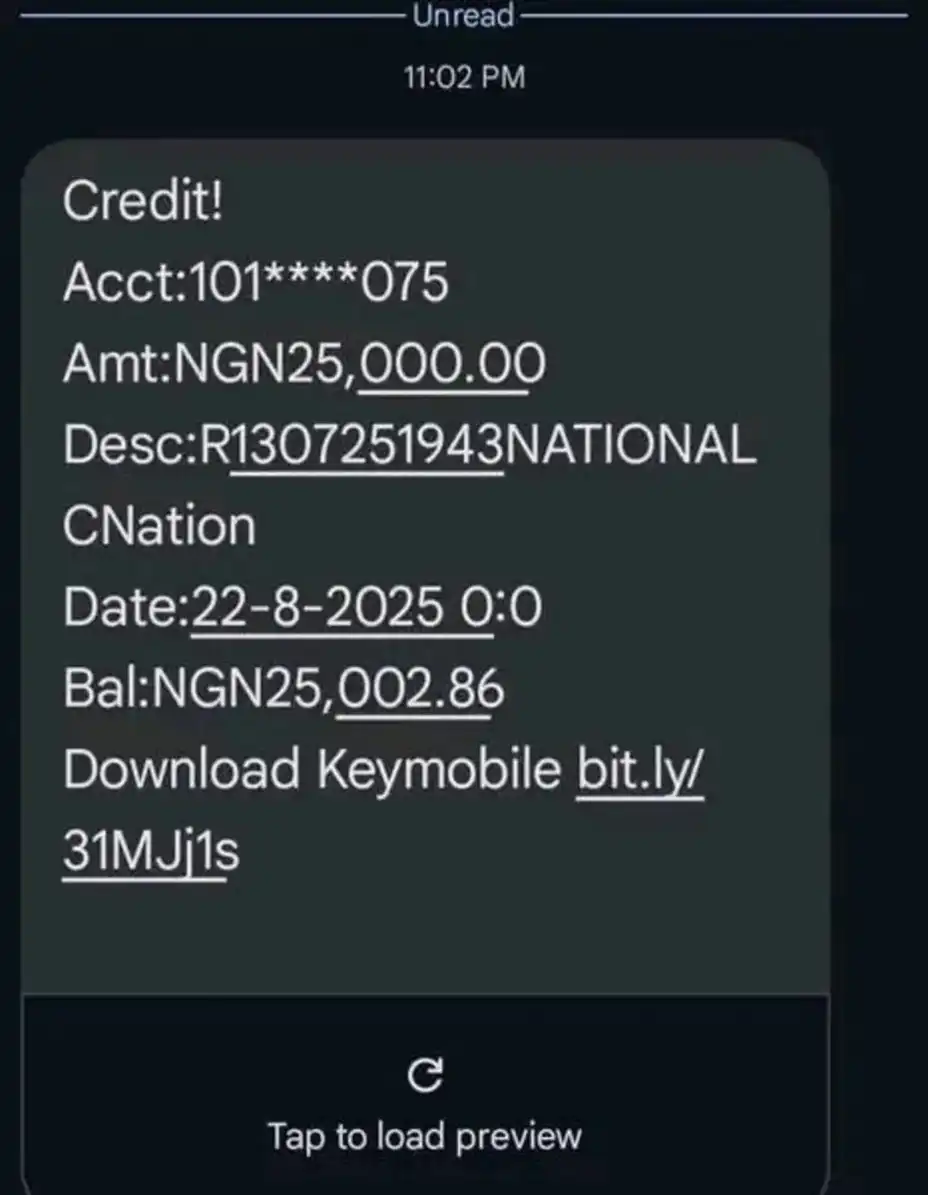
A sample of the circulating bank message reads: “Credit! Acct: number Amt: NGN25,000.00 Desc: R1307251943NATIONAL.”

Beneficiaries are advised to continue checking their messages for confirmation of payment.

Each qualified household will receive 25,000 naira, which will be paid three times to reach a total of 75,000 naira. This disbursement will cover 2,119,000 households across the country before the end of August.

According to officials, the initiative is designed to cushion the effect of economic hardship while encouraging financial inclusion.

Beneficiaries can check their balance directly once the credit alert is received. The scheme is a direct payment process that avoids third-party interference, ensuring transparency and trust.

The federal government emphasized that only eligible citizens on the Rapid Response Register will be credited, urging recipients to remain patient as the first batch of payments is still ongoing.

Below is the payment screenshot proof:

Tinubu Unveils Personal Income Tax Calculator Ahead of 2026 Tax Law

0

August 21, 2025 – President Bola Ahmed Tinubu has announced new personal income tax calculator ahead of the new tax reforms that will take effect from January 2026, aimed at creating what he describes as a fairer and more transparent tax system in Nigeria.

Addressing the citizens, he stated, “A fair tax system must never punish poverty or weigh down the most vulnerable. With the new tax laws I recently signed, taking effect from January 2026, we have lifted this burden and created a path of equity, fairness, and true redistribution in our economy.”

As part of these reforms, the government has introduced a Personal Income Tax Calculator.

The tool is designed to help Nigerians estimate their tax obligations under the new system and compare them with the current rates.

According to Tinubu, “It shows clearly how these reforms protect low-income earners, ensures progressivity, and simplifies compliance in order to deliver a transparent system that works for all.”

The tax calculator is accessible at fiscalreforms.ng/index.php/pit-calculator.

Workers and businesses can use it to understand how the new income tax rules apply to them. This development is also meant to improve Nigeria’s tax compliance and strengthen revenue without placing undue pressure on struggling families.

The new tax policy, part of Nigeria’s broader fiscal reforms, is expected to attract attention from investors, financial institutions, and tax professionals. The reforms also emphasize redistribution, making sure that higher earners contribute more while lower earners are shielded from heavy financial strain.

Explaining further, the government noted that the calculator simulates both the current tax rates and those under the proposed Nigeria tax bill, giving users a clear picture of their expected payments.

It also highlights that actual tax payable may be reduced by contributions such as pension funds and the National Housing Fund.

President Tinubu concluded, “Together, we are renewing hope in the Nigeria of our dreams. Take a bet on our country. Bet on Nigeria to work for you, your family, and your community.”

FG to Train 5,000 Civil Servants on Artificial Intelligence (AI)

0

The United Nations has reiterated its commitment to supporting Artificial Intelligence operations in Nigeria, saying that responsible and inclusive use of the technology will help drive sustainable growth.

Mohamed Fall, the UN Resident and Humanitarian Coordinator in Nigeria, made this known in Abuja on Thursday during the validation of the Nigeria AI Readiness Assessment Report, NAIRAR. The programme was organised by the UNESCO Abuja office with backing from the European Union.

The NAIRAR marks the final stage of Nigeria’s National AI readiness process. It is a major outcome of UNESCO’s Readiness Assessment Methodology, which has been carried out to support the country’s digital economy and strengthen its Artificial Intelligence ecosystem.

According to Fall, the initiative will help promote the UNESCO Recommendations on the Ethics of AI adopted by 193 member states in 2021. He explained that the findings will guide Nigeria in creating an AI framework that is ethical, inclusive and sustainable.

Fall said: “Today’s validation is not an end. It is a beginning. It calls on all of us to act on the findings of this report. We must work together, across ministries, institutions and communities to implement its recommendations. We must ensure that AI in Nigeria grows in ways that protect rights, promote equality and serve development for all.”

He noted that Artificial Intelligence was no longer the future but already influencing daily life, including work, communication, education and healthcare. He added that AI could transform economies, create opportunities for young people, improve social services and accelerate progress on the Sustainable Development Goals. However, he warned that technology must be guided by strong ethical values to benefit everyone.

“This is why the NAIRAR is so important. It gives us a clear picture of where Nigeria stands. It shows the strengths that already exist and opportunities to do even better. It also reminds us that Nigeria has the human talent, ideas and leadership to make AI a true force for inclusive development,” he said.

Fall further highlighted initiatives such as the National AI Strategy, the Three Million Technical Talent Programme and the Nigeria AI Research Scheme, describing them as bold steps that show the country is shaping a vibrant Artificial Intelligence ecosystem.

“These are bold steps that can place Nigeria among the leading voices on AI on the continent: such collective effort reflects the spirit of partnership that drives progress,” he explained.

He also stated that the United Nations is leading global dialogue on responsible AI for peace, security and human rights. “Our commitment is clear: we will continue to support Nigeria in ensuring innovation is ethical, inclusive and leaves no one behind,” Fall added.

During the same event, the Minister of Labour and Employment, Muhammad Dingyadi, commended UNESCO and the European Union for their role in the project. He explained that Artificial Intelligence is not just a technological development but a driver of change that is transforming industries, economies and societies.

“For Nigeria, a country blessed with a young, dynamic and increasingly digital population, AI presents enormous opportunities to accelerate productivity and strengthen service delivery, enhance education, healthcare and create new sectors of economic growth,” Dingyadi said.

He, however, raised concerns about the challenges that come with automation. “As labour administrators, we are keenly aware of the challenges that this transformation poses. Automation and AI-enabled systems may lead to the displacement of certain jobs, particularly routine and low-skill tasks. If not properly managed, this could widen inequalities and leave sections of our workforce behind. Therefore, the Ministry views AI Readiness Assessment not merely as a technical report, but as a strategic guide for the future of work in Nigeria,” he stated.

Minister of Communications, Innovation and Digital Economy, Bosun Tijani, described the NAIRAR as timely. He said that rapid technological changes are already transforming the way people live and work.

“The world we grew up knowing is not the same, in a few years things are already changing fast. Many people are not aware that the ways we do things have transformed and they may never be the same due to AI,” Tijani said.

Also at the validation exercise, the Head of the Civil Service of the Federation, Esther Wilson-Jack, represented by Faruk Yabo, permanent secretary of the Ministry of Solid Minerals Development, revealed that the federal government will take steps to equip civil servants with AI skills.

“We will train not less than 5,000 civil servants on AI, just to ensure that as a government we can use it effectively,” she announced.

The validation meeting was attended by stakeholders from government, academia, civil society and the private sector. It featured expert presentations, analysis of assessment findings and recommendations for Nigeria’s Artificial Intelligence future.

The Attorney-General of the Federation and Minister of Justice, Lateef Fagbemi, SAN, also gave a goodwill message, joining other leaders in stressing the importance of building a strong AI framework that prioritises inclusivity, innovation and digital growth.

Kano Hospital Board Screens Medical Graduates for Automatic Employment

0

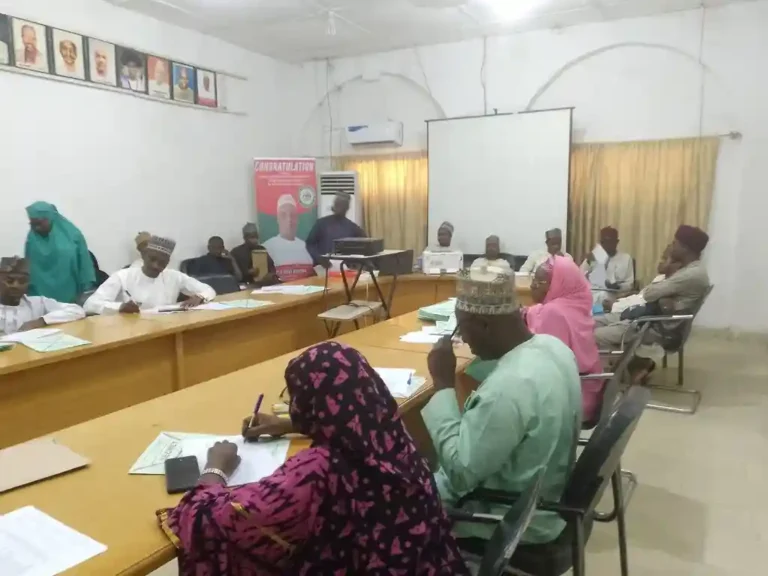
Kano State Hospital Management Board today, August 21, 2025, carried out the screening of medical scholars for automatic employment as directed by the Governor, His Excellency Alhaji Abba Kabir Yusuf.

The exercise covers graduates who completed their studies during the administration of Sen. Dr. Rabiu Musa Kwankwaso and extends to those sponsored by the present administration.

Speaking during the exercise, the management confirmed that other medical officers and officers from various fields were also part of the recruitment process. This initiative aims to strengthen healthcare delivery across Kano State and create opportunities for qualified professionals.

The meeting was chaired by the Director of Administration and General Services, Mallam Auwal Idris, alongside dignitaries from different disciplines who supervised the screening.

According to officials, the recruitment aligns with the state’s plan to provide quality healthcare services and reduce unemployment by engaging medical graduates in public hospitals.

NASRDA Calls Startups, Developers, Entrepreneurs for Space Survey

0

The National Space Research and Development Agency (NASRDA), through its Space Enterprise Department, has announced a new call for developers, startups and entrepreneurs to participate in a short survey aimed at supporting space and space-related projects.

In a statement signed by Dr. Idris M. Jega, Acting Director of Space Enterprise, the agency said, “We are excited to collaborate with innovative minds like yours.”

ATTENTION DEVELOPERS, STARTUPS AND ENTREPRENEURS INTERESTED IN SPACE AND SPACE-RELATED PROJECTS!

We’re inviting:
i. Startups
ii. Developers
iii. Entrepreneurs

According to NASRDA, this initiative is a unique opportunity to showcase innovation, connect with industry experts, gain visibility and unlock new pathways for growth.

The agency emphasized that this effort is designed to strengthen Nigeria’s presence in the space economy while encouraging private sector participation.

How to apply:

Interested candidates should visit and complete the application form Here.

Applicants can also scan the code below to participate.

FG, Imo State, USMAC Launch Nationwide Startup Mentoring Programme

Nigeria’s innovation industry is receiving a major push as the Imo State Government, in partnership with the United States Market Access Center (US.MAC), has launched a nationwide mentoring programme to strengthen startups and entrepreneurs.

The initiative, modeled after Silicon Valley-style hackathons, is aimed at empowering Nigerian entrepreneurs to build globally competitive companies, create jobs, and contribute to sustainable economic growth.

Speaking at the project’s pre-launch in Abuja, the Special Assistant to the President on ICT Development and Digital Innovation, Mr. Doko Inuita, represented by his Technical Adviser on ICT and Administration, Mr. Amukoyo Onome, described the programme as a strategic move for national development.

“This programme gives Nigerians the opportunity to start as micro and small enterprises and scale into full companies that can operate not only within Nigeria but also globally. Investors from Silicon Valley are already on ground, which will build confidence, attract foreign direct investment and prepare our startups to compete internationally,” he said.

The Co-founder of the Global Innovation Dojo, Donohue, stressed that Nigeria has the talent required to produce billion-dollar technology companies.

According to him, the project is designed to identify entrepreneurs with resilience and capacity to scale into high-growth ventures. He further revealed that the Imo State Government has set up a digital hub to serve as an accelerator, with national data protection frameworks already in place to safeguard intellectual property and sensitive data.

“When just a handful of founders succeed, the impact spreads across society. What is missing is experienced mentors who have built and sold global companies. This project aims to bridge that gap by linking Nigerian startups with successful international founders,” he explained.

USMAC’s Africa representative, Matt Ifese, outlined the programme’s structure, which will begin with outreach events and a curated hackathon in October.

He added that the hackathon would lead to a boot camp where the most promising startups will be shortlisted for international exposure. “We expect up to 2,000 applications, but only 100 startups will make the cut. From there, the best candidates will advance to training and international exposure,” he said.

Mr. Ifese also highlighted Nigeria’s growing digital economy as a major attraction for global investors. He noted that the programme is expected to bring in venture capital, boost the country’s revenue base, and enhance Nigeria’s visibility in the global innovation ecosystem.

Group Launches N6m Youth Talent Hunt to Empower Youths

Abuja Investments Company Limited has launched the maiden edition of the Abuja Youth Talent Hunt, a programme aimed at empowering young entrepreneurs with practical skills, resources, and investment opportunities.

The initiative was unveiled on Wednesday by the Group Managing Director of AICL, Ambassador Maureen Tamuno, during the official opening ceremony.

The programme is designed as a five-phase competition to nurture creativity, innovation, and enterprise among youths between the ages of 18 and 35. Running from August 20 to September 24, 2025, the talent hunt will provide over ₦6 million in cash prizes, alongside mentorship, training, and access to investors.

The Abuja Youth Talent Hunt is jointly organised by AICL and the Abuja Enterprise Agency. According to Tamuno, the competition focuses on three critical sectors: Information Technology, Agriculture, and Creative Enterprise.

Participants will benefit from business plan training, pitch presentation coaching, and one-on-one mentorship sessions with experienced investors and industry leaders.

Finalists are expected to present their projects to top business leaders during the Abuja Business Investment Expo scheduled for October 2025. Highlighting the vision behind the initiative, Tamuno said, “This is an initiative which reflects the future we believe in, a future driven by innovation, entrepreneurship, and the boundless creativity of our youth. At AICL, we don’t just give the fish; we teach people how to fish. This is not just about competition, but about opportunity to showcase ideas that can be transformed into impactful businesses.”

She also expressed gratitude to the Minister of the Federal Capital Territory, Nyesom Wike, for his leadership and support for infrastructure development and micro, small and medium enterprises.

Tamuno noted that his commitment continues to inspire AICL’s drive to promote entrepreneurship, economic growth, and youth empowerment in the FCT.

As part of the ceremony, the panel of judges was formally inaugurated, marking the official start of the evaluation process for participants’ innovative ideas.