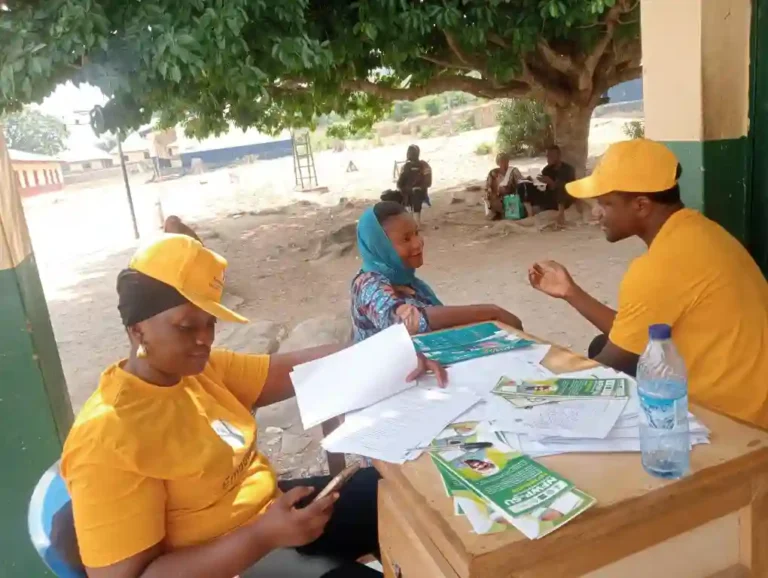
The Nigeria for Women Project Scale-Up (NFWP-SU) has commenced the recruitment of Ward Facilitators in selected local government areas of Kogi State. The recruitment is part of efforts to strengthen community-level implementation of the project, which focuses on improving women’s economic opportunities, financial inclusion, and social development in focal LGAs across the state.
The Ward Facilitators will serve as key links between the project team and women at the grassroots. Their role includes mobilising women into affinity groups, supporting programme activities at the ward level, monitoring participation, and ensuring that project information is properly communicated within communities. The facilitators are expected to work closely with local stakeholders to support smooth implementation and accountability.
According to the project structure, the recruitment is limited to selected LGAs where the NFWP-SU is currently active. This phase is aimed at strengthening local capacity and ensuring that women in targeted communities fully benefit from the Nigeria for Women Project interventions as the programme continues to expand in Kogi State.
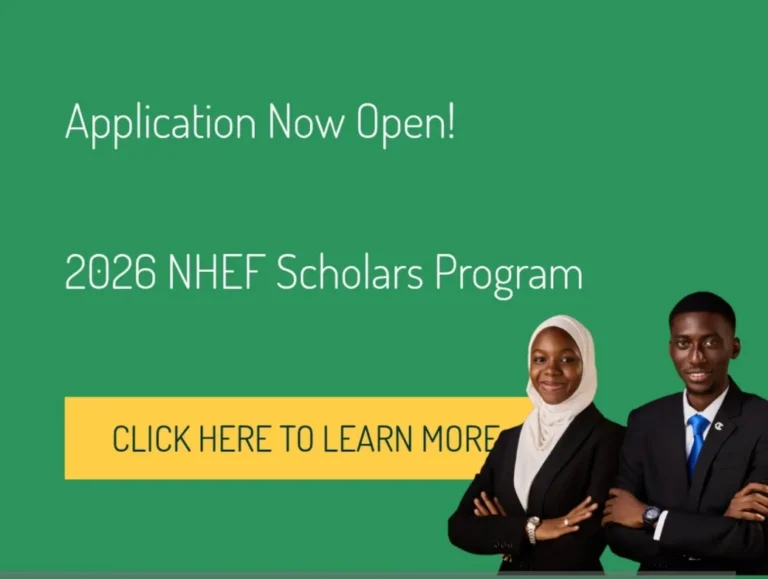
The Nigeria Higher Education Foundation (NHEF) has opened applications for the 2026 NHEF Scholars Program, marking ten years of impact in developing Nigeria’s future leaders. The programme is designed to equip talented Nigerian students with the skills, experiences, and professional networks needed to succeed as professionals and leaders across key sectors of the economy.
The Scholars Program is a prestigious and competitive initiative created to identify, develop, and support some of the brightest young Nigerian undergraduates. The programme focuses on helping promising individuals reach their full potential as leaders, innovators, and change makers through structured support.
Through sustained career support and coaching, scholars are placed into partner firms where they can gain real world work experience. This approach helps students bridge the gap between academic learning and professional practice, while building confidence and workplace skills.
Undergraduates selected for the programme will have the opportunity to work in leading companies across several sectors, including Financial Services, HR and Operations, Engineering, Technology, Consulting, Healthcare, and Law. These placements are designed to provide practical experience.
The programme also targets exceptional students in their penultimate year and equips them with exclusive internship opportunities, leadership and career development training, as well as mentorship and networking opportunities. NHEF scholars are connected with professionals and alumni excelling across industries.
For the benefits, becoming an NHEF Scholar gives participants access to a programme that has supported over 468 alumni in achieving career and leadership goals.
For eligibility, applicants must be penultimate year students enrolled at NHEF partner universities, including Ahmadu Bello University, Bayero University, University of Ibadan, University of Lagos, University of Nigeria, and University of Port Harcourt.
Applicants must be well rounded, demonstrate academic excellence, show involvement in extracurricular and professional activities, and exhibit commitment to community service and philanthropy.
The application deadline is March 13, 2026. Candidates are required to upload a one page CV, a one page cover letter, and their most recent statement of result in PDF format.
MTN Foundation has commenced its ICT Skills and Training programme, aimed at upskilling 6,000 young Nigerians to embrace digital transformation, at a time when small and medium-sized enterprises (SMEs) remain the backbone of the Nigerian economy. The initiative follows a strong response that saw over 61,000 applications submitted by young Nigerians seeking to improve digital capacity and business performance.
The programme, now in its fifth week, began on January 5, 2026. This seventh phase of the project is focused on supporting Nigeria’s SMEs. Data from the National Bureau of Statistics (NBS) shows that SMEs account for over 90 per cent of businesses in the country and employ a large share of the workforce, highlighting the need for interventions that strengthen productivity and sustainability.
After a one-month call for applications in September 2025, more than 61,000 entries were received from Nigerians aged between 18 and 35. From this pool, 6,000 participants were selected to take part in a five-week virtual training programme scheduled to end this month. The programme opened with an onboarding session that brought together participants across four business tracks and introduced them to a practical curriculum focused on digital growth.
Participants include microbusiness owners operating in sectors such as food services, fashion, retail, logistics, beauty, and printing. The training emphasises the use of practical and affordable digital tools instead of complex or expensive technologies. This approach ensures that early-stage SMEs with limited financial capacity can begin their digital journey and achieve measurable improvements in operations.
Central to the training is the understanding that digital transformation is a continuous process rather than a one-time effort. Participants were encouraged to start small, digitise repetitive tasks, and gradually scale operations using the Kaizen approach of continuous improvement. This perspective helps SMEs view technology as a practical tool for growth. As the training progressed, participants were also exposed to lessons on telesales and cybersecurity.
Speaking on the initiative, Executive Director of MTN Foundation, Odunayo Sanya, said the programme was designed to address real challenges faced by young business owners. She said, “Small businesses are the backbone of our economy, and helping young people adopt simple digital tools can make a real difference in productivity, sustainability, and long-term growth.”
The programme is being implemented by Learning Core Company, an e-learning platform focused on equipping Nigerian youth with relevant digital skills. The training commenced with a session facilitated by Babajide Jolaolu-Kehinde, a Business Analyst and Digital Transformation Expert, who guided participants through step-by-step digital strategies tailored to small businesses.
He also led a session titled “Digital Transformation: Meaning and Urgency for Nigerian Businesses,” where he explained how automating routine tasks can save time, reduce errors, and improve efficiency. During the session, Babajide introduced tools such as WhatsApp and WhatsApp Business for customer engagement, as well as the integration of similar tools with MTN’s MoMo API. He noted that improved digital visibility allows SMEs to better understand customer behaviour and make informed business decisions.
The impact of these tools was demonstrated through facilitator-led case studies shared with participants. One example was Amoke Alamala, a cafeteria owner who reportedly grew her customer base by 300 per cent within five months by adopting digital ordering and payment systems. Another case study featured Korede Spaghetti around the University of Lagos, which expanded from a roadside kiosk to online sales, increasing daily orders from 20 to 95 plates through digital storefronts, QR code payments, and social media marketing.
Participants will continue to have access to learning materials and session recordings throughout the five-week programme, ensuring that digital adoption extends beyond the training period nationwide.
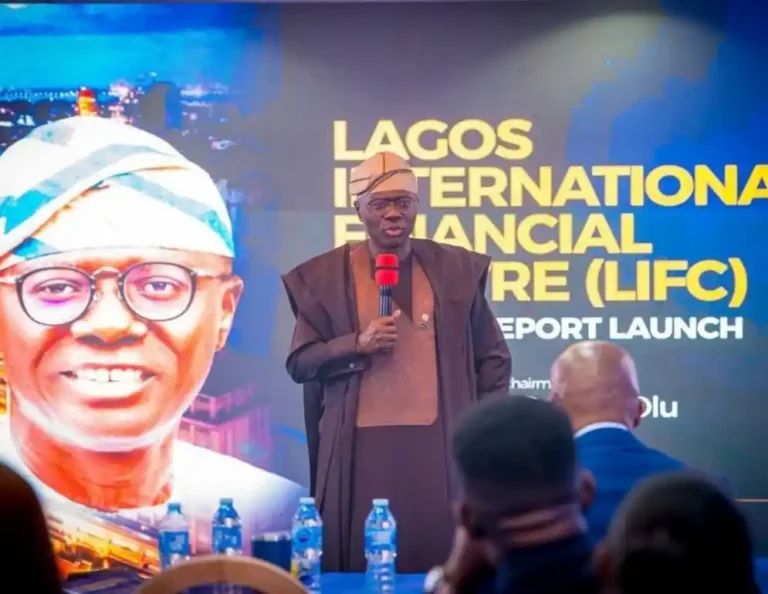
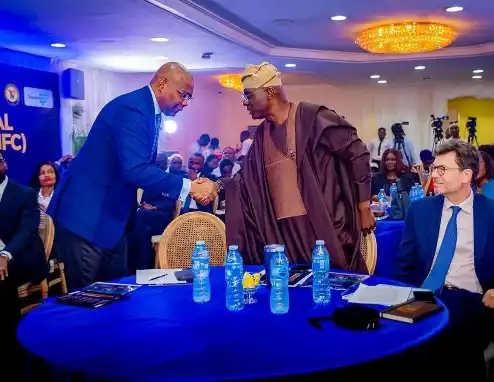
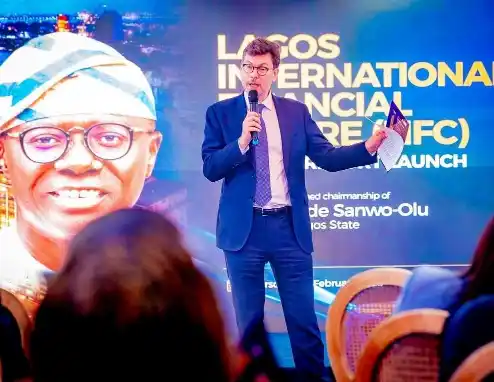
The Governor of Lagos State, Mr. Babajide Sanwo-Olu, has launched the Lagos International Financial Centre (LIFC) Phase 1 Report in conjunction with EnterpriseNGR, outlining the strategy and pathway for implementing initiatives aimed at transforming Nigeria’s economic growth, deepening the financial market, and fostering innovation.
Speaking at the launch held at Lagos House, Marina, Governor Sanwo-Olu, who is the Chairman of the LIFC Council, called on stakeholders across the public and private sectors to support and sustain collaboration to position Lagos as a global financial hub through the Lagos International Financial Centre.
He said the LIFC project, conceived about two years ago, was designed to attract international capital, deepen financial markets, and create sustainable economic opportunities for Nigeria, adding that the initiative was structured to deliver long-term national benefits beyond Lagos State.
According to the governor, the Lagos International Financial Centre is a project of the Lagos State Government in partnership with EnterpriseNGR and captures a clear strategy and implementation pathway that aligns policy, regulation, and market development to strengthen the country’s financial ecosystem.
Reaffirming his administration’s commitment to the project, Sanwo-Olu described the LIFC as a strategic economic reform aimed at strengthening Nigeria’s global competitiveness and positioning Lagos as a leading international financial hub capable of competing with established centres.
He commended EnterpriseNGR for the initiative and the work done so far, while also appreciating the United Kingdom Government and TheCityUK for providing technical and financial support during the formative phase of the project.
“The foundation we are laying today is for the future of our economy, our children, and generations to come. This is not just about Lagos; it is about building an economic legacy that will transform Nigeria’s financial ecosystem,” the governor said.
He explained that the project was intentionally designed to involve both state and national institutions to ensure continuity and sustainability beyond individual administrations.
“We have designed a model that involves both state and national institutions so that the project becomes institutional rather than personality-driven. It is about building a sustainable structure that will outlive any administration,” he added.
Also speaking at the event, the co-chairman of LIFC, Mr. Aigboje Aig-Imoukhuede, commended the Lagos State Government for fostering strong collaboration with private sector stakeholders to drive financial and economic growth.
He underscored the importance of private sector participation, describing the Lagos International Financial Centre as a collaborative economic ecosystem that depends on strong partnerships between government and business institutions.
Aig-Imoukhuede described the completion of LIFC Phase 1 as a significant milestone and disclosed that Phase 2 would focus on policy reforms, legislative frameworks, and resource mobilisation to drive full implementation of the project.
“The scale and impact of the Lagos International Financial Centre will go beyond the Nigerian Stock Exchange. It will strengthen capital mobilisation, expand financial institutions, and position Nigeria as a global financial destination,” he said.
The British Deputy High Commissioner, Jonny Baxter, also applauded the Lagos State Government and EnterpriseNGR for driving the initiative and strengthening collaboration with federal institutions.
He disclosed that the United Kingdom, through TheCityUK, is providing expertise to help identify Lagos’ comparative advantages and the regulatory reforms required to establish a globally competitive international financial centre.
Baxter described the initiative as a major economic milestone capable of unlocking domestic and international capital flows into infrastructure development, job creation, and overall economic growth.
“A well-designed international financial centre can unlock significant domestic and international capital flows. These resources will support infrastructure development, boost productive sectors, and create employment opportunities,” he said.
In his remarks, the Lagos State Commissioner for Finance, Mr. Abayomi Oluyomi, said the journey toward establishing the Lagos International Financial Centre required collaboration among investors and stakeholders to build a competitive platform locally.
Akwa Ibom State Governor, Pastor Umo Eno, has disclosed plans to develop the Ibom Hotels and Apartments Project in Abuja as part of efforts to generate revenue for the state and create employment opportunities, alongside the proposed development of an Ibom Housing Estate in the Federal Capital Territory to provide affordable accommodation for Akwa Ibom indigenes.
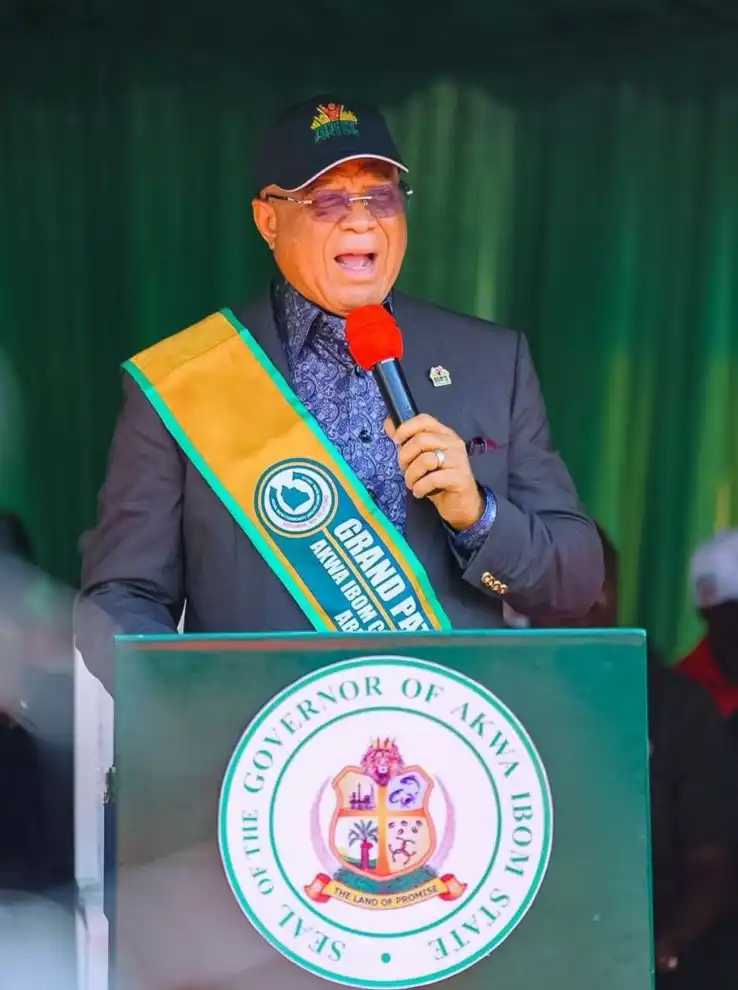
The governor made this known during a visit to the Akwa Ibom Community in Abuja, where he attended the community’s general meeting on Sunday, February 8, 2026, and engaged members on the development priorities of his administration under the ARISE Agenda. He assured indigenes resident in Abuja of more developmental projects, reaffirming his administration’s commitment to inclusive growth, strategic asset repositioning, and improved welfare for citizens both at home and in the diaspora.
Addressing the gathering, Governor Eno said the Ibom Hotels and Apartments Project would replace the moribund old liaison office, transforming the asset into a viable hospitality and commercial hub capable of generating revenue for the state and creating jobs for residents. He also announced plans for the development of an Ibom Housing Estate in Abuja, aimed at providing decent and affordable housing for Akwa Ibom people living in the nation’s capital.
Beyond road infrastructure, the governor highlighted several projects being executed across multiple sectors, stressing that development under the ARISE Agenda goes beyond road construction. According to him, the administration has completed and ongoing projects covering a total of 1,210 kilometres of roads across the state, while also implementing 84 priority projects strategically spread across tourism, transportation, aviation, maritime development, healthcare, education, rural development, housing, water supply, and economic empowerment.
“Our development drive is holistic. Beyond roads, we have deliberately focused on projects that directly touch lives and strengthen communities across Akwa Ibom State,” Governor Eno said.
Earlier, the President of the Akwa Ibom Community in Abuja, Nkpisong Barrister Gabriel Fan, commended the governor for the developmental strides recorded under the ARISE Agenda. He pledged the full support of the community for the reelection of President Bola Tinubu, Senate President Godswill Akpabio, and Governor Umo Eno ahead of the 2027 general elections. Fan also decorated the governor as the Grand Patron of the community in recognition of his leadership style and commitment to the welfare of Akwa Ibom people.
In a further demonstration of his commitment to the community, Governor Eno donated an 18-seater bus to the Akwa Ibom Community in Abuja, a gesture that drew applause from members and invited guests. He commended the leadership of the community for promoting unity and maintaining strong ties with developments back home, noting that Akwa Ibom people resident in Abuja remain critical stakeholders in the state’s development efforts.
Members and leaders of the community praised the governor’s inclusive leadership approach, people-centred governance, and visible development strides. They assured him of their continued support, describing the visit as one that strengthened ties between Akwa Ibom State and its diaspora community in Abuja and reinforced the governor’s resolve to carry every citizen along in the state’s development process going forward.
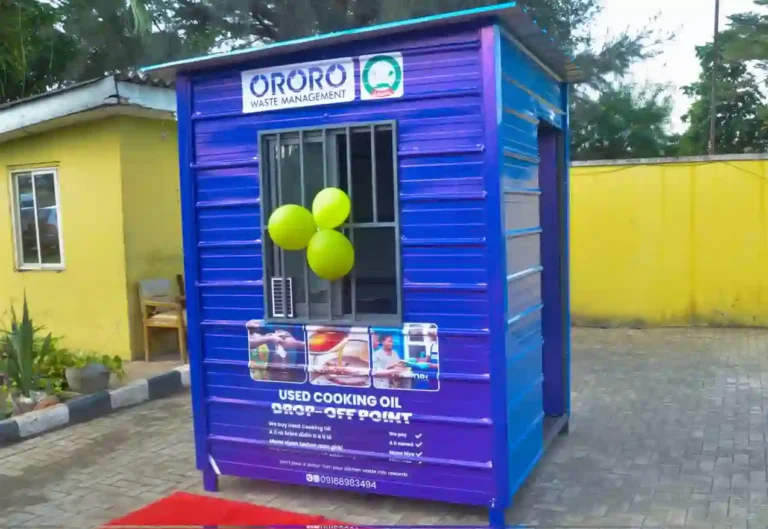
Ororo Waste Management, in collaboration with the Lagos State Environmental Protection Agency (LASEPA) and with the support of Shell, has launched Household Used Cooking Oil Collection Kiosks to enable residents and players in the informal economy to earn income while supporting environmental protection in Lagos State.
The launch event, held at the LASEPA Conference Room, Secretariat, Alausa, Ikeja, brought together stakeholders from the public and private sectors focused on waste to value solutions, public health protection, youth empowerment, and responsible environmental management.
In his welcome address, the General Manager of LASEPA, Dr. Babatunde Ajayi, described the initiative as a strategic step toward environmental protection, climate action, and economic empowerment. He said used cooking oil plays a critical role in the global biofuel supply chain and noted that Lagos has the potential to unlock a minimum twenty million dollar market due to its population size and cooking habits.
Dr. Ajayi explained that improper disposal of used cooking oil contributes to blocked drainage systems, flooding, road damage, groundwater contamination, and disease outbreaks. He added that reheating cooking oil multiple times poses serious health risks, making structured collection important for public health and environmental sustainability.
According to him, the initiative will establish collection points across all LASEPA zonal offices, including the agency headquarters, where residents will be incentivized for turning in used cooking oil. He said linking environmental compliance with economic value will encourage voluntary participation and ensure long term sustainability.
Speaking at the event, the Managing Director and Project Lead of Ororo Waste Management, Mr. Ayo Banjo, reaffirmed the company’s commitment to building a circular economy around used cooking oil. He stated that environmental sustainability and economic empowerment are interconnected, adding that households account for between fifty and sixty percent of used cooking oil generation.
Mr. Banjo said Ororo Waste Management has worked closely with LASEPA for several years to drive compliance and collection among restaurants, hotels, and commercial kitchens. He explained that the household kiosk rollout represents the next phase of the initiative and creates dignified income opportunities for waste pickers, youths, and micro entrepreneurs, while positioning Lagos and Nigeria as contributors to the global biofuel supply chain.
Also speaking, the Senior Special Assistant to the Governor on Students’ Union Affairs (Tertiary Education), Mr. Samuel Kappo, commended LASEPA and Ororo Waste Management for the initiative. He described it as a step toward a safer and healthier Lagos and emphasized the role of students and young people in ensuring the success of the program.
The event concluded with the official unveiling of the Household Used Cooking Oil Collection Kiosk Initiative by the General Manager of LASEPA alongside key stakeholders, marking the commencement of the initiative across Lagos State.
LASEPA encouraged residents to actively participate by depositing their used cooking oil at designated Ororo UCO kiosks located at LASEPA zonal offices and approved collection points, reinforcing collective responsibility toward environmental protection, public health, and sustainable waste management. The program is expected to expand access and awareness statewide quickly.
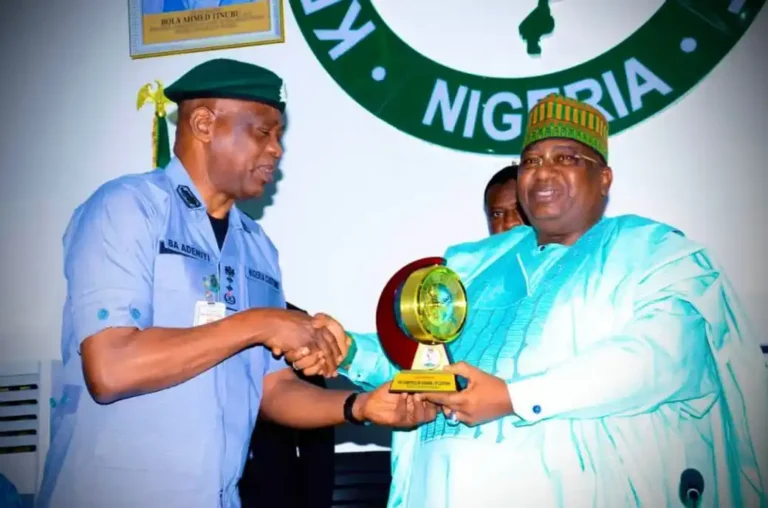
The Nigeria Customs Service (NCS) has reaffirmed its commitment to secure border governance and improved trade facilitation following the Federal Government’s approval to reopen the Tsamiya Border Corridor. This was disclosed during a high-level stakeholders’ engagement held on Saturday, 7 February 2026, at the Government House in Kebbi State.
The engagement brought together security agencies, traditional leaders, economic operators, and international customs representatives to review practical steps for strengthening Nigeria’s northwest border architecture while allowing legitimate transit trade to operate smoothly under strict compliance measures.
The reopening of the Tsamiya Corridor reflects the Service’s ongoing effort to balance national security priorities with trade facilitation goals, especially along key land routes and the River Niger corridor that links Nigeria with neighbouring countries.
Speaking at the event, the Comptroller-General of Customs (CGC), Adewale Adeniyi, stressed the need for structured inter-agency and cross-border cooperation to address evolving transit trade and security challenges.
According to him, “Criminal elements operate through cooperation, shared resources, and organised networks. This makes it imperative for security agencies to work together in a coordinated manner to effectively counter such threats.”
He explained that the NCS is engaging customs authorities from the Niger Republic and the Republic of Benin, with support from the political leadership of President Bola Tinubu and President Patrice Talon, to resolve long-standing transit trade issues through coordinated Customs-to-Customs collaboration.
“Diversion of goods in transit is not peculiar to Nigeria; it is a cross-border challenge that requires coordinated enforcement, clear guidelines, and strict compliance to ensure that goods reach their intended destinations,” Adeniyi stated.
The CGC further noted that operations along the Tsamiya Corridor will be guided by enhanced monitoring measures, including ICT-driven interconnectivity systems, improved profiling of licensed customs agents, and close surveillance of goods in transit. He warned that any truck found outside the approved route would be seized and offenders prosecuted in line with existing transit regulations, adding that recent prosecutions demonstrate the Service’s firm enforcement stance.
Adeniyi also commended the Kebbi State Government for promoting a coordinated security environment and acknowledged the contributions of retired senior customs officers from the state to the growth of the Service and national security.
In his remarks, the Executive Governor of Kebbi State, Nasir Idris, reiterated the state government’s commitment to supporting Customs and other security agencies through the provision of logistics, infrastructure, and community engagement across border areas.
“The Kebbi State Government remains committed to prioritising security and creating an enabling environment for security agencies to operate effectively, while ensuring that border communities benefit from sustained development,” the governor said.
The stakeholders’ engagement attracted the Immediate Past Governor of Kebbi State and Honourable Minister of Budget and National Planning, Atiku Bagudu, as well as another former governor, Usman Dakingari. Also in attendance were customs officials from the Republic of Benin, representatives of the Office of the National Security Adviser, heads of security agencies, traditional rulers, and key economic operators. Participants expressed confidence that the renewed collaboration would enhance border security, strengthen regional trade, and position Kebbi State as a strategic hub for lawful economic activities.
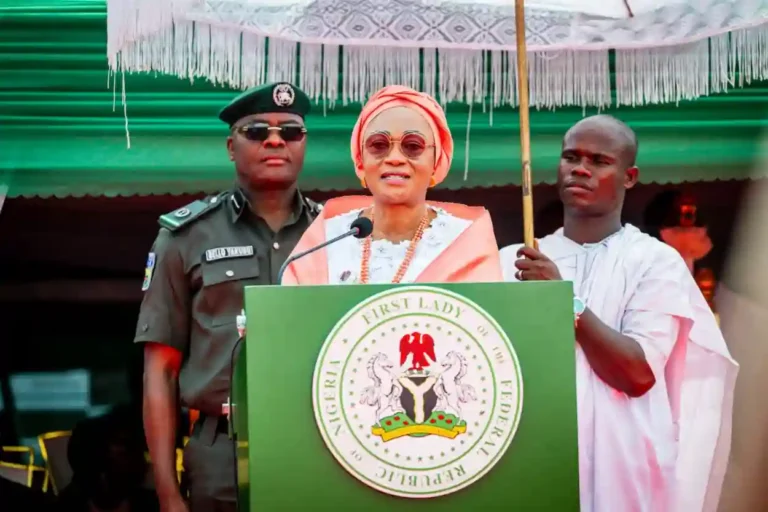
The Federal Government has unveiled the Senator Oluremi Tinubu Dream Centre, a digital experience hub, at Obafemi Awolowo University, Ile-Ife, Osun State, designed to use artificial intelligence, digital tools, and storytelling to educate, inspire, and digitally preserve history.
The unveiling took place during the commissioning and handover of the facility, where the Director General of the National Information Technology Development Agency (NITDA), Kashifu Inuwa, described the project as a landmark innovation that blends technology with culture and history.
According to Inuwa, the centre pioneers the fusion of digital technology, artificial intelligence, and storytelling to preserve Nigerian history, with a strong focus on the life and values of the First Lady, Senator Oluremi Tinubu, whom he referred to as the “Mother of the Nation.”
Speaking at the event, Inuwa highlighted her personal and professional journey, noting that she began her career as a classroom teacher before becoming the supportive wife of the governor of Lagos State, Nigeria’s most populous and economically vital state. He said she later rose to serve as a senator in the National Assembly, operating within a challenging and male-dominated political environment.
He added that Senator Tinubu also served as an ordained minister, remaining steadfast in her faith through trials, and has now excelled as First Lady, where she continues to support President Bola Ahmed Tinubu in providing national leadership.
Inuwa credited the success of the project to a strategic partnership, explaining that Oba Enitan Adeyeye Ogunwusi, the Ooni of Ife, delivered the physical structure, while NITDA deployed artificial intelligence-driven technology to “breathe new life” into the facility.
He explained that the Dream Centre was intentionally designed for Gen Z and Gen Alpha digital natives, many of whom no longer engage with traditional museums or archives. He said the centre brings Senator Tinubu’s story into their digital space through interactive and query-based experiences.
“Visitors can ask the AI about her roles, from teaching with patience and legislating with courage, to sustaining faith in adversity and navigating high-level governance with grace. Her life, described as four lives in one, guides youth through life’s complexities,” Inuwa said.
He stated that the Dream Centre is expected to inspire young Nigerians to build leadership skills, dream boldly, and pursue greatness in line with President Bola Ahmed Tinubu’s Renewed Hope Agenda for ambition and national progress.
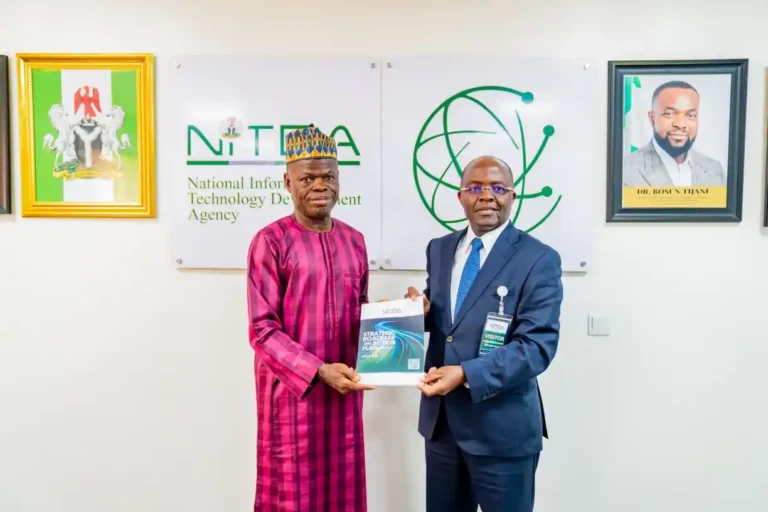
The National Information Technology Development Agency (NITDA) has reaffirmed its commitment to deepening inter-agency collaboration to accelerate Nigeria’s digital transformation following a strategic engagement with the International Telecommunication Union (ITU).
The meeting was led by the Director General of NITDA, Kashifu Inuwa, represented by Dimie Shively Warowie, PhD, Director of Corporate Planning and Strategy, who said the discussions aligned with a shared goal of delivering universal, meaningful, and affordable connectivity for all Nigerians while protecting the digital space.
According to Dr. Warowie, “NITDA is focused on building digital skills, strengthening cybersecurity resilience, supporting innovation and digital entrepreneurship, and harmonising regulatory frameworks and technical standards to enable growth across the digital economy.”
The ITU representative acknowledged Nigeria’s progress in digital regulation, noting the country’s attainment of G5-level collaborative regulation and commending the leadership of the Honourable Minister of Communications, Innovation and Digital Economy, Bosun Tijjani.
The ITU added that it is ready to work closely with NITDA, stating that it would provide technical support, cybersecurity tools, and backing for initiatives that promote inclusive connectivity and functional digital transformation centres nationwide.
Both organisations agreed to prioritise digital literacy, cybersecurity capacity building, innovation support, school connectivity, and regulatory alignment as immediate areas of action.
The renewed engagement underscores a joint resolve to leverage institutional strengths and expertise to advance Nigeria’s digital transformation agenda, safeguard users, and build a more inclusive, secure, and competitive digital economy for citizens and businesses. Officials said timelines and delivery mechanisms will be agreed through technical sessions.
Applications have opened for the SDGs Advocate Programme (Cohort 8), a four-month intensive training and advocacy initiative targeted at Nigerian youths interested in sustainable development and community impact.
The Sustainable Development Goals (SDGs) Advocate Programme is structured as a 4-month learning experience that includes more than 20 lectures, original reading materials, and detailed assessments. The programme is designed to help participants gain a clearer understanding of the United Nations Sustainable Development Goals (SDGs) and how these global goals connect to everyday challenges faced by communities across Nigeria.
The goal of the programme is to build a community of exceptional young leaders who will champion and promote SDGs advocacy across the nation. The initiative focuses on preparing young people to take active roles in advancing solutions within their local environments.
The programme is open to youths between the ages of 18 and 35 years and aims to support participants as SDGs advocates across the 36 states of Nigeria. It promotes youth participation in development efforts while encouraging long-lasting change at community level and contributions to global development targets.
The SDGs Advocate Programme seeks to create a world where every primary and secondary school student, household, or community group is equipped with the knowledge, values, and skills necessary for effectively responding to the most significant challenges of this century and shaping a sustainable and prosperous world.
Participants in the programme are expected to gain a deeper understanding of the SDGs, build effective leadership skills, and develop the ability to teach and inspire sustainability in schools and communities. The training also offers hands-on experience through projects designed to deliver impact, alongside practical advocacy and community engagement experience. In addition, participants will gain access to a network of young changemakers across Nigeria.
Eligibility criteria require applicants to be Nigerian citizens aged between 18 and 35 years, with the ability to commit at least four hours per week throughout the programme. Applicants must be available for virtual training sessions and show interest in acting as development and transformation agents. Prior knowledge of the SDGs 2030 agenda is not required.
Interested applicants are encouraged to complete and submit the application form before the deadline of 26 February 2026.