Home Blog Page 71

How to Prepare to Buy Dangote Refinery Shares on NGX in 2026

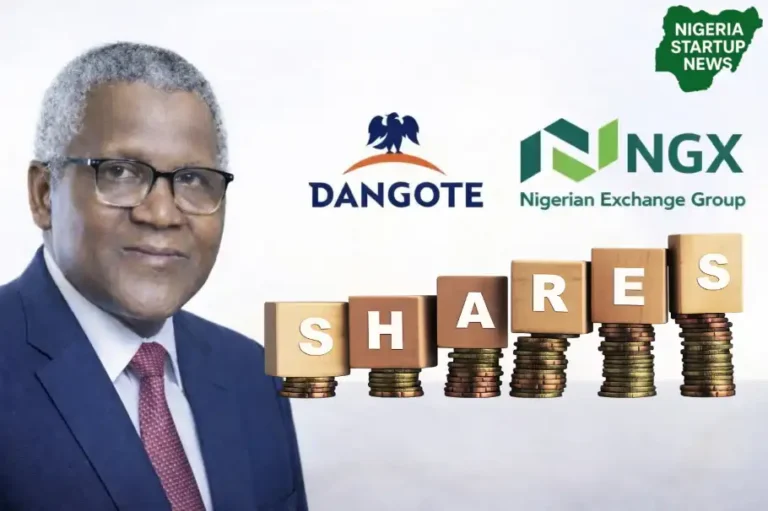
Dangote Refinery is expected to launch its shares on the Nigerian Exchange in 2026, likely between June and July, giving Nigerians the opportunity to buy a stake in Africa’s largest refinery.

The public share sale will happen through an Initial Public Offering (IPO). When the IPO opens, individuals and institutional investors will be able to buy the shares. Many investors are already preparing ahead of the announcement so they can participate once the offer begins.

Here is what Nigerians need to know and how they can prepare.

Create an NGX Invest Account

The first step is to open an account on the NGX Invest platform. This platform allows individuals to subscribe to public offers and IPOs in Nigeria.

To do this, visit invest.ngxgroup.com and click on the register option. You will be asked to provide some personal information such as your name, email address, phone number and bank details. You will also need to verify your email address after registration.

During the registration process, you may also be required to provide your Bank Verification Number (BVN) and National Identification Number (NIN). These details are used to confirm your identity.

Once the account is created, you will be able to apply for public share offers that are listed on the platform.

Open a CSCS Account

Investors must also have a CSCS account before they can buy Nigerian stocks. CSCS stands for Central Securities Clearing System, and it serves as the electronic wallet where shares are stored after purchase.

You can open a CSCS account through a licensed stockbroker. Some examples include Meristem, Stanbic IBTC Stockbrokers, Chapel Hill Denham and FBNQuest.

Some investment apps also provide access to CSCS accounts. For example, users of the Bamboo app can find their CSCS number inside their account details.

To check it, open the app, go to your profile where your name appears, and look for the account details section. Your CSCS number for the Nigerian Exchange will be listed there.

Wait for the Dangote Refinery IPO

After setting up the required accounts, investors will need to wait for the official announcement of the Dangote Refinery IPO.

Once the offer opens, the IPO page will appear on the NGX Invest platform. Investors will then be able to apply and purchase the shares online.

The exact share price and minimum number of shares that investors can buy have not yet been announced. These details will be released when the IPO is officially launched.

Advertisement

Lagos launches Women in Industrialisation and Innovation Initiative

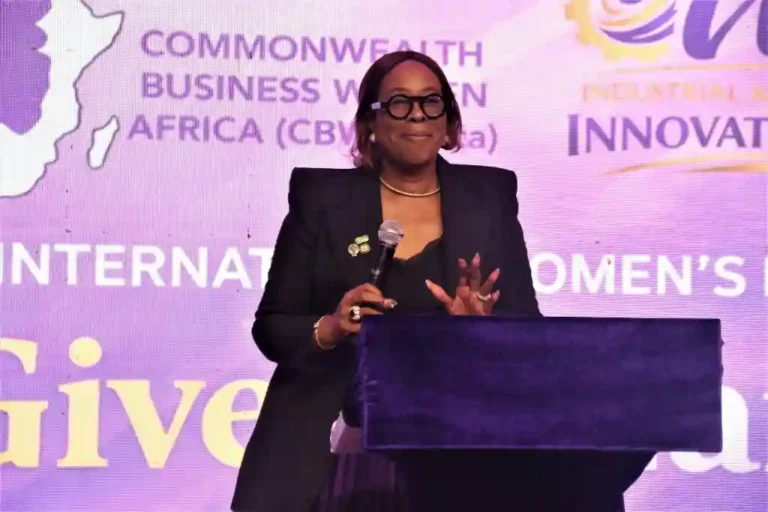
The Lagos State Government has launched the Women in Industrialisation and Innovation Initiative (WIII) to support and empower women in business and industry, enabling them to lead industries, drive innovation, and help shape Africa’s industrial future.

The initiative was unveiled in Lagos during an event organised by Commonwealth Business Women Africa with the theme, “From Participation to Power: Women Shaping Africa’s Industrial Future.”

Speaking at the launch, the Commissioner for Commerce, Cooperatives, Trade and Investment, Mrs Folashade Bada Ambrose, said empowering women economically is not just a social goal but a strategic economic priority for the state.

According to her, Lagos recognises the vital role women entrepreneurs play in driving economic development across different sectors.

“Lagos’ growth depends on the creativity, productivity, and leadership of the people. Women entrepreneurs play a vital role in this ecosystem, contributing significantly to trade, manufacturing, services, and technology,” she said.

She added that the administration of Governor Babajide Sanwo-Olu remains committed to creating policies and programmes that allow women-owned businesses to thrive and expand their influence in key industries.

“The Babajide Sanwo-Olu administration remains committed to creating an enabling environment where women-owned businesses thrive,” she said.

Bada Ambrose also noted that women have long been active contributors to Africa’s economy, from running small enterprises to operating in manufacturing clusters and managing farms.

“For decades, women across Africa have participated actively in economic life. They trade in markets, run small enterprises, manage farms, operate in manufacturing clusters, and contribute significantly to both the informal and formal sectors,” she stated.

She emphasised that women must move beyond participation and begin to shape industrial growth across the continent.

Nasarawa State to open 2024/2025 bursary portal for students

The Nasarawa State Government will soon open an online portal for poor (indigent) students studying in accredited tertiary institutions across Nigeria to apply for the 2024/2025 state bursary allowance.

The bursary programme is designed to support students from Nasarawa State who are already enrolled in recognised universities, polytechnics, and colleges of education within the country. The application process will be conducted completely online through the official bursary portal.

The portal will open for applications on Wednesday, 11 March 2026 at 12:00 a.m., giving eligible students the opportunity to submit their details and complete the required registration. The application window will remain open until 25 March 2026 at 10:00 p.m., and applicants are expected to complete the process within this period.

Civil servants and newly admitted students, including those admitted through Direct Entry, are not eligible to apply for the bursary.

The application process is free and applicants must complete their registration on the official portal. After successful submission, each applicant must print the registration slip and present it during the physical screening exercise to be scheduled later.

Ramadan: Dangote Donates 100,000 Bags of Rice to Kano Residents

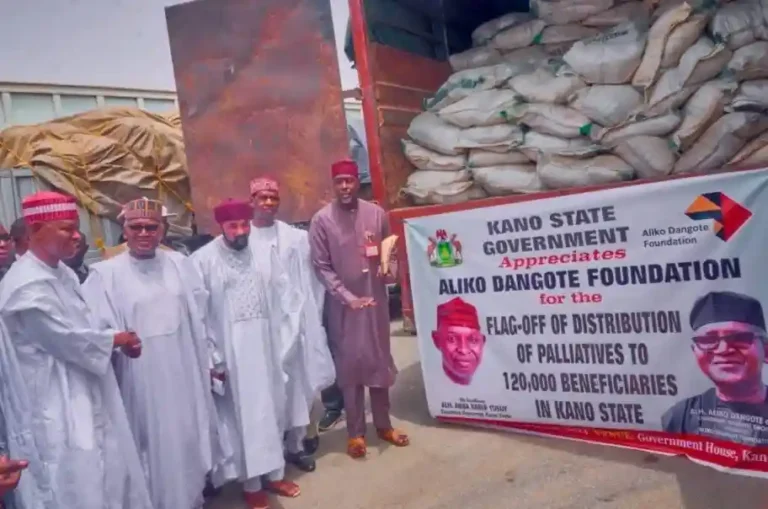
The Dangote Foundation, through the Kano State Government, has donated 100,000 bags of 10kg rice to support poor and vulnerable residents across Kano State during the holy month of Ramadan.

The distribution of the food palliative was officially flagged off by the Secretary to the State Government, Alhaji Umar Farouk Ibrahim, who led a delegation to begin the allocation of the rice across the 44 local government areas of the state.

As part of the exercise, the team also carried out street-to-street distribution along major roads within the Kano metropolis, targeting vulnerable groups including the poor, persons with disabilities and others in need of support during the fasting period.

Speaking during the exercise, the Commissioner for Agriculture and Natural Resources, Dr Danjuma Mahmud, explained that the rice donation was handed over to the Kano State Government by the Dangote Foundation to ensure transparent and organised distribution.

According to him, the state government set up a committee made up of the Office of the Secretary to the State Government, the Ministry of Agriculture and other officials to oversee the distribution process.

“The rice was handed over to the state government for proper and transparent distribution under the leadership of Governor Abba Kabir Yusuf,” Mahmud said.

He added that the committee had successfully delivered the rice to all 44 local government councils across the state while also identifying areas with large populations of vulnerable people for direct street distribution.

Mahmud also noted that the arrangement represented a new approach compared to previous years when the Dangote Foundation directly supervised the distribution.

“This decision by the Dangote Foundation, led by Aliko Dangote, to allow the state government manage the process shows the confidence the foundation has in the present administration,” he said.

Some beneficiaries who received the rice expressed gratitude for the support, describing the assistance as timely during the Ramadan fasting period.

FG lists ongoing empowerment programmes for women across Nigeria

The Federal Government has listed several ongoing programmes aimed at empowering women across Nigeria through business support, agriculture, energy access, and financing opportunities. The initiatives were highlighted by the Minister of Women Affairs and Social Development, Hajiya Imaan Sulaiman-Ibrahim, during activities marking the 2026 International Women’s Day and the pre-Commission on the Status of Women (CSW70) briefing in Abuja.

According to the Minister, the programmes are part of the social and economic reforms under President Bola Ahmed Tinubu’s Renewed Hope Agenda, which she said prioritises women’s economic participation, family stability, and national development.

She described the initiatives as practical steps designed to expand opportunities for women across all 774 local government areas in the country.

“Nations rise when vision meets action, when leadership chooses discipline over delay,” Sulaiman-Ibrahim said during the ministerial press briefing.

She added that the government’s focus on women is not just social policy but a critical economic strategy.

“Every dollar invested in women’s economic empowerment generates between seven and twelve dollars in returns,” she noted, citing estimates from the International Finance Corporation on the impact of closing Nigeria’s gender financing gap.

Major empowerment programmes across sectors

At the centre of the initiatives is the Renewed Hope Social Impact Interventions 774 (RHSII-774), which the government describes as the largest coordinated women empowerment drive in Nigeria.

One of its flagship programmes is EmpowerHer774, which targets women’s livelihoods in all 774 local government areas through business support, training, and access to economic opportunities.

The initiative focuses on helping women start or grow small businesses while also connecting them to financial resources and mentorship programmes.

Another major intervention is the Nigeria for Women Programme Scale-Up Programme implemented in collaboration with the World Bank and state governments.

The programme is expected to reach about 4.5 million women organised into nearly 300,000 collectives across the country.

Officials say the initiative focuses on strengthening women’s financial independence through cooperative groups, business development support, and access to savings and credit systems.

The government is also promoting women’s participation in agriculture through the Women Agro-Value Expansion (WAVE) programme.

The project targets women involved in farming and agricultural value chains by supporting them with training, production tools, market access, and agribusiness opportunities.

Authorities say the programme is intended to help women move beyond subsistence farming into profitable agricultural enterprises.

Expanding energy and mobility opportunities

Beyond agriculture and entrepreneurship, the Federal Government is also introducing programmes to support women in emerging sectors such as energy and mobility.

One such initiative is PowerHer774, which focuses on expanding women’s participation in Nigeria’s energy economy.

Closely linked to it is the Women in Gas (WINGs) programme aimed at promoting clean energy entrepreneurship among women.

The programme encourages women to invest in and manage clean cooking and gas distribution businesses in their communities.

Officials say this initiative is designed to create economic opportunities while also addressing environmental and health challenges associated with traditional cooking fuels.

The government has also introduced Women-on-Wheels, a mobility support programme implemented in partnership with CREDICORP.

The initiative provides transportation assets to women entrepreneurs to support logistics, delivery services, and other mobility-related businesses.

Access to finance and digital support

Financial inclusion remains a major component of the government’s strategy to support women entrepreneurs.

The Federal Government announced a ₦500 billion financing initiative specifically targeted at women-led micro, small, and medium enterprises.

The programme is expected to provide easier access to credit and financial services for female entrepreneurs across different sectors.

The Ministry of Women Affairs also introduced a digital platform known as the Happy Woman App, designed to give women easier access to government programmes, financial resources, and empowerment opportunities.

“These are not promises, they are programmes in motion,” Sulaiman-Ibrahim said while outlining the initiatives.

She noted that the government is also promoting affirmative procurement policies through the Bureau of Public Procurement to increase women’s participation in government contracts and supply chains.

Social protection and support systems

Government officials say women empowerment efforts are also supported by broader social protection policies.

According to the Minister, social protection programmes now reach about 9.4 million households nationwide, with women accounting for nearly 70 percent of beneficiaries.

She explained that the programmes are intended to strengthen families while supporting women’s economic independence.

The government has also strengthened policies addressing gender-based violence and family welfare.

Sulaiman-Ibrahim noted that all 36 states and the Federal Capital Territory have now domesticated the Violence Against Persons (Prohibition) Act.

The Ministry has also introduced new mandates including a Nutrition Department, a revised National Child Protection Policy, and the National Action Plan to End Violence Against Children.

Support from development partners

International organisations and development partners have also expressed support for Nigeria’s women empowerment programmes.

UNFPA Country Representative Muriel Mafico said partnerships remain essential in advancing the country’s gender equality goals.

“Leadership matters, and your presence is testimony to what can be achieved when leadership leads,” she said while addressing stakeholders at the Abuja briefing.

She added that development partners are committed to supporting Nigeria’s women-focused initiatives.

“Partnerships for impact – that’s what we represent, and that’s our pledge to accompany and support your vision,” Mafico stated.

Similarly, UN Women Representative to Nigeria and ECOWAS, Beatrice Eyong, emphasised that women’s economic participation directly strengthens communities and national development.

“Empowering women isn’t charity – it’s smart economics. When she gains, Nigeria grows,” she said.

Economic experts have also linked women empowerment to broader economic growth.

Coordinating Minister of the Economy, Wale Edun, described women as a key part of Nigeria’s human capital development.

“When women are empowered and children are protected, families are supported, productivity increases, communities thrive and the nation grows stronger,” he said.

Through programmes spanning business support, agriculture, energy, digital platforms, and financial access, the Federal Government says it is expanding opportunities for women across Nigeria while positioning them as a driving force for economic growth and national development.

Kano expands 2026 Ramadan feeding programme to 115 centres

The Kano State Government has expanded its 2026 Ramadan feeding programme to 115 centres across the state, committing over ₦4.5 billion to provide daily meals for thousands of residents during the fasting period.

The initiative is designed to support vulnerable households during Ramadan while also stimulating economic activity across local markets and creating temporary employment opportunities for residents.

Chairman of the Kano State Ramadan Feeding Committee and Commissioner for Religious Affairs, Ahmed Tijani Saniyawalu, said each of the 115 feeding centres distributes about 1,000 plates of food daily to residents observing the fast.

According to him, the state government significantly increased the scale of the programme compared to last year, when about 100 centres operated with a budget of roughly ₦2.5 billion.

“This year we have 115 centres and more than ₦4.5 billion has been expended on the project. From my own point of view, this is the best Ramadan feeding we have had in Kano in terms of quality, organisation and supervision,” Saniyawalu said.

He explained that the programme was designed not only to provide relief for residents during Ramadan but also to ensure proper monitoring of food quality, hygiene and distribution across all feeding centres.

Saniyawalu noted that government officials have been conducting daily inspection visits to kitchens preparing the meals to ensure vendors follow the guidelines set by the state government.

“For the past 16 days, we have been going round the centres on the strict instruction of His Excellency to make sure the quality and quantity of the food are adequate, and that distribution is properly done,” he said.

The commissioner stated that each meal costs an estimated ₦1,300 per plate, with large kitchens producing tens of thousands of meals daily to meet the demand from feeding centres across the state.

He added that two of the major kitchens currently supplying the programme produce roughly 50,000 meals daily, with each facility preparing around 25,000 plates of food every day.

At one of the participating facilities, Meena Event Centre, catering manager Ina Zein said the centre prepares approximately 25,000 plates of food daily and cooks about 96 bags of rice every day to meet the growing demand for the programme.

She said the scale of the operation required the company to expand its workforce significantly during the Ramadan period.

“Meena already had about 300 employees, but we added about 250 more staff to handle the 25,000 food packs we prepare every day,” Zein said.

Vendors involved in the programme also confirmed that the feeding initiative has created significant employment opportunities during Ramadan.

Hajiya Sa’ad Adda’u, owner of 10 to 10 Restaurants, said she had to hire more than 240 ad-hoc workers to assist with food preparation and distribution for the programme.

The expansion has also increased demand for food items and kitchen supplies in local markets across the state.

Saniyawalu said the injection of funds into the feeding programme has helped stimulate trading activities among food suppliers, market vendors and service providers.

“When you inject this huge amount of money into the economy, you see the markets moving — people selling onions, seasoning, cooking oil, spoons and other items. The money circulates within the economy,” he said.

Workers participating in the programme also expressed appreciation for the temporary jobs created during the fasting period.

Speaking on behalf of staff working at one of the kitchens, the head of the packaging team, Mr. Abong Shem, said the programme had provided meaningful work for many people who would otherwise remain idle during Ramadan.

“Most of us usually stay idle during Ramadan, but this programme has engaged many people and provided jobs for us,” he said.

Secretary of the Ramadan Feeding Committee and Special Adviser to the Governor on Administration, Aikibu Issa Murtala, was also part of the inspection team visiting feeding centres and major kitchens involved in the programme.

NSDC, BOI launch ₦10bn fund to prepare sugar projects for investment

The National Sugar Development Council (NSDC) and the Bank of Industry (BOI) have introduced a ₦10 billion Sugar Project Acceleration Fund (SPAF) to support new sugar projects by helping companies properly prepare and structure their projects so they can attract larger investments and financing.

The fund focuses mainly on greenfield projects — new sugar ventures that are still at the early development stage. Through the initiative, project promoters will receive technical, financial and advisory support to help turn their ideas into bankable investment opportunities.

The Council explained that the facility is designed to help Nigerian sugar projects meet the standards required by investors, development finance institutions and commercial lenders.

The initiative was presented during an interactive session where officials from NSDC and BOI engaged potential beneficiaries and explained how the facility will work.

Speaking at the event, the Executive Secretary and Chief Executive Officer of NSDC, Kamar Bakrin, said access to capital is not the main problem facing many sugar projects.

Instead, he noted that many proposed projects fail to attract funding because they are not properly prepared or structured to meet the expectations of investors.

“Here is a reality that every serious project promoter knows: capital availability, on its own, will not result in sugar production,” Bakrin said.

He explained that development finance institutions and investors already have significant capital available for agro-industrial projects across Africa.

“Development finance institutions manage billions of dollars in agro-industrial finance and are under pressure to deploy capital. Impact investors are actively seeking credible opportunities in African food systems,” he said.

According to him, the real challenge is the shortage of well-prepared projects that meet the technical and financial requirements needed to secure investment.

“The constraint, far more often than people appreciate, is not the availability of money. It is the availability of projects that are structured, documented, and de-risked to the standard required to receive financing,” he added.

Bakrin said properly prepared projects must meet several requirements before they can attract financing.

These include credible feasibility studies that examine key factors such as agronomy, water availability, infrastructure needs and environmental and social risks.

Projects must also include strong financial models that test assumptions, demonstrate the ability to repay loans under difficult scenarios and clearly outline how investment risks will be managed.

He further explained that clear land ownership arrangements, structured outgrower schemes, realistic implementation plans and experienced management teams are also essential.

“It must satisfy the ESG standards of the institutions whose capital it seeks — standards that are neither optional nor declining in rigour,” he stated.

Bakrin noted that many early-stage projects struggle to meet these standards because preparing such detailed documentation and technical analysis requires significant resources.

“Most projects that come to us do not yet meet this bar. That is not a criticism; it is the nature of early-stage project development,” he said.

“But it means that the journey from concept to financial close requires deliberate, structured investment in project preparation.”

He explained that SPAF was created to fill this gap.

“SPAF is NSDC’s structured pre-investment facility, established to provide qualifying project promoters with the technical, financial and advisory support required to develop their projects to bankable standard,” he said.

He emphasised that the facility is not a grant scheme.

“SPAF is not a grant programme, and it is not a gesture. It is a rigorous, output-oriented facility with clear eligibility criteria and defined deliverables,” Bakrin said.

Also speaking at the session, Ms Hadiza Shuaib, who led the BOI team to the meeting, said the Bank of Industry will serve as the fund manager for the initiative.

According to her, BOI will oversee the financial management and operational processes required to ensure the facility is properly implemented.

“As Fund Manager, BOI will ensure that projects are properly structured, risks are effectively managed, and funds are deployed responsibly,” she said.

She explained that the bank will handle key functions including credit appraisal, risk management, loan disbursement, monitoring and evaluation, as well as account closure once funds have been repaid.

Shuaib also noted that the programme places strong emphasis on skills development and capacity building alongside financing.

“We are also strong advocates for skills development, because financing alone is not sufficient to deliver sustainable outcomes,” she added.

Only businesses involved in sugar production or related activities will be eligible to access the fund.

Companies represented at the interactive session included Illaj Sugar, Brent Foods, Crystal Sugar, Legacy Sugar, Saro Sugar, Awaa, Ganic and Confluence Sugar.

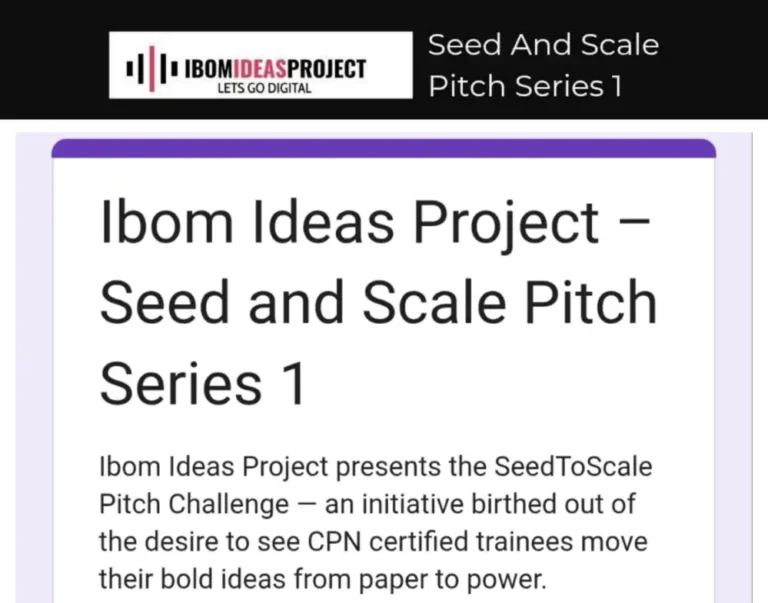
Ibom Ideas Project Opens Applications for Seed and Scale Pitch Series 1

Ibom Ideas Project has opened applications for the Seed and Scale Pitch Series 1, a new opportunity designed to help trainees turn promising ideas into real ventures. Through the SeedToScale Pitch Challenge, participants will compete for cash support and digital tools including a laptop and tablets to help them move their projects forward.

The initiative focuses on helping CPN certified trainees transform ideas on paper into practical solutions that can grow and create impact.

This is not simply another contest. It is designed as a platform where participants can test their ideas, sharpen their strategy, and present their vision before a live panel of judges. The goal is to help innovators learn how to communicate value, attract attention, and prepare their ideas for possible investment and expansion.

Participants will compete for several rewards. The first prize winner will receive a laptop and ₦100,000 to accelerate execution. The second prize offers a tablet and ₦50,000 to strengthen workflow, while the third prize also receives a tablet and ₦50,000 to support early growth. To qualify, applicants must be trainees of the Ibom Ideas Project, must already be CPN certified, and must actively engage with the project’s Facebook community.

Applicants are expected to record a short two to three minute pitch video and submit it together with the required details through the application form. After submission, participants will join a dedicated WhatsApp group where further updates will be shared.

Shortlisted applicants will then be invited to present their ideas live before a panel for evaluation. If your idea solves a real problem, serves a clear audience, and shows potential for impact, this opportunity is designed for you. The pitch day and venue will be communicated to selected participants.

The application deadline is Monday 9 March at 7:00 AM sharp. To apply, visit https://forms.gle/yj3yd3cRa6sUSzWv5.

Apply for FREE trip for Nigerians to attend Women Deliver 2026 in Australia

0

Applications are now open for young leaders who want to contribute to global conversations shaping the future of gender equality and sustainable development. This opportunity supports young advocates within the ecosystem who are actively working to advance the Sustainable Development Goals (SDGs).

Young people between the ages of 18 and 35 who are actively involved in a network, coalition, or organisation working on the SDGs are encouraged to apply. Selected participants will have the opportunity to attend the Women Deliver 2026 Conference with an all-expense-paid trip.

The Women Deliver 2026 Conference will bring together global leaders, advocates, and youth champions committed to advancing the rights and opportunities of girls and women. The conference serves as a platform for dialogue, knowledge sharing, and collective commitments aimed at promoting gender equality worldwide.

Through the Elevating Youth Voices Initiative, young leaders in Nigeria will receive support to participate in this global gathering. The initiative focuses on empowering youth advocates who work on Gender-Based Violence (GBV) prevention and Sexual and Reproductive Health and Rights (SRHR). It also aims to strengthen their capacity in advocacy, alliance-building, and policy engagement at both national and global levels.

Participants selected through this initiative will benefit from an all-expense-paid trip to attend the Women Deliver 2026 Conference in Melbourne, Australia. They will also gain the opportunity to connect and network with thousands of global advocates, experts, and organisations working to advance gender equality and sustainable development.

To be eligible, applicants must be between the ages of 18 and 35. They must also be members of a network, coalition, or organisation working on GBV and/or SRHR, and have experience in advocacy or community engagement related to GBV prevention or SRHR.

Applicants must also be available to travel for the conference scheduled to take place from 27–30 April 2026 and must possess a valid international passport.

The application deadline is March 14, 2026.

Interested applicants should apply through the following link:
https://docs.google.com/forms/d/e/1FAIpQLSfnJwyXZBXLYLVaKyLkX7Ld0hzTVhBSTYgWI3MjQ7nrOH2Ang/viewform.

Umo Eno: Tinubu Still Plans to Support Ibom Deep Seaport

0

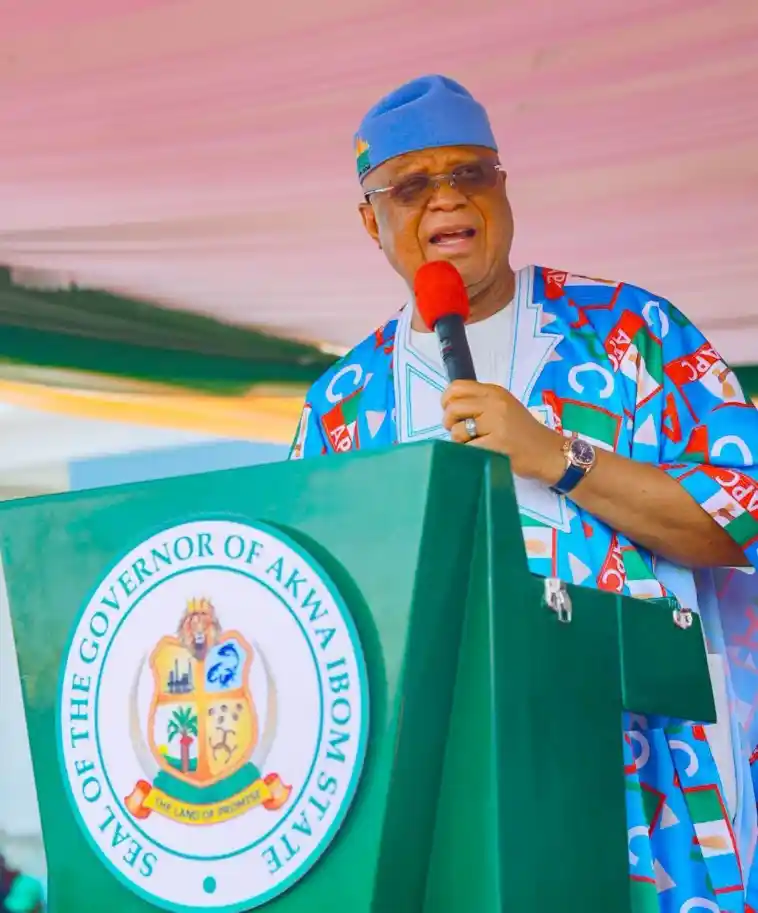
Akwa Ibom State Governor, Pastor Umo Eno, has disclosed that President Bola Ahmed Tinubu still plans to support the realisation of the Ibom Deep Seaport project as part of broader federal efforts to boost economic development in the state.

The governor made the disclosure on Saturday during the 2026 International Women’s Day celebration held at the Godswill Akpabio International Stadium, Uyo, where thousands of women from across the state gathered for the event.

According to Governor Eno, the Federal Government remains committed to key infrastructure projects that will strengthen the economy of Akwa Ibom and the wider Niger Delta region.

He explained that during several discussions with the President, Tinubu repeatedly reassured him that the long-anticipated Ibom Deep Seaport project remains part of the administration’s plans.

“Thank you, Mr. President, for the expectation of the Ibom Deep Seaport, because many times when I discuss with him, he tells me, ‘I will give you the Ibom Deep Seaport’,” the governor said.

“I hold on to that promise and I know it shall come to pass.”

Governor Eno noted that the deep seaport project, once realised, would significantly transform Akwa Ibom’s economic landscape by opening up new trade opportunities, creating employment and attracting investment into the state.

He added that the project would also strengthen maritime activities in the Niger Delta region and position Akwa Ibom as a major logistics and shipping hub.

The governor further expressed appreciation to the President for other ongoing federal projects already impacting the state, particularly the Lagos–Calabar Coastal Highway currently under construction.

He described the coastal highway as a strategic infrastructure project that will enhance connectivity between the southern states and stimulate economic activities along the corridor.

“Your Excellency, please convey the greetings of Akwa Ibom people to the President for the coastal road that he is doing and is passing through Akwa Ibom,” Eno said while addressing the First Lady.

“In no distant time, we shall go to Lagos within five hours. Thank you so much.”

Governor Eno stated that the coastal highway, combined with the proposed Ibom Deep Seaport, would open up vast economic opportunities for the state.

According to him, the combination of improved road infrastructure and a functional deep seaport would boost trade, support industrial development and attract investors to the region.

The governor made the remarks in the presence of the First Lady of Nigeria, Senator Oluremi Tinubu, who attended the International Women’s Day event as the special guest.

During the visit, the First Lady commissioned the Senator Oluremi Tinubu Senior Citizens Centre, a facility established by the Akwa Ibom State Government to provide care and support for elderly residents.

Governor Eno explained that the centre is part of a broader plan by his administration to prioritise the welfare of senior citizens in the state.

“Thank you, Your Excellency, for honouring my wife today by commissioning the Elderly Citizens Center that we have named Senator Oluremi Tinubu Senior Citizens Center,” he said.

“This is just one of three that we will do, and we are sending a bill to the House of Assembly to pass a law, even just as the National Assembly is about to do so, to be able to take care of our elderly.”

The governor said the initiative is designed to ensure that elderly citizens receive adequate support, care and social engagement opportunities.

In her remarks, the First Lady commended Akwa Ibom women for their massive turnout and enthusiastic participation at the event marking International Women’s Day.

She thanked them for their continued support for the administration of President Tinubu and assured that the Federal Government remains committed to strengthening the economy and improving the welfare of Nigerians.

Also speaking at the event, Senate President Godswill Obot Akpabio said the large gathering of women demonstrated their strong political voice and influence in the state.

He noted that the turnout reflected the readiness of women in Akwa Ibom to continue supporting President Tinubu’s leadership.

Akpabio also praised Governor Eno’s leadership style, describing it as inclusive and unifying.

“When the righteous is on the throne, the people rejoice,” he said while commending the governor’s approach to governance.

The Deputy Governor of Akwa Ibom State, Senator Akon Eyakenyi, also highlighted the strong participation of women across the state, noting that they turned out massively during visits to all 31 local government areas during sensitisation tours ahead of the celebration.

She said the women used the occasion to publicly declare their support for President Tinubu’s leadership and policies.

According to her, the administration has demonstrated commitment to stabilising the economy while also promoting women’s participation in politics and national development.

Women leaders, political stakeholders and community groups from across the state attended the celebration, which also featured cultural displays, artistic performances and presentations highlighting the role of women in society.

Among the performances was a drama presentation depicting the historic 1929 Women’s Riot, alongside cultural displays by women from the three senatorial districts of the state.