Home Blog Page 73

Delta State Govt to begin payment of 2024/2025 student bursary

The Delta State Government has announced that payment of the 2024/2025 Students Special Assistance Scheme, also known as the bursary award, for eligible Delta State students studying in tertiary institutions across Nigeria will begin on March 10, 2026.

The announcement was made by the Executive Secretary of the Delta State Bursary and Scholarship Board, Dr. Godfrey Enita, in a public service statement issued in Asaba.

According to him, the payment will be made to students who are indigenes of Delta State and successfully completed the registration and verification processes required for the programme.

“The disbursement of the 2024/2025 Students Special Assistance Scheme (Bursary Award) will commence on March 10, 2026,” Enita stated.

He explained that the initiative forms part of the state government’s effort to support the education and welfare of Delta State students pursuing higher education in institutions across the country.

Enita also commended the Governor of Delta State, Sheriff Oborevwori, for his support for students and continued investment in the education sector.

He noted that the bursary programme reflects the administration’s commitment to human capital development under the M.O.R.E Agenda of the state government.

“The scheme aligns with the M.O.R.E Agenda of His Excellency, Governor Sheriff Oborevwori, which prioritises human capital development and educational advancement in Delta State,” he said.

He added that the programme is designed to ease the financial burden on students while encouraging them to remain committed to their academic pursuits.

Advertisement

Step Up Nigeria, PPLAAF launch 2026 world whistleblower day art and media competition

Step Up Nigeria (SUN), in partnership with the Platform to Protect Whistleblowers in Africa (PPLAAF), has launched the 2026 World Whistleblower Day Art and Media Competition to encourage Nigerian youths to speak up against corruption through creative expression.

The initiative invites young Nigerians to use art, music, storytelling, skits and written pieces to highlight the importance of whistleblowing and accountability in society, while also promoting awareness about the need to protect individuals who expose wrongdoing.

In a statement issued in Abuja, the organisation said the competition aims to amplify youth voices in the fight against corruption and inspire creative advocacy for transparency and responsible governance.

According to SUN, the competition provides a platform for young people to contribute to the national conversation on integrity and public accountability through their creative talents.

Participants are invited to submit original works in categories including artwork, short skits, songs, spoken-word performances, articles and short stories that focus on themes related to whistleblowing, transparency, and the protection of individuals who report corruption.

The organisation explained that the entries should reflect issues such as the role of whistleblowers in exposing wrongdoing, the importance of accountability in governance, the risks faced by individuals who report corruption without legal protection, and the need for safeguards against retaliation.

SUN said the competition will run from March to June 2026 and is open to Nigerian residents between the ages of 15 and 35.

Participants under the age of 18 are required to provide written consent from a parent or guardian before submitting their entries.

The organisation also emphasised that all submissions must be original works created without the use of artificial intelligence for content generation, although AI tools may be used strictly for editing purposes.

It added that screening mechanisms will be put in place to verify compliance with the originality requirement.

There is no entry fee for the competition, and winners will receive cash prizes as well as public recognition for their contributions.

As part of the initiative, SUN said it will also produce two educational podcasts aimed at expanding awareness about whistleblowing and encouraging responsible reporting.

One of the podcasts will feature experts discussing whistleblowing practices and legal protections available for individuals who report corruption.

The second podcast will highlight the winning participants and showcase their creative works as part of efforts to amplify youth voices and inspire broader public engagement.

Shekwogaza Kure, communications manager at Step Up Nigeria, said the competition recognises the influence young people can have in shaping societal values and encouraging responsible reporting.

“Young people have the power to shape culture and shift norms. Through art and media, this competition gives them a platform to promote integrity, encourage responsible reporting, and build trust in public institutions,” Kure said.

She added that creative storytelling can play an important role in changing public attitudes towards whistleblowing.

“Whistleblowing is not betrayal; it is an act of courage that strengthens democracy,” she said.

Feranmi Iyanda, director of programmes at Step Up Nigeria, stressed the importance of protecting individuals who expose corruption in the public interest.

“Protecting whistleblowers is essential to fighting corruption effectively. We call on policymakers, government institutions, media, and civil society to strengthen reporting mechanisms, safeguard individuals who speak out in the public interest, and ensure accountability systems work for citizens,” Iyanda said.

Jimmy Kande, executive director of PPLAAF, said encouraging youth participation is critical to building a culture where speaking up against corruption is valued and protected.

“Across Africa, whistleblowers play a vital role in exposing corruption and abuse of power,” Kande said.

“Supporting youth engagement on this issue is critical to building a culture where speaking up is protected, valued, and encouraged.”

633 Sokoto business owners graduate from MTN ICT and Business Skills programme

0

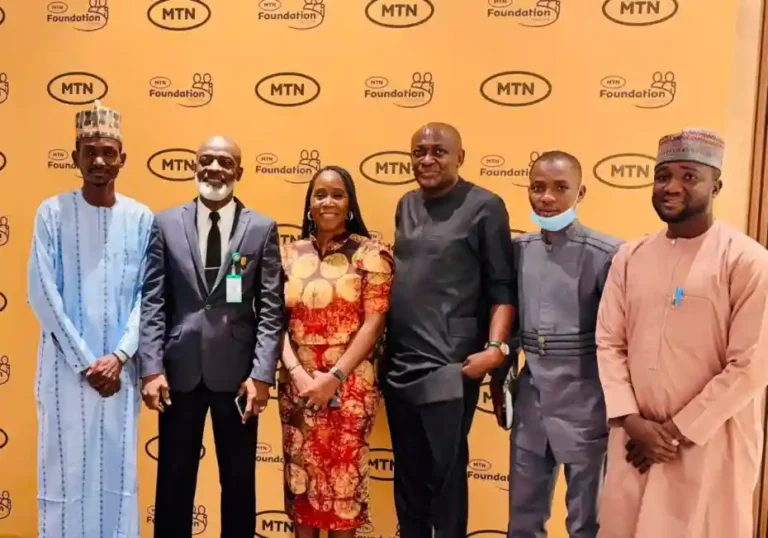
No fewer than 633 small business owners from Sokoto State have graduated from the MTN ICT and Business Skills Training Initiative (Phase 7), alongside 5,980 youths across Nigeria who completed the programme designed to strengthen digital and entrepreneurial capacity among young Nigerians.

The graduation and grants presentation ceremony was held at the Abuja Continental Hotel and organised by the MTN Nigeria Foundation as part of its nationwide effort to equip youths and micro-entrepreneurs with practical digital and business skills.

Participants of the programme, aged between 18 and 35, underwent an intensive five-week training focused on digital tools, online business development, and strategies for scaling small enterprises in today’s digital economy.

Out of the 633 participants from Sokoto State, 40 outstanding small business owners were selected to receive business grants of up to ₦500,000 each to support the growth and expansion of their enterprises.

Speaking during the event, the Permanent Secretary of the Sokoto State Ministry of Innovation and Digital Economy, Dr. Nasir Daniya, who represented the Commissioner, described the achievement as a significant milestone for the state’s digital and entrepreneurship development efforts.

“This programme has provided our young entrepreneurs and business owners with the digital knowledge and practical skills required to grow sustainable businesses in the modern economy,” Daniya said.

He added that the strong participation of Sokoto beneficiaries reflects the increasing interest among young people in the state to embrace innovation, technology, and entrepreneurship.

“We are proud to see 633 small business owners from Sokoto successfully complete this programme, and we are particularly encouraged that 40 of them have been recognised with grants to expand their businesses,” he stated.

The event also featured the unveiling of the top 600 microbusiness owners selected nationwide to receive equipment support grants valued at up to ₦300 million.

During the programme, the Honourable Minister of State for Finance-Designate, Prof. Taiwo Oyedele, delivered a presentation highlighting ongoing federal government plans to strengthen Nigeria’s startup ecosystem and create more opportunities for technology-driven enterprises.

Participants also took part in interactive sessions where experienced entrepreneurs shared insights, lessons, and real-life success stories on building sustainable businesses in Nigeria’s evolving digital economy.

Kogi Graduates First National Health Fellows, Onboards Cohort 2.0

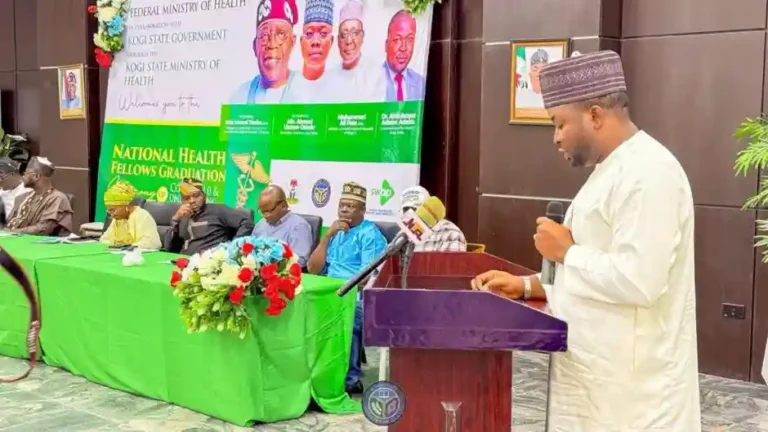
The Kogi State Government has graduated the first set of participants in the National Health Fellows Programme while also welcoming a new group of fellows, describing the initiative as a major step towards training and empowering young professionals to strengthen the health sector.

The graduation of Cohort 1.0 and the onboarding of Cohort 2.0 took place at the Banquet Hall of the Government House in Lokoja, bringing together government officials, health leaders, policymakers, and development partners.

Speaking at the ceremony, the Executive Governor of Kogi State, Alhaji Ahmed Usman Ododo, said the fellowship programme has become an important platform for preparing young professionals with the skills and practical experience required to support healthcare development in the state and across Nigeria.

The Governor, who was represented by the Honourable Commissioner for Health, Dr. Abdulazeez Adams Adeiza, congratulated members of Cohort 1.0 for successfully completing the programme and praised their commitment throughout the fellowship.

According to him, their graduation represents an important milestone in Kogi State’s ongoing efforts to build a stronger and more responsive healthcare system.

“This event is not only a celebration of the achievements of the graduating fellows, but also a reaffirmation of our commitment to building a stronger healthcare system through leadership, innovation, and service,” the Governor said.

He explained that the National Health Fellows Programme was designed to equip emerging professionals with the knowledge, leadership capacity, and practical experience needed to contribute meaningfully to health policy implementation and service delivery.

Governor Ododo noted that young professionals have a critical role to play in addressing challenges within the health sector and driving reforms that can improve health outcomes for citizens.

“The National Health Fellows initiative provides a valuable platform for young professionals to gain the expertise and experience required to support effective health policies and strengthen healthcare delivery across the country,” he said.

While congratulating the graduating fellows, the Governor encouraged them to see the completion of the programme not as an endpoint but as the beginning of a long-term commitment to improving healthcare in their communities.

“The knowledge and leadership skills you have gained during this fellowship should serve as a foundation for continuous service and innovation within the health sector,” he added.

He further urged the fellows to remain passionate about improving health systems and to use their training to bring positive change to communities, institutions, and policy structures.

Governor Ododo also used the occasion to welcome the newly admitted fellows of Cohort 2.0, encouraging them to take advantage of the opportunity presented by the programme.

According to him, the fellowship offers young professionals a rare chance to learn, gain experience, and contribute to meaningful health sector reforms.

“You are entering a programme that provides a unique opportunity to develop your skills, broaden your perspective, and contribute innovative ideas that can strengthen the healthcare system,” he told the new fellows.

The Governor advised them to approach the fellowship with humility, discipline, and dedication to service, noting that the future of Nigeria’s healthcare system depends largely on the commitment and creativity of young professionals.

“The Nigerian healthcare system requires the creativity, dedication, and energy of young professionals to overcome existing challenges and achieve sustainable progress,” he said.

Governor Ododo also expressed appreciation to the President of Nigeria, Asiwaju Bola Ahmed Tinubu, for his commitment to improving the country’s healthcare system and supporting initiatives that nurture young health professionals.

According to him, programmes such as the National Health Fellows initiative are helping to build a new generation of leaders who will drive improvements in healthcare delivery across Nigeria.

The Governor also commended the Honourable Coordinating Minister for Health and Social Welfare, Prof. Muhammad Ali Pate, for his leadership in strengthening the programme and promoting reforms within the national health system.

He noted that the Minister’s vision and strategic direction have helped create opportunities for young professionals to contribute meaningfully to health sector transformation.

Governor Ododo equally acknowledged the role played by the Kogi State Coordinating Commissioner for Health, Dr. Abdulazeez Adams Adeiza, in supporting health sector reforms and ensuring the successful implementation of the fellowship programme in the state.

He said the Commissioner’s guidance and support have created an enabling environment for the fellows to participate actively in initiatives aimed at improving healthcare services.

The Governor also recognised the contribution of the State SWAp Desk Officer, Dr. Emmanuel Bola Jonah, whose coordination has strengthened collaboration between the fellows, the state health system, and the national programme.

According to him, such coordination has been essential in ensuring that the objectives of the fellowship programme are effectively translated into real improvements within the healthcare system.

In his remarks, the Honourable Coordinating Minister for Health and Social Welfare, Prof. Muhammad Ali Pate, who was represented by Dr. Ashiru Adamu Abubakar, Technical Assistant to the Minister on Sector-wide Approach (SWAp), commended the Kogi State Government for hosting the graduation and onboarding ceremony.

He congratulated members of Cohort 1.0 for their achievements during the programme and encouraged them to continue applying the knowledge and skills they acquired in ways that will strengthen Nigeria’s health system.

“The contribution of the first cohort of fellows to the health sector has been remarkable. We encourage them to continue using the knowledge and skills gained through the programme to support the ongoing transformation of Nigeria’s healthcare system,” he said.

Dr. Abubakar also welcomed the newly admitted fellows and urged them to dedicate themselves fully to the programme.

He advised them to approach the fellowship with seriousness and commitment, noting that the programme offers an important opportunity to contribute to policy implementation and health system improvement.

Several other speakers at the event also praised the National Health Fellows Programme for its role in developing young leaders within the health sector.

Among those who spoke were Hon. Usman Ochidi, Chairman of the House Committee on Health; Mr. Momoh Steven Aziz, Permanent Secretary of the State Ministry of Health; Dr. Ayo Olayemi, CMD and CEO of the Hospital Management Board; Dr. Stephen Shaibu, CMD of CUSTH-TH Okene; Dr. Monday Ajodoh, Executive Secretary of KOSACA; Dr. Musa Muazu, Executive Director of KSPHCDA; and Pharm. Salamat Onize, Executive Secretary of DMA.

Traditional and institutional leaders who attended the event also expressed support for the programme and encouraged the fellows to demonstrate integrity and professionalism as they carry out their responsibilities.

They urged members of Cohort 2.0 to use the opportunity to gain valuable experience while contributing to the improvement of healthcare delivery across the local government areas of Kogi State.

The ceremony also featured the presentation of awards and certificates of excellence to members of Cohort 1.0 in recognition of their outstanding performance during the fellowship programme.

Letters of introduction were formally presented to members of Cohort 2.0, marking the beginning of their participation in the programme and their involvement in initiatives aimed at strengthening healthcare services across the state.


iREP opens 2026 mobile phone documentary filmmaking training, offers ₦1m

The iREP Documentary Film Festival has opened applications for its 2026 Mobile Phone Filmmaking Workshop, offering young Nigerians the opportunity to learn documentary filmmaking skills from top industry experts and compete for up to ₦1 million in prizes.

The three-day workshop will take place from March 16 to 18, 2026, ahead of the main festival scheduled for March 18 to 22 at the Ecobank Pan-African Centre. The training is organised in partnership with Ecobank as part of the festival’s pre-event capacity-building programmes aimed at developing new creative talents in Nigeria.

Targeted at emerging storytellers aged between 18 and 25, the initiative is designed to teach participants how to produce high-quality documentaries using smartphones and accessible digital tools.

According to the organisers, the programme is part of a broader effort to nurture a new generation of documentary storytellers across the country.

Participants will undergo intensive hands-on training covering story development, documentary research, mobile phone filming techniques, visual composition, interview techniques, ethical storytelling, as well as editing fundamentals and post-production workflow.

The workshop will be led by renowned Nigerian filmmaker Tunde Kelani as the principal facilitator. Other facilitators include Emmy-winning documentary filmmaker Joel Benson, alongside Samuel Igbedion, Jahman Anikulapo and Hadizat Ibrahim.

Speaking about the initiative, the organisers noted that the programme is designed to give young creatives practical tools to tell important stories within their communities.

“The workshop is structured to equip emerging storytellers with practical documentary filmmaking skills using mobile phones and accessible digital technology,” the organisers said.

Participants will also have the opportunity to interact with notable figures in Nigeria’s film industry during a special industry meet-and-greet session.

Expected guests include filmmaker and festival director Femi Odugbemi, actress Joke Silva, filmmaker Kunle Afolayan, veteran actor Antar Laniyan and singer-performer Nonso Bassey.

To encourage creativity and innovation, participants will produce short documentaries during the workshop, with the best films receiving cash prizes.

The organisers announced that the best film will receive a ₦1 million grand prize, while the second and third-place winners will receive ₦750,000 and ₦500,000 respectively, alongside other consolation prizes.

The workshop is open to aspiring filmmakers, storytellers and content creators living in Nigeria. Applicants are required to submit a 200 to 300-word statement explaining their interest in documentary filmmaking and a social issue they would like to explore.

Applicants must also submit a one to two-minute video pitching their documentary idea and have access to a smartphone for filming. Participation in the programme also requires applicants to have an Ecobank account.

Yobe Microfinance Bank Launches ₦60m Barka da Sallah Loan

0

Yobe Microfinance Bank has launched a ₦60 million Barka da Sallah loan scheme for local government workers to help them manage expenses during the upcoming Sallah celebrations.

The initiative is targeted at employees in Fune, Nguru, and Yunusari Local Government Areas, representing the three geopolitical zones of Yobe State. The bank said the programme is part of efforts to ease financial pressure on workers during the festive period while strengthening financial inclusion in local communities.

Under the scheme, eligible staff can borrow between ₦50,000 and ₦300,000, depending on the loan category. Repayment periods range from six to twelve months, making it easier for workers to spread their repayment over time.

The bank explained that the loan will be interest-free, allowing beneficiaries to access short-term financial support without the burden of high lending charges often associated with commercial loans.

According to the bank, the initiative was designed specifically to support workers during the festive season.

“This Barka da Sallah loan is meant to support local government staff so they can comfortably handle Sallah-related expenses without financial strain,” the bank stated.

However, officials noted that workers whose salaries are not domiciled with Yobe Microfinance Bank will pay a small monthly administrative and direct debit charge ranging between ₦1,500 and ₦3,000, depending on the loan amount and repayment duration.

Applications for the loan are being coordinated through the National Union of Local Government Employees (NULGE) in the participating local government areas.

AKY Health Fellows Application for Kano Mass Health Insurance Enrolment

The Kano State Contributory Healthcare Management Agency (KSCHMA) is inviting applications from qualified individuals to serve as ad-hoc staff under the AKY Health Fellows programme. The initiative is part of the agency’s upcoming mass enrolment of vulnerable residents into the health insurance scheme across the 484 wards of Kano State. The programme aims to strengthen access to healthcare services and improve community awareness of the state’s health insurance system.

The vision of KSCHMA is to become a reputable health financing agency that provides access to quality healthcare for all residents of Kano State. Through this programme, selected fellows will support community-based enrolment activities and help expand the reach of the scheme to vulnerable populations.

Successful applicants will be responsible for registering new enrollees into the scheme and sensitising community members on the Basic Healthcare Provision Fund (BHCPF) programmes. They will also conduct advocacy visits to community gatekeepers, including members of Ward Development Committees (WDCs), within their assigned communities.

Applicants must be residents of Kano State and must also reside in the Local Government Area (LGA) where they are applying to serve. Required documents include a resume or CV, birth certificate or age declaration, Local Government Area certificate, educational qualifications, NYSC certificate or exemption letter, National Identification Number (NIN), and a letter of recommendation from a traditional leader.

Interested individuals can apply to serve in their LGA of residence. To apply for the AKY Health Fellows programme, visit https://forms.office.com/r/S5n8idHhnK.

Cross River reviews tractor scheme as 54 of 108 deployed to farmers

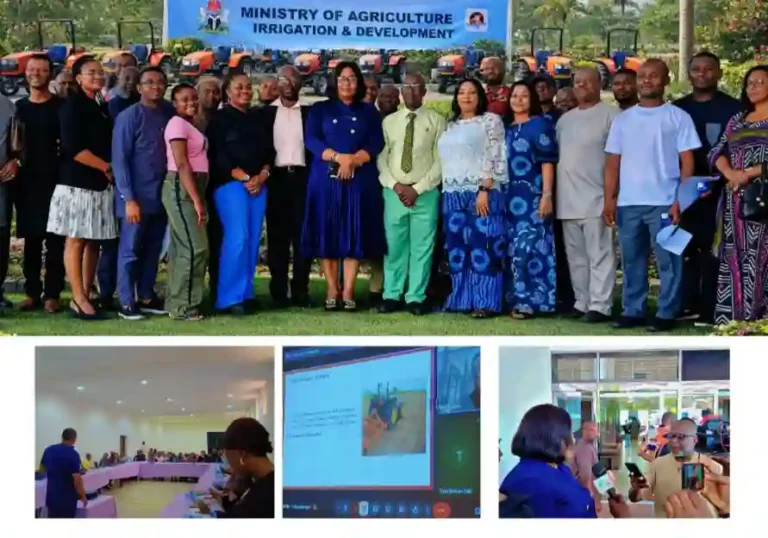
The Cross River State Government has carried out a strategic review of its Tractor Acquisition Scheme to assess how the tractors distributed to farmers are being utilised and how the programme can be improved to support agricultural productivity across the state.

The review meeting, held at Monty Suites in Calabar, brought together beneficiaries, government officials, technical partners and key stakeholders involved in the mechanisation programme. Discussions focused on evaluating the performance of the scheme so far, identifying operational challenges and outlining measures that will ensure the tractors are properly used and maintained.

Representing the Commissioner for Agriculture and Irrigation Development, Hon. Johnson Andiambey Ebokpo, the Director of Planning, Research and Statistics in the ministry, Elder Ayi Ita Ayi, said the government organised the meeting to ensure the initiative continues to deliver value to farmers.

He explained that the review was not only about distributing tractors but ensuring that the equipment is effectively used to improve farming output across rural communities.

“The purpose of this review is to evaluate how the tractors are being used by the cooperatives and to ensure the programme achieves its intended goal of boosting agricultural productivity in the state,” Ayi said.

According to him, the success of the programme will be measured by improved farm output, increased hectarage cultivated by farmers and the development of a strong maintenance culture among beneficiaries.

He noted that the administration of Governor Bassey Edet Otu remains committed to strengthening agriculture as a key sector for economic growth and food security in Cross River State.

“The tractors were introduced as a deliberate intervention to reposition agriculture in the state. What we want to see is farmers using them effectively to expand their farms and increase food production,” he added.

108 tractors approved, 54 already distributed

The State Executive Council had earlier approved the procurement of 108 mini tractors designed specifically for the terrain and farming conditions in Cross River State.

Government officials disclosed during the meeting that 54 of the tractors have already been delivered and distributed to registered farmers’ cooperatives across the 18 local government areas of the state as part of the first phase of the programme.

The tractors are expected to provide smallholder farmers with access to mechanised farming services that will allow them to cultivate larger areas of farmland while reducing the burden of manual labour.

Officials explained that the next phase of the programme will focus on improving operational systems that will ensure the tractors are properly managed and accessible to farmers who need them during the farming season.

Focus on proper utilisation and maintenance

With the first batch already deployed, the government said attention is now shifting towards ensuring that the tractors are properly utilised and maintained to guarantee long-term sustainability.

The emerging operational structure includes the engagement of trained personnel who will support the functioning of the mechanisation programme within farming communities.

These include booking agents who will coordinate tractor scheduling, operators who will handle field operations and technicians responsible for maintenance and repairs.

According to officials, many of these roles will be filled by members of farmers’ cooperatives and people from host communities where the tractors are located.

This approach is expected to create employment opportunities in rural areas while also encouraging local ownership of the programme.

Digital platform introduced for tractor services

Another key development discussed during the meeting was the introduction of a digital booking system that will allow farmers to schedule tractor services and make payments through a transparent platform.

Engr. Mrs Justina Ulafor emphasised that agricultural mechanisation remains essential for increasing food production.

She explained that many farmers remain limited by manual farming methods, which restrict the amount of land they can cultivate each season.

“Manual farming keeps farmers at subsistence level. Mechanisation allows them to cultivate larger hectares and significantly increase productivity,” Ulafor said.

She added that the digital booking system would improve transparency in the management of tractor services and eliminate middlemen who sometimes exploit farmers seeking access to equipment.

“The digital platform will allow farmers to book tractors directly and track services. This will improve accountability and ensure fair access to mechanised services,” she said.

Government reviewing moratorium concerns

During the meeting, beneficiaries also raised concerns regarding the moratorium period attached to the tractor scheme.

The State Project Director of Project Grow and Chairman of the Tractor Committee, Mr Denis Ikpali, assured participants that the government would review the concerns raised by cooperatives.

Ikpali encouraged farmers’ cooperatives to begin preparing for the upcoming farming season by actively promoting the tractor services within their communities.

“We expect cooperatives to start marketing their tractor services early so that farmers can begin preparing their lands ahead of the farming season,” he said.

Plans for mechanisation centres across the state

Ikpali also revealed that the state government plans to establish an Agricultural Mechanisation Board that will oversee technical support for the programme.

The board will supervise mechanisation centres that will be established across the three senatorial districts of Cross River State.

According to him, these centres will provide spare parts, maintenance services and training for tractor operators and technicians.

“The mechanisation centres will serve as technical hubs where tractors can be repaired, operators trained and spare parts supplied when needed,” Ikpali explained.

He added that the initiative could position Cross River as a centre for mechanisation skills development in the region.

Stakeholders provide technical insights

The review meeting also featured technical sessions delivered by experts involved in the programme.

Mr Ikpeme Ikpeme of Bespoke Design Concepts Nigeria Limited presented on tractor maintenance and the role of cooperative collaboration in ensuring the longevity of the machines.

Mr Pelumi John of Hello Tractor also addressed participants on operational and financial sustainability within mechanisation programmes.

A goodwill message was delivered by Tope Solomon Odu of Hello Tractor, who reaffirmed the company’s commitment to supporting the Cross River State Government in implementing the tractor scheme effectively.

Representatives of the 54 benefiting cooperative societies participated in an interactive session where they raised operational concerns, including issues related to tractor geofencing.

Government officials assured the cooperatives that the feedback would be reviewed and addressed as the programme continues to evolve ahead of the 2026 farming season.

Akwa Ibom Govt announces N20m cooperative fund for women in all wards

The Governor of Akwa Ibom State, Pastor Umo Eno, has announced a cooperative support fund of N20 million for women in each of the state’s 369 wards, a financial intervention expected to inject about N7.38 billion into grassroots businesses across the state.

The initiative is designed to strengthen women-led enterprises, expand access to capital at the community level and deepen financial inclusion among women involved in small and medium-scale businesses.

Governor Eno made the announcement during a women’s mobilisation and sensitisation programme held in Nsit Ubium Local Government Area, where he explained that the fund would be accessible to women across the state through organised cooperative societies.

According to the governor, the programme is aimed at supporting women who operate small businesses in local communities and enabling them to expand their economic activities.

“The money is meant to assist women in their small businesses and improve their economic activities across the wards,” Eno said.

He explained that the fund would be distributed through registered cooperative societies to ensure that the money reaches genuine beneficiaries at the grassroots level.

The governor noted that the cooperative structure was chosen deliberately because it allows groups of women to organise themselves, access financial support collectively and manage the funds responsibly within their communities.

Officials said the intervention would ensure that every ward in the state receives N20 million dedicated specifically to women entrepreneurs, traders, farmers and other small-scale business operators.

Governor Eno also emphasised that the programme would be open to women across the state irrespective of political affiliation.

“This initiative is for all women in Akwa Ibom State. It is not based on political party. What we want to do is support women and help strengthen their businesses,” he said.

To ensure transparency and proper documentation, the governor stated that Permanent Voter Cards would be used as part of the identification process for beneficiaries.

He explained that the use of PVCs would help the government verify applicants and maintain accurate records of those benefiting from the programme.

The Deputy Governor of Akwa Ibom State, Senator Akon Eyakenyi, commended the governor for what she described as a major step toward strengthening women’s economic participation across the state.

Eyakenyi encouraged women in the state to organise themselves into cooperative societies so they could access the support fund and benefit from other empowerment initiatives introduced by the government.

She also urged women to ensure they possess valid Permanent Voter Cards and complete their National Identification Number registration in order to participate in government programmes.

“Women should organise themselves into cooperative groups so they can benefit from the various empowerment programmes designed for them,” Eyakenyi said.

The Special Adviser in charge of the Bureau of Cooperative Societies, Mrs Alice Ekpenyong, said the government intends to disburse the funds directly through registered cooperatives in order to eliminate intermediaries.

She explained that this approach would ensure transparency and accountability in the distribution of the funds.

Ekpenyong noted that the cooperative model would also encourage financial discipline among beneficiaries because members would be required to manage and monitor the funds collectively.

“The government plans to disburse the funds directly through registered cooperative societies to eliminate intermediaries and ensure transparency,” she said.

She urged women across the 369 wards of the state to take advantage of the programme by joining cooperative societies and participating actively in their activities.

The Secretary to the State Government, Prince Enobong Uwa, also supported the initiative through a donation of N5 million.

Represented by his wife, Dr Inemesit Uwa, the SSG commended Governor Eno for prioritising women’s economic empowerment and supporting initiatives aimed at strengthening small businesses.

Similarly, Barrister Eno Idem, SAN, donated N5 million in support of the cooperative programme.

The Oku Ibom Ibibio, His Eminence Nteyin Dr Solomon Etuk, CFR, also praised the governor for introducing the initiative, describing it as a programme capable of strengthening women’s businesses and improving family welfare across communities.

Etuk offered prayers for wisdom and guidance for the governor as he continues to lead the state.

The Commissioner for Trade and Investment, Captain Iniobong Ekong, said the governor has consistently demonstrated commitment to grassroots development through policies that directly impact communities.

Ekong noted that the cooperative fund would significantly improve access to capital for women who operate small businesses across Akwa Ibom.

According to him, many women in rural communities struggle to access loans from traditional financial institutions, making the government-backed cooperative funding initiative an important intervention.

“The administration’s policies are already translating into tangible community benefits,” Ekong said.

Officials said the N20 million allocation for each of the state’s 369 wards represents one of the largest grassroots women-focused economic support programmes introduced in the state.

The initiative is expected to strengthen small-scale enterprises, expand economic opportunities for women and boost business activity across communities in Akwa Ibom State.

Check: Osun State Teachers Shortlisted Candidates (First Batch)

0

The Osun State Government has released the first batch list of successful applicants recruited as teachers into public primary and secondary schools across the state.

The announcement was made by the Commissioner for Information and Public Enlightenment, Oluomo Kolapo Alimi, in a press statement issued in Osogbo, the state capital.

According to the statement, the recruitment is part of the government’s effort to strengthen the education sector by bringing in qualified teachers to support learning in public schools.

The government also announced that the successful applicants will begin collecting their letters of appointment from Monday, 9 March 2026.

Applicants who participated in the recruitment exercise are advised to check the released list online or visit designated government offices to confirm their status.

These offices include the Osun State Civil Service Commission, the Ministry of Education, the Teaching Service Commission (TESCOM), and the State Universal Basic Education Board (SUBEB) headquarters, all located in Osogbo.

The government encouraged the newly recruited teachers to serve diligently and contribute positively to the development of education in Osun State.

Applicants can check Full list here: https://postimg.cc/gallery/NtZ0hh0