Home Blog Page 76

NCDMB launches $20m loan fund for women in oil and gas businesses

0

The Nigerian Content Development and Monitoring Board has created a $20 million loan fund for women-owned businesses operating in Nigeria’s oil and gas sector, allowing them to access low-interest financing and repay within a period of up to three years.

The Board announced the initiative during the 3rd edition of the Diversity Sector Working Group’s Women in Oil and Gas Conference and Mentorship Programme held on March 3, 2026, at Eko Hotels and Suites, Lagos.

The conference, organised in collaboration with the Nigerian Content Consultative Forum, carried the theme “Breaking Barriers, Shaping the Future,” and focused on expanding opportunities for women across the oil and gas value chain.

Delivering his goodwill message, the Executive Secretary of the NCDMB, Engr Felix Omatsola Ogbe, described the loan facility as a strategic intervention designed to improve access to capital for women entrepreneurs who operate within the industry but often face financing constraints.

Represented by the General Manager, Midstream PCAD, Ms Lekoma Phimia, Ogbe said the initiative was established in partnership with the Nigerian Export-Import Bank to provide affordable funding exclusively to women-owned companies with verified oil and gas contracts.

He explained that the facility offers loans at single-digit interest rates with repayment periods of up to three years.

According to him, the programme aims to strengthen the participation of women entrepreneurs in the sector by enabling them to expand their operations and compete more effectively across the oil and gas value chain.

“The Women in Oil and Gas Intervention Fund is designed to accelerate local capacity by giving women entrepreneurs access to affordable financing,” he said.

He added that the initiative would allow women-owned companies to move beyond peripheral roles and participate more actively in core industry operations.

“Inclusive organisations are more innovative, more resilient and more profitable. When women thrive, industries thrive. When women lead, economies grow. When women are empowered, communities prosper,” Ogbe stated.

The NCDMB Executive Secretary also emphasised that the global oil and gas industry is undergoing structural changes driven by energy transition, technological advancements and rising sustainability expectations.

He said these changes require broader perspectives and more inclusive leadership within the industry.

According to him, expanding women’s participation is therefore not just a social objective but also an economic strategy aimed at strengthening the sector’s competitiveness.

To further illustrate the role of women in industry leadership, Ogbe referenced the impact of Ms Oritsemeyiwa Eyesan, Executive Chairman of the Nigerian Upstream Petroleum Regulatory Commission.

He said her leadership demonstrates the growing influence of women in shaping policy, regulation and operational standards within the sector.

“Her leadership clearly shows that competence and inclusion can drive transformation across the industry,” he noted.

Despite progress in recent years, Ogbe acknowledged that many women entrepreneurs still face systemic barriers that limit their participation in the oil and gas sector.

He explained that limited access to financing remains one of the most significant challenges confronting women-owned businesses.

According to him, the new loan fund is designed to address this financing gap and support women-led companies with existing industry contracts.

He noted that the intervention will help women entrepreneurs scale their operations, deliver on industry contracts and build stronger businesses capable of competing with established vendors.

Beyond the loan facility, Ogbe disclosed that the Board has also partnered with the Bank of Industry to provide business training and additional financial support to women-owned enterprises operating in the oil and gas industry.

He said the collaboration focuses on strengthening the managerial capacity of women entrepreneurs while also helping them secure additional access to capital.

According to him, several beneficiaries of previous support programmes have expanded their operations and now provide services to major oil and gas companies across Nigeria.

He explained that women-owned companies are increasingly participating in areas such as logistics and marine services, safety equipment supply and environmental management.

These segments, he said, have historically been difficult for women entrepreneurs to enter due to funding limitations and structural barriers within the industry.

Ogbe also highlighted the Board’s support for skills development programmes aimed at increasing the number of technically skilled women within the oil and gas sector.

He said the programmes are being implemented in collaboration with institutions such as the Petroleum Training Institute and accredited industrial training centres located in Rivers and Bayelsa states.

According to him, the initiative has trained women in specialised skills such as welding and fabrication, enabling them to secure employment in fabrication yards and participate directly in oil and gas infrastructure projects.

“These women are earning dignified livelihoods, breaking stereotypes and inspiring a new generation,” Ogbe said.

He further stressed that partnerships with financial institutions, development organisations and training institutions remain essential to expanding opportunities for women across the industry.

Speaking at the conference, the Chairman of the NCCF Diversity Sector Working Group, Dr Alero Onosode, described the event as a platform for celebrating the progress of women within Nigeria’s oil and gas sector.

She noted that the sponsorship of the conference by the NCDMB reflects the Board’s continued commitment to promoting inclusion and expanding opportunities for women.

Onosode observed that the conference was held in March, the month globally recognised for International Women’s Day, making the discussions particularly significant.

“Alongside this momentum, we are seeing the rise of women into visible and influential leadership roles — regulators, CEOs, directors, engineers and policymakers shaping strategy and transforming spaces that were once dominated by a single voice,” she said.

She added that the theme of the conference encourages stakeholders across the industry to move beyond representation and focus on real impact.

According to her, collaboration between men and women within the industry remains essential for achieving long-term progress.

“Building bridges means women and men working together, turning diversity into strength and collaboration into results,” Onosode stated.

She also called on industry leaders to support mentorship programmes, sponsorship initiatives and partnerships that can help more women advance into leadership positions within Nigeria’s oil and gas sector.

Advertisement

TGI Group Opens Marketing Trainee Programme

0

Applications are now open for the Tropical General Investments (TGI) Group Marketing Trainee Program. The programme is designed to develop young graduates into disciplined, world-class professionals in marketing and branding. It provides intensive induction, practical experience across the company’s wide Nigerian distribution network, and exposure to real commercial operations that build managerial and leadership skills.

Tropical General Investments (TGI) Group is a multinational organisation with operations in more than 12 emerging global markets. The company focuses on empowering households, enabling corporations, and enriching individuals. Its mission reflects its founding belief in making progress for the better, together.

The Marketing Trainee Program offers full-time employment from the first day. Selected candidates will undergo structured training and receive comprehensive development support that prepares them for future leadership roles within the organisation.

Successful trainees will participate in brand strategy and planning activities. This includes supporting the development and execution of annual brand plans that align with business objectives. They will also contribute to defining brand positioning, identifying target audiences, analysing market trends, and monitoring brand performance metrics to recommend improvements.

Participants will also assist with campaign and communication management. This involves supporting the development and execution of integrated marketing campaigns across ATL, BTL, and digital channels. Trainees will work with agencies to deliver strong brand messaging while ensuring brand identity remains consistent across all platforms. Campaign results such as reach, engagement, and conversion will also be monitored and evaluated.

The role also includes involvement in innovation and product management. Trainees may support the identification of opportunities for new products or line extensions and assist with product launches from concept to market. They will collaborate with teams in research and development, production, procurement, and sales to ensure smooth execution.

In addition, trainees may assist with marketing budget monitoring, sales analysis, and cross-functional collaboration with departments such as sales, finance, supply chain, and operations.

Applicants must hold a BSc or HND in Marketing, Branding, or another relevant business-related discipline. Candidates should have three to four years of experience in reputable organisations or have completed a management trainee programme. NYSC completion is required and the maximum age is 27 years.

To apply, interested applicants should visit https://tgi.seamlesshiring.com/job/view/8608

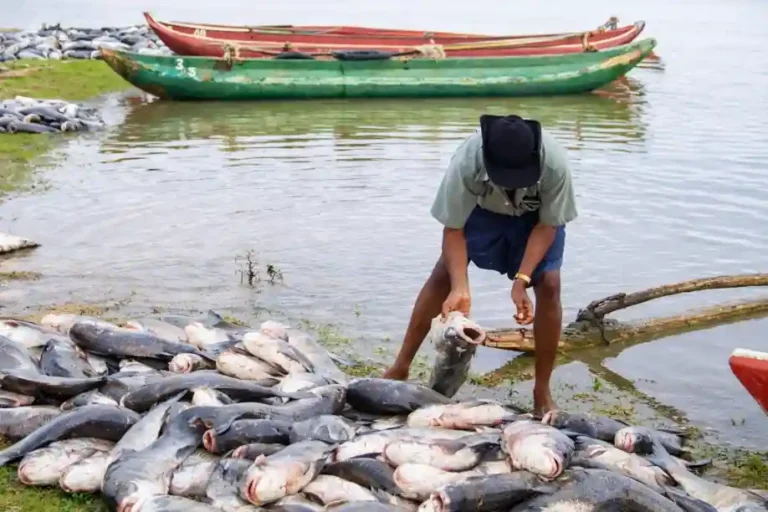
FG moves to create jobs through fisheries, aquaculture sector

The Federal Government has moved to create more jobs through the fisheries and aquaculture sector by supporting women and youth with skills, strengthening the fisheries value chain and expanding opportunities across the industry.

This formed the focus of the Nigeria National Fisheries Stakeholders Forum Programme organised by the Ministry of Marine and Blue Economy to drive development in the sector and increase employment opportunities.

The two-day forum, themed ‘Strengthening Inclusive and Sustainable Fisheries, Aquaculture and Blue Economy for Job Creation in Nigeria’, brought together stakeholders to explore ways of improving productivity and creating sustainable livelihoods within the fisheries ecosystem.

The programme is led by the African Continental Free Trade Area (AfCFTA) Secretariat in partnership with TradeMark Africa and funded by the Mastercard Foundation.

Speaking during the forum, the Permanent Secretary of the Ministry of Marine and Blue Economy, Mrs Fatima Mahmood, said the initiative is designed to strengthen the participation of young people and women who play major roles in the fisheries sector.

According to her, the engagement will help identify challenges within the sector while developing practical solutions that will improve job creation and expand opportunities.

“The essence of this stakeholders’ forum is to engage with fisheries stakeholders in Nigeria to see how we can simplify and enable the participation of youth and women in the fisheries subsector,” Mahmood said.

She noted that women and young people are key actors within the fisheries ecosystem across Africa.

“Women and youth are the main actors in the fisheries subsector. Across Africa, the story is the same and we are being supported by these partners to enhance the participation of these players,” she added.

Also speaking, the Head of the Private Sector Unit at the AfCFTA Secretariat, Mr Themba Khumalo, said strengthening Africa’s food production systems has become necessary as global economic and geopolitical pressures continue to affect supply chains.

He explained that initiatives such as the IMAP project are designed to build capacity within fisheries and aquaculture while supporting countries to become more self-sufficient in food production.

According to Khumalo, improving productivity within the fisheries sector will help reduce the continent’s dependence on food imports while creating employment opportunities.

Director of Business Competitiveness at TradeMark Africa, Ms Anataria Uwamariya, said the programme will run in Nigeria for four years.

She noted that the initiative aims to strengthen the capacity of women and youth involved in fisheries and aquaculture while improving opportunities within the value chain.

Google to Shut Down ImageFX on April 30, 2026 as Tool Moves to Flow

0

Google has announced that ImageFX will stop working on April 30, 2026, as the company transitions the experimental image generation tool into a new platform called Flow. The update was shared with users through an email sent to those who have been using the Google Labs experiment.

ImageFX was introduced in 2024 as part of Google Labs to test new ways of creating AI-generated images. According to Google, the experiment has now matured enough to move into a more permanent product.

In the message to users, Google explained the reason behind the transition, stating: “ImageFX launched back in 2024 as an experiment to push the boundaries of visual creation. Now, we’re taking what we’ve learned to provide a robust, long-term home for your creativity in Flow.”

Flow will include the same image-generation capabilities currently available in ImageFX but with improved performance and new creative features. One of the key upgrades mentioned is the introduction of the Nano Banana model, which Google says will provide higher-quality image details and more accurate text rendering within generated visuals.

The new platform will also expand beyond images. Google confirmed that Flow will include video creation tools powered by its Veo technology, allowing users to generate video content alongside images.

Google told users that “all the image generation features you love are already waiting for you” inside Flow, indicating that the transition is designed to enhance rather than remove existing creative capabilities.

However, the company also warned users to save their existing projects before the shutdown date. Google said that after April 30, access to ImageFX will end completely and any content left in user libraries will be permanently deleted.

The email clearly states: “Any media remaining in your ImageFX library after this date will be permanently deleted and will no longer be recoverable.”

Google said it will soon introduce a migration option inside ImageFX to help users move their creations to Flow before the deadline.

FG Sets Up Committee to Design Nigeria’s Nutrition Funding Plan

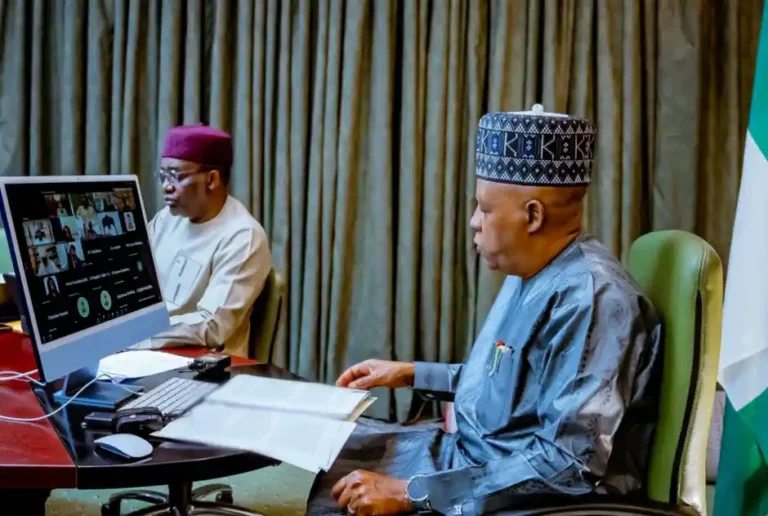
The Federal Government, led by Kashim Shettima, has created a special committee to design a clear plan for how Nigeria will properly fund nutrition programmes across the country.

The committee was set up by the National Council on Nutrition (NCN) during its recent meeting, where leaders discussed the urgent need for stronger financial support for nutrition interventions. The council resolved that without a clear funding structure, many policies aimed at improving nutrition outcomes in Nigeria may fail to produce real impact.

The newly created body, known as the Nutrition Financing Subcommittee, has been given the responsibility of developing a roadmap that will guide how nutrition programmes are funded, monitored, and implemented. The committee has been asked to deliver its financing framework within 30 days.

The subcommittee is chaired by the Coordinating Minister of Health and Social Welfare, Muhammad Ali Pate, and includes representatives from several key ministries. These include the Ministries of Education, Water Resources, Women Affairs, and Science and Technology, alongside senior officials from the Presidency.

The Federal Ministry of Budget and Economic Planning will serve as the secretariat of the committee, helping coordinate its work and ensuring that the financing framework aligns with national economic priorities.

Vice President Shettima explained that the creation of the committee reflects the government’s determination to close the gap between policy commitments and actual improvements in the lives of Nigerians.

“Council recognizes the importance of establishing a strong legal and institutional framework to sustain coordination, financing, and accountability across sectors,” Shettima said.

He stressed that the success of Nigeria’s nutrition strategy will depend largely on how well programmes are financed and monitored.

According to him, the major challenge facing the sector is no longer awareness but proper funding and accountability.

“The central reform issue before us is financing, not as theory, but as execution,” the Vice President stated.

He emphasized that funding commitments must go beyond paper allocations in government budgets.

“Budgeting without release is not financing. Allocation without predictability is not reform. Nutrition must be protected,” he said.

The Vice President also called for “ring-fencing” funds allocated for nutrition programmes. Ring-fencing means protecting the money so it cannot be diverted to other projects.

According to Shettima, this is necessary to ensure that nutrition funding is not lost within complex government spending systems.

“Without ring-fencing nutrition financing, the gap between promises made and lives changed will continue to widen,” he said.

The committee’s work will also involve tracking how funds are spent across ministries, departments, agencies, and state governments.

Shettima stressed that government institutions must be able to account for how every naira allocated for nutrition programmes is used.

“There must be clarity on how funds are budgeted, released, ring-fenced, and tracked,” he noted.

He added that government agencies must be responsible not only for spending funds but also for delivering measurable results.

“Every MDA must now account not just for figures on paper but for measurable changes in the lives of Nigerians,” the Vice President said.

In addition to federal institutions, the committee will also engage development partners and private sector organizations to strengthen financing for nutrition programmes.

Among the partners expected to support the initiative is the Aliko Dangote Foundation, a major philanthropic organization that has been involved in several health and nutrition projects in Nigeria.

The NCN believes that partnerships with organizations like the UNICEF and other development agencies will help close funding gaps and accelerate implementation of key programmes.

One of the programmes highlighted during the meeting was the Accelerating Nutrition Results in Nigeria (ANRiN) 2.0 project. The programme focuses on improving nutrition services in states with high rates of malnutrition.

The Vice President urged state governments to take urgent steps to ensure that funds allocated to such programmes are used effectively.

“State governors must fast-track the necessary actions at the state level to ensure timely implementation and effective utilization of the available resources,” he said.

Shettima also noted that improving nutrition outcomes requires strong participation from communities and local institutions.

“If our efforts are to succeed, they must not stop at the federal level,” he explained.

“Nutrition outcomes are ultimately determined within households and communities. This requires stronger subnational ownership and deeper grassroots engagement.”

The council emphasized that state governments, local government authorities, community leaders, and frontline workers must all play active roles in implementing nutrition programmes.

Another major focus of the government’s strategy is ensuring that women are placed at the center of nutrition planning and decision-making.

The Vice President said women play a critical role in household nutrition, childcare, and food systems, making their involvement essential for long-term success.

“Women must remain at the center of these efforts because they are the backbone of household nutrition, childcare, and food systems,” he said.

Shettima added that women’s voices must be fully integrated into policy planning and programme implementation.

“Their voices, leadership, and participation must be fully integrated into planning, decision-making, and programme delivery.”

During the meeting, members of the council also reviewed reports on Nigeria’s national nutrition budgeting outlook, which highlighted progress made so far and areas where funding gaps still exist.

Officials were informed that several states have already begun strengthening their nutrition governance systems through the establishment of State Councils on Nutrition.

States that have inaugurated their councils include Abia State, Adamawa State, Borno State, Cross River State, Jigawa State, Plateau State, Rivers State, Yobe State, and Zamfara State.

More states are expected to follow as the federal government expands the Nutrition 774 initiative, which aims to deliver nutrition interventions across all 774 local government areas in Nigeria.

Officials also recommended stronger collaboration among ministries that work on nutrition-related programmes. This includes aligning priorities and setting measurable targets for ministries involved in health, food systems, education, and social welfare.

The Minister of Education, Morufu Tunji Alausa, also supported the push for a structured financing model.

He recommended the creation of a sustainable funding structure that would support the Federal Government’s long-term nutrition strategy and ensure that interventions continue to receive adequate funding.

Through the newly established committee, the Federal Government hopes to develop a reliable financing framework that will ensure nutrition programmes are properly funded, effectively implemented, and closely monitored across Nigeria.

Tinubu asks governors wives to start empowerment and skills programmes

Nigeria’s First Lady, Oluremi Tinubu, has urged wives of state governors across the country to begin creating empowerment and skills acquisition programmes that can address social challenges and improve economic opportunities for citizens at the grassroots level.

She made the call during the first quarterly meeting of Wives of State Governors for 2026, where discussions focused on strengthening community development efforts through the Renewed Hope Initiative.

According to a statement issued by her Senior Special Assistant on Media, Busola Kukoyi, the First Lady challenged the governors’ wives to take more independent and proactive steps in designing programmes that empower women, support youth and respond to the unique needs of their states.

Speaking during the meeting, Tinubu said the role of governors’ wives should go beyond ceremonial duties and instead focus on initiatives that produce measurable impact in communities.

“I expect them to do what they are supposed to do,” she said while encouraging them to lead programmes that build skills, create economic opportunities and strengthen families.

She emphasised that empowerment programmes targeted at women and young people can play a major role in reducing poverty and improving livelihoods across Nigeria.

Tinubu urged the governors’ wives to prioritise projects such as vocational training, business development programmes and grassroots mentorship initiatives.

She also stressed the importance of designing programmes that reflect the specific economic strengths and resources available in each state.

Drawing from her experience as the former First Lady of Lagos State, Tinubu explained how locally driven initiatives can successfully complement government policies in areas such as education and youth development.

She recalled programmes she introduced while serving in Lagos, including a Spelling Bee competition aimed at encouraging learning in public schools and keeping students engaged academically.

Tinubu also highlighted other initiatives she previously launched, such as the Musical Fiesta and a Leadership Academy for girls.

According to her, the Leadership Academy started with just 20 participants but eventually grew into a programme that helped young girls develop confidence, leadership abilities and career aspirations.

“These initiatives started small but grew because they met real needs in the community,” she said.

Using a metaphor to explain how empowerment programmes evolve, Tinubu said initiatives often require patience and support before they become sustainable.

“It’s like giving birth to a baby — the teething stage and learning how to walk. After a while, the baby is supposed to walk unaided, and that is what I want to see,” she said.

Tinubu also commended some governors’ wives who have already begun implementing state-based empowerment initiatives.

She cited a project in Ekiti State involving the development of an adire fabric hub that provides women with training and income opportunities through textile production.

According to her, such models can easily be replicated in other states to promote entrepreneurship and job creation.

Beyond vocational training, the First Lady encouraged the governors’ wives to explore empowerment opportunities in agriculture.

She pointed out that each region in Nigeria has unique agricultural resources that can support local economies if properly developed.

“Encouraging women to produce cassava on a large scale… those in the riverine area, we want to see them doing smoked fish,” Tinubu said.

She explained that helping women develop agricultural businesses can strengthen food security while also improving household income.

Tinubu also advised the governors’ wives to introduce mentorship programmes aimed at guiding young boys and helping reshape their attitudes toward education, discipline and responsibility.

She referenced an initiative currently operating in Lagos that focuses on mentoring the boy child and preparing young boys for leadership roles in society.

The meeting also included discussions on several upcoming programmes planned under the Renewed Hope Initiative for 2026.

One major project expected to launch soon is a National Community Food Bank that will operate across the country’s six geopolitical zones.

According to the First Lady, the food bank will be linked to Primary Health Care Centres and will provide nutritional support for malnourished children between the ages of zero and six as well as pregnant women.

Tinubu said child nutrition must remain a national priority and called for aggressive action to address the issue.

“It is sad for a nation like ours to still be talking about child malnutrition at this level,” she said.

She further encouraged governors’ wives to mobilise youth groups to support environmental sustainability efforts such as tree planting and plastic waste reduction ahead of July 15, 2026.

Tinubu also highlighted upcoming programmes under the initiative, including a national scholarship programme scheduled for September and support activities planned for the International Day of Persons with Disabilities.

Additional plans include an Elderly Support Scheme expected to launch in December, which aims to provide grants, medical screenings and welfare assistance for elderly citizens across the country.

FG Approves Recruitment of 28,000 New Soldiers Within One Year

The Federal Government has approved the recruitment and training of more than 28,000 new soldiers within one year as part of efforts to strengthen Nigeria’s security structure and improve military capacity across the country.

This disclosure was made by the Chief of Army Staff, Lieutenant General Waidi Shaibu, during a courtesy visit to Benue State Governor, Hyacinth Alia, at the Government House in Makurdi.

According to the Army Chief, the approval was granted by President Bola Ahmed Tinubu to expand the operational strength of the Nigerian Army and improve its ability to respond to security threats across different regions of the country.

Lieutenant General Shaibu explained that the recruitment plan will take place within a one-year period and will focus on training new personnel who will be deployed to support ongoing military operations.

He said the move is aimed at strengthening the nation’s security architecture, especially in areas experiencing security challenges.

“The President has approved the recruitment and training of over 28,000 troops within one year to strengthen the nation’s security architecture,” Shaibu stated.

The Army Chief made the announcement while discussing broader efforts by the Nigerian Army to improve operational readiness and expand its presence in key security hotspots.

During the visit, Shaibu noted that the Army is not only increasing troop numbers but also improving its operational capacity through the deployment of additional formations and modern equipment.

He disclosed that an additional battalion has already been deployed to Kwande Local Government Area of Benue State to support security operations and reinforce troops on the ground.

“The additional battalion deployed to Kwande is part of ongoing efforts to strengthen security operations and ensure that communities under threat receive adequate protection,” he explained.

Beyond troop deployment, the Nigerian Army is also adopting non-kinetic strategies aimed at improving cooperation with local communities.

Shaibu said the military has been engaging traditional leaders to encourage intelligence sharing and strengthen community relationships.

“We are also engaging traditional rulers, including the Tor Tiv, to improve community cooperation and intelligence gathering,” he added.

The Army Chief also acknowledged the support provided by the Benue State Government to security forces operating in the state.

According to him, the government has supplied operational assets such as drones, motorcycles and vehicles to assist troops in carrying out their duties.

He further revealed that the Nigerian Army is expanding its aviation capabilities to improve response times during security operations.

This includes plans to provide helicopters to support Operation Whirl Stroke and other security missions in the region.

“We are expanding our aviation assets to improve response time, and plans are underway to provide helicopters to support Operation Whirl Stroke,” Shaibu stated.

In response, Governor Hyacinth Alia commended the Nigerian Army and the Federal Government for their continued commitment to improving security in the state.

The governor described the visit by the Army Chief as a homecoming and acknowledged the support provided by the administration of President Bola Ahmed Tinubu in tackling insecurity.

He said cooperation between the Benue State Government and the military has helped to significantly reduce security threats across the state.

“When we assumed office, about 17 of the state’s 23 local government areas were heavily affected by insecurity, but sustained efforts have reduced the number of high-risk areas to three,” Alia said.

The governor also urged communities to continue supporting security agencies by providing credible information that could help prevent attacks and maintain peace.

SEDC Targets $200 Billion South-East Economy by 2035

0

The South East Development Commission (SEDC) has disclosed plans to grow the South-East economy from about $40 billion to $200 billion in the next 10 years by investing in infrastructure, agriculture, technology, industry, and security to attract investors and create economic growth.

Mark Okoye, Managing Director and Chief Executive Officer of the commission, outlined the blueprint while presenting the 2026 budget proposal before the House of Representatives Committee on the South East Development Commission at the National Assembly in Abuja. The House approved the N140 billion proposed by the commission for project execution in the 2026 fiscal year, providing immediate momentum for the multi-sector strategy.

Okoye described a development agenda focused on stimulating growth through industrialisation, agriculture, technology, the creative industry, and large-scale infrastructure to position the South-East as a competitive investment destination on the African continent. Central to the plan is turning the five states—Abia, Anambra, Ebonyi, Enugu, and Imo—into a unified economic bloc capable of drawing domestic and foreign capital at scale.

“Achieving the target of a $200bn economy in 10 years requires strong collaboration with state governments, the National Assembly, the private sector and the diaspora community,” he said. This partnership model underpins every pillar, ensuring that federal intervention through the SEDC catalyses state-level action and private investment.

Infrastructure forms the foundation of the growth strategy. The commission intends to mobilise private-sector financing for major projects through an investment vehicle. “The commission plans to capitalise the South-East Investment Company Limited, an investment subsidiary designed to mobilise private sector financing for major infrastructure projects including railways, power, ports and gas pipelines,” Okoye stated. The company will develop viable projects by conducting feasibility studies and other preparatory processes to attract funding from investors and development partners.

Complementing this is the establishment of a Project Preparation Facility to finance technical groundwork for these initiatives, covering feasibility studies, environmental impact assessments, and engineering designs. Railways across the five states are specifically highlighted to enhance trade and investment. Okoye explained that the SEDC has a comprehensive plan for rail construction “to enhance trade and investment to make the region a unified economic block through shared visions of all stakeholders.” These connectivity projects will lower costs, improve market access, and create the physical backbone needed to support industrial and agricultural expansion while signalling to investors that the region is ready for business.

Security is positioned as a critical enabler rather than an afterthought. The commission is developing a regional security initiative to strengthen safety across the five states. Okoye highlighted the South-East Security Intervention Programme, which seeks to “support the design of a coordinated regional security architecture across the five states of the region.” He stressed that improving security coordination will play a critical role in creating the stable environment required to attract both domestic and foreign investments, directly linking safety to the $200 billion economic target.

Agriculture receives dedicated attention to drive productivity and agro-industrial linkages. The SEDC plans to promote mechanised farming through land clearing and the establishment of large demonstration farms across rural communities. These farms will cover between 200 and 300 hectares in different locations “to stimulate agricultural production and encourage agro-industrial development,” according to Okoye. The initiative also includes aggregation centres where smallholder farmers can supply produce for processing and commercial distribution, creating efficient value chains that will boost output, generate rural employment, and feed into broader industrial growth.

Industrialisation is advanced through the South-East Industrialisation Programme, which aims to develop special economic zones capable of attracting manufacturing investments to the region. These zones will target sectors with strong potential, supported by reliable power, transport, and policy incentives made possible by the infrastructure investments. The creative industry is integrated into the plan, leveraging the region’s cultural assets to expand economic output beyond traditional manufacturing.

Technology and youth empowerment form another growth engine. The commission will roll out a Youth Entrepreneurship and Innovation Programme that provides funding support for young entrepreneurs and technology startups. By equipping the region’s youthful population with capital and skills, the SEDC expects to spark innovation in fintech, agrotech, and digital services—sectors that will multiply the impact of agriculture and industry while creating high-value jobs that appeal to both local talent and international partners.

Environmental challenges are acknowledged and folded into the infrastructure push. Okoye explained that gully erosion remains one of the most pressing issues, with more than 2,700 identified sites in the South-East. The financial burden is significant, as the cost of remediating a single site could range between N10 billion and N20 billion. By integrating erosion control into larger infrastructure and agricultural projects, the commission aims to protect arable land and safeguard the foundations of the $200 billion expansion.

The 2026 budget itself reflects the urgency and scale of these ambitions. Okoye provided details on the approved N140 billion allocation, noting a capital expenditure of N106 billion, recurrent expenditure excluding personnel of about N25 billion (18.5 percent), and personnel cost of N7.3 billion (5.21 percent). He tied the figures to broader fiscal realities: “We’ve also seen the 2026 call circular as published by the Federal Ministry of Budget and Planning, which said to all of us, ‘take your entire capital expenditure of last year and bring it to this year because of one or two issues.’ Of course, we are very well aware of what’s going on. There were a lot of debts, and what have you, that the government inherited. Last year was about assuring investor confidence, addressing and servicing the debt, such that now, this year, we believe and we are confident that we’ve made those provisions. We’ve moved our budget from last year, and we’ve brought it into the current year. That has influenced what we have in front of us.”

Chairman of the House Committee on SEDC, Chris Nkwonta, responded positively to the presentation. The Abia lawmaker commended the leadership for a comprehensive development plan and noted that the committee was encouraged by the progress recorded since the commission’s inauguration in February 2025. Nkwonta said members were satisfied with performance so far and expressed confidence that the programmes would accelerate development across the region. The committee adopted the budget proposal and urged sustained implementation to deliver visible outcomes.

Additional initiatives in the plan include investment in grassroots sports infrastructure “to nurture young talents and promote national unity through sports development,” Okoye added. This complements the youth entrepreneurship focus by providing alternative pathways for engagement and talent development.

The SEDC was established following President Tinubu’s assent to the enabling legislation in 2024, after years of advocacy by South-East leaders who highlighted the region’s unique challenges—severe erosion, infrastructure gaps, and industrial decline. Inaugurated in February 2025, the commission drives economic recovery, coordinates large-scale projects, and supports industrial and agricultural development across the five states as part of a national policy to strengthen regional institutions.

Okoye summarised the overarching ambition clearly: “We have a vision to make the South-East a preferred investment hub in the next ten years. We will achieve this through industrialisation, agriculture and technology.” Through the South-East Investment Company Limited, the Project Preparation Facility, demonstration farms, special economic zones, security architecture, and targeted youth programmes, the commission is systematically removing barriers that have limited growth. Private-sector capital is being actively courted for railways, power, ports, and gas pipelines, while aggregation centres and mechanised farming models will transform rural economies. Technology startups and innovation funding will inject dynamism, and coordinated security will provide the stability investors demand.

Every element of the 2026 budget and the ten-year blueprint is calibrated to multiply the regional economy fivefold. Infrastructure investments will connect markets and reduce costs. Agricultural expansion will increase output and create processing industries. Industrial zones will attract manufacturers seeking reliable power and transport. Security measures will lower risk perceptions. Technology and entrepreneurship will harness the demographic dividend. Together, these investments are designed to shift the South-East from an economy estimated at $40 billion today to a $200 billion powerhouse that stands out as an investment destination across Africa.

Tony Elumelu to unveil 3,199 selected entrepreneurs for 2026 TEF programme

0

The Tony Elumelu Foundation is set to announce the 3,199 entrepreneurs selected for the 2026 TEF Entrepreneurship Programme.

The announcement will take place during the 2026 Tony Elumelu Foundation Selection Announcement event scheduled for March 22, 2026, in Abuja.

According to the Foundation, the selected entrepreneurs represent the newest cohort of young African business owners who will receive support through the TEF Entrepreneurship Programme.

In a message sent to members of the Foundation’s Mentors’ Guild, the organisers stated that the event will unveil the entrepreneurs chosen for this year’s programme.

“As a valued member of the Tony Elumelu Foundation Mentors’ Guild, I am very pleased to specially invite you to the 2026 Tony Elumelu Foundation Selection Announcement where we will unveil the newest cohort of 3,199 young African entrepreneurs selected for this year’s TEF Entrepreneurship Programmes,” the Foundation said.

The event will be hosted by the Foundation’s founder, Tony O. Elumelu, alongside co-founder Awele V. Elumelu.

It will take place at the Congress Hall of the Transcorp Hilton Abuja, beginning at 2 pm WAT.

The Foundation disclosed that the 3,199 entrepreneurs will be supported through several partnerships and funding collaborations.

According to the organisers, “In 2026, the Foundation will be empowering a total of 3,199 entrepreneurs,” through partnerships with organisations including Heirs Holdings, European Commission, GIZ, UNICEF and United Nations Development Programme.

The Foundation also noted that the programme continues to support African entrepreneurs with funding, mentorship, coaching and business training.

“In a volatile world, the Foundation’s work is vital in providing access to funding, mentorship, coaching, training, and resources to catalyse entrepreneurial businesses,” the message stated.

Edo Govt, Genius Hub to Train Youths in Digital and Tech Skills

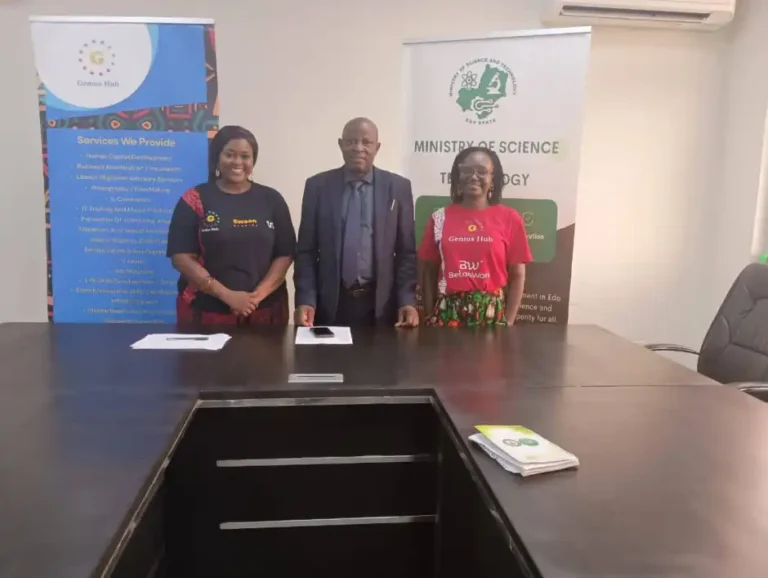
The Edo State Ministry of Science and Technology says it is ready to partner with Genius Hub to train young people in digital and technology skills that can help them secure jobs, build careers, and contribute to the state’s growing digital economy.

This was disclosed when the leadership of Genius Hub paid a visit to the Ministry in Benin City to discuss possible collaboration on youth-focused training and capacity-building initiatives.

Speaking during the meeting, the Commissioner for Science and Technology, Hon. Etin-Osa Ogbeiwi, represented by the Permanent Secretary of the Ministry, Engr. Jonathan Ukpebor, described the proposed collaboration as an important step toward strengthening innovation and digital skills development among youths in the state.

According to him, the government is interested in supporting organizations that are helping young people acquire modern skills needed in today’s technology-driven economy.

He noted that the vision of Genius Hub aligns with the Ministry’s commitment to promoting innovation-driven initiatives that can expand opportunities for young people.

“Our Ministry remains committed to supporting organizations that are focused on empowering youths through digital skills and innovation,” he said.

“We see this partnership as an opportunity to equip more young people with the knowledge and tools they need to succeed in the digital economy.”

The Founder of Genius Hub, Mrs. Isimeme Whyte, said the organization is focused on creating opportunities that help young people develop practical skills that can lead to employment and professional growth.

She explained that the organization currently provides training in areas such as digital marketing, photo design, and other technology-driven and vocational skills designed to prepare youths for the modern job market.

According to her, the programmes are structured to help young people connect with professionals in their fields and gain practical experience that can open doors to employment.

“We are committed to building platforms that allow young people to develop relevant digital skills and access opportunities,” she said.

Mrs. Whyte also disclosed that the organization operates a digital marketplace platform where trained youths can showcase their skills and connect with potential employers.

She added that Genius Hub’s programmes align with global development priorities, particularly the United Nations Sustainable Development Goals, including Goal 4 on Quality Education and Goal 8 on Decent Work and Economic Growth.