Home Blog Page 78

UNICEF: 35 million Nigerians risk hunger in 2026

The United Nations Children’s Fund (UNICEF) has warned that about 35 million Nigerians could face hunger in 2026, with nearly 3 million children at risk of severe acute malnutrition, largely due to worsening insecurity that continues to prevent farmers from accessing their farmlands.

The warning highlights the deepening food crisis in Africa’s most populous country, where persistent violence, banditry, kidnappings and insurgency have forced thousands of farmers to abandon their agricultural activities, reducing food production and worsening food shortages.

With Nigeria’s population estimated at around 237 million people, the projection means roughly one in every six Nigerians could be at risk of hunger if urgent interventions are not implemented.

The grim outlook was presented in Abuja during a high-level bilateral meeting between the Federal Government of Nigeria and the Kingdom of Spain, where government officials, development partners and regional stakeholders gathered to discuss ways to strengthen food security, nutrition and sustainable livestock development.

During the meeting, UNICEF’s representative in Nigeria, Wafaa Saeed Abdellatef, described malnutrition as one of the most serious threats facing children in the country.

“Malnutrition remains one of the leading underlying causes of child mortality in Nigeria, with devastating long-term consequences on cognitive development, productivity and national growth,” Abdellatef said.

According to UNICEF, the projected figures underscore the urgent need for coordinated interventions to prevent a worsening humanitarian crisis, especially among vulnerable households and children.

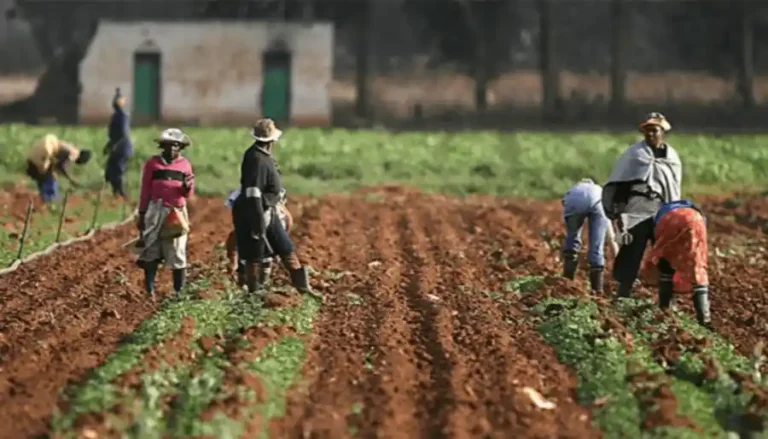
The agency stressed that insecurity in farming communities remains one of the biggest drivers of Nigeria’s food crisis, as farmers are increasingly unable to cultivate their land due to constant threats from armed groups.

Across many northern and central states, including key agricultural zones, farmers have either reduced their farming activities or completely abandoned their fields due to fears of attacks.

The impact of this disruption is already being felt through rising food prices, reduced harvests and worsening nutrition indicators across several regions of the country.

UNICEF warned that if the trend continues, millions of children could face severe malnutrition, which can lead to long-term developmental challenges.

The agency noted that acute malnutrition not only affects physical growth but can also cause lasting damage to brain development, education outcomes and economic productivity later in life.

The Abuja meeting that highlighted these concerns was convened by Antón Leis García, director of the Spanish Agency for International Development Cooperation (SAIDC), who emphasized the importance of stronger international cooperation to tackle food insecurity.

García said climate change, economic pressures and conflict are creating a dangerous combination that threatens food systems across West Africa.

He stressed that stronger collaboration between countries, development agencies and regional institutions would be necessary to protect vulnerable populations.

“Knowledge sharing and regionally driven solutions are essential to address the growing threats posed by climate change, market disruptions and food insecurity,” García said.

He reaffirmed Spain’s commitment to working with Nigeria and the Economic Community of West African States (ECOWAS) to strengthen food systems and support sustainable agricultural development across the region.

Officials of the Nigerian government who attended the meeting also acknowledged the challenges affecting food production in the country.

Permanent Secretary at the Federal Ministry of Livestock Development, Dr. Chinyere Ijeoma Akujobi, who represented the Minister of Livestock Development, Alhaji Idi Mukhtar Maiha, said the government was working to transform the livestock sector into a more resilient and market-oriented system capable of supporting national nutrition goals.

Akujobi explained that improving the livestock sector could play a critical role in strengthening food security, particularly by increasing access to protein and improving the livelihoods of rural communities.

She identified several priorities within the government’s food security strategy, including addressing feed and fodder shortages, rehabilitating grazing reserves, strengthening animal health surveillance systems and promoting greater gender inclusion in livestock value chains.

“We are committed to building a livestock ecosystem that directly improves nutrition outcomes and strengthens resilience among farmers, pastoralists, women and vulnerable populations,” she said.

Despite Nigeria’s vast agricultural potential, insecurity has continued to undermine the country’s ability to achieve food sufficiency.

Nigeria is widely regarded as having abundant arable land, favourable climatic conditions and a large population of farmers capable of producing enough food for domestic consumption and export.

However, years of conflict and criminal activities across several regions have disrupted agricultural activities and forced farming communities into displacement.

In many rural areas, farmers now face the constant threat of attacks by bandits, kidnappers and insurgents who often target farms and rural settlements.

The violence has not only led to loss of lives but has also destroyed farms, livestock and agricultural investments.

As a result, many farmers now consider it too dangerous to cultivate their land, especially in remote areas far from security presence.

This situation has significantly reduced food production in several states that traditionally supply major food crops to other parts of the country.

The disruption of farming activities has also affected supply chains, contributing to food shortages and price inflation in markets across Nigeria.

Experts warn that unless insecurity is addressed, efforts to improve food production may continue to face serious setbacks.

The federal government had previously attempted to tackle the security challenges affecting farmers through the Agro Ranger Scheme, a special initiative designed to protect farming communities.

The programme, developed under the administration of former President Muhammadu Buhari, involved the deployment of specially trained personnel from the Nigeria Security and Civil Defence Corps (NSCDC) to guard farms and agricultural areas.

About 3,000 personnel were initially designated for the programme, with training provided by the Nigerian Army in weapon handling and farm security operations.

The aim was to restore confidence among farmers and encourage them to return to their farmlands without fear of attacks.

However, the initiative faced significant challenges, including the limited number of personnel available to cover the country’s vast agricultural areas.

Many analysts argued that the number of security operatives assigned to the programme was too small compared to the scale of Nigeria’s farming landscape.

Others also pointed to inconsistent implementation and insufficient funding as major obstacles to the programme’s effectiveness.

As insecurity continued to spread in rural areas, farmers remained reluctant to resume full agricultural activities.

In recent discussions on security reform, policymakers have suggested new approaches, including the potential deployment of retired military and police personnel to help secure rural areas and ungoverned spaces often used as hideouts by criminal groups.

Security experts believe such measures could help restore safety in farming communities and allow agricultural activities to resume more fully.

For millions of Nigerian farmers and households already struggling with rising food prices and economic hardship, improved security could be a decisive factor in preventing the food crisis projected by UNICEF.

Without stronger protection for farmers and sustained investment in food systems, the warning that 35 million Nigerians could face hunger in 2026 may become a reality.


Advertisement

Nigeria supplies additional locally mined Gold to CBN, reserves reach $3.5bn

0

Nigeria has delivered additional locally sourced gold to the Central Bank of Nigeria (CBN) through the National Gold Purchase Programme (NGPP), raising the country’s gold reserves to about $3.5 billion while supporting artisanal miners and strengthening external reserves.

The latest delivery was confirmed by the Executive Secretary of the Solid Minerals Development Fund (SMDF), Fatima Umaru Shinkafi, who said the gold was responsibly sourced from Nigerian miners and refined to meet international bullion standards.

Speaking at a workshop on strategies to maximise the economic benefits of Nigeria’s minerals, Shinkafi said the programme is helping the country convert locally mined resources into national reserves while formalising the activities of artisanal and small-scale miners.

“The successful delivery of additional responsibly sourced gold to the Central Bank of Nigeria demonstrates the strength of our formalisation framework and responsible sourcing system under the National Gold Purchase Programme,” she said.

She explained that the gold supplied to the CBN was refined to meet the standards of the London Bullion Market Association (LBMA), a key global benchmark for precious metals.

According to Shinkafi, the programme connects artisanal miners with formal supply chains while ensuring due diligence, traceability and responsible sourcing.

“The locally sourced gold engaged artisanal and small-scale miners within a responsible sourcing framework aligned with the OECD Due Diligence Guidelines and the World Gold Council’s London Principles,” she said.

The Governor of the Central Bank of Nigeria, Olayemi Cardoso, said the initiative allows Nigeria to strengthen its reserves using domestic resources while reducing pressure on foreign exchange.

He explained that purchasing monetary-grade gold locally and paying in naira helps the country preserve scarce foreign currency.

“Acquiring monetary-grade gold with naira and pricing linked to LBMA benchmarks helps preserve Nigeria’s foreign exchange while strengthening the country’s gold reserves,” Cardoso said.

He added that central banks around the world are increasingly turning to gold as a strategic reserve asset.

According to him, “Central banks globally are diversifying their reserves in response to geopolitical tensions and market volatility, with gold regaining prominence as a hedge against inflation and systemic risks.”

The World Gold Council also commended Nigeria’s approach to responsible gold sourcing.

Director of Central Banks and Public Policy at the World Gold Council, Kurtuluş Taşkale Diamondopoulos, praised the collaboration between the CBN and SMDF in implementing the NGPP.

He noted that the Nigerian programme aligns with the 12 London Principles for responsible artisanal and small-scale gold sourcing, strengthening transparency and accountability across the gold value chain.

The workshop, organised by the CBN’s Corporate Secretariat and Reserve Management Departments, brought together stakeholders across the mining and financial sectors to explore opportunities and challenges in Nigeria’s gold industry.

NYSC announces March 31, 2026 PoP date for 2025 Batch A Stream 1

0

The National Youth Service Corps (NYSC) has announced Tuesday, March 31, 2026 as the official passing-out date for the 2025 Batch ‘A’ Stream I corps members across the country.

According to the scheme, activities leading up to the Passing-Out Parade (PoP) will begin on March 13, 2026, with programmes designed to prepare corps members for life after national service.

NYSC said the pre-PoP schedule will include Job Advisory and Counselling (JAC) sessions organised by the scheme alongside relevant agencies to guide corps members on employment opportunities and career planning.

The programme will also feature the signing of final clearance by Zonal Inspectors before corps members receive their Certificates of National Service in their respective Local Government Areas.

Director-General of NYSC, Olakunle Nafiu, wished the corps members “a successful winding-up and passing-out exercise.”

SWEEAP Trains 691 Women Entrepreneurs in Kano and Rivers

The Scaling Women’s Economic Empowerment through Affirmative Procurement (SWEEAP) project has trained 691 women entrepreneurs on how to access and compete for government contracts, with more than 500 women-owned businesses already pursuing procurement opportunities in Kano and Rivers states.

The initiative focused on equipping women with practical knowledge of public procurement processes, compliance requirements, and competitive bidding strategies needed to participate in government contracting.

The programme was implemented by the Chevening Alumni Association of Nigeria (CAAN) in partnership with DO Take Action.

Through structured training sessions and mentorship, participants were guided on how government procurement systems work and how women-owned businesses can position themselves to successfully bid for contracts.

Speaking at the project’s close-out reception held at the British High Commissioner’s residence in Abuja, Gill Lever said the initiative is already producing measurable results.

“It is inspiring to see the impact our Chevening alumni are driving across Nigeria,” Lever said.

“Through programmes like Scaling Women’s Economic Empowerment through Affirmative Procurement (SWEEAP), supported by the Chevening Alumni Programme Fund, we are already seeing clear results: 691 beneficiaries trained and over 500 women-owned businesses now pursuing procurement opportunities in Kano and Rivers States.”

The project also aligns with broader efforts to make Nigeria’s procurement system more inclusive and accessible to smaller businesses.

Adebowale Adedokun, director-general of the Bureau of Public Procurement, said policy reforms are underway to strengthen the participation of women-owned enterprises.

Adedokun explained that proposed amendments to the Public Procurement Act would introduce measures aimed at improving access for smaller and community-based businesses.

According to him, the reforms would prioritise qualified businesses within local government areas for contracts below N15 million while also simplifying documentation requirements.

He said the changes are designed to remove entry barriers and encourage more women entrepreneurs to compete for public sector opportunities.

At the state level, Ine Briggs said the SWEEAP initiative is helping to correct long-standing gaps in the procurement system.

“This initiative is significant because it addresses a structural imbalance within the public procurement system,” Briggs said.

She noted that the Rivers state bureau has committed to integrating more women-owned businesses into its contractor database and ensuring they receive information about procurement opportunities.

Representing CAAN, Femi Adedipe said the programme demonstrates how alumni-driven initiatives can contribute to economic reform through collaboration with government and development partners.

“Through structured collaboration and stakeholder engagement, this project has built the capacity of 691 women to access procurement opportunities and contributed to inclusive economic reform,” he said.

CAAN president Kester Osahenye and DO Take Action chief executive Precious Ebere Chinonso said the project reflects ongoing efforts to expand economic opportunities for women entrepreneurs and strengthen inclusive participation in Nigeria’s public procurement system.

MEDILAG Consult Recruitment – Apply Before March 30, 2026

0

The College of Medicine, University of Lagos Consultancy Services, MEDILAG Consult Limited, has opened recruitment for qualified, proactive, and result-driven professionals to fill key positions within the organization. Interested candidates with the required qualifications and experience are invited to apply for available roles aimed at strengthening the institution’s financial and administrative operations.

The first position available is Accounts Officer 1. The successful candidate will be responsible for maintaining accurate financial records and supporting the company’s day-to-day fiscal operations. The Accounts Officer will work closely with management and provide regular reports to the Director while ensuring that financial activities are properly documented and managed.

Key responsibilities include managing the company’s financial records through several important tasks. These include processing invoices, verifying their accuracy, and monitoring both incoming and outgoing funds. The officer will also reconcile bank statements, general ledgers, and credit card accounts regularly to maintain financial accuracy and data integrity. Other duties include maintaining updated journal entries, ledgers, and records of business costs such as labor and materials.

The Accounts Officer will also assist in preparing and filing tax returns, including VAT, while ensuring compliance with local and federal regulations. The role includes managing the company’s monthly payroll by processing timesheets and statutory deductions, assisting with the preparation of monthly, quarterly, and annual financial statements, and supporting the development of management reports. The officer will also address account-related queries from clients and follow up on overdue invoices for payment.

Applicants must possess a Bachelor’s degree or Higher National Diploma in Accounting or Finance and must have completed the NYSC program with relevant work experience. Membership in professional bodies such as ICAN, ACCA, or AAT will be an added advantage. Candidates should demonstrate strong technical skills, including proficiency in Microsoft Excel, attention to detail, the ability to identify financial inaccuracies, interpret financial data, resolve discrepancies, and maintain professionalism and confidentiality when handling sensitive financial information.

The second position is Personal Assistant/Secretary to the Director. The successful candidate will provide high-level administrative and secretarial support to the Director. The role requires a proactive individual capable of anticipating needs, solving problems independently, and managing tasks that help improve the Director’s productivity.

Responsibilities include scheduling appointments, meetings, and events while resolving possible scheduling conflicts. The candidate will manage communications by screening inquiries, handling requests, and organizing email correspondence on behalf of the organization. The role also involves arranging travel logistics such as flights, accommodation, and transportation, as well as preparing detailed travel itineraries.

Additional responsibilities include organizing meetings, preparing agendas, taking minutes, and ensuring follow-up on action items. The Personal Assistant will also draft reports, presentations, and official correspondence while maintaining digital and physical filing systems and handling expense documentation.

Candidates must demonstrate discretion when handling sensitive personal and business information, possess strong multitasking abilities, and maintain excellent written and verbal communication skills. Proficiency in office tools such as Microsoft 365 or Google Workspace is required for effective performance in the role.

Applicants should hold a Bachelor’s degree or HND in Social Sciences, Business Administration, Communication Studies, or any related discipline with relevant experience. Candidates must also be computer literate and skilled in writing official memos and minutes. Up to three years of experience in administrative or secretarial roles is required, while professional certifications such as Certified Administrative Professional may provide an advantage.

Interested and qualified candidates should submit six copies of their curriculum vitae and application letter addressed to the Director, MEDILAG Consult Limited, College of Medicine, University of Lagos, Idi-Araba, Lagos. Applicants must also send an email copy to directormedilagconsult@gmail.com stating their suitability for the role.

Only shortlisted candidates will be contacted. Applicants must submit three reference letters from different referees alongside their applications, as applications without these references will be considered incomplete. The closing date for submission of applications is Monday, March 30, 2026.

Edo State, Young Africa to train youths in TVET skills starting March 2026

0

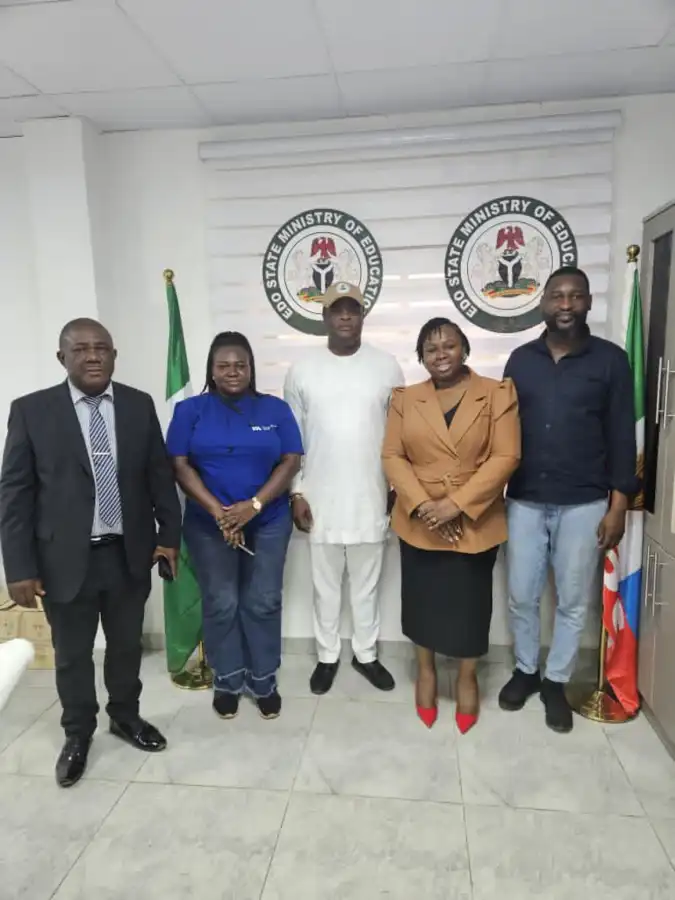
The Edo State Government, in partnership with Young Africa, is set to begin training young people in Technical and Vocational Education and Training (TVET) skills starting in March 2026, as part of efforts to equip youths with practical skills that can help them secure jobs or start their own businesses.

The programme will begin with 200 young people who will be trained in selected trades during the first phase of the initiative. The training will take place at Benin Technical College in Ugbowo, Benin City, and is expected to strengthen ongoing efforts to promote skills acquisition and youth empowerment in the state.

The collaboration was highlighted during a strategic meeting between the Edo State Board for Technical and Vocational Education and Training (BTVET) and representatives of Young Africa at the Education Hub in Iyaro, Benin City.

Executive Chairman of the Board, Barr. (Mrs.) Onomen Briggs, said the partnership is part of the state government’s broader strategy to expand access to quality technical education and ensure that training programmes match industry needs.

“This collaboration is focused on expanding access to quality skills training, improving youth employability and ensuring that training programmes are aligned with industry demands,” she said.

Briggs also emphasized that the state government is committed to creating an enabling environment that will allow such partnerships to succeed and produce real economic opportunities for young people.

“The Edo State Government remains committed to fostering productive partnerships that will reposition technical education as a viable pathway to economic empowerment,” she added.

According to the organisers, the training initiative is designed to provide participants with practical technical competencies that can support self-reliance and employment.

Members of the Young Africa delegation, including Project Coordinator Ms. Adedotun Esan and Grants Coordinator Mr. Wellington Muchechetere, presented the organisation’s implementation framework and confirmed their readiness to work closely with the Board to deliver the programme.

They noted that the March 2026 launch will mark the first phase of the training, with the goal of equipping Edo youths with skills that are relevant to today’s job market and entrepreneurial opportunities.

FG begins distribution of food relief to 42,000 residents in Yobe

The Federal Government has commenced the distribution of food and relief materials to about 42,000 vulnerable residents across the 17 local government areas of Yobe State under the Presidential Emergency Food and Nutrition Intervention Programme.

The initiative, implemented through the Federal Ministry of Humanitarian Affairs and Poverty Reduction, is designed to reduce hunger, improve nutrition and support poor households facing economic hardship, particularly during the Ramadan period.

The programme targets some of the most vulnerable groups in society, including internally displaced persons, women-led households, malnourished children, elderly citizens and persons living with disabilities.

At the official flag-off ceremony held at the Government House in Damaturu, the Minister of State for Humanitarian Affairs and Poverty Reduction, Dr Yusuf Sununu, described the intervention as a strategic effort to address rising humanitarian challenges across the country.

According to him, several communities have been severely affected by prolonged conflict and climate-related disruptions that have weakened food production and reduced household incomes.

Sununu explained that the programme was carefully structured to provide immediate nutritional support while helping vulnerable families cope with the economic strain currently affecting many households.

“The combined impact of prolonged conflict and climate change has worsened poverty, increased food insecurity and heightened vulnerability, particularly among women, children, the elderly and persons living with disabilities,” he said.

He noted that the distribution includes essential food items packaged into food baskets and nutrition support packages meant to stabilise vulnerable households and help them meet their basic dietary needs.

Items being distributed under the programme include rice, beans, millet, maize, assorted grains, palm oil, cooking oil, tomatoes, seasoning cubes and salt.

Officials stated that the intervention forms part of a broader national strategy to strengthen social protection systems and support communities struggling with food insecurity.

Sununu emphasised that the initiative reflects the Federal Government’s commitment to providing support to vulnerable citizens during difficult periods.

“This intervention is part of a broader national strategy focused on strengthening social protection mechanisms, enhancing community resilience and supporting the transition from emergency assistance to sustainable livelihoods,” he stated.

The Permanent Secretary of the ministry, Mr Olubunmi Olusanya, also noted that the programme is part of a wider humanitarian response covering several northern states affected by insecurity and economic vulnerability.

He explained that the ministry has put in place strong coordination and accountability systems to ensure the transparent distribution of the food items across all the targeted communities.

Olusanya further stated that monitoring structures and feedback channels have been established to ensure the intervention reaches the intended beneficiaries.

He added that the Federal Government is working closely with state authorities and local institutions to guarantee fairness and proper oversight throughout the distribution process.

The intervention is also being implemented alongside the Yobe State Government’s Ramadan palliative programme aimed at cushioning the impact of economic hardship on residents during the holy month.

Yobe State Governor, Mai Mala Buni, reaffirmed his administration’s commitment to supporting vulnerable residents and improving food security across the state.

“Providing food to vulnerable citizens is not merely an act of charity; it is a responsibility and an investment in a better future,” Buni said.

He noted that the federal intervention complements ongoing state-level support programmes designed to assist disadvantaged households across all 17 local government areas of Yobe State.

FG launches digital system to verify academic records, stop fake degrees

The Federal Government is developing a national digital platform that will store, verify, and authenticate academic records across Nigeria’s education system in a major move aimed at stopping fake degrees and strengthening trust in certificates issued by Nigerian institutions.

The platform, known as the Nigeria Education Repository and Data Bank (NERD), is designed to create a centralized digital infrastructure where academic records from universities, polytechnics, monotechnics, and colleges of education can be securely stored and verified in real time.

Officials say the system is part of a broader reform agenda to modernize the management of academic credentials, improve data integrity, and ensure that qualifications obtained in Nigeria can be easily verified by employers, institutions, and government agencies.

Minister of Education, Dr. Maruf Alausa, said the initiative reflects the Federal Government’s commitment to building a reliable national system for academic record management.

According to him, data-driven governance is central to the government’s approach to reforming critical sectors, including education.

“I have this quote right in my office that I read every day. Data is the lifeblood of effective governance,” Alausa said during a national capacity-building programme organised to support the implementation of the new system.

“It enables us to understand the challenges we face, so that we can design and implement effective solutions, as well as monitor and evaluate our progress.”

He stressed that without reliable data systems, governments cannot effectively plan or implement policies.

“Without data, we are flying blind. And that is not what this government is about,” he said.

The NERD platform is expected to digitise and standardise academic credentials nationwide, creating a unified system that links institutions and government agencies involved in education regulation and credential verification.

Under the system, each academic qualification obtained from an accredited Nigerian institution will have a verifiable digital record that can be accessed through authorised channels.

The platform will also assign a National Credential Number to academic awards issued in Nigeria, creating a unique digital footprint for each certificate.

Officials say this will make it significantly harder for individuals to present forged or unverifiable qualifications.

The system will also host a National Credential Revocation Service, which will allow authorities to withdraw or invalidate academic credentials that are found to have been obtained fraudulently.

In addition, the platform will include a National Student Clearinghouse, designed to facilitate verification of student records and academic history across institutions.

Another component of the repository will be a federated national database of academic theses and abstracts, enabling universities and research institutions to digitally preserve and access scholarly work produced in Nigeria.

The system will also support a national academic publication and indexing database, helping to document research output from Nigerian institutions.

According to the government, the goal is to create a comprehensive digital archive of academic knowledge produced in Nigeria while ensuring that academic qualifications remain credible and verifiable.

Alausa described the platform as strategic national infrastructure that will strengthen transparency and accountability within the education system.

He explained that when an academic certificate is issued, it represents more than just a document.

“Education is a covenant between the State and its citizens,” the minister said.

“When a certificate is issued, it is not merely paper; it is a national guarantee that due process was followed and standards were upheld.”

He noted that the strength of that guarantee depends heavily on the integrity of academic record systems.

“That guarantee is only as strong as the integrity of our record-keeping systems,” he said.

The move comes after years of concerns about certificate fraud and the proliferation of questionable degrees obtained from unaccredited institutions both within and outside Nigeria.

Investigations in recent years revealed that some Nigerians had obtained degrees from institutions operating without accreditation in neighbouring countries, particularly in parts of West Africa.

Some of those institutions reportedly issued academic certificates within extremely short periods, raising questions about the legitimacy of the qualifications.

Alausa said the Federal Government had already taken decisive action against such practices.

“Before President Tinubu came into government, there was a whistleblower who reported about Nigerians going to the Republic of Benin to study,” he said.

“Some people were getting PhD certificates in just six months, universities that never existed, universities in one-room apartments, giving certificates.”

According to him, the government conducted investigations following the reports and took corrective measures.

“But today, I can report to you that we moved quickly as a government. Based on the President’s directive, we conducted full investigations,” he said.

“That has been put to a complete stop. And all of those people that got those illegal certificates have all been thrown out of our civil service, public service.”

Officials say the new digital repository is intended to prevent similar incidents in the future by ensuring that academic credentials can be verified quickly and accurately.

The system will enable employers, institutions, and regulatory bodies to confirm the authenticity of certificates issued by Nigerian schools.

Beyond verification, the platform is also expected to improve documentation and preservation of Nigeria’s academic output.

Chief Executive Officer of the Nigeria Education Repository and Data Bank, Engineer Tunji Ariyomo, said the country has historically struggled with weak systems for preserving academic knowledge.

He noted that many research outputs and academic records have been lost over time because they were not properly documented or archived.

“What does that say about us in Nigeria and about Africa?” Ariyomo asked.

“Our knowledge is not able to climb on the shoulders of previous knowledge. So there is a gap.”

According to him, countries that preserve and validate knowledge over time are the ones that lead global development.

“Nations that have preserved knowledge over a long period of time, and where that knowledge can be validated, are the ones leading the world,” he said.

The NERD platform is therefore designed not only as a verification system but also as a long-term knowledge repository.

Government officials believe that preserving academic records digitally will help Nigerian researchers build on existing work and strengthen the country’s participation in the global knowledge economy.

Within the first four months of enforcement, the platform has already recorded significant progress.

According to the Ministry of Education, nearly 100,000 digital student submissions have been preserved on the system.

More than 250 tertiary institutions, including universities, polytechnics, monotechnics, and colleges of education, have been onboarded to enable real-time credential verification.

The system currently has over 133,000 students and more than 6,800 lecturers enrolled.

To support the operation of the repository nationwide, more than 655 focal persons have been designated across institutions.

The rollout has also generated new employment opportunities.

Officials say over 1,000 digital service centres have been established in partnership with Nigeria Digital Entrepreneurs, creating more than 3,000 jobs within four months.

The government says the repository will also play an important role in improving coordination among regulatory agencies within the education sector.

Institutions and agencies such as the National Universities Commission, the National Board for Technical Education, the National Commission for Colleges of Education, the Industrial Training Fund, and TETFund will rely on the system for verification and compliance monitoring.

The repository will also be integrated into processes related to the National Youth Service Corps.

According to the minister, compliance with the NERD system will become a prerequisite for participation in or exemption from the NYSC scheme.

“It is important to clarify that while NERD compliance is now a prerequisite for participation in, or exemption from, the National Youth Service Corps, enforcement extends far beyond NYSC,” Alausa said.

He explained that institutions must comply with the digital repository system to access services provided by major education agencies.

“Agencies such as TETFund, the National Universities Commission, the National Board for Technical Education, the National Commission for Colleges of Education, and the Industrial Training Fund, as well as all accredited tertiary institutions, are mandated to ensure compliance as a condition for accessing their services,” he said.

Officials say this framework is intended to ensure widespread adoption of the system across the entire tertiary education sector.

The government also plans to encourage academic excellence through the repository by introducing a new national award scheme.

The NERD Annual National Laureate Prize and Awards Programme will recognise outstanding academic research produced by Nigerian students.

The awards will cover undergraduate, master’s, and doctoral theses, with prizes ranging from ₦5 million to ₦20 million.

Alausa said the inaugural edition of the awards is expected to take place in November.

The initiative is also aligned with the government’s broader policy of promoting locally developed technology solutions.

Alausa said the Federal Ministry of Education intends to prioritise digital platforms built by Nigerian developers.

“I challenge myself that the only platform that we deploy from the Federal Ministry of Education will be a platform built by Nigerians in this country,” he said.

He praised the NERD team for accelerating the development of the repository and emphasized the long-term significance of preserving national data.

“What you are doing today is putting our country on the path of sustainability, 100 years from now, 1,000 years from now,” he said.

“Countries that preserve their data can layer on and cascade that information.”

He added that nations that fail to preserve their knowledge infrastructure struggle to achieve lasting development.

“If you do not have that as a nation, then you do not have a nation. There is no development,” the minister said.

NSE urges engineers to deploy tech to help Government tackle insecurity

0

The Nigerian Society of Engineers (NSE) has called on engineers across the country to deploy innovation, technology and smart engineering solutions to help the government tackle Nigeria’s insecurity and broader development challenges.

The appeal was made by the President of the NSE, Ali Rabiu, during a webinar organised to commemorate the World Engineering Day 2026.

Rabiu stressed that engineers must go beyond traditional construction and technical roles and begin applying modern engineering tools, systems thinking and digital technologies to address national security and economic stability.

According to him, the country’s security situation continues to affect economic growth, investment and development, making it necessary for engineers to contribute practical solutions through innovation.

He explained that “smart engineering” involves the application of advanced technologies and innovative design approaches to develop systems and infrastructure that are efficient, sustainable and interconnected.

“As we engage in discussions aligned with this theme, we must also explore how engineering can help government deliver practical solutions to the lingering insecurity challenges facing our country,” Rabiu said.

He noted that insecurity has far-reaching consequences on Nigeria’s economic performance, investor confidence and national development.

“Nigeria’s position in global investment rankings and ease-of-doing-business metrics is significantly influenced by safety conditions and regulatory predictability,” he said.

Rabiu warned that if the country fails to urgently address safety and security gaps, the consequences will continue to affect economic indicators and national growth.

“Without urgent intervention, safety deficits will continue to undermine GDP growth, Foreign Direct Investment (FDI), job creation, infrastructure sustainability and public trust in governance,” he added.

The NSE president said engineers are critical stakeholders in nation-building and must play a central role in designing solutions that strengthen security systems, infrastructure resilience and economic stability.

“Engineers, as critical stakeholders in nation-building, have a vital role to play in addressing these challenges and strengthening the foundation for economic growth and stability,” Rabiu stated.

He also encouraged young engineers to actively participate in innovation and problem-solving initiatives that can help reposition Nigeria’s engineering sector globally.

“I am particularly pleased that our Young Engineers are well represented at this event. It is my desire that we continue to strengthen their capacity, as they are the hope of the future of our Society and country,” he said.

Rabiu added that the NSE will continue to support initiatives that build technical competence, strengthen professionalism and promote good governance within the engineering sector.

He also commended UNESCO and the World Federation of Engineering Organizations (WFEO) for sustaining the global platform that promotes engineering collaboration and innovation.

The keynote speaker at the event, Hilary Owamah, also emphasised the importance of smart engineering in addressing Nigeria’s development challenges.

Speaking on the theme “Smart Engineering for a Sustainable Future through Innovation and Digitalisation,” Owamah said the future of national development depends on how effectively engineering integrates technology, sustainability and data-driven systems.

“The fundamental question before us is: can we engineer growth without engineering collapse? The answer lies in smart engineering,” he said.

According to him, smart engineering combines engineering science, digital intelligence and sustainability principles to design systems that can predict, adapt and optimise performance.

“Smart engineering represents the intelligent integration of engineering science, digital intelligence, data-driven systems and sustainability principles. It is engineering that predicts, adapts and optimises,” he explained.

Owamah said Nigeria already possesses strong engineering capacity but requires better integration, scale and sustainability to maximise its potential.

He noted that smart engineering solutions can help address several national challenges, including environmental degradation, energy inefficiency and weak infrastructure monitoring systems.

According to him, the approach enables engineers to design flood-resilient infrastructure, optimise energy use, monitor water systems in real time and detect structural failures before disasters occur.

“We must move from ‘build and repair’ to ‘predict and prevent.’ The future engineer must be as comfortable with data as with concrete as well as developing local engineering solutions,” he said.

Owamah also urged universities and professional bodies to prioritise digital competence and innovation in engineering education so that future engineers can effectively support national development.

FG distributes farming inputs to farmers in Lagos

The Federal Government has distributed farming inputs including improved seeds, fertilisers, and agrochemicals to farmers’ cooperatives in Lagos State to help smallholder farmers increase food production.

The distribution exercise was carried out by the Federal Ministry of Agriculture and Food Security during a flag-off event held in Agege, Lagos, where representatives of 68 farmers’ cooperatives received the agricultural inputs.

Officials said the intervention is designed to support farmers with essential resources needed to boost productivity, reduce production costs, and strengthen food security across the country.

Speaking at the event, the Minister of Agriculture and Food Security, Senator Abubakar Kyari, represented by Dr. Marcus Ogunbiyi, said the distribution of the farming inputs is part of the Federal Government’s broader strategy to support agricultural production nationwide.

“This event is not merely ceremonial; it is strategic, deliberate, and aligned with the Renewed Hope Agenda of President Bola Tinubu,” Kyari said.

He explained that the intervention is aimed at ensuring farmers have the tools and resources required to improve crop yields and expand food production.

“Today’s distribution of critical farm inputs — improved seeds, fertilisers, agrochemicals, and other essential materials — is part of the Federal Government’s broader intervention programme aimed at reducing production costs, boosting yields, and improving the livelihoods of farmers,” he stated.

According to the minister, empowering farmers remains a key step toward addressing food insecurity and strengthening Nigeria’s agricultural system.

“We recognise that farmers are the backbone of our food system. Without empowering them, food security will remain an aspiration rather than a reality,” he said.

The government noted that providing quality inputs directly to farmers’ cooperatives helps ensure that smallholder farmers receive support that can significantly impact their productivity.

Kyari added that the intervention also forms part of ongoing efforts to strengthen agricultural value chains across the country.

He pointed out that Lagos State plays an important role in Nigeria’s agricultural landscape despite being largely known as a commercial and consumption hub.

“Beyond being a major consumption hub, Lagos is increasingly becoming a model for urban agriculture, aquaculture, poultry, vegetable production, and agribusiness innovation,” he said.

The minister also highlighted the importance of collaboration between federal and state governments in strengthening agricultural development and improving food supply.

“The collaboration between the Federal Government and the Lagos State Government demonstrates the power of synergy in achieving shared goals,” he said.

Kyari stressed that the distribution of inputs must be accompanied by responsible use and proper monitoring to ensure the programme delivers measurable results.

“Inputs alone are not enough. We must ensure proper and transparent distribution and effective utilisation of the inputs by genuine farmers,” he said.

He added that farmers should adopt improved farming practices to maximise the benefits of the intervention.

“We therefore call on beneficiaries today to use these inputs judiciously and responsibly. Let them translate into increased output, improved incomes, and greater food availability for our people,” Kyari said.

The Permanent Secretary of the Lagos State Ministry of Agriculture and Food Systems, Mr. Emmanuel Audu, welcomed the Federal Government’s support and described the initiative as a timely intervention for farmers in the state.

“This initiative is a very commendable intervention in our support of our farmers, with the provision of inputs such as improved seeds, fertilisers, mechanisation equipment and other essential materials that are required to boost agricultural productivity in the state,” Audu said.

He explained that access to such resources will help farmers increase their output while reducing the cost of production.

“The provision of these inputs to farmers in the state will significantly reduce production cost, improve yields and ultimately enhance food availability for our growing population here in Lagos State,” he said.

Audu also emphasised the role of agriculture in supporting economic growth, job creation, and sustainable food systems.

“At a time when food security has become a major priority for governments across the nation, this kind of support is not only timely, but very impactful,” he said.

According to him, the Lagos State Government continues to invest in agricultural development and welcomes partnerships that strengthen the sector.

“Agriculture for us remains a key support for economic growth, job creation and sustainable food systems,” Audu said.

He added that the federal intervention complements the state’s existing agricultural programmes and initiatives.

“The support of the Federal Government to agriculture and food security complements the efforts of Lagos State systems in advancing food security,” he said.

Also speaking at the event, the Federal Commissioner of the Federal Character Commission, Mr. Wasiu Bawa-Allah, commended the Federal Government for extending the programme to farmers in Lagos State.

He said the initiative reflects the government’s commitment to ensuring that citizens across the country benefit from national resources.

“The essence of federal character is to make sure that every Nigerian benefits from the resources of the Federal Government,” Bawa-Allah said.

He encouraged the farmers to make effective use of the distributed inputs to increase their agricultural productivity.

“We urge the recipient farmers to put to judicious use the inputs so they can contribute to the growth of Nigeria in terms of economy, food security and increased productivity of agriculture in Lagos State and the nation,” he said.