Home Blog Page 84

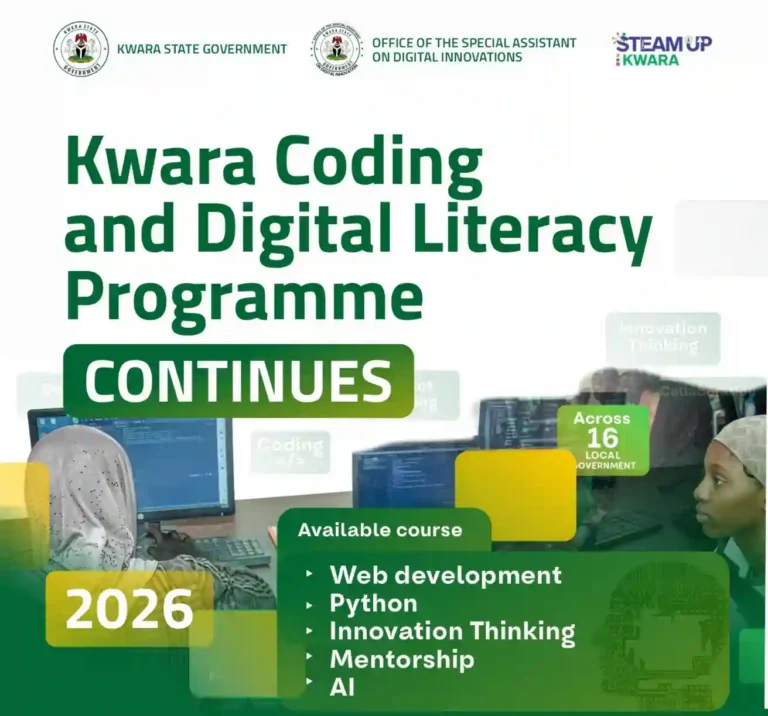
Kwara Govt Launches 2026 Coding and Digital Literacy Programme

The Kwara State Government, through the Office of the Special Assistant on Digital Innovations, has announced the commencement of the 2026 Coding and Digital Literacy Programme across 16 local government areas of the state.

The announcement was obtained by Nigeria Startup News in a statement shared on Friday via the X handle of Kwara Digital Innovations.

According to the statement, the 2026 session is designed to consolidate the gains recorded in the previous edition, which culminated in the Kwara Futures Exhibition.

“The 2025 session received widespread acceptance and concluded with the Kwara Futures Exhibition, which showcased the outstanding innovation and technical proficiency of Kwara’s youth,” the statement read.

It added that the exhibition underscored the effectiveness of the government’s sustained investment in digital education and youth empowerment across the state.

To ensure a smooth transition into the new academic cycle, the government issued specific directives to participating institutions based on their level of progress in the programme.

“For schools that launched their programmes in 2025, they are to begin with a comprehensive revision of their assigned tracks, focusing on either Coding or Digital Literacy to solidify foundational knowledge,” the statement said.

It further directed that schools yet to introduce the subjects must immediately commence with the Digital Literacy curriculum.

“Schools that have not yet introduced these subjects are mandated to begin with the Digital Literacy curriculum immediately to ensure all students gain essential 21st-century skills,” it stated.

The government explained that the 2026 curriculum has been expanded to include a blend of high-demand technical and soft skills aimed at preparing students for the evolving global tech ecosystem.

“The comprehensive 2026 curriculum encompasses Web Development, Artificial Intelligence (AI), Python Programming, Innovative Thinking, Project Building, and Mentorship,” the statement noted.

“These courses are designed to provide a holistic learning experience that prepares students for the complexities of the modern tech landscape,” it added.

Available courses for the 2026 session include Web development, Python, Innovation Thinking, Mentorship, and AI.

The statement disclosed that the rollout of the programme has the full approval and backing of AbdulRahman AbdulRazaq, who has ensured that necessary provisions are in place for its success.

“The 2026 rollout comes with the full approval and support of His Excellency, Mallam AbdulRahman AbdulRazaq CON, who has ensured that every necessary provision is in place for the programme’s success,” it stated.

The initiative, according to the government, remains central to its broader vision of transforming Kwara into a leading digital hub by equipping young people with competitive global skills.

School administrators and representatives were urged to align strictly with the outlined guidelines to sustain the standards achieved in the previous session.

Advertisement

Edo Govt to Move Farmers into Structured Commodity Markets

0

The Edo State Ministry of Business, Trade and Investment (MBTI) has reaffirmed the government’s commitment to revitalising the state’s economy through stronger trade systems and structured commodity markets. This followed a strategic meeting with the Nigeria Commodity Exchange (NCE) aimed at boosting trade and strengthening commodity value chains across Edo State.

Speaking during an engagement with the NCE management team in Abuja, the Commissioner for Business, Trade and Investment, Hon. Omoh Anabor, said the initiative is designed to stimulate rural economic activities, increase internally generated revenue, and position Edo as a leading hub for commodity trading in Nigeria.

He explained that the partnership seeks to move farmers and producers away from unstructured and informal markets where prices are often unclear and profits limited. According to him, integrating Edo producers into a more organised and transparent trading system will allow them to access real market prices, reduce exploitation by middlemen, and sell their commodities through a regulated platform.

Hon. Anabor noted that the collaboration will provide transparent pricing mechanisms, strengthen market linkages, and expand trade opportunities for farmers, processors, and exporters across the state. He added that improved access to reliable market information would empower local businesses to make informed decisions and plan better for growth.

Aligning the initiative with the Renewed Hope Agenda, he said Governor Monday Okpebholo is driving development through the state’s five-point SHINE agenda to build a secure, inclusive, and prosperous Edo State. He emphasised that working with the NCE would improve standards, warehousing systems, and quality assurance processes, making Edo commodities more competitive in both local and international markets.

The Managing Director of the NCE’s Abuja Office, Mr. Anthony Atoche, expressed readiness to collaborate closely with the Ministry. He assured that the Exchange would provide efficient trading platforms to guarantee fairness, transparency, and better returns for producers in Edo State.

NMDPRA Unveils Integrated CNG Refuelling Facility at OAU

0

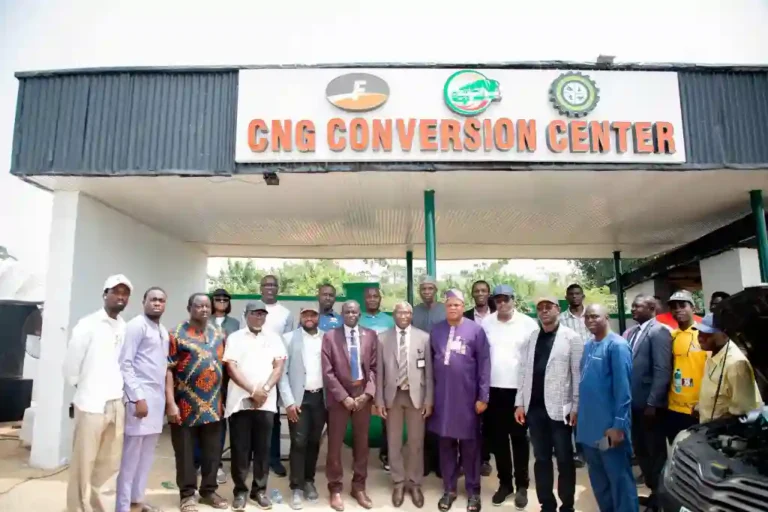
The Midstream and Downstream Gas Infrastructure Fund (MDGIF), a Directorate of the NMDPRA, has unveiled an integrated Compressed Natural Gas (CNG) refuelling facility at Obafemi Awolowo University (OAU), Ile-Ife, marking another milestone in its mandate to catalyse investments across Nigeria’s gas value chain and deepen domestic gas utilisation.

Speaking at the ceremony, the Executive Director, Mr Oluwole Adama, described the project as a practical demonstration of Nigeria’s gas-based energy transition. He noted that the OAU facility is one of 20 CNG refuelling projects being deployed across federal universities to promote cleaner mobility, expand access to gas infrastructure and deliver measurable socio-economic benefits. According to him, the initiative reflects ongoing efforts to expand domestic gas use and support cleaner transportation alternatives.

The Vice Chancellor, Prof Adebayo Simeon Bamire, commended the initiative, stating that the project, designed to serve both the university and the surrounding community, will foster research opportunities, practical learning and innovation in alternative fuels. He added that the facility will strengthen relations between the university and its host community, promote sustainable transportation and create shared economic value for stakeholders.

Group Managing Director and Chief Executive Officer, Engr Akinnola Fola, reaffirmed the company’s commitment to delivering safe, efficient and scalable CNG infrastructure nationwide through strong public and private sector collaboration.

The OAU CNG station is one of 20 projects under a collaboration involving MDGIF, FEMADEC Energy and the Presidential CNG Initiative (PCNGi) to build integrated CNG ecosystems across federal universities nationwide.

The project is designed to reduce transportation costs and pollution on campus. It will provide CNG buses and vehicle conversion services to students, staff and the neighbouring community, fostering cleaner mobility, practical research and broader community engagement.

FG to Train Over 5 Million TVET Trainees Under 2026 Budget

0

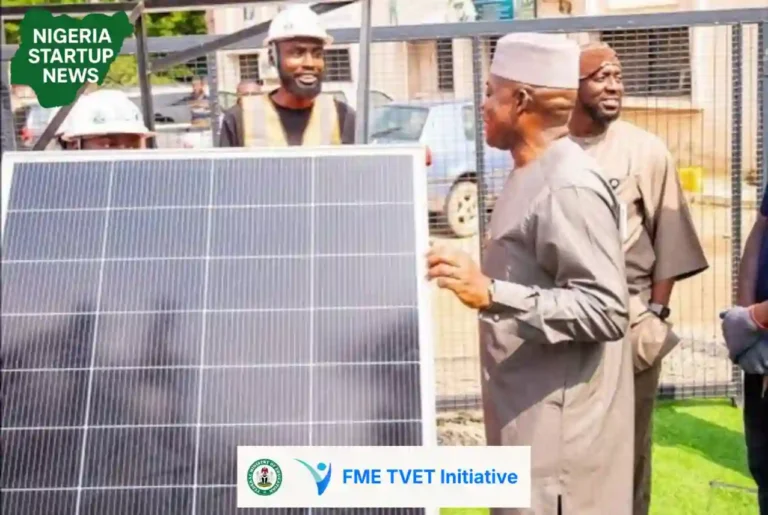
The Federal Government has placed Technical and Vocational Education and Training (TVET) at the centre of its ₦2.4 trillion 2026 education budget, with a clear target to equip over five million young Nigerians with employable and entrepreneurial skills.

The Minister of Education, , made this known while defending the Federal Ministry of Education’s 2026 budget proposal before the Joint Committees on Education of the National Assembly. According to him, expanding TVET is critical to addressing youth unemployment, closing skills gaps, and aligning Nigeria’s workforce with modern economic demands.

The 2026 framework, he explained, is structured to deliver measurable outcomes, not just allocations on paper. While universities, polytechnics, colleges of education, parastatals and Unity Colleges all received significant budgetary provisions, the expansion of TVET stands out as a strategic intervention focused directly on practical skills and job readiness.

Under the proposal, TVET expansion aims to provide structured training pathways that equip young people with technical, vocational and entrepreneurial competencies. The goal is not only to prepare them for paid employment but also to support them in building small and medium-scale enterprises that can create additional jobs.

The Minister stressed that appropriation must translate into execution and visible impact. He described rollover provisions as evidence that critical education projects, including vocational infrastructure and skill centres, will not be abandoned during fiscal transitions. This approach is expected to strengthen continuity in ongoing technical training initiatives across the country.

Beyond funding, the Ministry is also prioritising reforms in teacher recruitment and training to support technical education delivery. A shortage of over 3,500 teachers in Federal Unity Colleges, especially in science, mathematics and technical subjects, was highlighted during the budget defence. Addressing this gap is considered essential for strengthening the pipeline of students who can progress into vocational and technical pathways.

The TVET expansion aligns with the Ministry’s broader six-point education renewal agenda. This includes advancing STEMM education, reducing the number of out-of-school children, promoting girl-child education, deepening digitalisation, strengthening data-driven planning and enhancing community engagement. By integrating vocational training within this framework, the government aims to build a more inclusive and skills-oriented education system.

Lawmakers, however, emphasised the need for strict accountability. The Co-Chairman of the Joint Committee and Chairman of the Senate Committee on Education, , reminded the Ministry of the National Assembly’s constitutional mandate to scrutinise budget implementation and ensure that funds correspond with measurable physical progress.

“We must ensure that projects do not appear repeatedly in budget documents without visible execution. Our responsibility is to guarantee that public funds are tied to measurable delivery,” he said.

Other lawmakers, including and , requested detailed nominal rolls and Internally Generated Revenue submissions to ensure transparency and compliance with constitutional provisions.

Responding, the Minister assured the committees that comprehensive documentation would be submitted promptly. He described the engagement as a collaborative partnership anchored on accountability, efficiency and timely project completion.

The emphasis on TVET reflects growing recognition that academic degrees alone cannot solve Nigeria’s employment challenges. With millions of young people entering the labour market annually, practical and industry-relevant skills are increasingly seen as essential for economic stability and inclusive growth.

If effectively implemented, the planned expansion could reshape the country’s skills ecosystem by strengthening technical colleges, modernising training facilities, enhancing instructor capacity and linking trainees to real economic opportunities. The target of five million beneficiaries signals one of the most ambitious vocational education drives in recent years.

Following deliberations, the Joint Committees formally received and adopted the Ministry’s submission for further legislative consideration. Additional documentation is expected to be transmitted through the Permanent Secretary as requested.

As the 2026 budget process advances, the success of the TVET expansion will depend not only on allocation size but on consistent execution, monitoring and measurable outcomes that translate policy ambition into real opportunities for Nigerian youths.

Benue Flags Off Waste to Energy Initiative to Create 6,000 Jobs

The Benue State Government has flagged off a 90 Megawatts waste-to-energy project expected to create over 6,000 jobs by converting municipal and industrial solid waste into electricity and valuable by-products.

The project, located at Atumba village in Guma Local Government Area, is designed as a modern, technology-driven solution to waste management challenges while strengthening the state’s energy infrastructure.

It is structured as a partnership between Sectorlead Limited and the Benue State Government, directly supporting the Public-Private Partnership (PPP) agenda of the administration of His Excellency, Rev. Fr. Dr. Hyacinth Iormem Alia.

Speaking at the ceremony, Governor Hyacinth Alia said the facility would transform waste streams into electricity, alternative fuels, bio-fertilizer, methane-based products and recyclable materials.

According to him, the project is capable of delivering long-term environmental, industrial and energy transformation for Benue State.

He stated that the initiative would provide employment for over 6,000 people, attract international expertise and technical innovation into the state’s infrastructure development, improve energy reliability, reduce power deficits, stimulate investment in energy-dependent sectors and enhance public health outcomes.

Governor Alia called on the host community and the entire well-meaning sons and daughters of Benue to take ownership of the project.

He said it demonstrates the Alia-led administration’s commitment to making Benue State open and ready for business.

The governor was represented at the groundbreaking ceremony by his deputy, His Excellency, Barr. Dr. Sam Ode, mni.

NCDMB commissions upgraded clinical skills lab at Bayelsa Medical University

0

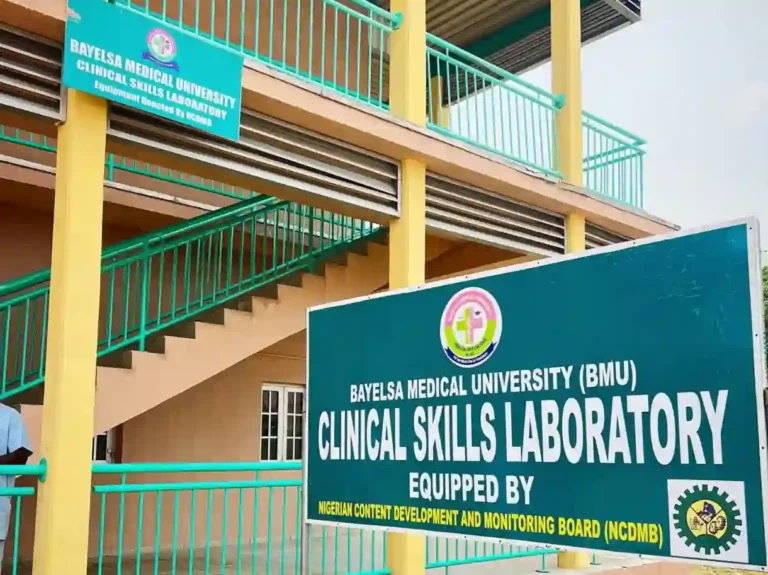
The has commissioned and equipped a state-of-the-art medical simulation laboratory at to strengthen medical education and build local healthcare capacity in Bayelsa State and across Nigeria.

The upgraded Clinical Skills Laboratory was officially commissioned in Yenagoa by the Executive Secretary of NCDMB, Engr. Felix Omatsola Ogbe, who was represented at the event by the Director of Planning, Research and Statistics, Mr. Ene Ette.

The modern simulation centre features a Virtual Reality Station, Paediatric and Airway Management Stations, an ECG and Patient Monitoring Station, an IV Fluids Administration and Cannulation Station, a Vital Signs and Catheterization Station, and a fully equipped Demonstration Hall. The facility provides a zero-risk environment where students can practice procedures and build competence before attending to real patients.

Bayelsa State Governor, Senator Douye Diri, represented by the Commissioner for Education, Dr. Gentle Emelah, alongside the Vice Chancellor, Prof. Dimie Ogoina, described the laboratory as a major milestone for human capital development, patient safety, and the training of indigenous healthcare professionals. They commended the Board for its continued partnership and investment in education.

Speaking at the ceremony, the Executive Secretary’s representative said the project reflects a deliberate investment in human capital and a clear example of policy translating into measurable outcomes. He noted that simulation-based learning is now a global standard in medical education, improving hands-on skills, clinical decision-making, and confidence.

He added that the initiative will reinforce local capacity, advance clinical research, support talent retention, and urged the university management to ensure proper maintenance and sustainability of the facility.

NYFF opens 2026 Youth Leadership Development Fund Grant Applications

0

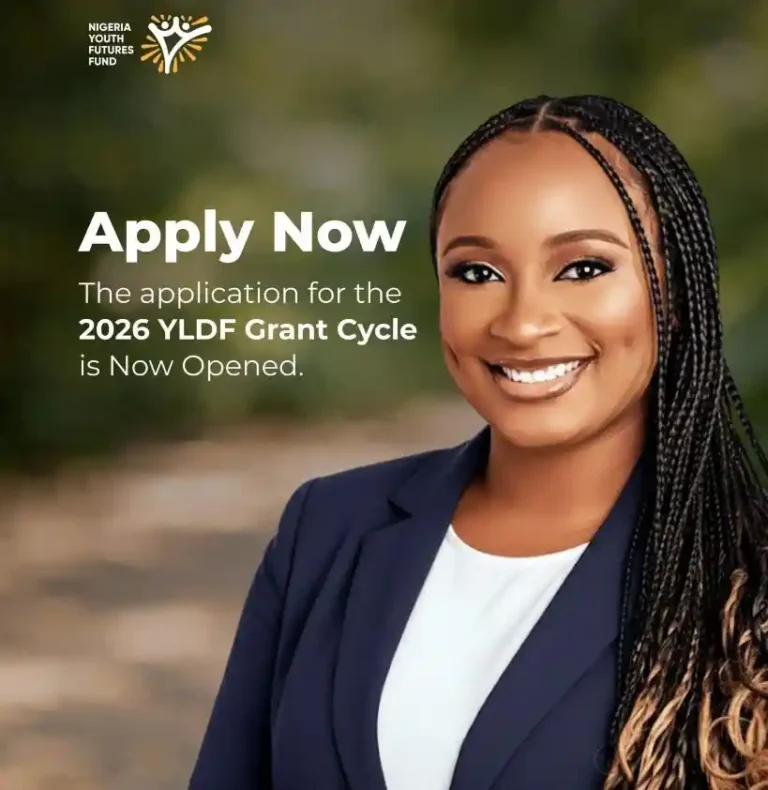
Applications are now open for the 2026 Youth Leadership Development Fund (YLDF) Grant Cycle under the Nigeria Youth Futures Fund (NYFF). This funding opportunity offers grants of up to $10,000 to support youth-led initiatives and organizations working to strengthen Nigeria’s youth ecosystem.

The fund is designed to empower young leaders and organizations that can serve as regional hubs aligned with the programme’s thematic focus areas. The grant is co-funded by the MacArthur Foundation, Ford Foundation, and Luminate Group.

The Nigeria Youth Futures Fund (NYFF) is a five-year collaborative initiative led by LEAP Africa in partnership with the MacArthur Foundation, Ford Foundation, and Luminate Group. The programme aims to strengthen youth leadership in Nigeria through outcome-driven policy engagement and inclusive funding that enables young people to actively shape the country’s long-term development plans. The 2026 YLDF Grant Cycle targets bold, impact-driven young leaders and organizations ready to transform ideas into measurable results.

The grant structure includes two main categories. The Small Grant provides $1,000 in funding, while the Development Grant offers up to $10,000. Available grant programmes include the Individual and Development Grant Application as well as the Catalyst Grant Application.

At the individual level, applicants must be Young Change Makers aged 18 to 35 with a proven track record of implementing sustainable solutions that address the programme’s thematic areas. Applicants must demonstrate strong knowledge of youth activism, strategic planning, and project management. They should also show experience in community or team building rooted in honesty and integrity. Passion, creativity, and innovative thinking are essential. Each applicant must present valid identification or be affiliated with a recognized institution and provide two reputable referees.

At the organizational level, applicants must be formally registered with the Corporate Affairs Commission (CAC) of Nigeria or any other relevant state registration body. Unregistered groups may apply through a registered partner organization. Eligible organizations must be youth-driven civic or transformation-focused entities working on sustainable solutions within the thematic areas. They must demonstrate a credible track record, possess a SCUML certificate and other required legal documents, maintain a physical office address and corporate bank account, and show strong reach within their proposed state of implementation. Financial records reflecting good standing and two reputable referees are also required.

Applicants must submit a concept note or proposal of no more than 3,000 words, following the provided guidelines and template. To apply, visit: https://leapafrica.smapply.io/prog/lst/

Borno State University to Train Female Students on AI and Data Analytics

0

Borno State University, also known as Kashim Ibrahim University (KIU), and the Centre for Advocacy Transparency and Accountability Initiative (CATAI) have entered into separate agreements with Maxzeeton Technology to provide intensive training in Artificial Intelligence (AI) and digital skills for female undergraduates and fresh graduates.

The university and CATAI signed separate Memorandum of Understanding (MoU) with Maxzeeton Technology, an indigenous ICT firm, in Maiduguri. The partnership is designed to train selected female undergraduates and recent graduates in digital skills that can lead to job creation and improved career opportunities.

Under the agreement, selected female undergraduates, particularly final-year students, and fresh graduates will undergo a six-month capacity-building programme focused on data analytics and Artificial Intelligence. The initiative is expected to equip participants with practical knowledge that aligns with current demands in the technology sector.

Vice Chancellor of KIU, Prof. Babagana Gutti, who signed on behalf of the institution, described the partnership as timely and strategic. He noted that digital skills have become critical in the modern labour market.

He said the collaboration aligns with the university’s vision of equipping students with practical competencies that respond to emerging global employment trends, especially in technology-driven sectors. According to Gutti, strengthening students’ expertise in AI and data analytics will improve their competitiveness and expand their opportunities beyond traditional career paths.

Chief Executive Officer of Maxzeeton Technology, Abdullahi Usman Abbati, explained that the initiative is specifically tailored for transitioning students, including final-year undergraduates and recent graduates of KIU. He said the programme is designed to bridge the gap between academic learning and workplace demands by providing hands-on training in digital tools and real-world applications.

“The training is under the Data Analytics and Artificial Intelligence Fellowship Programme,” Abbati said. He added that it aims to support participants as they transition into employment, entrepreneurship or advanced digital careers.

Abbati further noted that the fellowship would expose beneficiaries to practical projects, mentorship opportunities and industry-relevant certifications intended to boost employability.

The Centre for Advocacy Transparency and Accountability Initiative, also a signatory to the agreement, said the initiative forms part of its broader commitment to youth empowerment and gender inclusion in emerging sectors of the economy.

Stakeholders at the signing ceremony expressed optimism that the collaboration would help address youth unemployment challenges, particularly among women in the North-East region. They said investing in AI and data analytics skills would not only open up remote and global job opportunities for participants but also encourage innovation and technology-driven entrepreneurship within the state.

The partnership reflects a growing recognition among academic institutions and private sector players of the need to integrate digital competencies into higher education frameworks. With the six-month training programme expected to commence soon, organisers said the initiative marks a significant step toward preparing female students and graduates for opportunities in Nigeria’s expanding digital economy and the global technology marketplace.

Sanwo-Olu Unveils Invest Lagos 3.0 in Partnership with CWEIC

0

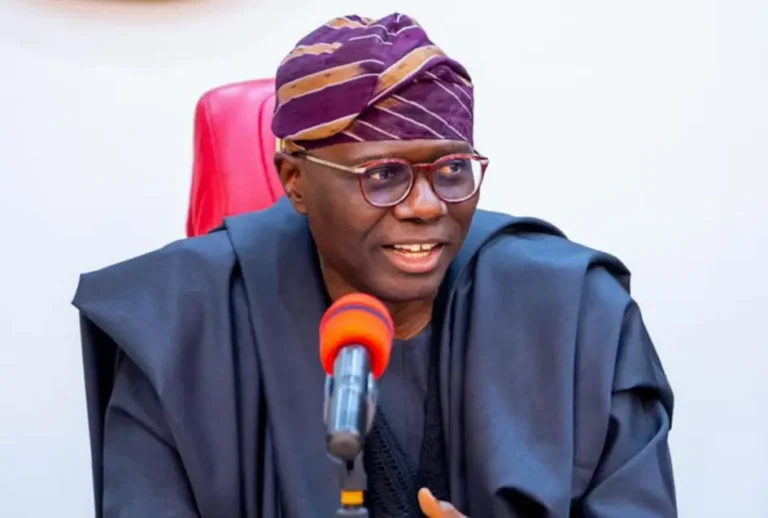
Lagos State Governor, Babajide Sanwo-Olu, has unveiled Invest in Lagos Summit 3.0, the state government’s flagship international investment platform for 2026, in partnership with the Commonwealth Enterprise and Investment Council (CWEIC).

The governor disclosed details of the forthcoming summit, scheduled for June 2026, while addressing journalists alongside the Chief Executive Officer of CWEIC, Samantha Cohen, at Lagos House, Marina, on Thursday.

Speaking at the media conference, Sanwo-Olu said Invest Lagos 3.0 was deliberately designed to consolidate Lagos’ position as Africa’s leading subnational gateway for capital flows, trade integration, financial innovation and infrastructure development.

“Our ambition is clear. Lagos must not only attract capital, but it must also structure capital. It must not only host investment conversations, but it must also convert them into deployable pipelines. Invest Lagos 3.0 aligns directly with our long-term development priorities as articulated under the T.H.E.M.E.S+ Development Agenda and the Lagos State Development Plan 2052,” he said.

The governor noted that the previous editions of the summit laid a solid foundation for stronger global engagement.

“Over the past two editions—Invest Lagos 1.0 and 2.0—we have strengthened Lagos’ global investment visibility, catalysed structured engagement with capital providers, and deepened strategic conversations around bankable projects across priority sectors,” Sanwo-Olu stated.

He explained that the 2026 edition would scale the platform further through its partnership with CWEIC, describing the council as a globally respected institution that connects governments, private sector leaders and capital networks across the Commonwealth of Nations.

“This year, we are deliberately scaling the platform further through a strategic partnership with CWEIC, a globally respected institution that connects governments, private sector leaders and capital networks across the Commonwealth of Nations. With this expanded collaboration, we are strengthening our capacity to mobilise global capital, deepen cross-border trade relationships, and position Lagos State as a premier destination for large-scale, transformative investment. It reflects a shared commitment to structured capital mobilisation, disciplined project presentation and measurable transaction outcomes,” he said.

Sanwo-Olu added that beyond attracting capital, the summit was structured to drive sustained private sector investment that would expand gross domestic product and strengthen internally generated revenue for both Lagos State and Nigeria.

According to him, structured investment inflows into productive sectors will generate output, stimulate enterprise growth, deepen value chains, broaden the tax base and reinforce fiscal sustainability.

“Let me state clearly: Invest Lagos 3.0 is not a ceremonial gathering. It is a transaction-focused investment platform built for capital alignment and project conversion. Its architecture is intentional. Its processes are structured. Its outcomes are measurable. Every element of the summit has been carefully designed to support disciplined engagement between project sponsors and capital providers,” the governor said.

He outlined key sectors that would benefit from the structured investment approach.

“Under these frameworks, we are scaling transport infrastructure across road and rail corridors, strengthening logistics and port connectivity, investing in renewable energy systems, expanding digital infrastructure, accelerating housing development, deepening healthcare delivery systems, and building industrial growth corridors that connect production to markets,” he said.

In her remarks, Samantha Cohen described Lagos as an important city in both Nigeria and Africa and expressed readiness to deepen collaboration with the state government.

“Lagos has built something exceptional as a CWEIC partner. The state investment programme enables trade facilitation, and we will be glad to showcase what Lagos has to offer as we jointly deliver a summit where policy meets capital,” she said.

Cohen added that CWEIC would leverage its international network to attract investors to the summit.

“We will bring international investors here through the Commonwealth private sector hub across 56 countries, with 25 partners in Nigeria. We are indeed deeply grateful for the trust and partnership,” she stated.

Earlier in her opening remarks, the Commissioner for Commerce, Cooperatives, Trade and Investment, Folashade Bada-Ambrose, said global capital increasingly moves toward jurisdictions that demonstrate credible leadership, institutional clarity, bankable project pipelines, disciplined governance and defined execution frameworks.

“Investment competition now extends beyond national positioning. Subnational governments like Lagos now compete directly by differentiating themselves through governance quality, policy coherence and transaction ecosystem strength. Lagos recognises this structural shift and has positioned itself to compete effectively within it,” she said.