

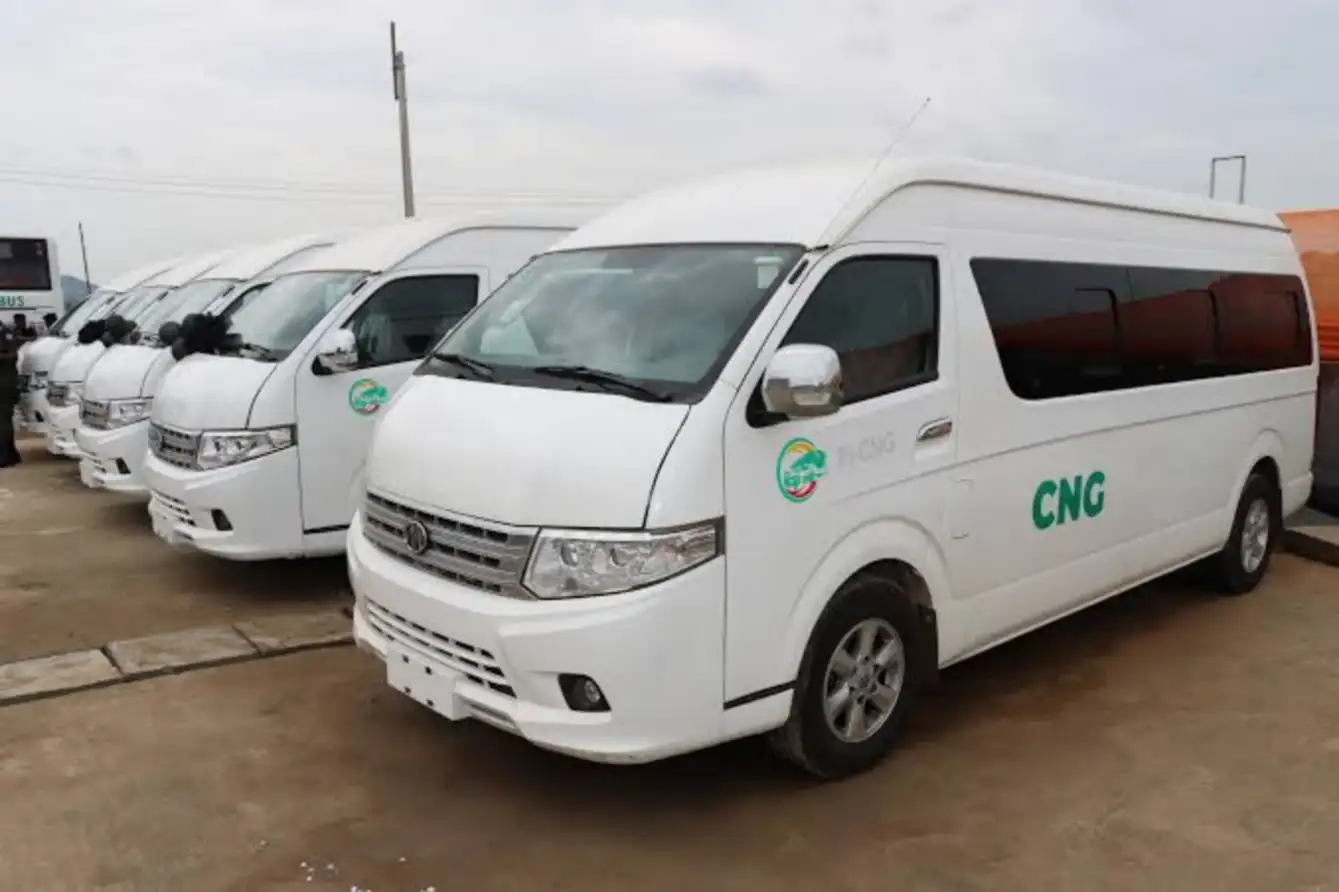
Nigeria marked World Sustainable Transport Day on Wednesday with a strong focus on cleaner and more affordable mobility, highlighted by major progress from the Presidential Initiative on Compressed Natural Gas and Electric Vehicles. Working with private sector partners, Pi-CNG announced that it has enabled the deployment of over 200,000 natural gas-powered vehicles and nearly 10,000 electric vehicles across the country, a move the Initiative says is paving the way for millions of Nigerians to enjoy cheaper and cleaner transport options.
In a statement released in Abuja, the Initiative reaffirmed its commitment to reshaping transportation in Nigeria. It noted that the global celebration of World Sustainable Transport Day serves as a reminder of the need to make daily mobility more sustainable for future generations. According to the Initiative, transportation remains central to the daily lives of millions of Nigerians who rely on buses, kekes, taxis, and private vehicles to move to work, school, markets, places of worship, and to meet family and friends.
The statement explained that transportation can take up 20 to 25 percent of household income, with many citizens spending a large part of their earnings on fuel. It added that long hours in traffic and high emissions continue to affect air quality and public health. The Initiative stressed that “business as usual is no longer an option.”
It said it is accelerating the shift toward cleaner and more cost-effective energy sources to help Nigerians reduce dependence on high-cost and high-emission fuels. The deployment of CNG and EV technology, the Initiative stated, is aimed at improving quality of life and creating long-term environmental benefits.
Barrister Ismaeel Ahmed, Executive Chairman of Pi-CNG, encouraged Nigerians to support the move toward cleaner mobility, saying the day offered an important reminder to make “one smart choice, one clean kilometre at a time.”

