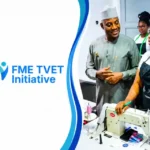




A1 Info.Tech, a non-governmental organisation, has announced plans to train no fewer than 5,000 Nigerians annually in mobile phone building, repair, and digital technology skills, in a move aimed at addressing unemployment and deepening local capacity in the tech ecosystem.
Chief Executive Officer of the foundation, Ogbeni Issa Iyiola, said the programme is structured to equip participants with practical, income-generating skills in areas such as artificial intelligence, coding, and cybersecurity, aligning with global trends in digital innovation.
He revealed that the organisation has procured specialised equipment from China to support hands-on training, including the assembly of mobile phones from scratch, describing the investment as a deliberate effort to narrow Nigeria’s technology gap and reduce reliance on imports.
According to Iyiola, the initiative is designed to deliver a ripple effect across communities, as trained beneficiaries are expected to transfer knowledge and replicate skills within their local environments.
“If we train 5,000 people and even 400 of them establish their own businesses, the impact on job creation and small-scale enterprise development will be significant,” he said.
The CEO noted that A1 Info.Tech has sustained empowerment programmes for over five years, adding that the current initiative builds on existing experience while introducing more structured pathways into entrepreneurship.
He explained that support mechanisms have been put in place to ease entry into business for participants, including flexible payment options for essential tools and opportunities to gain practical experience under the organisation before launching independently.
The training will span a wide range of devices, including premium brands such as Apple, alongside broader digital skills courses designed to enhance employability.
While seeking collaboration with government agencies and development partners, Iyiola acknowledged that the existing facility in Ilorin may not accommodate the scale of the planned rollout.
“We are focused on building capacity from the grassroots. The goal is to empower people here first and then scale across the nation,” he said.
The programme is scheduled to commence on May 1, with both physical and online learning options, and will also introduce entry-level modules for participants as young as 10 years.