


The Federal Government says Nigerian students studying abroad under the Bilateral Education Agreement (BEA) scholarship programme will soon receive the remaining ₦4 billion owed to them after months of complaints over delayed allowances and financial hardship.
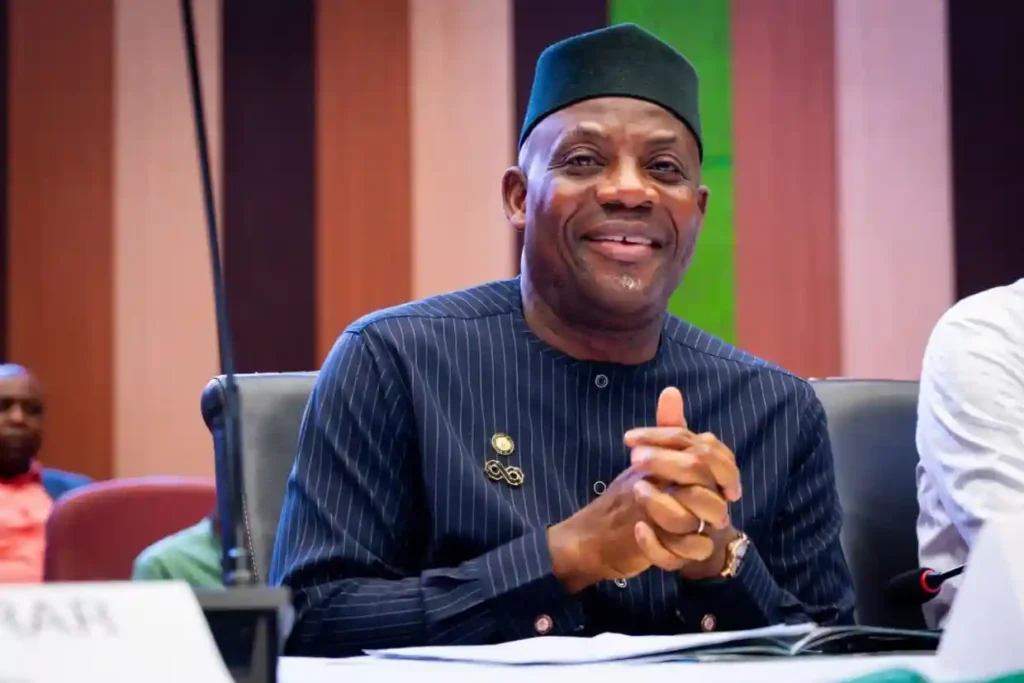
Minister of Education Tunji Alausa disclosed this during an interview on Channels Television’s Politics Today, where he addressed growing concerns from Nigerian students affected by unpaid scholarship funds.
According to the minister, the government has already paid ₦4 billion out of the ₦8 billion owed under the foreign scholarship arrangement, while the remaining ₦4 billion is expected to be approved and released within weeks.
“We’ve settled ₦4 billion already. The additional ₦4 billion will be approved in the next two weeks,” Alausa said.
He added, “It’s our obligation to them and we will pay.”
The development comes after several reports and online videos from Nigerian students abroad alleging abandonment by the government due to delayed stipends and unpaid support funds.
The BEA scholarship scheme was created through agreements between Nigeria and foreign partner countries to sponsor Nigerian students in specialised areas of study overseas.
However, the minister said the programme was heavily abused over the years and no longer reflected its original purpose.
According to him, some students were being sponsored to study courses that Nigerian universities already offer locally.
“The first file they brought to my desk was for me to approve ₦650 million for about 50 Nigerian students going to Morocco,” he said.
“As I looked through the courses, some students were going to study English in a French-speaking country.”
Alausa also alleged that investigations uncovered cases where some beneficiaries receiving foreign scholarship payments were simultaneously studying in Nigerian universities.
“We also had incidences of kids that got this scholarship that were studying in Nigerian universities getting the money,” he stated.
The minister explained that the BEA programme was originally intended for highly specialised courses such as engineering, medicine, aeronautics and science, especially during periods when Nigeria lacked training capacity in those fields.
“That was not the way bilateral education agreement was designed,” he said.
According to him, Nigeria’s education system has developed significantly over the years, reducing the need to sponsor students abroad for general academic programmes.
“We’ve built capacity. The schools they’re going to in some of these countries, our own education system is much better now,” the minister added.
Despite the concerns raised about the programme, Alausa maintained that the Federal Government would honour all obligations owed to students already covered under the scholarship arrangement.
The minister said discussions have continued with the Ministry of Finance to ensure the outstanding balance is released and affected students receive their payments.