Home Blog Page 117

TVET Centres Begin Biometric Attendance Nationwide

0

Technical and Vocational Education and Training (TVET) centres have commenced the use of biometric methods for taking trainee attendance across various states in the country. The verification process is linked to the payment of monthly stipends, as only verified trainees will be eligible for payment.

In a notification by one of the centres obtained by Nigeria Startup News on Sunday, the administrator stated: “Please be informed by this notice that the biometric method of taking attendance (as earlier communicated) will officially commence on Monday. Fingerprint capturing will be carried out the same day, 09/02/2026, by 8:00am.

“Also, note that attendance will henceforth affect the payment of your monthly stipends.”

At some centres, biometric capturing will be conducted on Tuesday, January 10, 2026, by 8:00am, depending on the skill or course.

Trainees who are not captured will automatically be considered not registered for the TVET programme.

Many TVET trainees have reacted negatively to the development, as some are still expecting pending stipends, while others face challenges reaching their centres due to distance. As for the distance problem, FME reopened portal for 2026 TVET centre registration.

This development follows an earlier email from the Federal Ministry of Education to training centres dated January 8, 2026, directing the purchase and mandatory use of biometric attendance devices for all accredited TVET training centres.

Training centres have also been provided with approved software applications to be used on the biometric devices.

All centres are required to commence biometric verification for daily trainee attendance recording. Centres that fail to comply will be deregistered from the programme, and their trainees reposted to other centres. Trainees who are not captured will also not receive the ₦22,500 monthly stipend.

Advertisement

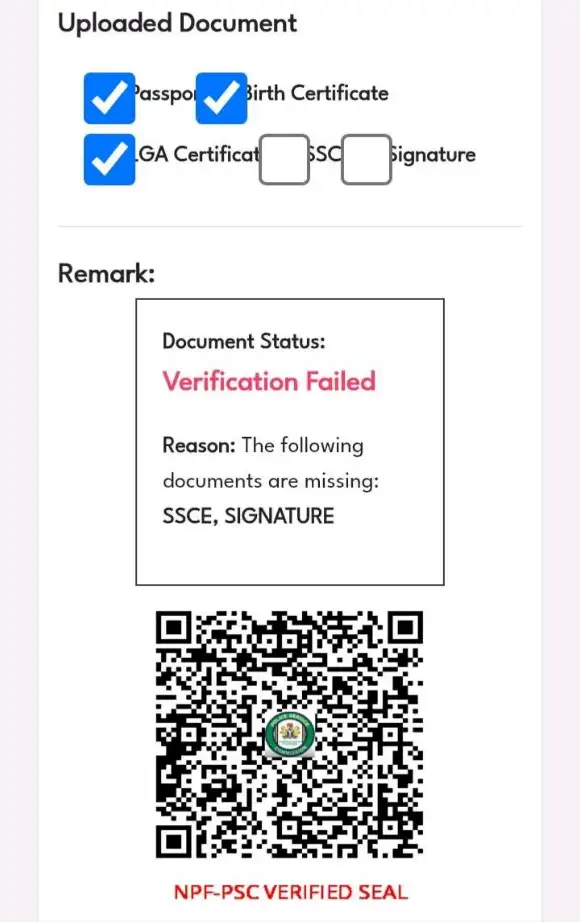
NPF applicants confirm status, upload documents before portal closes

Nigeria Police Force (NPF) 2025/2026 applicants should note that the closing date is today, 8 February 2026.

This notice is especially important, as some applicants submitted their applications without uploading all the required documents due to one reason or another.

Applicants are therefore advised to log in to their application dashboard to:

  1. Confirm their current application status
    (Check for any documents that may require updating).
  2. Upload any missing or required documents where applicable, including:
    a. O’Level result
    b. Birth certificate
    c. Certificate of indigene
    d. Signature

Please check your application status today before the portal closes via https://npfapplication.psc.gov.ng/print-slip.

EFInA selects fellows for N4m research grant on Financial Inclusion Impact

Enhancing Financial Inclusion and Advancement (EFInA) has selected three fellows for its inaugural EFInA Research Fellowship Programme, with each fellow set to receive N4 million in research grant support aimed at strengthening evidence-based financial inclusion in Nigeria.

The fellowship is an eight-month initiative that marks a strategic shift in Nigeria’s financial inclusion agenda, moving from a long-standing focus on access and uptake to a deeper examination of impact and outcomes such as financial health, household resilience, livelihood sustainability, and women’s economic empowerment.

While Nigeria has recorded steady gains in expanding access to formal financial services, EFInA said questions remain about whether this access is translating into tangible benefits for households, small businesses, and underserved populations.

Launched under the theme “Evaluating the Impact of Financial Services on the Lives and Livelihoods of Nigerians,” the programme is designed to support applied, policy-relevant research examining how financial services function in practice across formal, informal, and digital channels, and the conditions under which they generate meaningful economic and social outcomes.

Speaking at the launch, EFInA’s chief executive officer, Foyinsolami Akinjayeju, said Nigeria’s financial inclusion journey has reached a critical inflection point.

“Financial inclusion must deliver real outcomes—better financial health, resilience, livelihoods, and women’s economic empowerment—not just access,” she said. “The EFInA Research Fellowship will generate rigorous, Nigeria-specific evidence on what truly works, what needs to change, and what can be expanded to deliver outcomes at scale.”

She added that the programme is structured to bridge the persistent gap between research and decision-making in the financial sector.

“By examining how policies, programmes, and financial products work in practice, the fellowship will produce insights that directly inform better policy choices and product design,” Akinjayeju said.

Each fellow will receive N4 million in research grant support to cover fieldwork, travel, and research tools, alongside structured monthly mentorship from senior researchers, policymakers, and industry professionals.

Fellows will also gain access to EFInA’s data assets, including its Access to Finance (A2F) survey reports, one of Nigeria’s most comprehensive demand-side datasets on financial inclusion.

Beyond funding, EFInA said the programme places strong emphasis on research quality, relevance, and uptake. Fellows will participate in monthly capacity-building workshops covering research design, impact evaluation, gender-responsive analysis, and policy engagement.

These workshops will be delivered in collaboration with institutions such as Innovations for Poverty Action (IPA), J-PAL, Lagos Business School, the Central Bank of Nigeria, and international development partners.

According to EFInA’s research lead, Oluwatomi Eromosele, the fellowship responds to a long-standing evidence gap in Nigeria’s financial inclusion ecosystem.

“Access alone is no longer sufficient,” she said. “The critical question is whether financial inclusion is translating into better financial health, greater resilience to shocks, improved livelihoods, and meaningful economic opportunities for women and underserved groups.”

She noted that EFInA is prioritising research that is both credible and usable.

“We are investing in rigorous, Nigeria-specific evidence and translating findings into practical, decision-oriented outputs that directly inform policy, regulation, and product design,” Eromosele said.

The fellows will explore research questions across priority themes, including financial health and household resilience amid economic and climate shocks; the role of financial tools in supporting MSME growth and informal livelihoods; women’s economic empowerment through digital and group-based savings mechanisms; and trust, service experience, and satisfaction across financial channels.

The 2025 EFInA Research Fellows are Sarah Edewor, an agricultural economist and development researcher; Abdulmumin Usman, a policy and political economy researcher; and Abdullahi Ibrahim, a measurement, evaluation, research, and learning practitioner.

A core objective of the fellowship is to reduce Nigeria’s reliance on financial inclusion evidence drawn from other developing contexts such as India and Bangladesh, which EFInA said do not fully reflect Nigeria’s institutional, cultural, and market realities.

By generating locally grounded evidence, EFInA aims to equip policymakers, regulators, financial service providers, and development partners with insights tailored to Nigeria’s context.

Fellows will present interim findings during the programme and showcase their final research outputs at EFInA’s Annual Research Symposium in May 2026.

Final outputs will include peer-reviewed research papers, policy briefs, and practitioner-focused knowledge products disseminated to stakeholders.

The EFInA Research Fellowship aligns with Nigeria’s National Financial Inclusion Strategy (NFIS) 2024–2027, which places renewed emphasis on trust, innovation, consumer outcomes, and inclusive growth nationwide

LIFE-ND reaches 14,155 farmers out of 25,000 targeted in Niger Delta

At mid-term, the Livelihood Improvement Family Enterprises in the Niger Delta (LIFE-ND) programme has reached more than 14,155 smallholder entrepreneurs and farmers out of a target of 25,000, marking a significant milestone in an initiative designed to transform agriculture and improve food security across the Niger Delta region. The figure reflects the number of beneficiaries engaged through training, incubation, and enterprise support under the programme, rather than funds disbursed, and highlights the scale of participation recorded so far.

LIFE-ND was established about seven years ago as a special purpose vehicle created to drive food security and agricultural revolution in the Niger Delta. The programme was designed to manage funds raised by the International Fund for Agricultural Development (IFAD), a United Nations agency, and the Niger Delta Development Commission (NDDC). Under the funding structure, IFAD committed $60 million to the programme, while the NDDC provided $30 million, bringing total financing to $90 million.

The Federal Government and IFAD quota came early, allowing projects to commence in six states of the Niger Delta. By contrast, the NDDC’s contribution began coming in tranches in late 2024, enabling implementation to start in the remaining three states. This phased funding arrangement shaped the gradual expansion of LIFE-ND activities across the region.

The Niger Delta is widely known for its abundant natural resources, particularly crude oil and natural gas, which have long dominated its economic narrative. Beyond hydrocarbons, the region is also endowed with some of Nigeria’s most fertile land. Despite this natural advantage, experts note that many residents have not enjoyed the full benefits of the region’s resources, a situation largely attributed to decades of environmental degradation.

Before oil assumed centre stage in Nigeria’s economy, agriculture was the backbone of livelihoods in the Niger Delta. More than 95 per cent of the region’s population was engaged in farming and fishing. However, since Shell struck oil in Oloibiri in 1956, oil spills have repeatedly polluted water bodies and farmlands, while gas flaring has released harmful emissions into the air. These developments have steadily eroded traditional livelihoods, particularly for farmers and fishermen.

Nigeria’s growing dependence on crude oil revenue has further weakened agriculture nationwide. According to Ifeatu Agbu, a communications expert attached to the NDDC, this dependence resulted in inadequate investment in the agricultural sector over the years, despite its potential to support employment, food production, and export earnings.

To address this imbalance, the Federal Government and several of its agencies have intensified efforts to revive agriculture. These efforts are aimed at enabling Nigeria to produce enough food to feed its population, supply raw materials to local industries, and generate surplus for export. LIFE-ND was introduced in 2019 as part of this broader strategy to reposition agriculture as a driver of inclusive growth.

The objective of LIFE-ND is to enhance income, improve food security, and create jobs for rural youth and women through sustainable agri-enterprise development in the Niger Delta. The programme is structured to move beneficiaries away from subsistence farming into commercial and sustainable agricultural practices capable of delivering long-term economic benefits.

The $90 million LIFE-ND programme, jointly financed by IFAD, the Federal Government, and the NDDC, promotes projects designed to shift Niger Deltans toward commercial farming and agribusiness. Rather than a one-off empowerment exercise, the programme emphasises training, incubation, mentorship, and gradual enterprise development.

According to Abiodun Sanni, the National Project Coordinator of LIFE-ND, the programme’s implementation period is structured into two phases of six years each. He explained that the project effectively kicked off in 2020, with the first phase designed to run from 2019 to 2025.

Sanni said that noticeable changes in agricultural practices across the Niger Delta are already evident. He described the programme as “an eloquent testimony of the Federal Government’s concern and determination to create a massive impact in the Niger Delta,” noting that beneficiaries are increasingly adopting improved farming and business methods.

He said the success recorded in the initial six states provided a strong foundation for expansion into newly funded states such as Akwa Ibom, Imo, and Rivers. The first set of states, funded through IFAD support, include Abia, Bayelsa, Cross River, Delta, Edo, and Ondo.

Explaining the scale of activities in these states, Sanni said, “For the six states where LIFE-ND has already taken root, we have seen results that are nothing short of inspiring—10 LGAs per state, 10 communities per LGA, each one a testament to the possibilities when we cultivate the right partnerships and persevere in the face of challenges.”

He added that a mid-term assessment of the programme shows encouraging progress. “A mid-term assessment of the LIFE-ND programme indicates that many stakeholders are satisfied that the project has impacted more than 50 per cent of its target beneficiaries and has significantly reversed negative narratives about the Niger Delta,” Sanni said.

To build on these gains, the NDDC and IFAD on September 13, 2024, launched the LIFE-ND project in Akwa Ibom, Imo, and Rivers states. The launch brought these states into the programme alongside the six already participating states.

Speaking at the launch in Port Harcourt, the Managing Director of the NDDC, Samuel Ogbuku, said the LIFE-ND programme aligns with the priorities of President Bola Ahmed Tinubu’s administration, which recently declared a state of emergency on agriculture.

Ogbuku said, “This project is not just ploughing through the fields of agribusiness. It is breaking new ground, cultivating opportunities for wealth and stability. And as we launch this initiative, we are ushering in new possibilities.”

He noted that agribusiness had previously seemed out of reach for many in the region. “In the past, agribusiness seemed out of reach for many. But today, we bridge that gap, opening the doors to entrepreneurship, financial independence, and sustainable livelihoods,” he said.

According to Ogbuku, the NDDC stands as a co-sponsor of the initiative alongside the Federal Ministry of Agriculture and Food Security, with IFAD providing support. He said the LIFE-ND project is expected to transform the lives of over 38,000 direct beneficiaries, with additional indirect benefits reaching many more people across the Niger Delta.

“We are reaffirming our commitment to ensuring that our youth and women not only participate in the economy but lead the charge building businesses that uplift their families, their communities, and their futures,” Ogbuku said.

He described the partnership with IFAD as a strong and enduring collaboration. “The partnership with IFAD is a strong vine, one that will continue to grow and bear fruit. With IFAD’s $60 million investment and NDDC’s $30 million contribution, we are fertilising the ground for a brighter future,” he said.

According to him, the essence of LIFE-ND is to enhance income and livelihoods, provide food security, and create jobs on a sustainable basis throughout the region.

As part of routine oversight, officials of the NDDC and LIFE-ND recently inspected agricultural incubation centres in Akwa Ibom, Imo, and Rivers states to evaluate the programme’s performance in rural communities.

During an inspection of Megalakes Farms in Ogu Town, Rivers State, Winifred Madume, Director of Agriculture and Fisheries at the NDDC, said the exercise was aimed at assessing implementation. “This oversight function is to ensure that the training is on track with its mandate,” she said.

Madume added that the NDDC’s commitment to counterpart funding and rural economic transformation aligns with the agricultural development objectives of President Tinubu’s Renewed Hope Agenda. She explained that the inspection allowed officials to engage directly with incubatees across different batches and identify areas for improvement.

She said the three-day inspection covered incubation centres in Delta, Imo, and Akwa Ibom states and involved collaboration among the NDDC, IFAD, the Federal Government, and participating state governments.

Abi Morris, Special Assistant on Agriculture to the NDDC Managing Director, expressed satisfaction with the level of implementation and the enthusiasm displayed by young agripreneurs. He made this observation during a visit to a training centre in Sogho, Khana Local Government Area of Rivers State.

“This programme is a clear demonstration of development in action. It goes beyond training to unlocking livelihoods and reshaping mindsets. The Commission will continue to support initiatives that equip our youth with the skills and resources to succeed. We have taken note of the challenges faced by these young agripreneurs and ensured that necessary adjustments are made,” Morris said.

Beneficiaries have also shared their experiences. In Sogho, Rivers State, Nzhu Salome thanked the NDDC for the initiative, noting that the programme equipped her with the knowledge and funding needed to establish her own garri marketing enterprise.

During oversight activities in Imo State, Tonye Frank-Oputu, Director II, Agriculture and Fisheries at the NDDC, emphasised the importance of the initiative while commending incubatees for their progress. “The incubatees have shown sheer dedication and have achieved a lot so far. Their progress is clear evidence that the opportunities provided under the LIFE-ND programme are being effectively utilised,” he said.

Also in Imo State, Ibigineh Doreen, an incubatee at Ibiasoegbe in Oru West Local Government Area, commended the programme for significantly improving her fish farming venture.

In Akwa Ibom State, Oretan Adebowale, a Director in the Ministry of Agriculture and Fisheries, urged beneficiaries in Adiasim Ikot Essin in Essien Udim LGA to apply the knowledge gained to drive sustainable agriculture in their communities. “From our interactions and observations, it is evident that the incubation model is efficient,” he said.

Another incubatee, Ohaka Emmanuel, thanked the NDDC and the Federal Government for the initiative and expressed gratitude for being selected for the third batch. He said, “This training has given me the opportunity to learn fish production, processing and marketing. I also appreciate my incubator for the knowledge acquired.”

For Victor Antai, the NDDC Executive Director, Projects, LIFE-ND represents a coordinated effort to tackle community challenges and harness opportunities for growth. He said the partnership with IFAD has been central to improving agricultural productivity in the region.

“Our partnership with IFAD has been instrumental in empowering our farmers and enhancing agricultural productivity. This partnership dates back to 2005 when NDDC supported an initiative of the Federal government with a matching fund with IFAD in the sum of $15 million for the Community Based Natural Resource Management Programme – Niger Delta,” Antai said.

Speaking on the programme’s progress, IFAD Country Director Dede Ekoue said, “At mid-term, the programme planned to reach 25,000 small holder entrepreneurs and farmers has already reached 14,155 and more.”

She added that LIFE-ND has been selected to share its experience at the West and Central Africa level, noting that innovation is a key feature of the programme. “One of the innovations is introducing Information Communication Technology for supporting rural farming for development,” she said.

Ekoue described the collaboration with the NDDC as a success and reaffirmed IFAD’s commitment to the programme. “I would like to reiterate that IFAD remains a steadfast partner in supporting the development of sustainable rural livelihoods in the Niger Delta region and Nigeria as a whole,” she said.

She added, “We are confident that, through continued collaboration and innovation, LIFE-ND will continue to empower rural communities and contribute to a more prosperous, food-secure future for all.”

Ekoue also commended the NDDC for fulfilling its financial obligations to the initiative. “We appreciate the dedication of NDDC to strengthening partnerships among all stakeholders to transform lives, create prosperity, and foster sustainable development for the people of the Niger Delta and Nigeria as a whole. LIFE-ND is one of IFAD’s best-performing projects,” she said.

Observers say success stories are already emerging across the Niger Delta, with beneficiaries establishing enterprises and adopting improved agricultural practices. Many believe the programme’s continued expansion will further strengthen food security systems in the region and gradually reduce dependence on oil and gas as the primary economic drivers.

Nigerian States, China to Produce 6 Million Eggs Daily

0

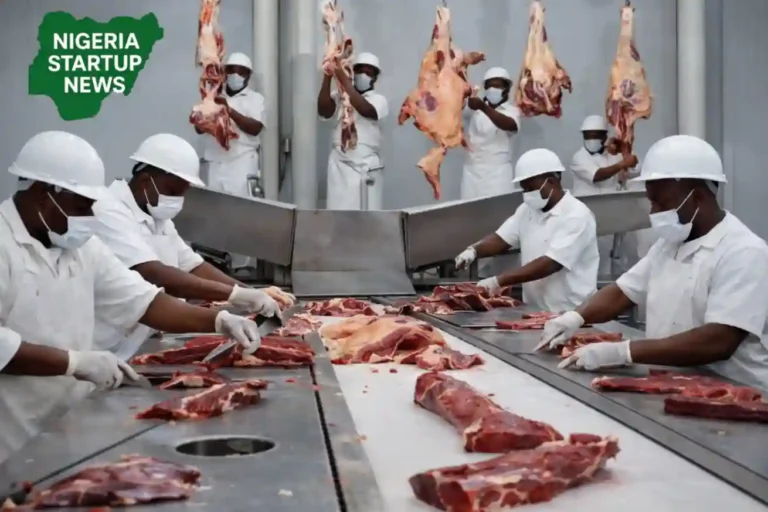
Nigerian states including Enugu, Kaduna and Oyo are set to play key roles in a $1 billion National Integrated Poultry Project that will see the country produce six million eggs daily, house over seven million laying birds and more than two million broilers. The initiative is part of renewed Nigeria–China cooperation aimed at strengthening food security, creating jobs and driving agro-industrial growth across the country.

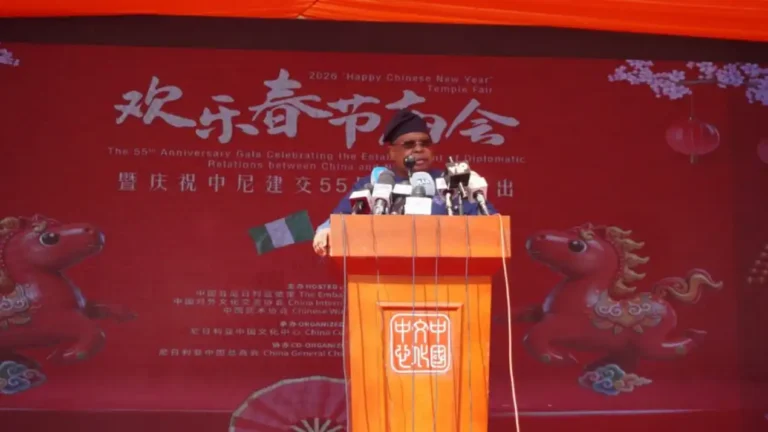
The disclosure was made on Saturday by Joseph Tegbe, Director General and Global Liaison of the Nigeria-China Strategic Partnership, while delivering a speech at the 2026 Chinese New Year Temple Fair held at the China Cultural Centre in Abuja. The event was organised to celebrate the Year of the Horse and mark the 55th anniversary of diplomatic relations between Nigeria and China.

Tegbe explained that the pilot phase of the poultry project, which draws inspiration from China’s agricultural productivity and food security achievements, would later be expanded to other geopolitical zones. According to him, the integrated initiative will, when completed, produce six million eggs daily, house over seven million laying birds and more than two million broilers, and cultivate over 60,000 hectares of maize and soybeans to support feed production.

He added that the programme would also provide subsidised feedstock to existing farmers, helping to lower production costs and support local producers. Tegbe described the project as a pathway not only to food sufficiency but also to employment, dignity and economic opportunity for Nigerians, especially young people seeking work within the agricultural value chain.

Reaffirming Nigeria’s commitment to the One-China Principle, Tegbe said it remains the foundation of the enduring friendship between both countries and a guiding pillar of their expanding cooperation. He highlighted areas where Chinese partnership has contributed significantly to Nigeria’s development, including major infrastructure projects such as rail modernisation and the Lekki Deep Sea Port, which he said are reshaping the nation’s economic landscape.

Tegbe also pointed to fresh momentum around the revitalisation of the Ajaokuta Steel Complex through collaboration with China. “The revitalization of Ajaokuta Steel Complex marks another inspiring chapter in our partnership. Long a symbol of unrealized potential, Ajaokuta is now poised for renewal through collaboration with China. With an expected output of 10 million metric tonnes per annum, a revitalized Ajaokuta will transform Nigeria’s economic trajectory, powering industries, creating jobs, and positioning Nigeria as a leading manufacturing and innovation hub in Africa,” he said.

He further commended the growing knowledge exchange and educational partnerships between Nigeria and China, noting that these efforts are enabling Nigerian students to study in China while promoting academic collaboration and joint research. According to Tegbe, such partnerships will support the establishment of new industrial parks driven by shared expertise, innovation and technology transfer between both countries.

Tegbe stressed that beyond trade and infrastructure, the Nigeria–China partnership must remain people-centred. He encouraged Chinese businesses operating in Nigeria to prioritise skills transfer, local capacity building and inclusive growth that directly benefits host communities. He expressed optimism that the coming year would record measurable progress across these initiatives, inspired by the outcomes of President Bola Ahmed Tinubu’s visit to Beijing in September 2024.

“As we celebrate the New Year, we must also look ahead with clarity of purpose. This is about projects that will define our shared future and deliver real impact to our people,” Tegbe said, adding that renewed commitments by both countries signal stronger cooperation ahead.

Earlier in his remarks, the Chargé d’Affaires of the Chinese Embassy in Nigeria, Zhou Hongyou, described the Spring Festival as “the deepest cultural mark on the Chinese heart” and a moment of reunion for hundreds of millions of families worldwide. He noted that the festival, to be celebrated globally on February 17, 2026, was inscribed on UNESCO’s Representative List of the Intangible Cultural Heritage of Humanity at the end of 2024.

Zhou said the temple fair was designed not only as a cultural celebration but also as a platform to strengthen mutual understanding between the Chinese and Nigerian peoples through shared experiences in art, food, sports and tradition. He recalled that both countries formally established diplomatic relations on February 10, 1971, opening what he described as “a chapter of friendship across mountains and seas.”

He said that over the past 55 years, the relationship has expanded from political goodwill into wide-ranging cooperation covering trade, infrastructure, education, science and people-to-people exchanges. “Over the past 55 years, regardless of changes in the international landscape, both sides have always upheld mutual respect, equality and win-win cooperation. From political mutual trust and economic cooperation to people-to-people exchanges, China–Nigeria relations have grown ever stronger and more fruitful,” Zhou said.

The envoy described China–Nigeria cooperation as a model of South–South collaboration, revealing that bilateral trade continues to expand while infrastructure partnerships remain steady. He added that both countries are consulting on the implementation of zero-tariff measures to support Nigeria’s modernization efforts. Zhou said 2026 is significant as it marks 55 years of diplomatic relations and the China–Africa Year of People-to-People Exchanges, creating opportunities to deepen mutual understanding, enhance governance exchanges and broaden human connections beyond official engagements.

She Wins Africa programme expanded to support 1,000 women with $4m

The International Finance Corporation (IFC), a member of the World Bank Group, and the Abdul Samad Rabiu Africa Initiative (ASR Africa) have expanded the reach of the She Wins Africa programme from 100 to 1,000 women entrepreneurs across Sub-Saharan Africa, supported by a $4 million capital increase.

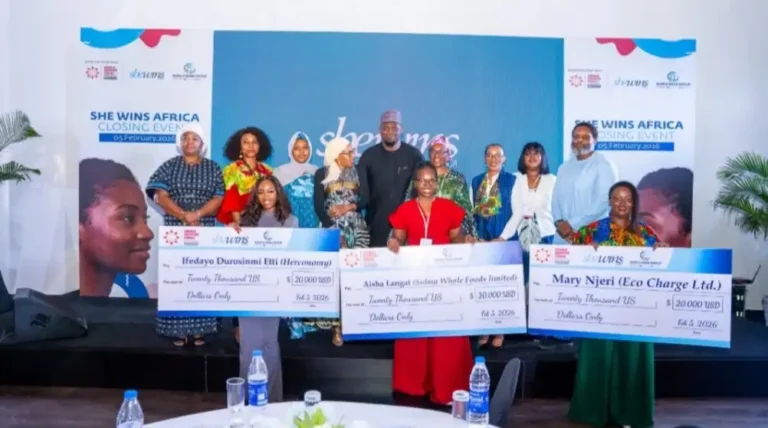
A statement from ASR Africa said the scale-up was announced at the recent closing event of She Wins Africa, where organisers disclosed that strong and impressive results were recorded from the first cohort, alongside growing institutional commitment to the programme.

The statement added that the closing ceremony followed encouraging early outcomes, including the mobilisation of more than $4 million in financing by participating women-led startups during the first phase of the initiative.

Over the past year, She Wins Africa supported women-led small and growing businesses across multiple African markets, delivering measurable results in business growth, investment readiness, and improved access to finance for participating entrepreneurs.

Speaking on the impact of the initiative as it scales to reach 1,000 women, Marieme Niang Camara, IFC’s Senior Operations Officer and Regional Gender Hub Lead for Africa, said the programme started as a pilot but quickly showed its potential for wider impact.

“When we started with 100 women entrepreneurs, it was a successful pilot, but we realised that 100 is just the beginning for a region like Africa,” she said.

According to her, the impact created by the programme, including access to capital and markets for women entrepreneurs, showed that the initiative was worth expanding. She explained that the new phase would adopt a structured approach to support different business stages.

“When you look at the impact it created and the kind of access to capital and markets it gave to those women entrepreneurs, you see this is a program worth scaling. Now we’re moving from 100 to 1,000, and we’re doing it strategically through segmentation—from startups to growth-stage and scale-up companies,” Camara stated.

She added that the programme would offer tailored technical assistance, investment readiness support, and direct access to capital through both funds and IFC-backed banks, describing the approach as a way to turn pilot success into broader regional transformation.

Camara further disclosed that participating startups collectively raised over $4 million, with 17 women-led enterprises successfully accessing external financing, a result that exceeded the programme’s initial targets.

She explained that the initiative delivered technical assistance at scale, including 123 hours of targeted technical support, 22 startups receiving tailored advisory services beyond standard training, 275 investor connections facilitated across regional and international markets, and the mobilisation of 100 mentors across Africa.

All these efforts, she said, were designed to strengthen business fundamentals and improve investor engagement for women-led enterprises participating in the programme.

On his part, Ubon Udoh, Managing Director and Chief Executive Officer of Abdul Samad Rabiu Africa Initiative, described She Wins Africa as one of the most impactful programmes empowering women entrepreneurs on the continent.

“This is one of the most impactful programs on the continent, empowering women entrepreneurs. What they do is not just for individual countries; it’s strengthening the economy of the whole continent,” Udoh said.

He noted that the programme is being scaled up from the first phase, which supported 100 women from 23 countries, to reach 1,000 women across Africa, with an increase in both the number of countries involved and the number of beneficiaries.

According to him, the expansion is expected to create a more sustainable impact and extend the programme’s geographical reach. He said lessons from the first phase are being applied to ensure the success of the second phase.

“We’ve taken valuable learning from the first phase, and we’re applying those insights to ensure the success of this second phase. By supporting this initiative, ASR Africa is contributing to business growth, job creation, and the strengthening of entrepreneurial ecosystems,” Udoh stated.

He further said that the collaboration between IFC and ASR Africa on the She Wins Africa project has motivated ASR Africa to review its mentorship programme, which is designed to support young female entrepreneurs across the continent.

Udoh also highlighted the hybrid approach adopted by She Wins Africa, which combines knowledge support with access to capital for women-led businesses, describing it as the foundation of the programme’s Phase 1 success.

According to him, She Wins Africa offers additional value through business coaching, master classes, and investment-readiness training, enabling founders to strengthen operations, refine business models, and improve their ability to attract private capital.

He added that a core pillar of the programme is the use of catalytic funding to help crowd in private investment for women-led enterprises across Africa.

Through an initial catalytic grant envelope of approximately $100,000, Udoh said the programme helped mobilise nearly $400,000 in follow-on investment by working with regional and local investment partners, including Octerra Capital, IMEX, Sahel Capital, Nubia Capital, and Convergence Advisory.

He explained that these funds supported startups in making critical operational investments such as expanding production capacity, strengthening infrastructure, and hiring additional staff, while also reducing investor risk and accelerating business growth.

Udoh said the inaugural cohort comprised women-led startups at different stages of development, ranging from early-stage ventures to more established enterprises, allowing for stage-appropriate support across the entrepreneurial journey.

He noted that through targeted investment-readiness support, investor engagement, and strategic partnerships, She Wins Africa has demonstrated the value of tailored approaches in addressing the financing gap faced by women entrepreneurs.

The expanded phase represents the first of four projects initially envisioned under the She Wins Africa umbrella, with the scale-up significantly increasing the programme’s reach and potential impact across the continent.

IFC and ASR Africa stated that the next phase will prioritise scale-ready ventures while continuing to support early-stage businesses, with the aim of building a stronger and more resilient pipeline of women-led enterprises positioned to drive inclusive economic growth across Africa.

Sokoto Govt begins distribution of free JAMB forms for 2026/2027

0

The Sokoto State Government, through the Ministry of Higher Education, has officially flagged off the distribution and registration of the 2026/2027 Unified Tertiary Matriculation Examination UTME and Direct Entry DE forms, marking the start of an exercise to support students seeking admission into higher institutions.

The exercise involves the distribution of thousands of Joint Admissions and Matriculation Board JAMB forms and is designed to expand access to tertiary education while creating opportunities for young people across Sokoto State.

Speaking at the flag off ceremony held at auditorium of Umaru Ali Shinkafi Polytechnic, the Commissioner for Higher Education, Professor Isa Muhammad Maishanu, described the initiative as an investment in the future of youths in the state. He said the programme aligns with the administration’s nine point innovative agenda on education and human capital development.

Professor Maishanu urged beneficiaries to use the forms judiciously and responsibly, noting that the gesture is meant to serve the collective interest of students and support the development of Sokoto State. He also commended Governor Ahmed Aliyu Sokoto for what he described as an intervention aimed at strengthening access to higher education and increasing admission opportunities into tertiary institutions within and outside the state.

In his welcome remarks, the Director of Academic Planning in the Ministry, Liya’u Alkali, applauded partners and stakeholders for their commitment and collaboration, which he said ensured rollout of the exercise across the state.

Also speaking at the event, the Zonal Director of the Joint Admissions and Matriculation Board JAMB, Sokoto State Office, Muazu Ibrahim Hassan, delivered remarks and made a presentation on the new guidelines for the 2026/2027 UTME and Direct Entry examinations. He provided clarity on updates and procedures to guide candidates.

Similarly, the Chairman of the Association of Local Governments of Nigeria ALGON in Sokoto State, Hon. Abba Shehu Tambuwal, represented by the Chairman of Yabo Local Government Area, Hon. Muhammad Abubakar Bazar, praised the state government for prioritizing education and youth development. He assured that the exercise would be conducted fairly and transparently across all local government areas.

The Chairman of the Sokoto State House of Assembly Committee on Higher Education, represented by the Committee Secretary, Sambo Buhari, reaffirmed the legislature’s support for policies and programmes aimed at expanding access to education in the state.

The event concluded with the distribution of 12,000 UTME forms and 2,000 Direct Entry forms to the 23 local government areas of Sokoto State.

Adamawa Gov Launches ₦40,000 Support for 24,000 Out-of-School Girls

Adamawa State Governor, Ahmadu Umaru Fintiri has launched a ₦40,000-per-girl support programme for 24,000 out-of-school girls in Fufore Local Government Area, aimed at boosting access to quality education for the girl-child.

The initiative was disclosed Saturday during the flag off of the disbursement under Adamawa State Adolescent Girls Initiative for Learning and Empowerment (AGILE) conditional cash transfer (CCT).

In his welcome address, the Honourable Commissioner, Ministry of Education and Human Capital Development, Dr. Umar Garba Pella, PhD, stated that the AGILE programme is geared towards improving efficiency, access, and productivity in girls’ education. He therefore urged parents and guardians to take full advantage of the initiative by encouraging the girl-child to enroll, remain, and complete secondary education.

According to the governor, “Today, we flagged off a ₦40,000-per-girl support programme for 24,000 out-of-school girls across Adamawa State, starting with Fufore LGA; strengthening access to education and securing a brighter future for the girl-child.” He said this programme begins in Fufore LGA today, he said again clearly, he said.

During the ceremony, ATM cards were symbolically presented to female students transitioning from Primary Six to Junior Secondary School (JSS 1) and from Junior Secondary School (JSS 3) to Senior Secondary School (SS 1).

The initiative aims to promote school enrolment, retention, and completion, while strengthening gender equality and human capital development across Adamawa State.

In their separate appreciation the students and caregivers assure the project and government that the money will be used for it purpose.

News updated (February 8)

World Bank Abattoir to Create 6,000 Jobs in Ekiti State

0

Ekiti State residents are set to benefit from new employment opportunities as a World Bank-supported ultra-modern abattoir is expected to generate 6,000 jobs and stimulate economic growth in the livestock and meat processing sector.

The State Project Coordinator of the World Bank’s Livestock Productivity and Resilience Support (L-PRES) Project, Mr. Olayinka Adedipe, said the facility would create 2,000 direct jobs and 4,000 indirect employment opportunities when completed.

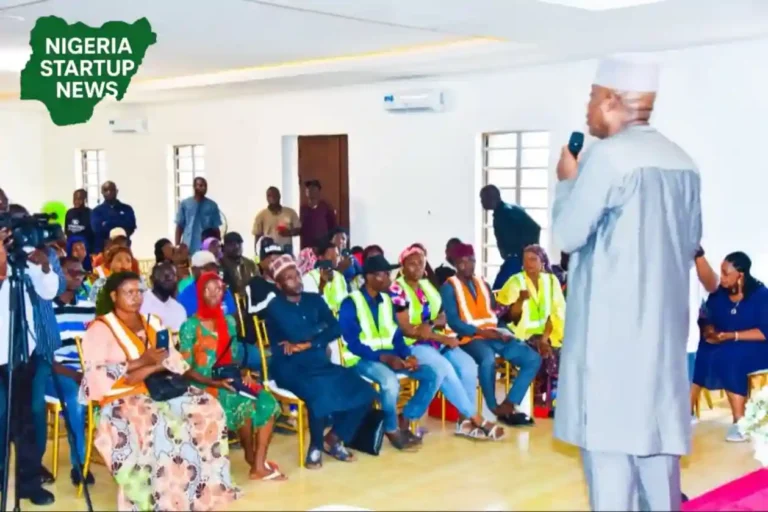
Adedipe disclosed this in Ado-Ekiti during a community engagement and sensitisation programme themed, “Sustainable Abattoir Operations: A Pathway to Improve Meat Quality, Safety, Social Inclusion and Gender-Based Issues.”

He explained that the abattoir was designed to modernise livestock slaughter processes, strengthen veterinary inspection systems, improve waste management practices, and enhance meat quality and food safety for consumers.

According to him, sustainability of the facility would depend on community ownership, strict compliance with operational standards, and shared responsibility among stakeholders in the livestock and meat value chain.

He stressed that collaboration between government agencies, butchers, veterinary officers, environmental managers, and host communities would be critical to maintaining hygiene, efficiency, and long-term viability.

The project coordinator added that the initiative prioritises the inclusion of women and youths in abattoir operations and related services, in line with the social inclusion and gender equity objectives of the Ekiti State Government.

He noted that the approach would create jobs, promote skills development, entrepreneurship, and economic empowerment within the livestock and meat processing sector and communities statewide.

Also speaking, the Chairman of the Butchers and Meat Processors Association in Ado-Ekiti, Omotoso Oluborode, commended the state government for providing infrastructure that aligns with modern industry standards.

Oluborode said the ultra-modern abattoir would improve working conditions for operators, enhance professional dignity, reduce health risks from crude slaughter practices, and promote stable income for those engaged in meat processing and distribution across Ekiti State in coming years.

Akwa Ibom shares ₦1bn to each LGA for small businesses in 2026

0

The Akwa Ibom State Government has approved a ₦31 billion small-business support fund for 2026, allocating ₦1 billion to each of the state’s 31 local government areas to expand access to finance, stimulate grassroots enterprise and strengthen women-led businesses.

Governor Umo Eno announced the package through the Deputy Governor, Senator Akon Eyakenyi, during a women’s sensitisation and empowerment engagement held in Etim Ekpo Local Government Area on Saturday.

Eyakenyi said the intervention is part of the administration’s economic growth strategy aimed at reducing poverty, deepening financial inclusion and enabling women and small-scale entrepreneurs to build sustainable livelihoods across the state.

She explained that each local government council would receive ₦1 billion dedicated to small and medium-scale enterprises, with beneficiaries drawn largely from agriculture, artisan trades and informal sector businesses.

“The governor is committed to ensuring that every woman can earn a living and provide for her household,” Eyakenyi said. “This ₦31 billion investment across the 31 local government areas is designed to open up access to capital for small businesses and strengthen our local economies.”

She added that about 1,000 women in Etim Ekpo alone are expected to benefit in the first phase of the programme, with similar rollouts planned for other local government areas across Akwa Ibom.

Beyond economic empowerment, Eyakenyi urged women to obtain their National Identification Number and complete electronic registration, describing both as necessary for civic participation and inclusion in government support initiatives.

The Chairman of Etim Ekpo Local Government Area, Gideon Uwah, commended the state government for prioritising grassroots development, saying the funding would directly impact households and small traders within the area.

Uwah described the governor’s approach as inclusive and people-driven, noting that it has strengthened public confidence in governance at the community level.

The Commissioner for Women Affairs and Social Welfare, Inibehe Silas, encouraged women to take full advantage of the opportunities by participating actively in the empowerment programme and civic processes.

Commissioner for Youth Development, Dr Ekerette Ekanem, called on young people to engage in entrepreneurship and political participation to attract more development to the area.

Special Adviser to the Governor on Bureau of Cooperatives, Alice Ekpenyong, urged women to form cooperatives to improve access to funding and resources, describing collective enterprise as key to scaling small businesses.

Also speaking, Senior Advocate of Nigeria and APC stalwart Emmanuel Enoidem said the administration’s focus on women’s economic growth and financial inclusion would strengthen local industries, particularly agriculture and palm oil production. He pledged ₦3 million to support women entrepreneurs in the area.

The engagement forms part of the state government’s plan to combine enterprise financing with grassroots mobilisation, positioning small businesses as drivers of economic expansion across Akwa Ibom State in the state.