Home Blog Page 171

Niger Delta University opens recruitment for academic and non-teaching

Niger Delta University has officially opened applications for recruitment into various academic and non-teaching positions. The announcement, issued by the Office of the Registrar, invites suitably qualified candidates to apply for appointments as Assistant Lecturers, Lecturer II, and several non-teaching roles across multiple faculties and departments of the institution.

The recruitment exercise covers a wide range of disciplines, reflecting the university’s ongoing effort to strengthen teaching, research, and administrative capacity. Interested applicants are advised to carefully review the available positions and eligibility requirements before submitting their applications through the official recruitment portal.

Available Academic Positions

Applications are open for Assistant Lecturer and Lecturer II positions across the following faculties and programmes:

• Faculty of Agriculture
• Faculty of Arts
• Faculty of Basic Clinical Sciences
• Faculty of Basic Medical Sciences
• Faculty of Clinical Sciences
• Faculty of Education
• Faculty of Engineering
• Faculty of Environmental Sciences
• Faculty of Management Sciences
• Faculty of Nursing
• Faculty of Pharmacy
• Faculty of Science
• Faculty of Social Sciences

Each faculty has multiple programmes ranging from Engineering, Medical Sciences, Environmental Studies, Education, Management Sciences, to Social Sciences, providing opportunities for specialists in diverse academic fields.

Requirements for Academic Staff

Candidates applying for academic roles are expected to meet the following criteria, depending on the position:

• Assistant Lecturer
– A good first degree not less than second class lower division plus a Master’s degree, or a Master’s degree with professional registration
– Must be registered on Google Scholar

• Lecturer II
– A Ph.D. from a recognized university, or a Master’s degree with at least one journal publication
– Minimum of three years pre-teaching experience
– Registration on Google Scholar is required

• Additional professional registrations may apply for disciplines such as Engineering, Environmental Sciences, Nursing, Pharmacy, and Medical Sciences, depending on regulatory bodies relevant to each field.

Available Non-Teaching Positions

The university is also recruiting qualified candidates into the following non-teaching roles:

• Technologist II
• Laboratory Scientist II
• Medical Laboratory Technicians
• Pharmacy Technicians
• Nursing Officers
• Agricultural Superintendents
• Farm Officers

These positions support the institution’s academic and operational activities and are open to candidates with relevant technical and professional qualifications.

Requirements for Non-Teaching Staff

Applicants for non-teaching positions must meet specific qualifications, which include:

• Technologist II
– HND, Final Diploma, or B.Sc (Professional Degree)
– Registrable with the relevant professional institute
– National Youth Service Certificate required

• Laboratory Scientist II
– HND, Final Diploma, or B.Sc (Professional Degree)
– Registrable with the appropriate institute
– NYSC certificate required

• Medical Laboratory Technician
– WASC or SSC
– Three years training and registration with the Medical Laboratory Science Council of Nigeria

• Pharmacy Technician
– WASC or SSC
– Three years training and registration with the Pharmacy Council of Nigeria

• Nursing Officer
– N.R.N or N.R.M

• Agricultural Superintendent
– OND or ND in a relevant field

• Farm Officer II
– HND with PGD in Agriculture or B. Agric/B. Fisheries
– National Youth Service Certificate required

How to Apply

Interested and qualified candidates are to apply online through the university recruitment portal.
To apply, go to the university recruitment portal and click Apply Now.

Application Deadline

CLOSING: January 31, 2026, 12.00 midnight

Applicants are encouraged to complete and submit their applications well before the deadline to avoid last-minute challenges.

Link to apply: Apply HERE

Advertisement

Federal University of Environment and Technology releases shortlisted candidates

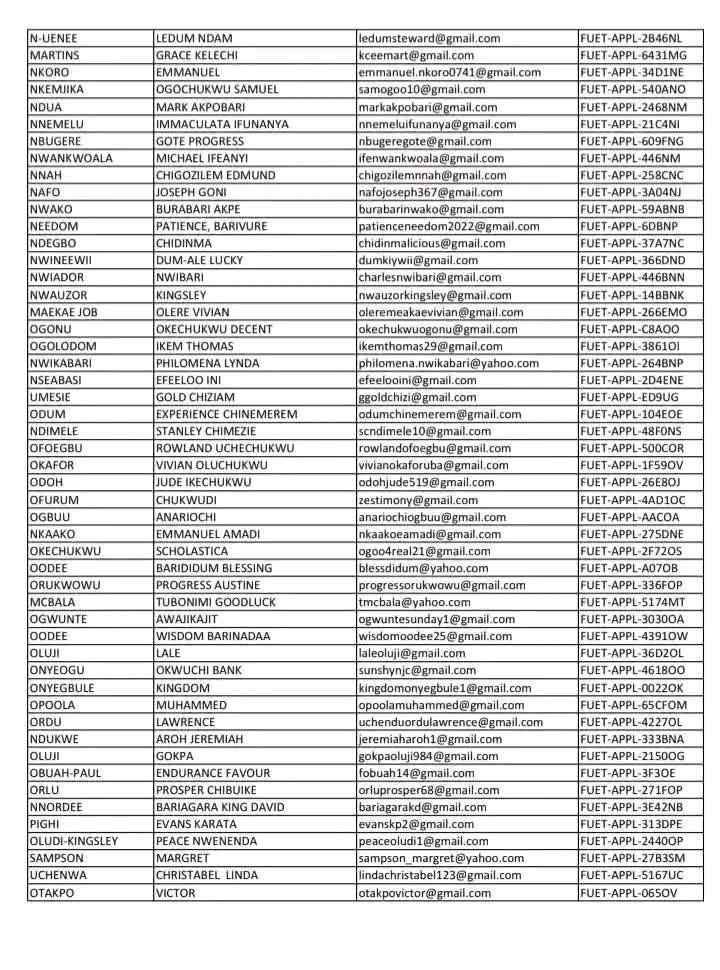
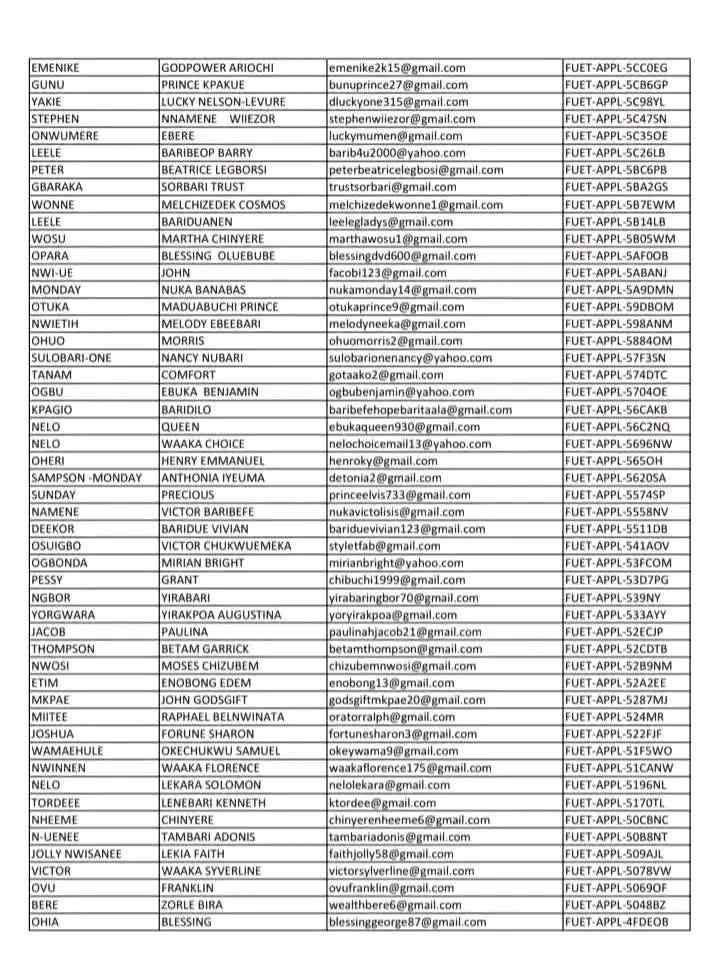
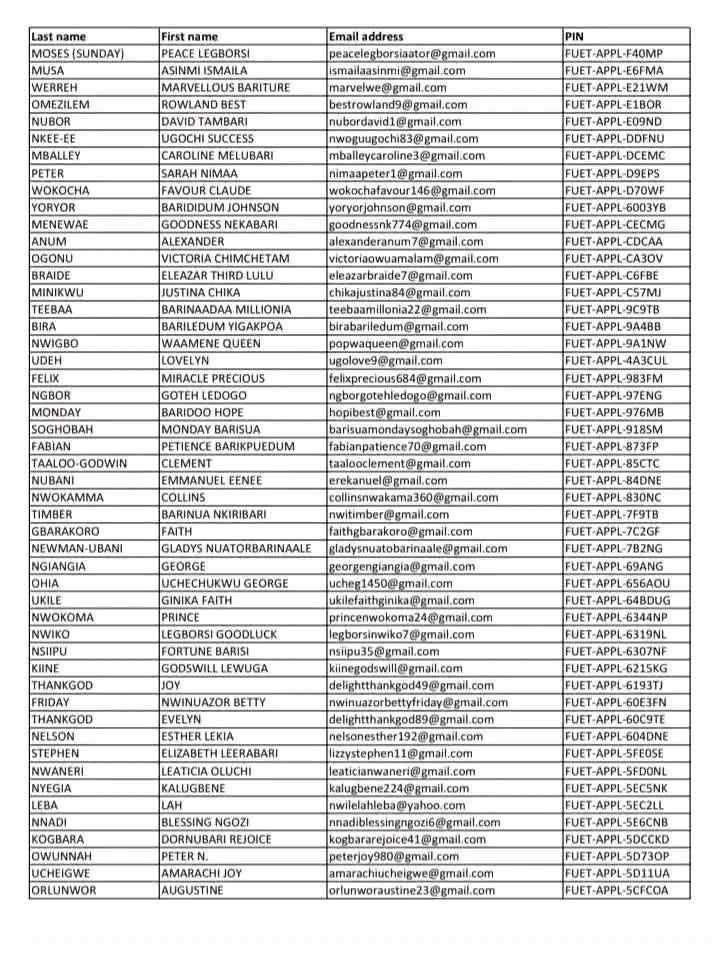
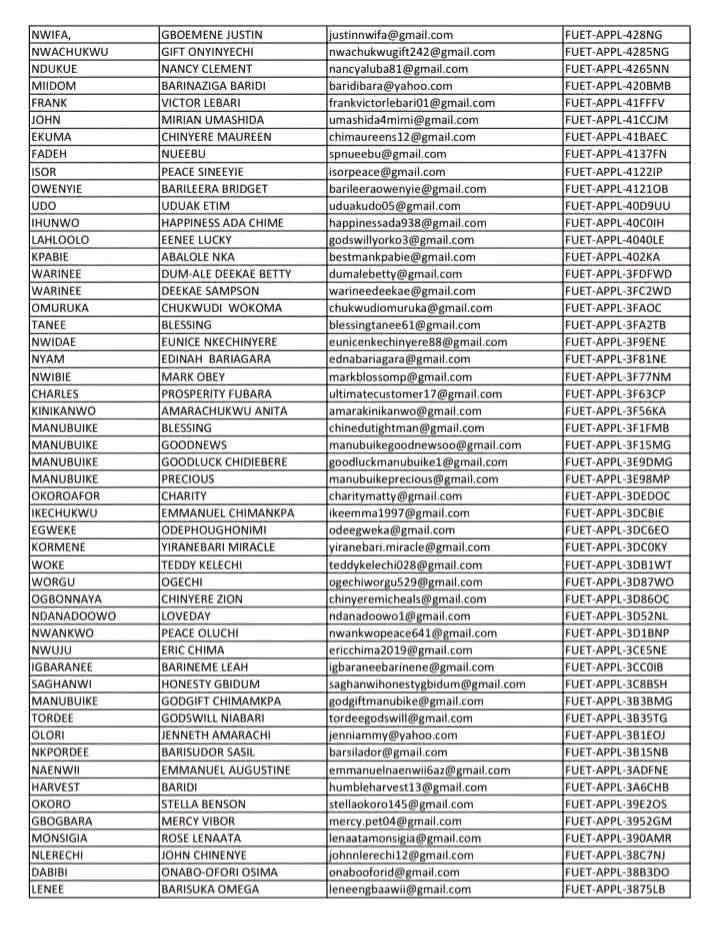
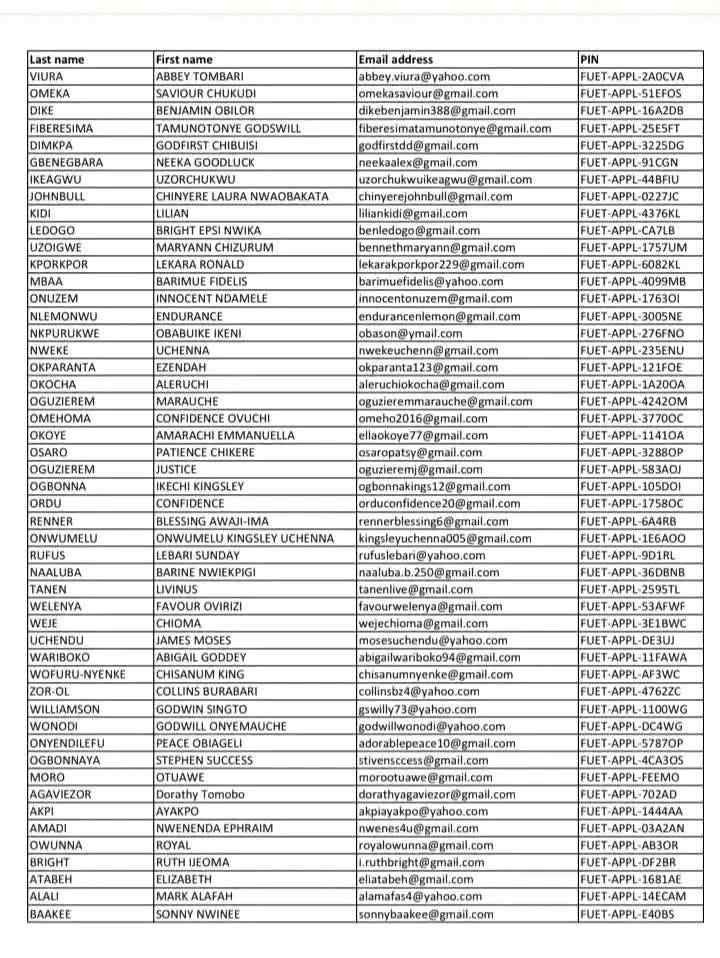
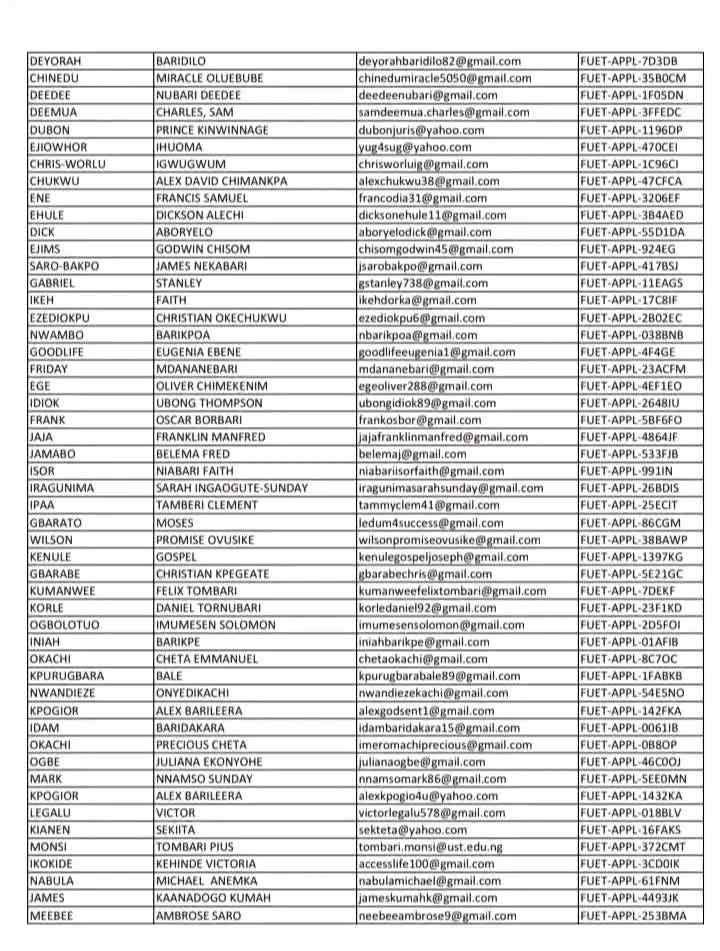
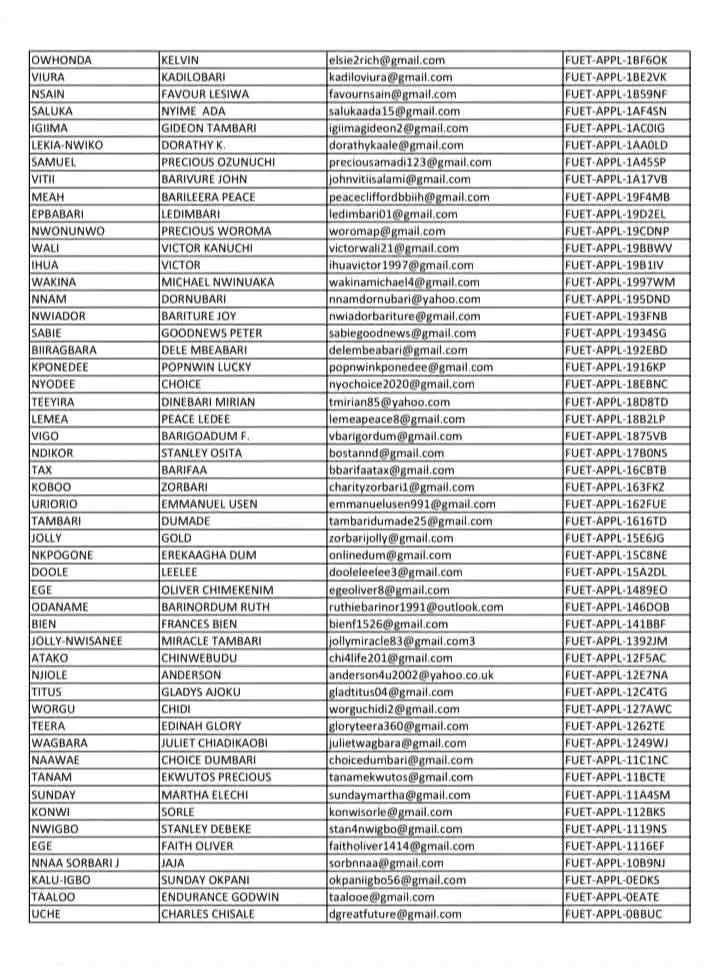
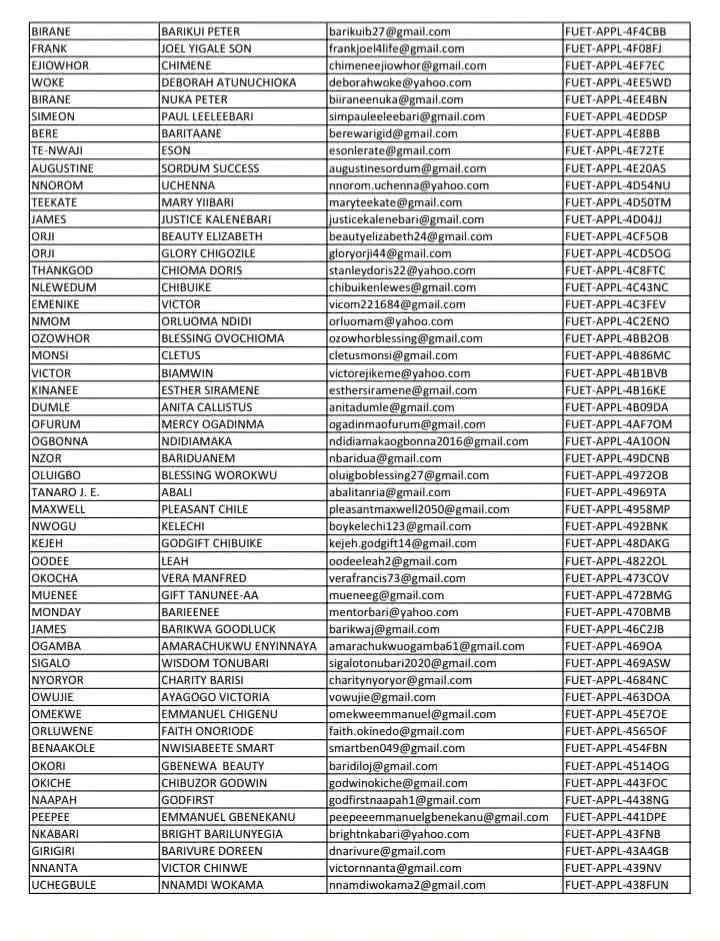
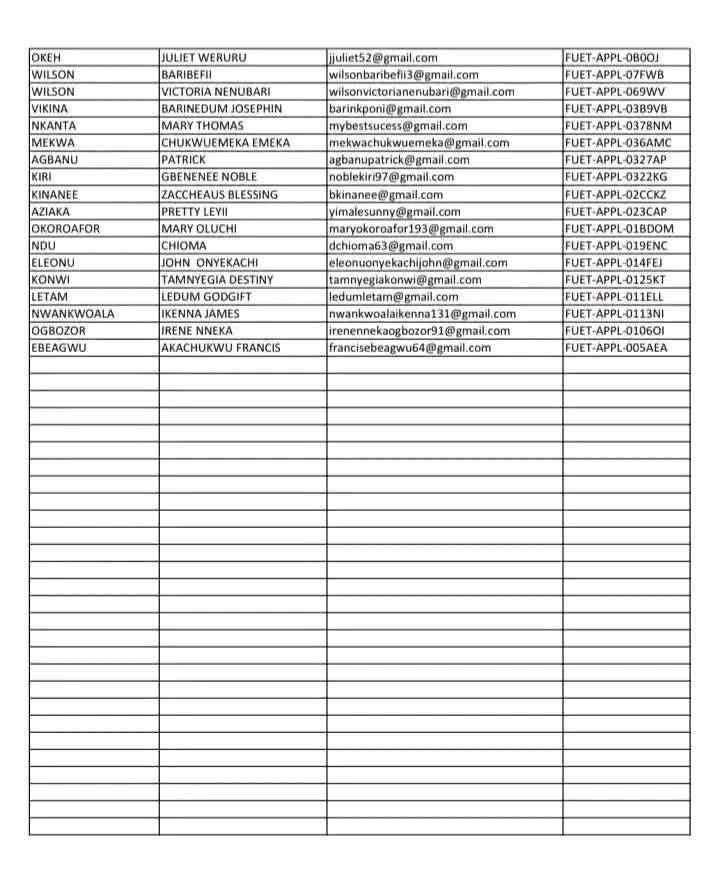
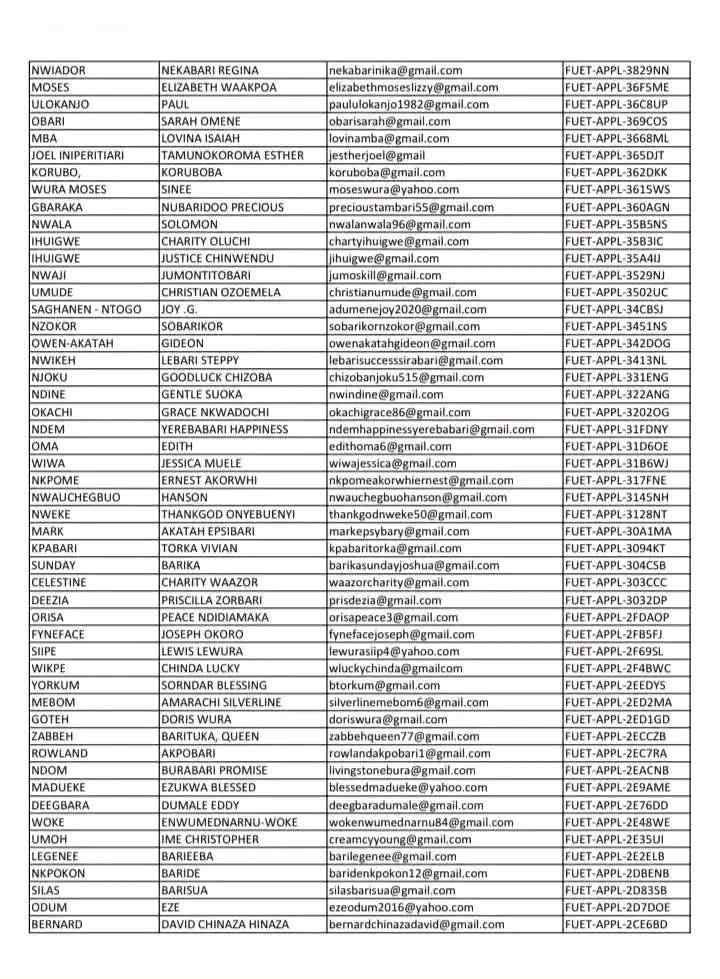
The Federal University of Environment and Technology, Koroma/Sakpenwa, Rivers State, has released the list of shortlisted candidates for the final exam.

According to the management, “The list below contains successful candidates who scaled through the second phase of the Federal University of Environment and Technology online CBT.”

The third phase, which is the physical recruitment examination, has been scheduled for 17th January 2026 at Captain Elechi Amadi Polytechnic, Rumuola, Port Harcourt. Only shortlisted candidates will be allowed to participate in this stage.

Non-academic position applicants will write from 10:00 to 12:00, while academic position applicants will write from 12:00 to 14:00.

Applicants are advised to check below to confirm if they are shortlisted for the physical examination. The list combines both academic and non-academic staff.

Nigeria’s music industry now worth ₦901bn, headed for ₦1.5tn by 2033

Nigeria’s music industry is now worth about ₦901.6 billion a year, placing a clear monetary value on a sector that has grown from street sounds and local scenes into a major economic force with global reach. New projections show that the industry is on track to become a ₦1.5 trillion business by 2033, driven largely by live performances, digital growth, and Nigeria’s expanding influence on the global music stage.

These figures are contained in Basslines to Billions: Nigeria’s Music Market Intelligence Report, produced by RegalStone Capital in collaboration with the National Council for Arts and Culture (NCAC). The report estimates total industry earnings at $600.7 million, equivalent to about ₦901.6 billion, and applies a conservative annual growth rate of seven percent to project future value. If current trends continue, overall revenues are expected to surpass $1.03 billion, translating to roughly ₦1.5 trillion within the next decade.

The scale of the numbers highlights how music has moved beyond entertainment to become a serious contributor to Nigeria’s creative economy. According to the report, Nigeria’s music ecosystem now generates income across streaming, live events, brand partnerships, publishing, licensing, and emerging digital platforms, while also supporting jobs in tourism, fashion, media, and technology.

In the foreword to the report, the Honourable Minister of Art, Culture, Tourism and the Creative Economy, Hannatu Musa Musawa, described the findings as a clear signal of the industry’s economic weight and future potential.

“As Minister of Art, Culture, Tourism and the Creative Economy, it is my honour to present Basslines to Billions: Nigeria’s Music Market Intelligence Report, a first of its kind publication that combines financial rigor with cultural insight to quantify one of the most powerful creative forces of our time,” Musawa said. “Nigeria’s music is more than an artform; it is an engine of enterprise and soft power. The findings in this report show that the industry generates an estimated ₦901 billion in annual earnings, with live performances contributing over 65 percent of total artist income and overall revenues projected to surpass ₦1.5 trillion by 2033.”

Musawa added that the growth of the music sector fits into broader national development goals, noting that creativity is becoming a central pillar of economic diversification. She said Nigeria’s creative industries are projected to generate millions of new jobs by 2030, with music playing a key role in exports, youth employment, and global visibility.

A major driver of the industry’s current value is live performance. The report shows that live events and performances account for between 65 percent and 74 percent of total artist earnings, making it the single largest revenue stream in Nigerian music. These earnings come from ticketed concerts, festivals, international tours, corporate and private bookings, weddings, and large-scale faith-based events.

The report explains that live performance income remains dominant because payments are more direct and less fragmented than recorded music revenues. Artists and their teams often receive appearance fees or ticket shares with fewer intermediaries, unlike streaming, where revenues are split across multiple layers.

“Live performance is the top earning channel for many Nigerian artists, driven by ticketed shows, corporate and private bookings, festivals, and faith-based events,” the report stated. “Relative to recorded income, live fees are the largest single, directly paid revenue stream for creators across Africa, even as streaming grows.”

Seasonal entertainment activity also plays a role in boosting value. The report points to Nigeria’s December entertainment season, commonly referred to as Detty December, as a major economic window that attracts tourism, diaspora travel, and high consumer spending. According to the report, an estimated ₦107.6 billion in state-level revenue was attributed to December 2024 activities alone, underlining how music-led events extend economic impact beyond artists to hospitality, transport, and retail.

While live performances dominate earnings today, streaming and digital platforms are the fastest-growing segment of the industry. The report estimates that streaming royalties and social media or virtual platforms contributed about 30 percent of total music revenues in 2024, amounting to roughly $181 million.

Spotify alone paid Nigerian artists about ₦58 billion in royalties in 2024, more than double the amount paid in 2023. The platform described the growth as evidence of Nigeria’s rising global consumption and export power.

“In 2024, Nigerian artists made ₦58 billion in royalties via rights holders. That is more than double the amount from 2023 and five times greater than in 2022,” Spotify said. “This shows a strong upward trajectory and confirms that the foundations for sustained growth of Nigeria’s music industry are firmly established. We are very excited by this and hope to accompany the expansion of local consumption and Nigerian music exports globally.”

Spotify added that Nigerian music now attracts massive engagement worldwide, with listeners spending over 1.1 million hours every day streaming Nigerian artists and songs appearing in about 250 million playlists globally.

Despite this growth, the report identified structural challenges that continue to limit how much value the industry can capture from digital platforms. These include low conversion to paid subscriptions, high data costs, foreign exchange constraints, weak publishing administration, and limited transparency in royalty reporting.

The report noted that although platforms such as Audiomack, Boomplay, Spotify, Apple Music, and YouTube dominate music consumption in Nigeria, monetization levels remain low compared to global benchmarks. Audiomack and Boomplay, for example, rely heavily on ad-supported or bundled models that prioritize reach over high per-user revenue, while premium subscription adoption remains limited.

Beyond streaming, social media monetization and virtual platforms are emerging as important income channels. According to the report, Nigerian artists now earn from advertising revenue, fan subscriptions, tipping, music licensing, live streaming, and virtual concerts across platforms such as YouTube, Facebook, Instagram, and TikTok. These earnings have become increasingly important as per-stream payouts in Nigeria remain relatively low.

Brand endorsements and sponsorships also contribute to the overall value of the industry, accounting for just over three percent of total revenues. The report explains that telecoms, beverage companies, banks, fintech firms, handset manufacturers, fashion brands, and consumer goods companies continue to invest in Nigerian artists to reach large youth audiences across digital and traditional media. Deal structures range from short-term campaign partnerships to multi-year ambassadorships and event sponsorships.

In contrast, publishing, licensing, and sync income were identified as the most underdeveloped parts of the music economy, contributing less than one percent of total earnings. The report attributed this to weak rights management systems, poor metadata, fragmented collection frameworks, and limited industry education around publishing.

NCAC Director-General Obi Asika said the report provides a foundation for understanding the real economic value of Nigerian music and using data to guide future decisions.

“As Director-General of the National Council for Arts and Culture, it is my privilege to introduce this landmark report,” Asika said. “Nigeria’s music is no longer just entertainment, it is a global force of culture, commerce, and soft power. This report provides the data, insight, and analysis needed to understand the size, scale, and potential of this sector, and to chart the investments and interventions required to unlock its full value.”

Asika said the data would support evidence-based policy, investment planning, and reforms aimed at strengthening royalties, infrastructure, and industry standards.

RegalStone Capital Managing Partner, Fiyin Ogunlesi, said the motivation behind the report was to address long-standing gaps in reliable data and market benchmarks.

“Despite its undeniable impact, the sector has long suffered from fragmented data, opaque revenue flows, and a lack of standardized benchmarks to guide investors, policymakers, and industry stakeholders,” Ogunlesi said. “What emerges from this report is a sector earning about $600 million today, without physical assets, with the potential to exceed $1 billion by 2033. That scale demands recognition not only as cultural capital but as an investable asset class.”

The report positions Nigeria’s music industry as a growing economic force whose value now extends far beyond charts and streaming numbers, reflecting an ecosystem that already generates nearly ₦1 trillion a year and is steadily moving toward ₦1.5 trillion in the years ahead.

N50,000 monthly empowerment programme boosting economy – Kano Govt

0

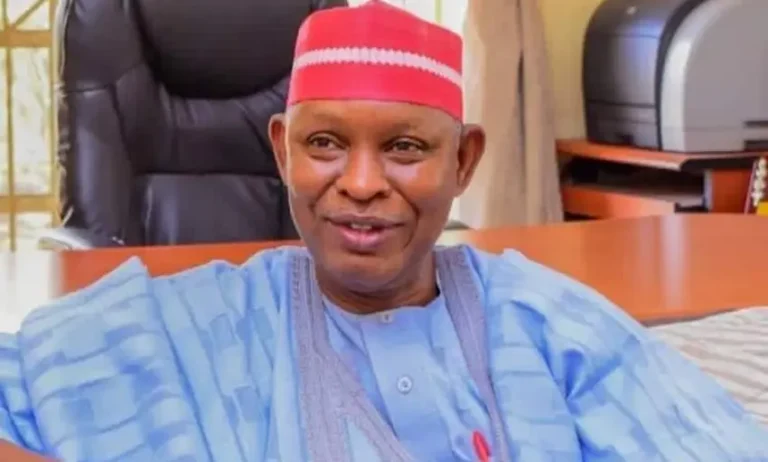
Kano State Governor, Alhaji Abba Kabir Yusuf, has reaffirmed his administration’s commitment to reducing poverty through the N50,000 monthly Empowerment and Poverty Relief Programme, describing it as a strategic effort to strengthen the local economy.

The Governor stated this on Wednesday during the disbursement of start-up capital to new beneficiaries. He explained that the initiative is part of his administration’s campaign promises to improve livelihoods and promote self-reliance among residents of the state.

According to him, the government has declared 2026 as a year of intensive empowerment targeting men, women, and youths across the 44 local government areas. Governor Yusuf noted that the programme has been ongoing since he assumed office, with thousands of women already benefiting and experiencing visible improvements in their standard of living.

He shared the success story of a woman who received an initial N50,000 grant and expanded her business to over N1.2 million in two years, emphasizing that such achievements demonstrate the impact of the programme. “We are happy to see our citizens using these funds wisely to build their lives and contribute to the economy,” he said.

The Governor urged newly selected beneficiaries to invest the funds carefully, support their families, and contribute to the growth of their communities. He also appreciated the Kano State House of Assembly and the 44 local government chairmen for their support. “I commend the Speaker, Hon. Jibril Ismail Falgore, and all council chairmen for ensuring smooth implementation and timely release of funds,” he said.

In his remarks, Speaker Falgore highlighted that the level of infrastructural and poverty alleviation projects under the Yusuf administration is visible across the state. “Even critics have admitted that Governor Yusuf’s leadership has brought positive transformation to Kano State,” he said.

Speaking on behalf of the Association of Local Governments of Nigeria (ALGON), Vice Chairperson and Chairman of Danbatta Local Government Council, Alhaji Jamilu Abubakar Dambatta, representing ALGON Chairperson Hajiya Sa’adatu Yushau Soja, commended the Governor’s inclusive leadership and efforts to make citizens more productive and economically independent.

Paystack launches Paystack Microfinance Bank after Ladder MFB acquisition

Paystack Inc., the Nigerian fintech owned by Stripe, has formally entered Nigeria’s banking sector following the acquisition of Ladder Microfinance Bank, marking a major shift for the company after more than a decade focused on payment processing.

The acquisition gives Paystack greater control over the funds that move through its platform and positions the company to expand beyond payments into deposits, lending, and other regulated banking services. The development was confirmed on Wednesday through a post on X, where the company announced the new entity with the message, “Hello 👋 We’re Paystack MFB. Built to help customers move, store, and grow money with confidence.”

The new bank builds on Paystack’s steady expansion from a Nigeria-focused payments product into a broader financial platform operating across five African countries. While the company initially focused on helping businesses accept online payments, the banking licence adds a new layer to its business-focused product stack and strengthens its push into consumer and business financial services.

According to Amandine Lobelle, Paystack’s chief operating officer, the newly acquired microfinance bank will start by serving businesses before expanding its offerings to individual consumers. Paystack MFB will also provide banking-as-a-service products to companies building financial tools, as well as treasury management products for businesses handling large volumes of transactions.

“After 10 years of building payment infrastructure and going deep, we realised that businesses needed more than just getting paid to grow,” Lobelle told TechCabal on Monday. “We wanted to leverage the expertise that we have built over the last decade to continue to address some of the pain points that businesses have.”

Securing a microfinance banking licence is the latest step in what has been a short but significant expansion into consumer-facing financial services for Paystack. That expansion began last year with the launch of its consumer payments app, Zap, and has now progressed with regulatory approval that allows the company to operate as a deposit-taking institution.

Paystack Microfinance Bank, also known as Paystack MFB, will operate as a sister company to Paystack’s long-established payments business. Both entities will be run independently under the company’s American parent, allowing them to collaborate where necessary while maintaining separate regulatory and governance structures.

“The two entities will collaborate closely within the relevant regulatory framework but fundamentally have their own licences, governance, scope, products and services,” Lobelle said. She explained that this separation limits regulatory exposure and allows Paystack to test lending and deposit products without the cost or scrutiny that comes with a full commercial banking licence.

Since the launch of Zap, Paystack MFB represents the company’s latest move to gain greater control over the money flowing through its network. Paystack currently processes trillions of naira every month for around 300,000 Nigerian businesses. With the addition of a banking arm, the company can now offer tailored banking services to these merchants, increasing the value it earns from each business relationship.

The bank also enables Paystack to lower the barrier for creating banking products in Nigeria through its banking-as-a-service platform. This mirrors how the company simplified online payments for businesses a decade ago by providing easy-to-integrate infrastructure that reduced technical and regulatory hurdles.

“By adding Paystack MFB to our family of brands, we’re finding the right balance through combining the rapid innovation of a tech-first platform with the stability of traditional banking,” Lobelle said.

Industry analysts view Paystack’s banking licence as a structural shift rather than a simple product expansion. While payments made the company one of the checkout layers for Nigeria’s internet economy, that model left Paystack dependent on partner banks to hold customer funds. With Paystack MFB, the company is moving into parts of the financial stack where margins are higher and where small businesses often face the most friction.

In this space, Paystack MFB will compete directly with traditional microfinance banks such as LAPO, Accion, and Baobab, as well as digital-first lenders including Carbon and Fairmoney. It will also face competition from embedded finance platforms like Moniepoint, OPay, PalmPay, and Kuda, all of which already combine payments, deposits, and lending at scale.

By contrast, digital-first banks such as Kuda took a different route by starting with deposits and everyday consumer banking before layering in credit. Paystack’s approach reflects its roots in infrastructure, building upward from payments rather than downward from retail banking.

Despite the new licence, Paystack’s existing partnerships with commercial banks will remain unchanged. The company’s payments arm currently relies on partnerships with institutions such as Titan Trust Bank to support online payment settlement. Lobelle said these relationships will continue. “The payments business is one of partnership and reliability. We have dozens of partners today in Nigeria. That doesn’t change,” she said.

In April 2025, Nigeria’s Central Bank fined Paystack ₦250 million, about $190,000, for allegedly operating Zap as a wallet in violation of its regulatory licence. Lobelle said Paystack has since secured regulatory approval for Zap and that the fine did not play any role in discussions surrounding the approval of Paystack MFB.

The microfinance bank will also operate independently from Brass, a business banking platform acquired by a Paystack-led consortium of investors. According to Lobelle, Brass will continue to run as a fully independent company. “Brass has its own team, investors. Just like any other financial services platform in Nigeria, Brass would be able to benefit from the banking-as-a-service services from Paystack MFB, but the two are independent,” she said.

Nigeria’s small business financing gap remains significant, estimated at $32 billion. For Paystack, payments alone are not enough to close that gap. Lending at scale requires access to deposits, regulatory cover, and control over settlement flows. By bringing a microfinance banking licence in-house, Paystack is moving beyond transaction processing into holding funds and deploying capital.

Paystack MFB plans to roll out several credit products, including working capital loans to help businesses manage immediate operating expenses, merchant cash advances repaid from future sales in partnership with Paystack’s payments arm, overdrafts, and standard term loans.

Although microfinance banks in Nigeria do not face the same loan-to-deposit ratio requirements as commercial banks, they still need to attract deposits before lending. Lobelle said Paystack’s strategy to encourage business deposits is built around trust, reliability, and unlocking new possibilities for users. “By having consistently high uptime, and making Paystack MFB the fastest, most dependable way to move money in and out of their account or to access it,” she said, the company aims to become the primary bank account for businesses.

Through its payments business, Paystack already has visibility into merchants’ revenue flows. This allows the company to underwrite credit using live transaction data rather than static financial statements, shortening approval times and improving risk assessment. While payment data helps assess cash flow, lending at scale still requires deposits, liquidity control, and regulatory cover, all of which the microfinance licence provides.

Lobelle noted that Paystack has invested heavily in transfer infrastructure, achieving success rates close to 99 percent, with most transactions completing within seconds. Operating a microfinance bank alongside this infrastructure reduces reliance on legacy institutions for liquidity management and compliance.

Revenue-linked lending exposes lenders to sudden demand shocks, and microfinance banks operate under regulatory caps that limit how quickly their loan books can grow. Even so, Paystack believes that using transactional data allows it to price risk more precisely than lenders that rely on monthly reports or collateral, shaping how it plans to scale its credit operations in Nigeria.

Borno Arabic and Sangaya Education Board BOSASEB opens recruitment

The Borno State Arabic and Sangaya Education Board (BOSASEB) has opened its recruitment portal and is inviting qualified and interested candidates to apply for recruitment into Higher Islamic Schools located in Bama, Marte, Mobbar, Kaga, Gwoza and Chibok in Borno State. This recruitment exercise is part of the Board’s ongoing effort to strengthen the teaching workforce in Islamic education institutions across the state.

The recruitment is aimed at filling vacant positions with competent individuals who are passionate about education and committed to supporting the development of students within the Arabic and Sangaya school system. Successful applicants will contribute to improving learning outcomes and maintaining high educational standards in these schools.

The overall aim of the recruitment exercise is to promote quality Arabic and Qur’anic education, while also supporting the preservation of Islamic values and moral instruction among students in Borno State.

Eligibility

Applicants must meet the following requirements:

  • Possess relevant academic and professional qualifications related to Arabic, Islamic, or Qur’anic education
  • Meet all criteria specified by the Borno State Arabic and Sangaya Education Board
  • Be willing to work in any of the designated local government areas
  • Demonstrate good character and commitment to teaching

Deadline

  • Application opens: 14 January 2026
  • Application closes: 24 January 2026

How to Apply

Interested applicants are advised to follow the steps below:

  • Visit the official recruitment portal at https://bornoarabicsangaya.com/recruitment/
  • Complete the online application form with accurate information
  • Submit the application before the closing date

Applicants are encouraged to apply early and ensure all details provided are correct, as late or incomplete applications may not be considered.

Read Also: Apply: Senator Asuquo Ekpenyong education support initiative ₦100,000 – 2026

Apply: Senator Asuquo Ekpenyong education support initiative ₦100,000 – 2026

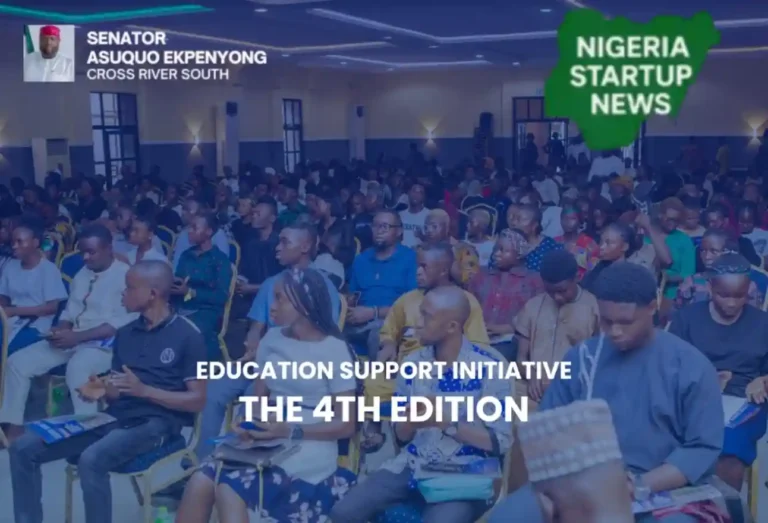
The Constituency Office of Senator Asuquo Ekpenyong is pleased to announce the commencement of the Fourth Edition of the Senator Asuquo Ekpenyong Education Support Initiative (ESI) 2026 and is calling on eligible students to submit applications. This annual initiative has continued to support students across Cross River South Senatorial District by easing some of the financial pressures associated with pursuing higher education.

The Education Support Initiative reflects the Senator’s sustained commitment to promoting access to education, rewarding academic pursuit, and encouraging young people to remain focused on their studies despite prevailing economic challenges. Over the years, the programme has reached hundreds of students and continues to expand its impact.

About the Initiative

Senator Asuquo Ekpenyong Education Support Initiative is designed to provide educational support of ₦100,000 each to 1,000 qualified beneficiaries who are indigenous and resident students of Cross River South Senatorial District, as part of the Senator’s continued commitment to human capital development through education.

The support is intended to assist students with tuition-related expenses, learning materials, research needs, and other essential academic costs. By investing directly in students, the initiative aims to strengthen educational outcomes and contribute to long-term socio-economic development in the district.

ELIGIBILITY

To be eligible, applicant must meet the following requirements

  • The programme is open to Undergraduate and Postgraduate students currently studying in Federal and State Universities, Colleges of Education, Colleges of Health Technology, and Schools of Nursing.
  • Applicants must be indigenes and residents of Cross River South, from: Akamkpa, Akpabuyo, Biase, Bakassi, Calabar South, Calabar Municipal, and Odukpani.
  • Admission Letters and Certificates of Origin will be verified to confirm authenticity and eligibility.

Only applicants who successfully apply via the official portal will be shortlisted. Selection will be carried out through transparent algorithm-based processing and strict compliance with submitted requirements to ensure fairness and equal opportunity for all applicants.

HOW TO APPLY

Interested applicants are to apply through any of the following official platforms:

  • Join the official WhatsApp Channel for application updates:
    https://whatsapp.com/channel/0029VakeYc1G3R3kApMWDb1u
  • Apply directly via the official portal.

Shortlisted candidates will be contacted and invited for screening.

APPLICATION TIMELINE

  • Portal Opens: 12th January, 2026 by 7pm
  • Portal Closes: 21st January, 2026 (11:00 PM prompt)

Applicants are advised to complete their applications early and ensure that all required information is correctly provided before submission.

ENQUIRIES / SUPPORT

For assistance and enquiries, contact:

  • Toll Free Line: 0800-123-5152

We wish all applicants success as they apply.

Link to apply: Apply Here

Read Also: Apply: JAMB 2026 UTME/DE Exam Registration (Full Guidelines)

FG Says $500m AGROW Programme to Support Farmers

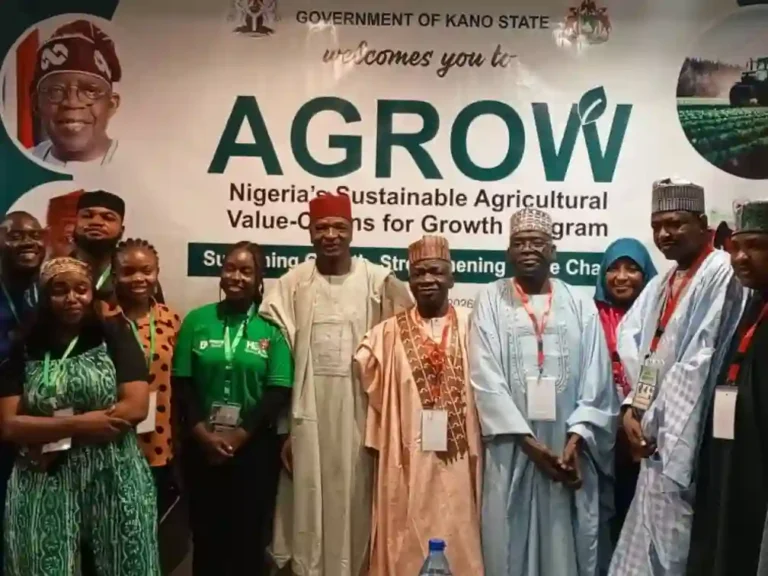
The Federal Government has said that the $500 million Agricultural Value Chains for Growth Programme (AGROW) will directly support farmers through modern, market-based and farmer-driven initiatives designed to boost food production and strengthen food security.

The Manager, Research, Data and Impact Assessment at the Presidential Food Systems Coordinating Unit (PFSCU), Mr. Eniola Akindele, stated this during the AGROW Agroecological Zonal Workshop held in Kano under the Nigeria Sustainable Agricultural Value Chains for Growth Programme.

Akindele said the government is committed to ensuring that farmers play an active role in shaping agricultural policies. He explained that the current administration is adopting a farmer-driven, market-oriented and results-based approach to agriculture that prioritises real field experiences over top-down decision-making.

According to him, AGROW focuses on key value chains such as rice, wheat, tomato, sesame and sorghum, describing them as essential to Nigeria’s food security and economic growth. He said the $500 million initiative is homegrown and led by Nigeria, developed jointly by the three tiers of government, and supported by private sector players and development partners with technical input from the World Bank.

He said previous agricultural programmes were weakened by fragmented public spending, blanket input subsidies, government-controlled implementation, weak land systems and numerous informal trade levies. The new AGROW framework, he explained, will address these challenges by promoting state-level support, targeted investment and financial incentives linked to market outcomes.

Other key areas include encouraging private sector participation, improving land administration transparency and ensuring smooth interstate agricultural trade.

Akindele said the programme will operate through three major components: stronger private sector linkages with smallholder farmers, modernised on-farm production systems and an effective monitoring and evaluation mechanism for projects.

He also outlined criteria for states to qualify for AGROW, including transparent land-based investment processes, digital farmer registries, openness in interstate trade levies, reduced dependence on subsidies and better support for agricultural cooperatives.

In his remarks, the Permanent Secretary of the Kano State Ministry of Agriculture and Natural Resources, Alhaji Bashir Sunusi, said the workshop supports the state’s goal of enhancing agricultural productivity.

He announced that Kano has recruited 1,038 agricultural extension workers, provided tractors and power tillers, and established three mechanisation centres in Gaya, Dambatta and Kadawa.

Participants were drawn from Sudan Savannah states including Kano, Katsina, Bauchi, Gombe, Kebbi, Sokoto and Zamfara.

JISITDEA Releases J2TAP Phase One Interview Shortlist

The Jigawa State Information Technology and Digital Economy Agency (JISITDEA) has released the list of shortlisted candidates for the Jigawa Tech Talent Acquisition Program (J2TAP) Phase One interview.

The interview exercise will take place from 14 January to 16 January 2026 across all 27 Local Government Areas of Jigawa State. Candidates who participated in the online Computer-Based Test (CBT) and screening process are advised to check their status to confirm their eligibility for the next stage.

To check your shortlist status, visit the J2TAP portal at https://jict.jigawastate.gov.ng/j2tap/check_status.php and enter your email address or phone number to check your application status.