Home Blog Page 180

200 Rivers students unveil tech projects at SLB Young Creators Programme

0

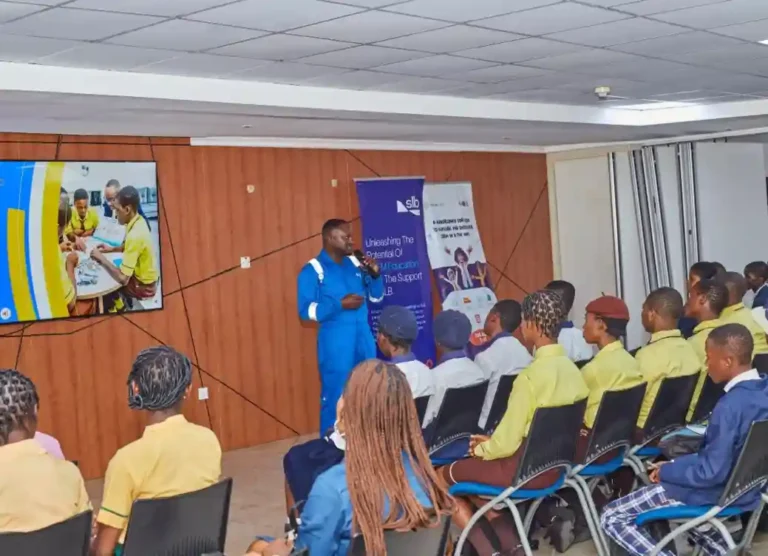
200 students drawn from 8 secondary schools in Rivers State unveiled technology-driven projects in Port Harcourt at the final showcase of the Young Creators Programme (YCP), implemented by SLB in collaboration with STEMCafe.

The Young Creators Programme (YCP), launched by global energy technology company SLB in partnership with STEMCafe, culminated in an inspiring showcase as students unveiled the innovative projects they developed over a year of hands-on STEM learning. The event took place at the SLB Blue Base office in Port Harcourt, Rivers State.

The programme engaged 200 students across eight secondary schools, equipping them with practical skills in Embedded Systems and Additive Manufacturing over a full academic session. Through hands-on experience in physical computing and 3D printing, participants gained a strong foundation in prototyping, design thinking, and problem-solving using both hardware and software tools.

By 2030, young Africans are projected to make up 42 percent of the world’s youth, with those under 35 expected to account for 75 percent of the continent’s population. This projection highlights the need to strengthen STEM education to help young people build future-ready skills and harness their full potential.

During the event, student groups representing each participating school presented their final projects to educators, industry professionals, and community stakeholders. The atmosphere was filled with excitement as young innovators demonstrated how technology could solve everyday challenges.

Highlighted projects included a Smart Walking Stick with Vibration from Community Secondary School, Rumuepirikom, designed to enhance mobility for visually impaired users through obstacle detection and haptic alerts. Students from Government Girls Secondary School, Rumueme, showcased an Automated Irrigation System that uses soil-moisture sensors to optimize watering for efficient crop management.

Another standout project, a Contactless Water Dispenser from Community Secondary School, Oroworukwo, uses motion detection to dispense water automatically, reducing shared touchpoints and limiting the spread of germs. Several teams also incorporated recycled materials, including cartons and 3D-printed components, demonstrating creativity, resourcefulness, and commitment to sustainability.

Nigeria Country Director of SLB, Nosa Omorodion, said: “Seeing these students bring their ideas to life reinforces why early exposure to STEM is so important. The Young Creators Programme gives young people the confidence to build, test, and innovate — skills that are essential for Nigeria’s future workforce. We are proud to support initiatives that unlock potential and inspire problem-solvers who will shape the country’s technological and economic growth.”

Managing Director of STEMCafe, Moji Tijani, praised the students for their creativity and determination. “Programmes like this show what happens when young people are given the right tools, guidance, and freedom to create. The students demonstrated not only technical understanding but also curiosity, resilience, and imagination. These are the qualities that drive long-term innovation, and we’re thrilled to partner with SLB to help nurture them,” she said.

The event concluded with a project exhibition where students engaged with guests, received feedback, and shared plans to further improve their prototypes. It reinforced the programme’s vision of building a generation of young innovators ready to contribute to Nigeria’s technological advancement.

Education and partnerships remain central to how SLB supports host countries and local communities. Guided by the UN Sustainable Development Goal 4 (SDG 4), the company invests in quality education for young people, particularly women and students from underserved backgrounds, with a strong focus on STEM fields.

SLB’s wider educational efforts include the Faculty for the Future, SLB Excellence in Education Development (SEED), and the HSE for Youth programme. Through initiatives like the Young Creators Programme, the company continues to promote inclusive learning, skill development, and innovation among the next generation of creators.
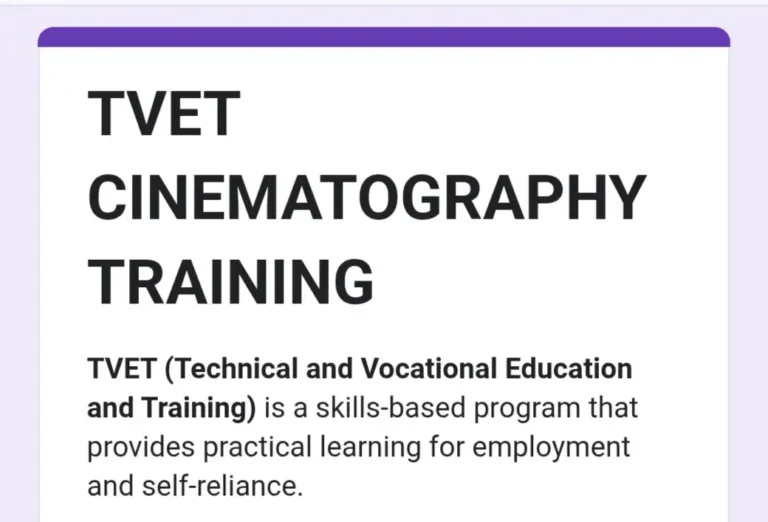
Read Also: Apply: FG TVET Cinematography Training Programme

Advertisement

Apply: Seplat Energy Applied Technology Training Program

0

Seplat Energy Producing Nigeria Unlimited has opened applications for its Applied Technology Training Program, an initiative aimed at empowering young Nigerians with practical oil and gas skills. The programme is designed to build a strong pipeline of entry-level technicians who can contribute meaningfully to Nigeria’s energy sector and support the future of sustainable energy development.

This training opportunity targets graduates who are ready to begin a professional journey in the oil and gas industry through structured learning, hands-on exposure, and internationally recognized certification.

About the Applied Technology Training Program

The Seplat Energy Applied Technology Training Program, also known as ATTP, is a City and Guilds approved foundation-level training programme. It is structured to equip participants with technical knowledge and workplace skills required for entry-level roles in the oil and gas industry.

The programme focuses on applied engineering technology and blends classroom instruction with practical training to prepare participants for real industry challenges.

Program Background and Legacy

The ATTP has a long-standing history in Nigeria’s oil and gas sector. It was originally run by Mobil Producing Nigeria Unlimited since 1995 and has now transitioned to Seplat Energy Producing Nigeria Unlimited.

Seplat Energy currently operates the Joint Venture with the Federal Government of Nigeria through the Nigerian National Petroleum Corporation Limited. This legacy reflects decades of commitment to technical capacity building and workforce development in Nigeria.

Training Structure and Certification

The training will run for approximately 23 months and will take place at the Seplat Energy Technical Training Center in Eket. Participants will benefit from hands-on learning delivered by experienced professionals across various technical disciplines.

Upon successful completion, trainees will receive a Seplat Energy certificate of completion as well as a City and Guilds certificate in Applied Engineering Technology in their specific discipline. Graduates will also be coached to develop independent thinking, professional discipline, and long-term career growth in the energy industry.

Eligibility Criteria

Applicants must meet the following requirements to be considered:

• Must be Nigerian
• Must possess a National Diploma in Chemical Engineering Technology, Electrical or Electronic Engineering Technology, Mechanical Engineering Technology, or Petroleum Engineering Technology
• Must have graduated with a minimum of Upper Credit not earlier than 2023
• Applicants with higher qualifications will not be considered
• Must have a valid government-issued identity card

Only applicants who meet the minimum requirements will be contacted. Communication will be done via email and SMS.

Selection Process and How to Apply

Shortlisted candidates will be invited to attend aptitude and discipline-specific tests at designated locations. Successful candidates will proceed to interviews, followed by mandatory medical and security screenings before final admission.

Application Deadline: Thursday, 30 January 2026

Early application is advised, as only successful candidates will move through each stage of the selection process.

Frequently Asked Questions

What is the Seplat Energy Applied Technology Training Program?

The Seplat Energy Applied Technology Training Program is a foundation-level technical training designed to prepare young Nigerians for entry-level technician roles in the oil and gas industry.

Who can apply for the ATTP?

The programme is open to Nigerian graduates who hold a National Diploma with a minimum of Upper Credit in approved engineering technology disciplines and graduated from 2023 onward.

How long does the training last?

The training runs for approximately 23 months and is delivered at the Seplat Energy Technical Training Center in Eket.

Is the programme certified?

Yes. Successful participants will receive a Seplat Energy certificate of completion and a City and Guilds certificate in Applied Engineering Technology.

Where will the training take place?

All training activities will take place at the Seplat Energy Technical Training Center located in Eket, Nigeria.

What is the selection process like?

Applicants who meet the entry requirements will be invited for aptitude and discipline-based tests. Shortlisted candidates will then attend interviews and undergo medical and security screenings.

Will all applicants be contacted?

No. Only applicants who meet the minimum entry requirements and are shortlisted will be contacted via email and SMS.

How do I apply for the programme?

Interested candidates must apply online through the official application portal before the stated deadline.

Apply HERE

Apply: FG TVET Cinematography Training Programme

0

The Federal Government of Nigeria has launched a new opportunity for young people and creative enthusiasts through its Technical and Vocational Education and Training initiative, known as TVET. The Cinematography Training Programme is designed to equip Nigerians with practical, job-ready skills needed in the fast-growing film, media, and digital content industry. The programme emphasizes hands-on learning rather than theory, supporting national goals of reducing unemployment, encouraging self-reliance, and strengthening the creative economy.

As digital media, film production, and online content continue to expand, the demand for skilled cinematographers is increasing. This programme responds to that demand by preparing participants with relevant skills that can be applied immediately in the workplace or in personal business ventures.

About the TVET Cinematography Programme

TVET is a skills-focused education pathway created to prepare participants for direct employment or sustainable self-employment. Under this initiative, the cinematography training is delivered in collaboration with Digital Dreams, an organization recognized for developing creative talent and offering industry-relevant exposure.

Through this partnership, participants are trained using modern techniques and real production tools. Learners gain experience with current industry equipment and benefit from guidance that aligns with today’s production standards in film and digital media.

What You Will Learn

• Camera operation and handling
• Video shooting techniques
• Basic lighting setup and control
• Visual storytelling for film and digital platforms
• Framing, composition, and camera movement
• Practical skills for content creation and event coverage

Who Can Apply

• Nigerians with interest in filmmaking, videography, or digital content creation
• Beginners with no prior cinematography experience
• Students seeking practical creative skills
• Unemployed youths and job seekers
• Entrepreneurs and freelancers looking to enter the media industry

Beyond technical training, the programme also helps participants develop creativity, teamwork, discipline, and problem-solving skills. These qualities are essential for success in the creative industry. Graduates can apply their skills in content creation, event coverage, short film production, online branding, advertising support, and freelance services.

How to Apply

Interested candidates can apply by completing the online TVET cinematography training registration form using the official application link below. Although no specific deadline has been announced, early application is strongly advised to improve the chances of selection.

This programme offers a valuable pathway for Nigerians to gain practical competence, improve employability, and build long-term careers in the creative sector. Early participation also provides opportunities for networking, mentorship, portfolio development, and personal income growth.

Frequently Asked Questions

What is the FG TVET Cinematography Training Programme?

The FG TVET Cinematography Training Programme is a skills acquisition initiative designed to train Nigerians in practical cinematography and video production for film and digital media.

Who can apply for this programme?

The programme is open to Nigerians who are interested in filmmaking, videography, or digital content creation. Beginners and individuals with no prior experience are welcome to apply.

Is any previous experience required?

No. The training is designed for beginners and aspiring creatives. All necessary skills will be taught during the programme.

What skills will participants learn?

Participants will learn camera operation, video shooting techniques, basic lighting, visual storytelling, framing, and composition for films and digital platforms.

Is the training theoretical or practical?

The training is mainly practical, with hands-on sessions using real equipment to prepare participants for real-world projects.

Where will the training take place?

Details of the training location will be shared with selected applicants after the application process is completed.

Is there a deadline for application?

There is no fixed deadline at the moment. However, applicants are encouraged to apply early as spaces may be limited.

How do I apply for the programme?

Interested candidates must apply online by filling out the official application form provided through the application link.

Apply HERE

FG launches livestock centres in Sokoto to create youth jobs

The Federal Government has launched a Livestock Development Service Centre and an Artificial Insemination and Breed Multiplication Centre in Sokoto State to create decent jobs for young people and strengthen Nigeria’s food security. The intervention is part of efforts to unlock the economic potential of the livestock sector and expand opportunities across the agricultural value chain.

The facilities were inaugurated by the Minister of Livestock Development, Idi Mukhtar Maiha, who described the projects as strategic investments aimed at stimulating rural livelihoods while supporting agribusiness growth in urban centres. He said the launch reflects the Federal Government’s resolve to reposition livestock production as a key driver of economic growth, job creation and national food security.

Maiha explained that modernising the livestock sector would increase incomes for pastoralists and farmers in rural areas while opening up new roles for processors, marketers, transporters and other service providers operating in cities. According to him, the Livestock Development Service Centre is designed to function as a one stop hub for veterinary services, livestock training, breed improvement and youth empowerment programmes.

He added that the Artificial Insemination and Breed Multiplication Centre would improve livestock genetics, raise meat and dairy yields and support the development of commercially viable livestock enterprises. Maiha said strengthening the livestock value chain would reduce post harvest losses, stabilise food supply to urban markets and lower dependence on imports, in line with Nigeria’s economic diversification agenda.

The minister said the projects align with national development plans and are part of a wider strategy to establish a nationwide network of livestock service centres focused on disease control, sustainable production and increased private sector participation. He also commended the World Bank for supporting the Livestock Development Programme, noting that development partnerships remain critical to closing infrastructure and capacity gaps in the sector.

“Our goal is to build a livestock economy that connects rural production to urban markets, creates decent jobs for young people and delivers value across the supply chain,” Maiha said.

Earlier, the National Coordinator of the Livestock Development Programme, Dr. Muhammad Sanusi, said improved access to modern livestock services would boost productivity and competitiveness. He said the programme is structured to attract private investors, agribusiness firms and training institutions, strengthening rural urban economic linkages.

Sokoto State Governor, Ahmad Aliyu, welcomed the intervention, saying it would complement ongoing agricultural reforms and stimulate economic activities in rural communities and urban markets. He added that improved security and efforts to curb banditry are essential to sustaining livestock production and protecting investments across the state.

NCDMB, Mode Four Solutions train 30 Delta teachers on STEM

The Nigerian Content Development and Monitoring Board (NCDMB), in partnership with Mode Four Solutions, has trained 30 teachers from oil and gas host communities in Delta State, with a focus on Science, Technology, Engineering, and Mathematics (STEM) education.

The five-day capacity building training programme, which started on Monday and ended today, was organized by Mode Four Solutions to strengthen teaching capacity in host communities and improve learning outcomes in schools.

Speaking during the programme, the Chief Executive Officer of Mode Four Solutions, Orji Blessing, urged participants to return to their communities and apply the knowledge gained. She said, “what you have learned here should be taken back to your various communities and used to make a positive impact.”

She stressed that STEM education plays an important role in driving development and innovation in the oil and gas industry, adding that teachers are key to preparing young people for future opportunities.

The organizers said the training was designed to equip teachers with skills and knowledge needed to effectively deliver STEM education. The programme covered hands-on practical sessions and best practices in STEM teaching.

The partnership between NCDMB and Mode Four Solutions aims to promote STEM education and develop teacher capacity in oil and gas host communities.

Participants thanked Mode Four Solutions and NCDMB for the opportunity and pledged to apply the skills acquired to improve STEM education delivery in their schools.

Read Also: FG Oxford-TVET IDEAS Solar Training Programme

Apply: FG Oxford-TVET IDEAS Solar Training Programme

1

The Federal Ministry of Education, in collaboration with Oxford-TVET, has announced the start of applications for the Innovation Development and Effectiveness in the Acquisition of Skills (IDEAS) project. This initiative is part of Nigeria’s flagship Technical and Vocational Education and Training (TVET) program aimed at empowering young Nigerians with market-driven, hands-on skills that promote employment and entrepreneurship.

As Nigeria continues to shift towards renewable energy, the demand for skilled solar technicians is rapidly growing. This programme has been strategically developed to fill the skills gap in the renewable energy sector by offering high-quality, practical training focused on solar and inverter systems.

About IDEAS TVET Programme

The IDEAS project is designed to help participants transition from being trainees to becoming professionals or business owners. This training focuses specifically on Solar and Inverter Installation and Maintenance, providing a comprehensive learning experience that spans from basic electrical concepts to advanced solar system design and fault diagnosis.

The six-month intensive training is open to unemployed individuals who are ready to commit to full-time learning. The aim is to create direct career pathways for those interested in building a future in renewable energy and sustainable technology.

Opportunity

• Training Duration: 6 months (Intensive)
• Specialization: Solar and Inverter Installation
• Mode: Full-time skill acquisition
• Location: Nationwide (available in multiple states across Nigeria)

This programme serves as a social intervention initiative for unemployed youths. It seeks to empower participants with relevant technical and business skills that will allow them to secure jobs or start their own ventures in the renewable energy sector.

What You Stand to Gain

Participants will receive technical and entrepreneurial training that prepares them for real-world application. The programme offers:

• Practical Mastery: Hands-on experience with modern solar and inverter technologies.
• Entrepreneurial Skills: Guidance on how to set up and manage a solar installation business.
• Certification: A recognized certificate upon successful completion of the training.
• Career Support: Access to mentorship, networking opportunities, and potential job placements within the energy sector.

Eligibility Criteria

  1. Applicant must be currently unemployed.
  2. Must be a citizen of Nigeria.
  3. Must be available for the entire 6-month intensive training.
  4. Must show interest in technical work, renewable energy, and vocational learning.
  5. Targeted at the youth demographic as defined by Federal Ministry guidelines.

How to Apply

Interested candidates should complete the official registration form using the link below. Ensure that all details provided are correct, as verification will be required during the selection process.

Frequently Asked Questions

What is the IDEAS TVET Solar Training Programme?

The IDEAS TVET Solar Training Programme is a six-month intensive skill acquisition initiative focused on solar and inverter installation and maintenance. It is designed to equip unemployed Nigerian youths with practical, job-ready skills in renewable energy.

Who is eligible to apply for this programme?

The programme is open to unemployed Nigerian citizens who are willing to commit to a full-time six-month training. Applicants must fall within the youth age bracket as defined by Federal Ministry guidelines and show interest in technical and vocational skills.

How long does the training last?

The training runs for six months and is intensive. Participants are expected to be fully available throughout the duration of the programme.

Is the training full-time or part-time?

The training is strictly full-time. It is designed for individuals who are currently unemployed and seeking long-term skill development.

Where will the training take place?

The programme will be conducted nationwide, with training centres available in different states across Nigeria. Selected applicants will be informed of their assigned locations.

Will participants receive any certification?

Yes. Participants who successfully complete the programme will receive a recognized certification in solar and inverter installation and maintenance.

Does the programme support entrepreneurship?

Yes. In addition to technical skills, participants will receive basic entrepreneurial training to help them start and manage a small-scale solar installation business.

How do I apply for the programme?

Interested candidates must apply online by filling out the official registration form provided in the application section. All submitted information will be verified.

Apply via the Registration Form:
Apply HERE

Apply: Adamawa State 2026 Special Female Scholarship

The Adamawa State Scholarship Trust Fund, Yola, invites qualified female students to apply for the Adamawa State Government 2026 Special Female Scholarship. This initiative aims to encourage and support young women from the state in pursuing higher education at government universities, especially those who have shown academic excellence and determination to continue their studies.

Eligibility

  1. Candidate must be an indigene of Adamawa State.
  2. Must possess nine credits in their 2025 WAEC or NECO O’ Level results.
  3. Must have completed secondary school education from a government-owned school.
  4. Candidate must have scored the JAMB cut-off mark for the chosen course and secured admission into a government university.

How to apply

Interested and qualified candidates are required to apply through the official scholarship web portal. Applicants should ensure that all information provided is accurate and up to date, as incomplete or false details may lead to disqualification.

The application portal will open on Wednesday and close on Wednesday, January 28, 2026. Early application is encouraged to avoid last-minute delays.

FAQs

Who can apply for the Adamawa State 2026 Special Female Scholarship?

The scholarship is open to female candidates who are indigenes of Adamawa State and who meet all the listed eligibility requirements.

Is the scholarship open to students from private secondary schools?

No. Only candidates who completed their secondary school education in government-owned secondary schools are eligible to apply.

Which examination results are accepted?

Applicants must present 2025 WAEC or NECO O’ Level results with a minimum of nine credits.

Is JAMB compulsory before applying?

Yes. Candidates must have scored the approved JAMB cut-off mark for their chosen course and must have secured admission into a government university.

How can I apply for the scholarship?

Applications are submitted online through the official Adamawa State Scholarship Trust Fund application portal.

When will the application close?

The application portal will close on Wednesday, January 28, 2026. Late applications will not be accepted.

Is there any application fee?

No. The application process is completely free. Applicants should avoid anyone requesting payment for assistance.

Apply Here

A’Ibom directs employers to submit 2025 Tax Returns by January 31

The Akwa Ibom State Internal Revenue Service (AKIRS) has informed businesses and organisations operating in the state that employ workers that they must submit their 2025 employers’ tax returns. The submission, which covers PAYE and related taxes deducted from workers’ salaries, must be completed on or before January 31, 2026, in line with the Nigeria Tax Administration Act 2025.

In a signed statement on Saturday, the Executive Chairman of the Akwa Ibom State Internal Revenue Service, Okon Okon, said this directive is in compliance with the provision of Section 14, subsections (1-3) of the Nigeria Tax Administration Act 2025 (NTAA). He explained that all employers in Akwa Ibom State, including public and private organizations, are to file their PAYE Tax Returns for 2025.

“In line with Section 101 of the Nigeria Tax Administration Act, 2025, any employer who contravenes this Section shall be liable, on conviction, to a penalty of N100,000.00 and N50,000 for each subsequent month in which the failure continues,” the statement read.

The Annual Returns for employers of labour should contain the following details as it relates to PAYE Annual Returns Form (H1), Income Tax Form for returns of income and claims for allowances and reliefs (Form A), Withholding Tax (WHT) Returns for contract, rent, dividends and others, Development Levy, and a schedule of all Withholding Tax deductions made by showing names and addresses of beneficiaries, amount, tax deducted, and nature of services.

“In line with global best practice, Akwa Ibom State Internal Revenue Service has directed that all Annual Filings should be done online using the following link: https://ibomtax.net.”

Those who will require assistance can come with their returns and relevant schedule to the Revenue House for support.

The listed documents to be uploaded along with the returns schedule include revenue receipts on PAYE, WHT and EDL for the period, immigration returns for expatriates where applicable, expatriate quota, nominal payroll of all employees in their organizations for 2026, contact persons and phone numbers of the Tax Desk Officer, evidence of approved contributory pension scheme, schedule and remittances to pension fund administrators where applicable, and evidence of deduction, schedule and remittances of the National Housing Fund.

“For further enquiries, contact us at AKIRS, Revenue House, Banking Layout, Udo Udoma Avenue, Uyo or call 08023772227 or E-mail: contactus@akirs.ak.gov.ng,” the statement said.

Bauchi LGs Begin Physical Screening of Job Applicants

The Bauchi State Government has announced that physical screening of applicants will take place at the local government level as part of the ongoing employment process.

The Head of Service of Bauchi State, Barrister Mohammed Sani Umar, said local government officials have been assigned to physically screen applicants to verify their wards of origin and confirm eligibility. He explained that the exercise is designed to ensure only qualified applicants move to the next stage.

According to him, “after the physical screening exercise, verified names of successful applicants will be compiled by the local government authorities and forwarded to the state government for approval.”

He added that the approved lists would then be transmitted to relevant bodies, including the Civil Service Commission and the Teachers Service Commission, for further action.

Barrister Umar noted that the arrangement is meant to promote transparency, fairness, and proper representation of all wards across Bauchi State in the employment process.

Lagos Approves Recruitment of LNSC Officers

Lagos State Governor Babajide Sanwo-Olu has approved the recruitment of new officers into the Lagos State Neighbourhood Safety Corps (LNSC). The move aims to boost community-level security across the state.

The General Manager of the Lagos State Neighbourhood Safety Agency (LNSA), Prince Dr. Ifalade Oyekan, FISN, confirmed the development during the Lagos State Stakeholders’ Engagement and the launch of the School Safety and Security Response Team for public primary schools.

Prince Oyekan assured Lagos residents of improved security services following the governor’s approval. According to him, “the recruitment drive will significantly strengthen the Agency’s operational capacity and enhance response time to security concerns at the community level.”

He explained that “the initiative aligns with the state government’s commitment to creating a safe and conducive environment for learning and community living.”

Speaking further, the General Manager recalled that the LNSA had earlier introduced the Safer School Initiative, which mandates LNSC officers to ensure the safety and protection of pupils within and around school environments. He said, “The initiative has yielded positive outcomes, including a drastic reduction in inter-school fights, cult-related activities, and drug peddling among schoolchildren.”

Prince Oyekan also described the renewed focus on school safety as long overdue. He emphasized that safeguarding children is a shared responsibility requiring cooperation among government agencies, school authorities, parents, and community stakeholders.

Earlier, the Executive Chairman of the Lagos State Universal Basic Education Board (SUBEB), Dr. Shittu Hakeem Babatunde, reaffirmed the Lagos State Government’s commitment to providing a safe learning environment for pupils across the state.

The event was attended by the Honourable Commissioner for Education (Basic and Secondary Education), Hon. Jamiu Tolani Alli-Balogun, along with other key figures from the education and security sectors, who expressed support for the new measures aimed at enhancing safety in Lagos communities.