Home Blog Page 208

How to Apply for NFWP Grant in Nigeria (Full Guide)

The federal government has opened applications for women to benefit from the Nigeria for Women Project (NFWP), an empowerment programme designed to improve women’s livelihoods through skills training, group support, and access to livelihood grants. The programme is supported by the World Bank and focuses on helping economically active women strengthen their businesses and income at the community level.

The NFWP was created to support women who are already engaged in small-scale economic activities but face challenges such as limited capital, weak business skills, and poor access to financial services. The programme works mainly through Women Affinity Groups, which are community-based groups where women save together, receive training, and access support.

The NFWP grant is provided as livelihood support rather than a general cash handout. In previous phases, individual livelihood grants ranged from about ₦30,000 to ₦60,000 per woman, depending on the state and phase of implementation.

Some Women Affinity Groups also received larger collective funding to support group-based enterprises and revolving savings schemes. Access to grants is usually linked to training participation, savings activities, and group performance.

Objectives of the Programme

The main objective of the NFWP is to improve women’s livelihoods and economic participation. It aims to increase women’s income, strengthen business skills, and promote financial inclusion. Another key goal is to build social capital by encouraging women to work collectively through Women Affinity Groups.

The programme also seeks to reduce barriers that limit women’s access to finance, markets, and productive resources, especially in rural and semi-urban communities.

Eligibility Requirements

To qualify for the NFWP grant, applicants must be women aged 18 years and above who are economically active. This means applicants should already be involved in some form of income-generating activity.

Participants must also live in participating local government areas within states covered by the programme.

Willingness to join or form a Women Affinity Group is mandatory, as the programme does not support individual participation outside these groups. Importantly, there is no registration or application fee required at any stage.

Existing micro and informal businesses. Supported activities include trading, small-scale farming, food processing, tailoring, hairdressing, artisan work, and other services commonly run by women. Group-based agricultural or processing enterprises are also supported where Women Affinity Groups operate collectively.

There is no fixed nationwide deadline for applying for the NFWP grant. Registration and participation are ongoing and depend on state rollout and community engagement. Grant disbursement happens in phases and is tied to programme milestones, not first-come-first-served applications.

How to Apply for the NFWP Grant

Interested women should visit the official NFWP portal and complete the online registration.

After registration, applicants are guided to join or form a Women Affinity Group in their community. Active participation in group meetings, training sessions, and savings activities is required before any financial support is considered.

Apply via nfwp.gov.ng/register.

Advertisement

FG Train 75 Boat Operators on Inland Waterway Safety

0

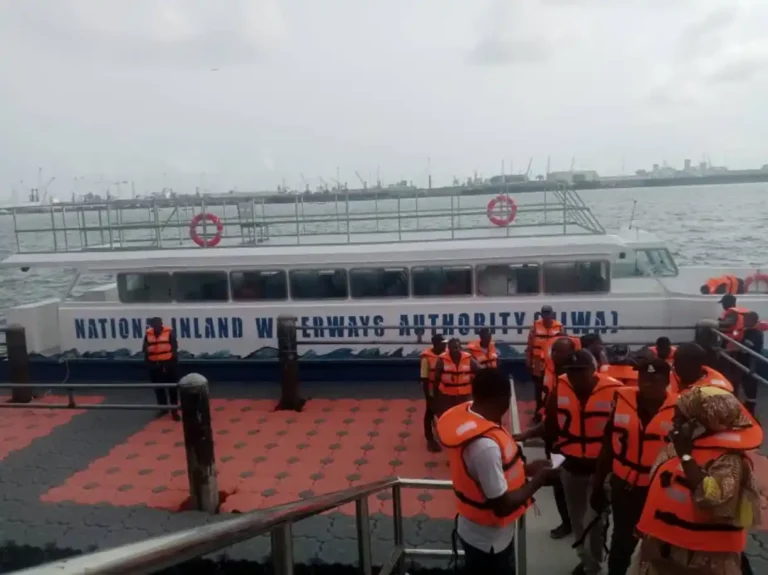
The Federal Ministry of Marine and Blue Economy, in collaboration with the National Inland Waterways Authority (NIWA), has trained 75 boat drivers and skippers in boat navigation and safety, as part of ongoing efforts to improve safety and professionalism on Nigeria’s inland waterways.

The training programme was organised by the Federal Ministry of Marine and Blue Economy and NIWA, following recommendations from investigation reports carried out during the tenure of former NIWA Managing Director, Bola Oyebamiji, which identified gaps in technical competence and safety awareness among waterway operators.

The three day programme, held between December 22 and 24, 2025, brought together boat operators from Lagos, Ogun and Ondo States. It focused on equipping participants with the practical knowledge and operational competence required for the issuance of the Certificate in Safe Boating and Navigation.

Participants were drawn from key boating associations, including the Maritime Workers Union, the Association of Tourist Boat Operators and Water Transporters of Nigeria (ATBOWATAN), and the Waterfront Boat Owners and Transporters Association of Nigeria (WABOTAN). Boat drivers and skippers operating across major inland routes in the three states took part in both classroom and field sessions.

Speaking at the closing ceremony, a representative of the NIWA Lagos Area Office, Timothy Clement, described the programme as a timely intervention aimed at reducing accidents and improving confidence among inland waterway users.

He said past incidents on waterways were often linked to limited technical knowledge and inadequate experience among operators, adding that continuous capacity building would significantly reduce such occurrences.

Clement also outlined ongoing safety measures being implemented by NIWA, including the removal of wrecks to enhance navigation and regular sensitisation of boat operators along busy routes such as CMS, Ikorodu, Badore, Badagry and Port Novo.

According to him, NIWA has intensified awareness campaigns by moving from jetty to jetty to educate operators on safety standards and best practices, while encouraging boat owners to release more skippers and captains for structured training.

“This year alone, NIWA conducted sensitisation exercises two to three times across different jetties. We are encouraging operators to make more of their captains and skippers available for this kind of training. I believe that by this time next year, we will have even more reasons to celebrate improved safety on our waterways,” he said.

Also speaking, the Lead Trainer and Consultant, Dr Sileola Akinbowale, described the programme as a life saving initiative designed to strengthen manpower capacity and reduce accidents on inland waterways.

She explained that the training combined theoretical instruction with hands on practical sessions to ensure participants were fully equipped to operate safely and efficiently.

Akinbowale commended the Federal Government, the Minister of Marine and Blue Economy, Adegboyega Oyetola, and the former Managing Director of NIWA, Bola Oyebamiji, for prioritising safety and capacity development in the sector.

“We did not limit the training to classroom lectures. Participants were taken out for practical sessions at the jetty, which made the programme very effective. It was an all inclusive training, not just theory,” she said.

She added that the initiative would be sustained, stressing that continuous capacity enhancement remains critical to saving lives and improving professionalism on inland waterways.

Similarly, the leader of the Ogun State delegation, Pami Ronald, said participants were trained in boat handling, safety procedures, first aid, emergency response, engine maintenance and effective waterway transport management, noting that the knowledge gained would improve service delivery and passenger safety across the waterways.

No automatic bank debit or asset seizure for tax defaulters in Nigeria

0

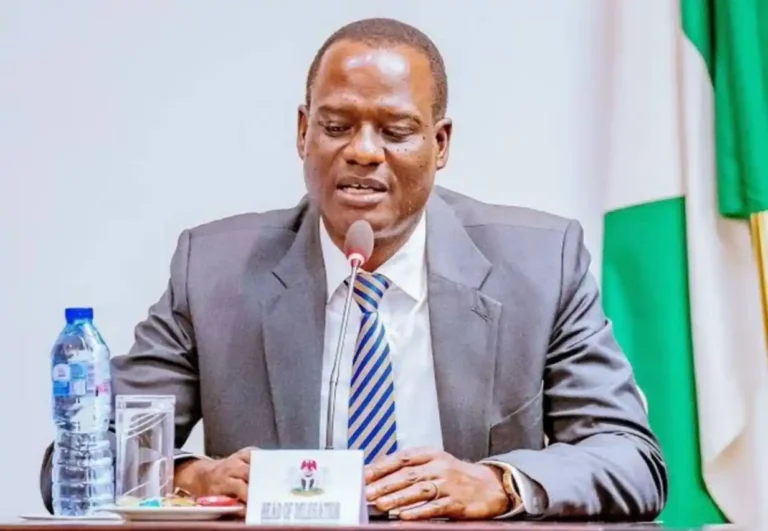
The Chairman of the Presidential Fiscal Policy and Tax Reforms Committee, , has clarified that Nigerians cannot have their bank accounts debited, frozen, or their property sold simply because they are accused of owing tax.

Oyedele made the clarification during interviews on and later on , following widespread public concern over claims that the new tax laws grant unchecked powers to tax authorities.

According to him, reports suggesting that tax officials can immediately access bank accounts or sell assets once an assessment is issued are misleading and ignore the legal safeguards built into Nigeria’s tax system.

“You don’t just wake up and say somebody is owing tax and take money from their bank account,” Oyedele said. “There is an elaborate process before any enforcement action can happen.”

He explained that the process begins when a tax authority issues an assessment. The taxpayer has the right to object within a specified time. This objection process allows the taxpayer to present arguments and documentation challenging the assessment.

If the tax authority reviews the objection and still refuses to amend the assessment, a formal notice of refusal is issued. According to Oyedele, this triggers the appeal process, which first goes to the Tax Appeal Tribunal.

He added that if the taxpayer is dissatisfied with the outcome at the tribunal, the case can move to the High Court, then the Court of Appeal, and finally the Supreme Court.

“That tax must become final and conclusive,” he said. “It is only after going through those stages that enforcement can begin.”

Oyedele addressed the fear that banks could be ordered to release funds without court involvement, explaining that what many people describe as automatic bank debit is actually known as the power of substitution. He noted that this power is not new and already exists in current tax laws.

Under this provision, a tax authority may require a third party holding money belonging to a taxpayer, such as a bank, to pay the tax owed. However, Oyedele stressed that this can only happen after the tax liability has been fully established through due process.

“It can’t be the tax authority waking up and saying a bank should release money,” he said. “You must go through objections, appeals, and the courts.”

On the issue of selling assets, Oyedele said real property cannot be sold without court involvement. He explained that the courts must first be part of the seizure process before any asset can be disposed of.

He also noted that such extreme enforcement measures are rarely pursued for small tax amounts, adding that it would not be practical or worthwhile to go through a lengthy legal process to recover minor sums.

Oyedele warned that exaggerating enforcement powers creates unnecessary fear among taxpayers and damages trust in the tax system.

“What we are seeing is people taking one sentence from the law and running with it,” he said. “When you read the law as a whole, you see there are protections at every stage.”

He urged Nigerians to rely on verified information and allow ongoing reviews by lawmakers to clarify any concerns surrounding the tax reforms, rather than spreading panic based on unofficial documents.

Katsina Flags Off ₦2.6bn Bursary and Scholarship for 2024/2025

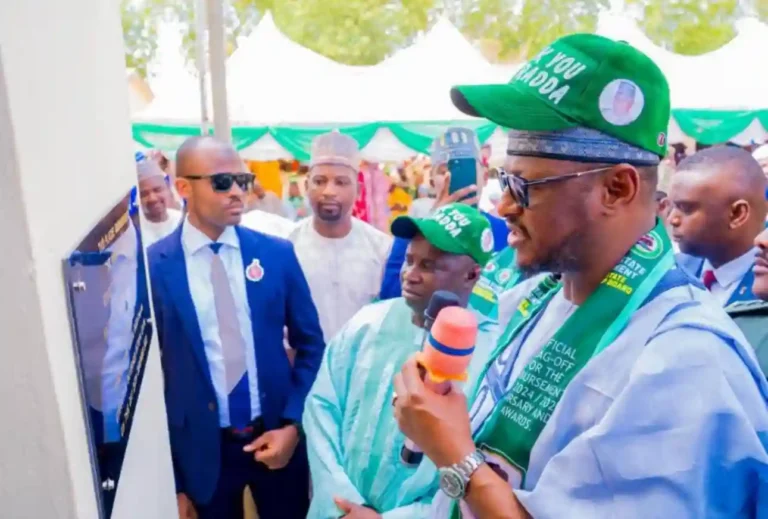
Katsina State Governor, Malam Dikko Umaru Radda, on Tuesday flagged off the 2024/2025 Bursary Allowances and Award Presentation, reaffirming his administration’s commitment to ensuring that no child in the state is denied access to education because of financial constraints.

Speaking at the ceremony in Katsina, Governor Radda disclosed that his administration has invested over ₦2.6 billion in scholarships and bursary support, reaching thousands of students studying within Nigeria and abroad. He said education remains a core pillar of his government’s development agenda, describing it as the most reliable path to long-term growth and social stability.

“When we assumed office, we made a solemn pledge that financial hardship should never deprive a child of Katsina State the right to education. Today, we thank Allah that He has guided our administration to fulfil this promise with sincerity and results,” the Governor stated.

Governor Radda revealed that his administration introduced the Academic Excellence Award to recognise and celebrate academic hard work and discipline. He noted that several beneficiaries of the award are now proud First-Class graduates who have secured employment, adding that the initiative is meant to inspire students to aim for excellence rather than mediocrity.

He further disclosed that the government established the Special Needs Scholarship to promote fairness, dignity and equal opportunity for students living with disabilities, ensuring that inclusion and compassion remain central to the state’s education system.

“Beyond formal education, our administration is supporting Islamic learning and moral upbringing, including learning centres hosted within mosques benefitting more than 200 students without cost,” the Governor said.

Governor Radda also expressed pride in Katsina State’s growing global educational footprint. He disclosed that sons and daughters of the state from all 34 Local Government Areas are currently studying courses such as Artificial Intelligence, Bioengineering and Medicine abroad through transparent and merit-based sponsorship.

“These are strategic investments in health, technology, innovation and leadership. When they return, they will strengthen our institutions, improve healthcare, enhance technology adoption and build a stronger Katsina State capable of competing globally,” he stated.

The Governor commended the Association of Local Governments of Nigeria (ALGON), federal lawmakers, members of the Katsina State House of Assembly, Local Government Chairmen and philanthropists for partnering with the government to support students throughout their educational journey.

He praised the Katsina State Scholarship Board under the leadership of its Executive Secretary, Dr. Aminu Salisu-Tsauri, and other Board Members for what he described as exceptional accountability, innovation, transparency and service excellence.

“Your prudence in resource management, welfare prioritization and strategic expansion clearly demonstrates integrity and institutional strength. I am exceptionally proud of you,” Governor Radda said.

During the event, the Governor commissioned new facilities at the Scholarship Board to strengthen operational efficiency, improve staff working conditions and ensure better service delivery to students. He described the infrastructure upgrade as part of his administration’s broader reform agenda aimed at modernising public institutions across the state.

Governor Radda charged beneficiaries of the bursary and awards to work hard, remain disciplined, stay focused and excel in their studies, reminding them of their responsibility to their families, the state and their faith.

“This support is not an end; it is an opportunity. Do not waste this trust. Strive to be among those elevated through knowledge and faith,” the Governor stated.

He reaffirmed his administration’s commitment to sustaining scholarship programmes and human capacity development, disclosing that the government has significantly increased the budgetary allocation and institutional strength of the Scholarship Board. He announced that the government is committed to establishing a Scholarship Trust Fund to guarantee sustainability of the programme beyond his administration.

Governor Radda also acknowledged a request for the establishment of a modern Computer-Based Test (CBT) Centre within the Scholarship Board premises, describing it as a well-thought-out idea that aligns with the state’s digital transformation agenda.

Earlier in his address, the Executive Secretary of the Katsina State Scholarship Board, Dr. Aminu Salisu-Tsauri, disclosed that ₦677.57 million has been dedicated to the 2024/2025 academic year alone, while previous disbursements have supported tens of thousands of students across multiple academic sessions.

He revealed that over ₦200 million has been invested in supporting medical and health-related students, while more than ₦300 million has gone into funding students studying in Nigeria and in the diaspora.

Dr. Salisu-Tsauri stated that the Academic Excellence Award, now in its third consecutive year, has become a strong symbol of meritocracy and academic excellence, with several beneficiaries securing automatic employment based on their performance.

He also announced that the Board has reintegrated out-of-school children into the education system by supporting them with uniforms, books and other essential learning materials as part of its corporate social responsibility.

The Board honoured several distinguished individuals and organisations whose generosity has reinforced government efforts. These include ALGON as a major funding partner, Eng. Tukur Hassan Tingilin, Eng. Abubakar Matazu, Alhaji Dahiru Usman Sarki, Alhaji Aminu Rahama, Gwagware Foundation, Lamido Foundation, federal lawmakers, members of the State Assembly and community leaders who individually sponsor students.

The Executive Secretary commended Governor Radda for increasing the Board’s budget from ₦500 million to ₦1 billion and now ₦9 billion in 2026, describing the development as revolutionary. He again requested the establishment of a modern CBT centre within the Board premises to support JAMB processes and reduce the hardship students face travelling to distant centres.

The ceremony attracted the Chief of Staff to the Governor, Hon. Abdulkadir Mamman Nasir, members of the State House of Assembly, the ALGON Chairman and Local Government Chairmen, traditional rulers, religious leaders, judges, commissioners, federal lawmakers, philanthropists, beneficiaries and other stakeholders from across the state.


Oyedele clarifies he did not call Nigeria’s gazetted tax laws fake

0

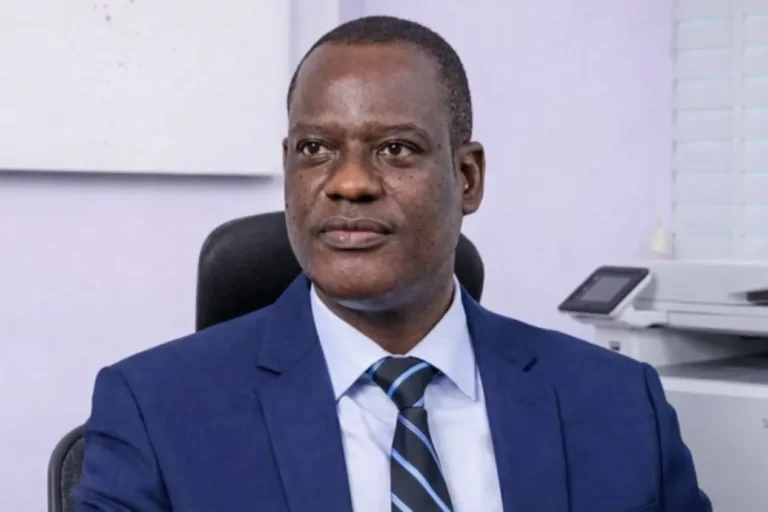
The Chairman of the Presidential Fiscal Policy and Tax Reforms Committee, Taiwo Oyedele, has clarified that he did not describe Nigeria’s gazetted tax laws as fake, contrary to some media reports circulating online.

Oyedele explained that his comments were misunderstood and taken out of context following interviews he granted on Channels TV and later on Arise TV on Wednesday. According to him, his remarks were specifically directed at a list of alleged alterations being circulated and presented as a report of a House of Representatives committee, even though the committee had not met at the time.

“So that’s not what I said,” Oyedele stated. “What I said was that there was a list of alleged alterations being circulated and the impression was given that it came from a House of Representatives committee report, when in fact the committee had not even met.”

He said he became concerned after seeing sections attributed to the gazetted tax laws that he knew did not exist. Oyedele added that he contacted a lawmaker involved in the matter, who confirmed that the committee had not issued any report. “Apparently some people decided to write what alterations they thought were made. It didn’t come from the committee,” he said.

Oyedele stressed that any claim of alteration to the tax laws can only be verified by officially comparing the gazetted documents with the harmonised versions passed by the National Assembly. Until that is done, he said, allegations remain speculative.

“There’s no basis to start discussing alleged alterations when we don’t even know where those documents came from,” he added.

Addressing specific claims, Oyedele said some controversial provisions being circulated do not appear in the gazetted Nigeria Tax Administration Act. He cited the claim that taxpayers must pay a 20 percent deposit before appealing a tax assessment, saying, “If you read Section 41, Subsection 8, you will not find it there.”

On concerns about tax authorities having excessive powers, Oyedele explained that many of the powers being described as new already exist in current tax laws. He said enforcement actions such as asset seizure or bank account substitution only occur after a long legal process involving objections, appeals, and court rulings.

“You don’t just wake up and say somebody is owing tax and take money from their bank account,” he said. “There is an elaborate process through the Tax Appeal Tribunal, the High Court, the Court of Appeal, and even the Supreme Court before a tax becomes final and conclusive.”

Oyedele also addressed criticism about provisions allowing tax computations in US dollars, particularly in the petroleum sector. He explained that oil companies already prepare their financial statements and pay taxes in US dollars under existing practice, in line with the Petroleum Industry Act.

On calls to suspend the tax laws, Oyedele said such a move would be impractical and could create serious legal and revenue challenges. He noted that some of the laws have already taken effect, including the repeal of the Federal Inland Revenue Service Act and the establishment of the Nigerian Revenue Service.

“How do you suspend a law that has already commenced?” he asked. “If you suspend revenue collection even for one month, that’s a crisis.”

While defending the reform process, Oyedele admitted that gaps exist and said the controversy should be used as an opportunity to improve transparency. He called for better automation and timely publication of harmonised bills to prevent similar disputes in the future.

“This reform is here to help Nigerians,” he said. “When there is a crisis, we should not waste it. Let us use it to fix the process so we don’t have these kinds of allegations again.”

Ogun Women Receive N50m Grants Under Renewed Hope Initiative

0

The wife of the President, Senator Oluremi Tinubu, on Wednesday distributed N50 million in grants to women small business owners in Ogun State. The financial support was extended to traders and micro entrepreneurs as part of efforts to boost women-led enterprises and improve household livelihoods across the state.

Each beneficiary received N50,000 under the Women Economic Empowerment Programme of the Renewed Hope Initiative, implemented with support from the Tony Elumelu Foundation. A total of 1,000 women benefited from the exercise, which took place at the June 12 Cultural Centre, Kuto, Abeokuta, amid a large gathering of traders and community representatives.

Speaking at the event, Mrs Tinubu said the programme was created to support the entrepreneurial drive of women traders and small-scale business owners who work daily to support their families and contribute to their communities through small but consistent economic activities across markets and neighborhoods.

Represented by the wife of the Ogun State Governor, Mrs Bamidele Abiodun, the First Lady stressed that the financial support was not a loan but a grant designed to strengthen existing businesses. “Let me emphasise that this is not a loan. It is a grant and a seed of renewed hope to help you recapitalise your existing businesses,” she said.

She further explained the wider impact of empowering women, saying, “It is my firm belief that when you empower a woman, you empower a household, a community, and indeed, a nation.” She also acknowledged the role of partners, noting that the Tony Elumelu Foundation donated One Billion Naira to the Renewed Hope Initiative.

According to her, the donation was meant to directly support 18,500 women nationwide, with 500 women selected from each of the 36 states and the FCT to receive N50,000 each. She said, “I will be presenting the sum of N50,000 each to some of the preselected 500 beneficiaries at this event today.”

Mrs Tinubu disclosed that Ogun State benefited beyond the initial allocation after Governor Dapo Abiodun approved an increase in beneficiaries to 1,000. She praised his commitment to women empowerment and urged beneficiaries to use the grants wisely to grow businesses, support families, and aid national development.

FG Disburses N37bn Loan to Over 200,000 Nigerians in 2025

0

The Federal Government of Nigeria, through the Nigerian Consumer Credit Corporation (CREDICORP), has empowered 200,224 Nigerians with N37 billion worth of consumer credit in 2025, covering funding for mobility, digital devices, solar energy solutions, home upgrades, and other life essentials.

The disclosure was made by Uzoma Nwagba, Chief Executive Officer of CREDICORP, in a statement shared on Wednesday via X, where he highlighted the scale, quality, and broader economic impact of the programme within its first full year of implementation.

“This year, we didn’t just set goals. We delivered results,” Nwagba said. “In one year, we enabled 35 financial institutions in this process and directed credit purchases to locally-manufactured goods through Project Scale, creating jobs. And today, we proudly stand at 0% non-performing loans, a sign of quality systems and trust.”

CREDICORP operates as a federal development finance institution, partnering with banks, microfinance institutions, and fintechs to expand responsible consumer credit access rather than lending directly. The approach is designed to strengthen Nigeria’s credit culture while supporting local production and employment.

According to Nwagba, 2025 marked “a year of action, partnerships, and people-centred impact,” with mobility programmes and strategic collaborations unlocking more accessible vehicle ownership for working Nigerians. He noted that microentrepreneurs across the country benefited from structured credit that supports livelihoods at the grassroots level.

The corporation also deepened its push for inclusive energy access through the Credit Access for Light and Mobility (C.A.L.M) Fund. Under the PowerHer774 initiative, clean and reliable solar home systems were delivered to households and women-led businesses across all 774 local government areas, expanding off-grid energy access and reducing dependence on fossil fuels.

Youth-focused credit expansion remained a major pillar of the programme. Through YouthCRED, CREDICORP supported young Nigerians with structured consumer credit, initially targeting National Youth Service Corps (NYSC) members before expanding access to all employed youth nationwide. “We backed ambition, empowering young Nigerians with confidence through credit to dream bigger and do more,” Nwagba said.

Women’s economic inclusion was further advanced through the 10,000 Women in Mobility Initiative, which enables mass vehicle acquisition for women participating in transport, logistics, and allied sectors. “When women move, the nation moves,” the CREDICORP CEO stated.

Beyond direct disbursements, CREDICORP is working with the financial industry on reforms aimed at rebuilding Nigeria’s consumer credit infrastructure, including efforts to improve credit reporting, repayment discipline, and borrower education.

Nwagba said the achievements align with the vision of President Bola Ahmed Tinubu to enable mass prosperity through access to responsible credit. “At CREDICORP, we work tirelessly until all Nigerians have a fair opportunity to live better now,” he said, adding that the scale of impact recorded in 2025 signals even broader outcomes ahead. The programme continues to expand in phases.

Kwara launches Women and Youth Livestock Clubs scheme for jobs

0

The Kwara State Ministry of Livestock Development has launched the Women and Youth Livestock Clubs under the Kwara Livestock Entrepreneurship Scheme (KWALES), aimed at creating jobs, promoting sustainable livestock enterprises, and empowering youths and women across the state.

The inauguration ceremony, held at the Ministry on Friday, was led by the Commissioner for Livestock Development, Hon. Oloruntoyosi Ayobola Thomas, alongside the Commissioner for Youth Development, Hon. Ndanusa Usman. The event highlighted livestock enterprise as a key driver of economic prosperity and food security for the people of Kwara State.

Hon. Oloruntoyosi Thomas explained that KWALES is a business development and acceleration programme designed to deliver practical tools and rapid results for participants rather than offering conventional training alone. She said the initiative is structured to support young people and women in building viable and profitable livestock enterprises within a short period.

According to her, the programme aligns with Governor AbdulRahman AbdulRazaq’s vision of promoting youth empowerment, economic growth, and sustainable development in the livestock sector. She added that KWALES is built on enterprise-focused components that will directly impact participants and communities across the state.

She outlined the components, saying, “The programme aims at creating sustainable employment opportunities for at least 100 youths and women every month. It will also provide targeted coaching to enable access to funding from key sources, including the Federal Ministry of Livestock Development, the Bank of Industry (BOI), the Central Bank of Nigeria’s Agricultural Credit Guarantee Scheme Fund (ACGSF), development partners, and the private sector.”

She further explained that KWALES will “facilitate market linkages to ensure business sustainability, mentor university students to establish registered livestock businesses before graduation, and appoint KWALES Ambassadors across institutions and communities to drive peer learning, advocacy, and wider participation in the programme.”

Hon. Thomas also announced a major innovation introduced under KWALES through a partnership with the AdunGreen Foundation. “As part of its innovation drive, the initiative introduced Black Soldier Fly (BSF) farming as its flagship feature, a climate-smart approach that converts organic waste into affordable, high-quality protein feed for livestock,” she said. “This innovation reduces feed costs, promotes large-scale waste recycling, and strengthens local feed production.”

She emphasized that KWALES embodies Governor AbdulRahman AbdulRazaq’s vision of positioning livestock as a driver of job creation, environmental sustainability, and inclusive economic growth for youths, women, and persons living with disabilities in Kwara State.

The Commissioner for Youth Development, Hon. Shehu Ndanusa Usman, praised the initiative, describing it as “a strategic platform for empowering youths and nurturing enterprise-driven leaders capable of strengthening Kwara State’s agricultural and livestock value chains.”

The Permanent Secretary of the Ministry, Alhaji Yahaya Mohammed, reaffirmed the Ministry’s commitment to inclusive empowerment through programmes like KWALES. Representatives of the AdunGreen Foundation, Dr. Bola Yusuf and Mr. Olaribigbe Tajudeen, described the initiative as a practical model for sustainable, youth-led livestock development.

Both Commissioners later visited the KWALES Black Soldier Fly (BSF) Hub at the Technology Incubation Centre behind the Ministry’s premises to observe the innovation in operation.

FG TVET Programme Batch B Portal to Open in 2026

2

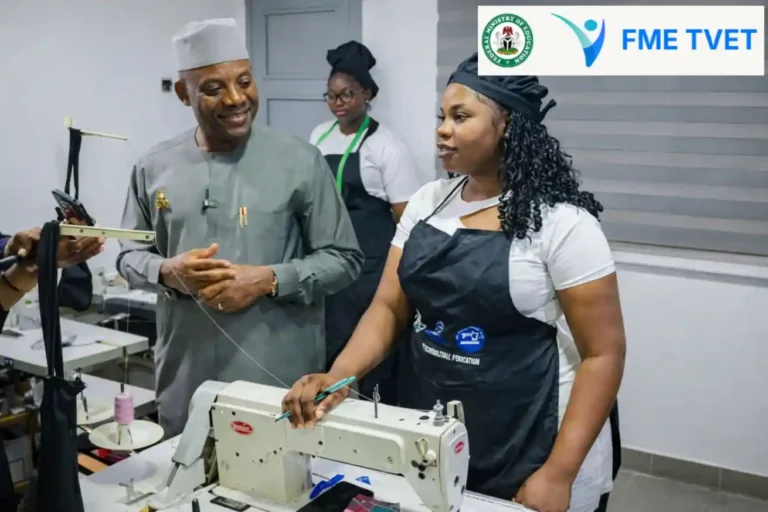
The Federal Government, through the Federal Ministry of Education, has announced that Technical and Vocational Education and Training (TVET) Batch B will reopen for registration in 2026, as the goal is to train over one million youths within the next two years. This will begin after the completion of Batch A enrollment of 250,000 participants, expected around March.

The Federal Government disclosed this update while responding to a publication circulating online that analyzed skills deficits in Nigeria and Africa.

Currently, over 100,000 students are undergoing training in more than 1,600 technical and vocational programmes across federal and state technical colleges, skills training centres, and accredited Vocational Enterprise Institutions nationwide.

The federal government is also leveraging international partnerships to support TVET curriculum modernisation, instructor training, and institutional development. For example, Nigeria has signed a Memorandum of Understanding with China and partnered with the University of Doha for Science and Technology (UDST) and Singapore’s Institute of Technical Education (ITE) to strengthen training and innovation.

These partnerships are expected to help train over one million young Nigerians within the next two years. The Federal Government also promised to provide starter packs to eligible trainees after each cohort of the programme to enable youths to put their training into immediate practical use.

The TVET programme is real, and so far, the Federal Government has paid out over ₦4.7 billion to both trainees and training centres. Each beneficiary received a ₦22,500 stipend, while trainers received ₦45,000 per trainee.

Nigeria Startup News reports that the TVET initiative was launched with about ₦70 billion, with ₦20 billion already released.

TVET programmes focus on priority skills aligned with national development goals and current labour market demands. The initiative aims to produce large-scale skilled workers in fields such as industrial mechanics, electrical installation, welding and fabrication, mechatronics, solar photovoltaic installation, compressed natural gas (CNG) conversion and maintenance, refrigeration and HVAC, and ICT.

The TVET curriculum prioritises 80 per cent practical training and 20 per cent theory, operating under three tracks: six-month Short-Term Skill Training Centres, twelve-month Vocational Enterprise Institutions, and a three-year Technical College track.

Interested applicants who missed the first cohort registration are advised to be patient, as TVET Batch B is expected to commence around March 2026.

Plateau launches seed potato initiative in Bokkos

0

Governor Caleb Mutfwang of Plateau State has launched the Seed Potato Initiative of the Time Is Now administration in Butura, Bokkos Local Government Area, marking a new phase in the state’s agricultural drive.

Speaking at the event, Governor Mutfwang said the occasion went far beyond the ceremonial turning of the soil, describing it as a defining moment that weaves together memory, livelihood, and future prosperity for the people of Plateau State.

“I am here this morning with great joy in my heart,” the Governor said, adding that true joy does not begin at birth but at the confirmation of conception. “Today is the day of conception of a dream that we have long held.”

The Governor spoke about growing up in a potato farming community and cultivating potatoes in his younger days, noting that those experiences shaped his understanding of the crop and its value.

He said for many years, Plateau farmers believed their traditional methods represented the full scope of potato production, until exposure, travel, and learning revealed a different reality.

“We have only been scratching the surface,” he admitted.

Governor Mutfwang explained that this realization now drives a deliberate policy choice to unlock the vast potential of potato farming on the Plateau, with focus on structure, innovation, and investment.

While acknowledging that current yields average about seven tons per hectare, he stressed the determination of his government to scale up production and profitability, positioning Plateau State as a competitive player in the potato value chain.

The groundbreaking at Butura, the Governor said, marks the first step in a long journey. “We are beginning a journey today that many people may not immediately appreciate,” he said, recalling that the journey of a thousand miles begins with a single step.

He added that the dream of potato processing factories, export markets, and industrial competitiveness “begins with what we are doing today.”

Governor Mutfwang highlighted Plateau’s natural advantage, explaining that while potato producing countries in Europe farm only once a year, Plateau farmers can cultivate multiple cycles annually, with major economic impact.

He cautioned that prosperity comes with responsibility. “For every new beginning, there is a price to pay,” he warned. “The era of subsistence farming with hoes is coming to an end.”

The Governor urged farmers to embrace cooperative farming, mechanisation, and intensive training as the pathway to sustainable, large scale agricultural success, saying the shift is needed to attract investment.

He also called on the Bokkos Traditional Council and community leaders to protect the investment, assuring them of the government’s commitment to security. “I will not bring this investment without providing security,” he affirmed.

Beyond seed potato importation, Governor Mutfwang announced the revival of key infrastructure within the potato value chain, revealing that the long abandoned potato tissue culture laboratory in Mangu is nearing completion.

“By the grace of God, the project will be completed by February next year,” he disclosed.

The Governor reaffirmed his administration’s commitment to improving rural access roads to ease the movement of produce to markets and protect farmers from exploitation. Through the Plateau Commodity Marketing Company, he said the government will ensure that “nobody cheats our farmers.”

Speaking at the event, the Speaker of the Plateau State House of Assembly, Rt. Hon. Naanlong Daniel, said his presence was part of the legislature’s oversight function. He praised Governor Mutfwang for exceeding expectations and said the Governor is “walking the talk.”

He reaffirmed the full support of the legislature for the initiative and other programmes of the administration.

Earlier, the Chairman of Bokkos Local Government Area, Hon. Samuel Amalau, described the launch as “the beginning of a new season of hope and opportunity” for the people.

He said potatoes play a central role in food security, nutrition, and livelihoods, and urged farmers to embrace innovation and sustainable practices.

Hon. Amalau assured the Governor that the benefits of the project would extend beyond Butura to other local government areas across Plateau State.

He said the council will mobilize stakeholders to ensure transparency, inclusion, and sustained community participation.