Home Blog Page 238

NFF launches FIFA TDS for Girls at Noble Hall Academy

The Nigeria Football Federation NFF on Wednesday inaugurated the FIFA Talent Development Scheme TDS for Girls at the Noble Hall Leadership Academy in Abuja. The event marked a new phase in Nigeria’s effort to discover and develop young female players from the grassroots, following the boys’ edition launched two years ago. NFF President Alhaji Ibrahim Musa Gusau MON highlighted the importance of the initiative and called it a key step in strengthening the country’s football future.

Gusau said, “This scheme is dedicated to uncovering talents among both boys and girls. Nigeria has consistently led women’s football in Africa for the past 25 years.” He congratulated the first group of beneficiaries and confirmed that experts will be engaged to train the pupils, adding that the hope is for some of them to one day wear the national jersey like Asisat Oshoala and Rasheedat Ajibade.

NFF Director of Competitions Ms Ruth David, who represented General Secretary Dr Mohammed Sanusi MON, explained that the TDS is part of FIFA’s long-term work with member associations. She noted that the programme is designed to improve global competitiveness and build a steady flow of new talent that can help strengthen national teams over time.

Head of Women’s Football at the NFF, Hajiya Amina Daura, thanked Noble Hall Leadership Academy for hosting the launch. She said the broader plan goes beyond producing players, as the initiative also aims to prepare young girls for careers in coaching, refereeing, physiotherapy and sports medicine while promoting discipline and health.

Proprietress of the school, Hajiya Maryam Muttalab Duba, expressed pride in being selected and said she hoped some students would one day represent Nigeria. The event was attended by NFF Head of International Competitions Mr Dayo Enebi Achor, Head of National and Inter-Clubs Competitions Dr Ayo Abdulrahman, Chief Technical Officer Coach Abdulrafiu Yusuf and other federation officials.


Advertisement

CAC Announces New Requirements for Business Name Updates

0

The Corporate Affairs Commission has announced new compulsory requirements for all Business Name Online Update requests, with the changes taking effect immediately. The update was disclosed in a statement posted on its X account on Wednesday, where the commission explained that applicants must now provide more personal and contact details to support verification and improve record accuracy for registered businesses.

“Under the new guidelines, every Business Name Online Update submission must include date of birth, registered office email, proprietor’s email address, phone number for the registered office or proprietor, where different and a valid means of identification,” CAC stated. The commission noted that these additions are part of ongoing reforms designed to improve documentation integrity, prevent fraud, and ensure seamless communication with business proprietors.

According to the CAC, the strengthened requirements will help streamline its database, support compliance checks, and offer more secure and efficient services for entrepreneurs across the country. The commission urged all proprietors to follow the updated rules to avoid processing delays.

The CAC is Nigeria’s regulatory body responsible for registering and managing companies and business names. Over the years, it has continued to modernise its operations by shifting from manual procedures to a more effective online platform, making registration and updates easier for businesses nationwide.

UNIPASS Launches Nigeria Operations to Expand Global Access

0

UNIPASS, a global education consultancy, has officially launched its operations in Nigeria with the aim of expanding access to quality higher education for young Nigerians seeking international opportunities and attracting foreign students into the country. The organisation introduced its services at a launch event held in Abuja, where its leadership outlined plans to support students and strengthen Nigeria’s education sector.

During the event, Alvin Atsegwasi, CEO of UNIPASS, explained that the organisation is committed to providing transparent and accountable pathways for students planning to study abroad. He stressed that the goal is to remove barriers that often make international education difficult for many young people. Atsegwasi also highlighted UNIPASS support for vulnerable groups through targeted scholarship programmes. According to him, “We also support scholarship programmes targeted at critical communities. Scholarship for people with disabilities,” noting that he draws from over ten years of experience in the United Kingdom.

Atsegwasi said UNIPASS intends to achieve its mission by offering guidance and support to students seeking to study abroad while also promoting Nigeria as a destination for foreign students. He stated that the organisation’s activities will contribute to expanding educational opportunities for Nigerian youths and improving the country’s global academic standing. He reiterated the broader mission of the organisation, saying that UNIPASS is dedicated to empowering students and promoting global education in a way that impacts lives positively in Nigeria and beyond.

He also appealed to Nigerian youths living abroad to contribute to national development, explaining that UNIPASS not only supports Nigerians going overseas but also encourages foreigners to consider Nigeria as a study destination. Atsegwasi pointed to partnerships with local institutions such as the Isaac Balami University of Aeronautics and Management as key to this strategy. He explained that the UNIPASS model helps eliminate risks linked to unregulated study programmes and migration challenges, and he emphasized that the organisation will work closely with government and stakeholders to improve outcomes for Nigerian students.

“UNIPASS is here to change that story. We will work hand-in-hand with the Nigerian government and all stakeholders to create the same structured and transparent pathway for our youth,” he said. “Our promise to parents, communities and our dear Nigeria is very simple: we will get you there.”

Co-founder of UNIPASS Limited, Sanpreet Sehmi, described the organisation’s mission as one built on ensuring equal access to quality education for all students, regardless of academic performance. She said, “Potential lives everywhere, and opportunity should live everywhere too.” Sehmi also announced a major milestone, revealing a new partnership with the Isaac Balami University of Aeronautics and Management in Lagos, the first institutional collaboration for UNIPASS in Africa. “It proves that a world-class international standard is not something students must travel across oceans to find. It is something we can build, nurture and proudly offer right here,” she noted.

Executive Director Maureen Mutsiya described the new Abuja office as “a passport to global education” for Nigerian students. She said, “This office is more than a physical space. It is a commitment to work with you, step by step, as you pursue education beyond borders.” Mutsiya added that more than 1,200 students have benefitted from UNIPASS guidance in the past two years across countries such as Canada, Australia, the UK, the US, New Zealand, Ireland and Germany. According to her, “We know that trying to study abroad can feel overwhelming… That’s where UNIPASS comes in, and we turn confusion into confidence.”

The launch event attracted a large audience and featured goodwill messages from the Senior Special Assistant to the President on School Feeding, Dr. Yetunde Adeniji, Isaac Balami, Chief Executive Officer of the Isaac Balami Foundation and Isaac Balami University of Aeronautics and Management, and other dignitaries.

Delta Traffic Authority Marks First Year With 273% Revenue Rise

0

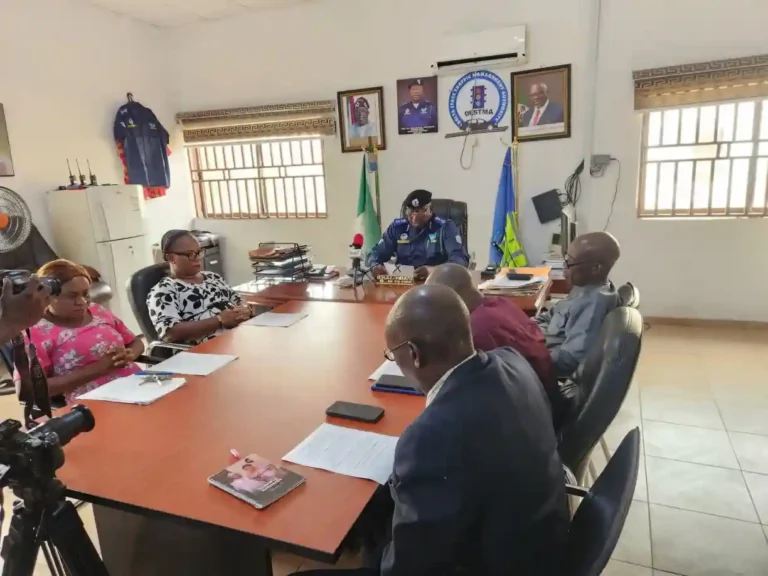
The Director-General of the Delta State Traffic Management Authority (DESTMA), Hon. Benjamin Okiemute, announced that his first year in office has delivered major reforms that have transformed the agency’s structure, operations, and revenue performance. Speaking during a media briefing to mark his one year in office, he explained that DESTMA was in poor condition before his appointment, describing it as an agency without a substantive DG, with dilapidated infrastructure, low staff morale, and only two functional patrol vehicles serving all operational commands.

Hon. Okiemute said he immediately launched an ambitious reform plan focused on restructuring the agency, reorganising staff, and restoring operational capacity by repairing patrol vehicles and tow trucks. He stated that new operational units such as the Provost Unit, Intelligence Unit, and the DESTMA Marshal were created to strengthen internal discipline and improve field operations.

He revealed that 4,328 vehicles were impounded during enforcement activities across Delta State within the year. He also confirmed that DESTMA’s revenue rose to over ₦110 million, which he described as a 273 percent increase. According to him, the reforms have led to improved traffic flow on major routes, better road safety, and stronger cooperation with security agencies. He added that he ordered a full staff audit to remove ghost workers and boost productivity.

The DG highlighted more achievements, including repairing additional patrol vehicles, deploying a rapid-response Sienna to the Provost Unit, opening a whistleblower line, and recognising outstanding officers for their performance. He noted that infrastructural upgrades were also completed, such as renovating zonal offices, improving impound facilities, and building a modern conference hall.

Hon. Okiemute said routine pep talks are now held to improve staff morale. He added that ongoing efforts include amending the DESTMA law, transitioning the agency into a paramilitary structure, and expanding its operational budget to support long-term institutional development.

Nigeria Police to Open Recruitment Portal for 50000 Constables Dec 15

The Police Service Commission has announced that the recruitment of 50,000 Police Constables into the Nigeria Police Force has officially begun, following the directive of President Bola Ahmed Tinubu. In a statement issued on 11 December 2025, the Commission said the process is in collaboration with the Nigeria Police Force and is aimed at strengthening community policing, improving internal security and expanding the manpower of the NPF.

According to the release, the recruitment portal has been approved for opening, allowing eligible Nigerians to submit their applications.

The statement explained that applicants for the General Duty cadre must have GCE Ordinary Level, SSCE/NECO or equivalent certificates with at least five credits, including English Language and Mathematics, obtained in not more than two sittings.

For the Specialists cadre, applicants are required to have a minimum of four credits, including English Language and Mathematics, also in not more than two sittings. They must also show at least three years of experience and hold Trade Tests in relevant fields.

The Commission outlined the eligibility rules, stating that interested applicants must be Nigerian citizens by birth and fall within the required age brackets. It said, “General Duty applicants must be between 18 and 25 years, while Specialists should be between 18 and 28 years.”

It added that candidates must be medically, physically and psychologically fit. For General Duty applicants, males must not be less than 1.67m in height and females not less than 1.64m. Additional requirements will be listed on the portal.

The recruitment portal will be open from Monday, 15 December 2025 to Sunday, 25 January 2026, and all applications must be completed online at www.npfapplication.psc.gov.ng. The Commission stressed that the process will remain transparent and merit based. It stated, “Application is free as there will be no payment required at any stage of the process, and applicants are warned to be wary of fraudstars.”

According to the release, detailed guidelines and requirements will be available on the recruitment portal once it is activated on 15 December 2025, as well as on the official websites and social media pages of the Police Service Commission and the Nigeria Police Force.

The Commission encouraged interested citizens, saying qualified Nigerians are urged to seize the opportunity to serve the nation. The statement was signed by Torty Njoku Kalu, Head of Protocol and Public Affairs.

NOA, NBC Launch Committee to Nationalise 70% Cartoon Content

The National Orientation Agency (NOA) and the Nigerian Broadcasting Commission (NBC) have formed a joint committee to design and implement a plan to nationalise 70 per cent of cartoon content in Nigeria. The committee was inaugurated on Wednesday and is tied to a policy approved by the Federal Executive Council last year to localise and domesticate most of the cartoon content aired across the country.

During the inauguration, the Director-General of NOA, Issa-Onilu, explained that the initiative is important because cartoons have a strong influence on children. He said the policy would help young viewers connect with Nigerian heroes while learning about their achievements and cultures. According to him, the initiative supports the Nigerian Identity Project, which promotes honesty, hard work, respect, discipline and unity.

He said, “As we all know, cartoons are not just entertainment. They are powerful, formative tools that influence how children perceive the world and their place in it. Cartoons shape attitudes, values and aspirations, and for too long, the dominant narratives on our screens have been foreign — detached from the realities, identities and values of the Nigerian child.” He added that it was time for children to see themselves, their cultures and their values reflected in the stories they consume.

Issa-Onilu noted that the initiative aligns with the National Values Charter and represents the first institutionalisation policy under the Nigerian Identity Project focused on national cartoon animation. He said NOA is already working with stakeholders in the animation industry to produce world-class content and hopes to achieve 70 per cent localisation within the next three years.

He said, “The funding essentially is not going to come from the government alone. There is already funding through the Ministry of Creative Economy, where creatives can access loans — about $100m or so is available there — and many of them, including animators, are applying.”

Speaking for NBC, the Director of Broadcast Policy and Research, Mrs Stella Erhunmwunsee, said the Commission would collaborate with NOA to review its broadcasting code in order to support the rollout of more local cartoon content. She said this collaboration would help create a regulatory environment that encourages the production and airing of indigenous children’s cartoons.

She added, “So, some of the ways that the NBC can collaborate are mainly in making provisions in the Nigerian Broadcasting Code to back up the display of the indigenous children’s cartoons we expect to be created. Luckily enough, we are having our code review, and we are hoping that the NOA will participate fully so that together we can come up with provisions that will help in fulfilling this great policy”.

UITP to Train 20,000 Transport Professionals

0

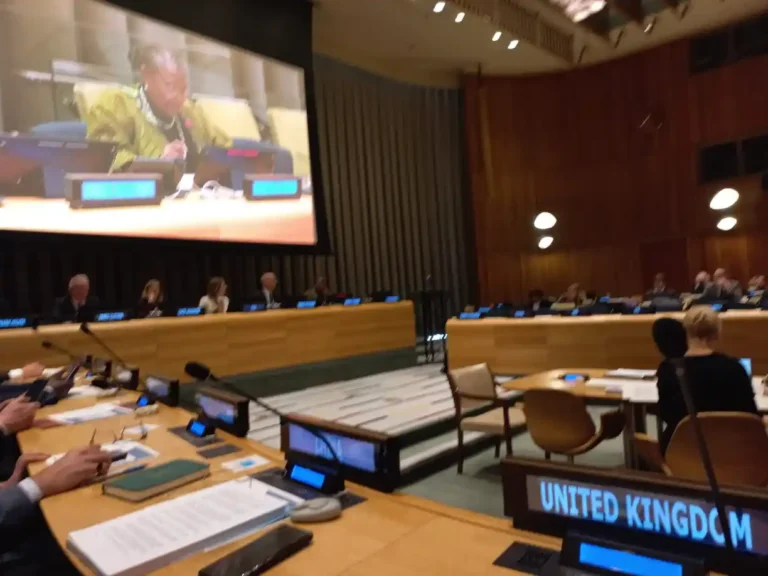
The International Association of Public Transport (UITP) has announced new global goals that will shape public transport development over the next decade, including plans to train 20,000 professionals. This update was shared during the official United Nations launch of the Decade of Sustainable Transport (2026–2035) in New York, where Engr. Mrs. Abimbola Akinajo, Managing Director of the Lagos Metropolitan Area Transport Authority (LAMATA) and Chairperson of UITP’s Africa Division, introduced the first World Public Transport Day.

Speaking at the event in the ECOSOC Chamber at UN Headquarters, Mrs. Akinajo said UITP is moving “from support to concrete, actionable commitments” to help countries strengthen sustainable mobility. The gathering followed the UN General Assembly’s adoption of Resolution 78/148, which calls for better integration of all transport modes to drive progress toward the Sustainable Development Goals. She was invited by Juwang Zhu, Acting Director of the UN Division for Sustainable Development Goals, to address global leaders as the Implementation Plan for the Decade was presented.

Mrs. Akinajo highlighted the urgent need to make public transport more accessible. She explained that “Half of urban citizens still lack access to public transport; this is a social equity emergency,” noting that the gap reflects both policy and development challenges that must be addressed.

UITP outlined two major pillars for its commitments: awareness and capacity building. As part of its awareness programmes, UITP will launch World Public Transport Day on April 17 starting in 2026. With its network of 2,000 member organizations across 100 countries, the annual observance is expected to promote global conversations on sustainable mobility and highlight innovative solutions.

On capacity building, Mrs. Akinajo reminded stakeholders that “awareness alone doesn’t build public transport—people do.” UITP plans to double its training capacity by training more than 20,000 public transport professionals and delivering over 100,000 hours of capacity-building, focusing on fast-growing cities and emerging economies.

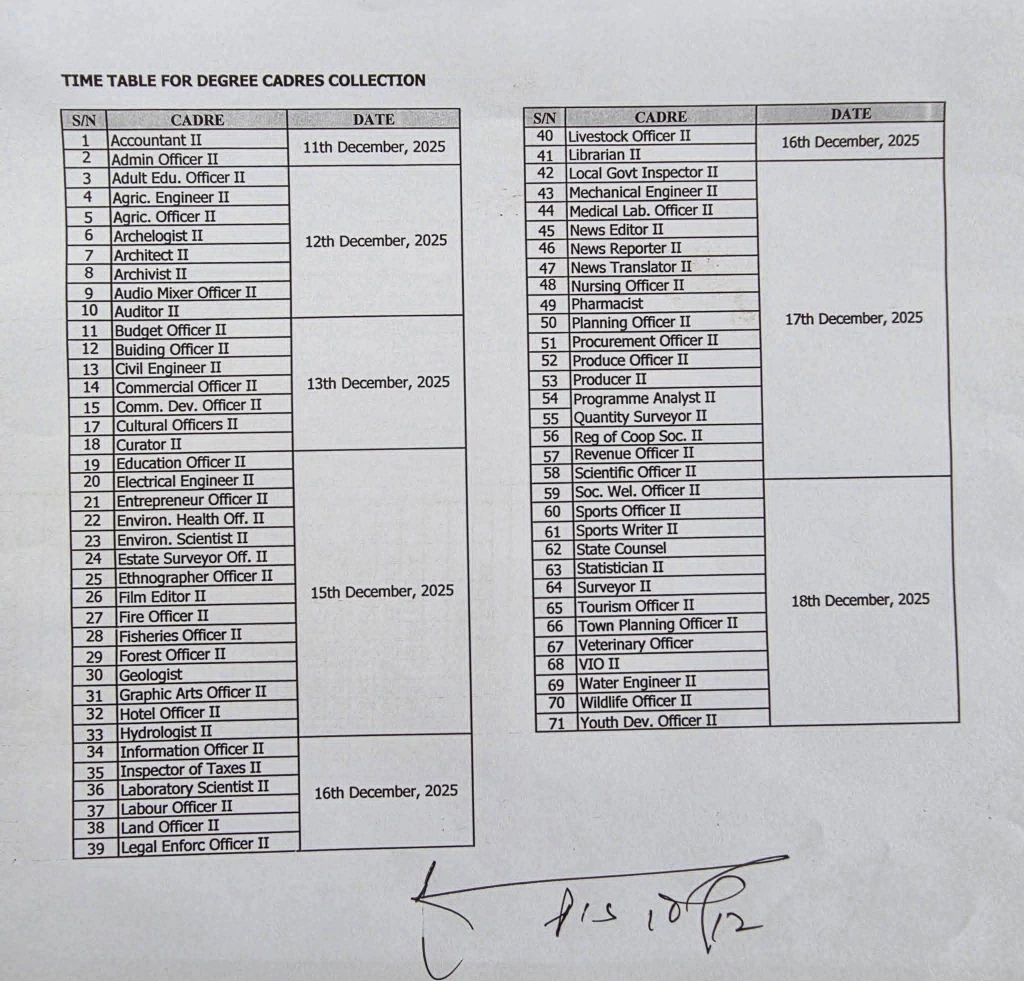
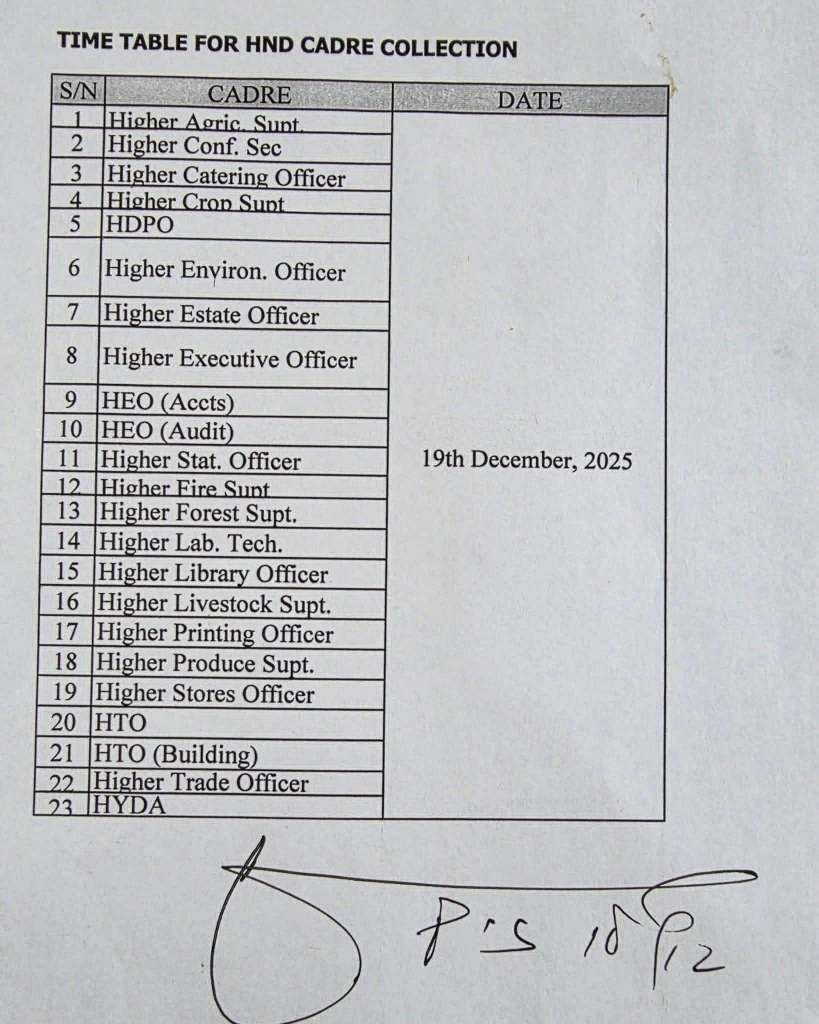
Adamawa Civil Service Appointment Letter Collection Timetable

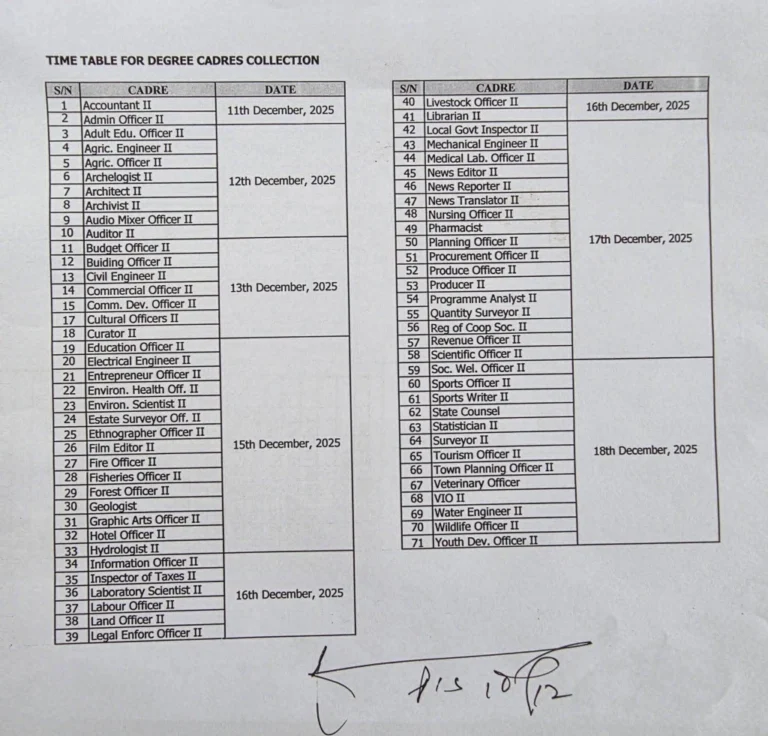
The Adamawa State Civil Service Commission has announced that the timetable for the collection of appointment letters will begin on 11 December 2025. The notice, dated 10 December 2025 and signed by Prince Abubakar U. Maiha, Permanent Secretary for the Chairman, stated that the schedule is arranged by cadre and attached to the publication.

According to the Commission, successful candidates are expected to appear at the CSC headquarters on their assigned dates from 8:00am.

Candidates must come with their CSC printout, a valid means of identification such as National Identity Card, driver’s licence or voter’s card, an indigene letter, and a medical certificate of fitness issued by a government hospital. They are also required to present all original and photocopies of their credentials, along with two recent passport photographs. The Commission added that every candidate must be physically present before collection.

While confirming the update, the Commission stated, The Commission wishes to reiterate its commitment to continue being fair, free and credible in the recruitment exercise.

FG Places Women at Core of Livestock Transformation Agenda

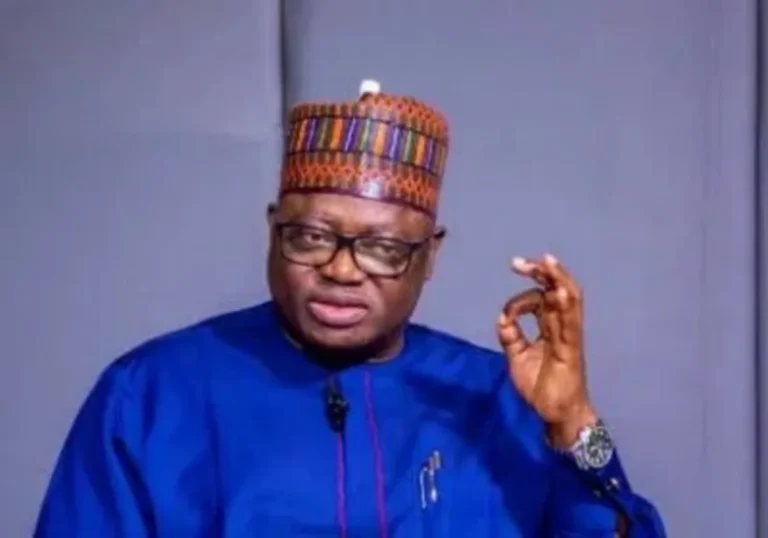
The Federal Government has restated its plan to put women at the centre of Nigeria’s livestock transformation, with the Minister of Livestock Development, Idi Mukhtar Maiha, describing women as “the backbone of the livestock economy.” He made the statement during a high-level breakfast meeting in Abuja, where he explained that President Bola Ahmed Tinubu’s Renewed Hope Agenda has lifted livestock into a national development priority and opened new paths for women to lead, build enterprises, and grow their income. He also praised the First Lady, Senator Oluremi Tinubu, for her continuous advocacy for women’s empowerment.

Maiha told participants that women are not operating in the background but are “on the front lines” and “the main agenda,” adding that their work, voice, and leadership remain critical. He assured that the Ministry will work closely with AWARFA-N and other partners to expand opportunities in high-value chains such as honey, goats, dairy, and poultry. According to him, “We are here to listen, to support, and to act.”

Earlier, the Permanent Secretary, Dr. Chinyere Ijeoma Akujobi, welcomed participants and repeated that women drive food production, family nutrition, local markets, and value-chain activities. She said the Ministry’s National Livestock Growth and Acceleration Strategy identifies Women and Youth as one of its ten major pillars and announced that the National Presidential Youth and Women Initiatives in Livestock will soon be launched to create thousands of jobs across the 774 LGAs.

In her presentation of AWARFA-N’s five-year strategy, Victoria Madedor shared the organisation’s plan to become the top platform for supporting women’s investment and business development in animal resources and agribusiness. She listed sustainability, capacity building, access to finance, value-chain development, technology, and advocacy as the pillars of the 2025–2029 strategy and called for stronger support in areas like access to land, climate-smart tools, and feed-production skills.

Delivering a goodwill message for AU-IBAR, Dr. Sarah Ossiya pushed for deliberate inclusion of women in livestock systems. She warned that undernutrition cuts Africa’s GDP by up to 10 percent and noted that “when you feed animals right, you feed people right,” urging more financing and land-use reforms to fully unlock women’s potential.

Reps Asks FG to Waive COVID-19 Survival Loans for Vulnerable Households

0

The House of Representatives has asked the Federal Government to approve a full waiver on all outstanding COVID-19 survival loans owed by vulnerable households and micro-businesses across the country. The lawmakers also urged the Federal Government, through the Central Bank of Nigeria, NIRSAL Microfinance Bank, and the Federal Ministry of Finance, to suspend all ongoing deductions tied to the COVID-19 intervention loans.

The resolutions followed a motion of urgent public importance moved by Saidu Abdullahi, who represents Bida/Gbako/Katcha Federal Constituency of Niger State. He explained that during the COVID-19 pandemic, the Federal Government introduced the Targeted Credit Facility through the CBN and NIRSAL Microfinance Bank.

Under this programme, ₦419.42bn was disbursed to households, micro, small, and medium enterprises to reduce the economic pressure caused by the global lockdown. A total of 792,936 beneficiaries were reached, including 674,972 households and 117,964 small businesses, while women accounted for 45 percent of the beneficiaries, with about 330,128 women receiving ₦159.21bn.

Abdullahi stated, “The TCF was credited with creating or sustaining about 1,585,872 jobs, underscoring its significant impact on livelihoods and enterprise stability during and after the pandemic.” However, he expressed concern that as of September 2023, “₦261.07bn (about 62%) of the loans remained unpaid, while ₦378.03bn was classified as outstanding, reflecting widespread inability to repay among vulnerable households and micro-enterprises.”

He noted that recent CBN surveys showed rising loan defaults in Q4 2024 and Q2 2025 due to inflation above 24 percent, food insecurity, loss of purchasing power, business closures, and shrinking household incomes. Abdullahi added, “We believe that despite the high default figures reported in 2023, substantial recoveries have been made through the unplanned automatic deductions from beneficiaries’ bank accounts between late 2023 and December 2025. This suggests that the current outstanding exposure may be significantly lower and therefore fiscally manageable for a structured waiver.”

He reminded lawmakers that the COVID-19 TCF was intended as a survival loan, saying many households used the funds for food, shelter, healthcare, and school fees, which made repayment difficult for those still struggling.

He also referenced previous leniency in the Anchor Borrowers Programme, noting that despite its commercial nature and a default rate above 50 percent, the government had offered restructuring and partial waivers.

Abdullahi said international examples supported waivers, mentioning the United States, Canada, Germany, South Africa, and India. He warned that continuing automatic deductions and aggressive recoveries would deepen hardship, threaten small businesses, worsen unemployment, and increase social instability.