Home Blog Page 289

NNPC Reports ₦5.4tn Profit, Unveils 2030 Energy Growth Plan

0

NNPC Limited has released its full-year financial results for 2024, showing a Profit After Tax of ₦5.4 trillion from total revenue of ₦45.1 trillion. The figures were presented during an earnings call with analysts and reflect what the Company described as a year of strong operational delivery and improved financial stability. The performance also marked significant year-on-year progress, reinforcing the Company’s shift toward a fully commercial and profit-driven operation.

According to the financial highlights shared, revenue rose by 88 percent to ₦45.1 trillion, while Profit After Tax increased by 64 percent to ₦5.4 trillion. Earnings Per Share also grew by 64 percent to ₦27.07. Speaking on the results, the Group Chief Executive Officer, Bashir Bayo Ojulari, said the performance demonstrates steady improvement across the business. “The earnings highlight the positive momentum of our ongoing transformation and the unwavering commitment of our workforce,” he said. He added that the outcome “offers a solid foundation for the ambitious growth ahead, in line with President Bola Ahmed Tinubu’s mandate, and reaffirms our commitment to delivering value to Nigerians.”

Alongside its financial report, NNPC Limited revealed a strategic roadmap to guide its growth and support Nigeria’s energy transition through 2030. The Company plans to increase investments across oil production, gas development, and clean energy projects as it works to expand its role in the global and regional energy space. A key focus of the roadmap is raising crude oil production to 2 million barrels per day by 2027 and 3 million barrels per day by 2030. For gas, the plan targets growth to 10 bcf per day by 2027 and 12 bcf per day by 2030.

The Company also outlined progress on major infrastructure projects, including the Ajaokuta-Kaduna-Kano pipeline, the Escravos-Lagos Pipeline System, and the Obiafu-Obrikom-Oben pipeline, which are expected to boost domestic supply and regional integration. To support these targets, NNPC Limited aims to mobilise a $60 billion investment pipeline across the upstream, midstream, and downstream sectors by 2030. Ojulari noted that “our transformation is anchored on transparency, innovation, and disciplined growth,” adding that the Company is positioning itself as a competitive energy player capable of driving

Advertisement

ECOWAS-YEP Trains Youth in Organic Agriculture at IAR Zaria

The ECOWAS Youth Employability Project training, which began on Monday 17th November 2025, ended today at the Institute for Agricultural Research in Ahmadu Bello University, Zaria. The programme focused on equipping young Nigerians with skills in organic agriculture, ginger cultivation, value addition, and agribusiness. Organisers said the sessions were designed to support youth interested in building careers that strengthen food security and promote sustainable farming.

The initiative aligns with the broader ECOWAS strategy to improve employability among young people across the region. Throughout the sessions, participants received hands-on demonstrations and expert-led explanations on agroecology, climate-smart organic methods, and business opportunities in sustainable agriculture. Many trainees expressed that the activities helped them understand new pathways for developing viable agricultural enterprises that can support income generation and rural economic growth.

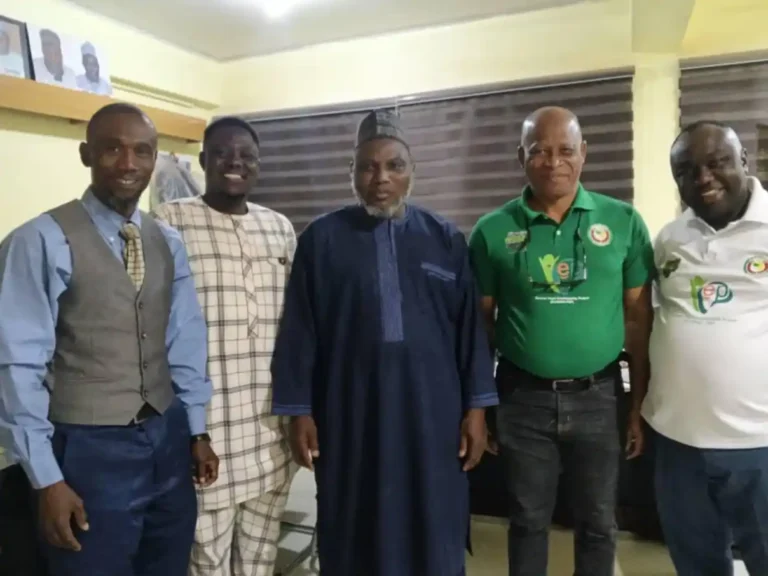
As part of the closing activities, the delegation working with IAR on organic production and youth development paid a courtesy visit to the Executive Director of IAR, represented by Deputy Director Prof. Nafiu Abdu. The group included Dr. Gbadamosi R. Oyewole, ECOWAS Coordinator in Nigeria, Prof. Jude Obi, President of the Association of Organic Agriculture Practitioners of Nigeria, Mr. Joseph Ali, Chief Executive Officer of COFARMS, and Prof. Uthman Lucky Arunah, IAR Coordinator and Programme Leader for the Legumes and Oil Seeds Programme.

During the meeting, the ECOWAS Coordinator praised IAR for what he described as an exceptional level of organisation. He noted that IAR Zaria stood out as the best-performing centre among the three ECOWAS-YEP sites in Nigeria, stating that the selection of participants, coordination of activities, and enthusiasm displayed by trainees were outstanding. He also pointed out that ECOWAS-YEP is running in Côte d’Ivoire, Benin Republic, Liberia, Nigeria, Senegal, and Togo to empower young people with the skills needed to improve agriculture sustainably.

The event ended with remarks from Assistant Director Research at IAR, Prof. L. J. Bamaiyi, who congratulated the participants and partners. He urged the trainees to put their new skills into practice and continue promoting organic agriculture, rural development, and youth-led innovation within their communities and growth.

Lagos Government Subsidy to Reduce Egg and Chicken Prices

0

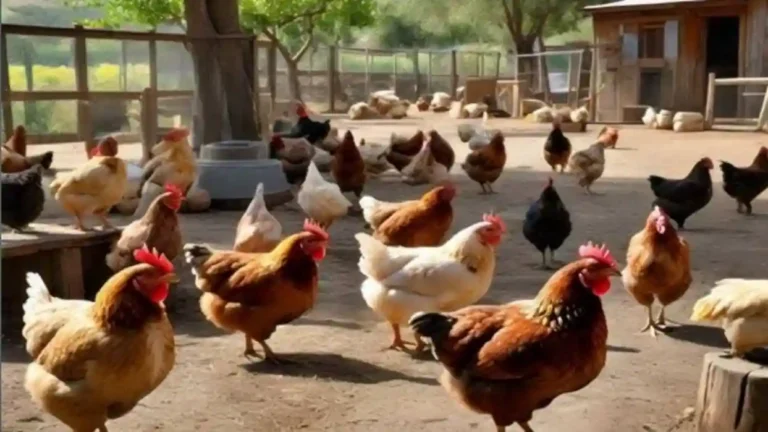
The Poultry Association of Nigeria (PAN), Lagos State Chapter, has reassured residents that the prices of poultry produce will soon drop, following the Lagos State Government’s intervention through the Ounje Eko Phase 2 farmers’ subsidy programme. This update was shared by the PAN Vice President and Chairman of the Aiyedoto Poultry Farmers Settlement, Foluso Adams, during an interview with the News Agency of Nigeria in Lagos.

The Lagos State Ministry of Agriculture and Food Systems recently announced the start of Phase II of the Ounje Eko initiative to help reduce food prices ahead of the festive season. The programme is expected to support farmers and ease the cost of essential food items.

Adams explained that the subsidy is coming at a crucial time for poultry farmers and consumers as the year-end celebrations draw near. He said the government’s support would have a clear impact on the price of eggs and other poultry products. According to him, “The Ounje Eko Farmers’ Subsidy Programme will definitely go a long way to cut down the price of poultry produce during the yuletide.”

He revealed that the price of a crate of eggs, which currently ranges between N5,500 and N6,000, is expected to drop to between N5,100 and N5,300. He added that the discount provided through the subsidy has encouraged farmers to adjust their prices downward. “The intervention will help because, with the discount they have given us, the poultry farmers have even sat down to reduce the price,” he said.

However, Adams pointed out that not every farmer will benefit from the programme due to the specific type of feed being distributed. “However, the thing is, it is only the Animal Care brand that they are offering, and some farmers use other brands of feed,” he noted. Despite this, PAN has urged its members to take advantage of the subsidy and give back to the community by reducing prices for consumers. “We have already told our members to benefit from the subsidy and that they are going to contribute back to society by reducing the price,” he added.

He also said that the association had already informed the government of the decision to cut prices so that residents can experience the impact of the initiative. “The materials will start arriving on Wednesday, and from our settlement, we have 50 farmers as beneficiaries,” he said.

Adams noted that the programme is already influencing the wider market as other feed processors are adjusting their prices to remain competitive. He said these processors are lowering their costs so they do not lose customers.

He added that the expected price drop would affect chicken sales during the festive period, although discussions on that are still ongoing. He said, “We expect the prices of chicken to drop also, but discussions are still ongoing as regards that.” Adams encouraged other states to adopt similar measures to ensure nationwide relief, saying, “If other states tap into what the Lagos State Government is doing, the price of poultry produce will drastically come down during the yuletide season.”

Delta CCT Beneficiaries Urge Government to Sustain N5,000 Monthly Support

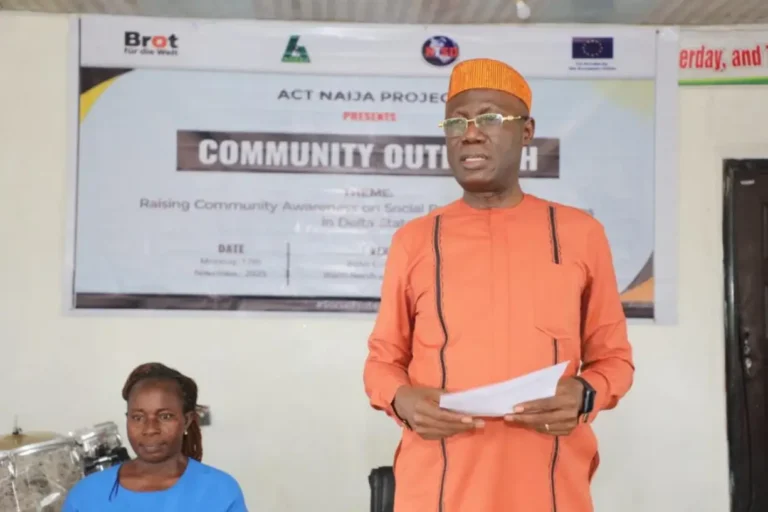
Beneficiaries of the Conditional Cash Transfer programme in Koko Community, Warri North Local Government Area, have appealed to the Delta State Government and other authorities to continue the monthly 5,000 naira support that has helped them keep their children in school and meet basic needs. Their appeal was made during a community outreach session organised by the Africa Network for Environment and Economic Justice in partnership with Bread for the World in Germany and the New Initiative for Social Development under the EU-co-funded ActNaija Project. The one day event focused on raising community awareness on social protection programmes in Delta State.

During the outreach, several beneficiaries described the Conditional Cash Transfer as a lifeline for low income households. A mother explained how the monthly 5,000 naira helped her pay school fees for her children despite the current economic challenges. She appealed to the government to “please continue the payment so that families like ours can survive, and our children can remain in school.” Other participants shared stories of joining cooperatives and saving a portion of their cash transfers to start small businesses such as chair and table rentals. They said the support helped them escape extreme poverty and build simple but sustainable sources of income.

Their testimonies highlighted the role of social protection schemes in improving financial inclusion, strengthening community resilience, and supporting household welfare. The Executive Director of ANEEJ, Rev. David Ugolor, who was represented by the Deputy Executive Director, Leo Atakpu, stressed the importance of social protection in reducing vulnerability and ensuring fair access to available welfare programmes. He noted that although Delta State has launched various interventions under the MORE Agenda, including Cash Transfers, GEST, AGILE, and Widows Welfare initiatives, many rural households still lack information about these opportunities.

“This outreach aims to close that information gap,” Rev. Ugolor said. “Social protection works. We have heard firsthand how it is keeping children in school and helping families rebuild their lives. Sustaining these programmes is essential in the fight against poverty.”

The outreach recorded positive results as residents received practical guidance on how to access ongoing programmes. The State Operations Coordinating Unit also announced that a new round of Social Register enrollment will begin at the end of November. Community members were advised to prepare their NIN, BVN, and bank details, which are now required for enrollment. SOCU addressed complaints from residents who felt excluded from earlier cycles, explaining that mismatched BVN and account information often caused disqualification, and urged them to update their records.

ANEEJ explained that through the ActNaija Project, it is working in several states to strengthen coordination on social protection, increase access to the National Social Register, and ensure that vulnerable groups know how to register and benefit from government programmes. The organisation thanked the Delta State Government, the Warri North Local Government Authority, traditional rulers, youth and women groups, civil society organisations, and the media for supporting efforts to expand inclusive social protection delivery.

Rev. Ugolor reaffirmed ANEEJ’s commitment to ensuring that families in all communities can access social protection systems that promote dignity, opportunity, and economic security. He added that the ActNaija Project is currently being implemented in Borno, Delta, Ekiti, Enugu, Ondo, Osun, Kogi, and the FCT.

Nigeria Reaffirms Readiness for Major Tourism Investment

0

Nigeria has restated its readiness for large-scale tourism investment, with the federal government expressing confidence that the industry can grow into a major economic driver and a strong alternative to oil. This assurance was given at the maiden Style de Vie Pan-African Partnership and Investment Networking event held in Abuja over the weekend.

Abisoye Fagade, director general of the National Institute for Hospitality and Tourism, addressed African diplomats and investors, noting that the government is focused on reforms that will keep the sector attractive, profitable and globally competitive. According to him, Nigeria is entering a phase where tourism can play a significant role in national development.

“It’s important to let the world know that Nigeria is ready to do business especially in tourism and Nigeria is safe to do business,” Fagade said. He added that every challenge in the tourism sector represents a chance for growth, new investment and long-term value.

Describing tourism as a social bitcoin, he encouraged investors to take early positions in Nigeria’s underdeveloped tourism market. He explained that various parts of the country have unique tourism potential, ranging from safaris to agri-tourism and hiking, showing how wide the opportunities are for those willing to invest.

Fagade stated that the government is restructuring the hospitality and tourism value chain through NIHOTOUR to improve standards, strengthen service quality and create memorable visitor experiences. He said the agency has learned from its 38-year history that the sector must be well-organised to grow.

“For over 38 years of NIHOTOUR, we realised the sector cannot grow without organising ourselves. What drives tourism is repeat purchase, and that is created from experience. Every tourist encounter impacts the image of the country,” he noted.

He also revealed that NIHOTOUR has increased its revenue generation by more than 300 percent in one year. He explained that this development was supported by value-added services and expanded capacity development efforts that benefit operators across the tourism chain.

Fagade said a more structured tourism industry will improve employment, increase demand for agricultural products, especially local food and beverages, and support cultural exchange. He acknowledged existing gaps such as the shortage of recreational spaces in major cities, including Abuja, but stressed that improving tourism requires collaboration from all levels of government.

He added that the ministry is working to expand public awareness about the economic importance of tourism so that more Nigerians view the industry as a serious business opportunity instead of a secondary option.

Rebecca Tabe, creative director of Style de Vie, explained that the platform was created to connect diplomats and investors while offering a trusted channel for business matchmaking across the continent. “This is a platform to ensure that investment actually happens in Africa. Instead of travelling to different countries, Sté de Vie brings the entire continent to you in one place,” she said.

She added that the event will now be held every year and rotated across several African countries, supported by partnerships with key government agencies including the Presidency, FIRS, NIHOTOUR and the Ministry of Foreign Affairs.

In his remarks, Mohsen Antiet, Tunisian envoy to Nigeria, said both countries are expanding collaboration in medical tourism. He explained that Tunisia provides high-quality and affordable healthcare and is working with Nigeria to introduce direct flights that will make travel easier and strengthen economic ties. “Africans often travel far for medical care without knowing that excellent doctors and facilities exist right here on the continent,” he said. “The priority should be Africa first.”

Federal Government Launches National Council to Reform Livestock Sector

0

The Federal Government has launched the National Council on Livestock Development, a new policy and coordination body designed to drive major reforms and attract new investments into Nigeria’s livestock economy. The council was unveiled on Monday during its first meeting in Yola, where officials described it as the most ambitious effort to transform the sector in decades. The initiative focuses on modernisation, commercialisation, expansion of value chains and reducing conflicts linked to livestock production.

Idi Mukhtar Maiha, minister of Livestock Development, said the administration aims to grow the livestock economy from 32 billion dollars to 74 billion dollars within five years. He explained that this target is part of the National Livestock Growth Acceleration Strategy and supported by the National Livestock Master Plan. According to him, the government is already holding discussions with multinational and local companies, including Arla, Nestlé, Danone, Promasidor, FrieslandCampina WAMCO, Integrated Dairies and L&Z Farms. These companies are considering investments in dairy, beef, fodder, breeding, poultry, piggery and digital traceability systems for livestock.

Maiha noted that development partners are also funding dairy pilot projects, climate-smart livestock systems and programmes that support peacebuilding. He said more partners are showing interest because the new council provides one clear policy direction for the entire sector. He listed several achievements recorded during the ministry’s first year, including the registration of eight new pasture species, the first time such development has happened in nearly fifty years. He added that the National Strategy on Animal Genetic Resources has been completed, giving the country a guide for improving animal breeds.

Under the L-PRES programme, the government has deployed solar-powered vaccine cold rooms, boreholes, livestock dips, milk collection centres and slaughter slabs. Maiha said laboratories at the National Veterinary Research Institute in Vom have been rehabilitated and are expanding vaccine output from 120 million to 850 million doses each year. He also mentioned the commissioning of the Wase Livestock Village, which serves as a model for converting 417 national grazing reserves into modern ranch-style settlements equipped with schools, clinics, water facilities, pasture fields and processing hubs.

The minister stressed that modernising grazing reserves and promoting ranching remain key steps toward ending long-standing clashes between farmers and herders while creating profitable livestock communities. Nearly half of Nigeria’s states have now established dedicated livestock ministries or agencies to support reforms.

During their goodwill messages, Musa Mustapha and Tasir Raji, chairmen of the Senate and House Committees on Livestock, pledged full legislative backing. They said new bills will be introduced to strengthen value chains, improve land use regulation, support ranching reforms and build investor confidence.

Raji pointed out that Nigeria still has a significant production deficit despite having 58 million cattle, 134 million goats, 60 million sheep, 60 million pigs and 563 million poultry. He added that the country imports 65 percent of its milk and spends billions each year on livestock products that could be produced locally. He urged the council to create clear strategies to improve national nutrition levels, especially since Nigeria’s per-capita consumption remains below global averages.

Chinyere Akujobi, permanent secretary of the ministry and chairman of the new council, said the NCLD will serve as the main policy and coordination platform for the sector. She explained that it will align federal and state actions, mobilise private capital and strengthen partnerships with investors and development agencies. She said the council’s work supports the Renewed Hope Agenda of President Bola Ahmed Tinubu, which emphasises food security, economic diversification, value addition, job creation and export growth.

The council’s activities will focus on four major pillars: genetic improvement, rehabilitation of grazing reserves, expansion of value chains and conflict-to-commerce initiatives to reduce insecurity in livestock-producing regions. Officials believe the reforms will attract large-scale investments, cut the 1.5 billion dollar annual dairy import bill, create millions of jobs, increase rural incomes and boost Nigeria’s competitiveness across regional markets.

Maiha said decisions reached in Yola will shape the country’s livestock economy for generations and called on all stakeholders to support a unified national agenda. Attahiru Jega, senior special assistant to the President on Livestock Development, delivered the keynote address at the event.

Bank of Agriculture Marks 53 Years, Announces Rebuilding Steps

0

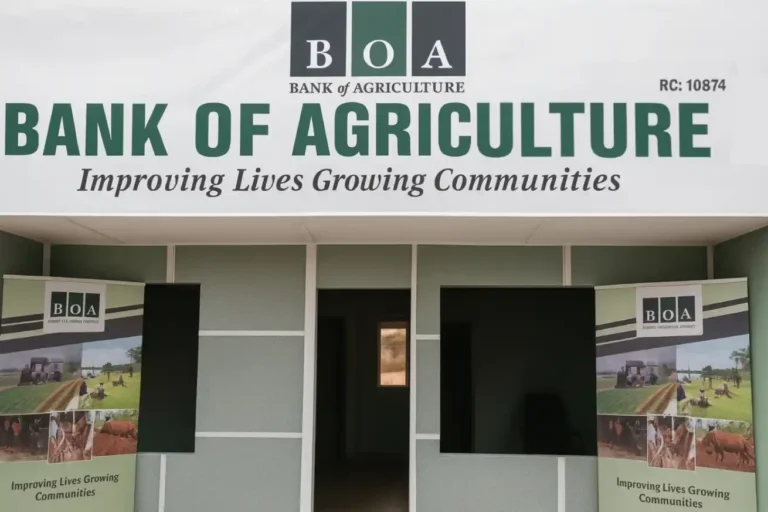
Marking its 53rd anniversary today, the Bank of Agriculture has described the moment as a defining point in its long journey of supporting farmers and rural communities across Nigeria. The institution said it is entering a season shaped by resilience and guided by what it called the rise of a new BOA. According to the management, the agricultural sector has changed over the years, and the bank must respond to the evolving needs of farmers and the growing expectations of the nation.

In a statement, the bank noted that it has been present in the fields for more than five decades, but the future requires deeper reforms. It explained that the BOA of today is not the same as the BOA of the past, adding that intentional rebuilding is already underway to reposition the bank as a central force in agricultural financing. The bank said some changes are visible while many more will follow, and although the journey may not always be easy, it remains committed to the path.

The 53rd anniversary was described as a turning point that calls every stakeholder to reflect on their role. The statement said, “We are not here to observe change from the sidelines but to create it,” urging staff and partners to choose collaboration and support as the bank moves forward. It added that such choices are key to building the institution the country needs.

Managing Director Ayo Oludare Sotinrin said his focus since assuming office has been to restore the bank to its rightful place as Nigeria’s leading development finance institution. He explained that the BOA has begun strengthening its foundations, resolving infrastructural gaps, upgrading technology systems, and shifting from a government agency mindset to the operations of a modern bank. He described these actions as important steps toward long-term transformation.

He also stated that the bank is operating under an administration that has offered unprecedented support. He highlighted the Renewed Hope Agenda of President Bola Ahmed Tinubu as a major opportunity to expand the institution’s impact. According to him, this support gives the BOA a clear mandate to become the largest and most effective agricultural development bank in Africa.

The statement concluded with the message, “This is our season of resilience. This is our rebirth. This is the rise of a new BOA,” while thanking Nigerians for their trust and belief in the institution’s mission today.

Governor Eno Gives N500,000 Business Grants to 55 A’ Ibom Residents

Akwa Ibom State witnessed a major show of support and community upliftment as Governor Pastor Umo Eno empowered 55 constituents of Nsit Ubium Local Government Area with business grants worth millions of naira during what many described as a remarkable home-coming event. The gathering took place at his country home in Ikot Ekpene Udo, where a large crowd welcomed him and celebrated the initiative aimed at improving the economic well-being of the beneficiaries and their families.

Governor Eno told the audience that his goal is to introduce programmes that will “drastically transform them economically” through continuous business support. He explained that the beneficiaries were selected from the 11 Wards of the Local Government Area to ensure fairness and wide coverage. According to him, the empowerment exercise will not be a one-off event but a periodic programme designed to carry more people along in the coming months.

During the first phase of this initiative, each beneficiary received a cheque of N500,000 to start or expand any legitimate business of their choice. He urged them to take the opportunity seriously, saying, “With this N500,000 given to you today, ensure you utilize it properly in a productive business for your own growth and well-being that will positively impact on your family and communities.”

The Governor also emphasized his commitment to developing the area with key infrastructure. He noted that several roads within Nsit Ubium have already been approved for immediate construction. He added that solar-lighting projects will also be provided to uplift the communities and give them what he described as their “pride of place.”

The empowerment drive drew additional support from members of the State Executive Council, lawmakers at both State and national levels, industry leaders, Local Government chairmen, and other dignitaries who attended the event. Many of them also donated to the initiative to further expand the number of people who could benefit.

Chairman of Nsit Ubium Local Government Area, Mr. Alfred Charles, praised the Governor for what he called an impactful and thoughtful home-coming visit. He assured the Governor of the people’s strong backing for the ARISE Agenda and openly pledged their loyalty as the state moves toward the 2027 election season.

Speakers including Hon. Johnson Udoka, Senator Aniekan Bassey, Obong Paul Bassey, Hon. Otobong Bob, Hon. Emmanuel Ibiok, and Senator Effiong Bob commended Governor Eno’s leadership style and reaffirmed their support for both the Governor and President Tinubu in 2027.

A notable moment at the event was the story of a young graduate whose life changed after an inspiring encounter with the Governor five years ago.

Zenith Bank Awards N140m to 10 Innovators at 2025 Tech Fair

About N140 million was won by ten small firms at the 2025 Zenith Bank Tech Fair held in Lagos. The event, themed Future Forward 5.0: Tech for Success – Innovate, Adapt, Accelerate, attracted several stakeholders from across the tech industry. Organisers said the competition created a space for fresh ideas, collaboration, and solutions that could shape the future of African technology.

Ten African innovators received funding support to scale their transformative solutions after a highly competitive hackathon and pitch session. They also qualified for a six-week mentorship and incubation programme scheduled to run from December 2025 to February 2026, aimed at helping them grow and scale their products more effectively.

The Startup Pitch Competition focused on early-stage ventures and recorded participation from thousands of developers, founders, and entrepreneurs across the continent. Two major winners emerged, each taking home N30 million. The hackathon winner, Trust Loop, impressed the judges with its solution that offers seamless digital KYC and liveness verification. At the same time, Cubbes Technologies Limited secured the top position in the Startup Pitch Competition with its AI-powered EdTech platform designed to enhance learning and career readiness.

The remaining eight finalists across both categories were also recognised. Each received N10 million in non-dilutive funding. The finalists include Venille Ltd, Sowota, FLOW, InvoPay, Zenith Intelliscore, The Very Hacked Men, Konfam and Zerax.

Speaking at the event, the chief executive of Zenith Bank, Ms Adaora Umeoji, said, “We are confident that this Tech Fair will produce innovators who will change the world, and we stand ready to support you to turn your ideas into reality.” The chairman of the bank, Mr Jim Ovia, added, “My vision is to continue to empower the youth through technology, with the hope that one day we will produce the likes of Bill Gates, Steve Jobs and Jeff Bezos.”

In his goodwill message, the Governor of Lagos, Mr Babajide Sanwo-Olu, stated, “We want to make Lagos the human capital centre of the world, where Microsoft and Google will think of raising a million tech experts.”

Federal Fire Service, Tony Elumelu to Train 7,400 Nigerians on Fire Safety

0

The Federal Fire Service has announced a major national capacity-building plan after securing a partnership with the Tony Elumelu Foundation to train 7,400 Nigerians on fire safety preparedness across the country. The announcement followed a courtesy visit to Tony O. Elumelu in Abuja, where the Controller General, Samuel Adeyemi Olumode, led senior officers to discuss the programme.

During the engagement, the Service also decorated Peter Ashade, Group CEO of United Capital Plc, as a National Fire Safety Ambassador in recognition of contributions made by the Heirs Group toward improving safety awareness. The Service noted that this honour supports the growing partnership between the Federal Fire Service and the Tony Elumelu ecosystem.

Tony Elumelu highlighted the urgent need to improve community fire safety understanding, noting that many households, markets, and rural communities remain exposed because they lack structured fire prevention education. He said empowering citizens with practical knowledge will help reduce the frequency and impact of fire incidents and improve national resilience. According to the agreement, the Federal Fire Service will train 200 persons in each state and the Federal Capital Territory, making a total of 7,400 beneficiaries nationwide.

The programme will teach essential fire-prevention skills, early detection practices, and basic emergency response steps. Participants will also become community-level fire safety advocates expected to spread awareness and promote responsible safety habits across their local areas. The Controller General described the partnership as a significant step toward shifting Nigeria from a reactive to a preventive fire management approach. He expressed appreciation to Tony Elumelu and the Foundation, saying the commitment supports global best practices and strengthens nationwide preparedness.

The initiative is expected to improve grassroots preparedness, strengthen first-response capacity, and encourage long-term safety-conscious behaviour in communities across Nigeria. The Federal Fire Service said the collaboration demonstrates its commitment to reducing fire incidents and supporting national development. In addition to the nationwide training, the partnership includes the deployment of Federal Fire Service personnel across infrastructures within Tony Elumelu’s business network to support compliance and strengthen safety monitoring. Officials say this move will reduce risks in high-traffic locations and establish a stronger standard for private-sector participation in fire safety.

Officials explained that placing trained officers within these facilities will boost monitoring and improve emergency readiness. They added that the collaboration aligns with global safety standards and supports efforts to build stronger, safer communities across all zones of the federation in Nigeria.