Home Blog Page 56

FG Flags Off Farmer Monie Dry/Wet Season Programme

The Federal Government has flagged off the Farmer Monie Dry/Wet Season Programme aimed at reducing poverty across all 36 states of the federation.

The programme was launched on Wednesday in Abuja by the Minister of Humanitarian Affairs and Poverty Alleviation, Dr. Bernard Boro, who described the unveiling as a collective commitment to building a nation where every citizen has the opportunity to thrive.

Speaking on the theme ‘Grassroots Impact for National Growth’, the minister said the initiative, under the Government Enterprise and Empowerment Programme, is designed to support small businesses, artisans and traders with access to financial assistance that will help them grow and create jobs.

He also explained that the Farmer Monie Dry/Wet Season Programme is a bold step toward strengthening the agricultural sector by empowering farmers with resources and support during both planting cycles.

“The Renewed Hope Agenda of this administration is more than a slogan; it is a promise to restore dignity, expand opportunity, and ensure that no Nigerian is left behind. Through the Government Enterprise and Empowerment Programme, we are opening doors for small businesses, artisans and traders to access financial support that will enable them to grow, create jobs and contribute to our national prosperity.

“This is financial inclusion in action bringing the underserved into the economic mainstream. We are not only boosting food security but also ensuring that agriculture remains a viable pathway out of poverty.

“Our farmers are the backbone of our economy, and today we stand with them, investing in their resilience and productivity.

“These programmes are designed with one clear objective: poverty reduction through empowerment. We recognize that true humanitarian service is not just about providing relief in times of need, but about creating sustainable opportunities that uplift communities and transform lives. By supporting small businesses and farmers, we are laying the foundation for inclusive growth and shared prosperity,” he said.

Dr. Boro reiterated that the launch is also a call to action, stressing that government alone cannot achieve the goals without collaboration from stakeholders, financial institutions, development partners, civil society and citizens.

“As we flag off this programme, let us remember that every loan disbursed, every farmer supported, and every business empowered is a step closer to a Nigeria where poverty is defeated and hope is renewed. This is the vision we carry, and this is the future we are determined to build,” the minister stated.

Advertisement

FG to accelerate National Ranching Policy, target $74bn livestock GDP

0

The Minister of Livestock Development, Mr. Idi Mukhtar Maiha, has said that arrangements have been concluded to accelerate the implementation of the National Ranching Policy to improve livestock production, reduce insecurity, and promote economic prosperity across the country.

He made this known at a stakeholders’ engagement and poultry summit organised by poultry farmers in Ilorin, Kwara State.

Mr. Maiha explained that despite Nigeria’s huge livestock potential, the country had not fully harnessed the sector’s benefits due to poor coordination until 2024. He noted that the Federal Government is now taking deliberate steps to reposition the industry.

According to him, the government is implementing policies aimed at increasing livestock’s contribution to the national Gross Domestic Product (GDP) to 74 billion dollars from the current 32 billion dollars through the establishment of National Livestock Centres.

He said the centres are expected to optimise livestock production across value chains, guarantee food security, and help curb the farmers–herders crisis in the country.

In his address, Kwara State Governor, AbdulRahman AbdulRazaq, who was represented by the Commissioner for Agriculture and Rural Development, Mr. Afeez Alabi, assured participants of sustained government intervention in the sector.

The governor pledged continued support for farmers through training, access to improved inputs, biosecurity measures, veterinary services, and livestock business value chains. He also stressed the importance of promoting innovation, sustainability, and collaboration within the industry.

Earlier, the Chairman of the Poultry Farmers Association in Kwara State, Mr. Sanusi Kolapo, said the programme was designed to expose poultry farmers to modern equipment and improved production methods. He appealed to both the Federal and State Governments to support poultry farmers to enable them to provide affordable and quality protein for Nigerians.

Also speaking, the Kwara State Commissioner for Livestock Development, Mrs. Oloruntoyosi Thomas, stressed the importance of youth empowerment through agriculture. According to her, there is no reason Nigerian students should graduate unemployed, adding that the livestock sector is well positioned to create jobs and drive economic growth in the state.

Lawmaker Trains 100 Constituents in Fish, Poultry Production

0

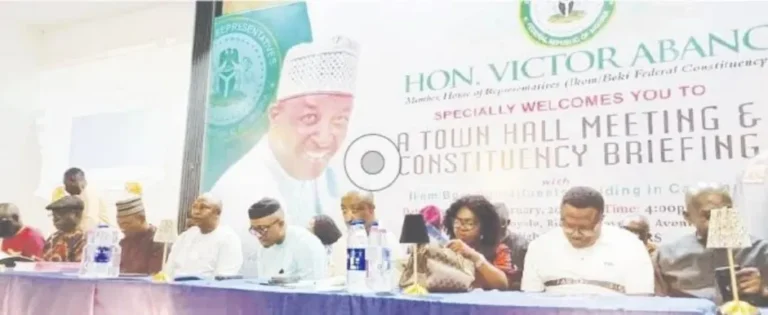
The member representing Boki/Ikom Federal Constituency in Cross River State, Victor Abang, has facilitated training for more than 100 constituents in fish and poultry production to boost agribusiness and enhance food security.

Abang spoke on Tuesday during a Town Hall meeting and constituency briefing held in Calabar, where he said the initiative was part of efforts to strengthen the local economy through agriculture.

According to him, the training was held in collaboration with the Agricultural Research Council of Nigeria and lasted three days. He explained that participants were equipped with essential skills in fish and poultry production to help them start and manage sustainable agribusiness ventures.

He said, “At the end of the programme, participants in the fish farming sector were provided with cash grants, fish fingerlings, and fish feed, while those in poultry farming received start-up grants, birds, feed, and other vital materials.”

Abang highlighted his commitment to implementing various training and empowerment programmes for his constituents. He reassured those who are yet to benefit that their turn would come soon.

He emphasized the importance of properly utilizing the knowledge, materials, and grants received to improve the economic landscape of the constituency and the nation.

“This training is very important and I want to urge all beneficiaries to utilize the knowledge, materials and grants received to improve our economic state in Ikom/Boki Federal Constituency and the nation at large,” he said.

Calling for collaboration among stakeholders to ensure economic growth and stability, Abang sued for a unified effort to restore economic prosperity and urged citizens to seize available opportunities to drive national progress.

One of the beneficiaries, Mark Nsoja, urged fellow participants to enhance their economic standing and contribute to national development.

Another beneficiary, Dr Dimitris Okim, called for more empowerment to boost economic stability in the area.

FG launches Smart School Protection Strategy initiative with NSCDC

0

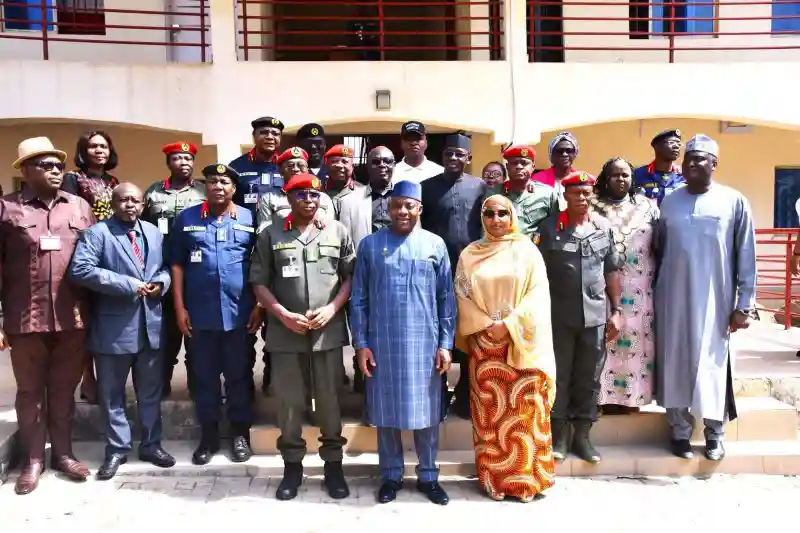
The Federal Government has launched a Smart School Protection Strategy to strengthen security across schools nationwide through a renewed partnership with the Nigeria Security and Civil Defence Corps (NSCDC).

The initiative was unveiled during a strategic engagement and reflects the administration’s zero tolerance for attacks on schools and its commitment to guaranteeing the safety of every Nigerian child.

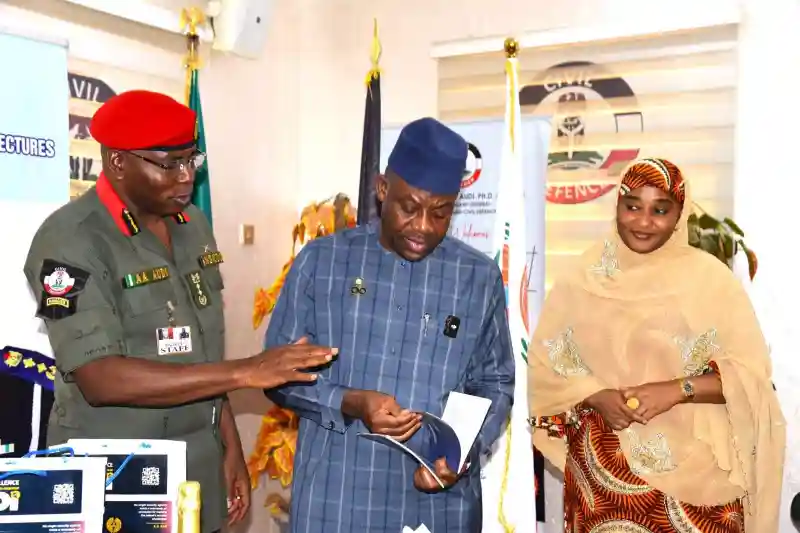
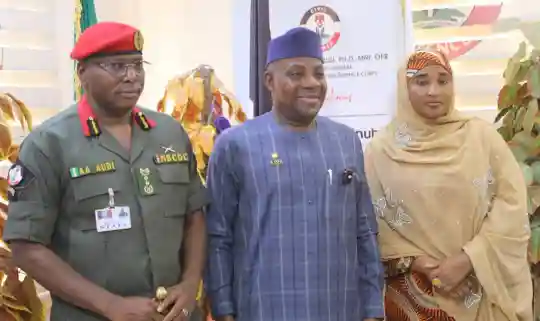
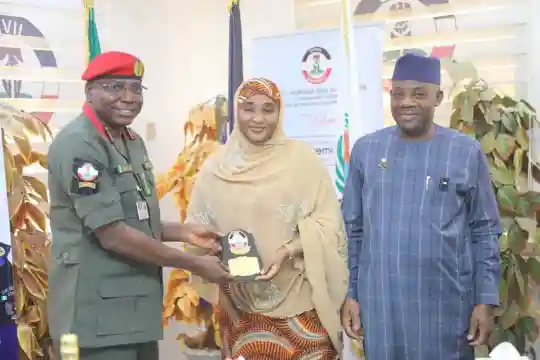
The Honourable Minister of Education, Dr. Maruf Olatunji Alausa, CON, described school protection as a non-negotiable priority. He made this known during an official visit to the Commandant-General of the NSCDC, Ahmed Audi, in Abuja on Wednesday to discuss security coordination.

Alausa announced the establishment of a dedicated Department of Safe School Initiative within the Federal Ministry of Education to coordinate policy implementation, monitoring, and inter-agency collaboration, with NSCDC serving as the lead operational agency.

He said the government had zero tolerance for attacks on schools and would deploy all necessary measures to keep children safe and ensure uninterrupted learning nationwide.

He described incidents of student abductions as unacceptable and stressed that protecting children in schools remained a collective responsibility of government, security agencies, and communities.

“We will move from knee-jerk responses to a continuous security presence, especially in vulnerable schools.

“Our children must remain safe in school, and this administration is committed to providing the resources and structure required,” Alausa said.

The minister explained that improved response systems would be introduced, including technology-driven alert mechanisms such as panic buttons linked to command centres to enable rapid deployment of security personnel.

He added that the government was exploring sustainable financing options to ensure continuous funding for school security, independent of delays in budgetary releases.

Alausa stated that NSCDC had been identified as the lead agency for school protection and said clearer operational coordination would replace fragmented and reactive security arrangements.

In his response, the NSCDC Commandant-General, Audi, disclosed that the corps had conducted nationwide vulnerability assessments, revealing that more than 60,000 of about 81,000 schools lacked adequate security.

According to him, the identified schools were porous and required urgent attention to safeguard students and learning environments.

“These schools are porous in the sense that there was no presence of security men or no fences in those schools, so that gave us a guide on how now to develop our operational strategy in terms of mutual security and safety for the schools.

“And I tell you, in doing that, what we did first was to provide the data and submit the same reports to the Federal Ministry of Education,” he said.

Audi also revealed that the corps had established specialised female squads and community security structures, which had prevented over 110 security threats against schools across the country.

“The Safe Schools Protection Squad and community engagement initiatives have significantly strengthened intelligence gathering and emergency response,” he said.

He, however, identified inadequate funding as a major challenge, noting that only a fraction of the required resources had been released for school protection operations. He described the situation as challenging, stating that running the centre under funding constraints had not been easy.

Despite this, Audi assured the minister of the corps’ commitment to deeper collaboration to guarantee safe learning environments for students nationwide.

The Federal Government reaffirmed its resolve to ensure safe, secure, and uninterrupted access to quality education across the country.

FG to Introduce Global Excellence Model, AI Diploma in TVET

0

The federal government is set to introduce the Global Excellence Model for Skills Training as part of efforts to reposition Technical and Vocational Education and Training across Nigeria. Under the new plan, TVET institutions nationwide will be assessed across seven dimensions of excellence and will also collaborate on the development and implementation of a two-year technical diploma in AI applications across institutions in the country.

The Minister of Education, Dr Maruf Tunji Alausa, made this known on Wednesday in Abuja after receiving the High Commissioner of Singapore, Mr. Lim Sim Seng. The meeting followed his visit to Singapore in 2025 to deepen bilateral collaboration on technical and vocational education.

“Following my visit to Singapore last year (2025), I was pleased to receive the High Commissioner of Singapore, Mr. Lim Sim Seng, in my office in Abuja to advance the next steps of our bilateral collaboration on technical and vocational education,” he said.

According to the minister, Singapore’s ITEES will support capacity development across Nigeria’s technical institutions. This will include leadership training for 40 heads of institutions, a Train-the-Trainer programme focused on assessment methodology and pedagogy, and the introduction of the Global Excellence Model for Skills Training.

“Additionally, we will collaborate on the development and implementation of a two-year technical diploma in AI applications across institutions in the country,” he added.

Dr Alausa described Singapore as “a global use case in building a skills-driven economy” and said Nigeria looks forward to finalising the agreement to position its formal TVET education as the best in Africa.

Earlier in November 2025, the minister had shared updates from his official engagements in Singapore, where he met with Singapore’s Minister of Education, Mr. Desmond Lee. He said the discussions “reaffirmed the strong ties between our countries and our shared commitment to strengthening TVET.”

He explained that part of his visit included a tour of the Institute of Technical Education and sessions with ITE Education Services to review their existing Memorandum of Understanding with Nigeria’s National Board for Technical Education. Proposed areas of collaboration include quality assurance support, strengthening GEMSET, a new three-year AI Applications Programme, leadership development, and more train-the-trainer opportunities.

Dr Alausa also spoke about Nigeria’s Free Education Initiative across Federal Technical Colleges and selected state colleges, stating that the government is “fully covering tuition and essential amenities to expand access to quality, skills-based education.”

He revealed that the next phase will focus on connecting applicants to jobs and supporting those ready to start small businesses.

Meanwhile, some TVET beneficiaries are yet to receive their N22,500 monthly stipend from November 2025 to date. The delay in disbursement has raised concerns, with some observers saying it fades away the good deeds of the programmes. The Minister has been called upon to look into these challenges as a concerned fellow.

The federal government has also introduced biometric verification following allegations of fraud and trainees ghosting the programme in collaboration with trainers. Authorities have promised to penalize any trainee or trainer found guilty as efforts continue to strengthen accountability within the TVET system.

NITDA, TrustSTAMP Hold Talks on Biometric Identity Tech

0

The Director General of NITDA, Kashifu Inuwa, has held a strategic engagement with TrustSTAMP, a NASDAQ-listed global technology company specialising in privacy, digital identity and trust services, to explore possible collaboration within Nigeria’s digital ecosystem.

During the meeting, representatives of TrustSTAMP, including Senior Advisor Jean-Claude Gallea, Vice President Jonathan Pasha, and other associates, presented the company’s solutions and approach. They emphasised the firm’s adaptive, partnership-oriented model and its existing footprint in Nigeria through collaboration with a major telecommunications provider on SIM swap prevention and fraud detection.

The company highlighted its core biometric tokenisation technology, describing it as a one-way, privacy-preserving transformation that allows secure and verifiable identity authentication without storing raw biometric data. According to the representatives, the system creates “a robust trust layer resistant to fraud, duplication, and future quantum threats,” while also functioning effectively in offline and low-spec device environments.

TrustSTAMP further outlined several use cases for its technology, including digital identity verification, zero-knowledge proofs, tokenisation of real-world assets such as minerals and property, fraud reduction, and inclusion of participants in the informal economy. The firm noted that its solutions have been deployed with Mastercard’s Community Pass, major U.S. banks, and the governments of the United States and Mexico, and that it complies with GDPR, SOC 2, and global data ethics standards.

Inuwa welcomed the presentation, stating that it aligns with NITDA’s cybersecurity and digital trust pillar. He, however, sought clarification on TrustSTAMP’s business model, whether the solution is open or proprietary, its relationship with national digital identity systems managed by NIMC, and how it can support private-sector-led market creation without encouraging market dominance.

Both parties agreed to continue with further technical discussions involving NITDA specialists, while NITDA reaffirmed its commitment to providing an enabling policy environment for secure, investment-friendly digital infrastructure rather than endorsing specific vendors.

The meeting reflects Nigeria’s openness to strategic private-sector partnerships aimed at strengthening digital trust, advancing financial inclusion, and unlocking new revenue opportunities for citizens.

HYPREP Trains 100 Ogoni Youths in Seafaring

0

The Hydrocarbon Pollution Remediation Project (HYPREP) has said its sustainable livelihood initiative, which recently trained 100 Ogoni youths in Seafaring, aligns with the Federal Government’s Blue Economy objectives, particularly in skills development and job creation within the maritime industry.

Professor Nenibarini Zabbey, Project Coordinator of HYPREP, made this known on Tuesday at Charkin Maritime Academy during the Close-out Ceremony for the trainees. He stated that by equipping Ogoni youths with globally relevant seafaring skills, the Project is creating alternative income opportunities and discouraging activities such as oil theft, artisanal refining, re-pollution, and other practices that threaten the environment’s integrity and productivity.

Commending the trainees for completing the programme, Prof Zabbey urged them to make good use of the knowledge and certificates they acquired. “These skills and your achievements should not end here, rather, they should serve as a springboard for self-reliance, dignity of labour, and long-term economic empowerment for the good of Ogoniland and our dear country,” he said.

He further encouraged them to explore opportunities within the maritime sector. “We look forward to hearing how each of you will use the knowledge and certificates you have gained to explore the maritime industry and improve your well being,” he enjoined.

The Project Coordinator stressed that the various milestone achievements recorded by HYPREP are in response to calls for restoration in Ogoniland. According to him, “today, environmental and livelihood restoration are gradually unfolding before your eyes, bringing renewed hope. We continue to lay brick upon brick, building pillars of Ogoni development…”

Prof Zabbey reiterated the Project’s confidence in Ogoni youths, describing them as drivers of unity, peace, and progress. He noted that they have shown remarkable resilience and commitment to peace in the region and assured them of the Project’s continued support for their aspirations.

He maintained that every step taken by HYPREP, including livelihood interventions such as the seafaring training, forms the foundation for lasting peace and progress in Ogoniland. He also appreciated the collective support, understanding, and cooperation of the people of the area.

According to him, “Together, we must continue to walk as one united family, surmounting all challenges, and building the Ogoni we desire. We must commit to peace and contribute our share to the Federal Government’s restoration efforts in Ogoni.”

Speaking on behalf of the trainees, Mercy Chujor Olungwe expressed appreciation to HYPREP for the opportunity to undergo training at Charkin Maritime Academy, which she described as a foremost institution for such programmes.

The event was attended by the Director, Technical Services of the Project, Professor Damiani-Paul Aguiyi; Heads of Unit; Engr Ehioze Igbinomwanhia, Renaissance Africa Energy Company/JV Representative in HYPREP; representatives of Charkin Maritime Academy; and the training facilitator, among others.

With the latest batch of 100 trained in Seafaring, the number of Ogoni youths empowered in high-demand skill sets by HYPREP has now risen to 230. The Project had earlier trained 100 youths in Creative Arts and another 30 in Aviation.

HYPREP also disclosed that Mechatronics and Phase 2 of the Aviation trainings are currently ongoing, while nine additional high-demand skills programmes will commence soon. These include Full-Stack Development, Cybersecurity, GIS and Remote Sensing, Commercial Diving/Underwater Welding, Mud Logging, Rope Access, Industrial Welding and Metal Fabrication, Solar Panel/CCTV Installation, and Agric-skill Enhancement.

The Project said these initiatives further demonstrate its commitment to human capacity development in Ogoni, in line with its sustainable livelihood mandate as recommended by the United Nations Environment Programme Report on Ogoni Environment.

Lagos Inaugurates Renewed Hope Ambassadors Across 20 LGAs

0

Governor Babajide Sanwo-Olu of Lagos State has inaugurated the Renewed Hope Ambassadors for all 20 Local Government Areas (LGAs) in the state, with the Conference 57 Chairman, Hon. Abdullahi Sesan Olowa, in attendance. The ceremony, held in Ikeja, Lagos, focused on promoting the Renewed Hope Agenda of President Bola Ahmed Tinubu at the grassroots level.

The event underscored the state’s commitment to aligning with national initiatives aimed at strengthening community engagement, effective policy implementation, and mobilization ahead of future electoral cycles. Mr. Tayo Ayinde, the Director General and Chief of Staff to the Lagos State Governor, who was also appointed as the Renewed Hope Ambassador for Lagos State, played a prominent role in the proceedings.

The Executive Chairman of Ibeju-Lekki Local Government, Hon. Abdullahi Sesan Olowa, was among the distinguished attendees, reflecting local leadership’s involvement in the initiative. During the inauguration, vehicles were formally presented to the ambassadors to support their activities across the 20 LGAs.

Governor Babajide Olusola Sanwo-Olu emphasized the importance of the ambassadors in connecting government policies with residents at the grassroots. He said the initiative would help “bridge the gap between government policies and the people,” ensuring that federal and state programmes deliver tangible benefits at the local level.

According to organisers, the Renewed Hope Ambassadors initiative is designed to strengthen coordination, enhance community mobilization, and advance the objectives of the Renewed Hope Agenda, including poverty alleviation, inclusive governance, and sustainable development.

With Hon. Adewale Raheem Kazeem serving as the coordinator for Ibeju-Lekki Local Government, the ambassadors are expected to drive grassroots support, foster development, and ensure effective outreach. The structure, which operates in various states, focuses on empowering local leaders to champion reforms, engage citizens, and build momentum for national unity and advancement.

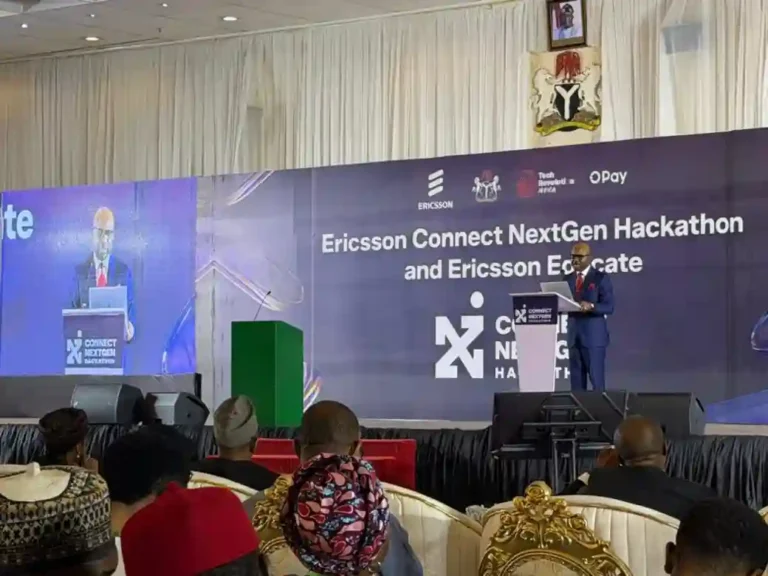
Connect NextGen Hackathon to position Nigeria as global digital hub, create jobs

The Vice President, Senator Kashim Shettima, has said the Connect NextGen Innovation Hackathon will position Nigeria as a global supplier of digital solutions while creating jobs in the technology sector.

He explained that the four-month programme is one of the key operationalization phases of the Ericsson and the Nigerian Government’s MoU to collaborate on digitally upskilling Nigerian youths, policymakers and public sector decision makers in modern technologies. According to him, the initiative will build on Nigeria’s rise as Africa’s top hub for unicorns and global tech talent.

Speaking on Wednesday at the State House Conference Centre in Abuja during the launch of the initiative, the Vice President, who was represented by the Deputy Chief of Staff to the President, Senator Ibrahim Hassan Hadejia, said the programme aligns with President Bola Ahmed Tinubu’s job creation agenda by harnessing the country’s youth population for the digital economy.

“His Excellency, President Bola Ahmed Tinubu, GCFR, has placed job creation at the very top of his priorities. So, this hackathon is not an isolated event; it is a continuation of a national strategy,” he said.

“The Connect NextGen Innovation Hackathon is designed to deepen this reality—to make Nigeria a supplier of solutions to the world. A brilliant line of code written in Abuja can power a system in Stockholm; a solution imagined in Kano can transform a farm in Kenya,” he added.

Senator Shettima explained that the hackathon will empower young talents, startups, and university students to build transformative solutions using 5G, artificial intelligence, cloud computing, IoT, and sustainable technologies.

“The current wave of the Industrial Revolution—powered by 5G, artificial intelligence, cloud computing, IoT and sustainable technologies—is not a tide we can afford to watch from the shore. History is unkind to nations that choose the backseat in moments of transformation,” he said.

The Vice President observed that Nigeria’s greatest asset lies in its human capital rather than natural resources, noting that the country’s demographic dividend tilts decisively in favour of youth. He said this demographic advantage must be properly harnessed to drive economic growth and strengthen Nigeria’s position in the global digital economy.

On Ericsson’s role in the initiative, the Vice President said the partnership has reinforced the tech giant’s “position as a strategic enabler of Nigeria’s digital transformation goals, providing real-world applications of 5G, IoT platforms, edge computing and AI in networks.”

He noted that Ericsson’s commitment to sustainability, energy-efficient networks, and technology for good aligns with Nigeria’s national ambitions to build a modern and inclusive digital economy.

In his remarks, the Minister of Science, Technology and Innovation, Dr. Kingsley Tochukwu Udeh, said the launch demonstrates that agreements, MOUs and expressions of interest would not remain on paper but would be translated into practical activities and investments running into multi-billion dollars.

He stated that the event is proof that such agreements are being operationalised through projects that will have measurable impact on the country’s innovation ecosystem.

The Minister pledged the support of the Ministry to the hackathon in various ways, including commercialisation, competition, research and invention outcomes. He said the Ministry is ready to work closely with relevant stakeholders to ensure that innovative ideas emerging from the hackathon are supported and scaled.

Also speaking at the event, the Ambassador of Sweden to Nigeria, Anna Westerholm, described Nigeria as a country of talent, creativity and ambition. She noted that Nigeria’s digital sector is one of the most dynamic and promising innovation ecosystems on the African continent.

She explained that the launch is a powerful illustration of what public-private collaboration can achieve in driving innovation and skills development.

“Through the Hackathon and the Educate Program, Ericsson, a private company proudly rooted in Sweden, is partnering with Nigerian institutions to equip young people, students and civil servants with the skills needed to navigate and lead in the fast-changing global economy,” she said.

“Nigeria’s partnership with Ericsson demonstrates how the Swedish private sector contributes to national development priorities by combining technological leadership with long-term commitment and strong local collaboration. We are proud that the Swedish technology and Swedish values of openness and partnership and trust contribute to Nigeria’s development ambitions,” the envoy stated.

On his part, the Country Manager of Ericsson Nigeria, Mr. Peter Olusoji Ogundele, said the initiatives represent a concrete step in delivering on the Memorandum of Understanding signed in 2024 between Ericsson and the Federal Government to boost innovation, skills development and the digital economy.

According to him, Ericsson’s over 40 years of operations in Nigeria and nearly 150 years globally have helped build trusted networks, from fixed telephony and GSM to broadband, 5G, cloud computing, artificial intelligence and the Internet of Things.

He explained that the AXN National Hackathon is designed to unlock the creativity of Nigerian youths by equipping them with world-class tools to solve real national challenges in areas such as food security, smart cities and digital inclusion.

On the AXN Educate Programme for Policymakers, Mr. Ogundele said it is tailored to enhance the digital competence of government officials, enabling evidence-based policymaking and stronger governance in the digital economy.

The Ericsson Nigeria boss reaffirmed the company’s commitment to partnering with the President Bola Tinubu administration to advance its digital transformation agenda, empower youths and policymakers, and build a digital economy that leaves no one behind.

Also speaking, the Special Assistant to the President on ICT Policy, Dr. Salihu Ibrahim Dasuki, said Nigeria and Sweden have sustained private sector partnership for quite some time.

He said the launch is also in line with the Renewed Hope Agenda of President Bola Ahmed Tinubu, noting that it will not only provide training but would also offer employment opportunities to the youth.

On her part, the Special Assistant to the President on Project Support, Suhdah Ahmed, said the launch shows how innovation ecosystems are built by connecting knowledge, capital, policy and market, adding that such collaboration is key to sustainable digital growth.


PAP Scholarship: 32 first-class, 134 second-class upper graduates in 2025

0

Thirty-two students under the scholarship scheme of the Presidential Amnesty Programme have graduated with first-class honours in 2025 from different universities across Nigeria.

In addition, no fewer than 134 other scholarship beneficiaries earned second-class upper division in various competitive courses during the same academic year.

The courses studied by the beneficiaries include law, pharmacy, aeronautical engineering, cybersecurity, electrical engineering, software engineering, nursing science, mechanical engineering, architecture, accounting and criminology. Others are computer science, anatomy, international relations and diplomacy, geography and regional planning, microbiology, public health, information technology, medical laboratory science, estate management and mass communication.

The PAP Administrator, Dr Dennis Brutu Otuaro, commended the sponsored students for graduating with first-class and second-class upper division grades in different disciplines. He expressed joy over their outstanding academic performances, noting that his administration is encouraged by their exemplary conduct and seriousness as reflected in the quality of their results.

Dr Otuaro said the excellent academic achievements of the scholarship beneficiaries have become part of the success stories of the programme in promoting human capital development and sustaining peace in the Niger Delta.

He stated that their sterling performances confirm the well-planned educational objectives of the scholarship scheme and the mandate of the PAP, stressing that it aligns with the Renewed Hope Agenda of President Bola Ahmed Tinubu.

According to him, the students have justified the investment made in their education and have made the Federal Government, the PAP Office, their communities and the Niger Delta region proud.

Dr Otuaro attributed the strong academic results to President Tinubu’s support for the programme and the effective supervisory role of the National Security Adviser, Mallam Nuhu Ribadu.

He urged current PAP scholarship beneficiaries in universities across the country to emulate the graduates and remain focused on their studies to sustain the impressive record.

Dr Otuaro said, “We are indeed happy with the excellent academic performances of our scholarship students in 2025. The number of beneficiaries, all from the Niger Delta, that made first-class and second-class upper division is very encouraging. We commend all of them for the great feats.

“But these commendable academic achievements indicate that we are focused on the implementation of the PAP mandate for the transformation of the Niger Delta through educational and vocational schemes.

“We express our deep appreciation to His Excellency, President Bola Ahmed Tinubu, GCFR. Without his strong support, these impressive academic feats of our scholarship students and all the success stories recorded would not have been achieved.

“We also extend our sincere gratitude to the Office of the National Security Adviser for effectively supervising the programme in line with Mr President’s Renewed Hope Agenda for the people of the Niger Delta.

“We have a listening father in Mr President who has shown it clearly in his actions that the Niger Delta is on his priority list of development. He has given priority to agencies in the region aside from the ongoing efforts in the construction of the trans-Niger Delta Highway from Lagos to Calabar.

“The people of the Niger Delta are happy with Mr President and what his administration is doing for the region, and will react in due course with the right expression of gratitude.”