
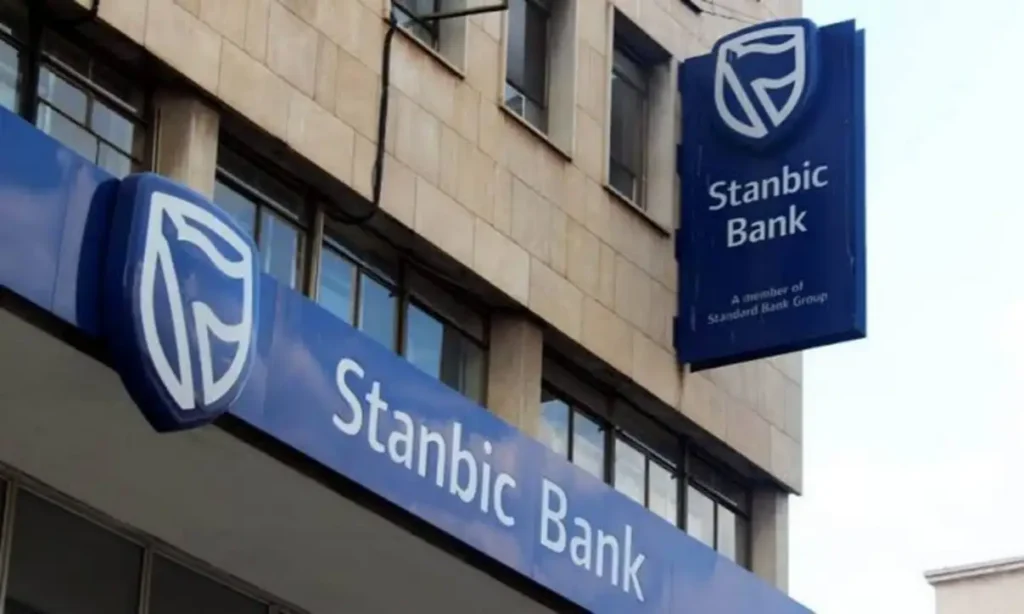


Stanbic IBTC Bank and the African Development Bank (AfDB) have entered a strategic partnership aimed at strengthening sustainable economic growth in Nigeria. The agreement enables Stanbic IBTC, a subsidiary of Stanbic IBTC Holdings Plc, to expand access to long-term financing for businesses that support job creation and national development.
According to a statement, the bank will channel the funding into critical sectors of the economy, including trade, infrastructure, and small and medium-sized enterprises (MSMEs). The initiative is expected to improve resilience in key industries while widening financial inclusion for companies that contribute to national progress.
The collaboration also highlights Stanbic IBTC’s commitment to sustainability. The bank noted that the deployment of funds will follow international standards and align with its internal sustainability framework. The Independent Project Monitoring Company (IPMC) recently ranked Stanbic IBTC as one of the leading institutions in sustainability performance, a recognition the bank says reflects its ongoing effort to support environmental and social responsibility.
“This agreement reflects our forward-looking strategy to support the sectors that matter most to Nigeria’s future. Our focus is on empowering businesses, enabling sustainable growth, and ensuring that our financial system remains strong enough to meet the evolving needs of the economy,” the chief executive of Stanbic IBTC Bank, Mr Wole Adeniyi, said.
Also commenting on the deal, the Director General of AfDB Nigeria, Mr Abdul Kamara, explained that the partnership supports AfDB’s mission. “Working with Stanbic IBTC aligns with our mission to accelerate Africa’s economic transformation. This collaboration ensures the bank can continue to play a pivotal role in financing infrastructure and sustainable development projects in Nigeria,” he stated.
AfDB has been active in Nigeria’s development efforts. In November 2025, the bank approved a US$500 million loan to support reforms in economic governance and energy transition. The intervention aims to improve the investment environment and strengthen infrastructure and private-sector growth.
Earlier in May 2025, AfDB introduced a new five-year Country Strategy for Nigeria for 2025 to 2030. The plan commits around US$650 million annually to support sustainable infrastructure, industrial expansion, and green growth with a focus on youth and women inclusion.
Recent Q3 2025 economic data show Nigeria’s real GDP grew by 3.98%, driven mainly by non-oil sectors like ICT, trade, agriculture, and financial services. These sectors are expected to benefit from the enhanced financing opportunities created by the AfDB partnerships.